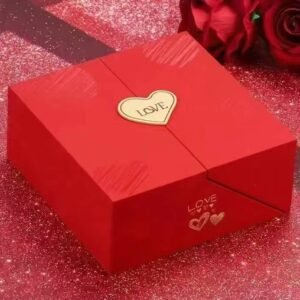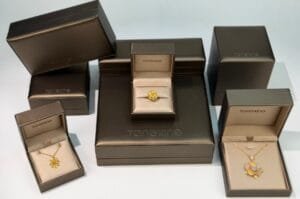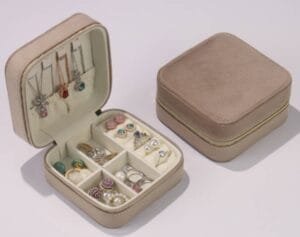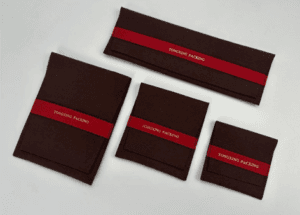
Selecting the right insert for custom jewelry boxes depends on individual needs. Foam Jewelry Inserts offer basic protection and affordability, making them ideal for travel or everyday use in jewelry packaging. Velvet elevates the Jewelry Display with a luxurious feel and suits both classic and modern pieces. Silk delivers a premium touch, perfect for heirlooms or delicate items stored in a Jewelry Pouch. A reliable jewelry packaging manufacturer understands these differences and can guide the best choice.
Understanding Jewelry Box Inserts
What Are Jewelry Box Inserts
Jewelry box inserts serve as the foundation for organizing and protecting valuable pieces. These inserts fit inside jewelry boxes, creating compartments and cushioned spaces for rings, necklaces, earrings, and watches. Manufacturers design jewelry box inserts to prevent jewelry from sliding, tangling, or scratching against other items. The right insert transforms a simple box into a secure storage solution.
Jewelry box inserts come in a wide range of materials, each offering unique benefits. The most common materials used in the jewelry industry include:
- ABS plastic, which provides water resistance and rigidity.
- Greyboard, known for its stiffness and affordability.
- Plywood, reserved for ultra-luxury or oversized display cases.
- Treated velvet, which prevents silver from oxidizing.
- Suede, offering a high-grip surface for rings.
- Satin, delivering a high-sheen look for luxury gift sets.
- EVA foam, recognized for high durability and ideal for rings and watches.
- PE foam, offering medium durability and best for earrings and studs.
- Paperboard, suitable for flat necklaces due to its low durability.
Jewelry box inserts not only organize jewelry but also enhance the overall presentation. They frame each piece, making it easier to find and admire individual items. The choice of material and design can elevate the perceived value of the jewelry inside.
Why Insert Material Matters
The material of jewelry box inserts plays a critical role in both protection and presentation. Different materials provide varying levels of cushioning, support, and visual appeal. Velvet, foam, silk, and suede each offer distinct advantages for specific types of jewelry.
A well-chosen insert acts as a protection system. It ensures that jewelry does not slide, twist, or tangle during storage or transport. Engineered foam inserts, such as EVA and PE, maintain their shape and reduce movement, which is essential for keeping jewelry safe, especially during transit. Specialized compartments within jewelry box inserts help prevent damage by holding each piece securely in place.
Jewelry box inserts do more than fill empty space. They stabilize and frame jewelry, controlling movement and minimizing the risk of scratches or breakage. The stability provided by quality jewelry box inserts is crucial for maintaining the condition of valuable pieces over time.
Selecting the right material for jewelry box inserts impacts the longevity of stored jewelry. Luxury velvet inserts suit high-end pieces, while foam inserts offer practical solutions for collections with multiple items. The right choice ensures that jewelry remains beautiful and protected, whether on display or tucked away for safekeeping.
Foam Jewelry Inserts
What Is Foam
Foam jewelry inserts play a vital role in the jewelry packaging industry. Manufacturers use several types of foam to create these inserts, each with unique properties. Polyurethane (PU) foam offers a soft, open-cell structure that cushions delicate items. However, PU foam can degrade over time and may tarnish silver jewelry. Polyethylene (PE) foam provides a firmer, closed-cell design that absorbs shocks and resists moisture, making it suitable for heavier pieces. Ethylene-Vinyl Acetate (EVA) foam stands out for its density and durability, often chosen for luxury packaging due to its premium feel and excellent protection. These materials allow foam jewelry inserts to serve a wide range of needs, from everyday storage to high-end presentation.
| Foam Type | Key Properties | Common Uses in Jewelry Packaging | Archival Suitability Rating |
|---|---|---|---|
| PU (Polyurethane) | Soft, flexible, absorbs moisture, may tarnish silver | General inserts, delicate items | Low |
| PE (Polyethylene) | Firm, shock-absorbing, moisture resistant | Heavier jewelry, protective liners | Medium |
| EVA | Dense, durable, premium feel | Luxury packaging, high-value pieces | Medium (if additive-free) |
Cushioning and Protection
Foam inserts for jewelry boxes provide outstanding cushioning and protection. Their structure absorbs impacts and prevents jewelry from moving during transport or storage. Laboratory tests, such as drop tests and vibration tests, confirm the effectiveness of foam jewelry inserts in safeguarding valuable items. Drop tests simulate accidental falls, ensuring that jewelry survives impacts from various heights. Vibration tests replicate the movement experienced during shipping, while compression tests assess resistance to stacking pressure. Environmental exposure tests verify performance under heat, cold, or humidity.
| Test Type | Purpose |
|---|---|
| Drop Tests | Simulate drops from various heights |
| Vibration Tests | Replicate movement during shipping |
| Compression Tests | Assess resistance to stacking pressure |
| Environmental Tests | Check performance in heat, cold, or humidity |
Foam inserts for jewelry boxes excel in absorbing shocks and minimizing the risk of scratches or dents. Their ability to conform to the shape of each piece ensures that rings, earrings, and pendants remain secure and untangled.
Appearance and Style
Foam jewelry inserts offer a clean and modern look that suits a variety of jewelry box designs. Manufacturers can cut foam inserts for jewelry boxes into custom shapes and sizes, allowing for tailored compartments that fit specific pieces. Some foam jewelry inserts feature flocked surfaces, which add a soft, velvety texture and enhance visual appeal. Others use colored or patterned foam to match branding or personal style preferences. While foam inserts for jewelry boxes may not provide the same level of luxury as velvet or silk, they deliver a neat and organized presentation that appeals to both retailers and consumers. Their versatility makes them a popular choice for both classic and contemporary jewelry collections.
Cost and Value
Foam jewelry inserts offer a practical solution for both retailers and collectors who seek reliable protection without a high price tag. Manufacturers can produce foam inserts at scale, which helps keep costs lower than luxury materials like silk or treated velvet. Foam inserts often provide better value than basic paperboard or bubble wrap, especially when long-term storage or repeated handling is necessary.
While foam may cost more than simple packing materials, it delivers superior cushioning and a more professional appearance. Retailers often choose foam for mid-range and premium packaging because it balances affordability with enhanced protection. Customization options, such as die-cut shapes or flocked surfaces, may increase the price slightly, but these features add value by improving fit and presentation. For those managing large inventories or shipping jewelry, foam inserts represent a cost-effective investment that reduces the risk of damage and returns.
Best Uses for Foam Jewelry Inserts
Foam jewelry inserts excel in situations where durability and shock absorption matter most. Retailers and collectors frequently use foam inserts for:
- Rings
- Earrings
- Bracelets
These items benefit from the snug fit and cushioning that foam provides. Foam inserts also work well for travel cases, shipping boxes, and display trays. They help prevent movement and minimize the risk of scratches or dents during transport. Many jewelry stores rely on foam inserts for everyday storage and presentation, especially for pieces that see frequent handling.
Foam inserts adapt easily to different box sizes and shapes, making them suitable for both small and large collections. Their versatility allows for custom layouts, which helps organize multiple items within a single box. For those who prioritize protection and organization, foam remains a top choice.
Pros and Cons of Foam Jewelry Inserts
Customer reviews highlight several advantages and disadvantages of foam jewelry inserts. The following table summarizes the most frequently cited points:
| Advantages | Disadvantages |
|---|---|
| Provides additional protection | Can be more expensive than bubble wrap |
| Ensures safe arrival of products | May weigh more in some cases |
| Customizable to fit items | Not best for thin or small parts |
| Excellent shock absorption | |
| Good for luxe goods |
Foam inserts stand out for their ability to absorb shocks and protect valuable jewelry during shipping or storage. They can be cut or molded to fit specific items, which enhances both security and presentation. However, foam may add weight compared to lighter packing materials and may not suit very thin or tiny jewelry parts. Some users note that foam inserts cost more than basic alternatives, but most agree that the added protection justifies the investment for valuable or frequently handled pieces.
Velvet Jewelry Box Inserts
What Is Velvet
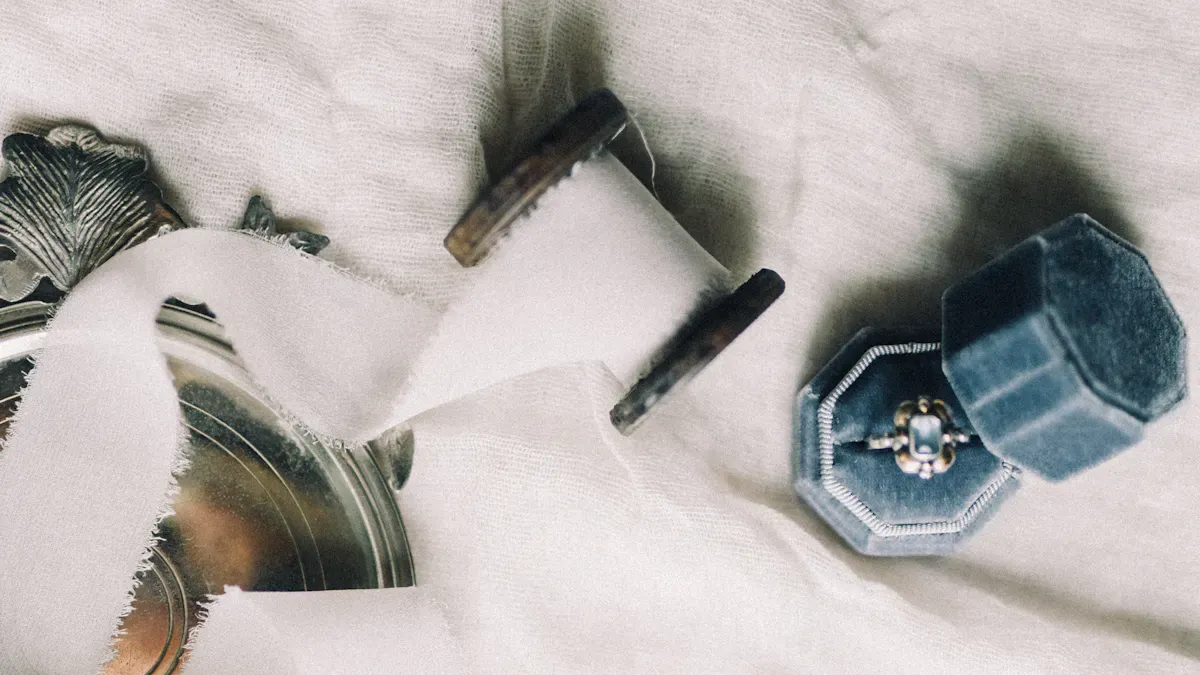
Velvet jewelry box inserts have become a preferred choice for both retailers and collectors who value elegance and protection. Velvet, a woven fabric with a dense pile, offers a plush and luxurious surface. Manufacturers often select high-grade velvet or velour for jewelry boxes to ensure a soft touch and a refined appearance. The fabric’s unique structure reflects light, creating a rich sheen that enhances the perceived value of the jewelry inside. Many brands choose velvet jewelry box inserts to communicate sophistication and attention to detail.
The defining characteristics of velvet used in jewelry box inserts include:
| Characteristic | Description |
|---|---|
| Texture | Velvet has a luxurious and soft plush texture, enhancing the tactile experience of jewelry presentation. |
| Appearance | It possesses a rich look and sheen, reflecting light beautifully to add depth and perceived value. |
| Protective Qualities | The dense pile provides cushioning, protecting delicate items from scratches and damage. |
Velvet jewelry box inserts stand out for their ability to combine visual appeal with practical benefits. This material elevates the presentation of both classic and modern jewelry collections.
Jewelry Protection with Velvet
Velvet jewelry box inserts provide excellent protection for delicate pieces. The dense pile of velvet acts as a cushion, reducing the risk of scratches and physical damage. Unlike untreated silk, velvet can also help prevent tarnish, especially when treated with anti-corrosion technology. This makes velvet jewelry box inserts a reliable choice for storing silver and other sensitive metals.
The following table compares the protective qualities of velvet, foam, and silk:
| Material | Protection from Scratches | Protection from Tarnish | Additional Notes |
|---|---|---|---|
| Velvet | Yes | Yes | Plush, non-abrasive, can be treated with anti-corrosion technology. |
| Foam | N/A | N/A | Not specifically mentioned for tarnish prevention. |
| Silk | No | No | Untreated silk may accelerate tarnishing. |
Many jewelers prefer velvet jewelry box inserts for heirlooms and valuable pieces because the material offers both softness and durability. When comparing velvet vs foam, velvet provides a more luxurious feel and better protection against tarnish, while foam focuses on shock absorption.
Visual Appeal and Texture
Velvet jewelry box inserts attract consumers with their unmistakable visual qualities. The plush texture creates a tactile experience that feels premium. Rich color saturation allows brands to select shades that match their identity, such as deep burgundy for a classic look or soft pastels for a modern, romantic vibe. The craftsmanship of velvet jewelry box inserts, including details like stitching and lining, communicates elegance and care.
- Luxurious texture
- Rich color saturation
- Attention to detail in construction
Velvet jewelry box inserts often feature soft linings like satin or felt, further enhancing the overall presentation. When comparing velvet vs foam, velvet stands out for its ability to elevate the display of fine jewelry. Consumers associate velvet jewelry box inserts with high-end products and memorable unboxing experiences.
Price Range and Affordability
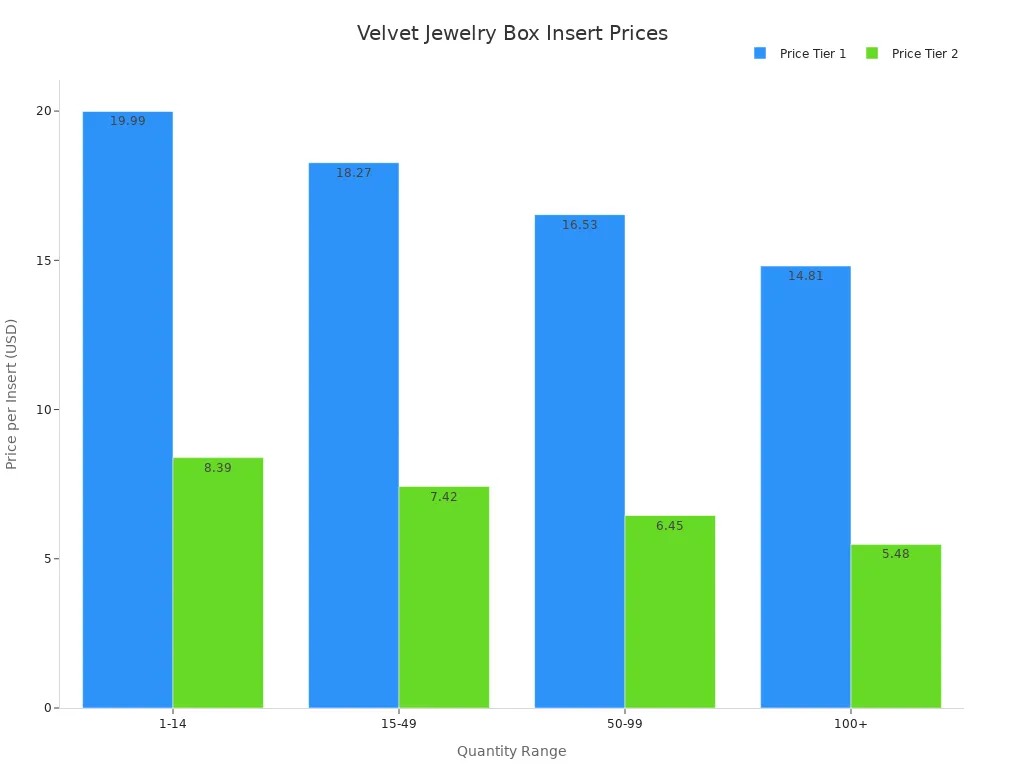
Velvet jewelry box inserts occupy a mid-to-high price tier among jewelry storage materials. The cost depends on the type of velvet, craftsmanship, and order quantity. Retailers and collectors often find that buying in bulk significantly reduces the price per insert. For example, a single velvet insert may cost $19.99, but the price drops to $14.81 when ordering 100 or more. Some options start as low as $8.39 per insert, with bulk rates reaching $5.48 for large orders. The following table illustrates typical market prices:
| Quantity Range | Price per Insert |
|---|---|
| 1-14 | $19.99 |
| 15-49 | $18.27 |
| 50-99 | $16.53 |
| 100+ | $14.81 |
| 1-14 | $8.39 |
| 15-49 | $7.42 |
| 50-99 | $6.45 |
| 100+ | $5.48 |
Velvet inserts cost more than basic foam or paperboard, but they offer a superior balance of protection and presentation. Many buyers consider the investment worthwhile for heirloom or high-value pieces. The affordability improves with higher quantities, making velvet a practical choice for jewelry brands and serious collectors.
Ideal Jewelry Types for Velvet
Velvet inserts suit a wide variety of jewelry types due to their soft surface and protective qualities. Experts recommend traditional velvet for delicate items, as its dense pile cushions and prevents scratching. Microfiber velvet offers durability and easy cleaning, making it suitable for everyday pieces. Suede and crushed velvet provide unique textures, adding visual interest to jewelry displays. Silk velvet, with its rich luster, often appears in high-end boxes for luxury items. Velveteen serves as a cost-effective alternative, mimicking the look and feel of true velvet.
| Velvet Type | Description | Suitability for Jewelry Inserts |
|---|---|---|
| Traditional Velvet | Soft, dense pile; cushions delicate items and prevents scratching. | Highly suitable |
| Microfiber Velvet | Durable, stain-resistant, and easy to clean. | Suitable |
| Suede | Luxurious feel; provides protection but less durable than traditional velvet. | Suitable |
| Crushed Velvet | Distinctive texture; adds visual interest. | Suitable |
| Panne Velvet | Shiny surface; trendy for fast fashion brands. | Suitable |
| Silk Velvet | Rich luster and soft texture; used in high-end jewelry boxes. | Highly suitable |
| Velveteen | Cost-effective alternative that mimics velvet. | Suitable |
Jewelry types that benefit most from velvet inserts include rings, earrings, brooches, and necklaces. These materials prevent tangling and minimize abrasion, preserving the finish of precious metals and gemstones. Velvet inserts also enhance the visual appeal of both classic and contemporary collections.
Pros and Cons of Velvet Jewelry Box Inserts
Velvet jewelry box inserts deliver a blend of luxury and practicality, but they also present some trade-offs. The following list summarizes the main advantages and disadvantages:
Pros:
- Provides a plush, elegant presentation for fine jewelry.
- Cushions and protects delicate items from scratches.
- Available in a range of colors and textures to match different aesthetics.
- Treated velvet can help prevent tarnish on silver and other sensitive metals.
- Suitable for both classic heirlooms and modern designs.
Cons:
- Costs more than basic materials such as foam or paperboard.
- May attract dust and lint, requiring occasional cleaning.
- Some velvet types, like suede, offer less durability over time.
- Not ideal for environments with high humidity unless treated for moisture resistance.
Tip: Regularly clean velvet inserts with a soft brush or lint roller to maintain their appearance and prolong their lifespan.
Jewelry enthusiasts and retailers often choose velvet for its balance of protection, aesthetics, and versatility. However, they should consider the specific needs of their collection and storage environment when selecting materials.
Silk Jewelry Box Inserts
What Is Silk
Silk stands out as one of the most luxurious materials used for jewelry box inserts. Manufacturers value this fabric for its unique combination of smoothness, elegance, and lightweight properties. The production process involves harvesting natural fibers from silkworm cocoons, which results in a textile with a signature sheen and soft touch. These qualities make silk a preferred choice for high-end jewelry packaging, especially when presentation and tactile experience matter.
The following table highlights the unique properties that set silk apart in jewelry box design:
| Property | Description |
|---|---|
| Smoothness | Silk feels exceptionally smooth, enhancing the user experience. |
| Elegance | The fabric’s sheen adds a sophisticated look to any jewelry box. |
| Lightweight | Its light weight makes handling and installation easy. |
| Non-abrasive | Silk protects delicate jewelry from scratches and tarnishing. |
| Delicacy | The material can be fragile and may snag if not handled with care. |
Silk’s Protective Qualities
Silk jewelry box inserts offer a gentle surface that helps prevent scratches on precious metals and gemstones. The non-abrasive nature of silk ensures that even the most delicate items remain safe during storage. Jewelers often select silk linings for heirloom pieces or high-polish finishes, as the fabric cushions jewelry without causing friction or damage.
- Velvet and silk linings both provide a soft cushion, ideal for protecting metal surfaces and gemstones.
- The smooth texture of silk reduces the risk of abrasion, making it suitable for items with intricate details or sensitive finishes.
While silk excels at minimizing scratches, it does not offer the same level of shock absorption as foam. Owners should handle silk-lined boxes with care to maintain both the insert and the jewelry inside.
Aesthetic and Luxury Factor
Silk jewelry box inserts elevate the presentation of fine jewelry. The fabric’s natural sheen and refined appearance create a sense of exclusivity that appeals to discerning buyers. Many luxury brands choose silk for its ability to enhance the perceived value of their products.
- Fabrics like silk, velvet, and satin add a premium and sleek feel to jewelry packaging.
- Custom inserts made from silk ensure each item fits perfectly, preventing movement and enhancing the unboxing experience.
- Premium materials such as silk contribute to the overall luxury feel of a jewelry box.
- Well-designed inserts provide organized support, keeping jewelry in place and protecting delicate surfaces.
- The structure and clarity of silk-lined inserts focus attention on the jewelry, improving display quality.
Note: Silk jewelry box inserts require gentle cleaning and careful handling to preserve their beauty and function over time.
Cost Considerations
Silk jewelry box inserts represent the highest tier in terms of material cost. Manufacturers source natural silk, which requires labor-intensive production. This process increases the price compared to synthetic fabrics or foam. Retailers often position silk-lined boxes as luxury items. The cost per insert can range from $25 to $60 or more, depending on the grade of silk, craftsmanship, and customization.
A comparison table helps clarify the price difference:
| Insert Material | Typical Price Range (per insert) | Market Position |
|---|---|---|
| Foam | $2 – $10 | Budget/Practical |
| Velvet | $8 – $20 | Mid-range/Luxury |
| Silk | $25 – $60+ | Premium/Heirloom |
Bulk orders may reduce the unit price, but silk remains a premium option. Many buyers consider the investment worthwhile for heirloom pieces or high-value collections. Silk inserts also require gentle cleaning and careful handling, which can add to long-term maintenance costs.
Tip: For those managing a large inventory, silk may suit only select pieces rather than an entire collection.
When to Choose Silk Jewelry Box Inserts
Silk jewelry box inserts excel in specific scenarios. Jewelers and collectors often select silk for heirlooms, antique pieces, or jewelry with intricate details. The smooth surface of silk prevents scratches on high-polish metals and delicate gemstones. Silk also enhances the presentation of luxury items, making it ideal for special occasions or gift packaging.
Consider silk inserts in these situations:
- Storing family heirlooms or antique jewelry
- Presenting engagement rings or wedding bands
- Packaging limited-edition or designer pieces
- Displaying jewelry in high-end retail environments
Silk works best for items that require both protection and a premium presentation. Many luxury brands use silk to reinforce their image and create a memorable unboxing experience.
Pros and Cons of Silk Jewelry Box Inserts
Silk offers unique advantages, but it also presents some challenges. The following list summarizes the main pros and cons:
Pros:
- Delivers unmatched elegance and a premium feel
- Provides a non-abrasive surface for delicate jewelry
- Enhances the perceived value of the contents
- Customizable for unique shapes and sizes
Cons:
- Commands a higher price than velvet or foam
- Requires careful cleaning and maintenance
- Prone to snags, stains, and moisture damage
- Offers less shock absorption than foam
Note: Silk jewelry box inserts suit collectors who prioritize luxury and presentation over cost and durability.
Silk remains the top choice for those seeking the ultimate in jewelry storage and display. However, buyers should weigh the benefits against the higher cost and maintenance needs.
Velvet vs Foam: Key Differences
Durability and Longevity
When comparing velvet and foam jewelry box inserts, durability becomes a key consideration for both retailers and collectors. Each material responds differently to daily use and long-term storage.
- Velvet tends to show signs of wear over time. Frequent friction can cause pilling, which affects the smoothness of the surface. Indentations may develop where jewelry rests, especially if the same slot holds a piece for extended periods.
- Foam offers resilience but depends heavily on its density and quality. Low-density foam can collapse or lose its shape, resulting in loose slots that no longer secure jewelry properly. Permanent compression marks may appear if the foam lacks adequate rebound.
- For ring inserts, stability and the ability to return to their original form after repeated use are essential. Testing for these qualities helps determine which material will last longer under regular handling.
Both materials require careful selection based on the intended use. High-quality foam with proper density can outlast lower-grade velvet, while premium velvet maintains its appearance longer than basic foam.
Aesthetics and Presentation
Velvet jewelry box inserts stand out for their luxurious texture and sophisticated appearance. Many high-end brands choose velvet to create an elegant display that enhances the perceived value of fine jewelry. The plush surface reflects light beautifully, drawing attention to the details of each piece.
Custom foam inserts, on the other hand, provide a modern and tailored look. Manufacturers can cut foam to fit specific jewelry shapes, ensuring a neat and organized presentation. Foam inserts also allow for creative color choices and branding options, making them suitable for contemporary collections.
Some manufacturers combine foam with a velvet finish. This approach merges the protective qualities of foam with the visual appeal of velvet, resulting in an insert that offers both security and luxury. The combination works well for premium packaging where both aesthetics and protection matter.
Tip: For those seeking the best of both worlds, consider inserts that use foam as a base with a velvet overlay.
Cost Comparison
Cost plays a significant role in the decision between velvet and foam jewelry box inserts. Foam generally offers a more budget-friendly solution. Manufacturers can produce foam inserts at scale, which keeps prices low for both small and large orders. This makes foam a practical choice for everyday jewelry or high-volume packaging needs.
Velvet inserts, while more expensive, deliver added value through their elegant appearance and tactile experience. The price of velvet depends on the type, quality, and quantity ordered. Bulk purchases can reduce the cost per insert, but velvet remains a mid-to-high tier option compared to foam.
| Material | Typical Price Range (per insert) | Best Use Case |
|---|---|---|
| Foam | $2 – $10 | Everyday, travel, bulk orders |
| Velvet | $8 – $20 | Luxury, heirlooms, display |
Those managing a large inventory may prefer foam for cost efficiency. Collectors and brands focused on presentation often invest in velvet for its premium look and feel.
Compatibility with Jewelry Types
Jewelry collectors and retailers often select inserts based on the type of jewelry they need to store or display. Foam and velvet inserts each offer unique advantages for different pieces. Foam inserts, especially those with a flocked finish, provide both cushioning and a soft surface. This combination makes foam a preferred choice for protecting jewelry during transport. Rings, earrings, and bracelets with fragile stones or intricate settings benefit from the shock absorption that foam delivers. Jewelers often recommend foam inserts for travel cases and shipping boxes because these inserts reduce the risk of damage from movement or impact.
Velvet inserts, on the other hand, excel in presentation. Their luxurious appearance and soft texture enhance the visual appeal of fine jewelry. Many retailers use velvet for displaying rings, brooches, and necklaces in retail environments. However, velvet does not provide the same level of shock absorption as foam. For this reason, jewelers may avoid velvet inserts for very fragile or high-value pieces that require extra protection during handling or shipping.
Silk inserts serve a different purpose. They offer a non-abrasive surface ideal for heirlooms, antique jewelry, and items with high-polish finishes. Silk works best for pieces that remain stationary, such as those in display cases or personal collections. Collectors often reserve silk for special items that demand both elegance and gentle care.
The following table summarizes the compatibility of each insert material with common jewelry types:
| Insert Material | Best For | Not Ideal For |
|---|---|---|
| Foam | Fragile stones, travel, shipping | High-luxury presentation |
| Velvet | Retail display, classic pieces | Fragile items in transit |
| Silk | Heirlooms, antique jewelry | Everyday or travel use |
Tip: For collections with a mix of delicate and sturdy pieces, consider using different insert materials in separate compartments.
Maintenance and Cleaning
Proper maintenance extends the life of jewelry box inserts and preserves the condition of stored jewelry. Foam inserts require minimal care. Owners can clean them with a lint roller or a soft brush to remove dust and debris. For deeper cleaning, a damp cloth works well, but foam should dry completely before use to prevent mold or odor.
Velvet inserts need more attention. The plush surface attracts dust and lint, which can dull the fabric’s appearance. A soft brush or lint roller removes surface particles. For stains, a gentle fabric cleaner applied with a microfiber cloth helps maintain the velvet’s texture. Regular cleaning keeps velvet inserts looking elegant and prevents buildup that could transfer to jewelry.
Silk inserts demand the most delicate care. Owners should avoid water and harsh chemicals, as these can damage the fibers. A dry, soft brush removes dust. For stains, professional cleaning is recommended. Storing silk-lined boxes in a dry, cool place prevents moisture damage and preserves the fabric’s sheen.
A quick reference for cleaning methods:
| Insert Material | Cleaning Method | Maintenance Frequency |
|---|---|---|
| Foam | Lint roller, damp cloth | Monthly |
| Velvet | Soft brush, fabric cleaner | Bi-weekly |
| Silk | Dry brush, professional clean | As needed |
Note: Regular maintenance not only protects the inserts but also ensures that jewelry remains free from dust and potential contaminants.
Comparing Foam, Velvet, and Silk Jewelry Inserts
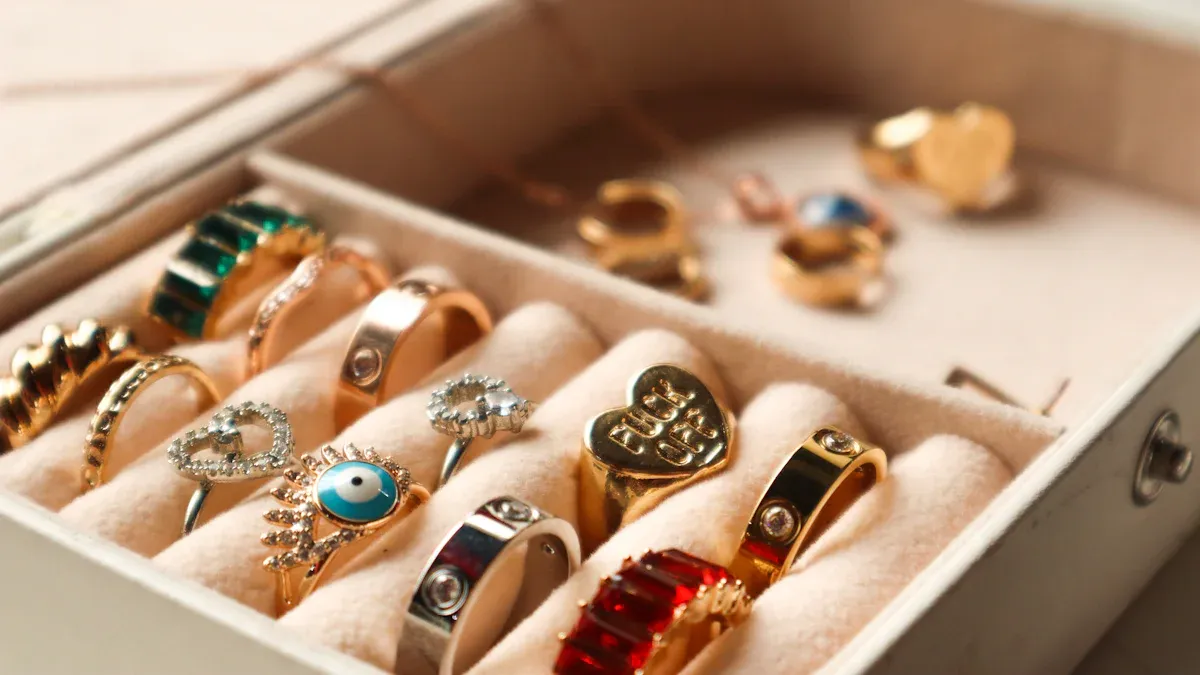
Protection and Support
Jewelry collectors and retailers prioritize protection when selecting an insert for their storage or display needs. Foam inserts provide excellent shock absorption. The dense structure of EVA foam holds jewelry securely, reducing movement during transport. This feature makes foam a preferred choice for shipping and travel cases. Velvet inserts offer a plush surface that cushions delicate items. The soft pile prevents scratches on metals and gemstones. However, velvet does not absorb impacts as effectively as foam. Silk inserts deliver a gentle, non-abrasive environment. The smooth texture protects high-polish finishes and intricate details. Silk works best for heirlooms and luxury pieces that remain stationary. Each insert material supports jewelry differently, so users should match the insert to the specific protection needs of their collection.
Appearance and Luxury
The visual impression of a jewelry box often depends on the insert material. Velvet inserts create a classic luxury look. The plush surface and rich colors enhance the presentation of rings, necklaces, and earrings. Foam inserts, especially those made from EVA, provide a modern and secure appearance. Precise cutouts hold each item in place, giving the display a clean and organized feel. Silk inserts elevate the sense of elegance. The smooth, lustrous fabric signals exclusivity and refinement, making it ideal for high-end watches and bracelets.
The following table summarizes the differences in appearance and perceived luxury:
| Lining Material | Best For | Feeling |
|---|---|---|
| Velvet | Classic luxury, rings, necklaces, earrings | Soft, plush |
| EVA Foam | Securely holding items with precise cutouts | Modern, secure |
| Silk/Satin | High-end watches, bracelets | Smooth, elegant |
Note: The choice of insert material can influence a customer’s perception of the jewelry’s value.
Cost and Value
Cost remains a significant factor in selecting an insert for jewelry boxes. Foam inserts, such as PU or PE foam, suit entry-level and mid-range brands. These inserts offer reliable protection at a lower price point. Velvet-laminated foam appears in mid-range and premium packaging, balancing cost with a luxurious finish. EVA foam with velvet or suede flocking serves premium brands, providing both durability and elegance. Luxury brands often choose silk or custom-dyed velvet for their inserts. These materials command higher prices but deliver unmatched presentation and exclusivity.
The table below outlines typical insert choices by brand tier:
| Brand Tier | Recommended Insert | Finish |
|---|---|---|
| Entry-level ($20–$50) | PU foam or cardboard | Paper velour or plain |
| Mid-range ($50–$150) | PE foam | Velvet laminated |
| Premium ($150–$500) | EVA foam | Velvet or suede flocking |
| Luxury ($500+) | EVA foam or molded pulp | Satin, silk, or custom velvet |
Buyers should consider both the upfront cost and the long-term value of each insert. Foam offers affordability and protection for everyday use. Velvet provides a balance of elegance and durability. Silk delivers the highest level of luxury, making it suitable for special pieces and premium collections.
Suitability for Different Jewelry Types
Selecting the right insert material depends on the type of jewelry being stored or displayed. Each material—foam, velvet, and silk—offers unique benefits for specific jewelry categories. Industry experts recommend matching the insert to the jewelry’s structure, value, and intended use.
The following table summarizes the best pairings:
| Jewelry Type | Suitable Inserts | Key Features |
|---|---|---|
| Bracelets | High-Density Foam, Velvet | Rigid base, prevents metal-on-metal friction |
| Earrings | Firm Cardstock, Anti-Tarnish Cotton | Secure mounting, prevents rattling and scratches |
| Bangles | Pillows | Gold standard for structured designs |
| Cuffs | Pillows | Ideal for architectural styles |
| General Luxury Items | Velvet & Suede | High-luxury tactile experience |
Foam inserts work well for bracelets, especially when crafted from high-density materials. They provide a rigid base that keeps metal components separated, reducing the risk of scratches. Velvet inserts suit luxury items and classic jewelry, offering a plush surface that enhances presentation and protects delicate finishes. For bangles and cuffs, structured pillows maintain the shape and prevent shifting inside the box. Earrings benefit from firm cardstock or anti-tarnish cotton, which secure each piece and minimize movement.
Tip: For mixed collections, consider using a combination of foam and velvet inserts to balance protection and visual appeal.
Silk inserts excel with heirloom pieces and high-value jewelry. The smooth surface prevents abrasion on polished metals and gemstones. Collectors often reserve silk for items that require both gentle handling and a premium presentation.
Maintenance and Longevity
Proper care extends the lifespan of jewelry box inserts and preserves the condition of stored pieces. Each material demands a specific approach to maintenance and offers different levels of durability.
| Material | Maintenance Requirements | Expected Longevity |
|---|---|---|
| Foam | Must be free from dyes and treatments to avoid chemical reactions with metals. | Generally stable but can degrade over time if not maintained properly. |
| Velvet | Requires gentle cleaning; should be kept away from moisture to prevent damage. | Can last several years with proper care. |
| Silk | Needs careful handling; should be stored in a dry, dark place to avoid fading. | Typically lasts a long time if maintained correctly. |
Foam inserts require attention to chemical composition. Manufacturers recommend using foam that does not contain reactive dyes or additives, as these can cause discoloration or tarnish on metal jewelry. Regular inspection helps identify early signs of degradation, such as crumbling or loss of shape.
Velvet inserts need gentle cleaning to maintain their plush texture. Owners should use a soft brush or lint roller to remove dust. Moisture can damage velvet, so storage in a dry environment is essential. With proper care, velvet inserts retain their appearance and protective qualities for several years.
Silk inserts demand the most delicate handling. Exposure to light and humidity can cause fading or weakening of the fibers. Storing silk-lined boxes in a cool, dark place preserves both the fabric and the jewelry. When maintained correctly, silk inserts offer long-lasting elegance and protection.
Note: Regular maintenance not only extends the life of the insert but also safeguards the jewelry from environmental damage.
How to Choose the Right Jewelry Box Inserts
Assessing Your Jewelry Collection
Fine Jewelry vs Costume Jewelry
Jewelry collectors often start by evaluating the value and sensitivity of their pieces. Fine jewelry, which includes gold, platinum, and precious gemstones, requires inserts that offer both protection and a premium presentation. Velvet and silk inserts provide a soft surface that prevents scratches and enhances the visual appeal of high-value items. Costume jewelry, made from less expensive materials, benefits from practical inserts like foam. Foam inserts deliver reliable support and organization for everyday pieces. By understanding the distinction between fine and costume jewelry, collectors can select the most suitable insert material for each category.
Delicate vs Sturdy Pieces
The physical characteristics of jewelry also influence the choice of insert. Delicate items, such as thin chains or pieces with intricate settings, need gentle handling. Silk and velvet inserts minimize abrasion and reduce the risk of damage. Sturdy pieces, including solid bangles or robust rings, can withstand firmer support. Foam inserts, one of the common types of jewelry box inserts, provide excellent shock absorption for these items. Collectors should match the insert material to the fragility of their jewelry to ensure long-term preservation.
Matching Insert to Box Size and Shape
Small Jewelry Boxes
Small jewelry boxes require inserts that maximize limited space. Custom-cut foam or velvet inserts create organized compartments for rings, earrings, or pendants. These inserts prevent items from shifting and make it easy to locate specific pieces. Silk inserts, while luxurious, may not always fit compact designs. Owners should measure the interior dimensions before selecting an insert to guarantee a proper fit.
Large or Multi-Compartment Boxes
Large or multi-compartment boxes accommodate diverse collections. Collectors often use a combination of the common types of jewelry box inserts to organize different jewelry categories. Foam inserts work well for bulkier items, while velvet or silk inserts suit delicate or high-value pieces. Adjustable or modular inserts offer flexibility, allowing users to reconfigure compartments as their collection grows.
Prioritizing Protection vs Presentation
Every collector must decide whether protection or presentation takes priority. Those who travel frequently or store jewelry in high-traffic areas may prefer foam inserts for their shock-absorbing qualities. Retailers and collectors who focus on display value often choose velvet or silk for their elegant appearance. A simple table can help clarify priorities:
| Priority | Recommended Insert Material |
|---|---|
| Protection | Foam |
| Presentation | Velvet, Silk |
Tip: For mixed collections, consider using different insert materials in separate sections of the same box.
By assessing the collection, matching inserts to box size, and clarifying priorities, collectors can make informed decisions that protect and showcase their jewelry.
Budget Considerations
Budget plays a crucial role when selecting the right materials for a custom jewelry box. Buyers often face a wide range of price points, especially when comparing foam, velvet, and silk options for custom jewelry box inserts. Each material impacts the overall cost, but also influences the perceived value and protection level of the jewelry inside.
A custom jewelry box with foam inserts usually offers the most affordable solution. Foam provides reliable protection and suits those who need to store or transport multiple pieces without a significant investment. Many retailers choose foam for bulk orders or for collections that include costume jewelry. This approach helps control costs while still delivering a professional appearance.
Velvet inserts increase the price of a custom jewelry box, but they also enhance the presentation. Velvet appeals to buyers who want a balance between luxury and affordability. When purchasing custom jewelry box inserts in larger quantities, the price per unit often decreases. This makes velvet a practical choice for brands or collectors who want to elevate their packaging without exceeding their budget.
Silk represents the premium end of the spectrum. Custom jewelry box inserts made from silk command the highest prices due to the material’s elegance and delicate nature. Silk works best for heirloom pieces or high-value collections where presentation and protection matter most. Buyers should reserve silk for special occasions or for storing jewelry that requires the utmost care.
The following table summarizes the typical cost ranges for each material:
| Material | Typical Cost per Insert | Best Use Case |
|---|---|---|
| Foam | $2 – $10 | Everyday, travel, bulk storage |
| Velvet | $8 – $20 | Gift boxes, classic collections |
| Silk | $25 – $60+ | Heirlooms, luxury pieces |
Tip: Buyers can save money by ordering custom jewelry box inserts in bulk or by mixing materials within a single custom jewelry box. For example, foam can protect everyday items, while velvet or silk can highlight special pieces.
When planning a budget, buyers should consider not only the upfront cost but also the long-term value. The right materials can prevent damage, reduce replacement expenses, and enhance the overall experience of owning a custom jewelry box. By weighing the benefits of each option, buyers can find a solution that fits both their needs and their financial goals.
Customizing Jewelry Box Inserts
Factors to Consider When Customizing
Material Selection
Material selection forms the foundation of effective customization for jewelry box inserts. Retailers and collectors must evaluate the type of jewelry, the desired level of protection, and the overall aesthetic. Foam, velvet, and silk each offer unique benefits. Foam provides excellent shock absorption, making it suitable for travel cases. Velvet delivers a plush surface that enhances presentation. Silk offers a premium touch for heirlooms. Customization allows users to match the insert material to the jewelry’s value and sensitivity. Manufacturers often recommend testing samples before finalizing the customization process. This approach ensures the chosen material aligns with both functional and visual goals.
Color and Texture Choices
Color and texture play a significant role in customization. Brands often select colors that reflect their identity or complement the jewelry inside. Deep hues like navy or burgundy create a sense of luxury, while lighter tones offer a modern look. Texture also impacts the unboxing experience. Smooth finishes, such as silk, highlight elegance. Flocked or plush textures, like velvet, add warmth and depth. Customization enables the creation of unique combinations that set a jewelry box apart from standard designs. Retailers can request swatches to compare options and achieve the desired effect.
Common Mistakes to Avoid
Overlooking Jewelry Type
One common mistake in customization involves ignoring the specific jewelry type. Rings, necklaces, and bracelets require different support structures. Using a one-size-fits-all approach can lead to damage or disorganization. Customization should address the unique needs of each piece. For example, delicate chains benefit from silk-lined compartments, while sturdy rings fit securely in foam slots. Proper customization ensures each item receives the right level of protection and display.
Ignoring Box Dimensions
Another frequent error occurs when customization does not account for box dimensions. Inserts that do not fit precisely can shift during handling, risking damage to the jewelry. Accurate measurements are essential for successful customization. Manufacturers advise providing exact interior dimensions and considering the thickness of the insert material. This attention to detail prevents wasted resources and ensures a seamless fit.
Tips for a Perfect Fit
Achieving a perfect fit with customization requires careful planning and communication. The following tips help streamline the process:
- Measure the interior of the jewelry box before starting customization.
- Choose materials and textures that match the jewelry’s needs.
- Request prototypes or samples to test fit and finish.
- Work with experienced manufacturers who specialize in customization.
- Review the final design for both aesthetics and functionality.
Tip: Customization adds value to jewelry packaging by enhancing both protection and presentation. Investing time in the customization process leads to a superior result.
Customization transforms ordinary jewelry boxes into personalized storage solutions. By focusing on material selection, color, texture, and precise measurements, retailers and collectors can create inserts that reflect their style and meet their needs.
Special Considerations for Jewelry Box Inserts
Storing Antique or Heirloom Jewelry
Antique and heirloom jewelry often carries both sentimental and monetary value. Owners must prioritize preservation when selecting inserts for these pieces. Velvet and silk inserts provide gentle surfaces that prevent scratches on delicate metals and gemstones. Silk works well for items with intricate engravings or soft stones. Velvet offers a plush cushion that reduces movement inside the box.
Collectors should avoid foam inserts that contain chemicals or dyes. These substances can react with metals and cause tarnishing over time. Archival-quality materials, such as acid-free velvet or untreated silk, help maintain the original condition of heirlooms. Jewelry experts recommend storing each piece in a separate compartment to prevent contact and abrasion.
Tip: Place a small packet of silica gel in the box to control humidity and reduce the risk of corrosion.
Travel and Portable Jewelry Boxes
Travel introduces unique risks for jewelry. Portable boxes require inserts that combine protection with lightweight design. High-density foam inserts absorb shocks from bumps and drops. These inserts hold rings, earrings, and pendants securely during transit. Velvet-lined foam offers both cushioning and a touch of elegance for travelers who want style and safety.
Manufacturers design travel jewelry boxes with compact compartments. Custom-cut foam or modular inserts maximize space and organization. Some boxes include anti-tarnish linings to protect silver jewelry from oxidation. Travelers should choose inserts that fit snugly to prevent items from shifting.
A quick comparison of insert features for travel:
| Feature | Foam | Velvet-Lined Foam | Silk |
|---|---|---|---|
| Shock Absorption | Excellent | Very Good | Fair |
| Lightweight | Yes | Yes | Yes |
| Luxury Appearance | Moderate | High | High |
| Anti-Tarnish Option | Sometimes | Sometimes | Rare |
Allergy and Sensitivity Issues
Some individuals experience allergic reactions to certain materials used in jewelry box inserts. Common irritants include synthetic dyes, adhesives, and chemical treatments. People with sensitive skin should select inserts made from hypoallergenic materials. Natural silk and untreated cotton provide safe options for most users. High-quality velvet, free from harsh chemicals, also minimizes the risk of irritation.
Manufacturers often label inserts as “hypoallergenic” or “chemical-free.” Buyers should review product details and request material certifications if allergies are a concern. For added safety, they can line compartments with a layer of acid-free tissue paper.
Note: Those with severe sensitivities should avoid inserts with strong odors or visible residue, as these may indicate chemical treatments.
Special considerations ensure that jewelry remains safe, organized, and accessible in any situation. By addressing preservation, portability, and health concerns, collectors and travelers can protect their valuable pieces for years to come.
Jewelry collectors should choose foam inserts for practical storage, velvet for a blend of elegance and durability, and silk for premium presentation. Each material suits different needs, from everyday use to luxury heirloom boxes. They should match the insert to the jewelry’s value and sensitivity. Next, assess the collection, set clear priorities, and select the jewelry box inserts that provide the best fit.
FAQ
What is the main difference between foam, velvet, and silk jewelry inserts?
Foam provides basic protection and affordability. Velvet offers a balance of elegance and durability. Silk delivers a premium look for heirlooms and luxury pieces. Each material suits different jewelry packaging needs and presentation goals.
Are foam jewelry box ring inserts safe for all types of jewelry?
Foam jewelry box ring inserts protect most rings and sturdy pieces. They may not suit antique or highly delicate items. For sensitive metals, users should confirm that the foam contains no reactive chemicals.
How should velvet jewelry box ring inserts be cleaned?
A soft brush or lint roller removes dust from velvet jewelry box ring inserts. For stains, a gentle fabric cleaner works best. Regular cleaning maintains the plush texture and keeps the insert looking elegant.
When should someone choose silk inserts for jewelry packaging?
Silk inserts work best for heirlooms, antique jewelry, or luxury items. They provide a non-abrasive surface that protects delicate finishes. Silk enhances the unboxing experience for premium jewelry packaging.
Can jewelry box ring inserts be customized for unique collections?
Manufacturers offer customization for jewelry box ring inserts. They can adjust size, shape, material, and color to fit specific collections. Customization ensures each piece receives the right level of protection and display.
Do velvet or silk inserts prevent tarnish on silver jewelry?
Treated velvet can help prevent tarnish on silver jewelry. Silk does not offer anti-tarnish properties. For best results, users should store silver with anti-tarnish strips inside the jewelry packaging.