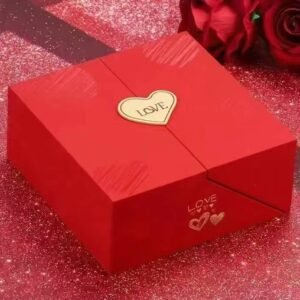
The role of adhesives defines the strength and safety of custom jewelry boxes. A reliable bond supports structural integrity, protects jewelry, and maintains a clean finish. Recent studies reveal that adhesive choice affects both durability and the overall quality of jewelry packaging. The table below highlights key impacts:
| Aspect | Impact of Adhesive Selection |
|---|---|
| Structural Integrity | Ensures a strong bond, maintaining the box’s shape and preventing deformation over time. |
| Aesthetic Considerations | Enhances the product’s quality with a clean appearance and precise alignment of materials. |
A Jewelry Display or Jewelry Pouch depends on expert adhesive use by any jewelry packaging manufacturer. The role of adhesives extends to every detail, ensuring the secure presentation and storage of jewelry.
The Role of Adhesives in Jewelry Box Structural Integrity and Safety
Preventing Joint and Component Failure
Ensuring Strong Bonds for Daily Use
A jewelry packaging box experiences frequent opening, closing, and handling. The adhesive must create a strong and lasting bond between all components. This bond supports the structural integrity of the box, allowing it to withstand repeated use without loosening or breaking. High-quality adhesives ensure that the packaging maintains its shape and function, even under daily stress. Manufacturers rely on adhesives to keep the box’s panels, dividers, and decorative elements firmly attached. This attention to integrity prevents unexpected failures that could compromise the safety of valuable jewelry.
Supporting Hinges, Closures, and Moving Parts
Hinges and closures represent critical points in any jewelry packaging box. These moving parts require adhesives that can handle both tension and movement. A strong and lasting bond at these joints ensures that the lid opens smoothly and stays securely closed when needed. The adhesive must resist wear and tear, maintaining the integrity of the packaging over time. When manufacturers select the right adhesive, they protect the jewelry from accidental spills or exposure. This focus on structural integrity directly impacts the safety and quality of the packaging.
Enhancing Protection for Valuables
Minimizing Risk of Accidental Opening or Loss
A jewelry packaging box must protect its contents at all times. The adhesive plays a vital role in preventing accidental openings. A weak bond can lead to gaps or misalignment, increasing the risk of jewelry loss. By using adhesives that provide a strong and lasting bond, manufacturers ensure that the packaging remains secure during transport and storage. This commitment to safety reassures consumers that their valuables will stay protected inside the box.
Shock Absorption and Impact Resistance
Jewelry packaging often faces bumps and drops during handling. The adhesive must absorb shocks and resist impacts to maintain the box’s structural integrity. Some adhesives offer flexibility, allowing the packaging to withstand sudden forces without cracking or splitting. This resilience preserves the integrity of the jewelry packaging box and shields the jewelry from damage. A well-chosen adhesive acts as a buffer, reducing the risk of harm to both the packaging and its contents.
Tip: Manufacturers should test adhesives under real-world conditions to ensure optimal shock absorption and impact resistance.
Maintaining Aesthetic and Functional Quality
Seamless Construction and Visual Appeal
A jewelry packaging box must look as good as it performs. The adhesive should create invisible seams and smooth joints, enhancing the overall quality and appearance. A seamless finish reflects the integrity of the packaging and appeals to discerning customers. High-quality adhesives prevent unsightly glue marks or uneven surfaces, supporting both the visual and functional aspects of the box. This attention to detail elevates the perceived value of the jewelry packaging.
Reducing Wear, Tear, and Deformation
Over time, poor adhesive choices can lead to wear, tear, and deformation of the jewelry packaging box. A strong and lasting bond resists these issues, maintaining the box’s structural integrity and protecting the jewelry inside. The right adhesive helps the packaging retain its shape and strength, even after years of use. This durability supports the long-term safety of the jewelry and preserves the quality of the packaging.
| Key Function | Adhesive Contribution to Jewelry Packaging Box Integrity |
|---|---|
| Daily Use | Maintains strong and lasting bond |
| Moving Parts | Supports hinges and closures |
| Protection | Minimizes accidental opening and loss |
| Impact Resistance | Absorbs shocks and prevents damage |
| Visual Appeal | Ensures seamless construction |
| Durability | Reduces wear and deformation |
Types of Adhesives and Their Role in Jewelry Box Safety
Jewelry box manufacturers rely on several types of adhesives to achieve both durability and safety. Each glue offers unique properties that impact the construction process and the final product’s performance. Understanding these differences helps manufacturers select the best adhesive for each application.
PVA (Polyvinyl Acetate) Glues
Benefits for Wood, Paper, and Fabric
PVA glue remains a popular choice for jewelry box construction. This adhesive bonds well with wood, paper, and fabric, which are common materials in jewelry packaging. PVA glue dries clear and creates a flexible joint, making it suitable for visible seams and delicate surfaces. Many manufacturers appreciate its ease of use and quick cleanup with water.
Limitations and Application Tips
Despite its advantages, PVA glue can cause wood fibers to swell. This swelling sometimes makes it difficult to assemble joints tightly after application. For projects that require precise alignment, liquid hide glue may offer a better alternative because it does not cause swelling and provides a longer open time. When using PVA glue, manufacturers should apply thin, even layers and clamp components until the adhesive sets. Testing on scrap material helps prevent assembly issues.
Tip: Always check the compatibility of the glue with the specific materials used in the jewelry box to avoid unexpected results.
Epoxy Adhesives
High Strength and Durability
Epoxy stands out among the types of adhesives for its exceptional bond strength. This glue often creates joints stronger than the materials themselves. Jewelry box makers use epoxy when they need to join wood, ceramics, or certain metals. The adhesive resists moisture and temperature changes, which increases the box’s longevity and reliability.
- Epoxy glue offers a longer working time, allowing for careful placement and adjustment.
- It saturates materials like fiberglass and plywood efficiently, reducing the risk of air pockets.
Handling and Curing Considerations
Proper handling ensures the best results with epoxy adhesives. Users must mix the resin and hardener in the correct ratio. The glue requires a clean surface for maximum adhesion. Curing times vary, so manufacturers should follow the instructions for each formula. Full strength develops only after the adhesive has completely cured.
Hot Melt Adhesives
Fast Bonding for Efficient Assembly
Hot melt adhesives provide quick bonding, which speeds up jewelry box assembly. This glue works well for attaching fabric linings, foam inserts, and lightweight decorative elements. Production lines benefit from the fast setting time, which increases efficiency.
Temperature Sensitivity and Use Cases
Hot melt glue performs best in controlled environments. Extreme heat or cold can weaken the bond. Manufacturers use this adhesive for non-structural components or temporary positioning. For critical joints, they often choose other types of adhesives to ensure long-term safety.
| Adhesive Type | Best Uses | Key Benefit | Main Limitation |
|---|---|---|---|
| PVA Glue | Wood, paper, fabric | Flexible, easy cleanup | Can cause wood swelling |
| Epoxy Adhesive | Wood, ceramics, metals | High strength, durability | Requires precise mixing |
| Hot Melt Adhesive | Linings, inserts, decor | Fast bonding | Sensitive to temperature |
Cyanoacrylate (Super Glue)
Quick Repairs and Small Component Bonding
Cyanoacrylate, often called super glue, plays a vital role in jewelry box construction. Manufacturers use this adhesive for quick repairs and precise bonding of small components. The fast-curing nature of super glue allows workers to attach crystals, rhinestones, or delicate decorative elements efficiently. Jewelry box makers appreciate its user-friendly application and accurate placement, especially when working with intricate designs. Cyanoacrylate adhesive creates a strong bond almost instantly, which helps maintain production speed and reduces downtime.
The following table compares cyanoacrylate with other adhesives commonly used for small jewelry box parts:
| Adhesive Type | Advantages | Disadvantages |
|---|---|---|
| Cyanoacrylate | Fast curing, user-friendly, accurate bonding | Less durable, can become brittle, may discolor |
| Epoxy | Strong, durable, good environmental resistance | Longer curing time, more complex application |
| UV Adhesives | Excellent durability, good for clear applications | Requires UV light for curing, can be more expensive |
Jewelry box manufacturers often select cyanoacrylate glue for attaching crystals or rhinestones. However, they recognize that this adhesive may not last as long as epoxy or UV adhesives. Over time, super glue can become brittle and may discolor, which affects the visual appeal of the jewelry box.
Risks and Best Practices
Cyanoacrylate glue offers speed and convenience, but it presents several risks. The bond may lose strength under stress or exposure to moisture. Brittle joints can crack, especially if the jewelry box experiences frequent handling. Discoloration can occur, which diminishes the box’s aesthetic value. Manufacturers must consider these factors when choosing an adhesive for high-value packaging.
To maximize safety and performance, workers follow best practices:
- Apply glue sparingly to avoid excess and ensure clean assembly.
- Use cyanoacrylate adhesive only for non-structural or decorative parts.
- Test the bond on sample materials before final application.
- Store glue in a cool, dry place to maintain effectiveness.
Note: Cyanoacrylate glue works best for quick repairs and small parts, but it should not replace stronger adhesives for structural joints.
Specialty Adhesives for Jewelry Boxes
Rubber-Based Jeweler’s Glues for Flexibility
Rubber-based adhesives provide flexibility and resilience. Jewelry box manufacturers use this glue for parts that require movement or bending, such as fabric linings or leather panels. The adhesive absorbs shocks and resists tearing, which helps preserve the box’s shape and protects the jewelry inside. Rubber-based glue maintains a strong bond even when the packaging undergoes repeated opening and closing.
UV-Curing and Solvent-Free Adhesives for Luxury Boxes
Luxury jewelry boxes demand adhesives that deliver both durability and a flawless finish. UV-curing glue offers excellent strength and clarity, making it ideal for transparent or high-gloss surfaces. Workers apply the adhesive and then expose it to UV light, which cures the bond quickly. Solvent-free adhesives reduce chemical exposure and support eco-friendly manufacturing. These glues perform well in luxury packaging, where appearance and safety matter most.
Environmental and Safety Factors in Adhesive Selection
Manufacturers consider environmental and safety factors when selecting adhesives for jewelry boxes. Solvent-free glue reduces harmful emissions and protects workers’ health. UV-curing adhesives minimize waste and support sustainable practices. Rubber-based glue offers flexibility without compromising safety. By choosing the right adhesive, manufacturers enhance product quality and protect both consumers and the environment.
Comparing Adhesive Performance for Jewelry Box Safety
Bond Strength and Longevity
Resistance to Pulling, Shearing, and Aging
Bond strength remains a critical factor in jewelry box safety defense. Different adhesives offer varying levels of strength and durability, which directly affect the box’s ability to withstand pulling, shearing, and aging. For example, two-part epoxy provides exceptional strength and long-term durability, making it suitable for bonding dissimilar materials in jewelry boxes. E6000 delivers a flexible yet strong bond, ideal for applications involving metal, glass, or fabric. Gorilla Glue expands as it cures, creating a very strong bond for rigid surfaces. Super glue forms a fast bond but tends to become brittle over time, which can reduce its lifespan.
| Adhesive Type | Bond Strength | Longevity | Best Use Cases |
|---|---|---|---|
| E6000 | Flexible, strong | Long-lasting | Metal, glass, ceramic, plastic, fabric, wood |
| Two-Part Epoxy | Exceptional strength | Very durable | Dissimilar materials, jewelry, sculpture |
| Super Glue | Fast bond, brittle | Shorter lifespan | Small plastic parts, precise bonds |
| Gorilla Glue | Very strong, expands | Long-lasting | Heavy-duty repairs, rigid surfaces |
Performance Under Environmental Stress
Environmental conditions such as humidity and temperature changes can impact adhesive performance. Mono-component moisture or heat-activated adhesives often fail in jewelry box applications that require consistent strength. Tests show that these adhesives may only harden at the edges, leaving the inner bond soft and prone to failure. This weakness can lead to damage or loss of valuable jewelry. Manufacturers should select adhesives that maintain their strength and durability even under fluctuating environmental conditions.
Note: Consistent performance under stress ensures the jewelry box continues to protect its contents over time.
Compatibility with Jewelry Box Materials
Wood, Leather, and Fabric Bonding
Jewelry boxes often feature a combination of wood, leather, and fabric. Adhesive compatibility with these materials determines the overall bond strength and durability. E6000 and two-part epoxy work well with wood and fabric, providing a secure bond that resists wear. Rubber-based adhesives offer flexibility for leather panels, reducing the risk of cracking or separation.
Metal, Plastic, and Stone Applications
Some jewelry boxes incorporate metal hinges, plastic inserts, or decorative stones. Two-part epoxy and E6000 excel in these scenarios, delivering reliable strength and long-lasting bonds. Super glue can handle small, precise applications but may not provide the durability required for structural components. Selecting the right adhesive for each material ensures the jewelry box maintains its integrity and safety.
Safety and Non-Toxicity Considerations
Protecting Jewelry from Chemical Damage
Adhesives must not release harmful chemicals that could damage jewelry. Non-toxic and solvent-free options help prevent chemical migration, preserving the appearance and value of the jewelry inside the box.
Meeting Health and Regulatory Standards
Manufacturers must ensure adhesives meet safety standards. Features such as FDA compliance, non-toxicity, and the absence of harmful chemical migration are essential for consumer safety.
| Feature | Importance |
|---|---|
| FDA Compliance | Essential for selling food-contact products |
| Non-Toxic & Solvent-Free | Safer for users and eco-conscious customers |
| No harmful chemical migration | Adhesives must not transfer unsafe chemicals |
Tip: Choosing adhesives that meet regulatory standards protects both the jewelry and the end user.
Application Techniques to Maximize Adhesive Safety
Surface Preparation for Strong Bonds
Cleaning and Smoothing Contact Areas
Surface preparation forms the foundation of successful rigid box assembly. Workers must clean all contact areas with isopropyl alcohol (91% or higher) to remove dust, oils, and contaminants. After cleaning, they allow surfaces to dry completely. For extremely smooth materials, such as polished metal, light abrasion with fine sandpaper increases the bond strength. This step ensures that the adhesive can grip the surface effectively. Oils, including those from skin contact, can interfere with gluing techniques and weaken the final result. Consistent surface preparation leads to reliable performance in every application.
Importance of Dry Fit Testing
Dry fit testing allows manufacturers to check the alignment and fit of all components before adhesive application. This process helps identify potential gaps or misalignments in rigid box assembly. Workers can make adjustments without the pressure of quick-setting glue. Dry fitting also ensures that the precise lining and decorative elements will sit correctly, reducing the risk of errors during final assembly. This step supports both the structural and visual quality of the jewelry box.
Proper Adhesive Application Methods
Correct Amount and Placement
Applying the correct amount of adhesive is essential for strong, durable bonds in rigid box assembly. Too much glue can seep out and create a mess, while too little may result in weak joints. Workers use specialized gluing techniques to control the flow and placement of the adhesive. They focus on even distribution across all contact surfaces. This approach prevents air pockets and ensures that every part of the box receives adequate support. Consistent adhesive application improves the overall quality and safety of the finished product.
Avoiding Excess and Ensuring Clean Assembly
Clean assembly requires careful attention to adhesive application. Workers remove any excess glue immediately to prevent staining or visible marks on the jewelry box. They use tools such as brushes or precision tips for accurate placement. This practice maintains the aesthetic appeal and supports the seamless look expected in luxury packaging. Proper gluing techniques also reduce the risk of deformation or warping during rigid box assembly.
Curing and Setting for Maximum Strength
Recommended Drying Times and Handling
Curing time directly affects the final bond strength in rigid box assembly. Different adhesives, such as white latex and hot melt, have unique drying speeds. White latex provides high strength with moderate drying time, making it suitable for most paper materials. Hot melt adhesive cures quickly, which benefits rapid production schedules. Workers must follow manufacturer guidelines for drying times and avoid handling the box until the adhesive has set.
Ensuring Full Bond Development
Environmental conditions, such as humidity and temperature, influence the curing process. Workers monitor these factors to ensure optimal results. Full bond development occurs only when the adhesive has cured completely. Rushing this stage can compromise the integrity of the rigid box assembly. Careful handling and patience guarantee that each jewelry box meets safety and quality standards.
Tip: Always test new adhesives and gluing techniques on sample materials before full-scale application to ensure compatibility and performance.
Best Practices and Quality Control for Adhesive Safety
Inspection and Testing of Bonded Joints
Visual and Physical Quality Checks
Manufacturers inspect jewelry boxes to ensure adhesive bonds meet high standards. They examine seams and joints for visible defects, such as glue marks or misaligned panels. Workers check for smooth surfaces and consistent finishes. Physical checks involve gently pressing and flexing the box to confirm that all parts remain secure. These steps help identify weak spots before the product reaches consumers.
Durability and Stress Testing
Quality control extends beyond visual inspection. Manufacturers perform drop tests by releasing jewelry boxes from a set height to evaluate the durability of adhesive bonds. Tension tests measure the strength of the bond under stress, confirming that the box can withstand daily handling. Specific adhesive tests assess whether the glue meets performance requirements. Jewelry gluing tests involve inlaying gems and lifting the product to see if any stones fall off. These methods ensure that the jewelry box protects its contents and maintains structural integrity.
| Quality Control Measure | Description |
|---|---|
| Drop Tests | Tests the durability of adhesive bonds by dropping the jewelry box from a specified height. |
| Tension Tests | Measures the strength of the adhesive bond under tension to ensure it can withstand stress. |
| Specific Adhesive Tests | Evaluates the performance of the adhesive used to ensure it meets quality standards. |
Tip: Consistent quality control testing prevents adhesive failures and supports product reliability.
Worker Training and Safe Adhesive Handling
Personal Protective Equipment and Ventilation
Safety in adhesive handling starts with proper training. Workers wear personal protective equipment, such as gloves and masks, to avoid skin contact and inhalation of fumes. Adequate ventilation in the workspace reduces exposure to harmful chemicals. These practices protect workers and maintain a safe manufacturing environment.
Following Manufacturer Instructions
Manufacturers instruct workers to follow adhesive guidelines closely. They read product labels and adhere to recommended mixing ratios and curing times. Proper application techniques reduce waste and improve bond strength. Training programs reinforce these procedures, ensuring consistent results and supporting quality control.
Environmental Responsibility in Adhesive Use
Choosing Low-VOC and Eco-Friendly Adhesives
Jewelry box manufacturers select adhesives with low volatile organic compounds (VOCs) to minimize environmental impact. Eco-friendly options reduce emissions and support sustainable production. Recycle Compatible Adhesives (RCAs) remain intact during recycling, preventing contamination and improving the quality of recycled materials. These choices help manufacturers meet environmental standards and appeal to eco-conscious consumers.
Safe Disposal and Waste Management
Responsible disposal of adhesive waste protects the environment. Workers collect unused glue and packaging for proper treatment. They avoid pouring adhesives down drains or discarding them with regular trash. Waste management protocols ensure compliance with regulations and reduce pollution.
Note: Environmental responsibility in adhesive use strengthens brand reputation and supports long-term sustainability.
Common Adhesive Failures and Safety Solutions
Causes of Bond Failure in Jewelry Boxes
Incompatible Materials and Poor Technique
Jewelry box manufacturers sometimes face adhesive failures due to incompatible materials. For example, some adhesives do not adhere well to certain plastics or treated woods. When workers use the wrong glue for a specific surface, the bond weakens over time. Poor technique also contributes to failure. Uneven application, insufficient surface preparation, or using too much adhesive can all result in weak joints. These mistakes often lead to gaps, misalignment, or visible residue that reduces both the strength and appearance of the jewelry box.
Environmental and Usage Factors
Environmental conditions play a significant role in adhesive performance. High humidity, temperature fluctuations, or exposure to sunlight can degrade the bond. Jewelry boxes stored in damp areas may experience swelling or warping, which stresses the adhesive. Frequent opening and closing, or rough handling, can also cause joints to loosen. Over time, these factors combine to weaken the structure and compromise the safety of the jewelry inside.
Troubleshooting and Repairing Adhesive Issues
Identifying Weak Points and Repair Methods
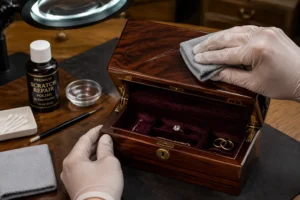
Technicians must inspect jewelry boxes for signs of adhesive failure. Common indicators include loose panels, separated seams, or rattling components. When they identify a weak point, they can use a layered repair method to restore strength. The process involves tearing tissue into small strips, layering them into the damaged area, and applying super glue between each layer. After the repair, the adhesive must fully harden before the box returns to use. This method creates a reinforced bond that can withstand daily handling.
Preventing Recurring Problems
To prevent future adhesive failures, manufacturers should match the adhesive type to the materials used in each jewelry box. They must train workers in proper application techniques and emphasize the importance of surface preparation. Regular quality checks help catch issues early. Storing jewelry boxes in stable environments also extends the life of the adhesive. By following these practices, manufacturers can ensure that each bond remains strong and reliable, protecting both the packaging and its valuable contents.
Tip: Early detection and prompt repair of adhesive issues can prevent costly damage and maintain customer satisfaction.
The Impact of Adhesive Choice on Jewelry Box Value and Safety
Perceived Quality and Consumer Confidence
Seamless Construction and Longevity
Adhesive selection plays a direct role in how consumers perceive the quality of a jewelry box. When manufacturers use the right adhesive, the box displays seamless joints and smooth surfaces. This attention to detail signals craftsmanship and care. Customers notice when a jewelry box opens and closes smoothly, with no creaking or shifting. A strong adhesive ensures that the box maintains its shape and appearance over time. Jewelry remains protected, and the packaging continues to look new even after years of use. Longevity in construction builds trust, as buyers expect their jewelry to stay safe in a box that resists wear and tear.
Reliability and Reduced Risk of Failure
Reliability stands as a key factor in jewelry packaging. A jewelry box must withstand daily handling, travel, and storage. The right adhesive prevents joints from loosening and components from detaching. When hinges and closures remain secure, jewelry stays protected from accidental spills or loss. Consumers gain confidence in the product, knowing that their valuable jewelry will not fall out or become damaged due to adhesive failure. Manufacturers who prioritize adhesive quality reduce the risk of returns and negative reviews.
Brand Reputation and Customer Trust
Minimizing Returns and Complaints
Jewelry brands rely on positive customer experiences to build their reputation. Adhesive failures can lead to loose panels, broken hinges, or even lost jewelry. These issues often result in product returns and customer complaints. By selecting adhesives that match the materials and design of each jewelry box, manufacturers minimize these risks. Fewer returns mean lower costs and a stronger brand image.
Note: Consistent quality in jewelry packaging leads to higher customer satisfaction and fewer service issues.
Building Loyalty Through Safe, Durable Products
Safe and durable jewelry packaging fosters long-term customer loyalty. When buyers receive a jewelry box that protects their purchase and maintains its appearance, they are more likely to trust the brand. Repeat purchases and positive word-of-mouth follow. Brands that invest in high-quality adhesives demonstrate a commitment to both safety and value. This approach sets them apart in a competitive market, where jewelry buyers seek assurance that their investment will remain secure.
| Impact Area | Result of Proper Adhesive Choice |
|---|---|
| Perceived Quality | Seamless, attractive construction |
| Consumer Confidence | Trust in jewelry protection |
| Brand Reputation | Fewer complaints and returns |
| Customer Loyalty | Repeat business and positive reviews |
- Proper adhesive selection ensures jewelry boxes remain strong and secure over time.
- Manufacturers protect valuable contents and enhance product quality by using the right adhesives.
- Consumers gain confidence in brands that prioritize safety and durability in jewelry box construction.
Understanding adhesive roles benefits everyone involved in the jewelry packaging process.
FAQ
What adhesive works best for wooden jewelry boxes?
PVA glue bonds wood effectively. It dries clear and remains flexible. Epoxy provides extra strength for heavy or load-bearing joints. Manufacturers often choose based on the box’s design and expected use.
Are all jewelry box adhesives non-toxic?
Not all adhesives are non-toxic. Manufacturers should check product labels for safety certifications. Many brands now offer solvent-free and low-VOC options to protect users and the environment.
How can someone tell if a jewelry box uses quality adhesive?
A quality adhesive leaves no visible residue or gaps. The box feels sturdy, and joints do not shift under gentle pressure. Seamless construction often signals professional adhesive application.
Can adhesives damage jewelry inside the box?
Some adhesives release chemicals that may tarnish or discolor jewelry. Non-toxic, solvent-free adhesives reduce this risk. Manufacturers should select adhesives tested for chemical safety with metals and gemstones.
What is the safest way to repair a loose jewelry box hinge?
He or she should clean both surfaces, apply a small amount of strong adhesive (like epoxy), and clamp the hinge until the bond sets. Following manufacturer instructions ensures a secure repair.
How long does adhesive in a jewelry box last?
Adhesive longevity depends on type and storage conditions. High-quality adhesives can last for years without losing strength. Humidity, temperature changes, and frequent use may shorten adhesive life.
Why do some jewelry boxes fail at the seams?
Seam failure often results from poor surface preparation, incompatible adhesive, or environmental stress. Regular inspection and proper adhesive selection help prevent this common issue.
Tip: Store jewelry boxes in dry, stable environments to extend adhesive life and maintain box integrity.