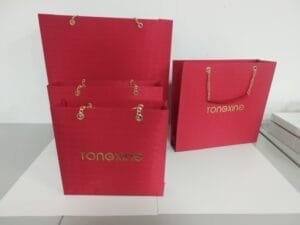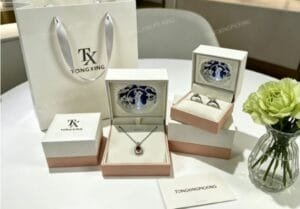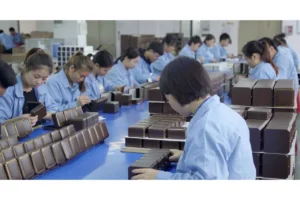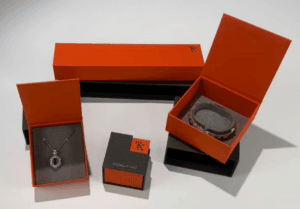
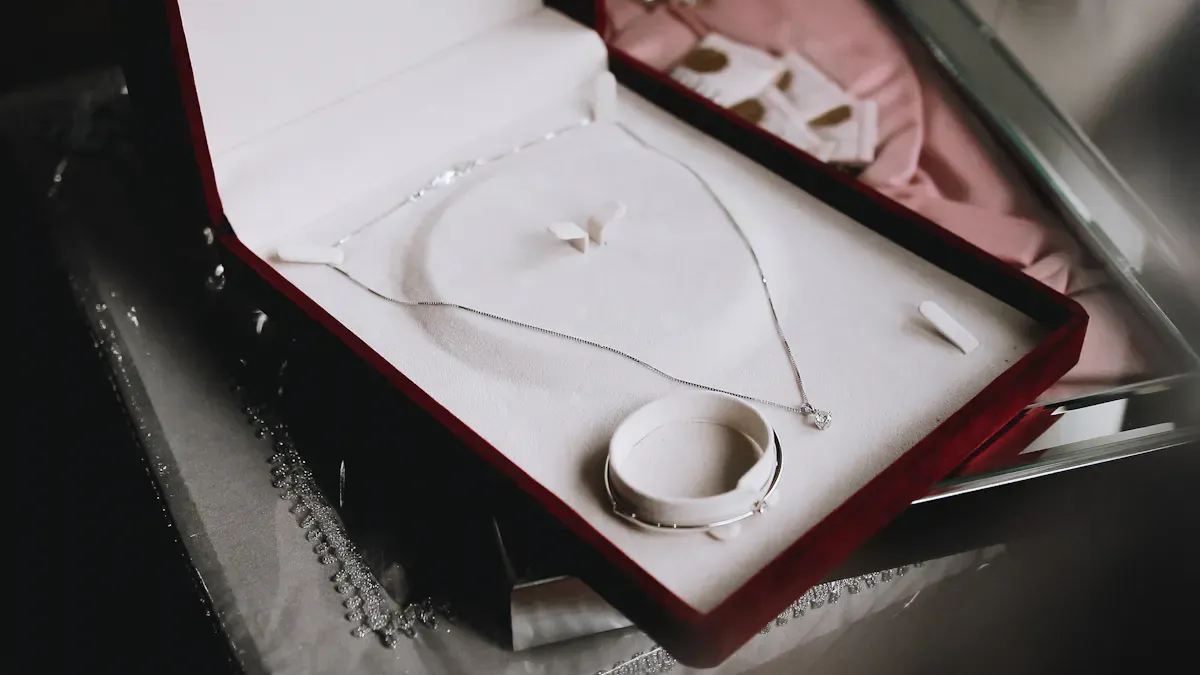
Anti-oxidation features deliver essential protection for any jewelry collection. They create a protective environment that blocks harmful elements from reaching silver, which helps preserve oxidised silver and prevents tarnish. Many jewelry packaging manufacturer brands now use anti-oxidation features in custom jewelry boxes, Jewelry Display, and Jewelry Pouch options. Storing oxidised jewellery in these solutions supports durability and keeps each jewelry collection vibrant. Anti-oxidation features play a vital role in protecting delicate items and extend the lifespan of jewelry packaging.
Understanding Oxidation and Its Impact on Silver Jewelry
What is Oxidation?
The Science of Silver Tarnishing
Oxidation describes a chemical reaction that affects many metals, including silver. In the case of silver jewelry, this process involves a reaction with sulfur compounds found in the environment. The result is the formation of silver sulfide, which appears as a dark film on the surface. Unlike iron, which forms rust, silver does not create stable oxides. Instead, it reacts with sulfur species, and the reaction remains limited to the surface layer. Humidity and airborne sulfur compounds can accelerate this process, making silver jewelry especially vulnerable in certain conditions.
- The main chemical process involves:
- Silver reacting with sulfur compounds.
- Formation of silver sulfide (Ag₂S) as a dark coating.
- The underlying silver remains mostly intact.
Why Silver Jewelry is Prone to Oxidation
Silver jewelry faces a higher risk of oxidation due to frequent exposure to air, humidity, and pollutants. Everyday activities, such as wearing jewelry or storing it in open environments, increase contact with atmospheric gases. Sweat and cosmetics can also contribute to the process. Sterling silver, which contains copper, tarnishes more quickly because copper oxidizes easily. Over time, these factors cause visible changes in the appearance of silver jewelry.
Effects of Oxidation on Silver Jewelry
Tarnishing and Discoloration Explained
Tarnishing stands out as the most common visible effect of oxidation on silver jewelry. This process results from the buildup of silver sulfide, which creates a dark or yellowish film. Urban or industrial air, as well as storage with materials that release sulfur, can speed up tarnishing. Skin contact with perspiration and cosmetics also plays a role. The change in color signals the presence of tarnish and indicates that the jewelry needs attention.
Loss of Shine and Surface Damage
As tarnish develops, silver jewelry loses its original shine. The surface becomes dull and may show patches of discoloration. While the tarnish layer does not penetrate deeply, it masks the natural luster of the metal. Owners often notice that their jewelry looks less attractive and may feel rough to the touch.
Long-Term Consequences for Jewelry
Over time, oxidation leads to a persistent dark coating on silver jewelry. This process does not compromise the structural integrity of the metal, as the reaction remains superficial. Cleaning and polishing can restore the original appearance. However, frequent cleaning may cause minor surface wear. Proper storage and maintenance slow down oxidation and help preserve the value and beauty of silver jewelry.
Note: Oxidation is a natural process for silver, but with the right packaging and care, its effects can be minimized.
The Importance of Anti-Oxidation Features in Silver Jewelry Packaging
Tarnish Prevention and Protection
How Anti-Oxidation Features Stop Tarnish
Anti-oxidation features provide essential protection for silver jewelry by creating a barrier against harmful agents in the environment. These features work by blocking moisture, sulfur compounds, and other pollutants that accelerate tarnish formation. Scientific studies confirm the effectiveness of various inhibitors and coatings in reducing tarnish rates on silver surfaces. The table below summarizes key research findings:
| Study | Findings |
|---|---|
| Guo et al. | Used 1H-Benzotriazole (BTA) as a discoloration inhibitor. |
| Fang et al. | Applied Benzo tetrazolium (MTA) as an anti-corrosion inhibitor. |
| Li et al. | Employed 1-phenyl-5-mercapto tetrazolium (PMTA) to prevent tarnishing. |
| Zhang et al. | Developed PMM, a compound of PMTA, MBO, and MBI, which forms a complex membrane on Ag. |
| Liu et al. | Used thiadiazole derivatives for chemical adsorption on Ag, showing good corrosion resistance. |
| Masayoshi | Adopted Ag substrates with poly(2-vinylpyridine) films, demonstrating exceptional stability. |
| Chang et al. | Imparted chemical stability in nanoparticulate silver using a conjugated polymer casing approach. |
The Silver Research Consortium continues to investigate advanced methods for tarnish prevention, focusing on thin coatings that slow the formation of silver sulfide. These innovations help maintain the integrity and appearance of jewelry collections.
The Role of Anti Tarnish Jewelry Box Linings
The anti tarnish jewelry box relies on specialized lining to deliver maximum protection. This lining absorbs and neutralizes tarnish-causing agents, such as sulfur and moisture, before they reach the jewelry. Unlike traditional storage, which leaves silver exposed to the environment, the anti tarnish jewelry box lining acts as a proactive shield.
- Anti-tarnish materials target specific threats:
- Moisture absorption
- Sulfur neutralization
- Airborne pollutant filtration
Anti-tarnish bags and linings offer portability for travel, while larger anti tarnish jewelry box linings provide long-term protection for extensive collections. Anti-tarnish tissues and silica gel packets, when used with the right lining, further enhance the protective environment inside the box.
Maintain the Shine and Value of Silver Jewelry
Preserving Appearance Over Time
The anti tarnish jewelry box lining plays a crucial role in helping owners maintain the shine of their silver jewelry. By preventing exposure to tarnish-causing elements, the lining ensures that each piece retains its original luster. This preservation of appearance directly impacts the jewelry’s marketability and resale value. Potential buyers often judge the worth of silver jewelry by its shine and condition. Tarnished pieces lose appeal and value quickly. Sellers who use anti tarnish jewelry box linings can present their collections in pristine condition, attracting more interest and achieving higher resale prices.
Reducing the Need for Frequent Cleaning
The right anti tarnish jewelry box lining reduces the frequency of cleaning required to keep silver jewelry looking its best. Traditional storage methods fail to address the root causes of tarnish, leading to more frequent and aggressive cleaning. Anti-tarnish linings, on the other hand, neutralize harmful compounds and absorb moisture, minimizing the buildup of tarnish. This approach not only saves time but also preserves the unique character of each piece.
Lowering Maintenance and Cleaning Risks
Minimizing Abrasive Cleaning Damage
Frequent cleaning, especially with abrasive methods, can damage silver jewelry. Over time, aggressive cleaning erodes the metal surface and strips away intentional oxidation, which some designs use for aesthetic effect. The anti tarnish jewelry box lining provides protection that reduces the need for such maintenance. By keeping harmful agents away from the jewelry, the lining helps maintain the original finish and prevents unnecessary wear.
- Risks of frequent cleaning include:
- Loss of metal material
- Scratches and surface damage
- Alteration of design features
Precious stones set in silver jewelry also face risks during cleaning. Heat, liquids, and physical shocks can cause discoloration or breakage. The anti tarnish jewelry box lining minimizes these risks by reducing the need for repeated cleaning.
Saving Time and Effort for Owners
Owners benefit from the protection provided by anti tarnish jewelry box linings. They spend less time cleaning and more time enjoying their collections. Storing silver jewelry in a dry, airtight anti tarnish jewelry box with the right lining ensures long-lasting beauty and reduces maintenance demands. Silica gel packs and anti-tarnish strips, when combined with effective lining, further enhance the protective environment.
Tip: Always store silver jewelry in an anti tarnish jewelry box with specialized lining to maximize protection and minimize upkeep.
How Anti-Oxidation Packaging Works for Silver Jewelry
Common Anti-Oxidation Materials and Technologies
Anti-Tarnish Strips and Papers
Manufacturers use a variety of materials to create anti-tarnish strips and papers. These products often contain chemical agents that absorb or neutralize tarnish-causing substances. Some strips use activated carbon, while others rely on proprietary blends of chemicals. The effectiveness of these materials can depend on their composition and the storage environment.
The effectiveness of anti-tarnish strips and papers in laboratory tests for silver jewelry preservation is mixed. While they can provide some level of protection against tarnish, their effectiveness can vary based on the materials used and the conditions under which they are tested.
One particular type of anti-tarnish paper is a carbon-based product that is also referred to as charcoal paper. And while this charcoal paper is not totally effective for tarnish prevention, its lack of effectiveness is due to some inherent properties common to these carbon-based papers.
When trying to decide on the proper anti-tarnish tabs to use, jewelry retailers and manufacturers often conduct their own tarnish testing or contract out to laboratories that have the capabilities to conduct such testing. However, test results are often times misinterpreted, and in some cases, misleading.
Specialized Coatings and Films
Specialized coatings and films represent another advancement in anti-oxidation packaging. These materials form a thin, invisible layer over the surface of silver. The coating acts as a barrier, blocking contact with air and sulfur compounds. Some coatings use nanotechnology to enhance durability and transparency. Manufacturers select these materials for their ability to provide long-term protection without altering the appearance of jewelry.
Airtight and Moisture-Resistant Packaging
Airtight and moisture-resistant packaging uses advanced materials to seal out humidity and airborne pollutants. These packaging solutions often include gaskets, double-wall construction, and moisture-absorbing inserts. The materials used in these systems must maintain their integrity over time. By controlling the internal environment, these packages help prevent tarnish and preserve the shine of silver jewelry.
Mechanisms of Protection in Anti Tarnish Jewelry Boxes
Blocking Air, Moisture, and Sulfur Gases
Anti tarnish jewelry boxes use several mechanisms to protect silver from environmental threats. The table below outlines the main strategies:
| Mechanism | Description |
|---|---|
| Advanced Sealing Systems | Incorporate gasket seals, compression locks, and double-wall construction to create a sealed environment. |
| Anti-Tarnish Materials | Fabrics treated with silver or zinc compounds neutralize sulfur gases, preventing tarnish. |
| Compartmentalization Strategies | Individual compartments and soft separators prevent direct contact between different metals, reducing tarnishing. |
| Moisture Control | Sealing mechanisms and moisture-absorbing materials maintain optimal humidity levels to prevent tarnish. |
These materials and systems work together to block air, moisture, and sulfur gases, which are the primary causes of tarnish.
Absorbing Harmful Substances
Many anti tarnish jewelry boxes contain materials that actively absorb harmful substances. Silica gel packets, treated fabrics, and chemical inserts capture moisture and neutralize sulfur compounds. These materials help maintain a stable environment inside the box. As a result, silver jewelry remains untarnished and retains its original appearance for longer periods.
Tip: For best results, users should replace moisture-absorbing materials and anti-tarnish strips regularly to ensure continued protection.
Risks of Not Using Anti-Oxidation Features in Jewelry Packaging
Increased Tarnishing and Surface Damage
Rapid Loss of Shine and Luster
When packaging lacks anti-oxidation features, silver jewelry faces immediate threats from the surrounding environment. Airborne chemicals and moisture interact with the metal, causing a rapid decline in shine. Owners often notice that their pieces lose their original brilliance within a short period. Everyday products such as hairsprays, shampoos, lotions, and perfumes release sulfates. These substances react with silver, forming tarnish that dulls the surface. The absence of protective packaging accelerates this process, making it difficult to maintain the jewelry’s attractive appearance.
Higher Risk of Corrosion and Scratches
Silver jewelry stored without anti-oxidation protection becomes more susceptible to physical and chemical damage. The following table highlights the most common types of surface damage observed:
| Type of Damage | Description |
|---|---|
| Surface Scratches | Marks from abrasive objects that wear off the protective layer, leading to increased oxidation. |
| Discoloration | Changes in color such as green, yellow, or black due to tarnishing, indicating chemical reactions. |
Scratches often occur when jewelry rubs against hard surfaces or other pieces. These marks remove any natural or applied protective layers, exposing the metal to further oxidation. Discoloration signals ongoing chemical reactions, which can permanently alter the look of silver.
Shortened Jewelry Lifespan and Value Loss
Permanent Surface Damage
Without anti-oxidation features, silver jewelry experiences accelerated tarnishing and degradation. The lack of protection leaves the metal vulnerable to continuous reactions with air and pollutants. Over time, this exposure leads to permanent surface changes that cannot be reversed through cleaning or polishing. Owners may find that their favorite pieces develop stubborn stains or rough textures, reducing their enjoyment and use.
- The absence of anti-oxidation packaging results in:
- Increased tarnishing and degradation
- Greater vulnerability to environmental reactions
- A significantly shorter usable life for the jewelry
Decreased Resale and Sentimental Value
The value of silver jewelry depends on its condition and appearance. Tarnished or damaged pieces lose their appeal in the resale market. Collectors and buyers often reject items that show signs of corrosion or deep discoloration. Sentimental value also suffers when cherished pieces become unrecognizable due to neglect. Proper packaging preserves both the financial and emotional worth of jewelry collections.
Note: Investing in anti-oxidation packaging ensures that silver jewelry remains beautiful, valuable, and ready to wear for years.
Key Benefits of Anti-Oxidation Features for Consumers and Retailers
Enhanced Customer Satisfaction and Experience
Receiving Jewelry in Pristine Condition
Customers expect to receive jewelry in flawless condition. Anti-oxidation features in packaging protect silver from exposure to harmful elements in the environment. These features maintain the shine and prevent tarnishing, ensuring that each piece arrives looking new. Retailers who use packaging with advanced quality standards deliver jewelry that meets customer expectations. The result is a positive first impression and increased satisfaction.
Customers often share their excitement when they open a jewelry box and see silver sparkling without blemishes. This experience builds confidence in the retailer’s commitment to quality.
Fewer Returns and Complaints
Retailers benefit from fewer returns and complaints when they invest in packaging that prioritizes quality. Anti-oxidation features reduce the risk of tarnish and surface damage, which are common reasons for dissatisfaction. When customers receive jewelry that retains its original appearance, they rarely request exchanges or refunds. This reduction in returns saves time and resources for both retailers and consumers.
- Common reasons for jewelry returns:
- Visible tarnish or discoloration
- Loss of shine
- Surface scratches
Anti-oxidation packaging addresses these issues by maintaining quality throughout the shipping and storage process.
Improved Brand Reputation and Trust
Demonstrating Quality and Care
Brands that demonstrate quality through robust packaging earn trust from their customers. The integrity of packaging plays a crucial role in shaping a company’s image. When packaging fails, customers lose confidence and may leave negative reviews. Retailers who use anti-oxidation features show a commitment to quality by preventing leaks, contamination, and exposure to damaging elements. This dedication to quality reassures customers that their jewelry will remain protected.
Pack Logix highlights the importance of packaging that blocks moisture and air. By preserving product integrity, companies reinforce their reputation and protect customer satisfaction. Effective packaging signals that a brand values quality at every stage, from manufacturing to delivery.
Building Customer Loyalty
Customer loyalty grows when brands consistently deliver quality. Anti-oxidation packaging ensures that silver jewelry retains its beauty and value. Customers who receive jewelry in pristine condition are more likely to return for future purchases. They trust the brand to provide quality products and reliable protection. Loyalty develops as customers recognize the brand’s attention to detail and commitment to quality.
| Benefit | Impact on Consumers | Impact on Retailers |
|---|---|---|
| Pristine jewelry | Increased satisfaction | Fewer complaints |
| Reliable packaging | Greater trust | Enhanced reputation |
| Consistent quality | Repeat purchases | Stronger customer loyalty |
Brands that invest in quality packaging create lasting relationships with their customers. This approach leads to positive reviews, referrals, and sustained business growth.
Choosing the Right Anti Tarnish Jewelry Box and Packaging
Factors to Consider for Maximum Protection
Material Quality and Effectiveness
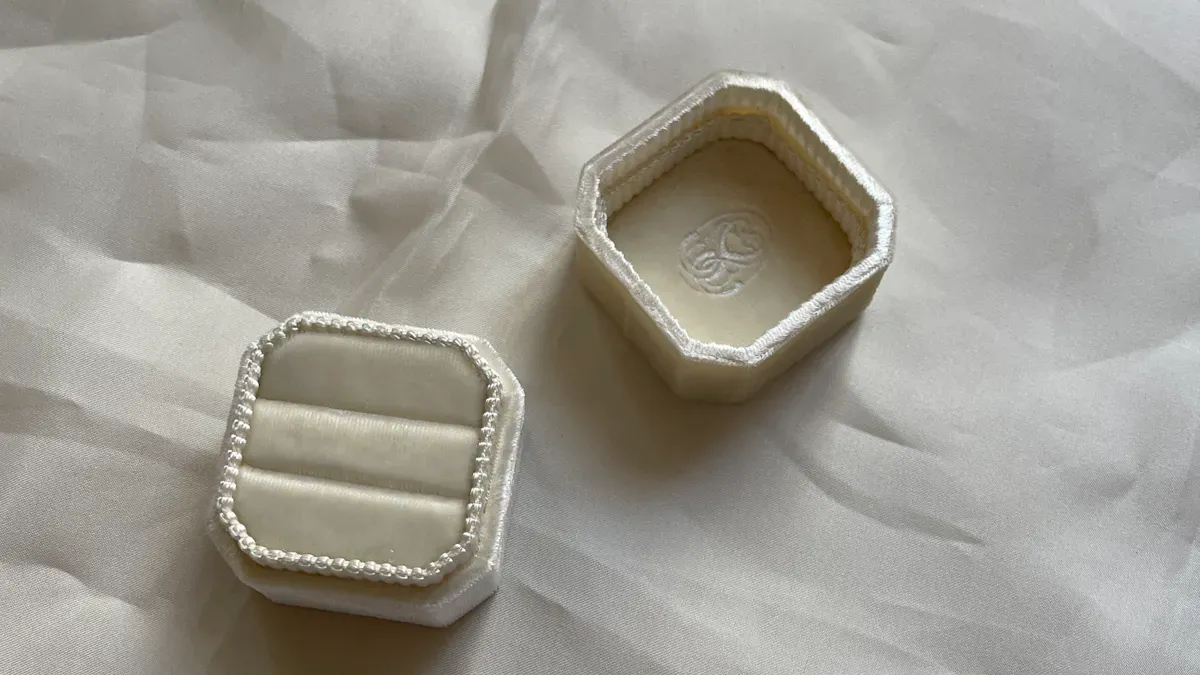
Selecting an anti tarnish jewelry box requires attention to both the exterior and interior materials. High-quality boxes use sturdy exteriors such as wood, leather, or vegan leather. These materials, combined with a tight-fitting lid, help minimize air and moisture flow. The lining inside the box plays a critical role. Specialized fabrics absorb airborne pollutants and gases, preventing tarnish and keeping silver bright.
| Feature | Description |
|---|---|
| Type of Lining | Treated fabric absorbs pollutants and gases, protecting silver from tarnish. |
| Organization | Compartments prevent scratching and tangling, preserving each piece’s condition. |
| Size | Choose a box that fits your collection without excess space. |
| Materials | Durable exteriors and tight lids enhance protection from the environment. |
| Maintenance Practices | Regular cleaning and careful selection of lining materials ensure long-term effectiveness. |
A well-constructed box with a specialized lining offers superior protection. Not all fabrics provide the same level of defense, so choosing boxes with anti-tarnish linings is essential for long-term storage.
Compatibility with Different Types of Silver Jewelry
Different types of anti-oxidation packaging perform uniquely with various silver alloys. Moisture-absorbing materials maintain ideal humidity, which is crucial for preventing tarnish. Nano-coated waterproof packaging works well in coastal regions, reducing moisture-related issues. Vacuum-sealed options eliminate air exposure, preserving the luster of silver. Anti-oxidation paper neutralizes pollutants, making it suitable for both storage and shipping. Owners should match the packaging type to the specific needs of their jewelry collection.
Best Practices for Tarnish Prevention and Storage
Home Storage Tips for Silver Jewelry
Proper storage at home extends the life of silver jewelry. Airtight containers, such as zip-lock bags or vacuum-sealed pouches, limit air exposure and slow tarnishing. Storing each piece individually prevents scratching and tangling. Anti-tarnish strips absorb harmful sulfur compounds, while silica gel packets control moisture. Jewelry should be kept in cool, dry locations away from humid areas like bathrooms. Wooden boxes should only be used if lined with felt or fabric to avoid organic acids.
Tip: Clean jewelry thoroughly before storage to remove dirt and oils that can trap moisture.
Advice for Retailers and Jewelers
Retailers and jewelers should prioritize anti-tarnish packaging during storage and shipping. Using anti-tarnish cloth pouches or boxes lined with treated fabric helps maintain the appearance of silver. Regularly replacing anti-tarnish strips and silica gel packets ensures ongoing protection. A dry, cool storage environment, away from direct sunlight, preserves the beauty of jewelry. For humid climates, a small dehumidifier in the storage area can further reduce tarnishing risks.
Anti-oxidation features protect silver from environmental threats. They help maintain the shine and value of silver jewelry. Retailers and collectors see long-term benefits when they invest in quality anti tarnish packaging. Customers receive jewelry that looks new and stays beautiful for years.
Choosing the right packaging ensures satisfaction for both buyers and sellers.
FAQ
What causes oxidised silver jewellery to tarnish?
Oxidised silver jewellery reacts with sulfur and moisture in the air. This reaction forms a dark layer called silver sulfide. Environmental pollutants and humidity speed up the tarnishing process. Proper packaging helps reduce exposure and keeps the jewelry looking new.
How do anti-oxidation features protect oxidised silver jewellery?
Anti-oxidation features create a barrier that blocks air, moisture, and sulfur gases. These features prevent harmful substances from reaching oxidised silver jewellery. Specialized linings and airtight packaging maintain the shine and extend the life of each piece.
Can anti-tarnish packaging restore oxidised silver jewellery?
Anti-tarnish packaging cannot reverse existing tarnish. It prevents further oxidation and preserves the current condition of oxidised silver jewellery. Owners should clean jewelry before storing it in anti-tarnish packaging for best results.
Is oxidised silver jewellery safe for everyday wear?
Oxidised silver jewellery is safe for daily use. Regular exposure to air and skin may cause gradual tarnishing. Anti-oxidation packaging helps maintain the jewelry’s appearance when not worn. Cleaning and proper storage keep the pieces in good condition.
What materials work best for storing oxidised silver jewellery?
Jewelry boxes with treated fabric linings, airtight containers, and anti-tarnish strips offer the best protection. Silica gel packets control moisture. These materials help preserve oxidised silver jewellery and prevent surface damage.
How often should owners clean oxidised silver jewellery?
Owners should clean oxidised silver jewellery only when visible tarnish appears. Frequent cleaning can damage the surface. Anti-oxidation packaging reduces the need for cleaning and keeps the jewelry bright.
Do anti-oxidation features affect the look of oxidised silver jewellery?
Anti-oxidation features do not change the appearance of oxidised silver jewellery. They protect the surface and maintain the original finish. Owners can enjoy the unique look without worrying about unwanted tarnish.
Why should retailers use anti-oxidation packaging for oxidised silver jewellery?
Retailers use anti-oxidation packaging to deliver oxidised silver jewellery in pristine condition. This packaging reduces complaints and returns. Customers receive jewelry that retains its shine and value, which builds trust and loyalty.
Tip: Always store oxidised silver jewellery in anti-tarnish packaging to maximize protection and minimize maintenance.
| Feature | Benefit |
|---|---|
| Airtight packaging | Prevents moisture and tarnish |
| Treated linings | Absorbs harmful gases |
| Silica gel packets | Controls humidity |