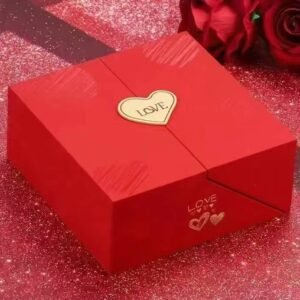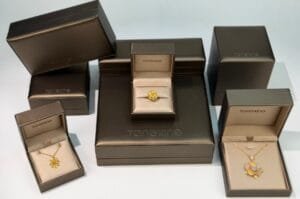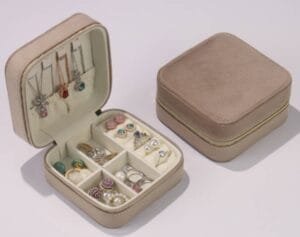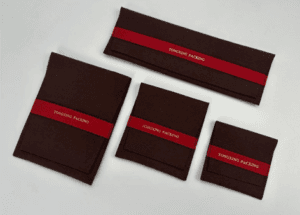
Jewelry Box Inserts and dividers play a critical role in maintaining the quality and presentation of jewelry collections. They prevent scratches, tangles, and impact damage, supporting both organization and protection. Jewelry packaging manufacturers often recommend specialized inserts for custom jewelry boxes and jewelry packaging to extend longevity. Many Jewelry Display solutions feature materials such as foam, velvet, satin, silk, and suede, each offering unique benefits:
- Foam inserts secure delicate pieces, reducing impact damage.
- Velvet maintains shine and prevents scratches.
- Satin and silk protect against tarnishing.
- Suede offers durability and easy maintenance.
A Jewelry Pouch can also provide additional protection for individual items.
Types of Jewelry Box Inserts and Dividers
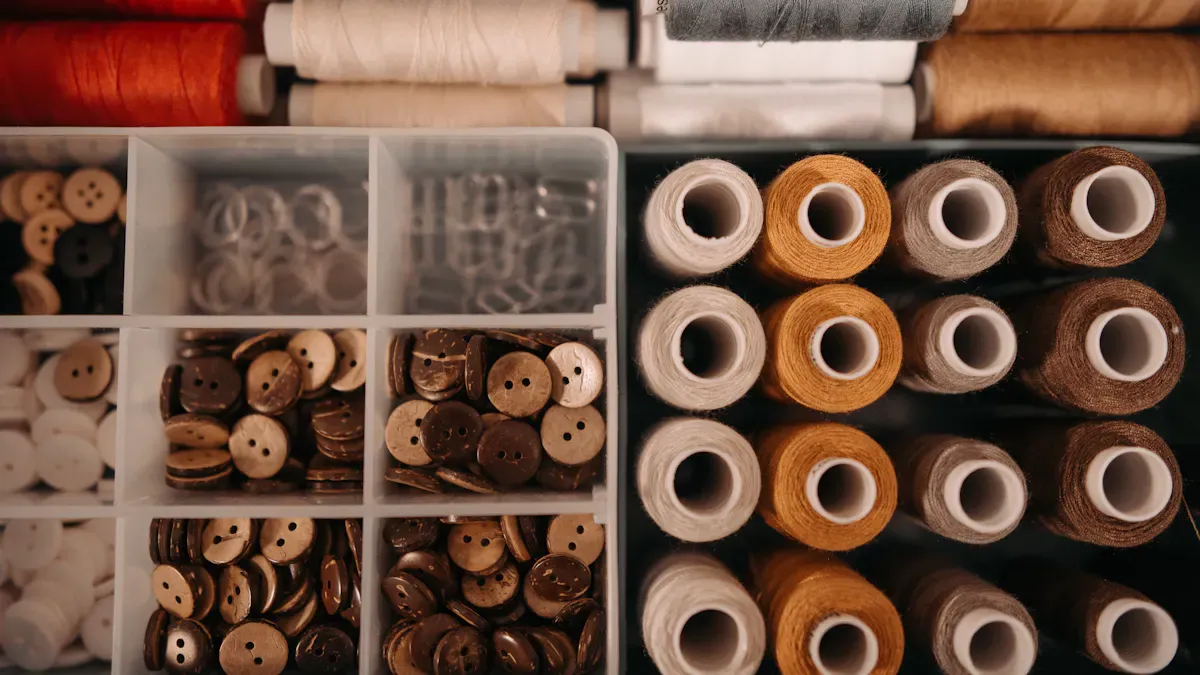
Jewelry box inserts and dividers come in a wide range of designs, each tailored to specific types of jewelry. Selecting the right option ensures optimal organization, protection, and presentation. The market offers a variety of materials and structures, as shown in the table below:
| Type of Insert | Description |
|---|---|
| Cotton Inserts | Best for light jewelry like pendants or earrings; cheap and easy to use. |
| Wool and Rayon Inserts | More long-lasting options for jewelry storage. |
| Nylon Inserts | The longest-lasting material for jewelry storage. |
| Metal Inserts | Adds strength and luxury; suitable for high-end packaging. |
| Foam Inserts | Ideal for protecting fragile items; soft and lightweight. |
| Velvet Inserts | Imparts a luxury feel to the packaging. |
| Cardboard Inserts | Light, recyclable, and durable. |
| Plastic Inserts | Long-lasting and neat; great for displays. |
| Leatherette Inserts | Adds luxury and flair to the packaging. |
| Cotton and Fabric Padding | Easy to use and functional for various jewelry types. |
Jewelry Box Inserts for Rings
Proper storage for rings prevents movement and showcases gemstones effectively. Jewelry box inserts designed for rings stabilize the band and protect the piece from sliding or scratching the interior.
Slot Inserts
Slot inserts hold rings upright, displaying the setting or gemstone prominently. This method excels in both presentation and protection. The table below highlights popular ring insert options:
| Type of Insert | Description | Benefits |
|---|---|---|
| Slotted Inserts | Hold rings upright to showcase the setting or gemstone. | Excellent for presentation and protection |
| Cushioned Inserts | Provide padding to hold rings in place and prevent sliding. | Enhances security during transport |
| Velvet-covered Foam | Offers a luxurious appearance while protecting the ring. | Ideal for high-end presentation |
| Ring Clips | C- or U-shaped clips that grip the band of the ring. | Keeps the ring centered and secure |
Foam Pads
Foam pads offer a minimalist look while keeping rings upright. Padded interiors absorb shocks, making them ideal for fragile or high-value jewelry. Velvet rolls provide a traditional luxury feel and further protect the ring from scratches.
Jewelry Box Inserts for Earrings
Earrings require specialized jewelry box inserts to prevent loss and damage. Common issues include lost posts and improper hole sizes. Overly tight holes can bend posts, while loose holes may cause earrings to fall out.
Earring Cards
Earring cards organize pairs and keep them visible. For stud earrings, the hole size and back position must align to avoid bending or loss. Drop earrings benefit from T-shaped stands or snap-on structures, which minimize tangling.
Grid Compartments
Grid compartments separate each pair, reducing the risk of mixing or misplacement. This structure ensures that delicate pieces remain secure and easy to access.
Jewelry Box Inserts for Necklaces
Necklaces often tangle or scratch when stored improperly. Necklace-specific jewelry box inserts address these challenges by providing dedicated spaces.
Necklace Hooks
Necklace hooks keep chains suspended and separated. This design prevents tangling and allows each piece to remain visible.
Hanging Sections
Hanging sections or tiered organizers offer multiple compartments for necklaces. These sections often include lids or side compartments, ensuring each necklace stays untangled and protected from scratches.
Tip: Internal dividers and tiered organizers provide the best solution for keeping necklaces in pristine condition.
Jewelry Box Inserts for Bracelets and Bangles
Bracelets and bangles require specialized storage solutions to prevent scratches and maintain their shape. Jewelry box inserts designed for these pieces offer both protection and easy access.
Bracelet Rolls
Bracelet rolls provide a cylindrical cushion that holds bracelets and bangles securely. This design keeps each piece separated, reducing the risk of tangling or abrasion. Many jewelry collectors prefer bracelet rolls because they allow for quick selection and display. The soft surface of the roll protects delicate finishes and gemstones.
Open Compartments
Open compartments offer a versatile option for storing larger or irregularly shaped bracelets. These sections accommodate chunky bangles, cuffs, or charm bracelets that may not fit in traditional slots. Open compartments also allow users to view their entire collection at a glance, making it easier to coordinate accessories for any occasion.
Jewelry Box Inserts for Jewelry Sets
Jewelry sets often include matching pieces such as necklaces, earrings, and bracelets. Proper organization ensures that each item remains in pristine condition and ready for wear.
Multi-Section Trays
Multi-section trays feature individual compartments for each piece in a set. This structure prevents items from touching, which minimizes the risk of scratches during transport or storage. Multi-section trays also streamline the process of finding and assembling a complete set.
Custom-Fit Inserts
Custom-fit inserts take organization a step further. These inserts are tailored to the specific dimensions of each piece in a jewelry set. By providing a dedicated space for every item, custom-fit inserts enhance security and reduce movement-related damage. In contrast, single-piece inserts focus on individual items and may not offer the same level of organization or protection. Jewelry box inserts for sets help users keep their collections intact and ready for any occasion.
Adjustable and Modular Dividers for Jewelry Box
Modern jewelry storage solutions often include adjustable and modular dividers. These features allow users to customize their jewelry box to fit their unique collection.
Removable Dividers
Removable dividers give users the flexibility to change the layout of their jewelry box. They can create larger or smaller compartments as needed, accommodating everything from rings to statement necklaces.
Expandable Compartments
Expandable compartments adapt to the size and shape of different jewelry pieces. Organizational experts highlight several benefits of adjustable and modular dividers:
- Modular trays enable a custom configuration tailored to the user’s collection size.
- Adjustable dividers enhance flexibility in organizing different types of jewelry.
- Dedicated ring rolls provide secure storage for rings, ensuring they are easily accessible.
These features help users maximize space and maintain order within their jewelry box.
Materials for Jewelry Box Inserts and Dividers
Selecting the right material for jewelry box inserts and dividers impacts both the protection and presentation of valuable pieces. Each material offers unique properties that suit different storage needs and style preferences.
Velvet and Suede Jewelry Box Inserts
Pros and Cons
Velvet stands out for its plush texture and excellent scratch resistance. This material envelops jewelry softly, minimizing the risk of scratches during storage or transport. Velvet also helps block humidity and dust, which can contribute to tarnishing. Suede provides a matte alternative with a modern feel, appealing to contemporary jewelry brands and younger consumers. However, velvet may attract lint, and both materials can show wear over time if not handled carefully.
Note: Synthetic microfibers can outperform velvet in moisture control, offering enhanced protection against tarnish for certain jewelry types.
Best Uses
Velvet and suede inserts work best for rings, earrings, and necklace boxes. They provide a luxurious look and feel, making them ideal for high-end presentations. Suede often appears in modern designs, while velvet remains a classic choice for traditional jewelry storage.
| Material Type | Properties | Best Use Cases |
|---|---|---|
| Velvet | Soft, plush, scratch-resistant, available in many colors | Rings, earrings, necklace boxes |
| Suede | Matte, modern, less shine | Contemporary jewelry brands, younger demographics |
Leather and Faux Leather Jewelry Box Inserts
Durability and Appearance
Leather inserts offer a premium appearance and high durability. They resist common issues such as peeling and cracking, which can affect faux leather over time. Faux leather provides a cost-effective alternative but may develop problems like curling edges, fading, or a sticky surface. Consumer reports show that leather outperforms faux leather in long-term use.
| Material Type | Common Issues | Durability Testing Method |
|---|---|---|
| Faux Leather | Peeling, cracking, curling edges, fading | Scratch test, palm rubbing |
| Leather | Few issues, more durable | Not specified |
Care Tips
To maintain leather inserts, users should avoid excessive moisture and direct sunlight. Regular dusting with a soft cloth preserves the surface. For faux leather, gentle cleaning with a damp cloth prevents buildup and extends lifespan.
Wood and Bamboo Jewelry Box Dividers
Eco-Friendly Options
Wood and bamboo dividers appeal to those seeking sustainable jewelry storage. These materials offer artisan quality and a handcrafted look. Bamboo, in particular, grows quickly and provides an eco-conscious alternative to traditional hardwoods.
Style Considerations
Wood and bamboo inserts add warmth and sophistication to any jewelry box. They suit high-end custom orders and collectible packaging. Users should consider the overall design of their jewelry box to ensure these natural materials complement the intended aesthetic.
Tip: Pairing wood or bamboo dividers with soft fabric linings can enhance both protection and style for jewelry collections.
Plastic and Acrylic Jewelry Box Inserts
Affordability and Versatility
Plastic and acrylic inserts offer practical solutions for organizing jewelry collections. Many users choose these materials because they provide lightweight and shatter-resistant storage. Manufacturers can mold plastic and acrylic into various shapes, which allows for creative compartment designs. These inserts often fit both modern and classic jewelry boxes.
Acrylic and plastic inserts stand out for their affordability. They cost less than wood or leather alternatives, making them accessible for a wide range of consumers. Retailers often recommend these inserts for starter jewelry boxes or travel cases. The versatility of plastic and acrylic also means they can display rings, earrings, and necklaces in one compact space.
The following table compares plastic/acrylic and fabric/felt inserts in terms of cost and versatility:
| Material Type | Pros | Cons |
|---|---|---|
| Plastic/Acrylic | Lightweight, shatter-resistant, versatile in design | Scratch-prone, limited luxury feel, UV sensitivity |
| Fabric/Felt | Soft protection, versatile in colors and textures, customizable | Less durable, maintenance required, moisture sensitivity |
Tip: Plastic and acrylic inserts work best for those who want a neat, organized look without a high price tag.
Maintenance
Plastic and acrylic jewelry box inserts require minimal maintenance. Owners can clean these surfaces with a damp cloth or mild soap. However, these materials may scratch if handled roughly. Users should avoid abrasive cleaners to preserve the clarity of acrylic. Over time, exposure to direct sunlight can cause discoloration or brittleness. Storing the jewelry box in a cool, shaded area helps maintain the quality of plastic and acrylic inserts.
Fabric and Felt Jewelry Box Inserts
Softness and Protection
Fabric and felt inserts provide gentle protection for delicate jewelry items. The soft surface cushions rings, earrings, and necklaces, reducing the risk of scratches or tangles. Many collectors prefer fabric and felt for storing fine chains or pieces with intricate details. These materials also come in a wide range of colors and textures, allowing for customization to match personal style.
The table below highlights how different fabric materials protect jewelry:
| Material | Protection Quality | Additional Notes |
|---|---|---|
| Velvet | Prevents scratches, tangles | Thick and plush, luxurious feel |
| Suede | Soft and non-abrasive | Matte texture, good for delicate items |
| Satin | Smooth and shiny | Adds elegance, suitable for fine jewelry |
| Silk | Gentle on delicate items | Ideal for pearls and fine chains |
Note: Fabric and felt inserts suit those who prioritize softness and want to prevent damage to valuable jewelry.
Cleaning Advice
Fabric and felt jewelry box inserts need regular care to maintain their protective qualities. Dust and debris can accumulate on the surface, so owners should use a lint roller or soft brush for routine cleaning. For deeper stains, a damp cloth with mild detergent works well, but excessive moisture can damage the material. Allow inserts to air dry completely before returning jewelry to the box. Regular cleaning keeps the storage environment safe and extends the life of both the insert and the jewelry.
How to Choose the Right Jewelry Box Inserts and Dividers
Assessing Your Jewelry Collection
Types and Quantities of Jewelry
Every jewelry collection is unique. Before selecting inserts or dividers, individuals should evaluate the types and quantities of jewelry they own. Rings, necklaces, earrings, and bracelets each require different storage solutions. A large collection with many delicate pieces demands more specialized organization. For example, a collector with numerous rings will benefit from multiple cushioned slots, while someone with many necklaces should prioritize hooks or hanging sections. Taking inventory helps users choose the right jewelry box that matches their needs and prevents overcrowding.
Special Storage Needs
Some jewelry pieces need extra care. Antique items, family heirlooms, or pieces with intricate designs often require soft linings or anti-tarnish materials. Gemstones and pearls can scratch easily, so they need inserts that provide gentle support. Users should also consider if they travel frequently or need quick access to certain items. Special storage needs influence the selection of inserts and dividers, ensuring each piece remains safe and accessible.
Matching Jewelry Box Inserts to Jewelry Types
Preventing Tangles and Scratches
Matching the right insert to each jewelry type prevents common problems like tangling and scratching. Rings stored in cushioned slots stay separated, which keeps stones from rubbing together. Necklaces hung on hooks or elastic bands avoid knots and tangles. Earrings placed on foam inserts or cards with holes remain paired and easy to find. Soft pouches and anti-tarnish materials protect all types from oxidation and surface damage.
Tip: Proper matching of inserts to jewelry type extends the life of each piece and maintains its appearance.
The table below summarizes the best storage methods for each jewelry type:
| Jewelry Type | Recommended Storage Method |
|---|---|
| Rings | Use cushioned slots to prevent stones from rubbing together. |
| Necklaces | Hang or loop on small hooks or elastic bands to avoid tangling. |
| Earrings | Utilize foam inserts or cards with holes to keep pairs matched and accessible. |
| All types | Consider soft pouches and anti-tarnish materials to protect against oxidation and scratches. |
Keeping Pairs and Sets Together
Organization becomes easier when pairs and sets stay together. Earring cards and grid compartments keep matching earrings in one place. Multi-section trays or custom-fit inserts hold complete jewelry sets, making it simple to find and wear coordinated pieces. This approach reduces the risk of losing small items and saves time during daily routines.
Considering Jewelry Box Size and Layout
Maximizing Space
The size and layout of the jewelry box play a crucial role in effective organization. A compact box with well-designed inserts can store many items without crowding. Layered trays and stackable inserts help maximize space, especially in smaller boxes. Users should select inserts that fit the available space and accommodate the shape of their jewelry. For example, a 40×40 mm box works well for rings and earrings, while larger boxes like 40×80 or 80×80 mm suit bracelets and necklaces.
Fitting Inserts to Existing Jewelry Box
Choosing the right jewelry box inserts involves more than just aesthetics. Inserts must align with the box’s structure to ensure a proper fit. Ill-fitting inserts can cause rings to tip over or necklaces to tangle. Understanding the shape of each jewelry piece and the available space in the box leads to better organization and protection. Users should measure their jewelry box before purchasing new inserts or dividers. This step prevents wasted space and enhances the overall presentation of the jewelry collection.
Note: A well-fitted insert not only protects jewelry but also improves the visual appeal of the organized jewelry box.
Style and Personal Preferences for Jewelry Box Inserts
Selecting jewelry box inserts often reflects individual style and personal taste. The right choice can transform a simple storage solution into a statement piece that complements any room.
Color and Material Choices
Color and material play a significant role in the overall appeal of a jewelry box. Many people select colors that match their bedroom or dressing area. Some prefer classic shades like black, white, or beige, while others choose bold colors to make a statement. Materials such as velvet, leather, wood, or acrylic each offer a unique look and feel. Velvet and suede provide a soft, luxurious touch. Leather adds sophistication and durability. Wood and bamboo bring warmth and a natural element to the design. Acrylic and plastic inserts create a modern, minimalist appearance.
Tip: Matching the jewelry box insert color and material to the room’s décor creates a cohesive and stylish look.
Customization Options
Personalization adds a special touch to any jewelry storage solution. Many jewelry boxes offer customization options, allowing users to tailor the design to their preferences. Some popular ways to personalize include:
- Choose a style that fits the décor. Jewelry boxes come in traditional, modern, and vintage designs. Select a style that matches the home’s interior or reflects personal taste.
- Pay attention to details such as finishes, hardware, and decorative elements. These features can enhance the overall aesthetic and make the box feel unique.
- Consider custom touches. Many manufacturers offer monograms, engravings, or specific finishes. These options allow users to add initials, names, or meaningful symbols, making the jewelry box truly one-of-a-kind.
A personalized jewelry box not only organizes valuable pieces but also serves as a reflection of the owner’s personality.
Budget and Value for Jewelry Box Dividers
Cost and value are important factors when choosing jewelry box dividers. Buyers want a solution that balances affordability with long-term durability.
Cost vs. Quality
The price of jewelry box dividers varies based on style, material, and craftsmanship. Minimalist boxes often cost less, while multi-layer or high-gloss designs command higher prices. Investing in quality materials ensures that the jewelry remains protected for years. The following table outlines typical price ranges and expected durability for popular styles:
| Style Type | Typical Price Range | Durability |
|---|---|---|
| Minimalist Box | $45–$120 | 30–50 years |
| Multi-Layer Box | $120–$350 | 30–50 years |
| Watch + Jewelry Box | $90–$260 | 30–50 years |
| High-Gloss Piano Finish | $150–$400 | 30–50 years |
| Vintage Carved Box | $80–$220 | 30–50 years |
Note: Higher-priced boxes often feature better craftsmanship and materials, which can extend the life of both the box and the jewelry inside.
Long-Term Durability
Durability should guide the decision-making process. Quality dividers protect jewelry from scratches, tarnish, and damage. Materials like solid wood, genuine leather, and thick velvet last for decades with proper care. Even though the initial investment may be higher, these options reduce the need for frequent replacements. Buyers should consider how often they access their jewelry and whether the box will travel. Frequent use or travel requires sturdy construction and secure closures.
A well-chosen jewelry box divider not only organizes and protects but also adds value to the collection over time.
Organization Strategies to Organize Jewelry Box
Arranging Jewelry by Type with Dividers
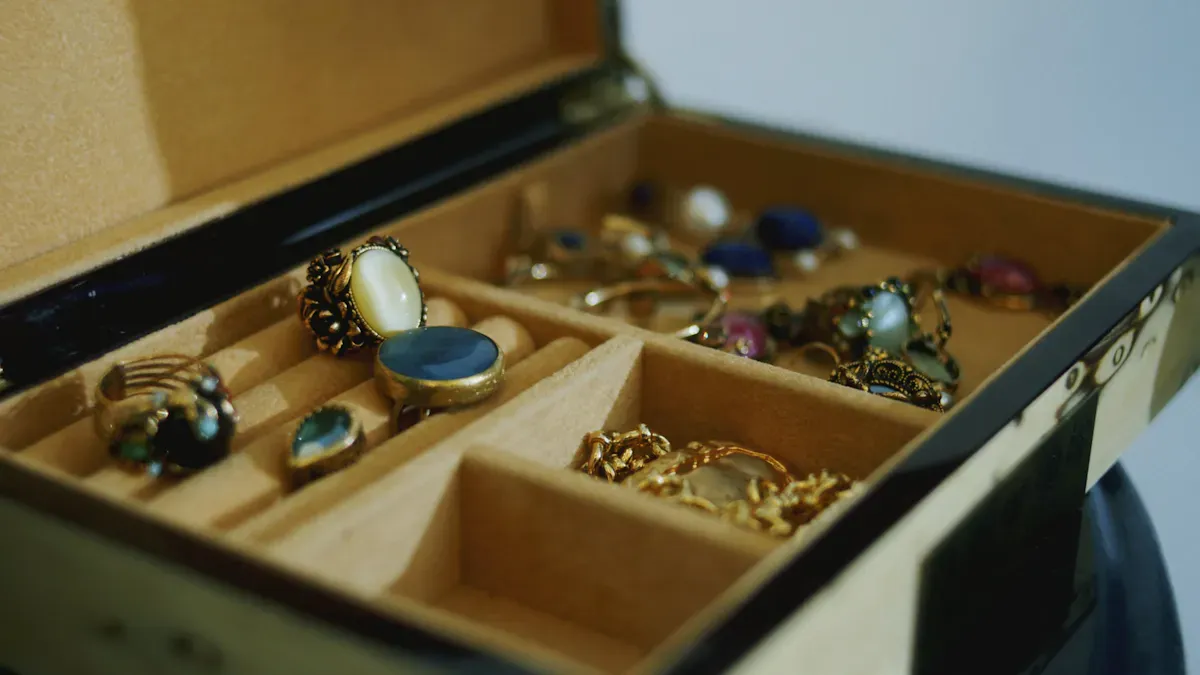
Professional organizers recommend dividing jewelry by type as a foundational step in effective organization. This approach streamlines the process of finding specific pieces and reduces clutter within the jewelry box. By assigning each compartment to a particular jewelry category, users can quickly locate rings, necklaces, or earrings without unnecessary searching. This method also prevents tangling and damage, which often occur when different types of jewelry mix together.
Grouping Similar Pieces
Grouping similar items together remains one of the most practical jewelry organizer ideas. Rings, bracelets, and earrings each receive their own dedicated space. This compartmentalization not only enhances organization but also supports maximizing accessibility. Frequently worn pieces can be placed in top trays, while special occasion items stay in lower compartments. Color coding sections further assists with outfit coordination and helps users rediscover forgotten jewelry.
Separating Delicate Items
Separating delicate jewelry protects fragile pieces from scratches and tarnish. Organizers often suggest dividing jewelry by metal type to prevent unwanted reactions and damage. For example, gold and silver should not touch, as this can lead to tarnishing. Dedicated spots for chains and fine gemstones ensure that each item remains in pristine condition. This strategy also aligns with many jewelry organizer ideas that prioritize preservation and longevity.
Using Adjustable and Custom Jewelry Box Inserts
Adjustable and custom inserts offer flexibility for growing or changing collections. These solutions adapt to new pieces and evolving storage needs, making them a favorite among those seeking innovative jewelry organizer ideas.
Modular Solutions
Modular inserts allow users to reconfigure compartments based on the size and shape of their jewelry. This adaptability prevents overcrowding and keeps each piece separated and safe. Modular systems also utilize vertical space efficiently, especially when combined with layering and stacking techniques. Drawer dividers can be adjusted to create custom compartments, which helps prevent tangling and damage.
DIY Customization
DIY customization empowers users to tailor their jewelry box to their unique preferences. Simple modifications, such as adding foam pads or creating new dividers, can transform a standard box into a personalized jewelry organizer. This approach not only maximizes space but also encourages creativity and ownership in the organization process.
Maximizing Space and Accessibility in Your Jewelry Box
Layered trays and stackable inserts provide a structured approach to jewelry storage. These features maximize space efficiency and enhance accessibility, making it easier to find and manage various pieces. Users can store daily wear items in the top tray for quick access, while less frequently used jewelry remains in lower layers. This method creates a visually appealing display and supports a clutter-free environment.
Layered Trays
Layered trays separate jewelry into different levels, which optimizes the use of vertical space. Each tray can hold a specific type or category, further supporting organization and ease of access.
Stackable Inserts
Stackable inserts offer flexibility for expanding collections. Users can add or remove layers as needed, ensuring that the jewelry box adapts to their changing needs. This system keeps the jewelry visible and organized, reducing the time spent searching for the right piece.
Preventing Damage and Loss with Jewelry Box Dividers
Jewelry owners often seek solutions that address preventing damage and loss within their storage systems. The right materials and design features play a crucial role in maintaining the integrity of valuable pieces. Anti-tarnish materials, velvet linings, and secure closures all contribute to a safer environment for jewelry.
Anti-Tarnish Materials
Manufacturers recommend anti-tarnish strips and silica gel packs for jewelry boxes. Anti-tarnish strips help prevent damage by blocking oxidation, especially for silver jewelry. Silica gel packs absorb moisture, creating a dry atmosphere that supports preventing damage from tarnish. Velvet lining offers a soft barrier, protecting jewelry from scratches and minimizing exposure to air. Individual pouches keep pieces separated, reducing the risk of tangling and impact.
| Material/Feature | Benefit |
|---|---|
| Anti-tarnish strips | Prevents tarnishing of silver jewelry, extending its life and shine. |
| Velvet lining | Protects jewelry from scratches and minimizes tarnish by creating a barrier. |
| Silica gel packs | Absorbs moisture to prevent tarnish, maintaining a dry environment for jewelry storage. |
| Individual pouches | Keeps pieces organized and prevents tangling, offering a protective cushion for delicate items. |
Tip: Combining anti-tarnish strips with velvet lining and silica gel packs creates a multi-layered defense against environmental threats.
Secure Closures
Secure closures serve as a fundamental feature in jewelry box design. They prevent damage by keeping the box tightly shut, which protects jewelry from accidental spills or loss. Latches, magnetic locks, and zippered compartments ensure that each piece remains in place during transport or daily use. Jewelry boxes with reinforced corners and padded interiors further enhance security. Owners should check closures regularly to confirm their effectiveness.
Keeping Your Jewelry Box Tidy
Maintaining a tidy jewelry box supports both organization and the longevity of each item. Regular maintenance routines and seasonal reorganization help prevent clutter and make it easier to access favorite pieces.
Regular Maintenance
Routine care keeps jewelry boxes clean and functional. Owners should sort jewelry by type and size, clean or repair damaged items, and use organizing trays to keep pieces separated. The following steps provide a structured approach:
- Empty the jewelry box and place items on a soft cloth.
- Remove dust and debris using a lint roller or soft brush.
- Spot clean velvet with a mild soap solution.
- Clean interior compartments with sticky tape on a Q-tip.
- Deodorize if necessary.
Note: Regular maintenance prevents damage by removing dust and moisture, which can harm jewelry over time.
Seasonal Reorganization
Seasonal reorganization allows owners to refresh their jewelry box and adapt to changing needs. They can rotate pieces based on current trends or occasions, discard items that no longer serve a purpose, and reorganize compartments for better accessibility. Drawer organizers and hooks for necklaces help prevent tangling and keep the box neat. Displaying jewelry on a vanity or wall offers easy access and supports a minimalistic approach.
- Sort jewelry by type and size.
- Clean, repair, or discard damaged items.
- Use organizing trays or boxes to keep pieces separated.
- Consider drawer organizers for a streamlined look.
- Display jewelry for quick selection.
Callout: A well-maintained jewelry box not only prevents damage but also showcases the collection in its best light.
Custom and Eco-Friendly Jewelry Box Inserts and Dividers
Custom-Made Jewelry Box Inserts and Dividers
Working with Artisans
Many jewelry enthusiasts seek unique storage solutions that reflect their personal style. Artisans can design custom inserts and dividers that fit specific needs. These professionals use precise measurements to create compartments for each piece of jewelry. Custom layouts allow for better organization and protection. Artisans often use premium materials and advanced techniques to ensure durability and elegance. This approach also supports brand recognition for those who wish to showcase their collection or business.
The following table highlights the advantages of custom-made jewelry box inserts compared to mass-produced options:
| Advantage | Custom-Made Jewelry Box Inserts | Mass-Produced Options |
|---|---|---|
| Tailored Compartment Layouts | Yes | No |
| Personalization Options | Yes | Limited |
| Space Optimization | Yes | No |
| Brand Recognition | High | Low |
| Emotional Connection with Users | Strong | Weak |
Custom inserts provide a strong emotional connection for users. They transform a simple jewelry box into a meaningful keepsake.
DIY Customization Ideas
Some individuals prefer to create their own custom jewelry box inserts. DIY customization offers flexibility and creativity. Foam sheets, felt, or recycled cardboard can serve as base materials. Users can cut these materials to fit their jewelry box and add dividers for rings, earrings, or necklaces. Decorative fabric or paint adds a personal touch. Removable trays and adjustable sections allow for future changes as the jewelry collection grows. DIY projects also encourage sustainable practices by reusing materials found at home.
Tip: Start with a simple design and expand as the jewelry collection increases. This method ensures each custom insert remains practical and attractive.
Eco-Friendly Jewelry Box Inserts and Dividers
Sustainable Choices
Eco-friendly jewelry box inserts have gained popularity among environmentally conscious consumers. Manufacturers now offer a range of sustainable materials that protect both jewelry and the planet. Common options include:
- Molded paper pulp
- Mycelium-based (mushroom fiber) inserts
- Fabric-covered FSC-certified paperboard
- Plant-based eco-foam inserts
- Flat-pack, multi-application, or monomaterial inserts
- Reusable fabric bags or layered paper
These materials reduce environmental impact while maintaining the quality and safety of jewelry storage.
Recycled and Upcycled Options
Recycled and upcycled inserts offer another sustainable solution. Many brands use post-consumer paper, reclaimed wood, or repurposed textiles to create custom dividers. Upcycling transforms old boxes or packaging into new, functional jewelry organizers. This approach minimizes waste and supports a circular economy. Consumers who choose recycled or upcycled options contribute to a greener future without sacrificing style or function.
Note: Eco-friendly and custom solutions can work together. A jewelry box can feature both personalized compartments and sustainable materials for maximum benefit.
Maintenance and Care for Jewelry Box Inserts and Dividers
Cleaning Jewelry Box Inserts and Dividers
Proper maintenance of a jewelry organizer extends its lifespan and protects valuable pieces from damage. Each material requires a specific cleaning approach to ensure the organizer remains effective and attractive.
Material-Specific Cleaning Tips
Owners should start by dusting exterior surfaces of the organizer weekly. A soft brush works well for removing loose particles from corners and crevices. For fabric-lined organizers, a vacuum with a gentle attachment can remove embedded dust without causing damage. Monthly vacuuming keeps the interior fresh and prevents buildup.
Spot cleaning addresses stains or spills that may occur inside the jewelry organizer. A mild soap solution, preferably plant-based, should be applied with a damp cloth. Dabbing the affected area and blotting excess moisture helps avoid water stains or further damage. Harsh chemicals like bleach can degrade materials and should never be used. Biodegradable cleaners offer a safe alternative for both the organizer and the environment.
After cleaning, air drying is essential. The organizer should remain open and empty for 24 to 48 hours. Direct sunlight can fade fabrics and cause warping, so a shaded area is best. Before reassembling, owners must check for any remaining moisture to prevent mold or mildew.
Tip: For a natural deodorizer, place a small dish of baking soda inside the jewelry organizer overnight. This method absorbs odors without introducing harsh chemicals.
Preventing Odors and Stains
Odors and stains can compromise both the appearance and function of a jewelry organizer. Regular cleaning routines help prevent these issues. Owners should vacuum fabric surfaces monthly and perform a thorough cleaning every season. Using natural deodorizers, such as baking soda, keeps the interior smelling fresh. Immediate attention to spills or stains reduces the risk of permanent damage.
A table summarizing cleaning intervals:
| Task | Frequency |
|---|---|
| Dust exterior surfaces | Weekly |
| Vacuum fabric surfaces | Monthly |
| Deep clean/disassemble | Seasonally |
Replacing and Upgrading Jewelry Box Inserts
Even with careful maintenance, every jewelry organizer will eventually require replacement or an upgrade to maintain optimal protection against damage.
Signs It’s Time to Replace
Several indicators suggest that an organizer insert no longer provides adequate protection. Frayed fabric, persistent odors, or visible stains signal that the material has deteriorated. Warped dividers or loose compartments can lead to jewelry shifting, increasing the risk of damage. If the organizer no longer fits the collection or fails to prevent tangling, replacement becomes necessary.
Easy Upgrades
Upgrading a jewelry organizer can enhance both function and style. Owners may choose inserts with anti-tarnish linings, modular dividers, or eco-friendly materials. Removable trays and adjustable sections allow for customization as the collection grows. Simple upgrades, such as adding new fabric liners or switching to bamboo dividers, can refresh the organizer and improve protection against damage.
Regular assessment and timely upgrades ensure that every jewelry organizer continues to safeguard precious items and prevent unnecessary damage.
Jewelry owners benefit from selecting inserts and dividers that match their collection’s size, style, and storage needs. They should regularly assess and reorganize their jewelry box to prevent damage and loss. Personal touches, such as custom materials or colors, enhance both function and appearance.
Tip: A well-organized jewelry box protects valuable pieces and reflects the owner’s unique style.
FAQ
What is the main purpose of jewelry box inserts and dividers?
Jewelry box inserts and dividers organize and protect jewelry. They prevent scratches, tangles, and loss. These tools help users keep collections accessible and in excellent condition.
How often should someone clean jewelry box inserts?
Experts recommend cleaning jewelry box inserts every one to three months. Regular cleaning removes dust and debris, which helps maintain both the insert and the jewelry.
Can inserts be customized for unique jewelry pieces?
Yes. Artisans and some manufacturers offer custom inserts. These inserts fit specific jewelry shapes and sizes, providing tailored protection and organization.
Which material offers the best protection for delicate jewelry?
Velvet and suede provide excellent protection for delicate items. These materials cushion jewelry and reduce the risk of scratches or damage.
Are eco-friendly jewelry box inserts durable?
Eco-friendly inserts made from bamboo, recycled paper, or plant-based foam can be durable. Their longevity depends on material quality and proper care.
How can someone prevent tarnish inside a jewelry box?
Anti-tarnish strips and silica gel packs help prevent tarnish. Owners should also store jewelry in a dry environment and avoid direct sunlight.
What should someone do if an insert no longer fits their collection?
They should upgrade to modular or adjustable inserts. These options adapt to growing collections and changing storage needs.