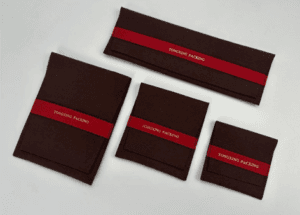

Protecting jewelry during shipping demands careful attention to packaging and box selection. Over 30% of jewelry claims stem from scratches, dents, or broken pieces that occur in transit. Jewelry shipping packaging, including boîtes à bijoux personnalisées and options from a reputable fabricant d'emballages pour bijoux, delivers essential protection. Présentoir à bijoux et Pochette à bijoux solutions add layers of security. These strategies help ensure each piece of jewelry arrives undamaged, maintains its value, and meets customer expectations.
Risks Jewelry Faces During Shipping

Shipping jewelry introduces several risks that can compromise both the value and appearance of each piece. Understanding these risks helps businesses and individuals select the right packaging and procedures for safe delivery.
Physical Damage
Impact and Crushing
Jewelry often faces impact and crushing during shipping. Packages may experience rough handling, stacking, or drops in transit. These actions can deform delicate pieces or break fragile components. Proper cushioning and rigid packaging reduce the chance of damage from external pressure.
Scratches and Abrasions
Scratches and abrasions represent another common risk. Jewelry surfaces, especially those with polished finishes or gemstones, can easily become marred if items move inside the box. Using soft pouches or foam inserts prevents direct contact between pieces and minimizes surface wear.
Loss and Theft
Package Tampering
Theft remains a significant concern in jewelry shipping. Criminals often target packages that appear valuable. Industry reports recommend several strategies to reduce theft:
- Use larger, heavier packages to avoid drawing attention.
- Avoid using jewelry-related terms in sender or recipient addresses.
- Remain cautious with return addresses from known jewelry districts.
- Verify all addresses to reduce misdirection and theft.
- Avoid special security tape that signals valuable contents.
- Mark packages discreetly for tracking.
- Disguise contents with misleading labels.
- Split shipments into lower-value parcels to minimize loss.
- Include packing slips for item identification.
These steps help deter tampering and reduce the risk of theft during delivery.
Misplacement in Transit
Misplacement can occur at any stage of shipping. Packages may get lost due to incorrect labeling, sorting errors, or address issues. Careful verification of shipping details and the use of tracking systems help prevent loss and ensure jewelry reaches its destination.
Environmental Hazards
Moisture and Humidity
Environmental hazards such as moisture and humidity can cause lasting damage to jewelry. Humidity above 60% can quickly tarnish sterling silver. Alloy metals in gold jewelry may also discolor under high humidity. Porous stones like opals and pearls risk cracking or losing color when exposed to fluctuating moisture levels.
Temperature Fluctuations
Temperature changes present additional risks. Extreme cold can make metals brittle and prone to cracking. Fluctuating temperatures cause metals to expand and contract, which may loosen stones in their settings. Proper packaging provides insulation and helps maintain a stable environment for jewelry during shipping.
Tip: Always select packaging that offers both physical protection and environmental barriers to safeguard jewelry from these common shipping risks.
Tarnishing and Chemical Exposure
Jewelry faces unique risks during shipping that go beyond physical damage. Tarnishing and chemical exposure can significantly affect the appearance and value of precious items. Understanding these risks helps businesses and individuals make informed decisions about packaging and shipping methods.
Airborne Contaminants
Airborne contaminants present a serious threat to jewelry, especially silver pieces. Even trace amounts of pollutants in the air can trigger chemical reactions on metal surfaces. Hydrogen sulfide (H2S) is a common atmospheric pollutant that reacts with silver, forming silver sulfide. This reaction produces the black tarnish often seen on silver jewelry. Research shows that tarnishing can occur at extremely low concentrations of H2S, sometimes less than 1 part per billion. This fact highlights the importance of protecting jewelry from environmental exposure during transit.
- Silver jewelry tarnishes when exposed to hydrogen sulfide in the air.
- The chemical reaction forms silver sulfide, resulting in black discoloration.
- Tarnishing can happen even at very low levels of hydrogen sulfide, making it a widespread risk for shipped jewelry.
Note: Jewelry shipments often travel through multiple environments, each with varying levels of airborne contaminants. Proper packaging acts as a barrier, reducing the risks associated with exposure to these pollutants.
Contact with Packaging Materials
The choice of packaging materials also plays a critical role in preventing chemical exposure. Some packaging materials contain chemicals or residues that can react with metals or gemstones. For example, certain adhesives, dyes, or plastics may emit volatile compounds. These compounds can accelerate tarnishing or cause discoloration, especially when jewelry remains in contact with packaging for extended periods.
Selecting inert, acid-free, and non-reactive materials for jewelry shipping packaging reduces the likelihood of chemical reactions. Many jewelers use soft pouches made from untreated cotton or velvet, foam inserts, or acid-free tissue paper to create a safe environment inside the box. These materials help shield jewelry from both airborne contaminants and harmful substances in the packaging itself.
- Avoid packaging materials with strong odors or chemical residues.
- Use acid-free and non-reactive options for direct contact with jewelry.
- Store jewelry in sealed pouches or boxes to limit exposure to external and internal risks.
Shipping jewelry safely requires attention to both environmental and material-based risks. By understanding how airborne contaminants and packaging materials contribute to tarnishing and chemical exposure, shippers can better protect valuable items throughout the shipping process.
Protecting Jewelry with Mailer Boxes
Structure and Design of Boxes
Rigid Construction
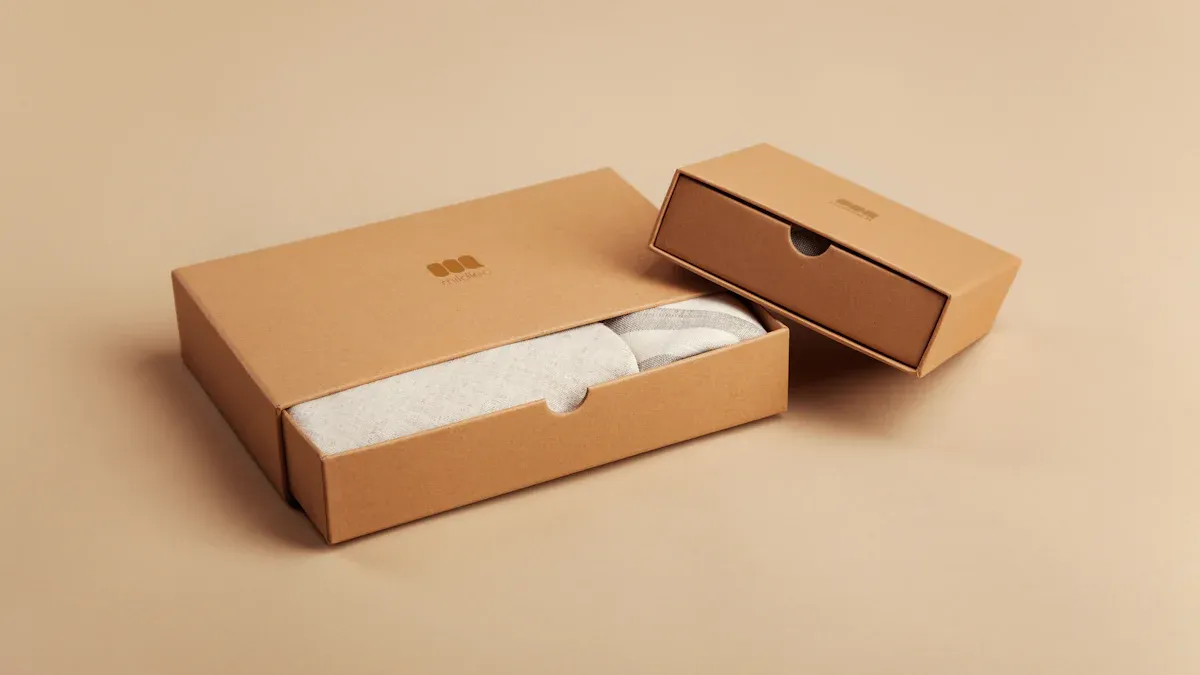
Mailer boxes play a crucial role in protecting jewelry during shipping. Their rigid construction shields delicate items from external forces. Corrugated boxes, in particular, offer strong exterior protection against crushing and punctures. Triple-layer corrugated construction resists crushing, compression, and edge impact. Custom foam, cardboard, or molded inserts hold jewelry securely in position, reducing the risk of movement and subsequent damage.
| Fonctionnalité | Bénéfice |
|---|---|
| Corrugated boxes | Strong exterior protection against crushing and punctures. |
| High-quality packing tape | Secures the box, preventing accidental opening. |
Sturdy corrugated mailers or carton boxes accommodate varying order sizes. These boxes, when paired with void fill materials like crinkle paper or foam wrap, minimize internal movement and enhance protection.
Secure Closure Mechanisms
A secure closure mechanism is essential for jewelry shipping packaging. High-quality packing tape and tamper-evident packaging ensure that boxes remain sealed throughout transit. Secure closures prevent accidental openings and deter unauthorized access. Pre-formed and brandable solutions maintain structural integrity while showcasing the product. Avoid collapsible boxes for shipping, as they do not maintain their shape under pressure.
Tip: The outer layer of jewelry shipping packaging acts as a shield against handling damage, stacking, and environmental exposure.
Materials Used in Jewelry Shipping Packaging
Carton ondulé
Corrugated cardboard stands out as a preferred material for protecting jewelry. It provides excellent resistance to crushing and bending. Double-wall corrugated boxes work best for heavy or fragile products, while single-wall options suit lightweight or smaller items. Corrugated boxes also absorb shocks and vibrations, keeping jewelry safe during shipping.
Kraft Paperboard
Kraft paperboard offers a lightweight yet protective solution for jewelry shipping packaging. It provides cushioning and a natural look, making it suitable for lightweight jewelry. Kraft paperboard is easy to customize and often used for branded packaging. It balances protection and presentation, especially for smaller items.
Plastic Mailer Boxes
Plastic mailer boxes deliver water resistance and durability. They protect jewelry from moisture and humidity, which can cause tarnishing or other forms of damage. Plastic boxes are reusable and provide a secure shipping option for high-value or sensitive items. Their rigid structure resists deformation, ensuring jewelry remains protected throughout transit.
| Packaging Material | Durability Rating | Protection Features |
|---|---|---|
| Corrugated Boxes | Haut | Excellent resistance to crushing and bending |
| Rigid Packaging | Haut | Resists deformation, protects against moisture and impacts |
| Sacs en papier kraft | Modéré | Natural look, decent protection for lightweight jewelry |
| Padded Envelopes | Modéré | Provides cushioning for delicate items during transit |
| Wooden Crates/Boxes | Très élevé | Extremely high impact resistance and durability for high-value jewelry |
Prevention of Common Shipping Issues
Shock Absorption
Protecting jewelry from shocks and vibrations is vital during shipping. Bubble wrap cushions against external shocks, while foam inserts absorb vibrations and keep jewelry boxes securely in place. These materials, combined with sturdy mailer boxes, create a multi-layered defense against impact.
- Bubble wrap cushions against external shocks.
- Foam inserts absorb vibrations and keep jewelry boxes securely in place during transit.
Barrier Against Moisture
Moisture-resistant materials in jewelry shipping packaging keep products safe from humidity and weather-related damage. Corrugated boxes and plastic mailer boxes both offer barriers against moisture. This feature is especially important for silver and other metals prone to tarnishing.
Tamper Evidence
Tamper-evident packaging provides visible proof of tampering, enhancing security during shipping. High-quality packing tape and tamper-proof bags with bubble wrap protect jewelry from unauthorized access. These secure shipping options give both senders and recipients peace of mind.
- Corrugated boxes are sturdy and protect products from impact and compression during transit.
- Moisture-resistant materials keep products safe from humidity and weather-related damage.
- Tamper-evident packaging provides visible proof of tampering, enhancing security during shipping.
Protecting jewelry with the right mailer boxes and materials ensures safe delivery and maintains the value of each piece. Jewelry shipping packaging, when thoughtfully selected, addresses the most common risks and delivers secure shipping options for every order.
Building the Ideal Jewelry Shipping Packaging System
Creating a robust jewelry shipping packaging system requires careful attention to each layer of protection. Each component, from the innermost pouch to the outer mailer box, plays a distinct role in ensuring jewelry arrives in pristine condition.
Inner Protection for Ship Jewelry Safely
The first line of defense for jewelry lies in the inner packaging. These protective layers prevent scratches, tangling, and tarnishing during shipping.
Soft Pouches
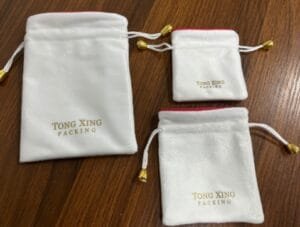
Soft pouches made from velvet, cotton, or microfiber provide a gentle environment for jewelry. These materials minimize friction and shield delicate surfaces from abrasions. Velvet-lined anti-tarnish travel pouches offer breathability, which helps prevent moisture buildup—a key factor in maintaining shine and reducing tarnish. Anti-tarnish strips placed inside pouches further protect metals from airborne contaminants.
- Use breathable materials like velvet or cotton for pouches.
- Avoid plastic wrap or airtight containers that trap moisture.
- Place anti-tarnish strips inside pouches for added protection.
- Separate each piece to prevent tangling and scratching.
Foam Inserts
Foam inserts deliver structure and stability within jewelry boxes. They hold each item securely in place, reducing movement during transit. Foam also absorbs shocks and vibrations, which helps ship jewelry safely through unpredictable shipping environments.
Effective inner packaging for jewelry includes soft pouches made of materials like velvet, cotton, or microfiber to minimize friction and prevent damage. Additionally, incorporating anti-tarnish strips helps maintain the jewelry’s shine, while foam inserts ensure that pieces remain secure and untangled during transit.
Bubble Wrap
Bubble wrap acts as a versatile cushioning material. Wrapping jewelry boxes or individual pieces in bubble wrap adds an extra layer of shock absorption. This material protects against impacts and sudden drops, which are common during shipping. Bubble wrap also fills empty spaces within boxes, preventing items from shifting.
Jewelry Box Selection
Choosing the right jewelry boxes is essential for both protection and presentation. The box must fit the jewelry precisely and use materials that support the overall packaging strategy.
Choix des matériaux
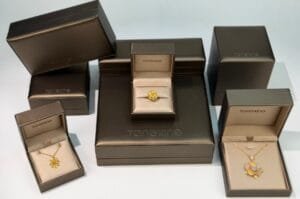
Jewelry boxes come in a variety of materials, each offering unique benefits. Rigid cardboard boxes provide structural integrity and resist crushing. Kraft paperboard boxes offer a lightweight, eco-friendly option with a natural appearance. For high-value items, plastic or wooden boxes deliver superior durability and moisture resistance. Selecting the right material ensures the jewelry remains safe and enhances the unboxing experience.
Taille et coupe
Proper sizing prevents jewelry from moving inside the box. A snug fit reduces the risk of scratches and breakage. Oversized boxes can lead to excessive movement, while undersized boxes may compress or damage the jewelry. Custom inserts or foam padding help achieve the ideal fit, especially for irregularly shaped pieces.
- Measure each piece before selecting a box.
- Use inserts to secure items and prevent shifting.
- Choose box sizes that match the dimensions of the jewelry.
Outer Mailer Boxes
The outer mailer box serves as the final barrier against external threats. Its design and construction directly impact the safety and cost-effectiveness of jewelry shipping packaging.
Sizing for Secure Fit
Selecting the correct size for mailer boxes is crucial. The box should accommodate the jewelry box and inner protective layers without leaving excessive empty space. This approach minimizes movement and reduces the risk of damage.
| Critères | Description |
|---|---|
| Dimensional Weight | Carriers charge based on the volume a package occupies, affecting shipping costs significantly. |
| Storage Constraints | Consideration of space required for storing boxes before sale, impacting warehousing efficiency. |
| Unboxing Time | Evaluates how easily customers can open the package, affecting their experience. |
| Pack-out Speed | Measures the efficiency of assembling the box and inserting jewelry, impacting labor costs. |
| Damage Rates | Assesses the percentage of shipments that arrive damaged, serving as a critical success metric. |
Careful consideration of these criteria ensures the packaging system balances protection, efficiency, and customer satisfaction.
Double Boxing for High-Value Items
Double boxing provides an advanced level of security for high-value items. This method involves placing the jewelry box inside a smaller shipping container, which then fits into a larger, durable outer box. The space between the two boxes should contain at least two inches of padding, such as foam or air pillows. This configuration cushions the jewelry from impacts and complicates access for potential thieves.
| Description des éléments de preuve | Source |
|---|---|
| Double-boxing involves placing the inner box snugly around the item with foam or air pillows, and the outer box should have at least 2 inches of padding on every side, enhancing protection against tampering and damage. | 3PL Center |
| The double-boxing method provides superior protection and a professional presentation by placing branded jewelry boxes in smaller shipping containers before the final shipping boxes. | Richpkg |
| Using a two-box system cushions the jewelry from impact and complicates access for potential thieves, thereby enhancing security. | Noblepack |
| Always placing the jewelry box inside a plain, durable outer box serves to deter theft effectively. | Ecabrella |
Double boxing not only increases protection but also elevates the perceived value of the shipment. This method is especially important for high-value items, where loss or damage can have significant financial and reputational consequences.
Tip: Always use double boxing for high-value items to maximize security and minimize risk during shipping.
A well-designed jewelry shipping packaging system combines inner protection, precise jewelry box selection, and robust outer mailer boxes. This layered approach ensures that every piece of jewelry arrives safely, maintains its value, and delights the recipient.
Comparing Mailer Box Materials and Types for Packaging
Corrugated vs. Paperboard Boxes
Strength and Durability
Selecting the right mailer box material impacts the safety of jewelry during shipping. Corrugated cardboard and chipboard (paperboard) are two common choices. Corrugated cardboard offers superior strength and durability, making it ideal for heavier or fragile items. Chipboard provides a sturdy option but may not deliver the same level of protection for bulky or delicate products.
| Matériau | Strength and Durability |
|---|---|
| Carton ondulé | Offers superior strength and durability, ideal for shipping heavier or fragile items. |
| Chipboard | Sturdy but may not provide the same level of protection for bulky or delicate products. |
Corrugated boxes withstand external pressure and impacts, reducing the risk of damage to valuable jewelry.
Weight Considerations
Weight plays a significant role in choosing the best mailer box for jewelry shipping. Heavier items require stronger boxes to ensure adequate protection. Fragile items benefit from additional protective materials, such as bubble wrap or packing peanuts, to prevent damage. Lightweight boxes help reduce shipping costs but must still provide enough protection for the contents.
Plastic Mailer Boxes
Étanchéité
Plastic mailer boxes offer excellent water resistance. This feature protects jewelry from moisture during shipping, which is essential for maintaining the appearance and value of each piece. Plastic mailers also resist tearing, adding another layer of security.
Reusability
Plastic mailer boxes provide several advantages and disadvantages for jewelry shipping. They are cost-effective, with bulk prices as low as $0.25 per mailer. These boxes save space and require no assembly. Many feature self-sealing closures and customizable surfaces. Plastic mailers are waterproof and tear-resistant, and some options are reusable or recyclable. However, they may offer limited protection for fragile items and are not suitable for shipping multiple rigid pieces. There is also a risk of tearing and tampering.
| Avantages | Disadvantages |
|---|---|
| Cost-effective: Typically $0.25 per mailer in bulk. | Limited protection for fragile items. |
| Space-efficient: Takes up less space and requires no assembly. | Not suitable for multiple rigid items. |
| Convenient: Self-sealing and customizable. | Risk of tearing and tampering. |
| Protection: Waterproof and tear-resistant. | |
| Environmental benefits: Reusable and recyclable options available. |
Specialty Mailer Boxes
Inserts sur mesure
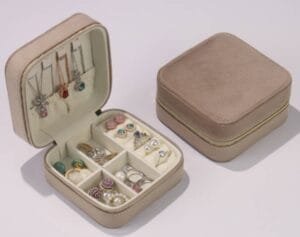
Specialty mailer boxes use durable materials to create a strong barrier against external impacts, moisture, and dust. Custom inserts organize and separate different jewelry pieces, preventing tangling and scratching. These inserts ensure each item stays in place throughout shipping.
Tamper-Proof Features
Tamper-proof seals add an extra layer of security. These features help prevent theft and ensure that jewelry remains untouched during transit. Specialty mailer boxes with tamper-proof features give both senders and recipients confidence in the safety of their shipments.
Tip: Specialty mailer boxes with custom inserts and tamper-proof seals offer the highest level of protection for valuable jewelry during shipping.
Eco-Friendly and Branding Options for Jewelry Shipping Packaging
Sustainable Materials for Boxes
Recycled Content
Many brands now prioritize sustainability by choosing recycled content for their packaging. Kraft mailers and boxes made from post-consumer materials offer strong protection for jewelry while reducing environmental impact. These sustainable options demonstrate a commitment to responsible sourcing and help brands align with consumer values. Recycled materials also maintain the structural integrity needed to prevent damage during transit, ensuring that presentation does not come at the expense of safety.
Biodegradable Options
Biodegradable packaging has become a popular choice for companies seeking to minimize waste. Compostable fillers and boxes break down naturally, leaving a smaller footprint. These sustainable options provide both protection and a positive message about sustainability. Brands that use biodegradable packaging can enhance their reputation and appeal to eco-conscious customers, all while maintaining the high standards expected in jewelry presentation.
Brands that use eco-friendly materials, such as kraft mailers and compostable fillers, not only protect jewelry but also reinforce their commitment to sustainability. These choices can elevate brand loyalty and ensure that presentation remains both elegant and practical.
Custom Branding on Packaging
Printed Logos
Custom branding transforms packaging into a powerful marketing tool. Printed logos on boxes and mailers help customers instantly recognize the brand. This visual cue strengthens brand recognition and creates a memorable unboxing experience. High-quality printing techniques ensure that logos remain crisp and vibrant, even after shipping.
Branded Colors and Designs
Distinctive colors and unique designs further enhance the presentation of jewelry shipments. Consistent branding across all packaging elements forges a stronger emotional connection with consumers. Attractive packaging increases the perceived value of jewelry, making each delivery feel more luxurious. Customers who enjoy the unboxing experience are more likely to become repeat buyers and recommend the brand to others.
- Custom branding on packaging enhances brand recognition and creates emotional connections.
- Quality packaging reflects the brand’s image and forges a stronger emotional connection with consumers.
- Attractive packaging boosts the perceived value of jewelry, making it feel more luxurious.
- Satisfied customers are more likely to become repeat buyers and refer brands when they enjoy the packaging experience.
Balancing Protection and Presentation
Expérience de déballage
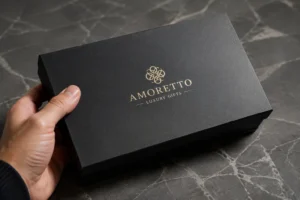
A well-designed packaging system balances protection and presentation, ensuring that jewelry arrives safely while delighting the recipient. The unboxing experience begins with inner protection, such as soft pouches and foam inserts, which prevent damage and add a sense of care. Display-ready boxes with magnetic closures combine structural integrity with visual appeal, making the presentation memorable. Sturdy outer mailers shield the contents from external threats, while void fill materials keep everything secure.
| Layer Type | Description |
|---|---|
| Inner Protection | Use soft pouches (velvet, cotton, microfiber) to reduce friction and prevent damage. Add anti-tarnish strips and foam inserts for stability. |
| Display-Ready Boxes | Rigid boxes with magnetic closures provide both aesthetic appeal and structural integrity for shipping. Avoid collapsible boxes. |
| Outer Packaging | Sturdy corrugated mailers or carton boxes protect against handling damage and environmental exposure. Use void fill to minimize movement. |
The unboxing experience should feel seamless and special, reinforcing the brand’s attention to detail.
Eco-Conscious Messaging
Eco-conscious messaging can further enhance the presentation by informing customers about the brand’s commitment to sustainability. Simple inserts or printed messages inside the box can highlight the use of recycled or biodegradable materials. This transparency builds trust and encourages customers to share their positive unboxing experience on social media, amplifying the brand’s reach.
A thoughtful balance of protection and presentation, paired with clear eco-conscious messaging, creates a memorable unboxing experience that supports both brand loyalty and sustainability.
Practical Tips and Common Mistakes When Shipping Jewelry Safely
Best Practices for Packaging
Layering Protection
Effective jewelry shipping relies on a layered defense system. Each layer serves a unique purpose in minimizing shipping mishaps. The inner layer should include soft pouches or foam inserts to prevent scratches and abrasions. The outer layer must consist of sturdy corrugated mailers that withstand the rigors of transit. This approach ensures that jewelry remains secure and protected from impact or environmental hazards.
Tip: Always treat packaging as a multi-layered shield. Start with soft pouches for delicate surfaces, add foam or bubble wrap for cushioning, and finish with a rigid mailer box for maximum safety.
For optimal results, consider these extra precautions:
- Personally hand off the package to a postal worker to reduce theft risks.
- Use a double-box system, eliminating free space and reinforcing with additional materials.
- Require a signature upon delivery to ensure accountability.
- Track the shipment at every stage to monitor progress and inform customers.
These steps, combined with proper packaging solutions, significantly reduce the risk of damage and loss.
Sealing and Labeling
Proper sealing and labeling are critical for jewelry shipping. Tape all seams and openings securely to prevent accidental openings or tampering. Include a return label inside or on the outer box if required. Clear labeling ensures accurate package delivery and helps with tracking. Always use tamper-evident tape for added protection.
- Utilisation protective foam or bubble wrap for extra cushioning.
- Ensure all labels are legible and securely attached.
- Double-check recipient information to avoid misdelivery.
Mistakes to Avoid with Boxes
Using Oversized Boxes
Selecting the correct box size is essential. Oversized boxes allow jewelry to shift during shipping, increasing the risk of scratches or breakage. A box that is too large wastes materials and can diminish the perceived value of the gift. Always choose a box that fits the contents snugly, using inserts or padding to fill any gaps.
| Mistake | Description | Consequences |
|---|---|---|
| Ignoring Size and Dimensions | Failing to select the correct size for mailer boxes can lead to damage or an insignificant presentation of the gift. | A box that is too small can damage the item, while one that is too large can waste materials and diminish the perceived value of the gift. |
| Ignoring Easy-Open Design | Not considering user-friendly packaging can frustrate customers. | Hard-to-open packaging can lead to negative experiences and potential damage to the gift during unboxing. |
Skipping Inner Protection
Neglecting inner protection exposes jewelry to unnecessary risks. Without soft dividers or sleeves, items can collide and suffer abrasions or other damage. Proper inner protection, such as foam inserts or pouches, cushions delicate pieces and maintains their integrity throughout shipping.
Neglecting Moisture Barriers
Moisture poses a significant threat to jewelry during shipping. Failing to include moisture barriers can result in tarnishing or discoloration, especially for silver or porous stones. Always use moisture-resistant materials or include desiccant packets to safeguard against humidity.
Note: Taking these precautions, including insurance and tracking, enhances safety and ensures successful package delivery. Shipping insurance provides financial protection in case of loss or damage, while tracking offers peace of mind for both sender and recipient.
Mailer boxes play a vital role in jewelry shipping packaging by providing a rigid barrier that absorbs impact and prevents movement. Quality packaging with inserts and secure closures keeps jewelry stationary, reducing the risk of scratches or tangling. Businesses that invest in effective jewelry shipping packaging see fewer customer service issues and benefit from enhanced brand perception. Choosing the right mailer box protects both the jewelry and the company’s reputation, while options like eco-friendly materials and custom branding add value for customers.
FAQ
What type of mailer box offers the best protection for jewelry?
Corrugated cardboard mailer boxes provide the best protection. They resist crushing and absorb shocks. Many jewelers choose double-wall corrugated boxes for high-value items.
How can someone prevent jewelry from tarnishing during shipping?
They should use anti-tarnish strips and moisture-resistant packaging. Sealing jewelry in soft, breathable pouches also helps reduce exposure to air and humidity.
Is it necessary to double box all jewelry shipments?
Double boxing is essential for high-value or fragile pieces. For standard shipments, a single sturdy mailer box with proper inner protection usually suffices.
What is the best way to secure a mailer box?
Tip: Use high-quality packing tape on all seams. Tamper-evident tape adds extra security and shows if someone has opened the package.
Can eco-friendly packaging still protect jewelry effectively?
Yes. Many eco-friendly options, such as recycled corrugated boxes and biodegradable fillers, offer strong protection. They combine sustainability with durability.
How should someone label jewelry shipments for safety?
They should avoid using words like “jewelry” on the label. Discreet labeling and accurate addresses reduce theft risk and ensure proper delivery.
What inner packaging works best for delicate jewelry?
Soft pouches, foam inserts, and bubble wrap provide the best inner protection. These materials prevent scratches, tangling, and impact damage.
Are plastic mailer boxes suitable for all jewelry types?
Plastic mailer boxes resist water and tearing. However, they may not offer enough cushioning for fragile or multiple items. Combining them with inner padding improves safety.