A jewelry drawer organizer is a tray, insert, or compartment system that sits inside a drawer to hold and separate jewelry pieces. These organizers stop tangles, protect delicate items from scratches, save time in the morning, and make jewelry last longer.
If you have spent ten minutes untangling a necklace or searching for a missing earring, you know why good storage matters. A well-designed organizer keeps each ring, pendant, and bracelet in its own space.
Knowing the benefits and options of jewelry drawer organizers helps anyone create a storage system that works well and looks good.
Points clés à retenir
A jewelry drawer organizer helps prevent tangles and scratches. It also saves you time each morning.
Velvet and felt trays keep fragile jewelry safe. Stackable trays let you set up your storage your own way.
Measure your drawer and separate your jewelry. Pick an organizer that works for your collection.
Clean the organizer often. Put each piece back after you wear it.
A good organizer protects the value of your jewelry. It helps your jewelry last longer.
Why Jewelry Drawer Organizers Matter
A good organizer does more than keep a drawer neat. It makes a safe space for every piece. Jewelry faces daily problems from loose storage. Metal surfaces rub against each other. Chains get tangled around earrings. Gemstones chip when they hit harder materials. An organized drawer removes these risks.
Preventing Tangles and Scratches
Tangling happens when chains, bracelets, and necklaces share open space. A thin chain wraps around a heavier pendant. The clasp catches on a nearby piece. Over time, these small snags weaken links and stretch delicate settings. A compartment system stops this problem at the start. Each piece sits in its own slot. Nothing touches anything else.
Scratches follow the same idea. Gold and silver are soft metals. They get marked easily when they slide against diamonds, steel, or even other gold pieces. A pearl or opal scratches with light contact from a harder stone. Felt-lined or velvet-lined organizers with small sections solve this issue. The soft lining cushions each item. The small sections limit movement. Delicate pieces stay right where the wearer placed them.
Sun damage and warping also threaten jewelry stored in the open. Ultraviolet light fades gemstones and dulls some finishes over time. Heat warps resin, plastic, and some treated materials. A drawer organizer keeps pieces enclosed and away from direct light. The drawer itself blocks most UV exposure. This simple barrier adds years to a collection.
Saving Time and Extending Jewelry Life
Poor storage creates wear and tear that shortens the life of every piece. A tangled chain gets stress at every knot. A scratched pendant loses its shine. A bent ring shank needs repair. These problems cost money and time. Jewelry Drawer Organizers reduce this damage by stopping the causes. The wearer no longer pulls on knotted chains or digs through piles of metal.
Time savings matter just as much. Mornings move fast. Hunting for a matching earring or untangling a bracelet wastes precious minutes. A dedicated compartment for each piece means the wearer opens the drawer and grabs what they need. The routine becomes automatic. This small change improves the daily experience of wearing jewelry.
The long-term benefit deserves attention. Jewelry often carries emotional and financial value. A wedding ring, a gifted necklace, or an heirloom brooch deserves proper care. An organizer protects that value. It stops the slow damage that comes from neglect. A velvet-lined tray costs far less than fixing a scratched gemstone or replacing a broken chain.
Delicate items need the most care. Pearls scratch easily. Opals crack when they dry out. Filigree bends with light pressure. Small, soft-lined sections keep these fragile pieces safe. The owner can store them without worry. This protection extends the life of each item by years.
A well-chosen organizer turns a messy drawer into a reliable system. It guards against tangles, scratches, light damage, and warping. It saves time every morning. It preserves the beauty and value of every piece. These benefits make the small investment worthwhile for anyone who owns jewelry.
Common Types of Jewelry Drawer Organizers
People who shop for drawer storage have many choices. Two main styles are popular. Each style works for different jewelry collections and drawer sizes.
Velvet-Lined and Felt Trays
Trays made with velvet or felt lining give soft, protective surfaces for delicate jewelry. The lining cushions each piece and stops metal from rubbing against metal. The height of the velvet fibers matters for protection. The best height for jewelry velvet is between 0.07 and 0.09 inches. A pile below 0.06 inches feels rough on delicate surfaces. A pile above 0.10 inches raises the chance of snagging and makes sections less clear. Premium cotton velvet with a 1.2–1.5 mm pile height has a density of 320–380 g/m² and an acid-free backing. This build stops snagging while holding prongs gently. A cotton-polyester blend with a tight loop pile sheds very little lint and has a pH-neutral finish.
These trays are good for rings, earrings, and pendants. Small sections keep each item separate. The soft lining holds pieces still when the drawer moves. People who own pearls, opals, and filigree get the most from this style.
Stackable and Compartmentalized Inserts
Stackable jewelry trays turn one drawer into a storage system with multiple levels. These inserts often have dividers you can move. A user can change section sizes to fit thick bangles or thin chains. Stacking adds room upward without using more floor space.
This type of jewelry drawer organizer is more open, modular, and expandable than a single closed jewelry box. A traditional box fixes a collection into one layout. Stackable trays let users customize storage based on their own needs and drawer size. Someone with many rings can use one tray for rings and another for necklaces. A collector with fewer pieces can use just one shallow tray. This flexibility makes stackable inserts a good choice for collections that grow.
Choosing the Right Jewelry Drawer Organizer
Matching Collection and Drawer Size
Les right organizer starts with two measurements. A person should measure the drawer’s inside width and depth before buying anything. Shallow and wide drawers need extra care. A deep drawer allows stacking. A shallow drawer only works with thin trays.
Felt-lined organizers with small sections work best for shallow drawers. These trays protect delicate pieces and fit in tight spots. A tray around 8.3 x 4.9 x 0.98 inches lets you stack four layers in a normal drawer. Movable walls are better than fixed grids because you can change them as your collection grows.
Collection size guides your choice. A small shop with mixed items does well with velvet stackable trays sold in sets of six, eight, or twelve. A growing brand can start with three modular trays and add more later. Fixed trays cause problems when stock changes. Large shops with big stock need deep trays or modular systems. Six trays hold about 150 pieces. Five trays fit in a 5.5-inch deep drawer. Modular trays lock together and stay neat when you open the drawer a lot.
Large or bulky items need different handling. Necklaces and watches need large trays with many sections. These trays should measure 12 x 8 inches or more. Big slots stop damage to these items. A mix of small and big zones works well. Adjustable drawer dividers made of bamboo or acrylic help with odd-shaped collections and changing stock. These dividers do not protect the drawer bottom, so put a velvet liner underneath.
Collection Size | Recommended Organizer Style | Supporting Detail |
|---|---|---|
Small shops with varied stock | Velvet stackable trays (sets of 6, 8, or 12) | Thin trays let you stack four layers in a normal drawer. It is better to use movable walls. |
Growing brands | Modular/stackable trays | Start with three trays and add more as stock grows. |
Large shops / huge stock | Deep trays or modular systems | Six trays hold about 150 pieces. Five trays fit in a 5.5-inch deep drawer. |
Large or bulky pieces | Large multi-compartment trays (12 x 8 in or larger) | Big slots stop damage to necklaces and watches. |
Mixed or odd-shaped collections | Adjustable drawer dividers (bamboo or acrylic) | They are flexible for odd spaces. Use them with a velvet liner. |
Budget and Material Choices
Material quality affects both price and protection. Velvet and felt linings cushion jewelry and stop scratches. These materials cost more than plain plastic or cardboard. A buyer should think about the upfront price versus the long-term savings from fewer repairs.
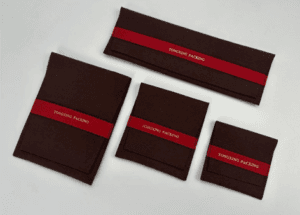
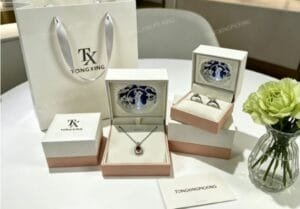
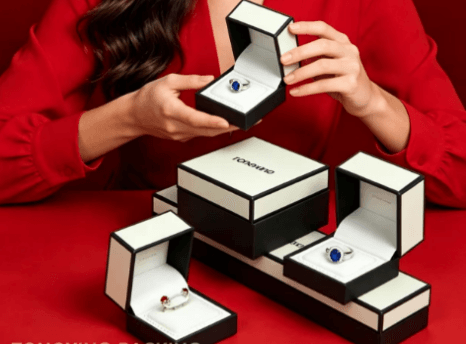
Tongxing Packaging Co., Ltd. is a company in Guangdong that makes custom jewelry packaging boxes for rings, pendants, bracelets, and bangles. They have specific models for different jewelry types. The TX-Z3407 ring box measures 55 x 60 x 41 mm. The TX-Z5108 pendant box measures 70 x 100 x 32 mm. The TX-Z3409 bracelet box measures 90 x 90 x 37 mm. The TX-Z3410 bangle and chain box measures 218 x 56 x 25 mm.
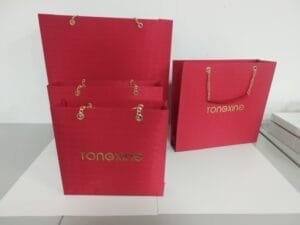
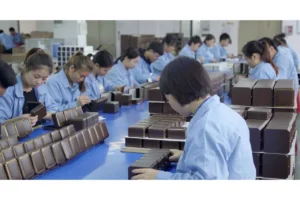
Tongxing offers OEM and ODM services. A brand can add its logo by embossing, hot stamping, or screen printing. Red velvet packaging gives a premium feel for retail display and gift packaging. The factory makes 30,000 pieces each month and takes 7 to 10 working days to send samples. These features work for brands that want a matching look across their whole jewelry line.
A buyer on a tight budget can start with a few stackable trays and add more later. A buyer with a larger collection may buy custom boxes from a maker. Either way protects jewelry and keeps the drawer neat. The key is to match the organizer to your collection and the space you have.
Organizing Habits That Protect Jewelry
An organizer works best when a person keeps it clean and uses it every day. Simple habits turn a good storage system into a lasting one. These habits take little time but give big rewards.
Simple Cleaning and Maintenance
Velvet and felt linings stay soft longer with regular care. Dust settles on the fibers over time. This dust can scratch jewelry when a person moves pieces around. A soft brush or a lint roller removes dust without damaging the lining. A gentle vacuum with a brush attachment works well for deep cleaning. The user should run the vacuum on low power to avoid pulling the fibers loose.
Spills and stains need quick attention. A damp cloth with mild soap cleans most spots on felt. The user should blot the spot instead of rubbing. Rubbing pushes dirt deeper into the fibers. The cloth should be almost dry to avoid soaking the lining. Wet felt takes time to dry and may grow mold. The organizer should sit open in a dry place until it feels completely dry.
Cleanliness protects jewelry in a direct way. Dust and dirt carry tiny particles that scratch gold and silver over time. A clean organizer removes this risk. The soft lining stays fresh for many years with this simple care.
Daily Storage Routines
Returning each piece to its compartment takes seconds but saves hours. A person takes off a necklace at the end of the day. They put it back in its slot right away. This habit stops tangles before they start. A chain left loose on a dresser can knot with other pieces overnight. An earring dropped in a drawer can vanish for weeks.
A daily routine also prevents loss. Small items like stud earrings and thin rings disappear easily. A dedicated compartment keeps them in a known spot. The owner never searches for a missing piece again. This routine makes mornings faster and less frustrating.
A person can build this habit with a simple trigger. They place the organizer in the same drawer where they get dressed. They see it every time they remove jewelry. The visual cue reminds them to put each piece away. A few seconds of action saves many minutes of searching later.
These habits make Jewelry Drawer Organizers work at their best. A clean organizer protects the metal and stones. A daily routine keeps every piece in its place. Together, these small actions extend the life of the whole collection.
A jewelry drawer organizer offers a simple, affordable way to protect valuable pieces. It prevents tangles, reduces scratches, and saves time every morning. The right choice depends on collection size, drawer dimensions, and budget. Velvet and felt materials provide soft protection for delicate items. Custom packaging options from brands like Tongxing give practical solutions for retailers and individuals alike.
Readers should measure their drawer, sort their jewelry, and select an organizer that fits their needs. A well-organized drawer makes jewelry more enjoyable to wear every day.
FAQ
What size jewelry drawer organizer should a person buy?
A person should measure the drawer’s inside width and depth first. Shallow drawers need thin trays. A tray around 8.3 x 4.9 x 0.98 inches lets someone stack four layers in a normal drawer. Movable walls work better than fixed grids.
Is velvet or felt better for jewelry storage?
Both materials protect delicate pieces. Velvet has a soft pile that cushions metal and stones. Felt offers similar protection at a lower cost. The best choice depends on the jewelry collection and the budget. Either lining prevents scratches when sections stay small.
How does someone clean a velvet or felt organizer?
A soft brush or lint roller removes dust from the lining. A damp cloth with mild soap handles spills. The user should blot instead of rub. The organizer should sit open in a dry place until it feels completely dry.
Can stackable trays fit in a shallow drawer?
Stackable trays work well in shallow drawers when each tray stays thin. A person can stack four layers in a normal drawer with trays around 0.98 inches tall. Modular trays lock together and stay neat when the drawer opens often.
How often should someone reorganize a jewelry drawer?
A person should check the organizer every few months. Jewelry collections grow and change. Movable dividers let users adjust sections as needed. A quick review keeps the system working and prevents clutter from building up.