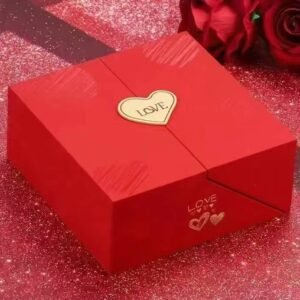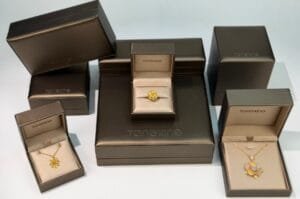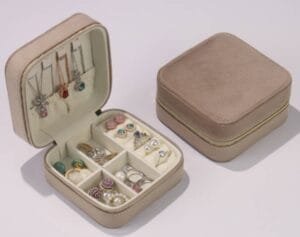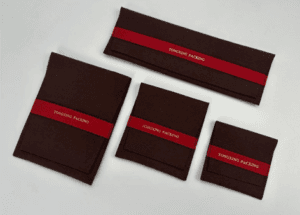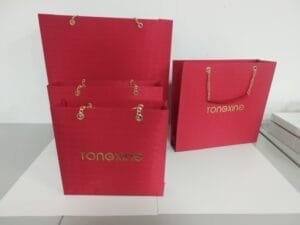
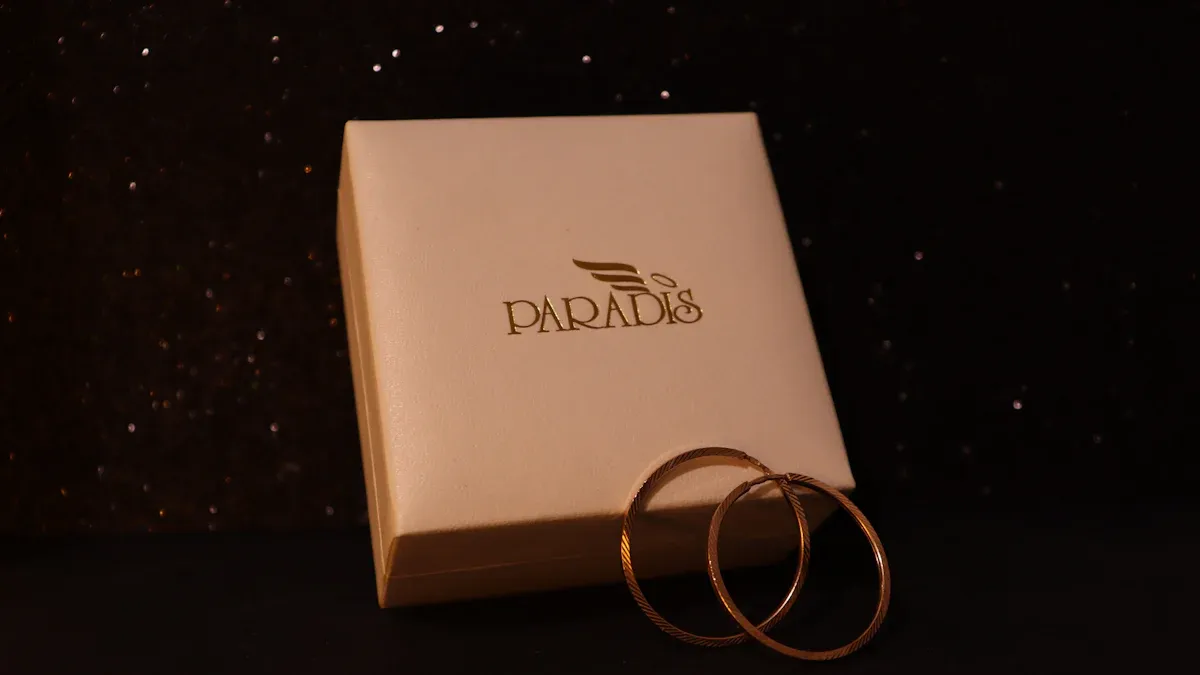
Effective emballage de bijoux shapes the first impression for every subscriber. Brands that design jewelry packaging with care often see higher customer satisfaction and loyalty. Custom jewelry boxes, unique Présentoir à bijoux setups, and a thoughtful Pochette à bijoux can elevate the unboxing moment. A fabricant d'emballages pour bijoux who prioritizes both protection and presentation ensures each piece arrives safely and looks stunning. Well-crafted packaging, including handwritten notes or branded inserts, builds emotional connections and encourages customers to share their experiences. These details help brands stand out and create memorable customer experience.
Choosing Jewelry Packaging Styles for Subscription Boxes
Types of Jewelry Boxes and Packaging
Classic Jewelry Boxes
Classic jewelry boxes remain a staple in subscription box packaging. These boxes offer sturdy protection and a timeless presentation for jewelry. Brands often select rigid jewelry boxes for their durability and premium feel. The structure of these boxes prevents damage during transit and supports a memorable unboxing experience. Many companies use velvet-lined interiors or satin finishes to elevate perceived value. Custom jewelry boxes with branded elements enhance the overall brand experience and encourage customer engagement. Subscribers appreciate the sense of receiving something special, which fosters loyalty and positive word-of-mouth.
Sachets et sacs
Pouches and bags provide a versatile option for jewelry packaging. Soft fabric pouches, such as velvet or microfiber, protect delicate jewelry pieces from scratches. These packaging solutions suit smaller items like rings or earrings and offer a lightweight alternative to rigid jewelry boxes. Brands often use drawstring bags for their ease of use and reusable nature. Eco-friendly pouches made from organic cotton or recycled materials appeal to environmentally conscious consumers. Pouches and bags can be customized with logos or brand colors, reinforcing brand identity and recognition.
Custom Inserts for Protection
Custom inserts play a crucial role in safeguarding jewelry during shipping. Inserts made from foam, velvet, or cardboard prevent movement and minimize the risk of scratches or tangles. Proper insert sizing maintains the structural integrity of jewelry and reduces transit damage. Inserts that fit snugly inside jewelry boxes ensure each piece arrives in pristine condition. Brands must avoid inserts that are too wide or shallow, as these can cause jewelry to shift and lead to poor presentation or stone displacement. Well-designed inserts contribute to customer satisfaction and enhance the unboxing experience.
Eco-Friendly Packaging Options
Eco-friendly packaging has become essential for subscription box brands. Companies increasingly choose eco-friendly kraft boxes and biodegradable materials to reduce environmental impact. Eco-friendly kraft boxes offer a natural look and align with sustainability trends. Brands use recycled paper, compostable inserts, and minimal packaging approaches to appeal to modern consumers. Packaging that adheres to environmental standards communicates a commitment to sustainability and attracts subscribers who value responsible practices. Many brands combine eco-friendly packaging with custom designs to maintain an attractive presentation while supporting eco-conscious values.
Tip: Eco-friendly packaging not only protects the environment but also strengthens brand loyalty among subscribers who prioritize sustainability.
Aligning Packaging Style with Your Brand
Minimalist Jewelry Packaging Designs
Minimalist jewelry packaging designs emphasize simplicity and elegance. Brands use clean lines, neutral colors, and understated logos to create a sophisticated look. Minimalist packaging communicates a modern aesthetic and appeals to subscribers seeking refined style. Secure and durable packaging solutions remain important, even with minimalist designs. Companies often select eco-friendly kraft boxes for their minimalist appeal and sustainable qualities. Direct communication through packaging design helps brands connect with consumers and reinforce their identity.
Luxury and Premium Looks
Luxury and premium packaging styles elevate the perceived value of jewelry. Rigid jewelry boxes with high-quality finishes, such as embossing or foil stamping, create a sense of exclusivity. Brands use rich colors, textured materials, and custom inserts to enhance the unboxing experience. Luxury packaging justifies premium pricing and encourages repeat purchases. A beautifully wrapped package creates a sense of receiving something special, which drives referrals and positive reviews.
“Stunning jewelry packaging helps strengthen your brand identity by using colors, logos, and materials that reflect what your brand stands for. High-quality finishes like embossing or foil stamping can give a sophisticated look that appeals to luxury shoppers.”
Playful and Trendy Styles
Playful and trendy packaging styles attract younger audiences and those seeking unique experiences. Brands use vibrant colors, bold patterns, and creative shapes to stand out in the subscription box market. Custom jewelry boxes with whimsical designs or themed inserts create excitement during unboxing. Eco-friendly packaging options, such as recycled paper or compostable bags, can be incorporated into playful styles to appeal to eco-conscious subscribers. Trendy packaging encourages social sharing and boosts brand recognition.
- Custom packaging enhances the overall brand experience and customer engagement.
- It communicates the brand’s identity and values, justifying premium pricing.
- The emotional connection during the unboxing experience fosters customer loyalty and positive word-of-mouth.
Sizing and Fit for Jewelry Packaging
Single vs. Multiple Item Packaging
Brands must consider whether to package single or multiple jewelry items in each box. Single item packaging allows for focused presentation and protection. Multiple item packaging requires careful design to prevent pieces from tangling or scratching each other. Custom inserts and compartmentalized jewelry boxes help organize multiple items and maintain their integrity. Proper sizing prevents damage and enhances brand perception.
Adjustable and Modular Jewelry Boxes
Adjustable and modular jewelry boxes offer flexibility for subscription box brands. These boxes accommodate various jewelry sizes and types, supporting changing product assortments. Modular designs allow brands to customize packaging layouts and optimize protection. Adjustable jewelry boxes reduce waste and support eco-friendly practices by minimizing excess material.
| Aspect | Recommandation |
|---|---|
| Internal Volume | Match the internal volume of the packaging to the jewelry piece dimensions. |
| Protective Inserts | Leave room for protective inserts to prevent movement during transit. |
| Box Size | Avoid boxes that are too large to prevent item shifting and potential damage. |
| Presentation | Ensure the packaging fits perfectly to enhance the unboxing experience. |
Choosing the right jewelry box dimensions not only protects the product but also enhances its presentation. Ideal packaging can boost brand image, provide excellent storage and organization, and create a memorable unboxing experience for customers.
- Proper sizing prevents damage to delicate jewelry during shipping.
- A snug fit maintains the structural integrity of the jewelry.
- A well-sized box enhances brand perception and customer satisfaction.
- Improper insert sizing contributes to 23% of transit damage in jewelry shipments.
- Inserts that are too wide or shallow can cause jewelry to move, leading to scratches or tangles.
- A box that is too large may result in poor presentation and stone displacement.
- Inserts too close to box walls can lead to bulging or bursting, posing safety risks.
Selecting Materials for Jewelry Packaging Protection and Presentation
Protective Materials for Jewelry Packaging
Cushioning, Padding, and Anti-Tarnish Solutions
Jewelry packaging must provide strong protection to prevent damage during shipping. Brands often use soft pouches, padded inserts, or sturdy jewelry boxes to keep items secure. These solutions help avoid scratches, tangling, and bending. For shipping, bubble mailers or rigid boxes add an extra layer of defense, especially for flat pieces that risk bending. Anti-tarnish strips or treated linings can also preserve the shine and quality of jewelry during transit and storage.
- Soft pouches and padded inserts prevent scratches and tangling.
- Bubble mailers and rigid boxes protect jewelry from impact and bending.
- Anti-tarnish solutions maintain the appearance and value of each piece.
Aesthetic Materials and Finishes
Textured Papers and Specialty Coatings
Les choice of materials and finishes influences both the protection and the presentation of jewelry packaging. Specialty coatings, such as UV gloss, matte, or scuff-proof finishes, enhance durability and visual appeal. Textured papers, like linen or velvet-feel coatings, create a luxurious unboxing experience. Soft-touch coatings offer a modern, velvety surface that appeals to younger consumers. Linen-textured papers suggest timeless elegance and quality craftsmanship, which established brands value. Holographic effects and spot UV applications can highlight brand elements and generate excitement on social media.
Custom Colors and Branded Inserts
Custom colors and branded inserts play a key role in jewelry packaging presentation. Consistent color schemes and logo printing help reinforce brand identity. Foil stamping adds a luxury touch, making packaging stand out for premium collections. Brands often use velvet, leatherette, or satin linings to elevate the interior presentation. These materials not only protect jewelry but also create a memorable experience for subscribers.
| Matériau | Caractéristiques | Avantages |
|---|---|---|
| Velours | Luxurious, soft texture, elegant finish | Adds sophistication and luxury to jewelry packaging |
| Papier kraft | Eco-friendly, durable, rustic charm | Biodegradable, recyclable, and favored by sustainable brands |
| Recycled Cardboard | Made from post-consumer products, sturdy | Protects jewelry, reduces environmental impact |
Sustainability and Eco-Friendly Jewelry Packaging Materials
Recycled and Biodegradable Options
Sustainability has become a cornerstone for many jewelry brands. Companies now use biodegradable materials and recycled options, such as cornstarch-based plastics and recycled paper, to reduce waste. These choices help lower the environmental footprint of jewelry packaging and appeal to eco-conscious customers. Brands that ignore recyclable options often face criticism from both consumers and industry peers.
Minimal Packaging Approaches
Minimal packaging approaches further support sustainability. By reducing excess material, brands can decrease waste and improve operational efficiency. Eco-friendly packaging often provides strong protection while maintaining an attractive presentation. Modern boutique customers value environmental stewardship, making sustainable packaging a smart business decision.
Tip: Sustainable packaging not only protects jewelry but also strengthens brand reputation and customer loyalty.
Incorporating Branding into Jewelry Packaging Design
Logo Placement and Customization
Logo placement and customization play a critical role in jewelry packaging. Brands use advanced techniques to make their logos stand out and reinforce brand presentation. The following table highlights popular methods for logo application:
| Technique | Description |
|---|---|
| Foiling | Adds a metallic foil to packaging, enhancing luxury and highlighting logos. |
| Embossing/Debossing | Creates texture by raising or recessing the logo, giving a premium feel. |
| UV Spot Printing | Applies a glossy finish to specific areas, emphasizing logos and adding sophistication. |
Custom logo placement enhances brand recognition and creates memorable experiences for subscribers. A well-placed logo reinforces the brand’s identity and leaves a lasting impression, which is essential for customer loyalty. High-quality custom packaging acts as a silent marketing tool, attracting attention and improving the overall customer experience.
Embossed and Foil-Stamped Logos
Embossed and foil-stamped logos add tactile and visual interest to jewelry packaging. These techniques elevate the perceived value of the packaging and communicate a sense of luxury. Embossing creates a raised effect, while foil stamping introduces metallic accents that catch the light. Both methods support customization and help brands differentiate their packaging from competitors.
Printed Logos and Inner Lids
Printed logos on the exterior or inner lids of jewelry packaging offer another layer of customization. Brands often print their logos inside the box lid to surprise customers during unboxing. This subtle detail strengthens brand presentation and ensures that the logo remains visible throughout the customer journey.
Brand Colors, Typography, and Storytelling
Consistent use of brand colors, typography, and storytelling shapes how customers perceive jewelry packaging. These elements create emotional connections and enhance brand recognition. Brands should follow these steps for effective packaging design:
- Identify the emotions they want to evoke in their customers.
- Choose colors that align with their values and personality.
- Ensure consistency in color usage across all marketing materials to strengthen brand recognition.
Colors play a fundamental role in branding and can evoke specific emotions. Studies show that 85% of shoppers cite color as a primary reason for purchasing a product. The right color choice can enhance brand image and attract the target audience. Typography and storytelling further reinforce the brand message, making jewelry packaging memorable and engaging.
Consistent Color Schemes and Fonts
Brands maintain consistent color schemes and fonts across all jewelry packaging to build trust and recognition. This consistency supports a cohesive brand presentation and helps customers associate specific colors and styles with the brand.
Printed Messages and Story Cards
Printed messages and story cards add a personal touch to jewelry packaging. These elements allow brands to share their story, values, or care instructions. Story cards can turn ordinary packaging into a meaningful experience, deepening the connection between the brand and the customer.
Custom Finishes and Branded Details
Custom finishes and branded details set jewelry packaging apart in a crowded market. The table below outlines effective finishes for differentiation:
| Custom Finish | Description |
|---|---|
| Holographic Foiling | Adds a shimmering effect that catches the light, enhancing visual appeal. |
| Gold Foiling | Provides a luxurious look, often associated with high-end products. |
| Gaufrage | Creates a raised design, adding texture and depth to the packaging. |
| Silver Foiling | Offers a cooler, modern aesthetic. |
| Spot UV | Highlights specific areas with a glossy finish, creating contrast. |
| Gaufrage en creux | Imprints a design into the material, offering a subtle yet elegant touch. |
Kraft, cardboard, and rigid boxes remain popular materials for jewelry packaging due to their durability and ability to enhance the unboxing experience.
Ribbons, Seals, and Stickers
Small details like ribbons, seals, and stickers elevate jewelry packaging and make each box feel special. Luxury brands invest in these elements to enhance the unboxing experience, which customers often consider part of the product itself. Quality ribbons and custom seals improve brand perception and encourage social media sharing.
Thank-You Cards and Polishing Cloths
Handwritten thank-you cards and branded polishing cloths add a personal and thoughtful touch to jewelry packaging. Personalized greetings foster a connection between the customer and the brand. Customers value the effort behind these details, which increases satisfaction and loyalty. Special touches like these can turn a simple unboxing into a memorable event.
Designing the Unboxing Experience for Jewelry Subscription Boxes
Creating a Memorable First Impression
Layered Unboxing and Tissue Wrapping
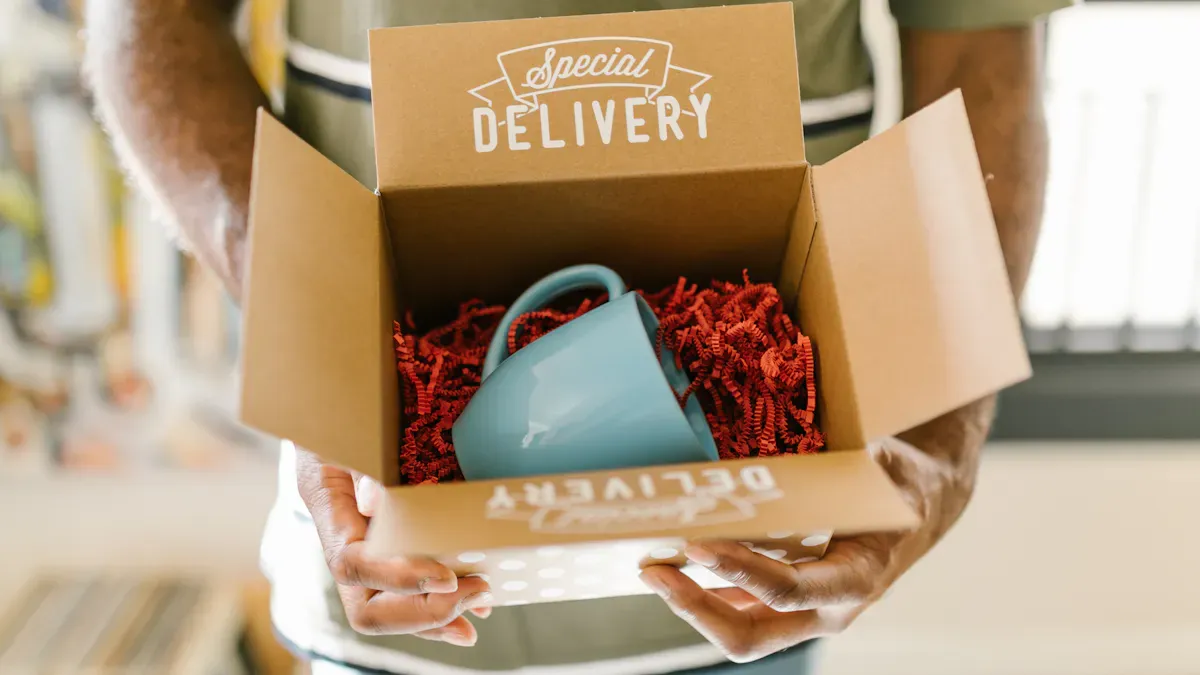
A memorable first impression begins with thoughtful packaging layers. Brands often use tissue wrapping to add anticipation and elegance. Each layer reveals a new detail, building excitement as subscribers uncover their jewelry. Many companies curate collections that align with personal style, using style quizzes to personalize selections. Expert curation ensures high-quality, appealing items. Subscribers value a mix of emerging designers and established brands, which elevates the perceived value of the box. Receiving cohesive, premium-feeling pieces transforms the unboxing from a simple purchase into a delightful experience.
Personal Touches and Handwritten Notes
Personal touches set jewelry packaging apart. Handwritten notes or personalized gift packaging create emotional connections between the brand and the customer. These details show care and attention, making each box feel unique. Brands often include story cards or thank-you notes to share their journey or offer care instructions. This approach encourages customers to share their unboxing moments on social media, increasing engagement and brand visibility.
Enhancing Customer Delight with Jewelry Packaging
Surprise Elements and Reusable Packaging
Surprise elements add excitement to the unboxing process. Brands may hide jewelry within interactive packaging or include unexpected gifts. Holiday-themed boxes, milestone celebration packaging, and exclusive bridal designs enhance the appeal during special occasions. Unique details, such as magnetic closures or custom inserts, make the moment special. Reusable packaging offers practical benefits and aligns with sustainability values. Many customers appreciate packaging that doubles as decor or storage, extending the brand’s presence in their daily lives. Multifunctional packaging fosters emotional connections and encourages repeat purchases.
QR Codes for Product Care Instructions
Modern jewelry packaging often features QR codes that link to product care instructions. This digital touch provides easy access to information without adding extra paper. Customers can scan the code to learn how to care for their jewelry, ensuring longevity and satisfaction. This feature supports a seamless experience and demonstrates the brand’s commitment to customer support.
Practicality and Ease of Use in Jewelry Boxes
Easy-Open and Resealable Features
Practical packaging design enhances usability and reduces frustration. Brands incorporate easy-open mechanisms, such as magnetic closures or pull tabs, to ensure user-friendly access. The following table outlines key considerations for practical jewelry packaging:
| Key Consideration | Description |
|---|---|
| Expérience de déballage | Visually appealing packaging creates anticipation and enhances the event. |
| Accessibility Features | Easy-open mechanisms improve access for all users. |
| Size and Weight | Manageable packaging suits individuals with dexterity or mobility concerns. |
Effective packaging design secures jewelry with inserts and padding, minimizing movement and potential damage. Custom-fit sizing and secure closures prevent accidental openings. These features reduce returns and complaints, as customers receive their jewelry in perfect condition. Emballage de haute qualité elevates the perceived value of the jewelry and encourages positive reviews. Durable materials and refined finishes protect against shipping stress and reinforce the brand’s premium image.
Tip: A well-executed unboxing experience not only delights customers but also builds brand trust and encourages social sharing.
Streamlining Jewelry Packaging Operations for Subscription Boxes
Standardizing Jewelry Packaging Processes
Pre-Assembled vs. DIY Assembly
Subscription box companies face a choice between pre-assembled and DIY assembly for jewelry packaging. Pre-assembled packaging speeds up fulfillment and reduces labor costs. DIY assembly allows for flexibility and last-minute customization but can slow down operations if not managed well. Standardizing the process ensures that every jewelry piece receives consistent protection and presentation. Companies often develop written standard operating procedures (SOPs) to guide staff through each step. Workflow-driven packing, with clear instructions, minimizes errors and supports efficient scaling.
A comparison of the benefits of standardizing jewelry packaging processes:
| Bénéfice | Explication |
|---|---|
| Increased Efficiency | Standardization reduces the time spent on packing by using a limited set of materials. |
| Reduced Errors | Clear packing setups minimize confusion and ensure consistency, leading to fewer mistakes. |
| Improved Customer Experience | A cohesive brand presentation enhances customer satisfaction and trust in the product. |
Efficient fulfillment helps minimize customer churn and boosts retention by ensuring timely and accurate deliveries. Regular training and quality control checklists help warehouse associates spot defects and verify that each jewelry item is packed with proper cushioning, invoices, and scannable labels. Reviewing error logs allows managers to adjust training and improve procedures.
Inventory Management for Packaging Supplies
Effective inventory management prevents shortages and delays in jewelry packaging operations. Companies track packaging supplies closely, using inventory synchronization to maintain stock levels. Staging components in the order of assembly streamlines the packing process. Batch orders by variant to reduce decision-making errors and speed up fulfillment. Barcode scanning and auto-routing orders further reduce mistakes and keep operations running smoothly. Scheduled release coordination ensures that every jewelry subscription box ships on time.
Scalability and Cost-Effectiveness
Bulk Ordering and Flexible Packaging Solutions
Scaling jewelry packaging operations requires cost-effective strategies. Bulk ordering of packaging materials lowers costs and ensures consistent supply. Flexible packaging solutions, such as modular boxes and adjustable inserts, adapt to different jewelry types and reduce waste. Many companies leverage third-party logistics (3PL) partners who specialize in high-SKU jewelry brands. These partners provide secure storage, efficient kitting, and seamless integration with order management systems, which streamlines fulfillment and reduces operational costs.
Key strategies for cost-effective scaling include:
- Implementing workflow-driven packing with SOPs for consistency.
- Batching orders by variant to minimize errors.
- Staging packaging components for efficient assembly.
- Utilizing barcode scanning for error-proof picking.
- Creating virtual SKUs for easy customization.
Balancing Quality, Budget, and Reducing Waste
Jewelry subscription box companies must balance quality, budget, and sustainability in their packaging operations. Sustainable materials, such as kraft boxes, recycled paper, and biodegradable mailers, support eco-friendly goals. Customization options like embossed logos, textured paper, and branded inserts enhance the unboxing experience without sacrificing efficiency. Repeatable kitting workflows and tight inventory synchronization prevent shortages and reduce waste. Exception-free execution and scheduled releases ensure that every jewelry packaging process supports both brand image and operational goals.
| Sustainable Materials | Options de personnalisation |
|---|---|
| kraft boxes and recycled paper | embossed or foil-stamped logos |
| biodegradable mailers | textured paper or specialty coatings |
| compostable tissue | custom colors and branded inserts |
| plant-based or recycled foam | printed inner lids or storytelling messages |
| recycled cotton or linen pouches | branded stickers or wax-style seals |
| encres à base de soja | thank-you cards and polishing cloths |
| QR codes linking to product care instructions |
Tip: Streamlined jewelry packaging operations not only reduce costs but also enhance customer satisfaction and support sustainable growth.
Prioritizing Sustainability in Jewelry Packaging Design
Eco-Friendly Practices for Jewelry Subscription Boxes
Sourcing Sustainable Materials
Jewelry brands now recognize the importance of sourcing sustainable materials for packaging. They select recycled paper, biodegradable mailers, and plant-based inks to reduce their environmental footprint. Many companies partner with suppliers who hold certifications for responsible forestry or eco-friendly manufacturing. These choices help brands align with consumer expectations for ethical business practices. Jewelry packaging made from renewable resources supports a circular economy and demonstrates a commitment to sustainability.
A table below highlights common sustainable materials and their benefits:
| Matériau | Bénéfice |
|---|---|
| Recycled cardboard | Reduces landfill waste |
| Biodegradable plastics | Breaks down naturally |
| Organic cotton pouches | Supports renewable agriculture |
| Soy-based inks | Lowers chemical pollution |
Brands that prioritize sustainable packaging not only protect jewelry but also build trust with eco-conscious customers.
Communicating Sustainability to Customers
Clear communication about sustainability strengthens customer relationships. Brands often include messaging on packaging or inserts that explains their eco-friendly choices. They may use icons, QR codes, or short statements to highlight recycled content or zero-waste packaging initiatives. Customers appreciate transparency and feel empowered to make responsible purchasing decisions. Jewelry companies that share their sustainability story inspire loyalty and encourage positive word-of-mouth.
Note: Customers value brands that educate them about sustainable practices and invite them to participate in environmental stewardship.
Reducing Environmental Impact with Jewelry Packaging
Minimalist Design Choices
Minimalist design reduces excess packaging and focuses on essentials. Brands choose simple box shapes, limited color palettes, and compact sizes to minimize material use. This approach lowers production costs and decreases shipping emissions. Jewelry packaging with minimalist aesthetics appeals to modern consumers who seek both style and sustainability. By eliminating unnecessary layers, brands create a clean presentation that still protects jewelry during transit.
A few minimalist packaging strategies include:
- Using single-material boxes for easy recycling
- Avoiding plastic windows or coatings
- Printing only essential information
These choices support sustainability goals and streamline the unboxing experience.
Encouraging Recycling and Reuse
Encouraging customers to recycle or reuse packaging extends its life cycle and reduces waste. Brands print clear recycling instructions on boxes or inserts. Some companies design jewelry packaging that doubles as storage or display, motivating customers to keep and repurpose it. Zero-waste packaging initiatives reward subscribers who share creative reuse ideas on social media. Jewelry brands that promote recycling and reuse help shift consumer habits toward sustainability.
Tip: Packaging that serves a second purpose, such as a keepsake box or travel pouch, increases perceived value and supports environmental responsibility.
Actionable Tips for Effective Jewelry Packaging
Testing and Gathering Feedback
Prototyping Jewelry Packaging
Brands often start with prototyping to ensure their packaging meets both functional and aesthetic goals. They create sample packaging using different materials, sizes, and finishes. Prototyping allows teams to evaluate how well the packaging protects jewelry during shipping. They can also assess the visual appeal and ease of use. Many companies conduct drop tests and simulate real shipping conditions. These tests help identify weaknesses in the design. Teams document results and make adjustments before moving to full production. Prototyping reduces costly mistakes and ensures the final packaging delivers a positive customer experience.
Customer Input and Iteration
Customer feedback plays a vital role in refining packaging. Brands gather opinions through surveys, social media polls, and direct messages. They ask subscribers about their unboxing experience and the practicality of the packaging. Some companies include feedback cards in their jewelry subscription boxes. This approach encourages honest responses. Teams analyze feedback to spot trends and recurring issues. They then iterate on the packaging design, making improvements based on real customer needs. This cycle of feedback and iteration leads to packaging that delights subscribers and supports brand loyalty.
Tip: Brands that listen to their customers and adapt their packaging often see higher satisfaction and more repeat business.
Staying Current with Jewelry Packaging Trends
Monitoring Industry Innovations
The jewelry industry evolves quickly, and packaging trends shift with consumer preferences. Brands monitor trade shows, industry publications, and competitor launches to stay informed. They pay attention to new materials, eco-friendly solutions, and creative packaging formats. Many companies join professional associations or online forums to exchange ideas. By staying alert to innovations, brands can adopt features that set their packaging apart. For example, some brands now use smart packaging with QR codes or augmented reality elements to enhance the unboxing experience.
Adapting to Customer Preferences
Customer preferences change over time. Brands track these shifts by analyzing sales data and monitoring social media conversations. They notice which packaging styles generate excitement and which features customers mention most. Teams adjust their packaging to match these trends. For instance, if customers value reusable packaging, brands may introduce jewelry boxes that double as storage. Adapting quickly helps brands remain relevant and competitive in the subscription box market.
| Action Step | Bénéfice |
|---|---|
| Monitor industry trends | Stay ahead of competitors |
| Gather customer feedback | Improve packaging satisfaction |
| Prototype and test designs | Reduce costly errors |
| Iterate based on input | Build stronger customer relationships |
Note: Continuous improvement in packaging ensures that jewelry brands meet both current standards and future expectations.
Thoughtful packaging protects every jewelry piece, strengthens brand identity, and elevates the customer experience. Companies that design jewelry packaging with care see higher satisfaction and loyalty. Successful jewelry subscription boxes focus on protection, branding, unboxing, and sustainability. Regular reviews help brands refine packaging and keep subscribers delighted.
- Prioritize packaging that safeguards jewelry during shipping.
- Use packaging to reinforce branding and create memorable moments.
- Choose sustainable packaging to support long-term growth.
Consistent improvement in jewelry packaging ensures ongoing business success.
FAQ
What packaging best protects jewelry during shipping?
Rigid boxes with custom inserts provide strong protection. Foam or velvet padding prevents movement and reduces the risk of scratches or damage. Brands often choose these materials to ensure jewelry arrives in perfect condition.
How can brands make jewelry packaging more sustainable?
Brands use recycled cardboard, biodegradable mailers, and organic cotton pouches. Minimalist designs reduce waste. Clear recycling instructions encourage customers to dispose of packaging responsibly.
Why is branding important for jewelry packaging?
Branding builds recognition and trust. Consistent colors, logos, and storytelling create a memorable experience. Strong branding helps customers remember the company and share their unboxing moments online.
What features improve the unboxing experience?
Layered packaging, tissue wrapping, and personal notes add excitement. Surprise gifts or reusable boxes delight subscribers. Easy-open features make the process smooth and enjoyable.
How do companies choose the right packaging size?
Companies match box size to jewelry dimensions. Custom inserts prevent shifting. Proper sizing enhances presentation and reduces shipping costs.
Can jewelry packaging be reused by customers?
Many brands design packaging for reuse. Boxes double as storage or display cases. Pouches often serve as travel accessories. Reusable packaging increases value and supports sustainability.
How do brands gather feedback on packaging?
Brands use surveys, feedback cards, and social media polls. They analyze responses to improve packaging design. Customer input helps companies refine materials, features, and presentation.