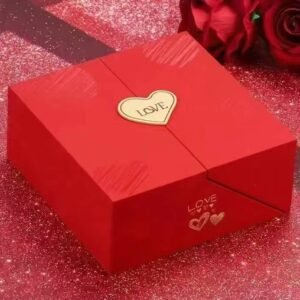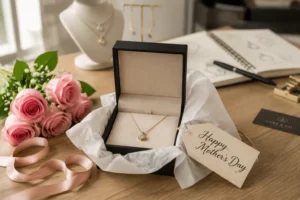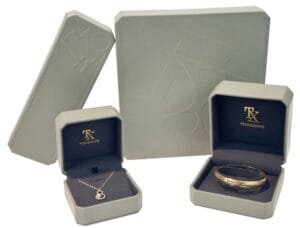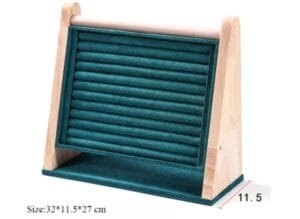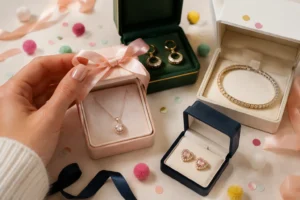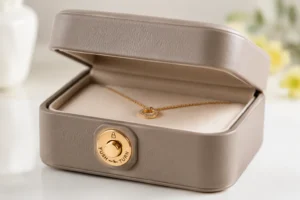
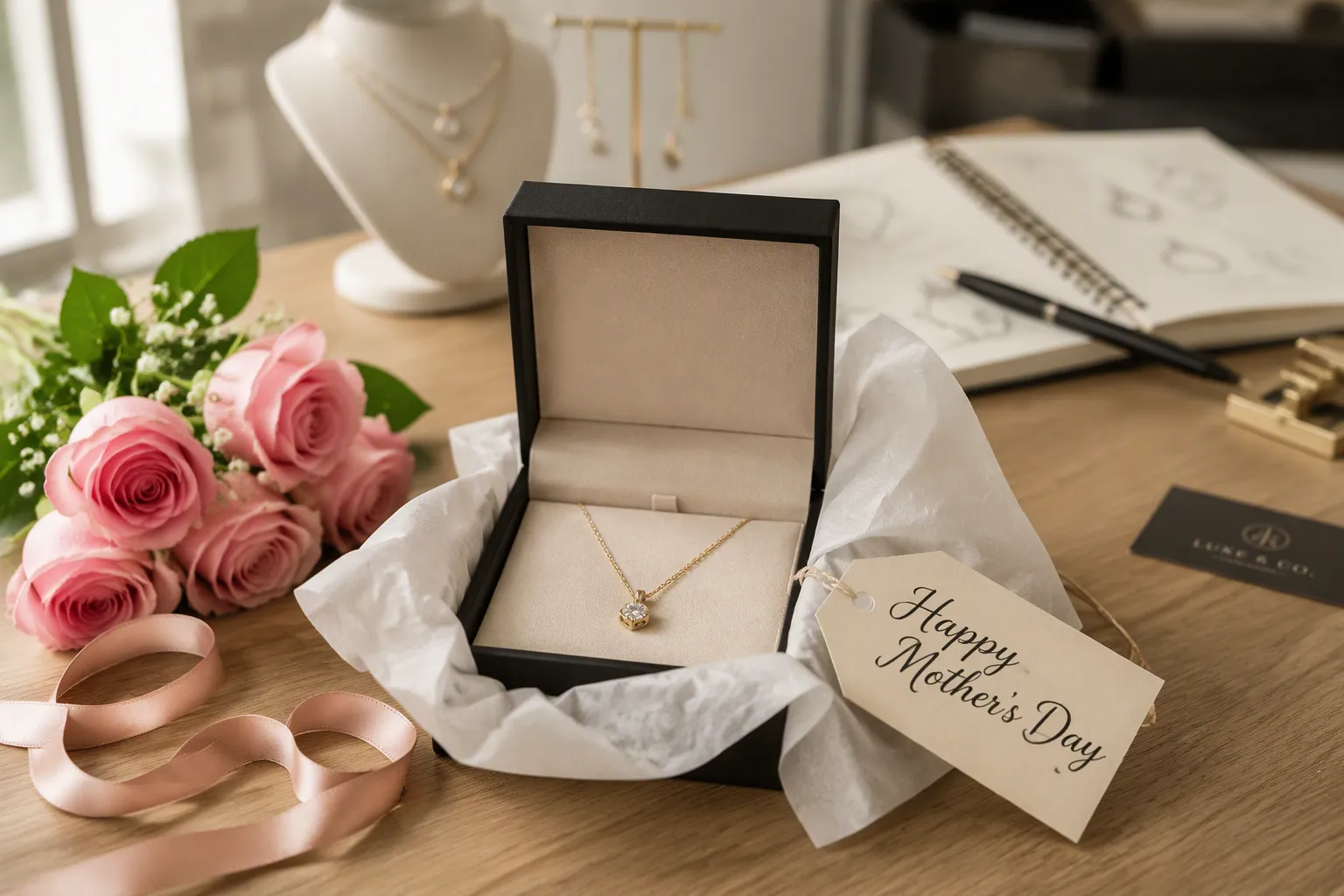
Retailers can adapt your packaging for Mother’s Day by focusing on sentimental design, gift-ready functionality, and cost-effective personalization. A themed ribbon or insert card delivers high impact without a full overhaul. The mother’s day packaging should make the jewelry feel complete upon handover, requiring no extra wrapping. A Hersteller von Schmuckverpackungen can supply Individuelle Schmuckkästchen, a jewelry pouch, or branded packaging that tells a story of love. A Schmuckverpackung strategy for the mother’s day gift should start four to six weeks early. Mother’s day inspired packaging, gift packaging, and Schmuck Display elements all support this emotional purchase.
Understanding Mother’s Day Packaging Needs
The Emotional Context of Gifting
Why Sentiment Drives Mother’s Day Jewelry Purchases
Mother’s Day shoppers buy jewelry to express love and gratitude. Sentiment drives these purchases more than price or trends. A son choosing a necklace for his mother wants the gift to say what words cannot. A daughter selecting earrings wants her mother to feel appreciated. The jewelry itself carries meaning. The packaging must carry that meaning further.
Research on emotional design of packaging identifies four pillars: emotional communication, emotional triggers, emotional experience, and consumer behavior. These pillars guide design choices for Mother’s Day. Color, typography, and material evoke trust, nostalgia, or luxury. Sensory interactions like premium paper feel and magnetic closures strengthen the emotional bond. Personalization turns packaging into a strategic tool for differentiation and brand loyalty.
The Role of Packaging in Expressing Gratitude
Packaging transforms a simple product into a grand gesture. A custom box used as gift wrap makes the recipient feel special. Bright color palettes and spring themes reflect individual preferences. Custom ribbon and hang tags enhance the unboxing moment. Thoughtful material choices elevate the gift’s significance.
“Packaging enhances the overall experience, increases perceived value, and helps products stand out in a competitive market. Even cheap mothers day gifts can appear luxurious with high-quality materials, elegant design, and thoughtful presentation.”
Retailers who adapt your packaging for this emotional context create a complete gift experience. The packaging becomes part of the message.
The Gift-Giving Mindset
Customers Want Convenience and Readiness
Mother’s Day shoppers often buy gifts at the last minute. They want packaging that works immediately. No extra wrapping. No separate gift bag. The jewelry should feel ready to hand over the moment they leave the store or open the shipping box. Gift packaging that includes a coordinated bag, tissue paper, and a blank note card removes friction. The giver feels prepared. The recipient feels valued.
The Expectation of a Premium Unboxing Experience
Customers expect a premium unboxing experience for Mother’s Day. A sturdy box with a magnetic closure signals quality. A soft pouch that doubles as a keepsake adds lasting value. Layering the reveal from outer box to jewelry keeps the recipient engaged. The jewelry should be the final, centered focus. This holiday-specific presentation turns a purchase into a memory.
Timing and Seasonality
When to Launch Your Mother’s Day Packaging
Timing determines success. Shopping activity peaks two to three weeks before Mother’s Day. Buyers compare options, order custom items, and schedule deliveries during this window. Retailers should begin teaser campaigns around mid-April. Full promotional campaigns roll out two to three weeks before the holiday. Increased advertising spend concentrates during the final ten days. Staggered email promotions work better than a single-day push.
| Time Window | Recommended Action |
|---|---|
| 8–6 weeks before | Decide promotion type, design special menu, calculate costs, brief kitchen, order supplies |
| 5–3 weeks before | Launch email campaign, post social teasers, update Google Business Profile, open pre-orders |
| 2–1 weeks before | Finalize staffing, run prep tests, confirm suppliers, set up reservations, test ordering system |
| Final week | Execute day-of operations and handle volume spikes |
How Long to Keep It in Rotation
Mother’s Day packaging should stay in rotation through the holiday weekend. Some customers buy gifts late. Others celebrate after the official date. Retailers can extend the rotation by one week to capture delayed purchases. After that, they should transition back to standard packaging. Leftover Mother’s Day-inspired gift packaging can serve as seasonal overlays for other spring events. This approach reduces waste and maximizes investment.
Mother’s Day Inspired Packaging Ideas for Design
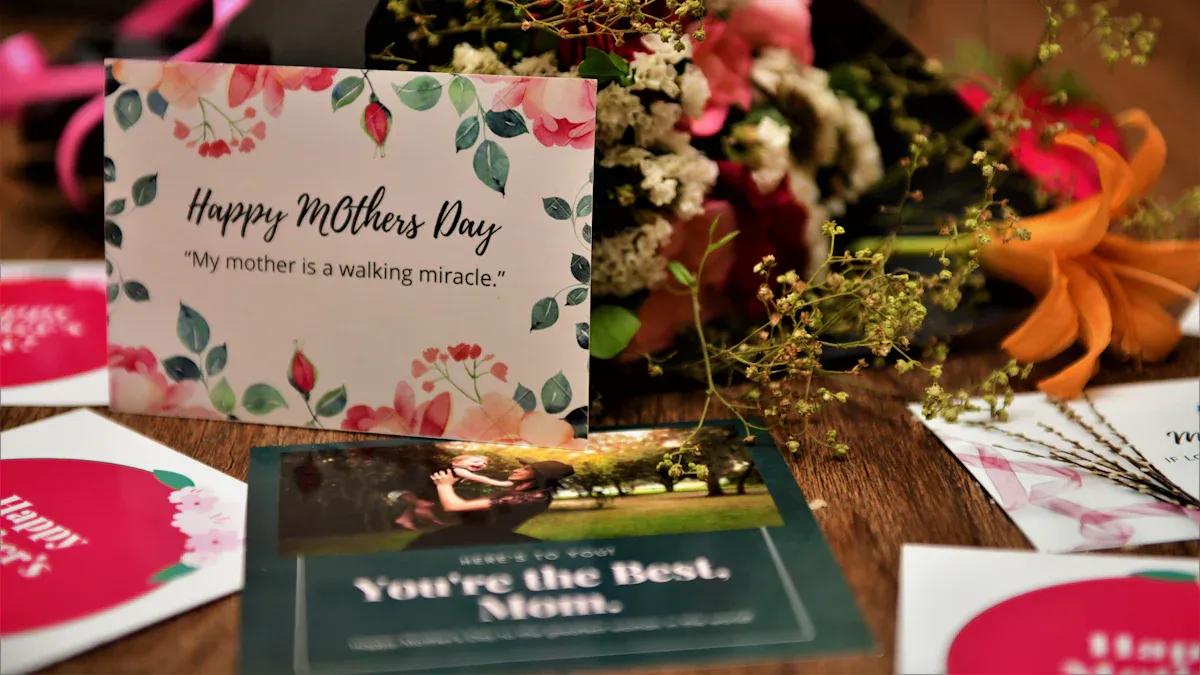
Design choices determine how recipients perceive a Mother’s Day gift. Thoughtful design transforms standard containers into memorable gift packaging that resonates with emotional shoppers. Retailers can adapt your packaging with targeted changes that speak directly to the sentiments of the holiday. These mother’s day inspired packaging ideas focus on color, messaging, and personalization. Each element works together to create a cohesive and meaningful unboxing experience.
Color Palette Changes
Choosing Soft, Warm, and Celebratory Tones
Color evokes emotion instantly. Soft pink, blush, lavender, and cream tones create a warm and nurturing feeling that aligns with the spirit of Mother’s Day. These hues signal care and tenderness. Retailers should select shades that feel celebratory without overwhelming the product. The chosen palette should complement the jewelry inside rather than compete with it. A muted rose box with a white ribbon creates an elegant backdrop for gold or silver pieces.
Incorporating Classic Mother’s Day Colors Without Clashing with Your Brand
Brand consistency matters even during seasonal promotions. Retailers can weave Mother’s Day colors into existing branded packaging without losing their identity. One approach involves adding a colored ribbon or tissue overlay. Another method uses a limited-edition box sleeve in seasonal tones. The key lies in selecting shades that align with both the holiday and the brand’s core palette. A brand that uses navy and white can introduce a soft pink accent without abandoning its signature look. This strategy maintains brand recognition while signaling the special occasion.
Messaging and Typography
Adding Short Sentimental Phrases
Words carry weight in a Mother’s Day gift. A short phrase printed inside the box lid or on an insert card adds emotional depth. Phrases like “For the best mom” or “Thank you for everything” speak directly to the recipient. The message should feel authentic rather than generic. Retailers can print different messages across their mother’s day inspired packaging items to create variety. Customers appreciate finding a message that matches their relationship with their mother.
Using Handwritten-Style Fonts for Warmth
Typography shapes the tone of the message. Handwritten-style fonts mimic personal note cards and create an intimate feel. These fonts soften the containers and make them feel personal rather than mass-produced. Retailers should pair handwritten fonts with clean sans-serif type for brand elements to maintain legibility. The contrast between formal brand text and warm personal messaging creates a balanced design.
Personalization Touches
Adding a “To Mom” or “For Mom” Label
Personalized labels elevate ordinary containers into something special. A simple “To Mom” tag tied with twine or a “For Mom” sticker on the box lid signals that this gift has a specific recipient. These small details make the unboxing experience unique and memorable. Retailers can offer these labels as part of their custom inserts & personalization strategy.
Personalized gifts are often cherished more and can lead to increased customer satisfaction and loyalty.
Customers who receive mother’s day inspired packaging with a personal touch remember the brand. They return for future purchases because the experience felt tailored to them.
Including a Blank Note Card for the Giver
The giver also needs a way to express their feelings. A blank note card tucked inside the containers allows the purchaser to write a personal message. This simple addition completes the gift and removes the need for the giver to find separate stationery. Retailers can include a personalized “Happy Mother’s Day” card with a matching envelope as part of their custom gift boxes. This attention to the giver’s experience builds goodwill and encourages repeat business.
More than half of online shoppers are more likely to make a repeat purchase if a retailer provides personalized recommendations, which means personalization not only drives one-time sales but also encourages returning business.
A handwritten note from the giver transforms a beautiful piece into a heartfelt gift. The combination of thoughtful containers and personal words creates an emotional impact that standard wrapping cannot match.
Themed Motifs and Patterns
Subtle motifs communicate the occasion without overwhelming the product. Retailers seeking mother’s day inspired packaging ideas should consider floral or heart imagery. These packaging ideas signal thoughtfulness and care. Restraint remains key to success.
Using Subtle Floral or Heart Imagery
Floral patterns connect naturally to spring and motherhood. Embossed flowers on a box lid create texture without visual clutter. Watercolor-style florals on an insert card add warmth without competing with the jewelry. Heart imagery works similarly when used sparingly. A single embossed heart on the interior of a lid adds meaning. A delicate heart pattern on tissue paper creates a similar effect. Scale and placement determine the impact. Small repeating motifs on the interior of the box maintain surprise during the unboxing. Larger motifs on the outer sleeve set the tone before the recipient opens the gift. These subtle touches transform standard gift packaging into something memorable. Customers perceive the extra effort. They associate that care with the brand.
Avoiding Overly Seasonal Designs That Feel Disposable
Overly literal designs risk feeling cheap or disposable. Giant flowers, heavy glitter, or loud text can make the presentation seem like seasonal wrapping paper. Recipients often discard such materials quickly. Retailers should aim for honorific designs without screaming the holiday. A blush-colored box with a subtle floral emboss works year after year. A heart motif that echoes the existing brand logo maintains continuity. These choices allow mother’s day inspired packaging to feel special without becoming waste. The packaging should enhance the jewelry. The presentation should not overshadow the product. A keepsake-quality box maintains brand presence. The brand stays top of mind. This approach aligns with sustainable practices. It reduces the environmental impact of seasonal promotions.
Functional Adaptations for Gift-Ready Jewelry

Functional adaptations turn standard containers into complete gift presentations. Retailers who adapt your packaging for Mother’s Day must address how the gift feels in the giver’s hands and how it protects the jewelry inside. A beautiful design means little if the box feels flimsy or the recipient struggles to open it. These functional elements work alongside visual design to create a seamless gifting experience.
Upgrading the Jewelry Box
Die jewelry box serves as the centerpiece of the unboxing experience. Its weight, texture, and opening mechanism communicate value before the recipient sees the jewelry. Upgrading this component delivers immediate returns in perceived quality.
Choosing Sturdy Boxes That Feel Substantial
A substantial box signals that the contents inside deserve attention. Lightweight or flimsy containers create doubt about the quality of the jewelry within. Retailers should select rigid boxes with structural integrity. Premium rigid cardboard in the range of 1200 to 1800 GSM provides the heft associated with high-end packaging. This material resists crushing during shipping and maintains its shape through handling.
The tactile experience matters as much as the visual. Soft-touch coatings, embossing, and foil stamping enhance the premium feel. These finishes invite touch and create a sensory connection with the brand. Protective interior linings in velvet, silk, or foam signal care for the delicate jewelry inside. Industry research shows that over half of consumers prefer premium packaging materials for jewelry storage. Magnetic closure boxes rank highest for perceived quality and brand value.
| Merkmal | Effect on Perceived Luxury |
|---|---|
| Magnetic closure (hidden magnets, seamless snap) | Creates a clean, sophisticated look; delivers an unmatched luxury unboxing experience; positions brand as premium and professional |
| Premium rigid cardboard (1200–1800 GSM) | Provides structural integrity associated with high-end packaging |
| Neodymium magnets | Superior holding strength and durability, reinforcing quality perception |
| Luxury paper finishes (soft-touch coating, embossing, foil stamping) | Enhances tactile and visual premium feel |
| Protective interior lining (velvet, silk, foam) | Signals care and high value for the jewelry inside |
| Industry research | Over 50% of consumers prefer premium packaging materials for jewelry storage; magnetic closure boxes rank highest for perceived quality and brand value |
| Mother’s Day relevance | The source lists ‘Mother’s Day Jewelry Boxes’ as a specific category, directly linking these luxury packaging features to Mother’s Day gifts |
Adding a Magnetic Closure or Ribbon Pull
The opening mechanism shapes the recipient’s first interaction with the gift. A magnetic closure creates a clean, sophisticated appearance. Hidden magnets allow the lid to snap shut seamlessly. This design delivers an unmatched luxury unboxing experience and positions the brand as premium and professional. Neodymium magnets offer superior holding strength and durability. They reinforce quality perception every time the recipient opens and closes the box.
A ribbon pull offers an alternative for brands seeking a softer aesthetic. The ribbon invites the recipient to tug gently and reveal the contents. This mechanism works well for mother’s day inspired packaging that emphasizes warmth over formality. Both options prevent the awkward fumbling that comes with tight-fitting lids. The recipient focuses on the jewelry rather than the container.
Gift Bags and Outer Wrapping
The outer layer prepares the recipient for what lies inside. Coordinated bags and thoughtful wrapping materials transform a simple purchase into a ready-to-present gift. These elements remove friction for the giver and build anticipation for the recipient.
Offering Coordinated Bags for Immediate Gifting
Mother’s Day shoppers often need to present their gift immediately after purchase. A coordinated gift bag eliminates the need for separate wrapping supplies. The bag should match the box in color, material, and branding. This coordination creates a cohesive presentation that feels intentional. Retailers can offer bags in the same soft pinks, lavenders, and creams used in their mother’s day-inspired gift packaging. Sturdy handles and reinforced bottoms ensure the bag carries the weight of the jewelry without tearing. A branded gift packaging set that includes both box and bag simplifies the giver’s experience. They leave the store with a complete presentation in hand.
Using Tissue Paper and Stickers for a Polished Look
Tissue paper adds volume and protects the box during transport. Colored or patterned tissue creates visual interest when the recipient opens the bag. A logo sticker seals the tissue and adds a branded touch. Seasonal stickers featuring subtle floral or heart motifs connect the presentation to Mother’s Day. These small details require minimal investment. They deliver a polished appearance that suggests careful attention. Retailers can use custom logo boxes with matching tissue and stickers to create a unified branded packaging system. The recipient sees consistent branding at every layer of the unboxing.
Inserts and Protective Elements
Inserts serve dual purposes. They protect the jewelry during shipping and communicate with the recipient during unboxing. Protective elements that double as keepsakes extend the brand experience beyond the initial gift.
Designing a Mother’s Day-Themed Insert Card
An insert card offers a direct line of communication with the customer. Mother’s Day-themed inserts go beyond simple thank-you notes. They carry emotional weight and reinforce the brand’s role in a meaningful moment. Promotional inserts function as a core brand element rather than a mere add-on. Brands match them to specific SKUs, seasons, or campaigns. Seasonal insert swaps planned for Mother’s Day enable timely, emotionally resonant experiences that strengthen customer relationships.
Inserts can include handwritten notes, discount codes, or loyalty program introductions. These elements reinforce brand voice and nudge customers toward their next purchase. Special presentation workflows for Mother’s Day may include limited-edition inserts or premium gift boxes for high-value customers. This tiered approach deepens loyalty among the most profitable segment.
| Evidence from source | How it supports the query |
|---|---|
| Promotional inserts are described as a core brand element, not a mere add-on, and are matched to specific SKUs, seasons, or campaigns. | Establishes that Mother’s Day-themed inserts are strategically integrated into fulfillment, making them a repeatable touchpoint that can reinforce brand identity and encourage repeat purchases. |
| Seasonal insert swaps are explicitly planned for Mother’s Day, alongside gift wrap and influencer kits. | Shows that Mother’s Day is a recognized trigger for insert customization, enabling brands to create timely, emotionally resonant experiences that strengthen customer relationships and drive reorders. |
| Inserts (thank-you cards, handwritten notes, discount codes, loyalty program introductions) are said to reinforce brand voice, strengthen relationships, and nudge customers toward their next purchase. | Directly links insert cards to brand loyalty (reinforcing voice, strengthening relationships) and reorders (nudging next purchase), which are the two outcomes in the query. |
| Special presentation workflows for Mother’s Day may include limited-edition inserts or premium gift boxes for high-value customers. | Demonstrates that Mother’s Day-themed inserts can be tiered for high-value customers, deepening loyalty and increasing the likelihood of reorders among the most profitable segment. |
Using Soft Pouches That Double as Keepsakes
A soft pouch protects fine jewelry from scratches and tarnishing. Pouches made from velvet, satin, or microfiber provide a gentle cushion for delicate jewelry. The pouch becomes a keepsake when the recipient uses it for storage or travel. Unique jewelry pouches with custom embroidery or printed logos keep the brand visible long after the holiday ends. The recipient thinks of the brand each time they reach for the pouch. This repeated exposure builds familiarity and encourages future purchases. Retailers can include a pouch inside their custom gift boxes as an additional layer of protection and a lasting brand touchpoint. A custom box that houses both the jewelry and a keepsake pouch delivers value at multiple levels.
The Unboxing Sequence
Layering the Reveal from Outer Box to Jewelry
A deliberate reveal transforms a simple transaction into a memorable moment. The entire unboxing experience should feel orchestrated, guiding the recipient from initial curiosity to final delight. Statistics show that 70% of consumers willingly share unique unboxing experiences on social media. Retailers can harness this behavior by structuring the opening process in deliberate stages. Each layer builds anticipation and reinforces the value of the gift.
- Begin with branded external packaging to create initial excitement. The outer box or bag must signal that something special awaits inside.
- Progress through protective layers that demonstrate care and quality. Tissue paper, soft wraps, or nested boxes show the retailer’s attention to detail.
- Culminate with product presentation that exceeds expectations. The moment the recipient removes the final cover should feel like a reward.
- Incorporate sequential opening that requires deliberate action at each stage. Tearing a seal, lifting a lid, or pulling a ribbon encourages engagement.
- Add sensory elements such as textured materials, subtle fragrance, or satisfying closure sounds. These details make the experience feel premium.
- Include personal touches like handwritten notes or customized inserts. A short message in mother’s day inspired packaging adds emotional resonance.
- Introduce surprise elements such as small gifts or upgrade revelations. An unexpected addition leaves a lasting impression.
- Ensure photography-friendly presentation that encourages sharing. Flat lays, clean lighting, and minimal clutter make the gift Instagram-ready.
These steps turn a standard box into a curated story. The sequence itself becomes part of the gift.
Ensuring the Jewelry Is the Final, Centered Focus
The final layer must center the product without distraction. After the recipient works through the outer packaging and protective inserts, the jewelry piece itself should appear as the sole point of attention. Interior layout matters: a recessed bed, a raised platform, or a soft cushion that cradles the item directs the eye immediately to the piece. Nothing should compete for the recipient’s gaze.
Effective gift packaging amplifies this focus. Research indicates that 52% of consumers share unboxing experiences on social media, and 40% actively share moments involving branded packaging. Well-presented packages also drive business results: 63% of consumers show higher repeat purchase rates, and 72% demonstrate greater referral likelihood. The marketing value generated relative to packaging investment ranges from three to ten times. A centered presentation that highlights the jewelry encourages recipients to capture and share the moment, turning a single purchase into organic brand exposure.
Marketing and Presentation Tips
In-Store Display Strategies
Creating a Dedicated Mother’s Day Gifting Table
A dedicated gifting table draws attention to Mother’s Day products. Retailers should position this table near the entrance or in a high-traffic area. The display should feature jewelry pieces alongside their mother’s day inspired packaging. Soft lighting and floral accents create a warm atmosphere. Signage can highlight gift-ready options and personalization services. This setup encourages customers to envision the complete gift experience.
Showing the Packaging in Use with Sample Products
Customers need to see how packaging works in practice. Retailers can display sample jewelry inside open boxes with ribbons and insert cards visible. This approach demonstrates the unboxing experience before purchase. A sample gift bag with tissue paper shows the complete presentation. Customers understand exactly what they receive when they buy. This transparency builds confidence and reduces hesitation.
Online Presentation Tactics
Photographing the Packaging for Product Listings
Product photography must highlight gift-ready packaging for online shoppers. Retailers should photograph jewelry inside gift boxes, velvet cases, and branded packaging to boost perceived value. They can capture the same jewelry across multiple settings to show versatility. A plain white background clarifies the offer. A styled luxury setup creates desire. A lifestyle image helps shoppers envision the occasion.
Effective photography requires attention to detail. Retailers should control reflective surfaces on polished metals and glossy boxes with soft, broad lighting. They should position packaging slightly behind products unless the set sells primarily as a gift. Color choices should anchor to the metal finish. Warm neutrals suit gold. Cool gray or navy suits silver. Muted blush or cream suits rose gold. Each image should have a specific job. The main image clarifies the offer. An included-items image confirms contents. A scale image reduces hesitation. A macro image builds confidence.
Highlighting Gift-Ready Packaging in Descriptions
Product descriptions should emphasize gift-ready features. Retailers can mention the included gift bag, tissue paper, and blank note card. Phrases like “arrives ready to give” or “no wrapping needed” resonate with busy shoppers. Descriptions should note personalization options such as custom labels or handwritten messages. This information helps customers make quick decisions.
Social Media and Unboxing Content
Encouraging Customers to Share Their Unboxing
User-generated content drives engagement and builds trust. Unboxing videos have exploded in popularity on platforms like TikTok, with the #unboxing hashtag garnering over 45 billion views. Consumer-generated content influences the purchasing decisions of 79% of people. Retailers can ask customers to share photos of mothers wearing their jewelry. Photo contests with valuable prizes encourage participation. Clear rules and deadlines simplify submissions. Featuring entries on brand social pages creates a cycle of engagement. This authentic content serves as powerful social proof for future campaigns.
Creating Short Videos That Showcase the Packaging
Short videos offer a dynamic way to present packaging ideas. Retailers can create quick clips showing the unboxing sequence from outer box to jewelry. These videos work well on Instagram Reels and TikTok. They highlight the branded gift packaging and personalization touches. A fifteen-second video can demonstrate the magnetic closure, the ribbon pull, and the insert card. This content helps customers understand the value of the complete gift packaging experience.
Cross-Promotion with Other Products
Bundling Jewelry with a Gift-Ready Package
Bundling jewelry with a gift-ready package increases average order value and simplifies the purchase decision. Customers appreciate a complete solution that removes guesswork. A retailer can pair a necklace with a matching bracelet and present both inside a single coordinated box. This approach transforms multiple items into one cohesive gift.
The package must arrive fully ready for presentation. Including coordinated wrapping materials eliminates the need for the giver to assemble separate components. A branded ribbon, a tissue wrap, and a note card complete the presentation. The recipient receives a gift that feels intentional and curated.
Packaging plays a central role in the perceived value of the bundle. High-quality materials signal that the contents deserve celebration. A sturdy outer box with a magnetic closure creates a premium first impression. The interior should separate each piece clearly to prevent tangling or scratching. This attention to detail justifies a higher price point.
Retailers can create tiered bundle options to appeal to different budgets. A basic bundle includes jewelry and a simple gift box. A premium bundle adds a keepsake pouch and a personalized insert card. Both options benefit from consistent packaging design that reinforces the brand identity. Customers recognize the value of the complete experience.
Offering a “Mom’s Gift Set” with Coordinated Packaging
A dedicated “Mom’s Gift Set” creates a targeted product that speaks directly to Mother’s Day shoppers. The set typically combines jewelry with complementary accessories such as a bracelet, earrings, or a pendant. Coordinated packaging ties the pieces together into a singular narrative.
Custom gift boxes designed specifically for this set elevate the entire offering. The box should feature Mother’s Day-inspired colors and subtle motifs such as floral embossing or a soft heart impression. Internal dividers keep each item secure and visible. The unboxing reveals the collection in a deliberate sequence.
The coordinated packaging extends beyond the box itself. Retailers should include a matching gift bag for immediate presentation. Tissue paper, a ribbon tie, and a branded sticker add layers of polish. A blank note card allows the giver to write a personal message. Every component aligns with the same design language.
Marketing the gift set requires clear communication of the packaging value. Product descriptions should highlight the readiness of the presentation. Phrases like “arrives in custom gift boxes with coordinated wrapping” reassure busy shoppers. Photography should show the complete set inside its packaging to demonstrate the unboxing experience.
This strategy drives incremental sales during the holiday window. Customers who might purchase a single item upgrade to the set because the packaging makes the gift feel complete. The coordinated design encourages social sharing. Recipients post photos of the presentation, and the brand gains organic exposure. The gift set becomes a tool for both revenue and brand awareness.
Cost-Effective Implementation
Mother’s Day packaging updates do not require large budgets. Retailers can adapt their approach with modest investments. The key involves selecting strategies that maximize impact while minimizing cost. Three approaches deliver the best return: DIY modifications, smart sourcing, and creative reuse of existing materials.
Budget-Friendly DIY Options
Printing Your Own Insert Cards at Home
Insert cards add emotional value without a large investment. Retailers can design simple cards using template software and print them on quality cardstock. A standard home printer handles this task for small batches. Seasonal messaging, a thank-you note, or care instructions fit on one card. This approach keeps packaging ideas flexible. Retailers can test different messages before committing to a larger print run.
Adding Ribbons and Stickers to Existing Packaging
Ribbons and stickers transform ordinary packaging into Mother’s Day-specific presentation pieces. A single ribbon tied around a box changes the entire appearance. A custom sticker seals the ribbon and adds a branded touch. These items cost pennies per unit. Retailers can order them in bulk and apply them in-house. This method works well for custom gift boxes that already meet quality standards. The seasonal element comes from the ribbon or sticker rather than a full box redesign.
Smart Sourcing Strategies
Buying in Bulk from Local Suppliers
Bulk purchasing reduces per-unit costs significantly. Local suppliers offer faster turnaround times and lower shipping fees. Retailers can negotiate better prices for larger orders of gift packaging components like boxes, ribbon, or tissue paper. Partnering with a nearby vendor also allows for physical inspection before purchase. This relationship proves valuable during peak seasons.
Using Print-on-Demand for Small Batches
Print-on-demand services suit retailers testing custom boxes for the first time. These services require no minimum order. A retailer can order fifty units, evaluate the product, and scale up. The per-unit cost runs higher than bulk orders. The flexibility justifies the premium. Print-on-demand eliminates storage concerns and waste from unsold inventory.
Reusing and Repurposing
Adapting Year-Round Packaging with Seasonal Overlays
Year-round packaging serves as a foundation for Mother’s Day adaptations. Retailers can add a seasonal sleeve, ribbon, or insert card to standard custom logo boxes. This overlay transforms the presentation without replacing the core packaging. The strategy saves money and maintains brand consistency. Customers recognize the brand while noting the special occasion.
Using Leftover Materials from Other Holidays
Leftover materials from Valentine’s Day or Easter often fit Mother’s Day needs. Pink ribbons, heart-shaped stickers, or soft tissue paper work across multiple holidays. Retailers should store seasonal leftovers in a labeled inventory system. This practice reduces waste and lowers costs for the next holiday cycle.
These approaches allow retailers to create effective Mother’s Day packaging without straining budgets. Small investments in ribbon, cards, and messaging deliver outsized returns.
Testing Before You Invest
Smart retailers test their Mother’s Day packaging changes before committing to large orders. Testing reduces risk and reveals problems early. A small trial run costs little and prevents costly mistakes. This step separates successful holiday campaigns from disappointing ones.
Ordering Samples Before Bulk Purchases
Retailers should always order samples before placing bulk orders. A sample reveals the true quality of materials, colors, and construction. Photos on a supplier’s website often look different from the physical product. A box that appears blush pink online might arrive looking washed out or too bright. A ribbon described as soft satin might feel stiff and cheap in hand.
Samples also allow retailers to test the unboxing experience. They can open and close the magnetic closure multiple times. They can place actual jewelry inside to check fit and presentation. They can verify that the insert card fits properly and that the tissue paper coordinates well with the box color. This hands-on evaluation catches issues that no product description can convey.
Retailers should order samples from two or three suppliers for comparison. This approach provides options and negotiating leverage. They can evaluate quality, price, and shipping speed side by side. A supplier with fast turnaround times may justify a slightly higher price during the busy holiday season.
A small investment in samples prevents a large loss on unsuitable packaging.
Getting Feedback from Loyal Customers
Customer feedback provides valuable insight before a full launch. Retailers can share sample packaging with a small group of trusted repeat customers. These customers understand the brand and its typical presentation standards. Their input carries weight because they represent the target audience.
Retailers should ask specific questions during this feedback session. Does the box feel substantial? Is the ribbon easy to tie? Does the insert card message feel authentic? Would this packaging make you excited to give this gift? Open-ended questions reveal unexpected insights. A customer might notice that the box is difficult to open or that the color clashes with certain jewelry metals.
This feedback loop builds loyalty as well. Customers appreciate being asked for their opinion. They feel valued and invested in the brand’s success. Retailers can offer a small discount or gift as thanks for their time. This gesture strengthens the relationship and encourages future purchases.
Testing packaging with real customers before the holiday rush ensures a polished final product. Retailers who take this step launch with confidence. They know their packaging resonates with the people who matter most.
Common Packaging Mistakes to Avoid
Retailers invest time and money into Mother’s Day packaging updates. Some mistakes undermine those efforts. Avoiding common pitfalls ensures the packaging enhances the gift rather than detracting from it.
Overcomplicating the Design
Avoiding Clutter That Distracts from the Jewelry
A busy design competes with the product inside. Too many patterns, colors, or text elements overwhelm the recipient. The jewelry should remain the focal point. Retailers should limit decorative elements to one or two accents. A single ribbon or a subtle embossed motif creates elegance. Excessive embellishment signals desperation rather than sophistication. Clean design communicates confidence and lets the piece speak for itself.
Keeping the Brand Identity Visible
Seasonal packaging sometimes hides the brand entirely. Customers who love the gift may want to find the retailer later. A logo on the box lid or a branded sticker on the bag maintains visibility. Retailers should integrate Mother’s Day colors without erasing their signature look. The branded packaging should feel like a natural extension of the brand. Customers recognize the source and return for future purchases.
Ignoring Durability
Ensuring Packaging Protects the Jewelry During Shipping
Delicate jewelry requires robust protection. Flimsy boxes crush during transit. Loose items shift and scratch against hard surfaces. Retailers must select materials that withstand handling. Rigid boxes with interior cushions prevent damage. Tissue paper and soft pouches add another layer of security. A damaged gift arrives with disappointment. Proper protection ensures the recipient receives a flawless piece.
Testing for Wear and Tear Before the Holiday Rush
Retailers should test packaging under real conditions before the busy season. They can simulate shipping by dropping boxes or stacking weight on top. Opening and closing closures multiple times reveals weak points. A magnetic clasp that fails after ten uses will frustrate customers. Testing identifies problems early. Fixes cost less before bulk orders arrive. This step prevents negative reviews during the critical holiday window.
Forgetting the Giver’s Experience
Making It Easy for the Giver to Present the Gift
The giver needs a seamless handoff. Packaging that requires assembly or extra wrapping creates stress. A coordinated gift bag with tissue paper eliminates last-minute scrambling. The giver should feel proud to present the gift immediately. Retailers who simplify this step earn gratitude and loyalty. The experience matters as much as the product.
Including Space for a Personal Message
A blank note card transforms a beautiful gift into a heartfelt one. The giver wants to express personal sentiments. Packaging without this space forces them to find separate stationery. A small card tucked inside the box solves this problem. The message becomes part of the presentation. This simple addition deepens the emotional impact and strengthens the connection between giver, recipient, and brand.
Retailers can adapt your packaging for Mother’s Day with small, thoughtful changes. These adjustments boost sales and customer satisfaction without a full rebrand. Sentiment, gift-readiness, and personalization align with shopper emotions. Cost-effective strategies include DIY inserts, bulk sourcing, and seasonal overlays. Marketing the updated mother’s day packaging in-store and online maximizes visibility. Social sharing grows when the gift packaging feels premium and complete. Retailers should explore mother’s day inspired packaging ideas that tell a story. Strong mother’s day inspired packaging turns a simple purchase into a lasting memory. Early planning, testing, and refinement make this Mother’s Day the most successful yet.
FAQ
How far in advance should a jewelry brand plan Mother’s Day packaging updates?
Planning should begin four to six weeks before Mother’s Day. This timeline allows for sourcing materials, testing samples, and implementing changes without rushed decisions or supply chain delays.
What is the most cost-effective packaging change for Mother’s Day?
A themed insert card or a custom ribbon delivers high impact for a low cost. These additions transform standard packaging into holiday-specific presentation pieces without requiring a full box redesign.
How can a brand incorporate Mother’s Day themes without conflicting with its identity?
Use soft accent colors and subtle motifs like a single embossed flower. Apply these seasonal elements to a ribbon, sleeve, or tissue paper rather than the main box to maintain core brand recognition.
What functional feature matters most for Mother’s Day jewelry packaging?
Gift-readiness is the most critical feature. The packaging must allow the giver to present the gift immediately without additional wrapping. A coordinated bag, tissue paper, and a note card achieve this.
How does packaging encourage social media sharing during Mother’s Day?
A deliberate unboxing sequence with layers and a centered reveal creates a photo-friendly moment. Recipients share this premium presentation online, generating authentic brand exposure through user-generated content.
What is a common packaging mistake retailers make for Mother’s Day?
Overcomplicating the design is a frequent error. Too many patterns or colors distract from the jewelry. The packaging must enhance the product, not compete with it for the recipient’s attention.
How does packaging affect the value of a Mother’s Day jewelry gift set?
High-quality materials like rigid boxes and magnetic closures signal premium value. A structured interior that separates each piece and a coordinated outer wrap elevate the entire set.
Why should retailers include a blank note card in Mother’s Day packaging?
A note card allows the giver to write a personal message. This small addition completes the gift and strengthens the emotional connection between the giver, the recipient, and the brand.
See Also
Crafting Jewelry Packaging Strategies For Monthly Subscription Boxes
Mastering Jewelry Gift Wrapping Techniques For Christmas And Holidays
Creating Exclusive Jewelry Boxes To Boost Marketing Campaign Success
Five Common Valentine Jewelry Packaging Errors Brands Must Avoid
Selecting Ideal Jewelry Packaging Options That Fit Your Brand Identity