Custom-dyed jewelry dust bags usually take several days to a few weeks for sampling. Sample costs are normally low and cover dyeing fees and shipping. Exact prices depend on how complex the dyeing is, the sample quantity, and the shipping method. A simple color match on a standard fabric often goes faster and costs less than a multi-tone or specialty finish. Buyers can ask Shenzhen Tongxing Packaging Co., Ltd. for a quote with their specifications to get exact numbers. This guide explains the timelines and cost drivers behind each sample request.
Die wichtigsten Erkenntnisse
Custom-dyed jewelry dust bag samples take a few days to a few weeks. Simple colors on stock fabric are fastest.
Sample costs cover dyeing fees, setup charges, and shipping. Custom colors and extra trials cost more.
You can save time and money by choosing one or two solid colors on stock fabric. Confirm all details in writing before sampling.
Express shipping delivers in days but costs more. Economy shipping takes weeks but costs less. Match shipping to your deadline.
Ask if the supplier credits the sample fee toward your bulk order. Get the credit policy in writing to lower your real sampling cost.
Sample Lead Times for Jewelry Dust Bags
Standard Sampling Timelines
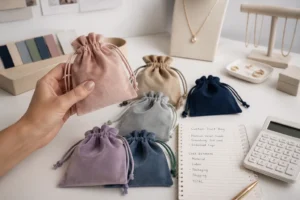
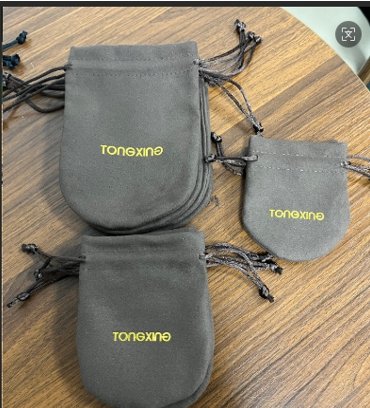
A standard sample request goes through several steps. The supplier first checks the fabric, size, drawstring style, and target color. Next comes dyeing. Then the sample bag is made. Shipping adds the last few days. For a simple color match on a standard fabric, the whole cycle often takes a few days to a few weeks from request to delivery. Complex dyeing adds time. Multi-tone designs, specialty finishes, and exact color matching against a physical swatch each need extra dye trials. Each trial adds days to the schedule. Fabric availability matters too. A stock fabric goes straight to dyeing. A custom-woven fabric adds its own production lead time before dyeing starts. Sample quantity also counts. A single bag moves through dyeing and sewing quickly. A larger sample set with several colorways takes longer. Shipping method shapes the final stretch. Express couriers deliver in days. Economy freight takes longer. Buyers should confirm every specification in writing before the supplier starts. A written spec sheet keeps both sides on the same page. Clear specs prevent rework, and rework is the most common cause of delay.
Expedited Sampling Options
Suppliers offer expedited sampling for urgent projects. An expedited request moves the sample to the front of the dyeing queue and the sewing line. This option usually saves several days compared with the standard schedule. The exact gain depends on the supplier’s current workload and the dyeing complexity. A simple color match on a stock fabric benefits most. A complex multi-tone design still needs its dye trials, so the time saving is smaller. Buyers who need a sample for a trade show or a client presentation should ask about expedited service at the quote stage. Rush requests cost more, and the surcharge reflects the reshuffled production schedule. Realistic planning matters here. Even an expedited sample needs time for dyeing, sewing, and delivery. Air freight shortens international delivery to days. Sea freight takes weeks and suits larger, non-urgent shipments. Buyers should build a buffer into their launch calendar.
Three factors drive the timeline. Dyeing complexity ranks first, because each additional color or finish adds a trial round. Order quantity ranks second, because larger sample sets take longer to produce. Shipping method ranks third, because express delivery compresses the final leg while economy freight stretches it. A buyer can shorten the timeline by choosing a stock fabric, limiting the palette to one or two colors, and requesting a small sample set. Suppliers quote these factors separately, so buyers can see where the time goes. A buyer who controls all three factors controls the schedule.
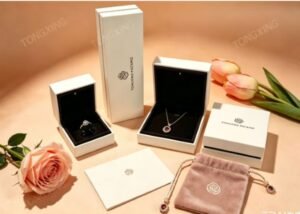
Tongxing Packing publishes product pages for jewelry dust bags, shopping bags, und jewelry boxes. Buyers can review fabric options and size ranges before they request a sample. Early review shortens the confirmation stage. A clear brief with a physical color reference speeds the dyeing stage. The supplier’s fast quote process also helps. A quote that lists dyeing fees, sample quantity, and shipping options lets the buyer compare scenarios before committing. This step removes surprises later. Tongxing Packing’s Shenzhen factory handles small-quantity, fast-delivery orders, which suits sample runs well.
What Affects Sample Costs
Dyeing Fees and Setup Charges
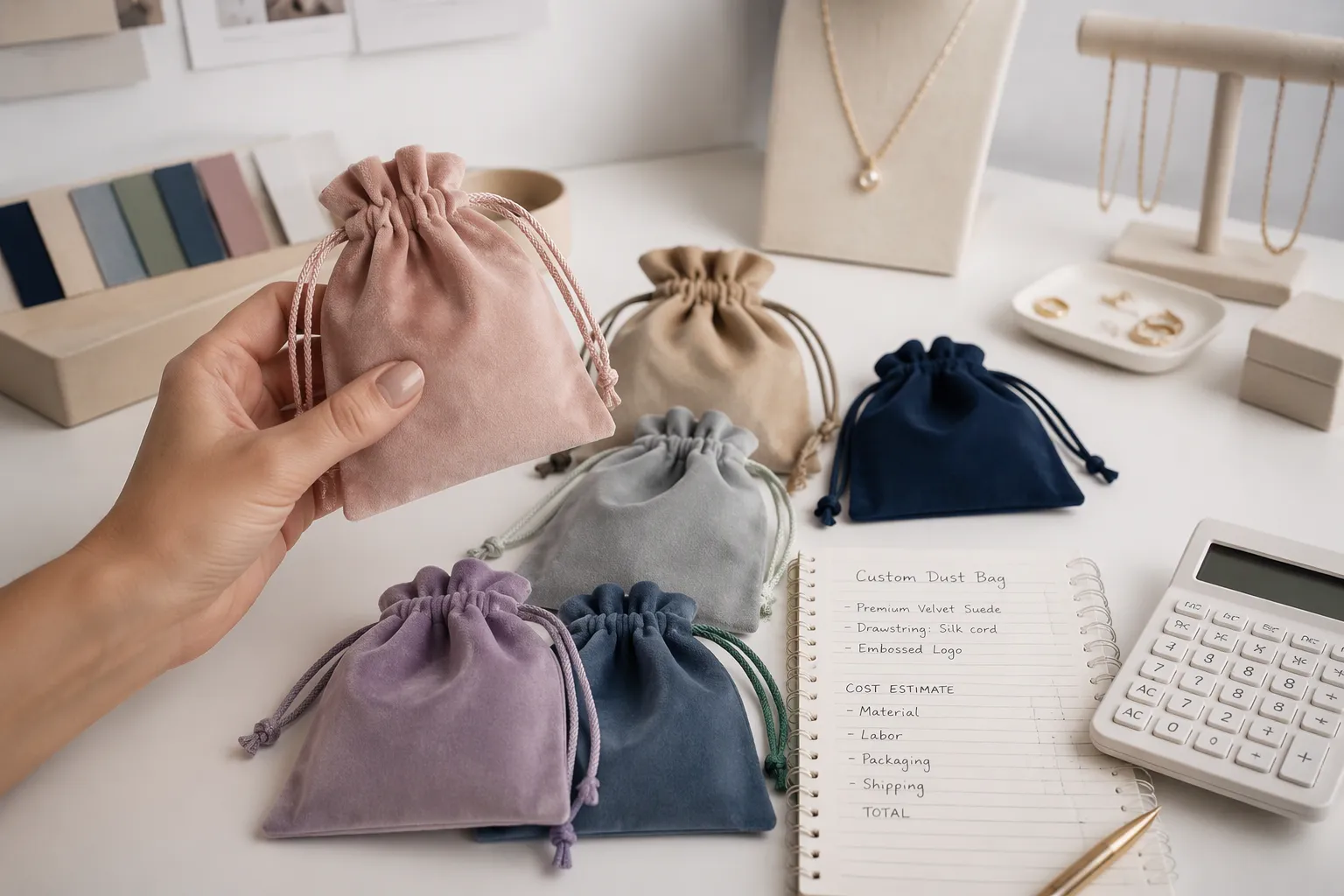
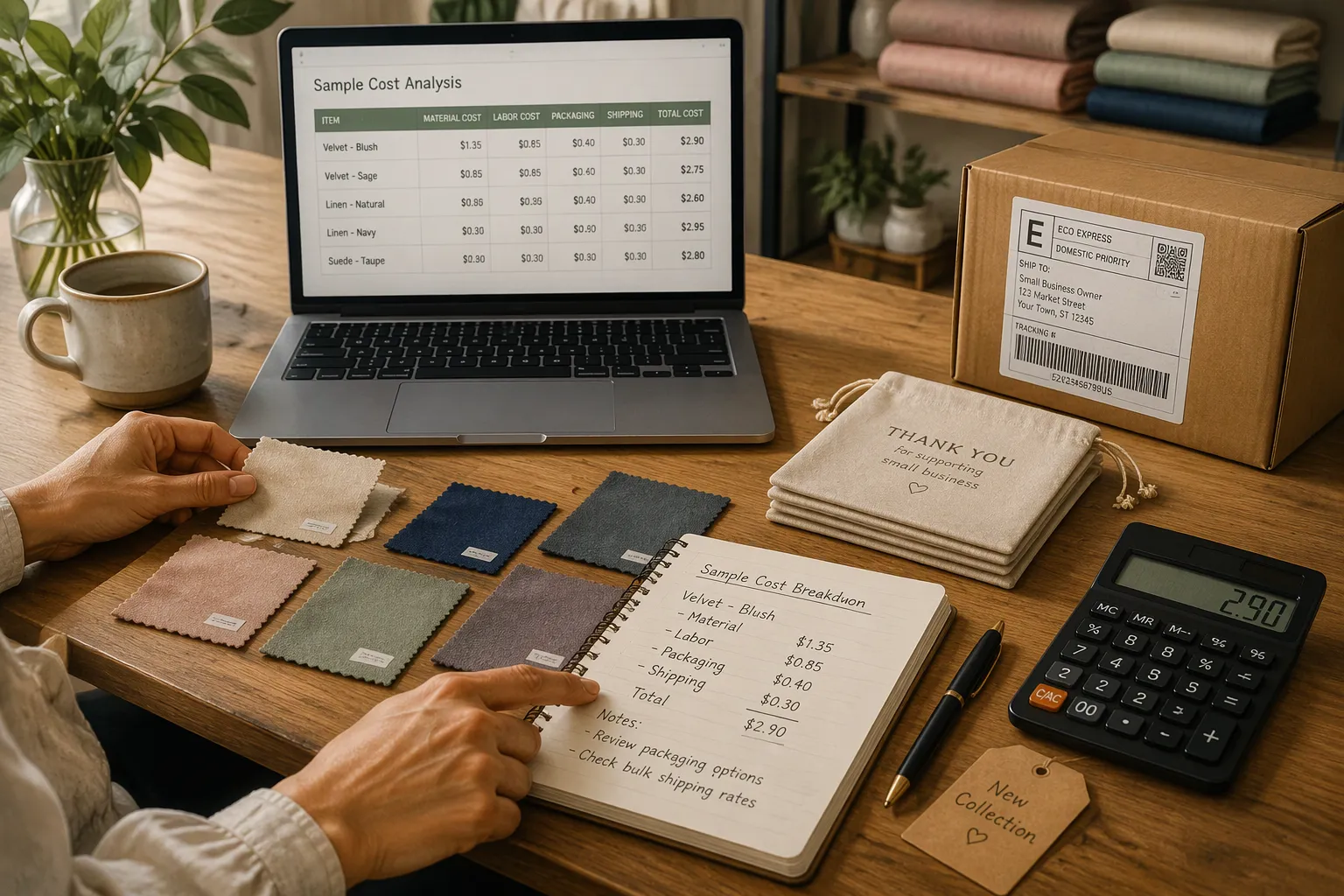
Dyeing fees make up the biggest part of a custom sample bill. The supplier charges for the dye itself, the labor to run the dye bath, and the energy the process uses. A single solid color on a stock fabric is at the low end of the range. Each added color, gradient, or specialty finish makes the fee higher, because the supplier must run separate dye batches and clean equipment between them.
Setup charges are one-time costs. A custom color means the supplier must mix a fresh dye recipe and test it against the buyer’s reference. That recipe work happens once, no matter how many bags the buyer orders later. Buyers should ask whether the quote includes setup in the dyeing fee or lists it as a separate line. A separate line makes the credit policy easier to see later.
Color matching adds its own cost when the buyer supplies a physical swatch or a Pantone reference. The supplier may run more than one trial to hit the target. Each trial uses dye and machine time. A buyer who accepts a close standard color instead of an exact match usually pays less and waits less.
Shipping and Quantity Effects
Shipping changes the total in a predictable way. Express couriers cost more and deliver in days. Economy freight costs less and takes weeks. A sample bag is light, so the courier charge depends more on speed and destination than on weight. Buyers comparing quotes should confirm which shipping method each quote assumes.
Sample quantity lowers unit cost. One bag carries the full setup and shipping charge. A set of several bags spreads those fixed costs across more units, so the price per bag falls. The effect is strongest on setup charges, which do not change with quantity. Dyeing fees still rise with each additional colorway, so a larger set in one color costs less per unit than a smaller set in three colors.
Many suppliers credit sample costs toward the bulk order. The buyer pays for the sample upfront, then the supplier deducts that amount from the production invoice. Policies vary, so buyers should confirm the credit in writing before they approve the sample. This practice lowers the real cost of sampling for buyers who go on to production. It also rewards buyers who finalize specifications early, since a credited sample turns into a discount on the full run. Buyers sourcing jewelry dust bags should treat the sample fee as a deposit rather than a sunk cost when the supplier offers this credit.
Tips to Cut Lead Times and Costs
Simplify Dyeing and Confirm Specs Early
A simple dye job is faster and costs less. Buyers should keep the palette to one or two solid colors on a stock fabric. Every extra colorway adds a dye batch and a trial round. A close standard color also beats an exact custom match on both speed and price.
Confirming early prevents rework, and rework is the biggest hidden cost in sampling. Buyers should lock the fabric, size, drawstring style, and color reference in a written spec sheet before the supplier starts. A physical swatch or a Pantone reference takes the guesswork out of the dye bath. One clear brief saves a full trial cycle.
Choose Efficient Shipping and Quantities
Shipping speed drives the final cost. Express couriers deliver in days and suit urgent presentations. Economy freight takes weeks and fits non-urgent planning. Buyers should match the method to the deadline instead of always picking the fastest option.
Sample quantity deserves the same care. One bag carries the full setup and shipping charge. A small set in a single color spreads those fixed costs across more units. A larger set in three colors does not, because each colorway adds its own dyeing fee. Buyers should order the smallest set that answers their question.
Shenzhen Tongxing Packaging Co., Ltd. supports this approach well. Its Shenzhen factory focuses on small-quantity, fast-delivery orders, which suits sample runs. Buyers can review the jewelry dust bags page, confirm fabric and size options, and request a quote that lists dyeing fees, quantity, and shipping separately. That breakdown lets buyers compare scenarios before committing.
Choosing a Sampling Partner
Questions to Ask Before Sampling
A good sampling partner answers clear questions before work starts. Buyers should ask how long the sample takes from request to delivery. They should ask whether the quote lists dyeing fees, setup charges, and shipping as separate lines. A separate breakdown lets buyers compare scenarios and spot hidden costs.
Buyers should also ask about color matching. Does the supplier charge for extra dye trials? Does the supplier credit the sample fee toward the bulk order? A written credit policy protects the buyer later. Finally, buyers should ask for a written spec sheet and confirm the fabric, size, and drawstring style before production begins. Clear answers to these questions separate a reliable partner from a risky one.
How Tongxing Packing Supports Sampling
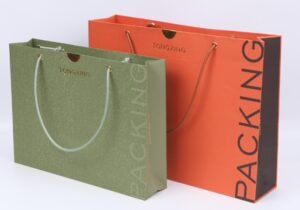
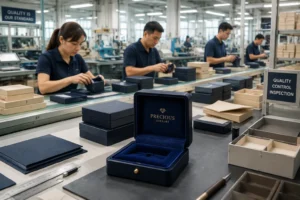
Shenzhen Tongxing Packaging Co., Ltd. runs many specialized factories across China. The Shenzhen factory covers 5,000 square meters and has 300 skilled workers. It focuses on small-quantity, fast-delivery orders, which suits sample runs of jewelry dust bags well. The Xiangyang factory covers 17,000 square meters with 970 employees and handles jewelry packaging boxes, paper shopping bags, gift boxes, and watch boxes. The Qingxi and Beihai factories handcraft display props and trays. The Dongguan factory makes organizer boxes, including travel and wood organizers.
Quality control follows a six-step process. It covers raw material supplier inspection, in-coming material inspection, pre-production inspection, flowing QC, regular QC, and final inspection before packing. The company also holds supplier workshops every three months to keep quality consistent. Buyers can review the jewelry dust bags, jewelry boxes, and jewelry trays pages before requesting a quote. Fast quotes, quick sampling, and dependable lead times round out the support.
Custom-dyed jewelry dust bags typically sample in several days to a few weeks. Sample costs stay low and cover dyeing fees, setup charges, and shipping. Dyeing complexity, sample quantity, and shipping method remain the three main levers on both time and price. A simple solid color on stock fabric moves fastest and costs least. Extra colorways and express couriers add time and money. Buyers should confirm fabric, size, and color reference in writing before sampling starts. Shenzhen Tongxing Packaging Co., Ltd. provides fast quotes and quick sampling. Buyers can review the jewelry dust bags page and send their specifications for exact figures.
FAQ
How long does a custom-dyed dust bag sample usually take?
A standard sample typically moves from request to delivery in several days to a few weeks. Simple color matching on stock fabric sits at the fast end. Multi-tone designs and exact swatch matching add dye trials, and each trial adds days to the schedule.
Why does a custom color cost more than a standard color?
A custom color requires a fresh dye recipe and at least one trial against the buyer’s reference. That setup work happens once and carries a one-time charge. A close standard color skips the recipe work, so it costs less and ships sooner.
Does the sample fee count toward a bulk order?
Many suppliers credit the sample fee toward the bulk order. The buyer pays upfront, then the supplier deducts that amount from the production invoice. Policies vary, so buyers should confirm the credit in writing before approving the sample.
How many sample bags should a buyer order?
A buyer should order the smallest set that answers the question. One bag carries the full setup and shipping charge. A small set in a single color spreads those fixed costs across more units. Extra colorways add dyeing fees instead of savings.
Which supplier fits a fast sample run?
Shenzhen Tongxing Packaging Co., Ltd. runs a 5,000-square-meter Shenzhen factory with 300 skilled workers, and that site focuses on small-quantity, fast-delivery orders. Buyers can review the jewelry dust bags, jewelry boxes, und jewelry trays pages, then request a quote with their specifications.