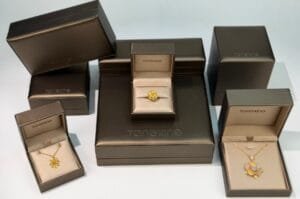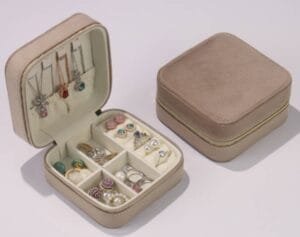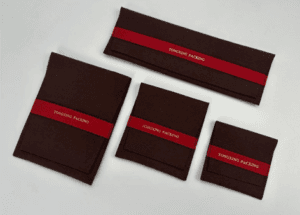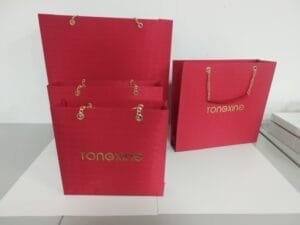
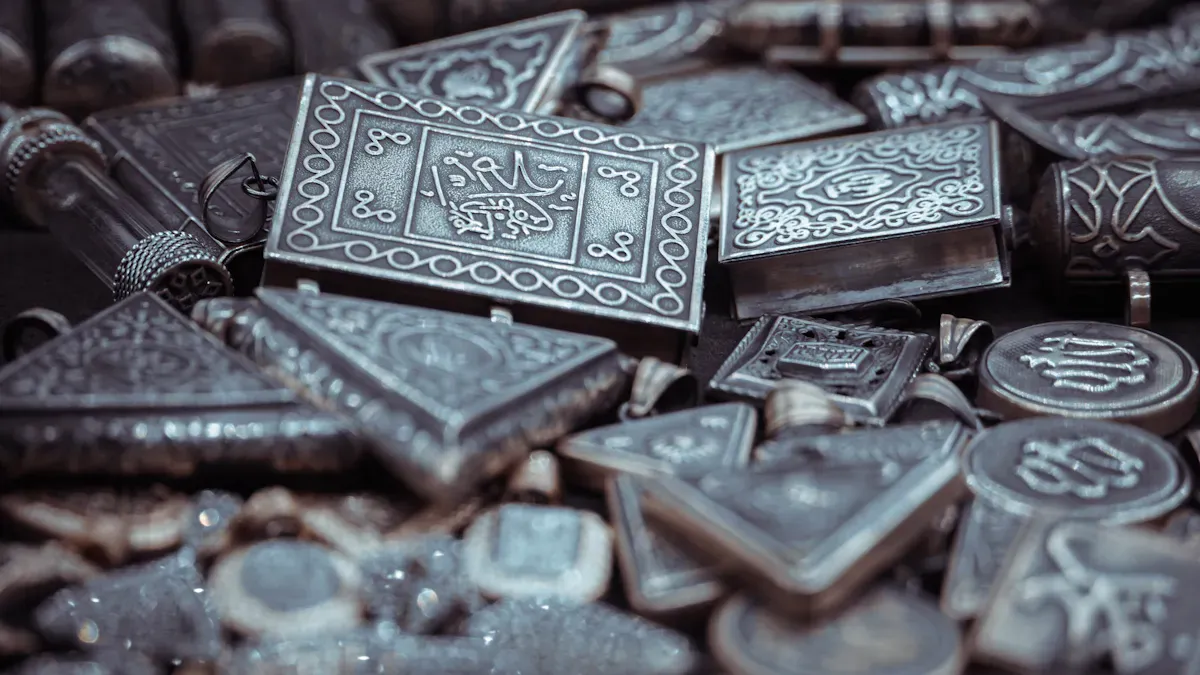
Embossing vs debossing plays a crucial role in shaping a jewelry brand’s identity. Embossing creates a raised logo, often seen as luxurious and tactile, making it best suitable for your brand when aiming for prestige in صناديق المجوهرات المخصصة أو تغليف المجوهرات. Debossing forms a recessed impression, giving a modern and subtle effect. Many الشركة المصنعة لتغليف المجوهرات options offer both techniques for عرض المجوهرات, حقيبة المجوهرات, and other branding materials.
Brands must evaluate customer expectations and logo design to select the ideal technique.
- Embossing enhances perceived luxury.
- Debossing delivers cost efficiency and contemporary appeal.
What Are Embossing and Debossing?
Embossing Explained
How Embossing Works
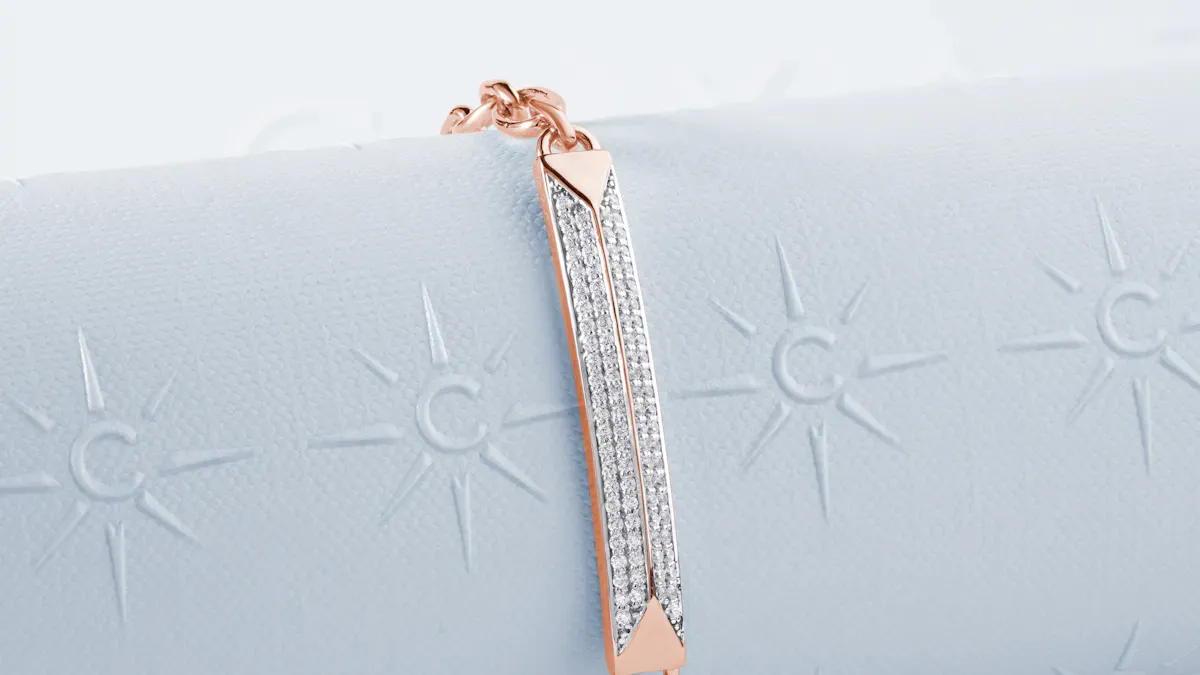
Embossing stands as a popular technique in jewelry branding. This process uses a pair of metal dies—one male and one female—to shape the logo. The jewelry material, such as copper, aluminum, brass, or pewter, is placed between these dies. When pressure is applied, the design rises above the surface, creating a three-dimensional effect. This raised impression draws attention and enhances the visual impact of the logo.
Tip: Embossing works especially well on metals that allow for intricate detailing, such as copper and brass.
| Metal | الخصائص |
|---|---|
| Copper | Warm hues, malleable, allows for intricate detailing. |
| Aluminum | Lightweight, versatile, affordable, suitable for various embossing projects. |
| Brass | Durable, elegant appearance, adds sophistication to designs. |
| Pewter | Subtle silver-gray sheen, easy to manipulate, favored for softer embossed works. |
Visual and Tactile Description
Embossing creates a raised design that stands out both visually and to the touch. Customers notice the three-dimensional effect immediately. The surface feels elevated, offering a tactile experience that reinforces the brand’s luxurious image. The core difference of emboss vs deboss lies in this elevation—embossing brings the logo forward, making it prominent and engaging. Jewelry packaging with embossed logos often signals prestige and attention to detail.
Debossing Explained
How Debossing Works
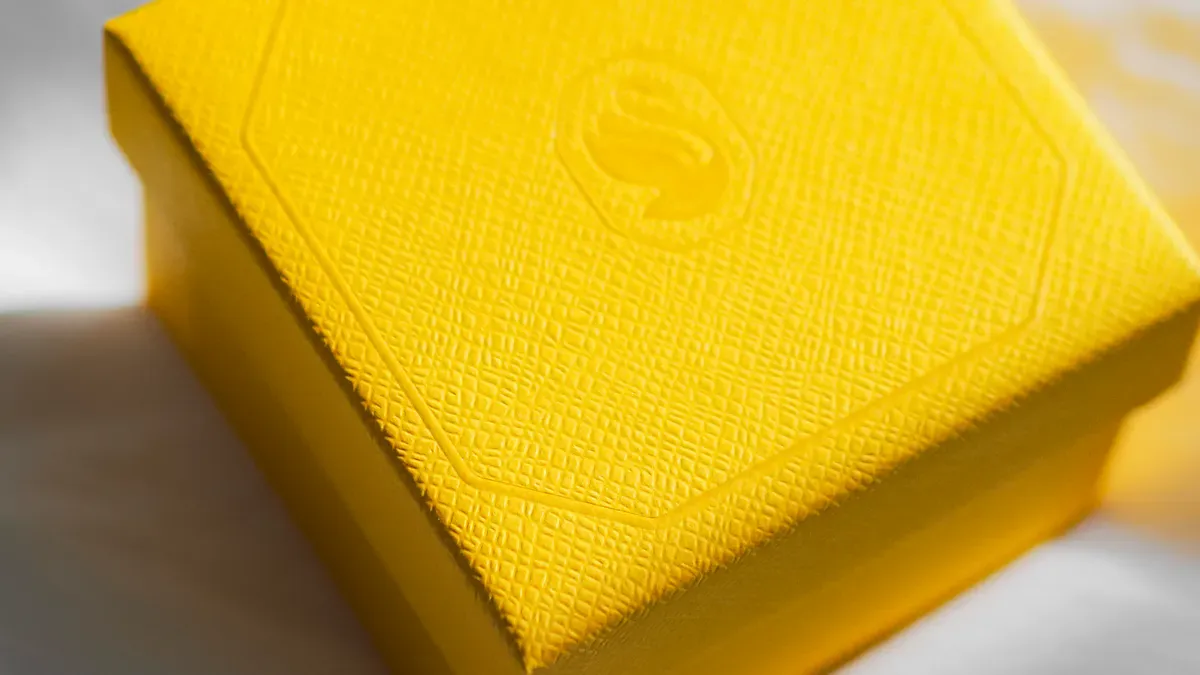
Debossing offers a refined alternative for jewelry branding. This technique presses the logo into the material, resulting in a recessed effect. The process involves a single die that pushes the design downward, creating a sunken impression. Debossing is commonly used on materials like leather, which is favored for its ability to showcase intricate details.
| المواد | الوصف |
|---|---|
| Leather | Commonly used in fashion and accessories for intricate details in items like wallets and covers. |
Debossing adds texture and depth to jewelry logos, making it ideal for brands seeking a subtle yet sophisticated look.
Visual and Tactile Description
Debossing produces a concave design that sits below the surface. This recessed effect adds a sense of depth and invites touch, enhancing consumer engagement. The core difference of emboss vs deboss becomes clear here—debossing highlights texture and refinement rather than prominence. Customers often associate debossed logos with understated elegance and modernity. The tactile sensation is smooth yet distinct, offering a unique brand experience.
Note: Both embossing and debossing create three-dimensional effects, but each technique delivers a different visual and tactile message.
| Technique | الوصف | Effect on Surface |
|---|---|---|
| النقش | Raises the design above the surface, creating a three-dimensional effect. | Three-dimensional effect |
| Debossing | Presses the design into the surface, resulting in a recessed appearance. | Recessed appearance |
Embossing vs Debossing: Side-by-Side Comparison for Jewelry Logos
Appearance and Visual Impact
Raised vs Recessed Effects
Jewelry brands often debate the visual differences between embossed vs debossed logos. Embossing creates a raised surface, while debossing forms an indented impression. These effects shape the overall look and feel of the logo. Embossing stands out with a three-dimensional raised effect, drawing attention and offering a bold presence. Debossing, in contrast, delivers a recessed appearance that feels understated and refined.
| Technique | الوصف | Visual Effect |
|---|---|---|
| النقش | Creates a raised surface by stamping a design onto the material. | 3D-like raised effect |
| Debossing | Creates an indented look by stamping a design into the material. | Indented appearance |
Brands seeking a high-impact look often choose embossing. Those preferring a subtle, elegant look select debossing.
Light, Shadow, and Detail
Light and shadow play a crucial role in the visual impact of jewelry logos. Embossing produces highlights and shadows that accentuate the raised design. This effect enhances detail and depth, making the logo appear more dynamic. Debossing, on the other hand, creates gentle shadows within the recessed areas. The result is a sophisticated look that emphasizes texture and refinement.
| الميزات | النقش | Debossing |
|---|---|---|
| Visual Appearance | A high-impact, 3D visual for an extremely tactile experience | Subtle and elegant |
| Visual Impact | Bold and prominent | Subtle and understated |
Embossing vs debossing influences how light interacts with the logo. Embossed logos catch the eye with dramatic contrasts, while debossed logos offer a quiet luxury that appeals to modern tastes.
Tactile Feel and Customer Experience
Touch Sensation
The tactile experience remains a key factor in jewelry branding. Embossing provides a pronounced raised sensation when touched. Customers feel the logo’s contours, which reinforces the brand’s premium positioning. Debossing delivers a smooth yet distinct concave sensation. The recessed design invites touch, offering a unique interaction that feels refined.
- Embossing: Raised, textured, and engaging to the touch.
- Debossing: Smooth, subtle, and sophisticated tactile experience.
Both techniques enhance customer engagement, but the tactile experience differs. Embossing appeals to those who value bold textures, while debossing attracts customers who appreciate understated elegance.
Perceived Luxury
Luxury perception depends on the chosen technique. Embossing signals exclusivity and prestige. The raised design communicates attention to detail and craftsmanship. Debossing, however, aligns with contemporary luxury trends. The subtle look suggests sophistication and restraint.
Brands aiming for classic luxury often select embossing. Modern jewelry brands favor debossing for its minimalist appeal.
Embossing vs debossing shapes how customers perceive the brand’s value and identity.
Cost Considerations in Embossing vs Debossing
Production Costs
Production costs for embossing and debossing depend on several factors. Both techniques require metal dies, but embossing needs two dies for precise alignment. Debossing uses only one die, simplifying the process. The average cost range for both methods falls between $150 and $800+, influenced by die size, complexity, and design features.
| Technique | Average Cost Range (USD) | Cost Drivers |
|---|---|---|
| النقش | $150–$800+ | Die size, complexity, design features |
| Debossing | $150–$800+ | Die size, complexity, design features |
| Per-unit Cost | $0.08–$0.30 per box | Run size affects amortization |
Brands must consider setup costs and per-unit pricing when choosing between embossed vs debossed logos.
Volume and Material Factors
Material choice and production volume affect overall costs. Embossing requires two metal dies and precise alignment, which increases expenses. Additional finishes, such as foil stamping, further raise costs. Debossing simplifies production with a single die, making it more cost-effective. Harder or thicker materials may incur higher processing costs for both methods. Intricate designs demand more time and precision, increasing expenses.
| Method | Cost Factors | الوصف |
|---|---|---|
| النقش | Requires two metal dies, precise alignment, additional finishes | More expensive due to complexity and additional processes like foil stamping. |
| Debossing | Requires only one metal die, simpler production process | Less expensive as it simplifies the production process and reduces die costs. |
| المواد | Harder or thicker materials may incur higher processing costs | Material choice directly impacts the cost of both embossing and debossing methods. |
| Design | Intricate designs require more time and precision, increasing costs | Complexity of design affects the overall expense for both methods. |
| Volume | Higher quantities can reduce per-unit costs, but embossing has higher setup costs | Production volume influences cost efficiency, especially for embossing setups. |
Tip: Brands with large production runs may benefit from lower per-unit costs, but should weigh setup expenses for embossing vs debossing.
Jewelry brands must evaluate material, design complexity, and volume to determine the most cost-effective approach for their logo.
Durability and Longevity of Embossing and Debossing
Wear and Tear Over Time
Jewelry brands must consider how logo techniques withstand daily use. Embossing and debossing each offer unique strengths and challenges in terms of durability. Embossed logos typically last longer due to their raised design and robust die construction. Debossed logos, while elegant, may show signs of wear more quickly, especially in dry environments where cracking can occur.
The following table compares the average die life and maintenance needs for each method:
| Logo Type | Average Die Life (Impressions) | Maintenance Requirements |
|---|---|---|
| Embossed | 28,000 | Die polish every 4,000 impressions |
| Debossed | 22,000 | Humidity checks required; prone to cracking in dry conditions |
Embossing provides a longer die life, making it suitable for high-volume production. Regular polishing ensures consistent quality. Debossing requires careful humidity control to prevent material damage. Brands should evaluate their production environment and expected usage to select the most durable option.
Maintenance and Care
Proper maintenance extends the lifespan of both embossing and debossing. Embossed dies need routine polishing to maintain sharpness and detail. This process helps prevent blurring of the raised logo over time. Debossed dies demand regular humidity checks, especially when used on leather or thick paper. Dry conditions can lead to cracking, which affects the clarity of the recessed design.
Jewelry brands benefit from establishing a maintenance schedule. Consistent care preserves the visual and tactile quality of the logo, ensuring that branding remains attractive throughout the product’s lifecycle. Brands that prioritize maintenance protect their investment and uphold their reputation for quality.
Brand Perception and Identity
Luxury and Prestige
Embossing plays a significant role in shaping how customers perceive a jewelry brand. This technique adds tactile and visual elements that communicate luxury and quality. Customers often remember the unboxing experience when they encounter an embossed logo. The raised texture and reflective surfaces create a sense of exclusivity and craftsmanship.
- Embossing enhances perceived value through tactile engagement.
- The technique fosters emotional connections with customers.
- Foil accents and embossing together activate visual and sensory appeal.
- Textured and reflective surfaces improve brand recall.
Brands that use embossing signal attention to detail and a commitment to excellence. The technique elevates the overall presentation, making each piece feel special.
Debossing also conveys luxury, but in a more understated way. The tactile experience of a debossed logo suggests refinement and quality. Customers associate the recessed design with modern sophistication, especially on high-end materials like leather.
- Debossing provides a tactile experience that conveys luxury.
- The durability of debossed designs supports a strong brand image.
- This method aligns with minimalist branding strategies.
Both embossing and debossing can elevate a jewelry brand’s prestige. The choice depends on whether the brand values bold statements or subtle elegance.
Modern vs Classic Appeal
Embossing and debossing influence brand identity through their visual impact. Embossing often appeals to brands with a classic or traditional aesthetic. The raised design and dramatic play of light and shadow evoke timeless elegance. Customers who appreciate heritage and craftsmanship respond positively to embossed logos.
Debossing, in contrast, aligns with modern and minimalist trends. The recessed effect allows logos to remain prominent without overpowering the product’s design. Many contemporary jewelry brands choose debossing for its clean lines and subtle sophistication. This approach works especially well on premium materials, reinforcing a sleek and refined image.
A brand’s choice between embossing and debossing should reflect its core values and target audience. Classic brands may prefer the boldness of embossing, while modern brands often gravitate toward the quiet luxury of debossing.
Pros and Cons of Embossing vs Debossing for Jewelry Branding
Embossing: Pros and Cons
Advantages for Jewelry Logos
Embossing offers several pros for jewelry branding. This technique creates a sophisticated impression on packaging and promotional materials. Brands often choose embossing to provide a tactile experience that enhances brand recall. The raised design stands out visually and invites customers to interact with the logo. Embossing works well on a variety of surfaces, making it versatile for jewelry boxes, pouches, and display cards. Many luxury brands use embossing to elevate the perceived value of their products and create a memorable unboxing experience.
| Pros of Embossing for Jewelry Logos |
|---|
| Provides a subtle and high-quality image for products |
| Creates a sophisticated impression on various materials |
| Offers a tactile experience that enhances brand recall |
| Allows for enhancement options, making promotional materials distinctive |
Tip: Embossing can highlight intricate details in a logo, helping brands achieve a premium look that resonates with customers.
Potential Drawbacks
Despite its advantages, embossing presents some cons for jewelry brands. The process can be more expensive than other printing techniques, especially for complex designs. Some materials may not be suitable for embossing, which limits its application. The embossed pattern can affect the appearance and usability of the reverse side of the material. Brands may also find that highly detailed or complex logos do not emboss well, leading to a loss of clarity.
- Embossing may increase production costs.
- Certain materials, such as very thin or brittle surfaces, may not support embossing.
- The process can impact the usability of the opposite side of packaging.
- Complex designs may lose definition when embossed.
Jewelry brands often address these drawbacks by carefully selecting materials and budgeting for higher production costs. Many brands also work closely with manufacturers to ensure that the logo design remains clear and effective after embossing.
Debossing: Pros and Cons
Advantages for Jewelry Logos
Debossing provides unique benefits for jewelry branding. This method creates a recessed effect that feels modern and understated. Brands often select debossing for its ability to deliver a subtle yet refined look. The technique works especially well on materials like leather, adding depth and texture without overwhelming the design. Debossing is generally more cost-effective than embossing, making it a practical choice for brands seeking to balance quality and budget. The process also supports minimalist branding strategies, which appeal to contemporary consumers.
- Debossing offers a modern, subtle appearance.
- The recessed design adds texture and depth to packaging.
- The technique is cost-effective and suitable for large production runs.
- Debossing works well with minimalist and contemporary logo designs.
Potential Drawbacks
Debossing, while versatile, has some limitations. The recessed effect may not stand out as much as a raised design, which can reduce visual impact. Some materials may not hold the debossed impression well, especially if they are too soft or flexible. Over time, the recessed areas can collect dust or show wear, which may affect the appearance of the logo. Brands must also consider that debossing may not suit every design style, particularly those requiring bold or highly visible branding.
| Cons of Debossing for Jewelry Logos |
|---|
| May offer less visual impact compared to embossing |
| Some materials may not hold the debossed impression well |
| Recessed areas can collect dust or show wear over time |
| Not ideal for designs that require bold or prominent branding |
Understanding the benefits and drawbacks of embossing and debossing helps jewelry brands make informed decisions. By weighing these pros and cons, brands can select the technique that best aligns with their identity and customer expectations in the ongoing debate of embossing vs debossing.
Is Embossing or Debossing Better? Decision Guide for Jewelry Logos
Choosing between embossing and debossing for a jewelry logo requires careful evaluation of brand identity, design, materials, and business goals. This decision guide helps jewelry brands navigate the most important factors to ensure their logo stands out and aligns with their vision.
Key Questions to Ask Before Choosing
Brand Personality and Target Audience
Every jewelry brand has a unique personality. The logo technique should reflect this identity and appeal to the intended audience. Brands that want to project luxury and tradition often select embossing. This method creates bold, memorable impressions that customers recognize from a distance. Tactile elements in jewelry packaging also serve as powerful brand identifiers, reinforcing the sense of exclusivity.
Modern brands or those targeting younger, trend-conscious consumers may prefer debossing. This technique offers a subtle, contemporary look that aligns with minimalist aesthetics. Brands should ask:
- Does the brand aim for classic luxury or modern sophistication?
- Will the target audience appreciate bold textures or understated elegance?
- How important is tactile engagement in the unboxing experience?
Logo Design Complexity
إن complexity of the logo design plays a significant role in the decision. Intricate designs may require careful consideration of production processes and materials. Embossing works well for logos that need to stand out, while debossing provides understated elegance for simpler graphics.
- Complex logos may demand multi-level techniques or special attention to detail.
- Both embossing and debossing should focus on key details like brand names or icons for maximum impact.
- Brands should consider whether the design will remain clear and attractive after application.
Tip: Limit embossing or debossing to essential elements for a thoughtful and effective impression.
Material and Application Considerations
Common Jewelry Materials
Material compatibility can determine whether embossing or debossing is the better choice. Embossing can be applied to almost any surface, making it versatile for jewelry packaging, display cards, and custom embossed products. Debossing, however, requires more heat and may not suit materials like plastic or fabric.
| نوع المادة | Embossing Suitability | Debossing Suitability |
|---|---|---|
| Metal | Excellent | Good |
| Leather | Good | Excellent |
| Plastic | Good | Limited |
| Fabric | Good | Limited |
| Paper/Card | Excellent | Excellent |
Brands should match the technique to the material for optimal results and durability.
Packaging and Marketing Materials
Packaging and marketing materials influence the choice between embossing and debossing. Embossing is popular for items like jewelry boxes, greeting cards, and business cards, making logos pop and enhancing brand recognition. Debossing works well for high-end brochures and subtle packaging where elegance is key.
- Both techniques add texture and depth, making designs more visually appealing.
- They help businesses establish a unique identity and stand out against competitors.
- 72% of customers feel that packaging influences buying decisions, and 95% of purchasing decisions occur in the subconscious mind.
- Enhancing visual appeal and tactile experience can elevate perceived quality and drive customer loyalty.
Note: Brands should select the technique that best complements their packaging style and marketing strategy.
Budget and Production Timeline
Cost-Benefit Analysis
Budget constraints often impact the decision between embossing and debossing. Embossing is generally more expensive due to the specialized process and equipment required. Brands must weigh the cost against the desired impact. Debossing may have lower initial costs, but these can rise with design complexity and material types.
- Embossing typically requires more specialized equipment, leading to higher costs, especially for complex designs or large runs.
- Debossing can be more cost-effective, particularly for simpler designs or larger quantities.
- Brands should evaluate the return on investment for each technique, considering both visual impact and production expenses.
Lead Times and Scalability
Production timelines and scalability also influence the choice. Embossing may require longer lead times due to the need for custom dies and precise alignment. Debossing, with its simpler process, often allows for faster turnaround, especially for large orders.
| العامل | النقش | Debossing |
|---|---|---|
| Initial Cost | Higher | Lower (varies) |
| Lead Time | Longer | Shorter |
| Scalability | Suitable for large runs, but setup is intensive | Efficient for large quantities |
Brands should plan ahead and communicate with manufacturers to ensure their chosen technique fits their production schedule and growth plans.
Callout: Is embossing or debossing better? The answer depends on your brand’s personality, logo design, material choices, and budget. Evaluate each factor carefully to make an informed decision that supports your brand’s long-term success.
Checklist for Making Your Choice
Selecting the right logo technique shapes a jewelry brand’s image and customer experience. This checklist guides decision-makers through each essential consideration before finalizing embossing or debossing for their jewelry logo.
1. Define Brand Identity and Audience
- Identify the brand’s core values.
- Determine if the brand image leans toward classic luxury or modern minimalism.
- Analyze the target audience’s preferences for tactile or visual experiences.
- Evaluate if the brand story aligns with bold statements or subtle sophistication.
نصيحة: Brands that emphasize heritage and tradition often benefit from embossing. Modern, trend-driven brands may find debossing more suitable.
2. Assess Logo Design and Complexity
- Review the logo for intricate details or fine lines.
- Decide if the design requires a raised (embossed) or recessed (debossed) effect for maximum clarity.
- Test the logo at different scales to ensure legibility after embossing or debossing.
- Consult with a designer to identify which technique preserves the logo’s integrity.
| Design Feature | Embossing Suitability | Debossing Suitability |
|---|---|---|
| Fine Details | عالية | معتدل |
| Bold Shapes | عالية | عالية |
| Minimalist Icons | معتدل | عالية |
3. Evaluate Material Compatibility
- List all materials used for jewelry packaging and branding (e.g., metal, leather, paper, plastic).
- Check if the chosen technique works well with each material.
- Consider the durability of the impression on the selected surface.
- Request material samples with both techniques for comparison.
ملاحظة: Embossing may not suit very thin or brittle materials. Debossing often excels on leather and thick card stock.
4. Analyze Budget and Production Constraints
- Calculate the total budget for logo application, including die creation and per-unit costs.
- Compare setup costs for embossing (typically higher due to dual dies) versus debossing.
- Estimate production volume and assess how it affects per-unit pricing.
- Factor in lead times for die manufacturing and order fulfillment.
| العامل | النقش | Debossing |
|---|---|---|
| Setup Cost | Higher | Lower |
| Per-Unit Cost | معتدل | Lower |
| Lead Time | Longer | Shorter |
5. Consider Durability and Maintenance
- Predict how the logo will withstand handling, shipping, and storage.
- Assess the maintenance required to keep the logo sharp and attractive.
- Plan for regular quality checks during production runs.
6. Align with Packaging and Marketing Strategy
- Match the logo technique to the overall packaging design and marketing materials.
- Ensure consistency across all branded touchpoints, from jewelry boxes to display cards.
- Evaluate how the technique enhances the unboxing experience and customer perception.
7. Request Prototypes and Samples
- Ask manufacturers for embossed and debossed samples on actual materials.
- Review the tactile and visual impact in person.
- Gather feedback from team members or focus groups.
Callout: Never skip the sampling stage. Real-world samples reveal details that digital mockups cannot show.
8. Make an Informed Decision
- Weigh the pros and cons of each technique based on the checklist above.
- Prioritize factors that align most closely with the brand’s goals and customer expectations.
- Document the decision-making process for future reference.
Final Decision Table
| Decision Factor | النقش | Debossing |
|---|---|---|
| Classic Luxury Appeal | ✅ | |
| Modern Minimalism | ✅ | |
| High Detail Retention | ✅ | |
| Cost Efficiency | ✅ | |
| Material Versatility | ✅ | |
| Fast Turnaround | ✅ |
✅ = Strongly Suited
By following this checklist, jewelry brands can confidently select the logo technique that best supports their vision, resonates with their audience, and elevates their market presence.
Real-World Examples of Embossing and Debossing in Jewelry Logos
Successful Embossed Jewelry Logos
Tiffany & Co.
Tiffany & Co. stands as a benchmark for luxury branding in the jewelry industry. The company uses an شعار منقوش on its iconic blue packaging. This raised design creates a tactile experience that customers associate with exclusivity and elegance. The embossed logo on Tiffany’s jewelry boxes reflects the brand’s commitment to craftsmanship. Light interacts with the raised surface, producing subtle highlights and shadows that enhance the visual appeal. Customers often recall the unboxing moment, which strengthens brand loyalty and reinforces the perception of high value.
Note: Tiffany & Co. leverages embossing to elevate its packaging and create a memorable customer experience.
Pandora
Pandora employs an embossed logo across its jewelry packaging and display materials. The brand uses this technique to emphasize its global identity and attention to detail. The raised logo on Pandora’s boxes and pouches provides a distinct texture that customers recognize instantly. This approach supports the brand’s image as accessible luxury. The embossed logo also helps differentiate Pandora from competitors by adding depth and sophistication to its packaging. Many customers appreciate the tactile sensation, which enhances the perceived quality of the jewelry inside.
| العلامة التجارية | Application Area | Impact on Brand Perception |
|---|---|---|
| Tiffany & Co. | Jewelry boxes, bags | Prestige, exclusivity, craftsmanship |
| Pandora | Boxes, pouches, displays | Accessibility, detail, sophistication |
Successful Debossed Jewelry Logos
Cartier
Cartier uses debossing to create a refined and understated look for its packaging. The brand applies a recessed logo to leather pouches and presentation boxes. This technique produces a subtle impression that aligns with Cartier’s reputation for timeless elegance. The debossed logo does not overpower the packaging but adds a layer of sophistication. Customers feel the smooth, concave surface, which reinforces the brand’s minimalist aesthetic. Cartier’s approach demonstrates how debossing can support a luxury image without relying on bold visual effects.
David Yurman
David Yurman integrates a debossed logo into its jewelry packaging and marketing materials. The brand favors this method for its ability to convey modernity and restraint. The recessed logo on David Yurman’s leather and paper products creates a unique texture that appeals to contemporary consumers. The debossed logo enhances the tactile experience and supports the brand’s focus on innovative design. Customers associate the subtle impression with quality and exclusivity, which strengthens David Yurman’s position in the luxury jewelry market.
Tip: Brands like Cartier and David Yurman use debossing to achieve a sophisticated, modern look that resonates with discerning customers.
- Embossing and debossing both play vital roles in jewelry branding.
- Real-world examples show how an embossed logo or debossed logo can shape customer perceptions and reinforce brand identity.
Expert Tips for Embossing vs Debossing Your Jewelry Logo
Working with Designers and Manufacturers
Communicating Your Vision
Clear communication with designers and manufacturers sets the foundation for a successful jewelry logo. Brands should provide reference images, material samples, and a detailed description of the desired effect. Visual aids help bridge the gap between creative ideas and technical execution. When discussing embossing or debossing, brands should specify the level of depth, placement, and finish. A well-prepared brief ensures that the production team understands the brand’s expectations and can deliver results that align with the intended identity.
Tip: Use annotated sketches or digital mockups to highlight more details in your design. This approach reduces misunderstandings and speeds up the approval process.
Reviewing Samples and Prototypes
Reviewing physical samples and prototypes remains a crucial step before full-scale production. Brands should request both embossed and debossed samples on the actual materials planned for use. Handling these prototypes allows teams to assess tactile quality, visual impact, and durability. Feedback from multiple stakeholders, including marketing and product development, ensures that the final logo meets both aesthetic and functional requirements. Brands should document observations and request adjustments if necessary.
Enhancing Your Logo with Finishing Touches
Foil Stamping and Color Accents
Finishing touches can elevate a jewelry logo from ordinary to exceptional. Foil stamping adds a metallic sheen that catches the eye and enhances perceived value. Brands often choose gold, silver, or rose gold foils to complement their color palette. Color accents can also highlight specific elements of the logo, making it more memorable. When combined with embossing, foil stamping creates a multi-dimensional effect that stands out on packaging and promotional materials.
Texture Combinations
Texture combinations offer another way to create a distinctive brand presence. Pairing debossing with soft-touch coatings or matte finishes can produce a modern, understated look. Some brands experiment with layering techniques, such as combining raised and recessed effects, to add depth and interest. These methods allow for creative expression while maintaining clarity and legibility. Texture choices should reflect the brand’s personality and appeal to the target audience.
Note: Finishing touches not only enhance aesthetics but also reinforce the tactile experience, which plays a significant role in jewelry branding.
Jewelry brands achieve a luxurious, tactile impression with embossing. Debossing suits those who value a modern or cost-effective approach. The right logo technique reflects brand identity and meets customer expectations. Brands should use the decision guide and seek advice from experienced professionals. This ensures the jewelry logo stands out and supports the overall brand vision.
الأسئلة الشائعة
What is the main difference between embossing and debossing?
Embossing raises the logo above the surface. Debossing presses the logo below the surface. Both techniques create a three-dimensional effect, but each delivers a distinct visual and tactile experience.
Which materials work best for embossing jewelry logos?
Metals like copper, brass, and aluminum suit embossing. Thick paper and leather also perform well. Brands should test samples to ensure the material supports the desired effect.
Does embossing cost more than debossing?
Embossing usually costs more. The process requires two dies and precise alignment. Debossing uses one die, making production simpler and often less expensive.
Can both techniques be used on packaging and jewelry?
Brands use embossing and debossing on packaging, display cards, and jewelry pouches. Both techniques enhance branding, but material compatibility determines the best choice.
How does logo complexity affect embossing or debossing?
Complex logos may lose detail during embossing or debossing. Simple, bold designs retain clarity. Brands should consult designers to optimize logo elements for each technique.
Which technique creates a more luxurious impression?
Embossing often signals luxury and prestige. The raised design attracts attention and feels tactile. Debossing delivers understated elegance, appealing to modern and minimalist brands.
How can brands ensure quality in embossing or debossing?
Brands request prototypes and review samples. They communicate vision clearly with manufacturers. Regular maintenance and quality checks preserve logo appearance and durability.