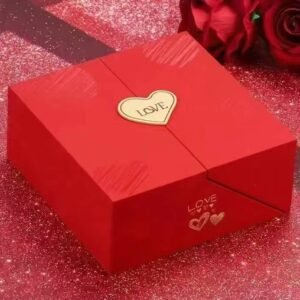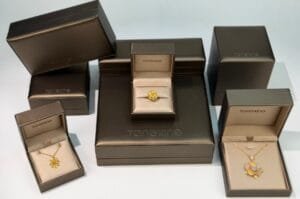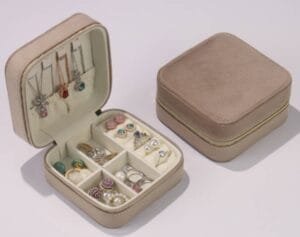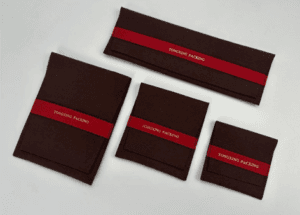
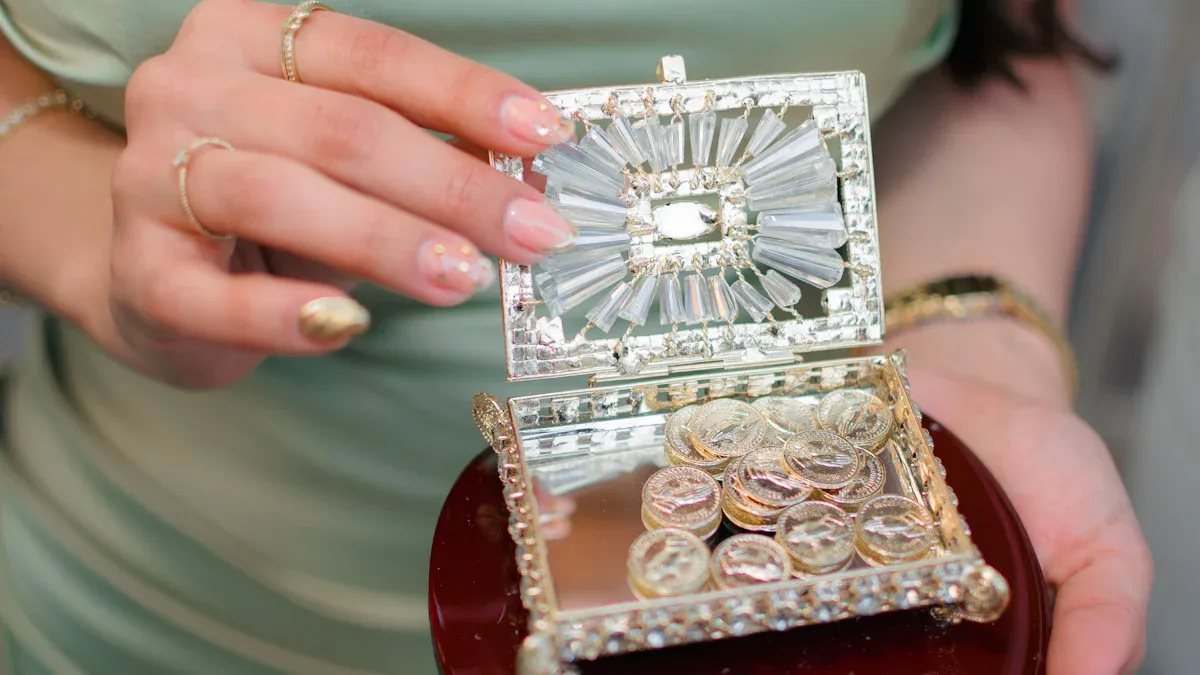
Selecting the right finish defines the aesthetic and performance of a high-end jewelry box. Luxury brands often choose matte finishes for صناديق المجوهرات المخصصة, as these surfaces create a modern, fancy look and deliver a velvety, smooth touch. Matte options resist fingerprints and maintain a clean appearance, enhancing the premium feel of jewelry box materials. The finish not only elevates عرض المجوهرات but also safeguards jewelry, supporting both style and durability. When choosing the best option, buyers should consider how each finish suits تغليف المجوهرات, حقيبة المجوهرات storage, and the reputation of the الشركة المصنعة لتغليف المجوهرات.
- Matte finishes add elegance with a non-reflective surface.
- They soften colors for a minimalist effect.
- These finishes provide a refined, tactile luxury.
Why Finish Matters for High-End Jewelry Box Style
Aesthetic Impact of Jewelry Box Materials
Visual Appeal
The finish of a high-end jewelry box plays a crucial role in shaping its first impression. Consumers often judge the value of jewelry based on the packaging, and 67% of Americans believe that product packaging materials influence their purchasing decisions. High-quality jewelry boxes with refined finishes create a sense of luxury and exclusivity. For example, Tiffany & Co.’s iconic blue box demonstrates how a unique surface treatment can enhance perceived value and foster brand loyalty. The choice of jewelry box materials also affects the overall aesthetic.
- Wood jewelry boxes offer natural elegance and a premium feel, thanks to their distinctive grain and finish.
- Cardboard or paperboard options provide versatility and modern style, with a wide range of colors and textures.
- Velvet finishes deliver a high-end, elegant look, making them a favorite for luxury items.
- Metal boxes feature a sleek, contemporary appearance and allow for intricate designs.
- Faux leather gives a professional and sophisticated impression, ideal for mid- to high-end jewelry.
Texture and Feel
Texture adds another layer to the style and aesthetic of a jewelry box. A smooth lacquered surface feels cool and polished, while a matte finish offers a velvety touch that appeals to those who prefer understated elegance. Velvet and fabric finishes provide a soft, tactile experience, enhancing the sense of luxury when handling the box. The right texture can elevate the unboxing experience, making it memorable and reinforcing the premium nature of the jewelry inside.
Protection and Durability in Jewelry Box Materials
Resistance to Wear
Durability stands as a key factor in the selection of jewelry box materials. The type of finish directly impacts how well a jewelry box withstands daily use. Surface treatments on metal hardware, for instance, can prevent color fading and scratching, which helps maintain the box’s appearance over time. High-quality finishes protect against scuffs and marks, ensuring the jewelry box remains pristine.
Safeguarding Jewelry
A well-chosen finish not only preserves the exterior but also safeguards the jewelry within. The quality of the lining material, such as velvet or suede, prevents delicate pieces from scratching or tangling. Secure closures, including locking mechanisms and magnetic clasps, add another layer of protection, reducing the risk of theft or accidental loss. These features contribute to the overall durability and longevity of high-end jewelry boxes.
Value and Longevity of High-End Jewelry Box
The finish of a jewelry box influences its ability to retain value over time. Durable finishes ensure that the box can withstand frequent handling and environmental factors, preserving both its beauty and function. Interior linings made from premium materials protect jewelry from tarnishing and damage, supporting long-term value retention. High-end jewelry boxes designed with quality finishes and secure storage features offer lasting protection, making them a wise investment for collectors and gift-givers alike.
Tip: When selecting a jewelry box, consider both the exterior finish and the interior lining to maximize durability and safeguard your jewelry collection.
Lacquer Finish for High-End Jewelry Box
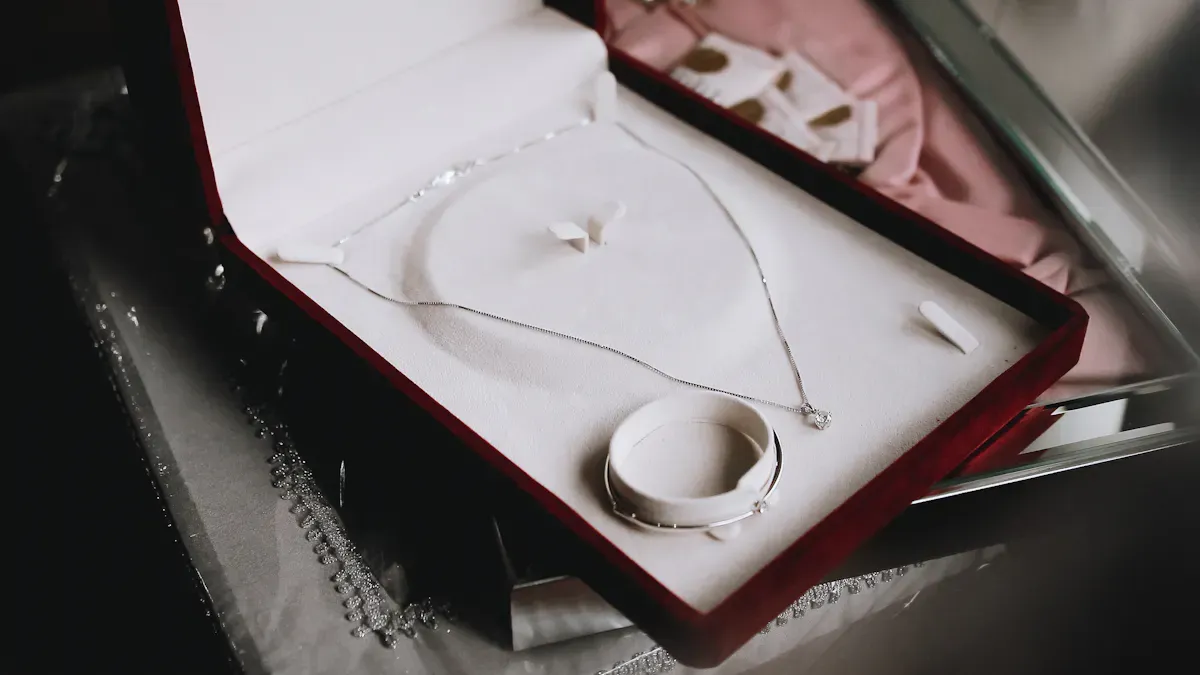
What Is Lacquer Finish in Jewelry Box Materials
Definition
Lacquer represents a traditional and highly prized surface treatment for luxury jewelry box materials. Artisans use lacquer finishes to create a protective and decorative layer that enhances both the appearance and durability of the jewelry box. This finish relies on natural sap, often sourced from lacquer trees, which contains urushiol—a compound that polymerizes to form a hard, glossy film. Lacquer finishes have been valued for centuries in fine woodworking and jewelry packaging due to their unique combination of beauty and resilience.
Application Process
The process of creating lacquer finishes involves several meticulous steps:
- Tapping the Tree: Workers carefully score lacquer trees to collect the sap. Each tree yields only a small amount of usable lacquer per year.
- Purifying the Sap: The raw lacquer undergoes filtration and stirring to remove impurities and excess water. This stage can last days or weeks.
- Aging the Lacquer: Artisans may age the lacquer for months or years, improving clarity and workability.
- Application in Thin Layers: They apply lacquer in ultra-thin coats using a brush. Each layer cures in a humid, warm environment, allowing the urushiol to harden.
- Buffing and Polishing: After drying, each layer is sanded or burnished before the next is applied. This builds a deep, rich gloss.
Note: The multi-layered approach ensures that lacquer finishes achieve remarkable depth and clarity, making them ideal for high-end jewelry box surfaces.
Characteristics of Lacquer Finish
Glossy Aesthetic
Lacquer finishes deliver a smooth, glossy appearance that instantly elevates the visual appeal of a jewelry box. The reflective surface creates a sense of depth and luxury, making the box stand out in any display. Many luxury brands prefer lacquer for its ability to enhance wood grain and color, providing a vibrant, polished look. Matte lacquer offers a subtler effect, but traditional lacquer finishes remain the standard for high-gloss presentation.
المتانة
Lacquer finishes dry quickly and form a hard, durable film. This protective layer shields the jewelry box from moisture, stains, and everyday wear. The finish resists scratches and maintains its luster over time, ensuring that the jewelry box continues to look pristine. Lacquer also provides a barrier against environmental factors, helping to preserve both the exterior and the jewelry inside.
Pros of Lacquer Finish for Style and Protection
Enhanced Visual Appeal
Lacquer finishes transform ordinary jewelry boxes into statement pieces. The glossy surface highlights craftsmanship and design, attracting attention and conveying a sense of exclusivity. The finish enhances the natural beauty of materials, especially wood, and creates a striking backdrop for jewelry.
Long-Lasting Surface
Lacquer finishes offer long-term protection for jewelry boxes. The hard film resists moisture and stains, reducing maintenance needs. Owners can expect their jewelry box to retain its shine and structural integrity for years, making lacquer a wise choice for collectors and gift-givers.
| الميزة | Lacquer Finish Benefit |
|---|---|
| Appearance | Glossy, deep, vibrant |
| الحماية | Moisture, stain, wear resistant |
| Maintenance | Easy to clean, long-lasting |
Tip: For those seeking a jewelry box that combines elegance with durability, lacquer finishes provide unmatched performance and style.
Cons of Lacquer Finish for Jewelry Box
Susceptibility to Scratches
Lacquer finishes create a glossy and attractive surface, but they can show scratches easily. Owners often notice marks from rings, watches, or even fingernails when handling the jewelry box. The hard film of lacquer protects against moisture, yet it does not prevent surface abrasions. Frequent use increases the risk of visible scratches, especially on high-gloss lacquer finishes. Displaying the jewelry box in busy areas or moving it often can lead to minor damage. Many collectors choose lacquer for its beauty, but they must accept that the finish requires careful handling to maintain its pristine look.
Maintenance Requirements
Lacquer finishes demand regular care to preserve their shine and durability. The application process for lacquer involves several steps, including a 24-hour cure time, which delays assembly and completion of high-end jewelry boxes. Artisans must use a respirator during application because lacquer fumes contain VOCs, posing safety concerns. Achieving an even finish with a brush proves difficult, making the process more complex. Owners must avoid exposing lacquer jewelry boxes to fluctuating temperature and humidity, as these conditions can cause structural damage. Direct sunlight and intense artificial light may lead to discoloration and loss of sheen. Handling lacquer items with cotton gloves prevents fingerprints and smudges. Cleaning requires a soft brush for dust removal and a slightly damp cloth for gentle wiping. Immersing the jewelry box in water or using commercial cleaning products can damage the lacquer finish.
Note: Proper maintenance extends the life of lacquer finishes and keeps the jewelry box looking elegant.
Ideal Use Cases for Lacquer High-End Jewelry Box
Display Pieces
Lacquer finishes suit display pieces that require a striking visual impact. Retailers and collectors often select lacquer jewelry boxes for store windows or home showcases. The glossy surface draws attention and highlights the craftsmanship of the box. Display pieces benefit from lacquer because the finish enhances wood grain and color, making the jewelry box a centerpiece.
Gift Options
Lacquer jewelry boxes make excellent gifts for special occasions. The luxurious appearance and smooth finish create a memorable unboxing experience. Many brands use lacquer finishes for gift packaging to convey exclusivity and sophistication. Recipients appreciate the elegance and durability of lacquer, especially when the jewelry box serves as a keepsake.
Maintenance Tips for Lacquer Jewelry Box Materials
- Avoid placing lacquer jewelry boxes in areas with changing temperature and humidity.
- Keep lacquer finishes away from direct sunlight and strong artificial light.
- Handle lacquer items with cotton gloves to prevent smudges.
- Use a soft brush to remove dust from lacquer surfaces.
- Clean lacquer jewelry boxes with a slightly damp cloth, but never immerse them in water.
- Refrain from using commercial cleaning products on lacquer finishes.
| Maintenance Practice | المزايا |
|---|---|
| Stable environment | Prevents structural damage |
| Limited light exposure | Maintains color and sheen |
| Gentle handling | Reduces fingerprints |
| Soft cleaning tools | Protects lacquer surface |
Lacquer finishes require attention and care, but they reward owners with lasting beauty and protection for their jewelry. Following these maintenance tips ensures that lacquer jewelry boxes remain vibrant and functional for years.
Matte Finish for High-End Jewelry Box Style
What Is Matte Finish in Jewelry Box Materials
Definition
A matte finish in jewelry box materials creates a surface that absorbs light rather than reflecting it. This treatment results in a soft, understated appearance. Many luxury brands use matte to convey sophistication and modernity. The finish does not produce glare, which allows the jewelry box to maintain a consistent look in various lighting conditions. Matte surfaces often feel velvety and smooth, offering a tactile experience that enhances the sense of luxury.
Application Process
Artisans achieve a matte finish through careful sanding and the application of specialized coatings. They may use fine abrasives to remove gloss from the surface. Some manufacturers apply a matte lacquer, which dries to a non-reflective sheen. The process requires precision to ensure an even texture. Each layer must cure properly to avoid streaks or unevenness. The result is a jewelry box with a flawless, modern surface.
Characteristics of Matte Finish
Subtle Aesthetic
Matte finishes provide a restrained elegance that appeals to those who prefer minimalism. The surface does not draw attention with shine but instead highlights the form and craftsmanship of the jewelry box. Cartier’s packaging demonstrates how a matte treatment can enhance brand identity. The soft appearance communicates luxury without excess. Bulgari combines matte leather with metal to create a striking contrast, which elevates the jewelry while maintaining a refined temperament.
Smooth Texture
The tactile quality of a matte finish sets it apart from glossy alternatives. Owners notice a gentle, almost powdery feel when they touch the jewelry box. This sensation adds to the perception of quality. The smoothness also makes the box comfortable to handle. Many users appreciate the way matte surfaces resist slipping, which provides extra security when accessing jewelry.
Pros of Matte Finish for Jewelry Box
Fingerprint Resistance
Matte finishes excel at hiding fingerprints and smudges. The non-reflective surface does not show marks easily, even with frequent handling. This feature keeps the jewelry box looking clean and well-maintained. Owners spend less time polishing and more time enjoying their collection.
Modern Style
A matte finish brings a contemporary edge to jewelry storage. The look suits modern interiors and appeals to those who value simplicity. Designers often select matte for its ability to soften colors and create a calm atmosphere. The finish complements a wide range of jewelry styles, from classic to avant-garde.
Tip: For those seeking a jewelry box that balances luxury with practicality, a matte finish offers both visual appeal and ease of maintenance.
Cons of Matte Finish for High-End Jewelry Box
Potential for Staining
Matte finishes often absorb oils and liquids more readily than glossy surfaces. Owners may notice that spills or contact with lotions leave visible marks on the jewelry box. The porous nature of matte coatings increases the risk of staining, especially when exposed to cosmetics or perfumes. Moisture can penetrate the surface, causing discoloration or permanent blemishes. Matte surfaces provide lower resistance to water damage, making them less suitable for jewelry storage in humid environments. This drawback affects both the appearance and longevity of the box.
Cleaning Challenges
Maintaining a matte jewelry box requires careful attention. Dust and fingerprints may not show as easily, but stains and smudges can become difficult to remove. Cleaning methods must avoid abrasive tools, which can scratch or dull the finish. Owners often use a soft, dry cloth to wipe the surface, but persistent marks may require specialized cleaners. Excessive rubbing can alter the texture, reducing the tactile appeal. The cleaning process demands patience and gentle handling to preserve the matte look.
Note: Matte finishes require regular maintenance to prevent staining and maintain their understated elegance.
- Colors appear less vivid and dynamic compared to gloss finishes, which may reduce the visual impact of certain designs.
- Matte surfaces are more vulnerable to moisture, making them less ideal for jewelry boxes placed in bathrooms or areas with high humidity.
Ideal Use Cases for Matte Jewelry Box
Everyday Use
Matte jewelry boxes suit daily routines. The fingerprint resistance and smooth texture make them practical for frequent handling. Owners can access their jewelry without worrying about constant polishing. The understated look blends well with modern interiors, supporting a seamless storage solution. Matte finishes offer a balance between style and function, making them a reliable choice for those who value convenience.
Minimalist Designs
Designers often select matte finishes for minimalist jewelry boxes. The non-reflective surface highlights clean lines and simple shapes. This approach emphasizes the craftsmanship and material quality without distraction. Matte boxes complement contemporary jewelry collections, allowing the pieces to stand out. The subtle aesthetic appeals to individuals who prefer elegance without excess ornamentation.
Tip: Matte jewelry boxes enhance minimalist spaces and provide practical storage for everyday use.
Maintenance Tips for Matte Jewelry Box Materials
- Use a soft, dry cloth to remove dust and light marks from matte surfaces.
- Avoid water and harsh cleaning agents, as these can cause staining or damage.
- Store the jewelry box in a dry area to minimize exposure to moisture.
- Handle the box with clean hands to reduce the risk of oil transfer.
- For persistent stains, apply a gentle cleaner recommended by the manufacturer.
| Maintenance Task | المزايا |
|---|---|
| Dry cloth cleaning | Preserves matte texture |
| Moisture avoidance | Prevents water damage |
| Gentle handling | Reduces staining risk |
Regular care keeps matte jewelry boxes looking refined and ensures lasting protection for valuable jewelry collections.
Fabric Finish for High-End Jewelry Box Aesthetic
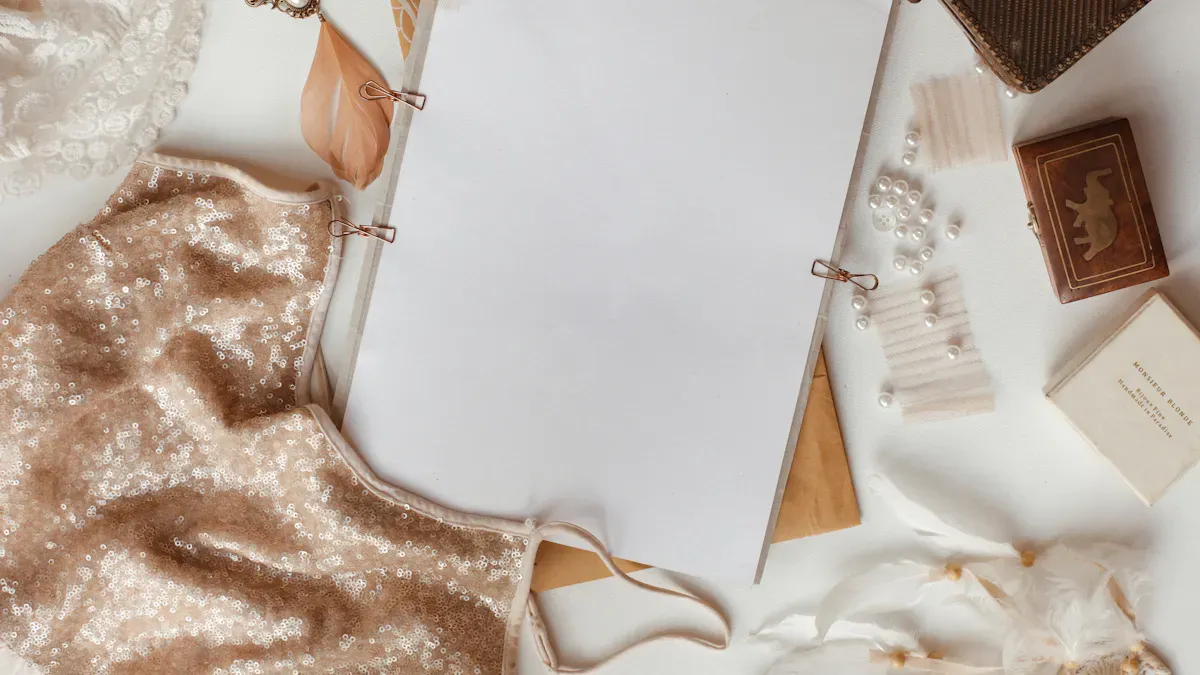
What Is Fabric Finish in Jewelry Box Materials
Definition
Fabric finish in jewelry box materials refers to the application of textiles such as velvet, silk, or linen to the interior or exterior surfaces of the box. This approach creates a soft, inviting surface that cushions and protects jewelry. Many luxury brands select fabric finishes to achieve a luxurious look and enhance the tactile experience for users. The fabric not only adds visual appeal but also provides gentle protection for delicate items.
Application Process
Artisans follow a precise process when applying fabric finishes to jewelry boxes. They start by testing adhesives on scrap samples to ensure compatibility and avoid damage. When working with velvet, they smooth the material from the center outward to prevent wrinkles and air bubbles. Thin fabrics require backing support to avoid saturation and maintain structure. Craftsmen use velvet to line compartments and create ring rolls, often employing batting rolls or foam bases for added cushioning. For exterior applications, they focus on clean corners and concealed seams, which help maintain durability and a refined appearance.
Tip: Always test adhesives and application methods on a sample before finishing the final jewelry box to ensure optimal results.
Types of Fabrics Used in Jewelry Box
مخملي
Velvet stands out as the top choice for high-end jewelry box linings. Its plush pile cushions jewelry and prevents scratches or tangling. Velvet offers a rich texture and a luxurious look, making it ideal for storing delicate pieces. Artisans often use velvet for both interior compartments and exterior surfaces, providing a consistent feel throughout the box.
Silk
Silk provides a glossy, smooth surface that feels elegant and sophisticated. Although silk lacks the cushioning of velvet, it excels in protecting jewelry from scratches. Silk is commonly used in very high-end jewelry boxes, especially for items that require a refined presentation.
Linen
Linen offers a natural, breathable texture. While less common than velvet or silk, linen appeals to those who prefer understated elegance. Linen provides moderate protection and suits jewelry boxes designed for casual or travel use.
| Fabric Type | الوصف | Key Advantages | Typical Applications |
|---|---|---|---|
| مخملي | Plush fabric made from silk, rayon, or cotton. | Luxurious feel, excellent cushioning, prevents scratches. | High-end jewelry, delicate pieces. |
| Silk | Glossy, soft natural fiber. | Luxurious feel, excellent protection against scratching. | Very high-end jewelry, delicate items. |
| Satin | Smooth, shiny fabric, often silk-based. | Elegant appearance, protects from scratches. | Presentation-focused packaging, lighter jewelry. |
Characteristics of Fabric Finish
Soft Texture
Fabric finishes deliver a soft texture that enhances the user experience. Velvet, in particular, provides a gentle cushion for jewelry, reducing the risk of scratches and tangling. Silk and linen also offer smooth surfaces, though velvet remains unmatched in softness and plushness.
Luxurious Feel
A fabric finish creates a luxurious feel that elevates the jewelry box. The tactile sensation of velvet or silk signals quality and exclusivity. Many collectors and gift-givers value the sensory experience provided by fabric finishes, which complements the elegance of the jewelry inside.
Note: Fabric finishes offer versatility in color and texture, allowing brands to customize jewelry boxes for different aesthetics and purposes.
Pros of Fabric Finish for Jewelry Box Style
Jewelry Protection
Fabric finishes provide exceptional protection for jewelry. Velvet, with its soft pile, prevents scratches and keeps delicate items safe. Many luxury brands select velvet for the interior lining because it cushions jewelry and avoids abrasion. The gentle surface of fabric ensures that rings, necklaces, and earrings remain untangled and free from damage. Jewelry boxes with fabric finishes often feature compartments lined with velvet, offering a secure environment for valuable pieces. The non-abrasive nature of velvet makes it suitable for a wide range of jewelry types, including those with intricate settings or fragile stones.
Elegant Aesthetic
Fabric finishes elevate the visual appeal of jewelry boxes. Velvet conveys classic sophistication, making it a popular choice for high-end applications. The rich texture and vibrant colors of velvet create a luxurious look that enhances the overall presentation. Silk and linen also contribute to an elegant aesthetic, though velvet remains the standard for premium jewelry storage. Many collectors appreciate the tactile experience provided by fabric finishes, which adds a sense of exclusivity to the jewelry box. The combination of soft texture and refined appearance makes fabric finishes ideal for those seeking both beauty and function.
Cons of Fabric Finish for High-End Jewelry Box
Maintenance Needs
Fabric finishes require regular maintenance to preserve their appearance and functionality. Owners must clean the surface frequently to prevent lint accumulation, which can affect the look of the jewelry box. Fabric can stain easily, especially when exposed to oils or cosmetics. Moisture retention poses a risk, as fabric may absorb water and lead to damage. The structural integrity of the jewelry box often depends on the underlying material, such as cardboard, which can weaken if the fabric becomes saturated. Cleaning fabric finishes demands gentle handling and specialized products to avoid harming the material.
Note: Proper care extends the life of fabric-finished jewelry boxes and maintains their elegant appearance.
| Disadvantage | الوصف |
|---|---|
| Moisture Retention | Fabric can retain moisture, leading to damage. |
| Tarnishing of Silver | Fabric finishes may cause tarnishing of silver items. |
| Lint Accumulation | Fabrics can attract lint, affecting appearance. |
Wear Over Time
Fabric finishes show signs of wear as time passes. The surface may fade or lose its plushness, especially with frequent handling. Velvet, while luxurious, can become flattened or worn in high-contact areas. The underlying structure of the jewelry box may deteriorate if the fabric is not properly maintained. Fabric finishes offer less impact protection compared to lacquer or matte surfaces. Owners must handle fabric jewelry boxes with care to prevent premature aging and preserve their value.
- Fabric can stain easily.
- Offers less impact protection.
- Structural integrity relies on the underlying material.
Ideal Use Cases for Fabric Jewelry Box
Storage for Delicate Items
Fabric jewelry boxes excel at storing delicate items. Velvet interiors provide a soft, non-abrasive surface that protects jewelry from scratches and tangling. The cushioning effect of velvet makes it suitable for rings, earrings, and necklaces with intricate designs. Many collectors choose fabric-finished boxes for their most valuable pieces, ensuring that each item receives optimal care.
Gift Presentation
Fabric finishes enhance the presentation of jewelry gifts. Velvet-lined boxes convey sophistication and create a memorable unboxing experience. The luxurious feel and elegant appearance of fabric make it ideal for special occasions, such as anniversaries or milestone celebrations. Brands often use velvet for high-end jewelry cases, elevating the perceived value of the gift and leaving a lasting impression.
- Velvet conveys classic sophistication in jewelry cases, ideal for high-end applications.
- The soft pile of velvet prevents scratches, suitable for various jewelry types.
- The interior must be soft and non-abrasive to protect jewelry, which velvet provides.
Maintenance Tips for Fabric Jewelry Box Materials
Proper maintenance ensures that fabric jewelry boxes retain their elegance and protect valuable items. Owners should follow a routine that addresses both the exterior and interior surfaces. Velvet, silk, and satin require specific care to preserve their texture and appearance.
Key Maintenance Practices:
- Place jewelry boxes in dry environments. Moisture can damage fabric and weaken the underlying structure.
- Add silica gel packets inside the box. These packets absorb excess humidity and prevent dampness, especially in humid climates.
- Inspect the cotton lining regularly. Clean and dry lining prevents tarnishing and maintains the box’s protective qualities.
- Store silver jewelry in non-tarnishing cotton-lined compartments. This practice keeps silver bright and reduces the risk of discoloration.
- Ensure jewelry is completely dry before placing it in the box. Water or sweat can stain fabric and harm delicate pieces.
- Use a soft brush or lint roller to remove dust and lint from velvet and silk surfaces. Gentle cleaning preserves the plush texture.
- Avoid harsh chemicals and abrasive tools. These products can damage fabric and cause fading or pilling.
- Handle the box with clean hands. Oils and lotions transfer easily to fabric, leading to stains and deterioration.
Tip: Owners should rotate jewelry pieces and air out the box occasionally. This prevents moisture buildup and keeps the fabric fresh.
Fabric Choices and Their Benefits:
| المواد | المزايا |
|---|---|
| مخملي | Soft, prevents tangling |
| Silk | Smooth, elegant surface |
| Satin | Non-abrasive, gentle on jewelry |
Velvet stands out as the preferred option for high-end jewelry boxes. Its softness protects jewelry from scratches and tangling. Silk and satin also offer smooth surfaces, providing an elegant backdrop for valuable items.
Owners must pay attention to the condition of the lining. Cotton-lined compartments help maintain the brightness of silver jewelry. Regular inspection ensures that the lining remains clean and dry, supporting the longevity of both the box and its contents.
Cleaning fabric jewelry boxes requires patience and gentle handling. A soft brush removes dust without disturbing the pile of velvet. For silk and satin, a lint roller works well to maintain a smooth appearance. Avoid water and commercial cleaners, as these can cause permanent stains.
By following these maintenance tips, collectors and gift-givers preserve the beauty and function of fabric jewelry boxes. Consistent care extends the life of the box and ensures that jewelry remains safe and well-presented.
Comparing Lacquer, Matte, and Fabric Finishes for High-End Jewelry Box
Visual Appeal and Style Differences
Glossy vs. Subtle vs. Soft
The visual appeal of a jewelry box depends on the type of finish chosen. Lacquer finishes create a smooth, premium surface that reflects light and highlights the craftsmanship of the box. This glossy appearance gives a dramatic effect, making the jewelry box stand out in any setting. Many high-end brands use lacquer to achieve a sleek, modern look that enhances the colors and grain of the materials.
Matte finishes offer a soft, understated look. They absorb light, which results in a refined and modern style. Matte surfaces suit minimal interiors and appeal to those who prefer subtle elegance over bold statements. The absence of glare allows the jewelry box to maintain a consistent appearance in different lighting conditions.
Fabric finishes, such as velvet or silk, provide a soft and inviting aesthetic. The texture adds depth and warmth, creating a sense of luxury. Velvet, in particular, delivers a plush surface that complements the jewelry inside. The fabric finish does not reflect light but instead draws attention through its tactile quality.
The table below summarizes the visual and style characteristics of each finish:
| Finish Type | Visual Appeal | Style Characteristics |
|---|---|---|
| Matte Finish | Soft, understated look | Refined, modern, suitable for minimal interiors |
| Glossy Finish | Bright, polished appearance | Luxurious, enhances colors, dramatic effect |
| Lacquer Finish | Smooth, premium surface | Sleek, modern, often used in high-end designs |
A jewelry box with a lacquer finish will attract attention with its shine, while matte and fabric finishes offer a more subtle or tactile experience.
Durability and Protection in Jewelry Box Materials
Surface Strength
Lacquer finishes provide a hard, protective layer that resists moisture and stains. This quality makes lacquer a popular choice for high-end jewelry box designs. However, the glossy surface can be prone to scratches and chipping if handled roughly. Owners must take care to avoid sharp objects or abrasive contact.
Matte finishes also offer good durability but may absorb oils and liquids more easily. The surface can show stains if exposed to cosmetics or moisture. Matte coatings resist fingerprints, which helps maintain a clean appearance, but they require gentle cleaning to avoid damaging the texture.
Fabric finishes, especially velvet, excel at cushioning jewelry. The soft pile protects delicate items from scratches and tangling. Over time, fabric can wear down, especially in areas that experience frequent contact. Velvet acts as a dust magnet, so regular cleaning is necessary to preserve its quality.
The following table compares the durability and protection levels of common jewelry box finishes:
| Finish Type | مستوى المتانة | Protection Level |
|---|---|---|
| Lacquer | Hard, resists moisture and stains but can chip or scratch | Protects surface, less impact protection |
| Matte | Good, but can stain and absorb oils | Maintains appearance, moderate protection |
| مخملي | Excellent cushioning, can wear down | Best for presentation, attracts dust |
Jewelry Safety
Lacquer finishes shield the exterior of the jewelry box, but the interior lining plays a bigger role in jewelry safety. Velvet and other fabric finishes provide a gentle surface that prevents scratches and keeps jewelry untangled. Matte and lacquer finishes protect the box itself, but they do not offer the same level of cushioning for the jewelry inside.
A high-end jewelry box often combines a lacquer or matte exterior with a fabric-lined interior. This combination ensures both surface strength and jewelry safety. Owners should consider the type of jewelry they plan to store and select a finish that matches their protection needs.
For valuable or delicate jewelry, a fabric-lined interior with a lacquer or matte exterior offers the best balance of durability and safety.
Maintenance and Care for Each Finish
Cleaning Methods
Lacquer finishes require careful cleaning to maintain their glossy appearance. Owners should use a soft brush or a slightly damp cloth to remove dust. Harsh chemicals or abrasive tools can damage the lacquer surface. Handling the box with clean hands or cotton gloves helps prevent fingerprints and smudges.
Matte finishes need gentle care as well. A dry, soft cloth works best for removing dust and light marks. Water and strong cleaning agents can cause staining or alter the texture. Persistent stains may require a specialized cleaner recommended by the manufacturer.
Fabric finishes demand regular maintenance to keep the jewelry box looking elegant. Velvet and silk attract lint and dust, so a soft brush or lint roller is essential. Owners should avoid moisture and harsh chemicals, as these can damage the fabric and underlying structure.
Longevity
Lacquer finishes offer long-lasting protection when maintained properly. The hard surface resists moisture and stains, but scratches and chips can occur with rough handling. Matte finishes maintain their refined appearance with regular care, though they may show stains if exposed to oils or liquids. Fabric finishes, especially velvet, can wear down over time and require more frequent cleaning to preserve their plush texture.
A jewelry box with a lacquer finish will retain its shine for years if kept in a stable environment. Matte finishes provide lasting elegance with minimal upkeep. Fabric finishes offer a luxurious feel but need consistent attention to maintain their appearance and protect the jewelry inside.
Regular maintenance extends the life of all finishes and ensures that the jewelry box remains a beautiful and functional part of any collection.
Price and Value of High-End Jewelry Box Finishes
Cost Factors
The price of a high-end jewelry box depends on several factors. Material selection plays a major role. Solid wood, marble, and premium leather increase the cost. The finish applied to the box also affects the price. Lacquer requires a labor-intensive process. Artisans apply multiple thin layers, each needing time to cure and polish. This method raises production costs. Matte finishes use specialized coatings and careful sanding. The process takes less time than lacquer but still demands skilled labor. Fabric finishes, especially velvet and silk, require precise application and high-quality adhesives. The cost rises when using rare or imported fabrics.
Brand reputation influences the price as well. Established luxury brands charge more for their craftsmanship and exclusive designs. Customization, such as monogramming or unique color choices, adds to the final cost. Hardware, including locks and hinges, can be plated with gold or other precious metals, further increasing value.
A comparison of typical price ranges for each finish:
| Finish Type | Typical Price Range | Key Cost Drivers |
|---|---|---|
| Lacquer | $200 – $1,000+ | Labor, curing time, material quality |
| Matte | $100 – $500 | Specialized coatings, sanding |
| Fabric (Velvet) | $80 – $400 | Fabric quality, application process |
Note: The most expensive jewelry boxes often combine lacquer with exotic woods or custom inlays.
Investment Value
A high-end jewelry box serves as more than a storage solution. It acts as a long-term investment. Lacquer finishes, when maintained properly, retain their shine and structural integrity for decades. Collectors value boxes with original lacquer, especially those crafted by renowned artisans. The finish protects the underlying material, preserving both appearance and function.
Matte finishes appeal to buyers seeking modern style and practicality. These boxes hold their value when kept in good condition. Fabric finishes, particularly velvet-lined interiors, attract those who prioritize jewelry protection. The investment value depends on the quality of the fabric and the craftsmanship of the box.
Limited-edition releases and collaborations with designers often appreciate in value. Boxes with unique lacquer patterns or rare materials become collectibles. Owners who care for their jewelry boxes can expect them to last for generations, making them suitable for gifting or resale.
Tip: To maximize investment value, store the jewelry box in a stable environment and follow recommended maintenance routines.
Matching Jewelry Box Finishes to Personal Style and Needs
Selecting the right jewelry box finish involves understanding personal style and practical requirements. Each finish offers distinct advantages. Lacquer appeals to those who appreciate a glossy, dramatic look. The shine draws attention and highlights craftsmanship. Matte finishes suit individuals who prefer understated elegance. The soft surface complements minimalist interiors. Fabric finishes, such as velvet or silk, provide a tactile experience and a sense of warmth.
Consider the intended use. Display pieces benefit from lacquer, which enhances visual impact. Everyday storage calls for matte finishes due to their resistance to fingerprints and ease of maintenance. Fabric-lined boxes work best for delicate jewelry, offering superior protection against scratches.
A table below illustrates how different jewelry boxes match various styles and needs:
| Jewelry Box Name | الوصف | السعر |
|---|---|---|
| Mid-Century Acorn Wood Jewelry Box | Retro charm with a modern look, fits diverse bedroom aesthetics. | $280.00 |
| Luke Jade Marble Ribbed Catchall Dish | Elegant marble tray for daily jewelry, enhances nightstand or dresser display. | $89.95 |
| Quinn Leather Jewelry Storage Collection | Personalized storage with embossed leather, ideal for a high-end appearance. | $299.00 |
Individuals who value tradition and luxury often choose lacquer finishes. The process creates a deep, reflective surface that stands out in any room. Those who want a modern, low-maintenance option select matte finishes. The surface resists smudges and maintains a clean look. Fabric finishes attract buyers who prioritize jewelry safety and a soft touch.
When choosing a jewelry box, assess the type of jewelry stored, the frequency of use, and the desired aesthetic. The right finish enhances both the function and the beauty of the collection.
How to Choose the Right Finish for Your High-End Jewelry Box
Selecting the ideal finish for a high-end jewelry box involves more than just visual appeal. Buyers must evaluate their personal style, the level of protection required for their jewelry, and the overall budget. Each factor influences the final decision and ensures the jewelry box meets both functional and aesthetic expectations.
Assessing Your Style Preferences and Aesthetic
Color and Texture Choices
Color and texture play a significant role in the selection process. Individuals often gravitate toward finishes that reflect their personality and complement their living space. Lacquer finishes offer a vibrant, glossy surface that enhances the natural grain of wood or adds depth to colored surfaces. This finish suits those who appreciate a dramatic, eye-catching look. Matte finishes, on the other hand, provide a subtle, velvety appearance. They absorb light and create a calm, modern atmosphere. Fabric finishes, such as velvet or silk, introduce a soft, tactile element that appeals to those who value warmth and comfort.
When choosing a finish, buyers should consider the following:
- Desired color intensity and how it interacts with room lighting
- Preference for a reflective or non-reflective surface
- The tactile experience when handling the jewelry box
A table can help compare the sensory qualities of each finish:
| Finish Type | Color Impact | Texture | الأفضل لـ |
|---|---|---|---|
| Lacquer | Bold, glossy | Smooth, hard | Statement pieces |
| Matte | Soft, muted | Velvety, smooth | Minimalist decor |
| Fabric | Rich, plush | Soft, cushioned | Classic elegance |
توافق التصميم
Design compatibility ensures the jewelry box fits seamlessly into its intended environment. Buyers should match the finish to existing décor and personal taste. Lacquer works well in contemporary or traditional settings, especially when paired with custom inlays or metallic accents. Matte finishes complement modern, minimalist interiors and highlight clean lines. Fabric finishes, particularly velvet, suit vintage or romantic themes and add a touch of luxury.
Customization options allow buyers to tailor the jewelry box to their unique preferences. Many manufacturers offer choices in color, hardware, and interior layout. This flexibility ensures the final product aligns with both functional needs and aesthetic goals.
Tip: Evaluate the room where the jewelry box will be displayed. Select a finish that enhances the overall style and does not clash with other furnishings.
Considering Protection Needs for Jewelry Box Materials
نوع المجوهرات
The type of jewelry stored in the box determines the necessary level of protection. Delicate items, such as pearl necklaces or gemstone rings, require a soft, cushioned interior. Fabric finishes, especially velvet, provide excellent protection against scratches and tangling. For those who own a mix of fine and costume jewelry, a combination of lacquer exterior and fabric-lined compartments offers both durability and safety.
Lacquer finishes shield the exterior from moisture and dust, preserving the box’s appearance. Matte finishes also protect against fingerprints and minor abrasions. Buyers should assess their collection and select a finish that matches their protection needs.
Usage Frequency
How often a person accesses their jewelry influences the choice of finish. Daily use demands a surface that resists wear and remains easy to clean. Matte finishes excel in this area, as they hide fingerprints and require minimal upkeep. Lacquer finishes, while durable, may show scratches with frequent handling. Fabric finishes need regular maintenance to prevent lint buildup and maintain their plush texture.
A quick checklist for evaluating protection needs:
- Identify the most valuable or fragile pieces in the collection
- Consider how often the jewelry box will be opened and closed
- Assess the risk of exposure to moisture, dust, or sunlight
Note: For high-traffic areas or frequent use, prioritize finishes known for durability and easy maintenance.
Factoring in Budget for High-End Jewelry Box
Price Comparison
Budget remains a crucial factor in the decision-making process. Lacquer finishes typically command higher prices due to the labor-intensive application and curing process. Matte finishes offer a balance between cost and sophistication, making them accessible to a wider audience. Fabric finishes, especially those using premium velvet or silk, vary in price depending on material quality and craftsmanship.
A price comparison table provides a clear overview:
| Finish Type | متوسط النطاق السعري | Key Cost Drivers |
|---|---|---|
| Lacquer | $200 – $1,000+ | Labor, materials, curing time |
| Matte | $100 – $500 | Specialized coatings, sanding |
| Fabric | $80 – $400 | Fabric quality, application |
Buyers should weigh the initial investment against the expected lifespan and maintenance requirements of each finish.
Value Assessment
Value assessment goes beyond the sticker price. Buyers should consider the long-term benefits of each finish. Lacquer offers exceptional durability and retains its glossy appearance for years when properly maintained. Matte finishes provide a modern look with minimal upkeep, making them a practical choice for everyday use. Fabric finishes deliver superior jewelry protection and a luxurious feel, though they may require more frequent cleaning.
Customization adds value by allowing buyers to create a jewelry box tailored to their needs. Options such as monogramming, unique color combinations, or specialized compartments enhance both function and style.
Callout: Investing in a high-quality finish ensures the jewelry box remains a cherished possession and protects valuable jewelry for generations.
By carefully evaluating style preferences, protection needs, and budget, buyers can confidently select the right finish for their high-end jewelry box. This thoughtful approach guarantees satisfaction and preserves both the beauty and function of the jewelry box materials.
Practical Examples and Scenarios for Jewelry Box Selection
Selecting a high-end jewelry box requires careful consideration of lifestyle, jewelry type, and intended use. The following practical examples illustrate how individuals can match finishes to their unique needs.
Scenario 1: Collector Seeking Display Piece
A collector values presentation and craftsmanship. He owns rare vintage jewelry and wants a box that enhances the visual impact. He chooses a lacquer finish for its glossy surface and vibrant color. The lacquered box sits on a display shelf in his living room. Visitors notice the shine and admire the artistry. The collector handles the box with cotton gloves to prevent fingerprints and scratches.
Tip: Display pieces benefit from lacquer finishes. Owners should place them in stable environments away from direct sunlight.
Scenario 2: Minimalist Preferring Everyday Functionality
She prefers a clean, modern look. Her jewelry collection includes simple gold bands and silver studs. She selects a matte finish jewelry box. The matte surface resists fingerprints and maintains a sleek appearance. She keeps the box on her dresser and accesses it daily. The box complements her minimalist décor and requires minimal cleaning.
- Matte finishes suit everyday use.
- Owners enjoy easy maintenance and a contemporary style.
Scenario 3: Gift-Giver Presenting Delicate Jewelry
He plans to gift a pearl necklace for an anniversary. He chooses a velvet-lined jewelry box with a fabric exterior. The soft interior protects the pearls from scratches. The velvet finish adds elegance and creates a memorable unboxing experience. The recipient feels the plush texture and appreciates the thoughtful presentation.
| Scenario | Finish Type | Key Benefit | Ideal For |
|---|---|---|---|
| Collector | Lacquer | Glossy, dramatic display | Rare or vintage jewelry |
| Minimalist | Matte | Fingerprint resistance | Daily use, modern décor |
| Gift-Giver | Fabric/Velvet | Jewelry protection, luxury | Delicate gifts |
Scenario 4: Traveler Needing Portable Protection
She travels frequently and carries jewelry for business events. She selects a compact jewelry box with a matte exterior and velvet-lined compartments. The matte finish prevents visible marks during transit. The velvet interior cushions her earrings and rings. She stores the box in her suitcase and relies on its durability.
Note: Travelers should choose finishes that resist wear and provide soft interiors for jewelry safety.
Scenario 5: Family Heirloom Storage
A family stores heirloom jewelry in a box that combines lacquer exterior with cotton-lined compartments. The lacquer protects against moisture and dust. The cotton lining prevents tarnishing of silver pieces. The box remains in a climate-controlled cabinet. Family members inspect the lining regularly and use silica gel packets to absorb humidity.
- Heirloom storage requires both exterior durability and interior protection.
- Owners preserve value by maintaining both finish and lining.
Scenario 6: Boutique Display for Retail
A jewelry boutique uses lacquer-finished boxes for window displays. The glossy surface attracts customers and highlights the jewelry. Staff handle the boxes with care and clean them with soft brushes. For everyday sales, the boutique offers matte boxes that resist fingerprints and maintain a clean look.
| حالة الاستخدام | Finish Choice | Reason |
|---|---|---|
| Window Display | Lacquer | Visual impact, shine |
| Sales Packaging | Matte | Cleanliness, practicality |
Callout: Retailers should match finishes to display goals and customer preferences.
Scenario 7: Customization for Personal Style
He orders a custom jewelry box with a matte finish and monogrammed velvet interior. The matte exterior matches his modern apartment. The velvet lining protects his watches and cufflinks. He selects hardware in brushed gold to complement the finish.
- Customization allows buyers to tailor finishes and features.
- Owners achieve both aesthetic harmony and functional protection.
Scenario 8: High-Humidity Environment
She lives in a humid climate and stores jewelry in a fabric-finished box. She places silica gel packets inside to prevent moisture damage. She checks the lining monthly and ensures jewelry remains dry before storage.
Alert: In humid environments, owners must prioritize moisture control and regular inspection.
Quick Reference Table: Matching Finish to Scenario
| Scenario | Recommended Finish | Key Consideration |
|---|---|---|
| Display/Collector | Lacquer | Visual impact, artistry |
| Minimalist/Easy Access | Matte | Fingerprint resistance |
| Gift/Delicate Jewelry | Velvet/Fabric | Jewelry protection, luxury |
| Travel | Matte + Velvet | Durability, cushioning |
| Heirloom Storage | Lacquer + Cotton | Longevity, tarnish prevention |
| Retail Boutique | Lacquer/Matte | Customer appeal, practicality |
| Custom Style | Matte + Velvet | Personalization, harmony |
| Humid Climate | Fabric + Silica | Moisture management |
These scenarios demonstrate how finish selection impacts both style and function. Buyers should assess their needs and choose a jewelry box finish that aligns with their lifestyle, jewelry collection, and environment.
Lacquer delivers a glossy, durable surface for a high-end jewelry box. Matte creates a modern, understated look with easy maintenance. Fabric offers a soft, luxurious feel and superior protection for jewelry. Buyers should compare lacquer, matte, and fabric finishes to match their style and needs.
A high-end jewelry box requires careful selection. Balance lacquer’s shine, matte’s practicality, and fabric’s comfort with your budget and jewelry collection.
- Lacquer suits display and gift purposes.
- Matte fits everyday use.
- Fabric protects delicate jewelry.
الأسئلة الشائعة
What makes lacquer finishes ideal for luxury jewelry boxes?
Lacquer finishes provide a glossy, durable surface that resists moisture and stains. Artisans prefer lacquer for its ability to highlight wood grain and create a dramatic visual effect. Collectors value lacquer for its longevity and premium appearance.
How does a matte finish differ from a glossy finish?
Matte finishes absorb light, resulting in a soft, understated look. Glossy finishes reflect light, creating a vibrant, polished appearance. Designers select matte for modern, minimalist styles and glossy for bold, eye-catching displays.
Which fabric is best for protecting delicate jewelry?
Velvet offers superior protection for delicate jewelry. Its plush texture cushions items and prevents scratches. Many luxury brands use velvet for interior linings, ensuring rings, necklaces, and earrings remain safe and untangled.
Are lacquer finishes difficult to maintain?
Lacquer finishes require careful handling and regular cleaning. Owners should use a soft brush or damp cloth to remove dust. Exposure to sunlight or harsh chemicals can damage the surface. Proper maintenance preserves the shine and durability.
Can matte finishes resist fingerprints and stains?
Matte finishes resist fingerprints, keeping the jewelry box looking clean. However, they may absorb oils and liquids, which can cause stains. Owners should handle matte boxes with clean hands and avoid contact with cosmetics or moisture.
How should fabric-lined jewelry boxes be cleaned?
Owners should use a soft brush or lint roller to remove dust and lint from fabric surfaces. Avoid water and harsh chemicals. Place silica gel packets inside to control moisture and preserve the fabric’s texture.
What factors influence the price of a high-end jewelry box?
Material quality, finish type, brand reputation, and craftsmanship determine the price. Lacquer finishes and premium fabrics increase costs. Customization, such as monogramming or unique hardware, adds value.
Is it possible to customize the finish of a jewelry box?
Many manufacturers offer customization options. Buyers can select finishes, colors, hardware, and interior layouts. Customization allows individuals to match the jewelry box to their personal style and protection needs.