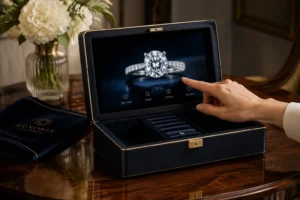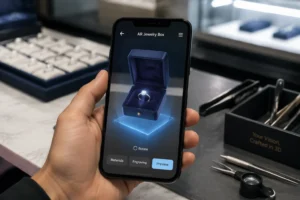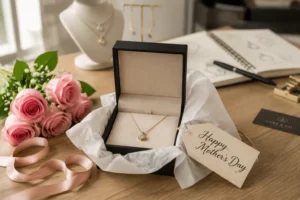
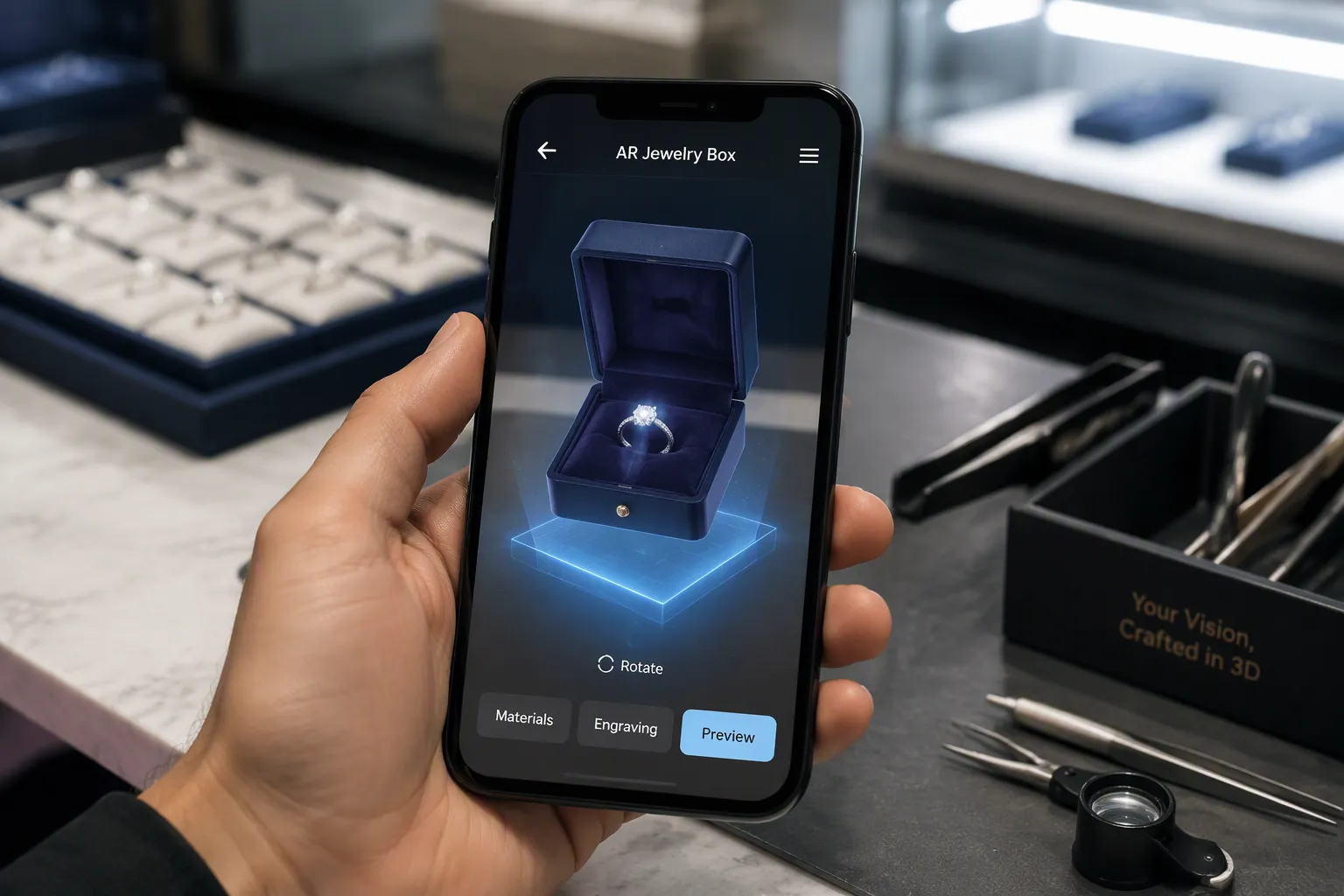
A customer lifts the lid of a custom jewelry box, and instead of a static reveal, Augmented Reality (AR) transforms the moment into an active digital experience. This interactive packaging connects the physical product to a universe of story and specification, elevating the role of 주얼리 포장 from mere protection to a powerful brand engagement tool. For brands, the question is not whether to adopt this technology, but how to deploy it strategically. Interactive packaging creates memorable ‘wow’ moments, drives unboxing shares, and builds customer engagement, making it a must-have for modern jewelry packaging design. Every 보석 포장 제조업체 must now consider AR solutions to stay competitive, and even 주얼리 디스플레이 그리고 보석 파우치 options benefit from these immersive experiences. As the first tangible brand touchpoint, packaging solves engagement and conversion challenges, and with AR, 맞춤 보석함 become the ultimate gateway to a richer, more connected customer journey.
From Static Box to Interactive Portal
The Shift in Customer Expectations
The Rise of the ‘Unboxing’ Experience
Modern consumers treat the unboxing experience as an integral part of the purchase journey. Social media platforms overflow with videos of customers revealing their latest acquisitions, and jewelry ranks among the most shared product categories. A plain box with tissue paper no longer satisfies this audience. They expect a moment worth recording, a spectacle that extends beyond the physical container. This behavioral shift forces brands to reconsider every element of their packaging strategy.
Demanding More Than a Pretty Box
Aesthetic appeal alone cannot sustain customer interest. Today’s buyers seek meaning, story, and connection from every brand interaction. They want to understand the craftsmanship behind each piece, the origin of materials, and the values a company represents. Static packaging delivers none of this information. It remains silent, passive, and forgettable. Consequently, jewelry packaging design must evolve into a medium that communicates, engages, and delights.
The Core Value Proposition of AR
Bridging Physical and Digital Worlds
Augmented reality (ar) transforms a physical package into a gateway for digital-physical customer experiences. When a customer scans a custom jewelry box with a smartphone, the packaging springs to life with video content, product details, and brand narratives. This seamless connection between tangible objects and virtual information creates a unified brand encounter. Web ar technology eliminates the need for dedicated apps, making the experience accessible to anyone with a camera-equipped device.
The immersive AR application elicited a greater emotional and partially cognitive engagement, as well as a higher perceived immersion, according to self-reports. Although exploratory and based on a small sample, the results suggest that immersive AR may foster stronger emotional engagement than static AR.
This research confirms that interactive packaging solutions generate measurably stronger emotional responses than traditional alternatives. For jewelry brands, emotional resonance translates directly into purchase intent and long-term loyalty.
Creating Instant ‘Wow’ and Shareable Moments
The wow factor represents the immediate emotional payoff of AR-enabled packaging. A diamond ring that appears to float above the box or a necklace that renders in three dimensions on the customer’s wrist creates genuine astonishment. These moments compel customers to share their experience with their social networks. One cold brew beverage campaign using AR-enabled cans across 23,000 distributed units recorded 17,400 unique scans and an average of 4.2 repeat visits per user, alongside a 19% increase in social shares tied to the campaign. AR packaging experiences also generate 375% more social media mentions than traditional packaging, producing organic marketing reach valued at roughly USD 2.30 per mention based on equivalent advertising costs.
This data demonstrates that interactive design drives measurable business outcomes. The technology behind these experiences continues to improve, and packaging technology now offers affordable entry points for brands of all sizes. Digital packaging represents the new standard for customer engagement. Interactive packaging turns a one-time purchase into an ongoing relationship, and interactive experiences create memories that customers cherish and share. For jewelry packaging manufacturers, embracing ar technology means embracing the future of brand communication. The design of every box, pouch, and display must now account for this digital dimension, ensuring that physical and digital experiences work in harmony.
Turning Packaging into Interactive Storytelling
Weaving Brand Narratives Directly on the Box
Showcasing Craftsmanship and Heritage
A jewelry brand’s history often spans generations. Interactive packaging brings that heritage to life through augmented reality (ar). A customer points a smartphone at the box, and a short film plays. The film shows artisans shaping gold or setting diamonds. This approach transforms packaging into a storytelling medium. The customer sees the skill behind each jewelry piece. They understand the hours of work involved. This knowledge builds appreciation and trust.
Introducing the Designer or Artisan
People connect with people. Interactive packaging introduces the designer behind a collection. A video message from the artisan creates a personal bond. The customer feels a direct connection to the creator. This connection elevates the jewelry from a product to a personal treasure. The packaging becomes a bridge between maker and buyer.
Visualizing the ‘Behind the Scenes’ Process
From Raw Material to Finished Piece
Transparency matters to modern buyers. Interactive packaging shows the journey of a jewelry piece. The customer watches raw gems transform into polished stones. They see metal shaped into delicate settings. This visual narrative uses 3d product modeling services to render each stage. The process builds confidence in the brand’s quality standards.
Highlighting Ethical Sourcing and Sustainability
Ethical sourcing is a key concern for today’s consumers. Interactive packaging addresses this directly. A scan reveals the origin of each gemstone. The customer learns about fair labor practices and environmental commitments. This transparency differentiates the brand in a crowded market. It also aligns the jewelry with the customer’s personal values.
Actionable Tips for Storytelling AR
Keep the Narrative Short and Emotional
A compelling story fits within 60 to 90 seconds. The narrative should focus on one emotional theme. Craftsmanship, love, or sustainability all work well. The goal is to create a feeling, not deliver a lecture. A concise story holds attention and encourages sharing.
Use High-Quality Video and 3D Models
Poor visual quality undermines the experience. Brands must invest in professional video production. High-resolution 3D models let customers rotate and inspect jewelry pieces. This technology creates realistic and engaging physical and digital experiences. The interactive elements must load quickly and run smoothly. A seamless experience reflects positively on the brand.
Gamification: Driving Engagement and Loyalty
The Psychology of Play in Luxury Retail
Creating a Sense of Discovery and Reward
Luxury consumers respond powerfully to play. Gamification taps into the brain’s reward system, releasing dopamine when users uncover something unexpected. Interactive packaging that hides a digital treasure or unlocks a personalized message creates this neurological payoff. The customer feels like an explorer who has found something exclusive. This sense of discovery transforms a routine unboxing into a memorable event. Jewelry brands that incorporate play into their 패키지 디자인 build stronger emotional connections with their audience.
Encouraging Social Sharing and Virality
Playful experiences compel people to share. A customer who wins a virtual prize or unlocks a hidden animation wants to show others. This organic sharing amplifies brand reach without additional advertising spend. Social media platforms reward engaging content, and interactive packaging delivers exactly that. When a jewelry piece arrives with a game inside, the recipient becomes a brand ambassador. The virality of these moments extends the life of the packaging far beyond the initial unboxing.
AR Games and Interactive Challenges
‘Try-On’ Virtual Jewelry Games
The virtual try-on function represents one of the most effective gamified features in modern packaging. Customers scan their jewelry box and see themselves wearing the piece in real time. This interactive experience lets them experiment with different angles, lighting conditions, and styling options. The game element emerges when users attempt to match the jewelry with virtual outfits or compete for the best presentation. This technology transforms passive viewing into active participation, increasing the time customers spend with the brand.
Hidden Content and Scavenger Hunts
Scavenger hunts add an element of mystery to jewelry packaging. Brands hide virtual clues within the box, on the pouch, or in the display insert. Each scan reveals a piece of a larger narrative or unlocks a discount code. This approach encourages customers to explore every element of the packaging thoroughly. The hunt creates anticipation and prolongs engagement. Customers who complete the challenge feel a sense of accomplishment that they associate with the brand itself.
Actionable Tips for Gamified Packaging
Offer Exclusive Rewards for Participation
Participation requires motivation. Brands should offer tangible rewards for engaging with gamified packaging. Early access to new collections, limited-edition content, or loyalty points all work effectively. The reward should feel proportional to the effort invested. A simple scan might yield a styling guide, while completing a full scavenger hunt could unlock a private sale invitation. This tiered approach respects the customer’s time while encouraging deeper engagement.
Design for Repeat Engagement
A single interaction does not build loyalty. Interactive packaging should invite customers to return. Brands can achieve this by updating digital content regularly or creating seasonal challenges. A jewelry box that offers new experiences each month keeps the brand present in the customer’s mind. This strategy transforms packaging from a one-time touchpoint into an ongoing relationship channel. The technology supports this approach through cloud-based content management, allowing brands to refresh experiences without redesigning physical packaging.
Gamification succeeds when it feels voluntary and rewarding. Forced participation creates friction; genuine play creates loyalty.
Providing Rich Product Information and Transparency
Solving the ‘Certificate of Authenticity’ Problem
Digital Certificates and Provenance Tracking
The traditional paper certificate often disappears within weeks of a jewelry purchase. Digital certificates solve this problem by embedding authentication directly into the packaging. When a customer scans their jewelry box, they access a secure digital record that tracks the piece from mine to market. Blockchain-based authenticity tracking creates an immutable chain of custody, timestamping each certification upload. This interactive packaging approach ensures the certificate remains accessible forever, eliminating the risk of loss or forgery.
Verifying Materials and Gemstone Quality
Reputable gemological laboratories such as GIA and IGI provide standardized evaluations of cut, color, clarity, and carat weight. These certifications build consumer trust, especially for online purchases where buyers cannot physically examine the piece. Advanced testing techniques, including spectral analysis and Raman spectroscopy, further verify authenticity. Certification integration systems now link product pages directly to certification databases, supporting verifiability and transparency. The gemstone market continues its digital transformation, with online platforms offering certified stones, transparent pricing, and virtual try-on features.
Detailed Product Specifications at a Glance
360-Degree Product Views and Zoom Features
Interactive packaging delivers product details that static boxes cannot convey. Advanced zoom systems replicate physical showroom inspection through multiple features:
- Hover-based zoom and pinch-to-zoom for close examination
- Deep zoom capabilities for gemstone inspection
- Multi-angle synchronized views of the jewelry piece
- Light reflection simulation layers that mimic real-world lighting
These closer digital experiences correlate with higher consumer trust levels. Customers examine every facet of a diamond or the intricate details of a setting before committing to a purchase.
Care Instructions and Styling Guides
AR technology extends beyond authentication into practical guidance. Customers access care instructions directly through the packaging, learning how to clean and store their jewelry properly. Styling guides show the piece paired with different outfits, helping customers visualize versatility. This information remains available on demand, transforming the packaging into a lasting reference tool rather than disposable wrapping.
Actionable Tips for Information-Rich AR
Layer Information for Different Audiences
Not every customer wants the same depth of information. Design the interactive experience with layered content. A quick scan reveals basic specifications and care instructions. A deeper interaction unlocks certification documents, provenance details, and gemological reports. This tiered approach respects casual browsers while satisfying serious collectors who demand comprehensive data.
Ensure Data is Accurate and Up-to-Date
Inaccurate information destroys credibility. Brands must verify every detail before publishing it to their interactive packaging platform. Regular audits of digital content ensure that product specifications, pricing, and certification records remain current. Outdated information creates customer frustration and damages brand reputation. The technology behind these systems allows remote updates, so brands can correct errors or refresh content without redesigning physical packaging.
Boosting Sales Through Immersive Demonstrations

The ‘Virtual Try-On’ as a Sales Tool
Seeing the Jewelry on a Wrist or Neck
The virtual try-on function represents a powerful sales tool for jewelry brands. A customer scans the packaging with a smartphone and sees a necklace draped around their own neck. They watch a bracelet wrap around their wrist in real time. This augmented reality (ar) feature eliminates the guesswork from online and in-store purchases. The customer gains confidence before committing to a purchase. Jewelry brands that offer this capability report higher conversion rates and fewer returns. The technology creates a direct visual link between the product and the buyer’s own body.
Overcoming the ‘Will It Look Good?’ Hesitation
Hesitation kills sales. A customer who wonders whether a ring will suit their hand often walks away. The virtual try-on function solves this problem by providing immediate visual proof. The buyer sees the jewelry on their own skin tone and body shape. They adjust angles and lighting conditions to match their preferences. This interactive demonstration removes doubt and replaces it with certainty. The customer no longer imagines the result. They see it clearly. This clarity accelerates the purchase decision and reduces the need for extensive return policies.
Contextualizing the Product in Real Life
Visualizing the Jewelry with Different Outfits
A jewelry piece must fit the customer’s lifestyle. Interactive packaging lets buyers visualize how a necklace complements a business suit or a casual dress. The customer scans the box and selects from a gallery of outfit options. The augmented display layers the jewelry onto each look. This feature transforms a single product into a versatile accessory. The customer sees multiple uses for one purchase. This contextual demonstration increases perceived value and justifies the investment. Jewelry packaging that offers this capability becomes a styling consultant rather than a simple container.
Showcasing the Piece in a Gift-Giving Scenario
Gift buyers face unique challenges. They must choose a piece for someone else without knowing exact preferences. Interactive packaging solves this problem through scenario-based demonstrations. The buyer scans the box and watches a virtual scene unfold. A partner opens the gift and reacts with joy. The jewelry appears on the recipient’s wrist or neck in the simulation. This immersive experience helps the gift buyer imagine the moment of giving. The emotional preview builds confidence in the choice. The packaging becomes a tool for visualizing the recipient’s happiness.
Actionable Tips for Sales-Driven AR
Integrate a Direct ‘Shop Now’ Link
A demonstration without a purchase path wastes opportunity. Brands must embed a direct link within the augmented experience. After the customer tries on the jewelry, a button appears. One tap leads to the product page or checkout screen. This seamless transition from demonstration to transaction captures impulse purchases. The link should appear at the peak of the customer’s excitement. Timing matters. A well-placed call to action converts interest into revenue. The technology supports this integration through simple application programming interfaces.
Use AR to Showcase Product Variations
Customers often hesitate between two options. A gold band or a platinum one? A diamond solitaire or a halo setting? Augmented reality (ar) technology resolves this dilemma. The customer scans the packaging and views each variation on their own hand. They compare side by side in real time. This interactive comparison eliminates the need for multiple store visits. The customer makes an informed choice without pressure. Brands that showcase variations through interactive packaging report higher satisfaction rates. The buyer feels confident in their final selection.
The integration of augmented reality into jewelry packaging creates seamless, personalized, and immersive jewelry shopping experiences. Customers move from passive observers to active participants in the purchase journey. The packaging transforms into a sales tool that informs, persuades, and converts. Brands that embrace this technology gain a competitive advantage in a crowded marketplace. The physical and digital experiences merge into one unified brand encounter. Every scan becomes an opportunity to close a sale and build lasting loyalty.
Collecting First-Party Data and Building Relationships
The Shift from Third-Party Cookies to Direct Connections
The Value of Owned Customer Data
Privacy regulations now restrict third-party tracking across the web. Brands can no longer rely on external data brokers to understand their audience. First-party data offers a direct solution. This information comes straight from the customer through voluntary interactions. Jewelry brands that collect their own data gain a significant competitive advantage. They learn exactly who buys their products and why. This knowledge drives smarter business decisions.
Moving Beyond the Point of Sale
A transaction marks the beginning of a relationship, not the end. Traditional retail models treat the sale as the final step. Modern brands recognize that post-purchase engagement determines long-term loyalty. Interactive packaging extends the customer journey far beyond the checkout counter. Each scan creates a new touchpoint for connection. The packaging becomes a communication channel that operates long after the initial purchase.
How AR Packaging Facilitates Data Capture
Gated Content and User Logins
AR technology enables brands to request information in exchange for value. A customer scans the packaging and encounters a prompt. They enter their email address to unlock exclusive content. This exchange feels fair and transparent. The customer receives something valuable, and the brand gains contact information. Jewelry packaging that offers gated experiences builds a permission-based marketing list. This approach respects privacy while generating actionable data.
Tracking Engagement and User Behavior
Every interaction within an AR experience generates useful data. Brands learn which features customers explore most. They see how long users spend viewing specific jewelry pieces. They track which content prompts shares or repeat visits. This behavioral data reveals preferences and patterns. The technology captures these insights automatically. Brands can then use this information to refine their marketing strategies and product offerings.
Actionable Tips for Data Collection
Offer Value in Exchange for Information
Customers guard their personal data carefully. Brands must provide clear incentives for sharing. Exclusive styling guides, early access to sales, or personalized recommendations all work well. The value proposition must feel genuine. A simple request for an email address without offering anything in return creates friction. Interactive packaging that delivers immediate benefits builds trust and encourages participation.
Use Data to Personalize Future Marketing
Collected data loses value without application. Brands must use customer information to tailor future communications. A customer who viewed diamond necklaces should receive relevant product recommendations. Someone who engaged with sustainability content should learn about ethical sourcing initiatives. This personalization strengthens customer engagement and drives repeat purchases. The data collected through interactive packaging creates a feedback loop. Each interaction informs the next, building a richer understanding of the customer over time.
The shift toward first-party data collection represents a fundamental change in retail strategy. Jewelry brands that embrace this approach through interactive packaging gain deeper customer relationships and stronger market positioning. The technology exists today. The opportunity awaits those who act.
The Tech Stack: QR Codes, NFC, and Digital ID Platforms
The success of any augmented reality experience depends on the technology that triggers it. A customer cannot access digital content without a reliable entry point. Jewelry brands must choose between QR codes, NFC tags, and digital ID platforms. Each option offers distinct advantages and limitations. The right choice depends on the brand’s budget, target audience, and desired customer experience. Understanding these technologies helps brands make informed decisions about their packaging interactive technology strategy.
Choosing the Right Trigger: QR vs. NFC
QR Codes: Simple, Universal, and Cost-Effective
QR codes represent the most accessible entry point for interactive packaging. A customer points a smartphone camera at the code and immediately accesses digital content. No special app is required. Modern smartphones recognize QR codes natively through their camera applications. This universal compatibility eliminates barriers to entry. Jewelry brands that print QR codes on their packaging reach the widest possible audience.
The cost structure of QR codes favors widespread adoption. Printing a QR code adds minimal expense to the packaging production process. Brands can integrate codes into existing design templates without significant modification. This affordability makes QR codes ideal for testing AR experiences before committing to more expensive technologies. Small jewelry businesses can compete with larger competitors by leveraging this accessible technology.
QR codes do present certain limitations. The customer must open a camera app and position the phone correctly. Lighting conditions affect scan reliability. A poorly printed code or a curved surface can prevent successful scanning. Despite these challenges, QR codes remain the most practical choice for most jewelry packaging applications. The technology works across iOS and Android devices without compatibility issues.
NFC Tags: Proximity-Based and Seamless
NFC tags offer a more elegant solution for triggering AR experiences. A customer simply taps their phone against the packaging. The digital content appears instantly. No camera alignment is necessary. No scanning app is required. This proximity-based interaction feels magical and premium. Luxury jewelry brands appreciate the seamless nature of NFC technology.
The tap-to-access model creates a superior user experience. Customers hold their phone near the packaging, and the experience begins. This immediacy generates stronger emotional responses. The frictionless interaction encourages repeat engagement. A customer who can access content with a simple tap will return more often than one who must scan a code.
NFC tags cost more than QR codes. Each tag contains a small microchip that adds to the packaging expense. This cost may deter budget-conscious brands. However, the premium experience justifies the investment for high-value jewelry items. A diamond necklace deserves a packaging experience that matches its luxury positioning. NFC technology delivers that experience.
Compatibility remains a consideration. Most modern smartphones support NFC reading. Older devices may lack this capability. Brands must weigh the trade-off between seamless interaction and universal accessibility. A hybrid approach using both QR codes and NFC tags addresses this challenge. The packaging can offer multiple entry points for different customer preferences.
The Role of Digital ID Platforms
Centralizing Content and Data Management
Digital ID platforms serve as the backbone of connected packaging technology. These systems assign a unique digital identifier to each physical item. The identifier links to a secure cloud environment where brands store product information, authentication records, and interactive content. This centralized approach simplifies content management across entire product lines.
The capabilities of digital ID platforms extend far beyond simple content storage. The following table summarizes how these systems support jewelry packaging traceability and authentication:
| Capability | How It Works | Relevance to Jewelry Packaging Traceability & Authentication |
|---|---|---|
| Unique Digital Product ID | Each physical item is assigned a unique digital identifier (digital twin) stored in a secure cloud environment, accessible only via authorized channels. | Enables per-item identity for jewelry packaging, a prerequisite for tracking and verifying authenticity at the unit level. |
| Traceability & Transparency | Products can be tracked from origin to consumer, with real-time data access across production, compliance, and logistics stages. | Supports end-to-end supply chain visibility for jewelry packaging, from sourcing to retail. |
| Anti-Counterfeiting & Authentication | Uses secure unclonable NFC tags and tamper-resistant digital links so only genuine products carry the assigned digital ID. | Directly addresses authentication rates by making counterfeits detectable via scan verification. |
| Multiple Data Carriers | Supports NFC, RFID, QR codes, DataMatrix, and digital watermarks, each linking back to the product’s digital identity. | Allows jewelry packaging to adopt the most suitable carrier (e.g., NFC for high-value items, QR for consumer-facing). |
| Digital Product Passports | Provides detailed product history, materials, sustainability data, and certifications for regulatory compliance. | Enhances traceability documentation and consumer trust for jewelry packaging. |
This comprehensive approach to data management transforms packaging into a powerful business tool. Brands gain visibility into customer behavior, supply chain movements, and authentication verification. The technology supports regulatory compliance and builds consumer confidence.
Ensuring Security and Authenticity
Counterfeit jewelry costs the industry billions of dollars annually. Digital ID platforms combat this problem through secure authentication protocols. Each product receives a unique digital identifier that counterfeiters cannot replicate. Customers verify authenticity by scanning the packaging and confirming the digital record matches the physical item.
The security architecture behind these platforms employs multiple layers of protection. Encrypted communication channels prevent data interception. Tamper-resistant tags detect physical interference. Cloud-based verification systems cross-reference each scan against authorized databases. These measures create a robust defense against fraudulent products.
Jewelry brands that implement digital ID platforms protect their reputation and their customers. A verified authentic product builds trust. That trust translates into repeat purchases and positive word-of-mouth referrals. The investment in security technology pays dividends through enhanced brand equity.
Actionable Tips for Implementation
Design for Aesthetics and Functionality
The trigger technology must integrate seamlessly with the overall packaging design. A QR code that disrupts the visual harmony of a luxury box undermines the brand experience. Designers should incorporate codes and tags as intentional design elements. A QR code can become part of a pattern. An NFC tag can hide beneath a logo or decorative element.
Placement matters for functionality. QR codes require a flat surface and adequate lighting for reliable scanning. NFC tags need proximity to the phone’s antenna location. Designers must consider these technical requirements during the packaging development process. Testing prototypes ensures that aesthetic choices do not compromise functionality.
The best interactive packaging solutions balance beauty and utility. A customer should feel delighted by the packaging appearance before discovering the digital experience. The physical design creates the first impression. The interactive design extends that impression into the digital realm. Both elements must work together to create a cohesive brand encounter.
Test Across Devices and Lighting Conditions
A flawless experience on one smartphone may fail on another. Brands must test their AR triggers across multiple device models and operating system versions. Android and iOS devices handle NFC and camera functions differently. What works on the latest iPhone may not work on an older Samsung model. Comprehensive testing identifies these compatibility issues before customers encounter them.
Lighting conditions present another variable. QR codes that scan perfectly in a showroom may fail in dim restaurant lighting. NFC tags that work through thin packaging may struggle with thicker materials. Brands should test their packaging in realistic environments. A customer unboxing a gift at a candlelit dinner deserves the same seamless experience as one in a brightly lit office.
The testing process should include real users whenever possible. Friends, family members, and focus groups can provide valuable feedback. They will encounter problems that internal teams overlook. Their experiences reveal opportunities for improvement. Iterative testing and refinement produce packaging technology that works reliably for everyone.
The technology stack behind interactive jewelry packaging continues to evolve. New trigger mechanisms emerge regularly. Digital ID platforms add capabilities with each update. Brands that stay informed about these developments maintain their competitive advantage. The foundation remains constant: choose reliable triggers, centralize data management, and test thoroughly. These principles guide successful implementation regardless of how the technology advances.
The future of jewelry packaging is undeniably connected. Augmented reality (AR) is not a fleeting trend. It is a fundamental shift in how jewelry brands communicate value and build relationships. By transforming packaging into a dynamic, interactive medium, brands elevate the customer experience, drive tangible sales results, and gain a competitive edge in a crowded jewelry market. The technology is accessible and scalable. The key is to start with a clear strategy focused on storytelling, transparency, and customer value. The call to action is clear: jewelry brands must embrace connected experience platforms to turn every unboxing into a lasting brand encounter. Interactive packaging design powered by augmented technology turns every jewelry purchase into an interactive journey. This approach redefines jewelry packaging for the modern era.
자주 묻는 질문
What is augmented reality in jewelry packaging?
Augmented reality overlays digital content onto the physical world. In jewelry packaging, a customer scans the box with a smartphone. The device then displays videos, 3D models, or product details on the screen. This technology transforms a simple box into an engaging brand experience.
How does interactive packaging benefit jewelry brands?
Interactive packaging creates memorable unboxing moments. Customers share these experiences on social media, which extends brand reach. The packaging also delivers product information, builds trust, and drives sales. Brands gain first-party data through these interactions. The result is stronger customer loyalty and measurable business growth.
What is the difference between QR codes and NFC tags?
QR codes require a smartphone camera scan. NFC tags work through proximity. A customer taps a phone near the tag, and content appears instantly. QR codes cost less and work universally. NFC tags offer a seamless, premium experience. Brands often combine both for flexibility.
How does AR support jewelry storytelling?
AR brings brand narratives to life. A customer scans the packaging and watches a short film about craftsmanship. They see artisans at work or learn about ethical sourcing. This interactive approach builds emotional connections. The jewelry becomes more than a product. It carries meaning and history.
Can AR packaging help increase sales?
Yes. Virtual try-on features let customers see jewelry on their own body. This removes hesitation about fit and appearance. A direct shop now link captures impulse purchases. Brands that showcase product variations through AR report higher conversion rates and fewer returns.
What data can brands collect through AR packaging?
Brands track which features customers explore and how long they engage. They capture email addresses through gated content. This first-party data reveals customer preferences and behaviors. Brands then use this information to personalize future marketing and improve product offerings.
How much does AR packaging implementation cost?
Costs vary by technology and scope. QR codes add minimal expense to packaging production. NFC tags cost more due to microchip integration. Digital ID platforms require cloud infrastructure. Brands can start small with QR codes and scale up as they see results.
관련 항목
Top Ten Luxury Jewelry Box Design Trends Coming In 2026
How Color Psychology Influences Choices In Jewelry Packaging Design
Custom Jewelry Packaging: The Future Belongs To Personalization And Uniqueness
Designing Jewelry Packaging For Monthly Subscription Boxes Online Successfully
Using QR Codes On Jewelry Packaging To Boost Online Customer Reviews Effectively