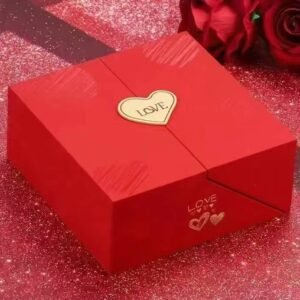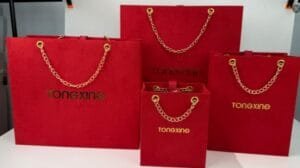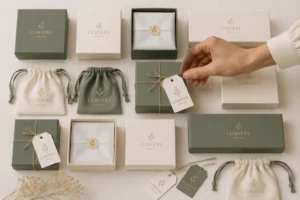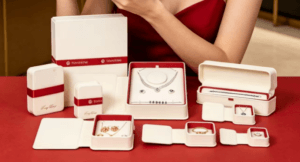
In 2026, luxury jewelry clothing packaging mixes sustainability with luxury, smart design, and brand storytelling. This change redefines how high-end brands show their products. A main challenge appears: how can brands balance eco-friendliness with the rich feel and look that luxury requires? The answer is in materials, unboxing rituals, smart technology, branding consistency, and practical logistics. Partners like Tongxing Packaging offer solutions that respect both elegance and environmental responsibility. This article explores these areas, guiding brands toward sustainability-forward luxury without losing the sensory richness that defines true luxury.
Punti chiave
Pick earth-friendly materials like bioplastics and recycled metals to combine luxury with being sustainable.
Plan a special unboxing experience that uses different textures and layers to leave a strong impression of the brand.
Use smart packaging, like NFC chips, to prove items are real and connect with customers online.
Keep your branding the same for jewelry and clothing. Use the same logos, colors, and finishes.
Plan your shipping by picking strong materials and following the 2026 EU packaging rules to avoid waste.
Sustainable Materials for Luxury Jewelry Clothing Packaging
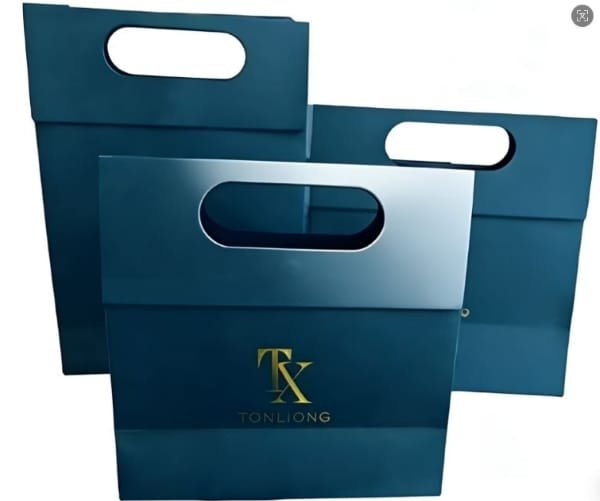
Corrugated Cardboard, Kraft, and Rigid Board
The materials you pick shape the future of luxury packaging. Corrugated cardboard is strong, durable, lightweight, and recyclable. Double-wall corrugated cardboard is twice as strong as single-wall, making it ideal for heavy items like luxury shoe boxes and coat boxes. Kraft paper is sturdy for its weight and offers a rustic brand presentation. Rigid board is the thickest and strongest, holding its shape without product support, and is the premium option for shoe boxes and luxury apparel presentation boxes. These materials can be enhanced with haptic finishes such as matte, gloss, or soft-touch lamination, and with embossing, debossing, or hot stamping to add tactile luxury.
Zero-Waste Luxury and the End of Plastic Inserts
Il zero-waste luxury trend removes plastic inserts from jewelry packaging. Traditional foam and plastic trays now give way to recyclable materials such as corrugated board and kraft paper. These choices cut waste without cutting elegance. Brands ship online orders in packaging that is strong and recyclable.
The Unboxing Experience as a Sensory Ritual
Texture, Layering, and Haptic Design
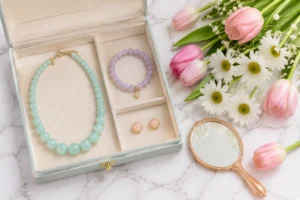
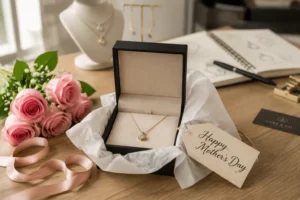
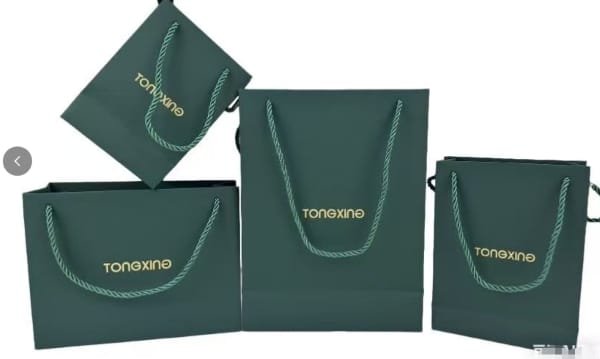
Luxury packaging turns the simple act of opening a box into a sensory ritual. Designers build up layers: a strong outer bag, a sheet of tissue, a rigid box with a debossed logo, and a velvet insert for the jewelry. Each layer builds excitement and engages sight, touch, and even sound.
Texture drives this experience. Three common lamination finishes create distinct perceptions:
Finitura | Perceived Luxury Signal |
|---|---|
Gloss | Energy, vibrancy, affordability |
Matte | Class, subtlety, confidence |
Soft-touch | Exclusivity, care, luxury |
A study by MeadWestvaco found that 72% of consumers say product packaging affects their buying decision, especially when texture is involved. The feel of a box can change how trustworthy or valuable a brand seems.
Haptic design techniques add more depth. Embossing raises a design element for a tactile 3D effect. Debossing presses the surface down for a smooth, refined feel. Blind embossing uses no ink or foil, offering subtle polish. Combination embossing blends foil stamping with raised texture for striking detail. Flocking applies tiny fibers to the surface, creating a soft, rich feel. These finishes turn packaging into a physical display of brand quality.
Such techniques suit different settings. Offline boutique displays benefit from rich layering and strong textures that invite touch. Online unboxing depends on surprising interior details—like inside printing or unexpected textures—to recreate the in-store experience.
Tactile Minimalism
Tactile minimalism pairs simple design with strong sensory quality. The packaging uses only one or two colors, letting texture, foil, and coating carry the visual weight. This approach signals confidence and exclusivity. Embossing, debossing, and matte finishes show careful craftsmanship, raising perceived value without clutter. Industry trends show that minimalist designs communicating elegance shape consumer perception of luxury and brand quality.
Tongxing’s Luxury Jewelry Clothing Packaging uses these strategies. The company offers matte, gloss, and soft-touch lamination; hot stamping in gold, silver, or rose gold; UV spot coating; and embossing and debossing for tactile 3D effect. These options let brands craft sensory rituals that work both in-store and online.
Smart Packaging Bridges Physical and Digital
QR Codes and NFC for Authentication
Smart packaging links a real bag or box to a safe digital record. Near-field communication (NFC) chips are leading this change. Secure NFC uses cryptographic authentication, so the system proves a physical certificate is real instead of trusting how it looks. Dynamic authentication changes the verification data every time you tap, which makes the tag hard to copy or replay. Tamper-detection can also be built into packaging seals, warning users if the seal has been broken. The NFC part connects the physical certificate to a safe digital record, giving the jewelry item a lasting identity.
QR codes do a different job. They are static and easy to copy, so they give much weaker security for anti-counterfeiting.
A luxury jewelry clothing packaging strategy often uses both tools: NFC for proof of authenticity, QR for convenience.
Digital Engagement and Post-Purchase Storytelling
Packaging with a special, share-worthy design makes buyers post on social media, turning each delivery into a promotional billboard. Post-purchase messages like reviews, referral rewards, and usage tips help turn one-time buyers into loyal repeat customers. Brand storytelling that highlights heritage, craftsmanship, and ethical sourcing builds a stronger emotional bond with customers. Customer experience should be outstanding before, during, and after purchase, reinforcing premium positioning.
Branding Consistency Across Jewelry and Apparel
Minimalist vs. Ornate Aesthetics
A brand that sells both fine jewelry and boutique clothing has a design choice to make. Should its packaging be minimalist or ornate? Minimalist packaging uses clean lines, lots of white space, and one or two colors. It lets texture and finish send the message. Ornate packaging uses layered patterns, metallic accents, and rich details. It creates a feeling of drama and heritage.
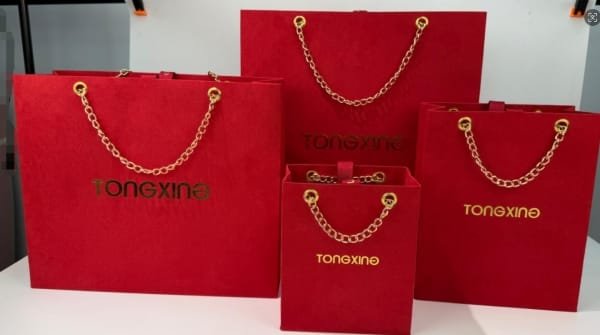
Neither style wins on its own. The right pick depends on the brand’s identity and its audience. A modern jewelry label often pairs a matte black bag with a single gold logo. A heritage apparel house may prefer embossed flourishes and satin ribbon handles. The goal stays the same: one visual language across every item. A customer who buys a necklace and a silk scarf should spot the same brand in both bags.
Logo Placement and Color Psychology
Logo placement shapes how customers read a brand. A centered logo signals confidence and formality. A corner logo feels understated and modern. Inside printing adds a quiet surprise that rewards the buyer at home. Color carries equal weight. Black suggests authority and timelessness. White projects purity and space. Gold and silver signal prestige. Custom brand colors build recognition across a full product line.
Brands use colors for boxes, bags, and tissue. Tongxing supports this work with hot stamping in gold, silver, or rose gold, UV spot for subtle sheen, and embossing and debossing for tactile depth.
Every bag that leaves a store carries the brand into the street. Luxury Jewelry Clothing Packaging therefore works as a walking advertisement. Consistent logos, colors, and finishes turn each carrier into a repeat impression that costs nothing extra to deliver.
Practical Considerations for 2026 Logistics
Cost, Durability, and Shipping Protection
Heavy items need packaging that keeps its shape. Clothing boxes, shoe boxes, and large jewelry sets can weigh a few pounds. Weak materials rip at the seams or fall apart when stacked. Brands then lose money on returns and replacements.
The material you choose affects both strength and cost. Corrugated cardboard is strong, light, and recyclable. Double-wall corrugated cardboard is twice as strong as single-wall. That makes it great for heavy or fragile items. The table below compares common options.
Materiale | Durata | Costo-efficacia | Caso d'uso ottimale |
|---|---|---|---|
Cardboard (Paperboard) | Lightweight, not for heavy stacking | Cost-efficient | Lighter apparel, retail-facing boxes |
Kraft | Sturdy for its weight | Moderato | Rustic brand presentation |
Corrugated | Stronger due to fluted inner layer | Cost-effective for heavier items | Heavier apparel, multi-item orders, shipping handling |
Rigid | Thickest and strongest; holds shape without product support | Higher cost, premium option | Shoe boxes, luxury apparel presentation boxes |
For shipping protection, brands should add at least 2 inches of padding on all sides. Fragile items need 3 inches. Heavy-duty tape and the H-tape method seal every seam. Buying in bulk saves money and keeps quality consistent.
Tongxing Packaging meets these demands with a supply capacity of 500,000 pieces per month. Sample turnaround takes 5 to 7 days. Mass production lead times run 15 to 25 days. These timelines help brands test new designs and scale production without delay.
Tongxing Packaging: Future-Ready Luxury Solutions
Shenzhen Tongxing Packing Co., Ltd. has a supply capacity of 500,000 pieces per month, with sample turnaround of 5 to 7 days and mass production lead times of 15 to 25 days. This capacity lets brands order large amounts without delays. Strict quality control checks every batch. Inspectors check material consistency, finish accuracy, and build strength. After-sales support helps with any issues after delivery. Brands get reliable quality from sample approval through mass production.
This mix of customization, sustainability, and scale makes Tongxing a trusted partner for premium packaging needs.
The luxury market now supports a kind of rich style that also cares for the planet. Eco-materials, sensory design, and smart technology come together to change what premium packaging means. Brands have to balance elegance with function, cost, and following the rules. Companies that plan ahead should team up with providers like Tongxing Packaging. Their Luxury Jewelry Clothing Packaging mixes sustainable materials, custom finishes, and production that can grow with you. This partnership helps brands get their packaging ready for the future and protect their brand image.
FAQ
Which materials work best for luxury jewelry and clothing packaging in 2026?
Corrugated cardboard, kraft, and rigid board are durable and recyclable options for luxury packaging. These heavy-duty materials keep their shape even when holding heavy items. Every option balances strength, elegance, and care for the environment.
How does smart packaging protect a luxury brand from counterfeits?
NFC chips use cryptographic authentication to keep products safe. The system checks a physical certificate against a secure digital record. Dynamic tags change their verification data every time you tap them. This makes them very hard to copy. QR codes are easier to copy, so they offer weak anti-counterfeiting security.
What finishes create a premium unboxing experience?
Matte lamination feels soft and confident. Gloss lamination adds shine and protects the surface. Soft-touch lamination gives a velvety texture. Hot stamping in gold, silver, or rose gold makes a strong visual impact. Embossing and debossing add a raised or pressed-in feel.
How do the 2026 EU packaging rules affect luxury gift boxes?
Il EU rules start on August 12, 2026. By 2030, packaging must meet a 50% empty-space limit. Brands can no longer ship small items in boxes that are too big. Adjustable inserts and flat-folding mailers fix this problem. Tongxing samples arrive in 5 to 7 days, and mass production takes 15 to 25 days.