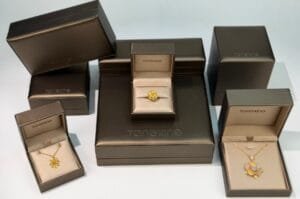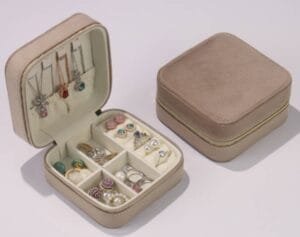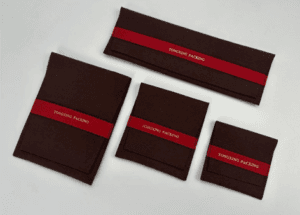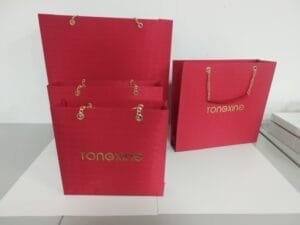
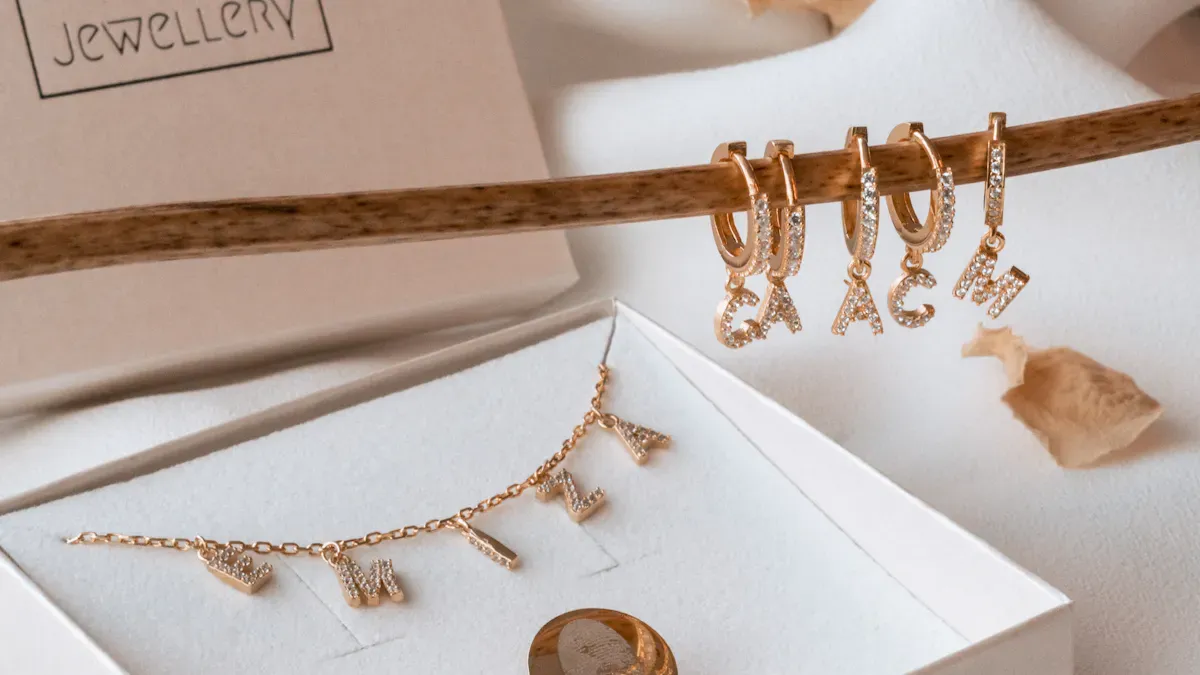
Effective inventory management ensures small jewelry businesses avoid overstocking and understocking. Organization of inventory brings direct benefits to both customer satisfaction and profitability. The right inventory management tips help staff locate scatole per gioielli personalizzate, Espositore per gioielli stands, or a Astuccio per gioielli quickly, which improves service speed. Proper management also prevents loss and supports better purchasing decisions. Jewelry packaging supplies from a reliable produttore di imballaggi per gioielli play a vital role in this process.
| Impact Area | Descrizione |
|---|---|
| Stock Availability | Prevents stockouts that disappoint customers and lead to lost sales. |
| Wider Selection | Allows offering a variety of jewelry pieces catering to diverse customer preferences. |
| Faster Service | Enables staff to locate and serve customers efficiently, enhancing the shopping experience. |
| Reduced Costs | Prevents overstocking, tying up capital in unsold stock, and avoids unnecessary markdowns. |
| Improved Cash Flow | Meeting customer demand consistently leads to better cash flow. |
| Theft Prevention | Accurate records help identify discrepancies and potential theft, protecting merchandise. |
| Informed Purchasing | Data-driven decisions about future purchases based on sales performance. |
| Profitability Analysis | Tracking sales data helps analyze which items have the highest profit margins. |
| Stronger Vendor Relationships | Accurate ordering based on actual sales helps maintain good relationships with vendors. |
Small business owners benefit from practical inventory management tips that support growth and sustainability.
Organizing Jewelry Inventory for Small Jewelry Business Success
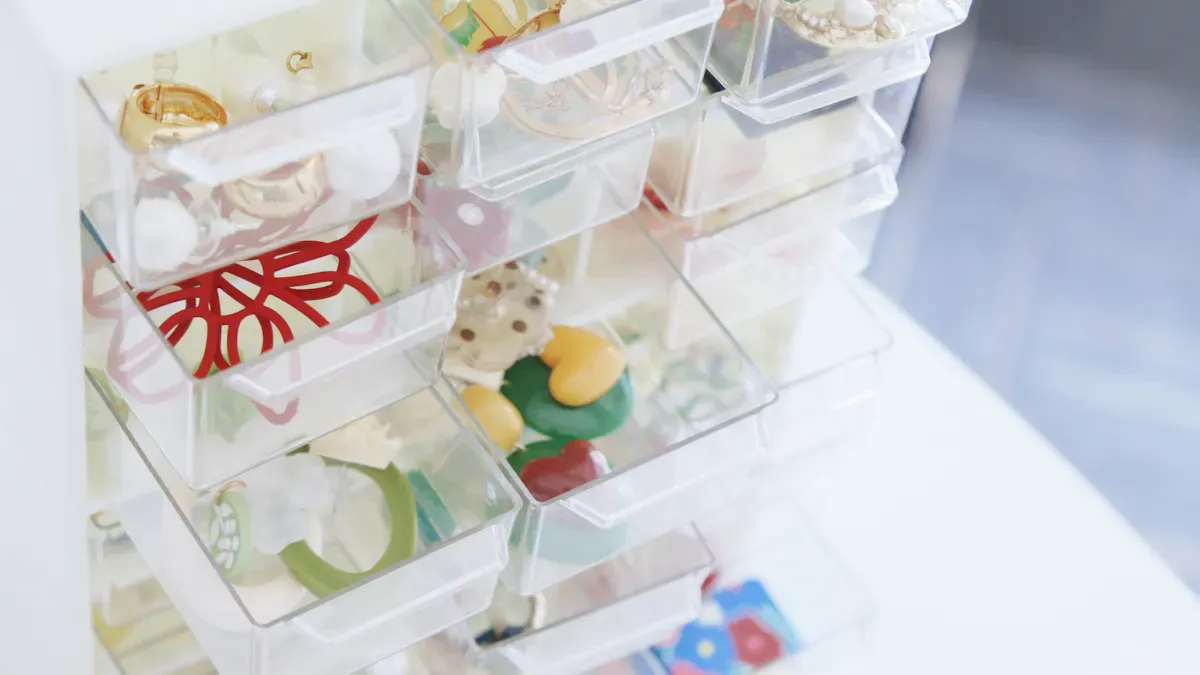
Categorization Strategies for Jewelry Inventory
Grouping Packaging by Product Type
Small jewelry business owners achieve greater efficiency by grouping packaging according to product type. This approach allows staff to locate jewelry packaging quickly, reducing retrieval time and minimizing errors. For example, placing ring boxes, necklace pouches, and bracelet display stands in separate sections streamlines the picking process. Staff members benefit from a systematic organization that supports rapid identification of supplies. This method also simplifies training for new employees, as they learn to recognize distinct packaging categories. Organized shelving ensures consistent storage and speeds up order fulfillment.
Tip: Grouping packaging by product type prevents confusion and supports accurate inventory counts, especially for small and visually similar jewelry items.
Sorting Packaging by Material and Size
Sorting packaging by material and size further refines stock organization strategies. Small jewelry business owners often create subcategories based on materials such as velvet, cardboard, or acrylic. They also sort packaging by size to accommodate different jewelry pieces. This practice minimizes picking errors and ensures that each jewelry item receives the appropriate packaging. Clearly marked bins and shelves for each material and size category facilitate tracking and retrieval. Stackable containers optimize storage space, allowing businesses to maximize their inventory capacity without sacrificing accessibility.
- Create subcategories for packaging based on material, price point, or target demographic.
- Sort jewelry packaging into categories such as material (gold, silver, platinum) and type (necklaces, rings, earrings).
- Use stackable containers to optimize storage space and maintain easy access.
Labeling and Storage Solutions for Jewelry Inventory Management
Using SKUs and Clear Labels
Successful small jewelry businesses rely on SKUs and clear labeling systems to reduce errors and improve efficiency. Each piece of confezioni di gioielli receives a unique SKU number, which enables precise tracking and reporting. Barcode systems track inventory movements digitally, eliminating manual data entry errors. Scanning barcodes prevents human transcription mistakes, ensuring accurate logging of items. High-quality adhesive labels enhance efficiency and minimize mistakes in inventory tracking. Durable labels remain intact, supporting long-term usability and reducing the likelihood of misplacement.
- Tag every item with a barcode or SKU to track inventory effectively.
- Utilize high-quality adhesive labels for jewelry packaging to ensure durability and minimize errors.
- Scanning barcodes eliminates transcription errors and supports accurate inventory management.
Designating Storage Spaces and Using Stackable Trays
Designated storage spaces play a crucial role in jewelry inventory management. Assigning specific places for each packaging item minimizes shrinkage and facilitates easy access during audits. Stackable trays provide an organized solution that prevents damage and loss while ensuring easy retrieval. Small jewelry business owners benefit from a structured shelving system that maintains consistent and accessible storage of inventory. This approach reduces errors and speeds up order fulfillment.
| Solution Type | Descrizione |
|---|---|
| Intelligent SKU System | Label every piece of jewelry packaging with a barcode or SKU for instant identification and reporting. |
| Designated Storage Spaces | Assign specific places for each item to minimize shrinkage and facilitate easy access during audits. |
| Stackable Trays | Use stackable trays to organize items, preventing damage and loss while ensuring easy retrieval. |
Inventory Mapping for Jewelry Packaging Supplies
Creating a Physical Layout Map
Inventory mapping provides small jewelry business owners with a clear overview of their packaging supplies. Creating a physical layout map helps staff visualize storage locations and navigate the inventory efficiently. This map identifies where each type of jewelry packaging resides, supporting quick retrieval and reducing confusion. Physical mapping also assists in planning storage expansions and reorganizations as the business grows.
Note: A physical layout map improves staff training and supports consistent inventory management practices.
Digital Mapping Tools for Small Jewelry Business
Digital mapping tools offer real-time visibility into jewelry inventory levels. Modern software solutions provide immediate access to stock information, reducing errors and improving decision-making. Accurate tracking of packaging materials helps manage costs effectively, ensuring profitability. Digital mapping also supports improved forecasting by analyzing past sales data, preventing overstocking and ensuring popular items remain available. Small jewelry business owners benefit from inventory software designed specifically for jewelry businesses, which integrates with sales channels and streamlines operations.
- Real-time visibility allows staff to monitor inventory levels and respond quickly to changes.
- Cost control becomes easier with accurate tracking of packaging materials.
- Improved forecasting ensures that high-quality packaging supplies remain available for popular jewelry items.
Conducting Regular Stock Audits for Jewelry Inventory Management
Audit Frequency and Methods for Jewelry Inventory
Daily, Weekly, and Monthly Audit Schedules
Small jewelry businesses maintain optimal inventory levels by establishing a consistent schedule for regular stock audits. Monthly or quarterly cycle counts help keep inventory accurate, while a full physical audit once a year ensures comprehensive verification. High-turnover businesses benefit from more frequent spot checks, especially for top-selling or high-value jewelry packaging supplies. High-value items require weekly or monthly checks to prevent losses and maintain precise tracking. Annual full counts provide a complete overview and support long-term planning.
- Monthly or quarterly cycle counts maintain accuracy.
- Annual full physical audits verify all inventory.
- Weekly or monthly spot checks focus on high-value or fast-moving jewelry items.
Manual vs. Automated Audit Approaches
Jewelry inventory management relies on both manual and automated audit methods. Manual audits involve physically counting every item, verifying condition, and confirming location. Automated systems use barcode scanners or inventory management software to streamline tracking and reduce errors. Many businesses combine both approaches for maximum accuracy and efficiency.
| Method | Descrizione |
|---|---|
| Physical Counts | Manually count every item in inventory, systematically verifying condition and location. |
| Cycle Counts | Count different sections of inventory on a rotating basis to quickly spot discrepancies. |
| Regular Audits | Conduct regular audits of stock levels to ensure inventory management is accurate. |
Reconciling Discrepancies in Jewelry Inventory
Identifying Common Inventory Errors
Discrepancies often arise during regular stock audits. Manual errors, such as miscounts or incorrect entries, can lead to financial losses. Time-consuming audits may disrupt daily business operations, causing delays and missed sales opportunities. Tracking jewelry inventory across multiple locations increases the risk of discrepancies and complicates management. Revenue loss from understocking or overstocking, increased labor costs, and supply chain disruptions are common consequences of inaccurate tracking.
- Manual errors cause miscounts and incorrect entries.
- Audits may disrupt business operations and delay sales.
- Tracking items across locations increases the risk of discrepancies.
- Understocking or overstocking leads to revenue loss and higher costs.
Steps to Resolve Inventory Issues
When discrepancies occur, businesses should follow a structured process to resolve them. First, review recent transactions and audit logs to identify the source of the error. Next, recount the affected items and update records to reflect accurate quantities. If discrepancies persist, investigate possible causes such as misplaced items, theft, or data entry mistakes. Implement corrective actions, such as staff retraining or improved tracking procedures, to prevent future issues.
Tip: Promptly addressing discrepancies helps maintain trust with customers and supports efficient jewelry inventory management.
Maintaining Accurate Records for Inventory Management
Best Practices for Record Keeping
Accurate record keeping forms the foundation of effective jewelry inventory management. Businesses should organize jewelry pieces and label them clearly. Assigning a barcode or SKU number to each item simplifies tracking and reduces errors. Real-time inventory updates prevent overselling and support timely reordering. Tracking raw materials with separate SKUs ensures precise management of packaging supplies.
- Organize and label all jewelry items.
- Assign barcodes or SKUs for easy tracking.
- Use real-time updates to maintain accurate inventory levels.
- Track raw materials separately for better management.
Using Checklists and Templates
Checklists and templates streamline tracking and support consistent record keeping. Businesses benefit from using a perpetual inventory system to track every item daily. Retaining purchase invoices and sales receipts provides a reliable audit trail. Conducting an annual detailed physical inventory ensures records remain accurate. Templates for inventory logs and audit checklists help standardize processes and reduce the risk of errors.
- Track every item using a perpetual inventory system.
- Retain purchase invoices and sales receipts.
- Conduct an annual detailed physical inventory.
- Use templates and checklists to standardize tracking.
Note: Consistent use of checklists and templates improves accuracy and simplifies jewelry inventory management for small businesses.
Leveraging Technology for Jewelry Inventory Management

Inventory Management Software for Small Jewelry Business
Essential Features for Jewelry Inventory
Inventory management software supports efficient inventory management for small jewelry businesses. Owners select systems that offer real-time inventory tracking, accurate inventory value reporting, and unlimited SKUs. These features help manage jewelry inventory and prevent overselling. Reorder points and low stock alerts ensure that packaging supplies remain available. Integration with eCommerce platforms streamlines operations and supports a robust inventory management strategy. Production run creation allows handmade jewelry businesses to prioritize orders and manage fulfillment efficiently.
| Caratteristica | Descrizione |
|---|---|
| Real-time inventory tracking | Essential for knowing current stock levels and preventing overselling. |
| Accurate inventory value reporting | Helps in understanding the financial status and managing costs effectively. |
| Reorder points and low stock alerts | Alerts when stock is low to prevent running out of essential supplies. |
| Unlimited SKUs | Allows for growth without limitations on the number of products managed. |
| Proper inventory reporting | Facilitates efficient management and organization of sales and materials. |
| eCommerce platform integration | Syncs with platforms like Shopify and Etsy for streamlined operations. |
| Ability to create production runs | Helps prioritize orders and manage fulfillment efficiently for handmade businesses. |
Top Software Options for Jewelry Packaging Supplies
Small jewelry businesses benefit from inventory management software tailored to their needs. Popular options include platforms that integrate with Shopify, Etsy, and WooCommerce. These inventory management systems offer real-time tracking, reorder alerts, and detailed reporting. Owners choose software that supports unlimited SKUs and provides accurate inventory value reporting. Selecting the right inventory management systems improves jewelry inventory control and supports business growth.
Manual Tracking Methods for Jewelry Inventory
Spreadsheet Templates for Inventory Management
Some businesses prefer manual inventory management techniques. Spreadsheet templates provide a simple solution for tracking jewelry inventory. Owners record stock levels, reorder points, and sales data in organized columns. This method supports efficient inventory management and helps maintain accurate records. Templates allow customization for different jewelry packaging supplies and business needs.
Mobile Apps for Small Jewelry Business Owners
Mobile apps offer flexibility for jewelry inventory management. Owners use apps to scan barcodes, update inventory, and receive reorder alerts. These tools support efficient management and reduce errors. Mobile apps integrate with inventory management software, providing real-time updates and supporting business operations.
Integrating Technology with Jewelry Inventory Operations
Syncing Inventory with Sales Platforms
Technology integration streamlines jewelry inventory management. Owners sync inventory with sales platforms to update stock levels automatically. This process reduces errors and saves time. Businesses benefit from better decision-making and scalability. Technology supports efficient management of diverse SKUs and raw materials.
| Vantaggi | Challenges |
|---|---|
| Time savings | Tracking small, high-value items |
| Fewer errors | Managing diverse SKUs |
| Better decision-making | Handling raw materials and finished products |
| Scalability | Ensuring accurate pricing |
Automating Reorder Alerts for Packaging Supplies
Automated reorder alerts ensure that jewelry packaging supplies remain available. Inventory management software sends notifications when stock reaches a preset level. Owners respond quickly to low stock and prevent shortages. Automated alerts support efficient inventory management and help maintain consistent business operations.
Tip: Automating reorder alerts reduces manual tracking and supports a proactive inventory management strategy.
Understanding and Managing Lead Times in Jewelry Inventory Management
Calculating Lead Times for Jewelry Packaging Supplies
Supplier Lead Time Analysis
Small jewelry businesses must analyze supplier lead times to maintain optimal inventory levels. Lead time refers to the period between placing an order and receiving packaging supplies. Several factors influence this calculation, including item value, packaging cost, volume discounts, and payment terms. The following table outlines key considerations for different packaging shipments:
| Item Value Range | Packaging Cost per Shipment | Key Considerations |
|---|---|---|
| Under $100 | $1.50 – $3.00 | Cost-efficient protection with minimal branding |
| $100 – $1,000 | $3.00 – $15.00 | Enhanced presentation and protection for brand building |
| Over $1,000 | $15.00 – $75.00 | Premium packaging to reinforce item value |
| Volume Discounts | 10-40% based on order size | Discounts for quarterly, annual, or large orders |
| Termini di pagamento | Net-30 or Net-60 | Aligning payment with cash flow patterns |
Businesses should communicate with suppliers to confirm production schedules and shipping timelines. They can negotiate volume discounts and flexible payment terms to align with cash flow needs.
Internal Processing Time Considerations
Internal processing time also affects jewelry inventory management. Staff must account for the time required to inspect, store, and organize packaging supplies after delivery. Efficient internal processes reduce delays and help maintain accurate inventory records. Businesses that streamline receiving and stocking procedures can respond quickly to changes in demand.
Planning for Seasonal Demand in Jewelry Inventory
Anticipating Holiday and Event Peaks
Jewelry businesses experience significant demand fluctuations during holidays and special events. They must anticipate these peaks to avoid stockouts and missed sales opportunities. Data-driven seasonal forecasting helps identify purchasing patterns and predict future demand. By analyzing past sales data, businesses can prepare for busy periods and adjust inventory accordingly.
Adjusting Orders for Busy Periods
To manage inventory during high-demand seasons, businesses should:
- Analyze historical sales data to forecast demand.
- Allocate most of the inventory budget to core items and reserve a portion for seasonal products.
- Integrate inventory across online and in-store channels for a seamless customer experience.
- Align marketing campaigns with inventory schedules to boost sales.
- Review post-season sales data to refine future inventory strategies.
These steps help businesses maintain optimal inventory levels and meet customer expectations during peak periods.
Buffer Stock Strategies for Small Jewelry Business
Setting Minimum Stock Levels
Buffer stock strategies play a critical role in jewelry inventory management. Setting safety stock levels allows businesses to handle unexpected demand spikes and supplier delays. Each sales channel may experience different demand patterns, so businesses must calculate safety stock carefully. This approach prevents stockouts while avoiding high holding costs from excess inventory.
Emergency Reorder Protocols
Effective inventory management requires clear emergency reorder protocols. Businesses should establish thresholds for minimum stock levels and set up alerts for rapid replenishment. Secure inventory practices help safeguard assets and improve operational efficiency. By maintaining buffer stock, businesses reduce risks related to theft, loss, and mismanagement, ensuring they can meet customer needs without overstocking.
Handling Overstock and Understock in Jewelry Inventory Management
Identifying Overstock Risks in Jewelry Inventory
Signs of Excess Packaging Inventory
Small jewelry businesses often face challenges when excess packaging inventory accumulates. Overstocking increases storage costs and ties up capital in unsold materials. Staff may notice crowded shelves, slow-moving packaging, or frequent reordering despite stagnant sales. Delayed shipments can occur when packaging runs out, causing frustration among customers. Inefficient operations result from poor inventory management, leading to wasted resources and unnecessary expenses.
| Risk Type | Descrizione |
|---|---|
| Increased Storage Costs | Overstocking leads to higher costs associated with storing unsold inventory. |
| Delayed Shipments | Running out of packaging can delay order fulfillment, causing customer frustration. |
| Inefficient Operations | Poor inventory management results in wasted resources and operational inefficiencies. |
Suggerimento: Regular stock audits help identify signs of overstock early and prevent operational disruptions.
Strategies for Reducing Overstock
Small jewelry businesses implement proven strategies to reduce excess packaging inventory. Owners embrace sustainable packaging materials, such as kraft paper and bio-based plastics, to lower costs and appeal to eco-conscious consumers. Simplifying packaging design minimizes expenses and attracts modern buyers. Bulk purchasing enables negotiation of discounts and collaboration with other businesses. Optimizing packaging size reduces waste and shipping costs. Automation improves efficiency and decreases labor expenses. Eliminating unnecessary add-ons and using recyclable materials further cuts costs. Creative approaches, like DIY or recycled options, support sustainability and reduce inventory waste.
- Embrace sustainable packaging materials.
- Simplify packaging design.
- Leverage bulk purchasing.
- Optimize packaging size.
- Implement packaging automation.
- Eliminate unnecessary add-ons.
- Reduce jewelry packaging waste.
- Explore DIY and recycled options.
Preventing Understock Issues in Jewelry Inventory
Early Warning Systems for Low Stock
Jewelry businesses prevent understock issues by establishing early warning systems. Inventory management software sends alerts when stock levels drop below a set threshold. Staff monitor these notifications to ensure timely replenishment. Regular audits and real-time tracking help maintain optimal inventory levels and avoid shortages.
Note: Early warning systems protect customer satisfaction and support consistent order fulfillment.
Quick Replenishment Methods for Packaging Supplies
Quick replenishment methods ensure jewelry packaging supplies remain available. Owners maintain strong relationships with suppliers to secure flexible ordering terms. Technology streamlines reordering processes, allowing staff to place orders rapidly when inventory runs low. Understanding lead times enables timely restocking and prevents disruptions.
Balancing Inventory Levels for Small Jewelry Business
Just-in-Time Inventory Approach
Small jewelry businesses adopt a just-in-time inventory approach to balance inventory levels. This method reduces excess stock and minimizes storage costs. Owners order packaging supplies only when needed, based on sales projections and historical data. Technology supports accurate forecasting and efficient inventory management.
Safety Stock Considerations
Maintaining safety stock protects jewelry businesses from unexpected demand spikes or supplier delays. Owners calculate minimum stock levels using sales trends and lead times. Regular stock audits, technology integration, and supplier flexibility help achieve the right balance between overstock and understock. Handling overstock and understock effectively ensures smooth operations and supports profitability.
- Regular stock audits identify current inventory levels.
- Leveraging technology streamlines inventory management.
- Understanding lead times ensures timely restocking.
- Sales projections aid in forecasting needs.
- Supplier relationships allow for flexible orders.
Callout: Handling overstock and understock requires proactive strategies and ongoing monitoring to maintain optimal inventory levels in jewelry businesses.
Forecasting and Anticipating Jewelry Inventory Needs
Analyzing Sales Trends for Jewelry Inventory Management
Using Historical Data for Forecasting
Historical sales data plays a crucial role in forecasting for jewelry businesses. By reviewing sales reports from the past 3, 6, or 12 months, owners can identify which packaging supplies move fastest during different times of the year. This approach helps them prepare for seasonal peaks, such as holidays and wedding seasons, when demand for jewelry packaging often surges. Data-driven seasonal forecasting allows retailers to stock the right products at the right time, reducing the risk of overstock or understock situations.
Tracking Product Popularity and Turnover Rates
Tracking product popularity and turnover rates supports more accurate forecasting. Jewelry businesses monitor which packaging types sell quickly and which remain on shelves. This analysis highlights top sellers and slow movers, guiding future purchasing decisions. Owners can use customer pre-orders to gauge interest in new packaging styles before making large investments. By combining these insights, businesses improve the role of forecasting in their inventory planning.
Tip: Regularly analyze sales trends to stay ahead of customer preferences and adjust inventory levels proactively.
Demand Forecasting Techniques for Jewelry Packaging Supplies
Simple Forecasting Methods for Small Jewelry Business
Small jewelry businesses often rely on simple forecasting methods. Moving averages and basic statistical techniques require minimal resources and work well for operations with limited data. Owners can use expert judgment and market research to supplement these methods, especially when launching new packaging products. Qualitative forecasting, such as gathering feedback from customers or monitoring industry trends, adds flexibility to the role of forecasting.
Advanced Forecasting Tools for Inventory Management
Some businesses adopt advanced forecasting tools to enhance accuracy. AI-driven demand forecasting analyzes historical sales data, identifying seasonal trends and product lifecycles. These tools provide accurate predictions, helping owners optimize inventory levels for jewelry packaging supplies. Hybrid approaches, which combine quantitative data with qualitative insights, further improve the role of forecasting and support better decision-making.
| Method Type | Descrizione | Suitability for Small Jewelry Businesses |
|---|---|---|
| Qualitative Methods | Expert judgment, market research, Delphi Method | Ideal for limited data or new product launches |
| Simple Quantitative | Moving averages, basic statistical methods | Less resource-intensive, suitable for small operations |
| Time Series Analysis | Requires extensive past data, not ideal for limited product data | Not recommended for small jewelry businesses |
Adjusting Inventory Based on Forecasts
Flexible Ordering Strategies
Flexible ordering strategies help jewelry businesses respond to forecasted demand changes. Owners track sales trends and use inventory management software to automate reorder points. This ensures popular packaging items remain in stock without tying up capital in excess inventory. Real-time inventory tracking and low stock alerts support timely purchasing decisions.
Monitoring Forecast Accuracy
Monitoring forecast accuracy is essential for continuous improvement. Jewelry businesses review actual sales against forecasts to identify gaps and refine their forecasting methods. Proper inventory reporting provides detailed insights, enabling owners to adjust strategies and maintain optimal inventory levels. The role of forecasting remains central to efficient operations and customer satisfaction.
Note: Consistent monitoring and adjustment of forecasts help jewelry businesses stay agile and profitable.
Creating a Responsive Supply Chain for Jewelry Inventory Management
Optimizing Supplier Relationships for Small Jewelry Business
Communicating Regularly with Suppliers
Strong communication with suppliers forms the backbone of a reliable packaging supply chain. Small jewelry businesses benefit from regular updates about order status, production schedules, and potential delays. They choose suppliers who offer durable and elegant options to protect delicate jewelry. Consistent communication helps both parties address issues quickly and maintain trust. This approach ensures the inventory remains stable and supports timely fulfillment of customer orders.
Tip: Regular check-ins with suppliers help prevent misunderstandings and keep the packaging supply chain running smoothly.
Negotiating Flexible Terms for Packaging Supplies
Negotiating flexible terms with suppliers gives small jewelry businesses a competitive edge. Owners seek better deals to reduce costs and improve efficiency. They collaborate with logistics partners to optimize shipping and select sustainable materials, which enhances the brand image. Flexible payment terms, such as Net-30 or Net-60, align with cash flow needs and reduce financial pressure. These strategies help maintain a steady inventory and strengthen the packaging supply chain.
- Choose suppliers who provide quality packaging for jewelry.
- Negotiate for volume discounts and flexible payment schedules.
- Work with logistics partners to ensure fast and reliable delivery.
Diversifying Supply Sources for Jewelry Inventory
Identifying Backup Suppliers
Diversifying supply sources protects the packaging supply chain from disruptions. Jewelry businesses maintain relationships with multiple suppliers to ensure a steady flow of materials. They keep a stock of commonly used items for 60–90 days to avoid shortages. This strategy allows them to adapt quickly if one supplier faces delays or price changes.
- Maintain multiple supplier relationships.
- Keep extra inventory of essential packaging materials.
- Monitor changes in trade policies that may affect costs.
Evaluating Supplier Performance
Evaluating supplier performance ensures the packaging supply chain remains efficient. Jewelry businesses track delivery times, product quality, and responsiveness. They adjust their supplier list based on reliability and cost-effectiveness. This ongoing assessment helps maintain a strong inventory and supports business growth.
Note: Regular supplier evaluations help identify areas for improvement and keep the jewelry packaging supply chain resilient.
Streamlining Order Processes for Jewelry Inventory Management
Setting Up Automated Ordering Systems
Automated ordering systems simplify the packaging supply chain for jewelry businesses. These systems track inventory levels and place orders when stock runs low. Automation reduces manual errors and saves time. Jewelry businesses can focus on customer service while technology manages routine tasks.
Coordinating Delivery Schedules
Coordinating delivery schedules with suppliers improves the efficiency of the packaging supply chain. Jewelry businesses select factories based on location, production capacity, and delivery speed. The table below highlights how different factories support inventory needs:
| Factory Location | Number of Workers | Workshop Size (sq. meters) | Main Products | Production Efficiency |
|---|---|---|---|---|
| Shenzhen | 300 | 5000 | Paper boxes, plastic boxes, velvet boxes, gift boxes, shopping bags | Fast delivery for small orders |
| Xiangyang | 970 | 17000 | Jewelry packaging boxes, paper shopping bags, gift packaging boxes | Shorter production time due to more skilled workers |
| Qingxi | N/A | N/A | Jewelry display props, display trays | Longer production time due to handcrafted items |
| Beihai | N/A | N/A | Jewelry display props, display trays | Shorter production time due to larger workshop |
| Dongguan | N/A | N/A | Jewelry organizer boxes | N/A |
By choosing the right partners and coordinating schedules, jewelry businesses ensure the packaging supply chain delivers on time and keeps inventory at optimal levels.
Jewelry businesses achieve success by organizing inventory, conducting regular audits, and leveraging technology. Accurate inventory records support smooth operations and improve profitability. Lead time management and forecasting help owners anticipate jewelry demand and maintain optimal inventory levels. They implement actionable steps to streamline inventory processes and enhance customer satisfaction.
Regular review and refinement of jewelry inventory management ensures continued growth and resilience.
| Action Step | Benefici |
|---|---|
| Organize inventory | Faster jewelry order fulfillment |
| Audit inventory | Reduced errors |
| Use technology | Improved jewelry tracking |
FAQ
How often should a small business audit its jewelry inventory?
A small business should audit its jewelry inventory at least once a month. High-value or fast-moving items may require weekly checks. Regular audits help maintain accuracy and prevent losses.
What is the best way to organize jewelry packaging inventory?
Grouping packaging by product type and size creates an efficient system. Clear labels and designated storage spaces allow staff to locate jewelry supplies quickly. This organization supports faster order fulfillment and reduces errors.
Why does technology matter in jewelry inventory management?
Technology provides real-time tracking and automates reorder alerts. Inventory management software helps small businesses avoid stockouts and overstock. Digital tools also improve accuracy and save time when managing jewelry supplies.
How can a business prevent overstock of jewelry packaging?
A business can set minimum and maximum stock levels for each jewelry item. Regular inventory reviews and forecasting based on sales trends help avoid excess packaging. Automation further reduces the risk of overstock.
What should a business do if it runs low on jewelry packaging inventory?
Staff should use early warning systems to receive low stock alerts. Quick communication with suppliers and streamlined reordering processes ensure the business restocks jewelry packaging inventory before shortages affect customers.
How does forecasting improve jewelry inventory management?
Forecasting uses historical sales data to predict future demand for jewelry packaging. Accurate forecasts help businesses maintain the right inventory levels, reduce waste, and meet customer needs during peak seasons.
What are the benefits of maintaining accurate jewelry inventory records?
Accurate records help track jewelry stock, prevent theft, and support informed purchasing decisions. Reliable inventory data also improves cash flow and strengthens relationships with suppliers.