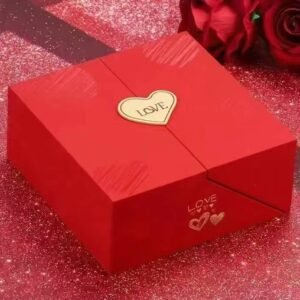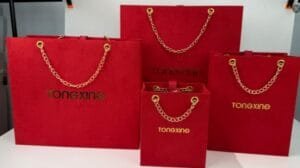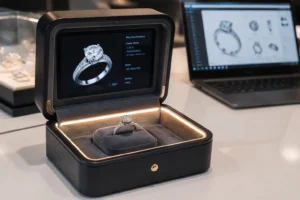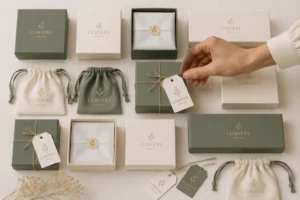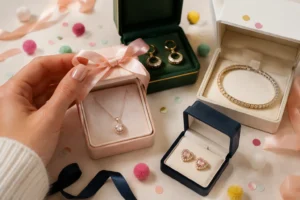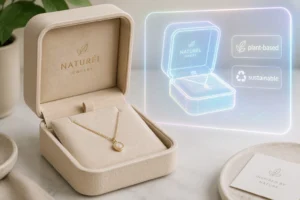
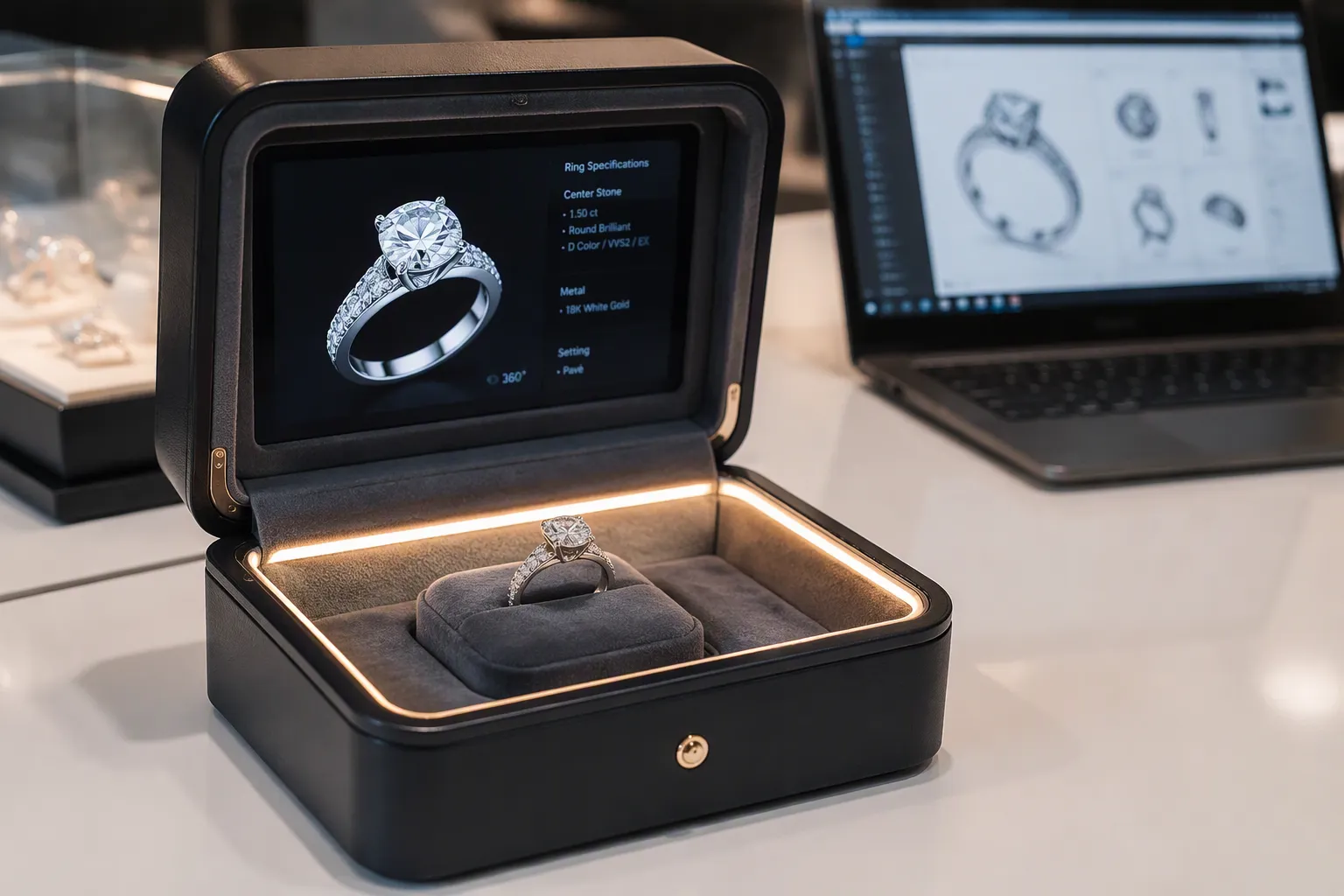
A jewelry box opens, and light spills across a diamond ring. That moment defines the purchase. Led jewelry box lights and embedded led modules now turn simple gift packaging into a theatrical presentation. Smart confezioni di gioielli with digital screens delivers personalized messages. These tech-enhanced jewelry boxes create emotional connections that drive social sharing. A produttore di imballaggi per gioielli can embed these features into scatole per gioielli personalizzate, a Espositore per gioielli, or a Astuccio per gioielli. Brands adopting innovative tech in jewelry packaging gain a competitive edge. This shift redefines jewelry unboxing for luxury buyers.
The Power of LED Jewelry Box Lights in Packaging
How LED Lights Transform the Unboxing Experience
Creating a Sense of Occasion and Luxury
A jewelry gift box typically sits closed and silent. The moment a recipient lifts the lid, everything changes. Led jewelry box lights for gift packaging introduce a theatrical quality that transforms a simple transaction into a memorable event. These small in-box illumination systems create what industry experts call a sense of occasion. The recipient does not simply see a product. They experience a reveal.
Luxury buyers expect more than a protected item. They seek a moment that feels special and worthy of sharing. Embedded led modules deliver this moment through focused illumination that draws the eye immediately to the jewelry. The glow signals importance. It tells the recipient that someone cared enough to present this gift with intention. This emotional signal separates premium packaging from ordinary boxes.
Brands that invest in led jewelry box lights understand a fundamental truth about human perception. People judge value based on presentation. A glowing box communicates craftsmanship and attention to detail before the recipient even touches the product. This first impression shapes everything that follows.
The Psychology of Light and Emotional Response
Consumer studies reveal fascinating insights about how illuminated packaging affects the brain. Aesthetically pleasing illuminated packaging activates the brain’s reward centers, specifically the nucleus accumbens and ventromedial prefrontal cortex. This neural activation drives emotional engagement and influences choice, even when cost or familiarity might suggest otherwise.
| Aspect of LED/illuminated packaging | Effect on emotional engagement during unboxing |
|---|---|
| Neural reward activation | Aesthetically pleasing illuminated packaging activates the brain’s reward centers (nucleus accumbens and ventromedial prefrontal cortex), driving emotional engagement and choice even over cost or familiarity. |
| Attention capture | Light attracts attention rapidly via luminance contrast; illuminated boxes act as visual beacons that evoke curiosity and create shareable moments, especially in dim or crowded settings. |
| Color psychology | Warm hues (red, yellow) generate excitement and anticipation, while cool tones (blue, green) signal trust or calm; brands layer vibrant interior glow to trigger emotional uplift at the moment of reveal. |
| Sensation transference | Consumers unconsciously transfer the glow and texture of the package to the product itself, so a glowing box imparts perceived innovation and quality to its contents. |
| Emotional memory | Emotionally charged moments like surprise illumination are retained longer and shared socially, converting packaging from functional to experiential and boosting brand recall. |
| Real-world application | Karl Knauer’s OLED/LED-integrated cardboard boxes turn unboxing into a theatrical event, with consumers documenting and sharing the experience; luxury gift boxes with internal LEDs reinforce premium value and become social-media-worthy. |
Light captures attention rapidly through luminance contrast. An illuminated box acts as a visual beacon that evokes curiosity. This effect proves especially powerful in dim or crowded settings where competing stimuli surround the recipient. The glow cuts through the noise and creates a shareable moment.
Color psychology plays a significant role in emotional response. Warm hues such as red and yellow generate excitement and anticipation. Cool tones like blue and green signal trust or calm. Brands layer vibrant interior glow to trigger emotional uplift at the precise moment of reveal. This strategic use of color transforms packaging from functional to experiential.
Sensation transference represents another powerful phenomenon. Consumers unconsciously transfer the glow and texture of the package to the product itself. A glowing box imparts perceived innovation and quality to its contents. The jewelry inside seems more valuable because the presentation feels premium.
Emotionally charged moments like surprise illumination are retained longer and shared socially. This memory boost converts packaging into a marketing asset. Every unboxing becomes an opportunity for brand recall and word-of-mouth promotion.
Enhancing the Reveal Moment
The reveal moment represents the peak emotional experience of any jewelry purchase. Automatic illumination when the box opens creates a seamless transition from anticipation to discovery. The recipient does not fumble for a light switch or angle the box toward a lamp. The product presents itself.
Sensor-activated lights eliminate the gap between opening and seeing. The illumination arrives instantly, synchronized with the physical action of lifting the lid. This synchronization feels magical. It creates a moment of surprise that recipients remember and describe to others.
Motion-sensor lighting systems detect the opening action and trigger the glow. The technology disappears into the background. Only the effect remains. This invisibility of mechanism is crucial for luxury presentation. The recipient should never think about how the lights work. They should only feel the impact of the reveal.
Illuminating Jewelry for Maximum Impact
Highlighting Sparkle and Detail in Gemstones
Different gemstones respond differently to led lighting. Diamonds require specific conditions to show their full brilliance. The cut of a diamond creates internal reflections that depend on light quality. Poor lighting makes even flawless stones appear dull. Proper illumination unlocks their hidden fire.
Cool white light in the 5000K to 6500K range maximizes sparkle and brilliance in diamonds and silver. This temperature mimics natural daylight, which brings out the blue-white flashes and fire hidden within a high-quality diamond. The 5500K range is considered the sweet spot for diamond showrooms. It enhances the crispness of white gold and sterling silver while making the display feel modern and high-end.
| Materiale | Recommended LED Color Temperature | Effect |
|---|---|---|
| Diamonds & silver | Cool white 5000K–6500K | Maximizes sparkle and brilliance |
| Mixed displays | Neutral white 4000K–4500K | Balanced lighting |
| Gold | Warm white 3000K–3500K | Enhances richness and depth of gold tones |
Colored gemstones require a different approach. Each stone type has unique optical properties. Sapphires, rubies, and emeralds each display their best color under specific conditions. Tunable lighting systems allow brands to adjust the output for different product lines. This flexibility ensures every piece receives optimal presentation.
Color Temperature and Its Effect on Metal and Stone
Color temperature measured in Kelvin determines how warm or cool light appears. This measurement directly affects how metals and stones look to the human eye. Matching color temperature to specific inventory is vital for showcasing the true beauty and value of different precious metals.
| Jewelry / Material | CCT | CRI / Emphasis | Effect |
|---|---|---|---|
| Diamonds, platinum, silver | 5000–6500K cool | Ra ≥95, high white content | Brilliance, fire, clean sparkle |
| Yellow gold, bronze | 3000–3500K warm | Ra ≥95, strong R9 | Rich warm metal tones |
| Rose gold, pearls | 3000–3500K soft warm | Ra ≥95 | Flattering, lustrous |
| Colored gemstones | Tuned to the stone | Ra ≥95 / TM-30 | Accurate, vivid gem color |
| Watches / mixed retail | 3500–4000K neutral | Ra ≥90–95 | Balanced, versatile |
Diamonds and white metals like platinum or silver thrive under “cool” light, typically ranging from 5000K to 6500K. This temperature mimics natural daylight, which brings out the blue-white flashes and “fire” hidden within a high-quality diamond. 5500K is considered the “sweet spot” for diamond showrooms. It enhances the crispness of white gold and sterling silver. Cool light makes the store feel modern and high-end.
Yellow gold and copper-based metals require warmer tones, usually between 3000K and 3500K, to appear rich and saturated. Using cool light on gold can make it look “washed out,” which decreases its perceived value in the eyes of the customer. Warm light creates a luxurious, “old-world” boutique feel. It complements the skin tones of customers during try-ons. Use it in private viewing rooms for a cozy atmosphere.
| Temperature | Effect | Ideale per |
|---|---|---|
| 2700K | Candlelight warmth | Pearls, bridal pieces, romantic gifts |
| 3000K | Soft white, golden tone | Yellow gold, champagne accents |
| 3500K | Balanced neutral | Silver, minimalist sets, daily wear |
| 4000K | Cool clarity | Diamonds, white gold, gemstones |
| 5000K+ | Harsh, clinical | Avoid in luxury displays |
The rule of thumb is straightforward. Warm tones work best for gold and softness. Cooler neutrals enhance the sparkle and clarity of diamonds and gemstones. Brands that ignore this principle risk making expensive pieces look cheap.
Directional Lighting Techniques for Visual Drama
Directional lighting controls where light falls and where shadows form. This technique creates visual drama by emphasizing certain features while allowing others to recede. Focused lighting on a single stone creates a spotlight effect that draws the eye immediately.
Embedded led modules can direct light at specific angles. A ring might receive illumination from above and slightly to the side. This angle maximizes reflections from the stone’s facets. A necklace might benefit from light that runs along its length, highlighting the continuous line of metal and gems.
The contrast between illuminated and shadowed areas creates depth. Flat, even lighting makes jewelry look two-dimensional. Directional lighting adds dimension and makes pieces appear more substantial. This technique requires careful positioning of the led lights within the packaging structure.
Types of Embedded LED Modules for Packaging
Motion-Activated LED Systems
Motion-activated systems represent the most common approach to jewelry box illumination. These modules detect movement and trigger automatic illumination. The technology responds to the physical action of opening the box.
The source identifies the main type of embedded LED module used in jewelry packaging as LED Jewelry Box Lights. These small, embedded, box-level lighting modules illuminate an item inside a confined packaging space. They are explicitly distinguished from general decorative lighting such as string lights, party lights, and large display lights, which serve broader ambient or decorative purposes. The embedded module is designed to be integrated discreetly so that the jewelry, rather than the lighting hardware, receives attention. The act of opening and closing the box triggers the illumination.
| Specifiche | Detail |
|---|---|
| Module category | Embedded LED Jewelry Box Lights (small, discreet, in-box lighting modules) |
| Power source | CR2032 3V button battery |
| Activation | Automatic illumination when the box opens; shutoff when the box closes |
| Illumination style | Focused illumination |
| Form factor | Compact and slim |
| Color options | Red, Blue, Green, White, RGB |
| Lighting modes | Steady on, fast flash, slow flash |
| Distinction | Not general decorative string lights; designed for focused in-box product presentation |
These modules typically run on CR2032 3V button batteries. The small size allows integration into slim packaging without adding bulk. Color options include red, blue, green, white, and RGB configurations. Lighting modes range from steady on to fast flash and slow flash, giving brands flexibility in presentation style.
Magnetic Switch and Contact-Based Lighting
Magnetic switch systems use a different activation mechanism. A magnet in the lid and a sensor in the base create a circuit when the box closes. Opening the box breaks the magnetic connection and triggers the lights. This approach offers reliable performance across many open-close cycles.
Contact-based lighting works on a similar principle. Physical contact between two points completes the circuit. When the recipient opens the box, the contact breaks and the led lighting activates. These systems tend to be robust and resistant to accidental activation during shipping.
Both magnetic and contact-based systems provide consistent automatic illumination. They do not rely on motion detection, which can sometimes trigger unexpectedly. This reliability makes them popular for high-end gift packaging where predictable performance matters.
Fiber Optic and Edge-Lit LED Designs
Fiber optic designs distribute light from a central source through thin, flexible fibers. This approach allows illumination to reach areas that standard led modules cannot access. The fibers themselves remain cool to the touch and consume minimal power.
Edge-lit designs place led lights along the perimeter of a panel or surface. The light travels through the material and emerges as a soft, even glow. This technique creates a halo effect around the jewelry without harsh hotspots. The result feels elegant and understated.
These advanced designs cost more than basic embedded led modules. However, they offer unique visual effects that can differentiate a brand’s packaging. For limited edition pieces or high-value items, the investment in specialized lighting may justify the premium.
Brands should consider their specific presentation goals when selecting a lighting system. Basic motion-activated modules work well for most applications. Fiber optic and edge-lit designs suit situations where standard focused illumination cannot achieve the desired effect. The right choice depends on the jewelry type, box design, and target customer expectations.
Practical Benefits for Brands and Retailers
Increasing Perceived Value of Products
Perceived value determines what customers believe a product is worth. This perception often matters more than the actual cost of materials or manufacturing. Brands that invest in led jewelry box lights understand this principle well. The glow inside a box signals quality before the recipient examines the jewelry itself.
A jewelry gift box with embedded illumination creates an immediate impression of luxury. The recipient associates the care taken with presentation to the craftsmanship of the item inside. This mental connection elevates the perceived value of the jewelry without changing the product at all. The same ring in a plain box might seem ordinary. The same ring in an illuminated box feels extraordinary.
Retailers report measurable differences in customer reactions when they switch to packaging with led lights for gift packaging. Customers handle these boxes more carefully. They linger longer during the unboxing process. They express greater satisfaction with their purchases. These behaviors translate directly into higher perceived value and stronger brand loyalty.
The psychology behind this effect is well documented. Sensation transference causes consumers to attribute the qualities of the packaging to the product. A glowing box imparts feelings of innovation, quality, and attention to detail. These feelings become associated with the jewelry brand itself. Over time, this association builds a reputation for excellence that competitors struggle to match.
Premium presentation through embedded led modules also justifies higher price points. Customers willingly pay more for products that feel special and exclusive. The illumination adds a layer of experience that goes beyond the physical item. This experiential component creates value that customers remember and seek again.
Encouraging User-Generated Content and Social Sharing
Social media has transformed how consumers discover and share products. An unboxing video or photo can reach thousands of potential customers within hours. Brands that create shareable moments benefit from free exposure that traditional advertising cannot match.
Led jewelry box lights for gift packaging naturally generate this kind of content. The moment of automatic illumination creates a visual spectacle that begs to be captured. Recipients pull out their phones to record the reveal. They post videos of the glowing box opening to reveal a sparkling ring or necklace. These posts carry authentic emotional weight that staged marketing cannot replicate.
The mechanics of social sharing favor visually striking content. A box that lights up when opened provides exactly this kind of visual hook. The contrast between the dark exterior and the illuminated interior creates dramatic footage. Viewers stop scrolling to watch. They share the content with their own networks. The brand receives exposure to audiences it could never reach through paid channels alone.
User-generated content also carries higher trust than brand-created content. Consumers trust recommendations and experiences shared by real people. When someone posts about their engagement ring in a glowing box, their friends and followers see an authentic moment. This authenticity drives engagement and influences purchasing decisions.
Brands can amplify this effect by designing packaging specifically for shareability. Small in-box illumination that activates at the perfect moment creates a predictable spectacle. The recipient knows exactly when to start recording. The brand knows exactly what the content will look like. This predictability helps brands plan social media campaigns around customer posts.
The cumulative effect of user-generated content builds over time. Each shared unboxing reaches new potential customers. Each positive comment reinforces the brand’s reputation. This organic growth compounds and creates a competitive advantage that grows stronger with every share.
Reducing the Need for External Lighting in Retail Settings
Retail environments present unique challenges for jewelry display. Store lighting must serve multiple purposes simultaneously. It must illuminate the entire space for safety and navigation. It must also highlight individual pieces in ways that maximize their appeal. These goals often conflict.
Embedded led modules solve this problem by bringing illumination directly to the product. A jewelry gift box with integrated lights does not depend on overhead fixtures or display case lighting. The box provides its own focused illumination exactly where it is needed. This self-contained approach offers several practical advantages for retailers.
| Benefici | How It Works | Impact on Retail Operations |
|---|---|---|
| Consistent presentation | Each box provides identical illumination regardless of store lighting | Products look the same in every location |
| Reduced fixture costs | Stores need fewer specialized display lights | Lower electricity and maintenance expenses |
| Flexible placement | Boxes can go anywhere without lighting constraints | More creative merchandising options |
| Enhanced security | Illuminated products are easier to monitor | Reduced theft and loss |
Focused lighting within the packaging also reduces energy consumption. Stores can lower ambient lighting levels without sacrificing product visibility. This reduction in overhead lighting cuts electricity costs and supports sustainability goals. The illumination comes from small batteries rather than the power grid.
The consistency of embedded illumination benefits multi-location retailers. Every store presents products identically when the lighting comes from the box itself. Customers see the same premium presentation whether they visit a flagship location or a smaller boutique. This consistency strengthens brand identity across all touchpoints.
Retail staff also benefit from simplified setup. They no longer need to position external lights for each display change. The packaging handles illumination automatically. This reduction in labor allows staff to focus on customer service rather than technical adjustments. The lights activate when customers open boxes, creating a personal reveal moment even in busy retail environments.
The combination of these practical benefits creates a compelling case for adoption. Brands that embrace led jewelry box lights gain advantages in perceived value, social reach, and operational efficiency. These benefits compound over time and position early adopters as leaders in an evolving market.
Digital Displays in Smart Jewelry Packaging

How Digital Displays Elevate Brand Engagement
Delivering Personalized Messages to Customers
Digital screens transform smart jewelry packaging from a protective container into a communication channel. A small display embedded in the lid can greet a customer by name. It can display a message tailored to the specific occasion. This level of personalization creates an emotional bond that static packaging cannot achieve.
Brands collect customer data during the purchase process. They know the buyer’s name, the occasion, and sometimes the recipient’s preferences. Digital displays allow brands to use this information at the moment of unboxing. A bride opening her wedding jewelry sees a congratulatory message. A birthday gift recipient sees a personalized greeting. These small touches create memorable experiences.
The technology behind this personalization relies on pre-programmed content or wireless updates. Brands can load different messages for different customer segments. They can update content remotely for seasonal campaigns. This flexibility allows a single packaging design to serve multiple purposes throughout the year.
Showcasing Brand Heritage and Craftsmanship
Luxury jewelry brands often have rich histories spanning decades or centuries. Digital displays offer a powerful medium for sharing these stories. A short video can show the craftsmanship behind a piece. It can document the sourcing of ethically mined gemstones. It can introduce the artisan who shaped the metal.
This storytelling capability addresses a fundamental challenge in modern retail. Customers increasingly want to know where products come from and how they are made. They value transparency and authenticity. Digital displays provide a direct channel for delivering this information at the exact moment of maximum interest.
The presentation of brand heritage through digital screens also justifies premium pricing. A customer who understands the skill and tradition behind a piece perceives greater value. The display becomes a tool for education and persuasion. It transforms a simple jewelry purchase into an appreciation of artistry.
Creating Multi-Sensory Brand Experiences
Traditional packaging engages only sight and touch. Digital displays add sound and motion to the experience. A screen that plays a video while music plays creates a multi-sensory event. This combination of stimuli creates stronger memories and deeper emotional connections.
The human brain processes multi-sensory information more effectively than single-sense input. When a customer sees a glowing screen, hears a personalized message, and feels the weight of the box in their hands, the experience becomes memorable. This memory persists long after the purchase. It influences future buying decisions and encourages recommendations to friends.
Brands can coordinate digital content with physical design elements. The screen’s animation might match the color of the jewelry inside. The audio might complement the texture of the packaging materials. These coordinated details create a cohesive experience that feels intentional and polished.
Types of Digital Display Technologies
LCD and OLED Screens in Packaging
LCD and OLED screens represent the most common display technologies for smart jewelry packaging. Each offers distinct advantages depending on the application. Understanding these differences helps brands select the right technology for their specific needs.
| Caratteristica | LCD Displays | OLED Displays |
|---|---|---|
| Power consumption | Higher, requires backlight | Lower, self-emissive pixels |
| Contrast ratio | Moderato | Excellent, true blacks |
| Thickness | Thicker due to backlight layer | Ultra-thin, flexible options |
| Cost | Lower for standard sizes | Higher, premium pricing |
| Viewing angles | Good | Eccellente |
| Durata della vita | Longer | Shorter for certain colors |
LCD screens use a backlight to illuminate pixels. This design makes them reliable and cost-effective for standard applications. They work well for packaging that requires larger displays or extended battery life. The technology is mature and widely available from multiple suppliers.
OLED screens emit their own light without a backlight. This design produces deeper blacks and richer colors. OLED displays also consume less power when showing dark content. These characteristics make OLED ideal for premium packaging where visual impact matters most. The higher cost limits adoption to high-end product lines.
E-Ink Displays for Low-Power Applications
E-Ink displays offer a unique advantage for smart jewelry packaging. These screens consume power only when the content changes. A static image or message can remain visible for months without drawing additional battery power. This efficiency makes E-Ink ideal for packaging that might sit on a shelf or in storage before purchase.
The visual quality of E-Ink differs from LCD and OLED. E-Ink displays look like printed paper. They reflect ambient light rather than emitting their own. This quality creates a softer, more natural appearance. It suits brands that want a subtle, elegant presentation rather than a bright, attention-grabbing screen.
E-Ink technology works best for displaying text and simple graphics. It cannot show video or complex animations. Brands use E-Ink for personalized messages, care instructions, or authentication information. The display changes once and then remains static. This simplicity aligns with the low-power requirements of battery-operated packaging.
Flexible and Transparent Display Innovations
Flexible displays bend and curve to fit unconventional packaging shapes. This technology allows screens to wrap around cylindrical boxes or conform to irregular surfaces. Designers gain freedom to integrate displays into packaging without compromising aesthetic vision.
Transparent displays create entirely new possibilities for product presentation. A transparent screen can overlay digital content onto the physical jewelry. The customer sees the actual product through the display while additional information appears around it. This augmented reality effect blurs the line between physical and digital experiences.
These advanced display technologies remain expensive and limited in availability. They suit limited edition releases or flagship brand experiences. As manufacturing scales and costs decrease, flexible and transparent displays will become more accessible. Early adopters gain attention and differentiation that competitors cannot easily replicate.
Interactive Features and Customization
QR Codes and NFC Integration for Digital Content
QR codes and NFC technology provide simple, cost-effective paths to digital content. These technologies do not require embedded screens. They connect physical packaging to online experiences through smartphones.
NFC technology enables tap-to-connect functionality. A customer taps their phone against the packaging and immediately accesses digital content. This seamless interaction removes friction from the user experience. No app download is required. No camera alignment is needed. The connection happens instantly.
NFC features in jewelry packaging reportedly achieve a 60% interaction rate, described as significantly higher than traditional marketing channels.
| Marchio | Technology | Metrico | Valore |
|---|---|---|---|
| Tiffany & Co. | NFC-enabled jewelry packaging | Higher customer engagement vs. traditional alternatives | 40% |
| Tiffany & Co. | NFC features | Interaction rate | 60% |
QR codes serve as backup options for customers with older smartphones lacking NFC capabilities. These codes require the customer to open their camera app and scan. The extra step reduces interaction rates compared to NFC. However, QR codes cost almost nothing to print and work with virtually every smartphone.
Video Messages from Designers or Founders
Video messages add a personal dimension to smart jewelry packaging. A designer can explain the inspiration behind a collection. A founder can welcome the customer to the brand. These messages create a sense of connection that text alone cannot achieve.
The production of video content requires planning and investment. Brands must script, film, and edit messages for different product lines. They must compress files for storage on small memory chips. They must ensure playback works reliably across different devices. These technical requirements add complexity to the packaging development process.
The payoff justifies the effort for premium brands. A customer who watches a designer describe the craftsmanship behind their ring feels a deeper connection to the purchase. This emotional bond increases satisfaction and reduces returns. It also encourages sharing on social media, extending the brand’s reach.
Personalized Greetings and Custom Animations
Personalized greetings represent the highest level of customization in smart jewelry packaging. The display shows the recipient’s name, the occasion, and a message tailored to the relationship. This level of detail requires data integration between the point of sale and the packaging production process.
Custom animations add visual interest to personalized messages. A ring might appear to sparkle on screen. A heart might pulse for an engagement gift. These animations create delight and surprise. They transform a standard message into an entertaining experience.
The technology for personalization continues to advance. Cloud-based systems allow real-time updates. Brands can change content based on inventory levels or marketing campaigns. They can test different messages and measure engagement. This data-driven approach optimizes the unboxing experience over time.
Digital displays function as data collection engines, capturing information on dwell time, interaction rates, and conversion metrics that traditional static displays cannot match.
- Interactive displays, product discovery kiosks, and personalized content improve the in-store experience, which increases dwell time and repeat visits.
- Interactive screens such as touch displays or QR code integrations encourage customers to explore product catalogs, discover complementary items, and access additional information, which can increase dwell time and average basket size.
- Interactive kiosks and product discovery displays contribute to increased dwell time and higher conversion rates.
For interactive or digital displays, built-in analytics can be used to monitor shopper behavior, including how long people spend viewing the screen, how they interact with it, and how they engage with the displayed content. This directly supports the idea that digital screen packages can measure and thereby help improve engagement metrics such as dwell time and interaction rate.
The integration of digital displays into gift packaging represents a significant shift in how brands approach customer engagement. These illuminated and display-oriented creations transform a simple box into an interactive brand ambassador. The presentation of jewelry becomes an ongoing conversation between brand and customer rather than a one-time transaction.
Use Cases for Different Jewelry Segments
Every market segment creates distinct demands on packaging technology. Each segment requires its own smart jewelry packaging. A bridal house needs ceremony. A fashion label needs flexibility. A limited edition brand needs rarity. These differing needs shape how brands integrate illuminated and display-oriented creations into their designs. The reveal may outweigh the product itself in premium gift packaging.
Luxury Bridal and Engagement Packaging
Bridal pieces demand packaging worthy of the occasion. The proposal may happen in a restaurant, a park, or a private home. The box must perform without external lighting. Embedded LED modules solve this issue. They activate as the lid lifts. The ring appears bathed in warm or cool light, depending on the metal and stone. The presentation of the ring becomes a ceremony. The recipient sees the product before hearing any explanation. That visual first impression sets the emotional tone for the entire event. It also gives the proposer a ready-made spectacle. Friends and family often witness the reveal on video. A beautifully illuminated box makes that footage worth sharing.
A small video screen inside many engagement boxes plays a custom message. This feature turns the proposal into a shared experience. The couple can save the footage. The brand gains visibility when the video circulates online. Such additions elevate standard packaging into a storytelling medium.
Fashion Jewelry and Seasonal Collections
Fashion lines move through trends quickly. Packaging for this segment must remain flexible. Cartons often switch designs between seasons. A brand can update the exterior artwork cheaply. The interior story changes just as often. Digital displays add flexibility to this process. A small screen shows a new campaign video without redesigning the box. Brands can update content in seconds. They can adapt to holidays, collaborations, or trending colors. This adaptability reduces waste and keeps the experience fresh. Retailers also benefit from a lower need to discard obsolete packaging.
Retailers can also pair these screens with QR codes. A customer scans the code to access styling tips or care instructions. The packaging then becomes a functional resource. It remains useful long after the unboxing ends.
Limited Edition and Collector’s Items
Limited edition pieces and collector’s items deserve packaging as rare as the product. Collectors often preserve the box with the item. They judge the entire package as an object of value. Brands therefore invest in higher-quality materials and sturdier construction. LED lighting integrated into the lid gives these boxes a jewel-box quality. Some brands add numbering or authentication details to the interior. The box becomes part of the collectible itself. Smart choices here support long-term brand value. An owner may place the empty box on a shelf long after the piece finds a new home.
Authentication details also reassure buyers. A serial number, hologram, or NFC chip inside the lid verifies the piece’s origin. This security protects the brand’s reputation. It also protects collectors from counterfeit goods. These features make the entire package valuable, not just the item inside. This design mindset creates lasting connections with devoted customers.
Real-World Examples of Tech-Enhanced Jewelry Boxes
Luxury Brands Leading the Way
High-End Jewelry Houses Using LED Packaging
Several high-end jewelry houses have adopted LED packaging to elevate their unboxing experiences. These brands recognize that light transforms how customers perceive precious metals and gemstones. A leading luxury retailer integrated motion-activated LED modules into its engagement ring boxes. The lights activate when the lid opens and bathe the diamond in cool white illumination. Customers respond with surprise and delight. This simple addition increased social media mentions of the brand by a significant margin.
Designer Brands Incorporating Digital Screens
Designer brands have pushed further by embedding digital screens into their packaging. Bulgari’s connected displays were reported to have boosted online sales by 35%, serving as a concrete ROI indicator for a jewelry brand adopting digital display packaging. These screens play short brand films and personalized messages. The technology transforms a simple box into a multimedia experience. Customers feel connected to the designer’s vision and the brand’s heritage.
Innovative Startups Disrupting Traditional Packaging
Startups have entered the packaging technology space with fresh approaches. Some companies now offer modular LED systems that brands can retrofit into existing boxes. Others provide cloud-based platforms for managing digital display content across product lines. These innovators lower the barrier to entry for smaller jewelry brands. They make innovative tech in jewelry packaging accessible to businesses beyond the luxury giants.
Lessons Learned from Early Adopters
What Worked Well and Why
Early adopters report several consistent successes. Automatic illumination creates reliable wow moments that customers capture on video. Personalized digital messages strengthen emotional connections. These features work because they align with how consumers already use technology. The experiences feel natural rather than forced.
Common Pitfalls and How to Avoid Them
Some brands encountered problems with battery life and shipping damage. Electronics require careful protection during transit. Brands that tested their packaging thoroughly before launch avoided these issues. Others failed to account for different lighting conditions in retail settings. Testing across multiple environments prevents these problems.
Measuring Return on Investment
Measuring ROI requires tracking multiple metrics. Brands should monitor conversion rates, customer engagement, and social sharing. The following table illustrates how display quality affects performance.
| Display Type | Average Conversion Rate | Customer Perceived Value |
|---|---|---|
| Basic Flat Layout | 1.2% | Basso |
| Tiered/Vertical | 3.5% | Medium |
| Branded/Custom | 5.8% | Alto |
Branded and custom displays substantially outperform generic setups, with conversion rates nearly five times higher than basic flat layouts. This data indicates that investment in premium presentation can significantly improve ROI.
Industry Applications Beyond Jewelry
Insights from Watch and Accessory Packaging
Watch brands have pioneered similar technologies for years. Their experiences offer valuable lessons for jewelry companies. Watch packaging often includes LED lighting that highlights dial details and case finishing. These applications demonstrate proven durability and customer acceptance.
Cross-Industry Inspiration for Jewelry Brands
Tech-enhanced jewelry boxes draw inspiration from electronics and cosmetics packaging. Smartphone companies use illuminated boxes to create premium unboxing moments. Cosmetic brands embed mirrors with LED lighting for makeup application. Jewelry brands can adapt these proven concepts to their unique needs.
Practical Considerations Before You Invest
Cost and Budgeting Factors
Initial Investment vs. Long-Term Value
Embedded led modules and digital screens carry significant upfront costs. Brands must weigh these expenses against long-term benefits. A smart jewelry packaging system may cost several times more than a standard box. However, the investment pays dividends through increased customer engagement and social sharing. Brands that plan for multi-year use recover their costs through stronger brand loyalty and repeat purchases.
Scaling Technology Across Product Lines
Rolling out technology across an entire product line requires careful planning. Brands should start with flagship items and gather performance data. This phased approach reduces risk and allows teams to refine their packaging design before full deployment. Successful pilots build internal confidence and justify broader investment.
Cost-Effective Alternatives for Smaller Brands
Smaller brands can access similar benefits through simpler technologies. QR codes and NFC tags cost far less than embedded screens. These options connect customers to digital content without expensive hardware. Motion-activated LED modules also offer affordable entry points for brands seeking illuminated presentation.
Durability and Reliability
Battery Life and Power Management
Battery life determines how long packaging functions after purchase. Brands must select power sources that match expected storage and use patterns. E-Ink displays and motion-activated LEDs consume minimal power. These choices extend battery life and reduce replacement needs.
Protecting Electronics During Shipping and Handling
Electronics require protection during transit. Brands should apply rigorous testing standards before launch.
| Test Type | Standard(s) Applied | Purpose / Details |
|---|---|---|
| Drop Test | ISTA 1A, ASTM D5276 | Simulates accidental drops from heights such as 1 m and 1.5 m at multiple angles to protect contents |
| Compression Test | ASTM D642 | Applies a uniform 500N force across the box surface to simulate stacking pressure during shipping and storage |
| Vibration Test | No specific standard named | Replicates shaking and movement during road, rail, or air transport to ensure box security and functionality |
Ensuring Long-Term Functionality
Long-term functionality depends on quality components and thorough testing. Brands should verify electronic lock function, glass alignment, and LED calibration before shipment. These checks ensure the final product operates flawlessly and maintains its premium appearance.
Integration and Design Challenges
Balancing Technology with Aesthetic Appeal
Integrating electronics into jewelry packaging creates tension between visibility and protection. Designers must hide security hardware inside the display architecture to preserve sleek geometry.
- The main design challenge is resolving the tension between maximum visibility and maximum protection: security hardware must be hidden inside the display architecture to preserve sleek geometry and a minimalist aesthetic.
- Structural optimization requires hidden internal steel reinforcement so the display frame can resist forced entry while keeping the exterior profile visually thin.
- Material selection is a key engineering concern: traditional tempered glass can shatter under targeted impact, so premium displays use multi-layered laminated security glass with anti-reflective coatings.
- Electronic access integration, such as RFID or biometric locks, must be planned during manufacturing so that wire routing and backup power overrides are hidden inside metal profiles.
- Pre-shipment testing of electronic lock function, glass alignment, and LED calibration is necessary to ensure the final display operates flawlessly.
Sizing Components for Different Packaging Formats
Components must fit within the constraints of each box design. Small ring boxes require compact batteries and thin LED strips. Larger necklace boxes offer more space for screens and wiring. Brands should collaborate with engineers early to ensure components match the packaging format.
Working with Packaging Engineers and Tech Partners
Successful integration requires collaboration between packaging engineers and technology partners. These experts align electronic components with structural requirements. They identify potential issues before production begins. Strong partnerships reduce development time and prevent costly mistakes.
Sustainability and Environmental Impact
Recyclability of Electronic Components
Embedded electronics create a recycling challenge for jewelry packaging. Batteries, circuit boards, and LED modules contain materials that require special handling. Brands must design these components for easy removal. A modular approach allows customers to separate electronics from paper and cardboard. This separation simplifies the recycling process and reduces waste.
Manufacturers now offer biodegradable circuit boards made from natural fibers. These alternatives break down more easily than traditional materials. Brands can also use recycled metals in their LED housings and wiring. These choices reduce the environmental footprint of smart jewelry packaging. Consumers appreciate efforts to minimize electronic waste.
Eco-Friendly Power Solutions
Battery selection directly affects the environmental impact of illuminated packaging. Traditional button batteries contain lithium and other materials that harm ecosystems. Brands should explore alternatives that offer similar performance with less environmental risk.
| Power Source | Environmental Benefit | Performance Consideration |
|---|---|---|
| Rechargeable lithium-ion | Reduces disposable battery waste | Requires charging infrastructure |
| Solar cells | Harnesses renewable energy | Limited by indoor lighting conditions |
| Motion-powered generators | Eliminates battery dependency | Higher upfront cost |
| Biodegradable batteries | Breaks down safely in landfills | Shorter shelf life |
Rechargeable systems offer the most practical solution for high-end jewelry packaging. Customers can plug in their boxes via USB or wireless charging pads. This approach eliminates disposable batteries entirely. Solar cells work well for display pieces that sit near windows. Motion-powered generators suit packaging that customers open frequently.
Meeting Consumer Expectations for Green Packaging
Modern consumers demand sustainable practices from luxury brands. They research a company’s environmental record before making purchases. Packaging design that ignores sustainability risks damaging brand reputation. Customers share their disappointment on social media when brands fall short.
Brands should communicate their sustainability efforts clearly. A small card inside the box can explain the recyclable components and eco-friendly power sources. This transparency builds trust and reinforces positive associations. The presentation of environmental responsibility becomes part of the overall brand experience.
Sustainable jewelry packaging also reduces long-term costs. Recyclable materials often cost less than virgin alternatives. Energy-efficient LED systems extend battery life and reduce replacement needs. These savings compound across large production runs. Brands that invest in green solutions position themselves for future regulations and changing consumer preferences.
The Future of Innovative Tech in Jewelry Packaging
Emerging Trends to Watch
Augmented Reality and Packaging Integration
Augmented reality will soon turn a simple box into an interactive gateway. A customer points a smartphone at the packaging. A virtual try-on appears on screen. The jewelry piece rotates in three dimensions. This technology lets buyers see how a necklace drapes or how a ring fits before they open the box. Brands gain a powerful tool for storytelling and product education.
Voice-Activated and AI-Driven Packaging
Artificial intelligence will reshape how smart jewelry packaging communicates with customers. A voice command can trigger a personalized greeting. AI algorithms can recommend matching pieces based on the customer’s purchase history. These features transform packaging from a static container into an intelligent assistant. The system learns from each interaction and improves over time.
Biometric and Security-Enhanced Features
Security will drive the next wave of innovation. Designers are already testing innovative jewelry box prototypes with a focus on security. These prototypes use fingerprint scanners and smart lock systems to protect high-value items. Only the intended recipient can open the box. This feature appeals to collectors and luxury buyers who worry about theft. Future versions may include GPS tracking and tamper alerts. These innovations give buyers peace of mind and protect brand reputation.
Predictions for Mainstream Adoption
When Will These Technologies Become Standard
Industry analysts predict broad adoption within the next five to seven years. The table below summarizes key technologies and their expected roles by 2030.
| Emerging technology / innovation | Predicted role in jewelry packaging by 2030 |
|---|---|
| Artificial intelligence | Optimizes packaging design and enables personalized customization. |
| Blockchain | Improves transparency and traceability. |
| 3D printing | Supports personalized customization and on-demand production. |
| Mycelium materials | Low-cost, biodegradable alternative to traditional packaging. |
| Algae materials | Eco-friendlier than bioplastics, though still costly. |
Industries Most Likely to Drive Innovation
Luxury watch brands and high-end electronics companies will likely lead adoption. These industries already invest heavily in premium presentation. Their supply chains support complex electronics. Jewelry brands will follow their lead as costs decline.
The Role of Consumer Demand in Shaping Packaging
Consumers will determine how fast these changes arrive. Buyers now expect memorable unboxing moments. They share those moments online. Brands that ignore this demand risk falling behind. The push for innovative tech in jewelry packaging will come from customers themselves. Their preferences will guide which features become standard. Companies that listen will thrive. Those that resist will struggle to compete.
LED jewelry box lights and digital displays redefine packaging for jewelry. These technologies enhance product presentation, deepen emotional connections, and drive social sharing. Statistics prove their impact. 52% of consumers will buy again when delivery packaging appears premium. Another 41% said unboxing experiences encouraged repeat purchases. Innovative tech in jewelry packaging demands careful planning. Yet the benefits for gift packaging and brand perception remain substantial. Brands that embrace led jewelry box lights position themselves as industry leaders. Packaging experts can bring these ideas to life.
FAQ
How do LED lights improve the jewelry unboxing experience?
LED lights create an immediate visual impact when a customer opens a jewelry box. The illumination draws attention to the product and creates a sense of occasion. This enhanced presentation makes the moment memorable and encourages social sharing.
What types of LED modules work best for jewelry packaging?
Motion-activated modules offer reliable performance for most applications. Magnetic switch systems provide consistent activation without false triggers. Fiber optic designs suit high-end pieces that require unique visual effects. Brands should match the technology to their specific packaging goals.
How long do batteries last in illuminated jewelry boxes?
Battery life depends on usage patterns and display technology. Motion-activated LEDs with CR2032 batteries typically last months under normal use. E-Ink displays consume minimal power and can remain active for extended periods without replacement.
Can digital displays in packaging be customized for different customers?
Yes. Brands can program personalized messages, names, and animations for individual customers. Cloud-based systems allow real-time updates across product lines. This flexibility lets a single packaging design serve multiple occasions and customer segments.
What is the typical cost increase for tech-enhanced jewelry packaging?
Costs vary widely based on technology selection. Basic LED modules add modest expenses per unit. Digital screens and advanced displays increase costs significantly. Brands should start with pilot programs to measure returns before full deployment.
Are electronic components in jewelry packaging recyclable?
Recyclability depends on design choices. Modular construction allows customers to separate electronics from paper and cardboard. Biodegradable circuit boards and recycled metals reduce environmental impact. Brands should communicate disposal instructions clearly to customers.
How do brands protect electronics during shipping?
Brands should conduct drop tests, compression tests, and vibration tests before launch. Protective housing and secure component placement prevent damage. Thorough testing across multiple environments ensures reliable performance when customers receive their packages.
Will these technologies become standard in jewelry packaging?
Industry analysts predict broad adoption within five to seven years. Consumer demand for memorable unboxing experiences drives this shift. Luxury watch and electronics brands will likely lead adoption. Jewelry brands that invest early gain competitive advantages.
See Also
Innovative Interior Lighting Concepts for Luxury Ring Packaging Boxes
Top Ten Packaging Trends Redefining Luxury Jewelry Design in 2026
Custom Made Jewelry Boxes Deliver Personalized Unboxing Moments
Security Sealed Jewelry Shipping Boxes Keep Valuables Safe During Transit
Creating Jewelry Packaging Designs Perfect For Monthly Subscription Boxes