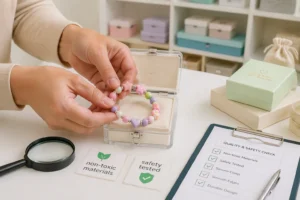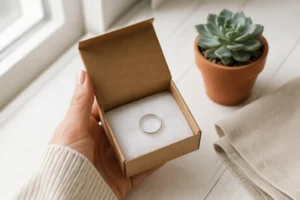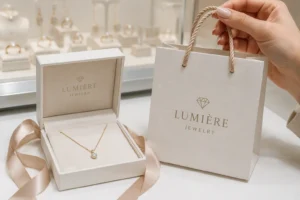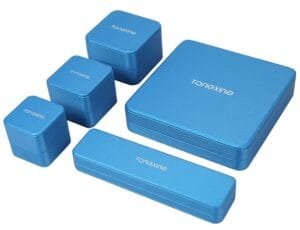
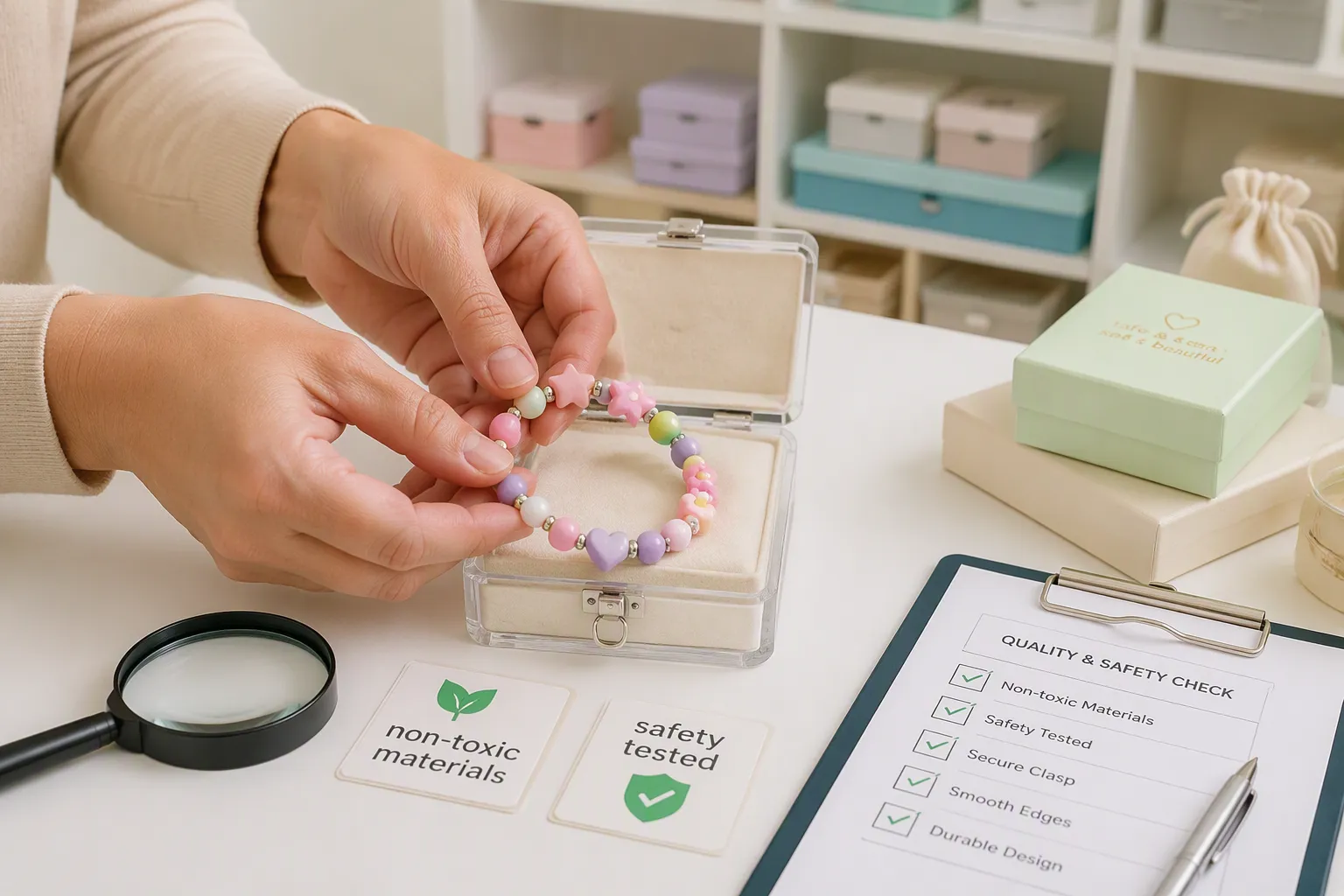
Children’s jewelry must meet strict regulations. Children’s confezioni di gioielli requires child-safe closures. This children’s jewelry safety guide outlines key standards like CPSIA, ASTM F2923, and EN71. A comprehensive safety guide for parents helps select safe children’s jewelry from a reputable produttore di imballaggi per gioielli. Custom jewelry boxes, Espositore per gioielli, e Astuccio per gioielli offer both protection and appeal. Jewelry packaging prevents choking hazards.
Safety Standards & Regulations for Children’s Jewelry
Manufacturers must adhere to rigorous regulatory standards to protect children from potential hazards. These regulations establish requirements for material composition, mechanical integrity, and labeling. Three core frameworks dominate the global landscape: ASTM F2923 in the United States, EN71 in Europe, and equivalent standards in other regions.
Key Global Standards
CPSC and ASTM F2923 in the United States
The Consumer Product Safety Commission (CPSC) enforces the Federal Hazardous Substances Act and the Consumer Product Safety Improvement Act (CPSIA). ASTM F2923, the standard dedicated to jewelry for children, provides detailed technical requirements. Compliance with this standard ensures that jewelry meets federal limits for lead, cadmium, phthalates, and other harmful contaminants and metals. ASTM F2923 also addresses mechanical safety such as sharp edges and breakaway features.
EN71 in the European Union
In the European Union, the EN71 series of standards governs the safety of toys. Although EN71 covers a broader category, its requirements for jewelry intended for children align closely with ASTM F2923. Manufacturers exporting to the EU must demonstrate compliance with EN71’s chemical and mechanical provisions.
Health Canada and Other Regional Requirements
Health Canada enforces the Canada Consumer Product Safety Act, which sets limits similar to those in ASTM F2923. Other countries, such as Australia and Japan, have adopted standards that reference ASTM F2923 or its equivalents. This harmonization simplifies compliance for global brands.
Testing Requirements
Lead and Cadmium Testing
Testing for lead and cadmium is mandatory under ASTM F2923. The CPSC requires specific test methods depending on the substrate and coating. Substrates of jewelry for children must undergo analysis per the following methods:
| Substrate | CPSC-Accepted Test Method | Note |
|---|---|---|
| Children’s Metal Jewelry (metal products) | CPSC-CH-E1001-08.3 | Also applicable to other children’s metal products; previous versions (e.g., 08.1, 08.2) remain acceptable unless phased out. |
| Children’s Non-Metal Products (e.g., plastics, textiles) | CPSC-CH-E1002-08.3 | Covers substrates other than metal; previous versions also acceptable. |
| Paint and Similar Surface Coatings | CPSC-CH-E1003-09.1 | Applies to any coating on children’s jewelry; earlier version (CPSC-CH-E1003-09) acceptable. |
These methods are mandatory per CPSC regulations for determining total lead content in both substrates and coatings.
Phthalates and Heavy Metals Screening
Screening for phthalates and other heavy metals also follows protocols defined in ASTM F2923. These tests confirm that plastic components and coatings meet the limits established by the Consumer Product Safety Improvement Act.
Physical and Mechanical Testing
Physical testing evaluates small parts, sharp edges, and tensile strength. ASTM F2923 requires that any component small enough to fit into a small-parts cylinder must be tested to ensure it cannot detach during normal use. This evaluation prevents choking hazards.
Age Grading and Warnings
Age Suitability Determinations
The CPSC and ASTM F2923 provide criteria for determining the intended age of jewelry. For items intended for children under 3 years old, additional restrictions apply because of choking risks. The CPSC considers several factors to classify a piece as a children’s product.
Low-cost jewelry bearing childish themes that are sold with other children’s products or sold at a store that primarily contains children’s products may be considered children’s jewelry.
Other characteristics that may cause an item to be regarded as a children’s product include:
- Size and very low cost
- Play value or childish themes
- Sale with children’s products (such as a dress, book, toy, or party favors)
- Sale with children’s cereal or snacks
- Sale at an entertainment or educational event attended primarily by children
- Sale in a vending machine or in a store that mostly contains children’s products
Design and marketing aspects, such as packaging graphics, dexterity requirements, and appearance (coloring, textures, materials, design themes, licensing, and level of realism), also help determine whether jewelry is intended primarily for children 12 years of age or younger.
Required Warning Labels
Warning labels are mandatory. The ASTM F2923 standard specifies wording for choking hazard warnings, age warnings, and material content. Labels must state if the product contains small parts. This information is part of the specifications for children’s jewelry. CPSIA regulations require that these warnings appear on packaging and any accompanying literature.
Material Selection for Children’s Jewelry
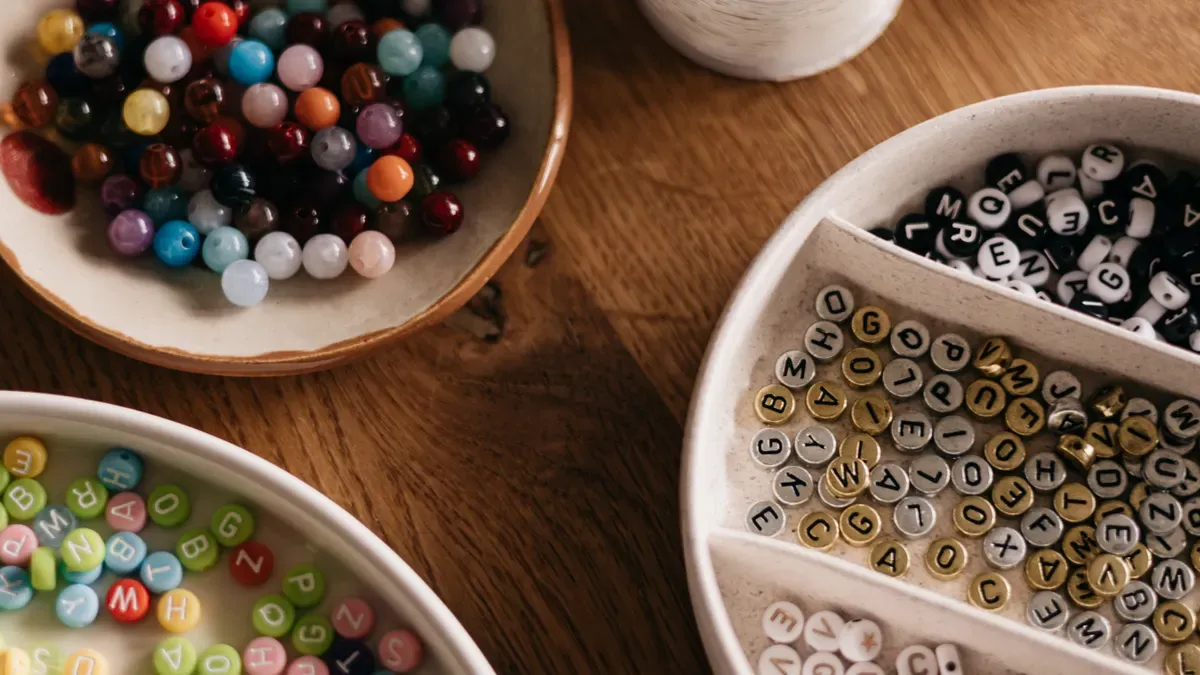
Material selection determines whether children’s jewelry meets safety standards. Manufacturers must choose high-quality, safe materials that protect young wearers from toxins and physical hazards. The right materials prevent skin irritation and allergic reactions while ensuring durability.
Non-Toxic Metals
Stainless Steel and Titanium
Stainless steel and titanium offer excellent choices for children’s jewelry. These metals resist corrosion and contain no lead or cadmium. They hold up well against daily wear and tear. Both materials also feature smooth surfaces without sharp edges that could cut young skin.
Sterling Silver and Gold
Sterling silver and karat gold provide safe options for children’s jewelry when properly sourced. Precious metals like karat gold, sterling silver, and platinum group metals are exempt from lead testing requirements under ASTM F2923. Untreated gemstones that have not been altered to contain lead also receive this exemption. These materials offer beauty and safety when manufacturers verify their purity.
Avoiding Lead and Cadmium Alloys
Manufacturers must avoid lead and cadmium alloys in children’s jewelry. The maximum total lead content in metal components is 100 ppm (0.01%). Surface coatings and paints must not exceed 90 ppm lead. These limits protect children from serious health risks. California, Minnesota, and Illinois enforce additional state laws that CPSIA does not preempt.
Safe Plastics and Finishes
BPA-Free and Phthalate-Free Plastics
The Consumer Product Safety Improvement Act bans phthalates in children’s toys and childcare articles. CPSIA requires mandatory certification and third-party testing of toys and children’s products. Periodic testing must occur at a CPSC-accepted third-party laboratory. Analytical methods for regulated substances include GCMS, LC, ICP, XRF, and atomic absorption spectroscopy. California Proposition 65 requires identification and labeling of chemicals such as heavy metals, fire retardants, and plasticizers like phthalates.
| Test Area | Test Method / Standard |
|---|---|
| Mechanical hazards of toys | F963 |
| Sharp point | 16 CFR 1500.48 |
| Sharp metal | 16 CFR 1500.49 |
| Small parts | 16 CFR 1501 |
| Flammability of solids & soft toys | 16 CFR 1500.44 / ASTM F963 A4.2 & A6 |
| Heavy elements | F963 (4.3.5) |
| Lead in children’s non-metal | CPSC-CH-E1002 |
| Lead in paint & surface coating | CPSC-CH-E1003 |
Non-Toxic Paints and Coatings
Non-toxic paints and coatings protect children from harmful substances. Manufacturers should select water-based formulations free from heavy metals. These coatings must pass testing under 16 CFR Part 1303 for lead in paint and surface coating material.
Hypoallergenic Considerations
Nickel-Free Options
Nickel allergy affects many children and causes rashes, itching, and discomfort. Nickel-free options eliminate this risk. Stainless steel grades 304 and 316, titanium, and plastic components provide safe alternatives.
Skin-Friendly Materials for Sensitive Children
Baby jewelry allergen safety requires careful material selection for sensitive children. Dermal safety depends on choosing materials that will not trigger reactions. Hypoallergenic materials include surgical-grade stainless steel, titanium, and lead-free alternatives. These choices support both material safety and comfort for young wearers.
Children’s Jewelry Packaging Design Essentials

Effective children’s jewelry packaging must balance child resistance with adult accessibility. The design must block access to small parts while remaining functional for parents. Safety remains the primary driver for all design decisions.
Child-Resistant Closures
Child-resistant closures serve as the first line of defense against accidental access. These mechanisms require cognitive and physical abilities that young children lack. Adult users can open the packaging without difficulty.
Push-and-Turn Mechanisms
Push-and-turn caps demand simultaneous downward pressure and rotational motion. This two-step action exceeds the motor skills of children under five years old. Manufacturers integrate these closures into bottles and rigid containers that hold multiple jewelry pieces. The mechanism must align with ASTM D3475 standards for child-resistant packaging. Regular quality testing on each production batch confirms consistent performance.
Squeeze-and-Twist Caps
Squeeze-and-twist caps require a coordinated squeeze of the sides while turning. Children lack the hand strength and coordination for this combined motion. These caps work well on tube-style containers and small boxes. The design reduces the risk of a child opening the container and accessing small items. Manufacturers must verify that the cap retains its resistance after repeated openings. A properly engineered child-safe mechanism prevents a child from bypassing the closure.
Anti-Choking Warnings and Design
Anti-choking measures combine warning labels with physical barriers. These elements inform parents about risks and prevent children from reaching dangerous components. Regulatory agencies mandate specific label content and placement.
Small Parts Hazard Labeling
The Federal Hazardous Substances Act (FHSA) classifies children’s products with small parts as banned hazardous substances when intended for children under three years old. Children’s jewelry falls within this classification because the definition includes products for that age group. The mandatory choking hazard warning label requirement appears at 16 C.F.R. § 1500.19. Exclusions such as clothing accessories do not apply to children’s jewelry packaging. Therefore, labeling remains mandatory for every package.
Manufacturers must follow several specific labeling requirements:
- Labels must appear conspicuously on the front panel in an easy-to-read format to warn consumers effectively.
- Specific warning symbols and exact wording depend on the hazard type and age group.
- Tracking information must display permanently on the packaging, including manufacturer name, importer or marketer identity, country of origin, manufacturing date, and lot number.
These requirements ensure that parents receive clear warnings before purchase. The labels also help with traceability if a product requires recall.
Packaging That Prevents Access to Small Components
Physical design must stop children from reaching small parts inside the package. Blister packs with heat-sealed backing create a strong barrier. Children cannot tear or peel these packages open. Clear plastic windows allow adults to see the jewelry without opening the seal. The children’s jewelry packaging should contain no removable small parts itself. Loose beads, clasps, or decorative elements must stay secured within an inner compartment. Sharp edges must not exist on any packaging component that a child might handle.
Tear-Proof and Durable Bags
Bag-style solutions offer a lightweight and cost-effective option for many product lines. Standard plastic bags pose a suffocation risk and tear easily. Manufacturers must select materials that resist damage and prevent access.
Materials That Resist Tearing
High-density polyethylene (HDPE) and polypropylene (PP) films provide superior tear resistance. These materials withstand pulling, biting, and stretching attempts by children. The film thickness must exceed 1.5 mils to reduce suffocation hazards in compliance with 16 CFR Part 1700. Ventilation openings allow air passage if a child places the bag over the mouth. Manufacturers should test the material for puncture resistance and edge strength.
Reclosable and Tamper-Evident Options
Reclosable bags offer convenience for parents who need to store jewelry after removal. Press-seal zippers or adhesive strips allow repeated opening and closing. The seal must remain secure during normal handling. Tamper-evident features like tear-away strips or sealed lips indicate whether someone has opened the package before purchase. This security builds consumer trust. The bag must display all required warnings and tracking information on its surface.
These packaging essentials form the foundation of a compliant children’s jewelry product. Design choices directly affect the protection of young wearers.
Clear Labeling Requirements
Clear labeling protects children and informs parents. Every package of children’s jewelry packaging must display specific information. Regulatory agencies require material content, age warnings, and choking hazard alerts. These labels help parents make safe purchasing decisions. They also provide traceability if a product requires recall.
Material Content Disclosure
Material content disclosure tells parents exactly what substances the jewelry contains. The Consumer Product Safety Improvement Act (CPSIA) mandates this transparency. Manufacturers must list all materials on the packaging or an attached tag. This requirement covers metals, plastics, coatings, and any decorative components.
The label must identify the base metal composition. For example, a bracelet made of stainless steel grade 304 must state that material clearly. If the product contains sterling silver, the label must indicate the silver purity level. Gold jewelry requires a karat designation such as 14K or 18K. These disclosures allow parents to verify that the jewelry meets safety standards.
Plastic components also require identification. The label must state whether the plastic is BPA-free and phthalate-free. Manufacturers should list the specific plastic type, such as polypropylene or polyethylene. This information helps parents avoid products that might contain harmful chemicals.
Surface coatings and paints need separate disclosure. The label must confirm that these finishes are lead-free and non-toxic. California Proposition 65 requires additional warnings for chemicals known to cause cancer or birth defects. Manufacturers selling in California must include these warnings on the label.
The Federal Trade Commission (FTC) enforces truth-in-advertising rules for material claims. A manufacturer cannot label a product as “lead-free” unless testing confirms the absence of lead. False claims result in penalties and product recalls. Accurate disclosure builds consumer trust and ensures regulatory compliance.
Material content disclosure also supports recycling efforts. Parents can identify recyclable components and dispose of them properly. This transparency benefits both families and the environment.
Choking Hazard and Age Warnings
Choking hazard and age warnings prevent tragic accidents. Small parts pose serious risks to young children. The Federal Hazardous Substances Act (FHSA) classifies children’s products with small parts as banned hazardous substances when intended for children under three years old. Children’s jewelry falls within this classification because the definition includes products for that age group.
The mandatory choking hazard warning label requirement appears at 16 C.F.R. § 1500.19. This regulation specifies exact wording and placement. The warning must appear conspicuously on the front panel. Parents must see the warning before they purchase the product.
The required warning statement reads: “WARNING: CHOKING HAZARD — Small parts. Not for children under 3 years.” Manufacturers must print this warning in bold, capital letters. The font size must meet minimum requirements for readability. The warning must contrast with the background color for easy visibility.
Age warnings go beyond the choking hazard statement. Manufacturers must specify the appropriate age range for each product. A necklace designed for a seven-year-old requires a different warning than a bracelet intended for a toddler. The label must state the minimum age clearly. For example, “Suitable for ages 3 and up” tells parents that the product contains no small parts hazardous to older children.
The CPSC provides age grading criteria to help manufacturers determine appropriate age ranges. Low-cost jewelry with childish themes sold alongside children’s products may qualify as children’s jewelry. Design elements such as size, play value, and packaging graphics influence age determination. Manufacturers must evaluate these factors before assigning an age grade.
Warning labels must also address other potential hazards. Strangulation risks from necklaces and cords require separate warnings. The label should advise parents to remove jewelry during sleep or active play. Breakaway clasps reduce strangulation risk, and the packaging should mention this safety feature.
Tracking information must appear permanently on the packaging. This information includes the manufacturer name, importer or marketer identity, country of origin, manufacturing date, and lot number. These details enable rapid identification if a safety issue emerges. The tracking label also helps with product recalls.
Manufacturers must translate warnings into all languages required by the target market. Products sold in Canada require English and French warnings. European Union products require warnings in the official languages of each member state. This multilingual approach ensures that all parents understand the safety information.
Retailers play a role in warning compliance. They must display products with visible warning labels. Online retailers must include warning information in product descriptions. This practice extends safety protection beyond the physical store.
Clear labeling requirements form the foundation of children’s jewelry safety. Material content disclosure and hazard warnings work together to protect young wearers. Manufacturers who invest in accurate labeling demonstrate their commitment to child safety.
Aesthetic & Functional Children’s Jewelry Packaging
Balancing Visual Appeal and Safety
Attractive Designs Without Compromising Safety
Manufacturers can create beautiful packaging that meets all safety requirements. Bright colors and playful graphics attract young children and parents alike. These design elements must use non-toxic inks and dyes. The packaging structure should prevent access to small components. A decorative box with a secure latch combines visual appeal with protection. Designers select materials that pass testing for lead and phthalates. This approach ensures that attractive packaging never compromises child safety.
Gift-Ready Packaging That Meets Standards
Gift packaging adds excitement to the unboxing experience. Ribbons and bows must attach securely to prevent detachment. Small decorative elements require permanent adhesion to the package surface. Manufacturers can use printed designs instead of removable embellishments. This strategy eliminates choking hazards while maintaining visual charm. Gift-ready children’s jewelry packaging must display all required warnings and tracking information. The packaging should look festive and comply with ASTM F2923 and CPSIA regulations.
Practical Features for Parents
Easy-Open for Adults, Hard for Kids
Parents need quick access to the jewelry inside. Child-resistant closures must balance security with convenience. Push-and-turn mechanisms allow adults to open packages with simple motions. These closures require cognitive skills that young children lack. Manufacturers test each batch to confirm consistent performance. The design should provide clear instructions for opening. This feature reduces frustration for parents while keeping children safe.
Reusable and Recyclable Packaging Options
Sustainable packaging benefits families and the environment. Reusable boxes allow parents to store jewelry after removal. Recyclable materials reduce waste and support eco-friendly practices. Manufacturers can use recycled paperboard for outer packaging. Plastic components should carry recycling codes for proper disposal. These options appeal to environmentally conscious consumers. Durable materials ensure that packaging survives repeated use.
Branding and Consumer Trust
Communicating Safety Through Design
Packaging design communicates a brand’s commitment to safety. Clear warning labels and certification marks build confidence. A child-safe logo or seal signals that the product meets regulatory standards. Manufacturers should display testing information prominently. This transparency differentiates safe products from unregulated alternatives. Parents recognize brands that prioritize child protection.
Building Confidence with Clear Information
Clear information helps parents make informed decisions. Packaging should list all materials and their safety certifications. Contact information for customer questions builds trust. Brands that provide detailed documentation demonstrate accountability. This openness creates loyal customers who return for future purchases. Trustworthy children’s jewelry brands invest in transparent communication.
Compliance & Documentation for Children’s Jewelry
Certificates of Conformity
What They Include
A Children’s Product Certificate (CPC) serves as written proof that a product meets all applicable safety rules. The certificate must contain specific identification fields to match each product to its documentation. These fields include:
- Product identification: model number, SKU, or other identifying information
- Date and place of manufacture: at least month and year, city or region, state if applicable, and country
- Date and place of testing: date of the test report and location of testing
- Identification of the testing laboratory: name, full mailing address, telephone number, and accreditation information
Manufacturers must base every certificate on test results from a CPSC-accepted third-party laboratory. The document also references the specific rules and regulations the product meets.
When They Are Required
The CPSIA mandates a CPC for every children’s product. Children’s jewelry falls under this requirement. Manufacturers must issue a new certificate for each production lot. Importers must provide certificates to customs officials upon request. Retailers should verify that certificates exist before placing products on shelves.
Batch Traceability
Tracking Materials and Production Runs
Batch traceability allows manufacturers to identify the source of every component. Each production run receives a unique lot number. This number links raw materials to finished products. Suppliers must document the origin of metals, plastics, and coatings. Manufacturers record which materials went into each batch. This system enables rapid identification if a safety issue emerges.
Record-Keeping Best Practices
Manufacturers should maintain detailed records for every product lot. These records include material certificates, test reports, and production dates. Digital storage systems provide quick access during audits or recalls. Records must remain available for at least three years. This practice supports regulatory compliance and consumer safety.
Recall Procedures
Steps for Issuing a Recall
A recall begins when testing reveals a safety defect. The manufacturer must notify the CPSC immediately. The company then identifies all affected batches through traceability records. Next, the manufacturer contacts retailers to remove products from shelves. The recall notice describes the hazard and provides instructions for consumers. Refunds or replacements follow established protocols.
Communicating with Consumers and Regulators
Clear communication protects children from harm. The manufacturer issues a public notice through media channels and social platforms. The notice explains the specific danger and identifies the product clearly. Consumers receive instructions for returning or disposing of the item. The CPSC monitors the recall process and verifies completion. Manufacturers must report all recall activities to the agency. This transparency builds trust and prevents future incidents.
Special Considerations for Children’s Jewelry Packaging
Strangulation and Breakaway Features
Safety Clasps and Breakaway Closures
Safety clasps incorporate breakaway closures that release under tension. This mechanical safety prevents strangulation during active play. Manufacturers must eliminate sharp edges from all hardware components. Selecting a proper fit and sizing for the child ensures the clasp rests comfortably. A proper size and fit reduces the chance of the necklace catching on objects. These design elements support baby jewelry safety by addressing the highest‑risk scenarios. Baby jewelry mechanical safety depends on these integrated features.
Packaging That Reinforces Safe Wear
Packaging should display clear instructions for proper fit and wear. Warning labels on the insert remind parents to remove jewelry before sleep or physical activity. The package itself can include a sizing guide to help parents choose the correct length. This combination of product design and packaging guidance reduces strangulation risk.
Heirloom and High-Value Children’s Jewelry
Soft Pouches and Presentation Boxes
Heirloom children’s jewelry demands packaging that preserves its condition for decades. Parents should store these pieces in archival‑quality materials. Acid‑free buffered or unbuffered tissue prevents chemical damage. Anti‑tarnish tissue and cotton muslin offer additional protection against discoloration.
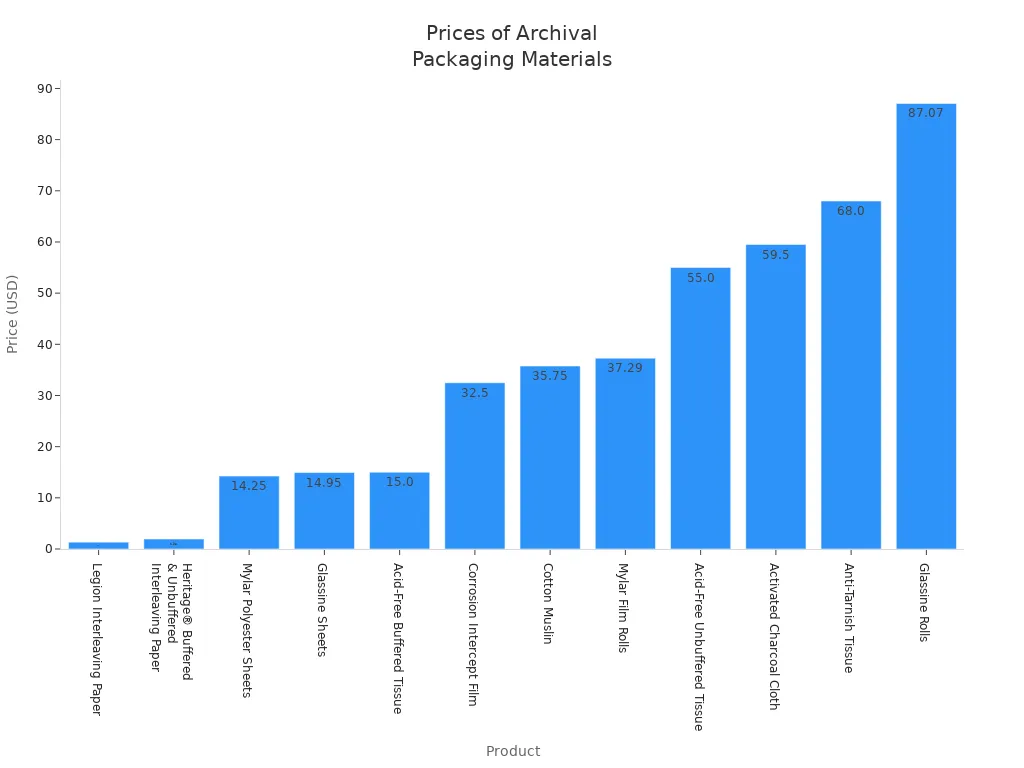
Presentation boxes lined with soft fabric keep pieces secure and scratch‑free. These containers also provide an attractive unboxing experience.
Care Cards and Documentation for 24K Pieces
Care cards should list purity, cleaning instructions, and safe storage practices. Documentation for 24K pieces must verify the gold content through assay reports. Including this information builds consumer trust and confirms the item’s value.
Plated Look‑Alikes and Purity Verification
Risks of Plated Children’s Jewelry
Plated children’s jewelry poses significant health risks. A 2015 Seattle survey found lead in 23% of children’s jewelry samples, with concentrations reaching 50,100 μg/g. Another investigation identified cadmium in nearly 20% of tested items. These toxic metals often appear in plated look‑alikes that mimic precious materials. Nickel allergy also concerns parents, as plated surfaces can expose the child to nickel through wear and abrasion.
Requesting Purity Documentation
Buyers should request purity documentation from every supplier. Independent third‑party testing reports confirm the absence of lead, cadmium, and phthalates. This verification is essential for protecting young wearers and maintaining regulatory compliance.
Parents and retailers should verify third-party testing reports before buying or selling children’s jewelry. A complete jewelry safety checklist covers lead, cadmium, and phthalate compliance, age grading, and warning labels. Packaging must stay child-safe, non-toxic, and clearly labeled. Certificates of conformity and batch records support every product lot under CPSIA and ASTM F2923 rules. Recent enforcement shows why this matters.
| Field | Dettagli |
|---|---|
| Recall Date | January 13, 2025 |
| Product | Yaomiao Children’s Jewelry Sets (approx. 6,900 sets), silver-colored pieces with multicolored gems |
| Hazard | Lead and cadmium levels above federal safety standards |
| Remedy | Stop use, dispose of the set, and contact the seller for a full refund |
Safety and joy can coexist when brands follow these steps.
FAQ
What makes children’s jewelry safe?
Safe children’s jewelry uses non-toxic materials, secure construction, and protective packaging. Manufacturers must avoid lead, cadmium, and phthalates. Products must pass third-party testing and carry proper warning labels. Compliance with ASTM F2923 and CPSIA regulations ensures that jewelry meets federal safety limits for harmful substances and mechanical hazards.
How does child-resistant packaging protect children?
Child-resistant packaging prevents young children from accessing small jewelry components. Push-and-turn and squeeze-and-twist closures require motor skills that children under five lack. These mechanisms allow adults to open packages easily. The design reduces choking risks and limits exposure to potentially harmful materials inside the package.
What warning labels must appear on children’s jewelry packaging?
Packaging must display a choking hazard warning for items with small parts. The label reads: “WARNING: CHOKING HAZARD — Small parts. Not for children under 3 years.” Manufacturers must also include age grading, material content, tracking information, and country of origin. These labels help parents make informed decisions.
Which materials work best for children’s jewelry?
Stainless steel, titanium, sterling silver, and karat gold offer safe options. These metals resist corrosion and contain no lead or cadmium. BPA-free and phthalate-free plastics provide safe alternatives for decorative components. Hypoallergenic materials like nickel-free stainless steel prevent skin irritation and allergic reactions in sensitive children.
What is a Children’s Product Certificate?
A Children’s Product Certificate (CPC) proves that a product meets all applicable safety rules. It includes product identification, manufacture date and place, testing date and location, and laboratory accreditation details. The CPSIA mandates a CPC for every children’s product. Manufacturers must base each certificate on third-party test results.
How do manufacturers handle product recalls?
A recall begins when testing reveals a safety defect. The manufacturer notifies the CPSC immediately and identifies affected batches through traceability records. The company contacts retailers to remove products from shelves. Public notices explain the hazard and provide consumer instructions for refunds or replacements.
Can attractive packaging still meet safety standards?
Yes. Bright colors and playful graphics attract children and parents. These designs must use non-toxic inks and dyes. Decorative elements require permanent adhesion to prevent detachment. Gift-ready packaging displays all required warnings and tracking information. Aesthetic appeal and safety coexist when designers prioritize both form and function.
What should parents check before buying children’s jewelry?
Parents should verify third-party testing reports for lead, cadmium, and phthalate compliance. They must confirm age grading and warning labels appear on the packaging. Child-resistant closures and non-toxic materials provide additional protection. Certificates of conformity and batch records support every product lot.
See Also
The Complete Guide To Picking Top Jewelry Packaging For Brand
Everything You Need For Eco Conscious Jewelry Packaging Solutions
How To Manage Your Jewelry Packaging Supply Inventory
Ideal Ways To Protect Fragile Pearl Jewelry During Transit
Step By Step Design Of Jewelry Packaging For Subscription Boxes