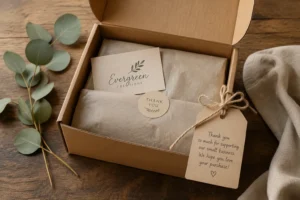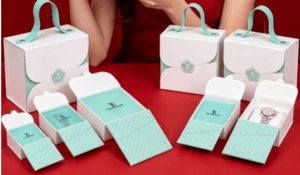
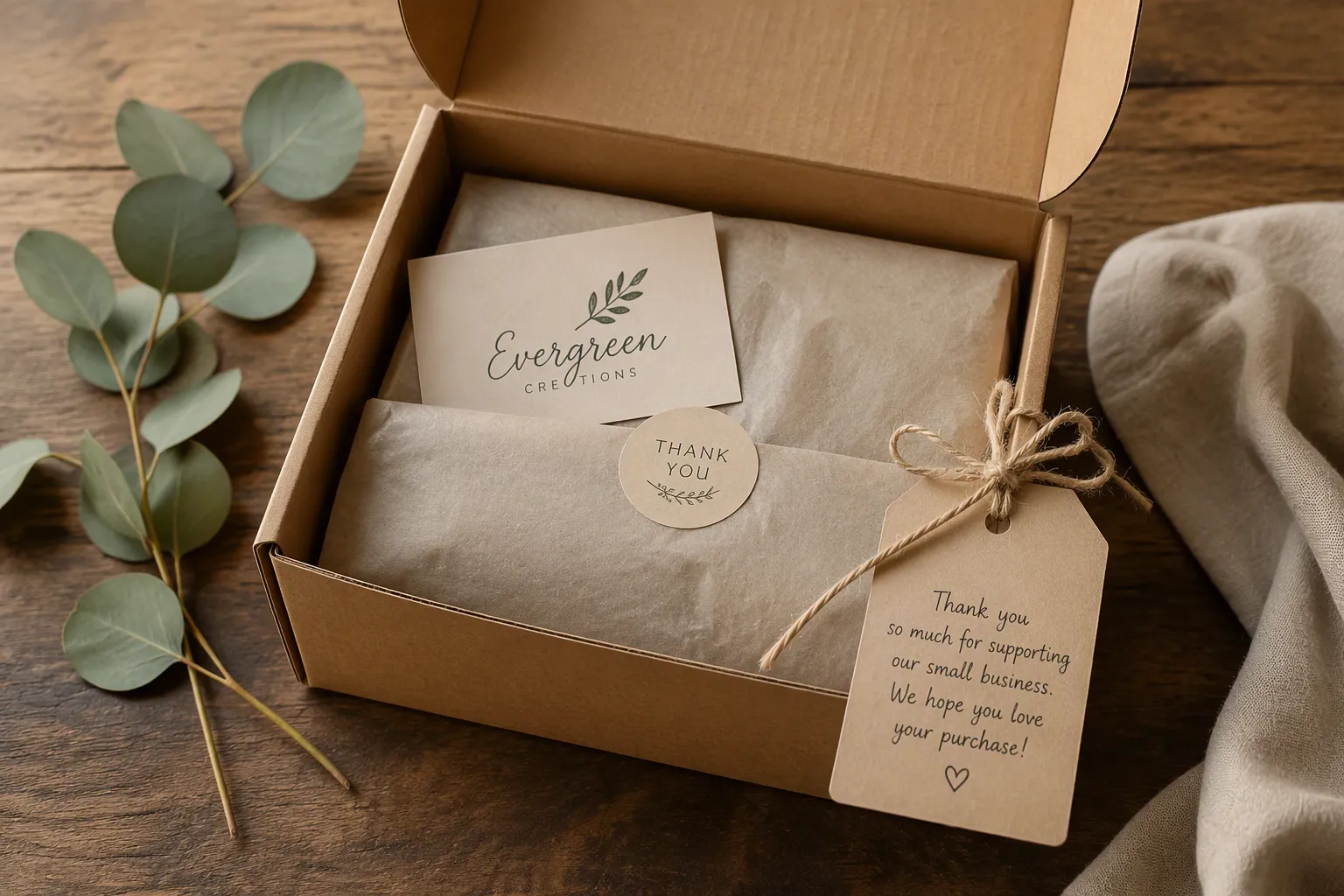
Ethical packaging turns every box, bag, and label into a tangible chapter of a brand story. It shapes consumer perception before a single word of marketing is read. Done right, it builds trust, sparks emotional connection, and sets a brand apart.
With an average of 93% of consumers considering sustainability as important, consumer sentiment is clear. However, the extent of their commitment to act or pay more for sustainable products varies greatly.
According to 2024 global consumer survey data, 43% of consumers consider the environmental impact of packaging to be an extremely or very important factor when making purchasing decisions. This guide shows exactly how to make packaging speak a story. Brands can Tell Your Brand Story through labels and packaging, including scatole per gioielli personalizzate, confezioni di gioielli, produttore di imballaggi per gioielli options, Espositore per gioielli units, and Astuccio per gioielli designs. They can tell their story with every unboxing.
Why Sustainable Packaging Matters for Your Brand Story
Consumers now judge brands by values, not just products. This reality makes thoughtful delivery a strategic asset. One unboxing can elevate a purchase or undermine a reputation. The following evidence explains why packaging choices carry such weight.
Consumers Demand Sustainability
The Growing Market for Eco-Friendly Products
Sales data reveal strong momentum. Products labeled eco-friendly grow faster than conventional equivalents. A 2024 market report found sustainable options attracting new customers across groceries, cosmetics, fashion, and electronics. Sustainability drives this growth. This preference influences purchasing behavior more than any single marketing message. Retailers now devote more shelf space to responsible brands. Manufacturers respond with innovative material alternatives.
Statistics on Consumer Willingness to Pay More
Consumer surveys confirm the trend. A global study showed 43% of shoppers consider packaging impact during purchase decisions. Nearly half say they will pay a premium for responsible alternatives. The premium remains modest. Most buyers expect fair pricing alongside ethical production. Product packaging must communicate this trade-off clearly. Vague claims fail to justify higher prices. The share rises among younger demographics, giving brands an incentive to invest now.
Packaging as a Brand Touchpoint
First Impressions Happen in Seconds
Packaging shapes perception faster than any advertisement. A shopper forms a judgment about a box within three seconds. This evaluation affects trust in the product inside. Recycled cardboard suggests resourcefulness. Excessive plastic suggests waste. Simple design choices create instant associations. A thoughtful package delivers a silent promise about product quality.
The Emotional Connection of Unboxing
Unboxing adds another layer of engagement. Customers remember how a package feels and opens. A smooth experience creates a positive emotional bond. Thoughtful reveal sequences trigger surprise and delight. People often record these moments for social sharing. This organic promotion links the product experience with the brand’s values. The sensory details matter. Texture, weight, and sound all shape perception. Even the simplicity of opening can reinforce a message.
Building Trust Through Transparency
How Ethical Choices Signal Authenticity
Ethical materials make values visible. A compostable mailer or reusable container proves commitment without lengthy claims. Brands that voluntarily disclose sourcing details demonstrate confidence. Brand transparency builds long-term loyalty. When customers see honest information, they believe the message. This authenticity distinguishes genuine leaders from opportunistic imitators. It also invites closer inspection, which responsible companies welcome.
Avoiding Greenwashing Pitfalls
Unfounded environmental claims invite criticism. Brands must avoid vague terms like ‘green’ or ‘eco-friendly’ without evidence. They should not call ordinary materials environmentally friendly packaging unless third-party standards support that claim. Certifications provide trustworthy proof. FSC labels, compostable badges, and carbon data communicate verifiable facts. One misleading phrase can destroy credibility. Therefore, honest, documented statements protect the brand. Companies that embrace full lifecycle transparency earn lasting respect.
Start with Your Brand Values to Tell Your Brand Story
A brand cannot tell your brand story without first understanding its own identity. The process begins with core values. Every material choice, design decision, and label placement traces back to a defined mission and purpose. These aligned elements transform packaging into a declaration of the brand’s principles.
Identify Your Core Story
Mission, Vision, and Purpose
Mission statements describe what a company does. Vision statements paint the future a company hopes to create. Purpose explains why those goals matter. These components create the foundation for a coherent brand identity. A brand that defines these elements gains a clear reference point for every material decision.
Origin stories play a central role in this foundational work. An origin story explains how a company was founded and what inspired its mission. This narrative communicates the purpose behind the business. Understanding a brand’s creation motivations builds stronger emotional loyalty among customers. Narrative psychology research shows origin stories have a 23% effectiveness rate in branding. They humanize a company by turning it into a relatable human journey. They answer why the brand exists, what problem inspired it, and what obstacles were overcome. These stories establish foundational values that distinguish the brand from competitors with similar offerings.
The Hero of Your Brand Narrative
Every brand story needs a hero. The customer often plays this role, with the brand acting as a guide. Some brands position the founder at the center of the narrative. The founder’s struggles and breakthroughs become the purpose part of your brand story. This hero narrative helps consumers see their own values reflected in the brand’s journey. It also clarifies which packaging choices will feel authentic to the audience.
Map Values to Packaging Choices
Matching Materials to Messages
A brand must translate its defined narrative into physical form. Labels and packaging become the first tangible expression of the brand’s values. A company claiming environmental responsibility must select supporting materials. Recycled cardboard communicates resourcefulness. Compostable materials signal forward-thinking. Excessive plastic undermines any verbal commitment.
This alignment directly shapes consumer perception. EcoEnclose research reports that 69–80% of consumers perceive cardboard and paper as higher quality materials. One in five shoppers watches unboxing videos during their purchasing journey. A thoughtfully designed, eco-conscious unboxing experience reinforces brand quality, increases perceived product value, and generates anticipation. When sustainability is part of your brand’s values, the materials must prove it. Excess plastic, cheap materials, or unclear recyclability claims create cognitive dissonance. This contradiction erodes trust and leads to more returns and lower customer satisfaction.
Material choices tell your story before any marketing copy reaches the customer. Brands can verify their selections using several established assessment methods.
| Method/Tool | How it helps assess ethical materials | Example indicators / certifications |
|---|---|---|
| Sustainability metrics | Quantifies environmental performance of material choices | GHG emission reductions, % recycled content, waste diverted from landfills |
| Life cycle assessment (LCA) | Evaluates environmental impacts across the entire material life cycle | Water use, energy consumption, waste generation |
| Recognized certifications | Verifies that materials meet independent environmental and ethical standards | FSC, Cradle to Cradle |
| Sourcing transparency | Allows stakeholders to review where materials originate and how they are produced | Public disclosure of sustainable forestry or certified recycled inputs |
| Eco-labels | Provides visible assurance that materials align with ethical/sustainable values | FSC label, Cradle to Cradle label |
Aligning Design with Ethics
Design elements carry ethical weight. Color choices, typography, and layout all communicate the brand’s message. Minimalist design often signals environmental consciousness. Generous white space suggests confidence. Bold colors may imply energy or urgency. Every visual choice either reinforces or contradicts the brand’s ethical position.
Brands must ensure that their visual identity mirrors their commitments. A sustainability-focused brand should avoid glossy plastic wraps and oversized boxes. Compact, functional designs respect both the customer and the environment. The brand’s story continues through structural decisions. Reusable containers, refillable options, and easily recyclable materials demonstrate an ongoing pledge.
EcoEnclose research highlights another critical factor: poorly executed wrapping produces cognitive dissonance. Orders arriving damaged, over-packaged, or wrapped in materials that contradict sustainability promises lead to more returns. Customers question the authenticity of the entire brand. A final box or bag functions not merely as a container but as a brand-building tool. It shapes perception, loyalty, and willingness to pay a premium.
Choose Sustainable Packaging Materials That Tell Your Story
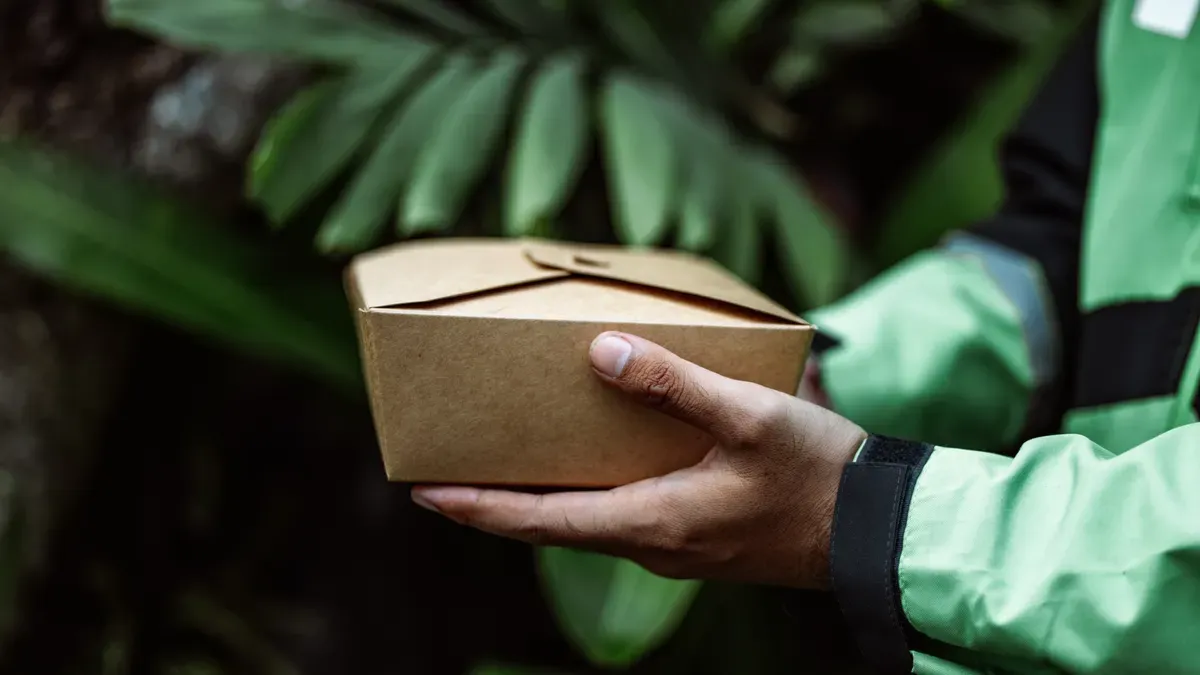
Material selection makes a brand’s ethics visible. A customer sees the box before the product. Weight, texture, and origin become the first proof of a company’s claims. Material choices transform that proof into a tactile experience. The categories below represent the most credible options for brands that want containers to speak the same language as their values.
Recycled and Recyclable Options
Post-Consumer Waste Materials
Post-consumer waste (PCW) receives a second life in new containers. These materials come from homes and businesses after their first use. They include corrugated cardboard, office paper, glass bottles, and certain plastics. Choosing labels and packaging with high PCW content reduces demand for virgin resources.
Recovery rates determine how much of this material actually returns to production. EPA product-specific data from 2018 reveal wide gaps:
| Material category | Recycling rate (2018) |
|---|---|
| Corrugated boxes | 96.5% |
| Glass wine and liquor bottles | 39.8% |
| Glass beer and soft drink bottles | 39.6% |
| PET plastic bottles and jars | 29.1% |
| HDPE natural bottles | 29.3% |
| Plastic bags, sacks, and wraps | 10.0% |
| Polystyrene containers | 3.6% |
The chart below visualizes the same comparison.
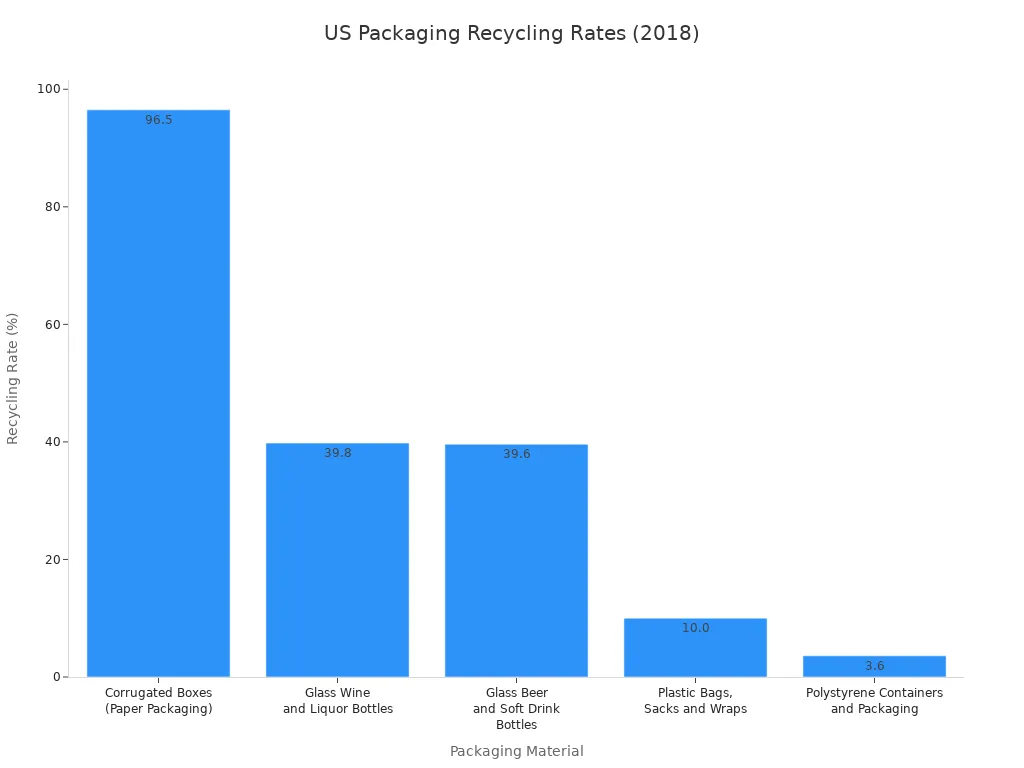
These numbers explain why material choice must follow real infrastructure. A package can carry a recyclable symbol and still fail to be recycled if sorting facilities reject its mixed layers. Brands should prioritize materials with proven recovery streams.
Mono-Material Packaging for Easy Recycling
Multi-material packages create a hidden problem. A paperboard carton with a plastic window, a pouch with aluminum foil, or a box with a polymer coating forces recycling facilities to separate layers. Most facilities lack the equipment to do so. The entire package often ends up in landfill. Mono-material structures avoid this failure. A single material type flows through the recycling stream without disassembly. This design choice supports a circular economy where resources remain productive.
Brands choosing recycled or recyclable materials must also consider how customers dispose of the package. Clear instructions on the pack reduce contamination. Mono-material structures make the instruction simple: place the entire package in the recycling bin.
Biodegradable and Compostable Materials
Plant-Based Plastics and Fibers
Plant-based plastics promise a shift away from fossil fuels. Polylactic acid (PLA), polyhydroxyalkanoates (PHA), and molded fiber come from corn, sugarcane, or agricultural residue. These materials offer an eco-friendly packaging choice for brands seeking an alternative to conventional plastic. Yet the full lifecycle tells a more complicated story.
Life cycle assessments (LCAs) expose the trade-offs behind these materials:
| Material / Topic | LCA-Revealed Trade-off |
|---|---|
| Bioplastics vs. fossil-based plastics | Some bioplastics perform well theoretically, but composting infrastructure gaps or energy-intensive production can erase the gain. |
| Bioplastics feedstock stage | Renewable origins and lower emissions may be offset by land-use change, water stress, and pesticide runoff. |
| Material switching | Switching from plastic to paper or glass is not automatically better; heavier shipping weights, higher water use, and shorter product lifespan can increase impact. |
| Recycling claims | “Recyclable” does not equal “actually recycled”; sorting rates and contamination risks determine real reuse. |
A rigorous LCA follows ISO 14040 and ISO 14044 standards from raw material extraction through manufacturing, use, and disposal. This cradle-to-grave view identifies environmental hotspots. Companies can then optimize processes, add renewable energy, minimize waste, and improve recycling infrastructure. Brands comparing sustainable packaging options must demand this level of analysis rather than accepting attractive labels.
Certifications to Look For
Compostable claims require independent verification. In North America, BPI certification confirms compliance with ASTM D6400. In Europe, TÜV Austria and DIN Certco apply EN 13432. The Seedling logo and OK Compost marks signal approved biodegradability under specific conditions. These certifications protect brands from the trap of false claims. A bag labeled compostable may still require industrial heat and moisture to break down. Without that infrastructure, an environmentally friendly packaging claim becomes misleading. Certifications provide the evidence customers need.
Responsibly Sourced Paper and Cardboard
FSC-Certified and Recycled Paper
Paper remains the dominant shipping material for most brands. Its environmental impact depends on the forest source. Virgin fiber cut from clear-cut forests carries heavy ecological costs. Responsibly managed forests protect biodiversity, soil, and water. The Forest Stewardship Council (FSC) verifies such management. FSC-certified paper assures customers that replanting and ecosystem protection accompany each harvest.
Recycled paper removes the logging stage altogether. It uses fewer resources and produces lower emissions. Many brands combine the two. A box with 80% post-consumer recycled content and 20% FSC-certified virgin fiber balances strength with ethics. This dual sourcing gives customers verifiable proof of sustainability.
Soy-Based Inks and Water-Based Coatings
Printing choices often undermine an otherwise responsible box. Traditional petroleum-based inks release volatile organic compounds during printing. Soy-based inks come from a renewable crop, generate fewer emissions, and biodegrade faster during recycling. Water-based coatings complete the picture. They replace plastic films that contaminate paper. These coatings allow printed cartons to enter standard recycling streams without separation.
Brands must request these specifications from their suppliers. A recycled box printed with petroleum ink loses part of its environmental value. Environmentally conscious packaging requires attention to every layer — substrate, ink, and coating alike.
Design Sustainable Packaging That Speaks Your Brand Language
Every box and bag speaks before a customer reads a single word of packaging copy. This section reveals how to tell your brand story through material and form. Sustainable materials do not limit creativity. They demand a visual language of their own. The link between packaging and storytelling makes every component a storytelling tool.
Visual Identity on Sustainable Materials
Color, Typography, and Logo Placement
Recycled and kraft boards interact with ink differently than coated paper. Successful packaging design begins with the right ink system. Soy and vegetable-based inks deliver clean pigment dispersion, stable tones, and precise Pantone matching. Water-based inks penetrate porous fibers without mottling. The table below outlines the best combinations.
| Surface material | Recommended ink | Reason |
|---|---|---|
| Coated art paper / rigid box board | Conventional resin or soy inks | Smooth film, high-gloss finish |
| Kraft or porous recycled paper | Water-based or vegetable inks | Better penetration, reduced mottling |
| Metallized or specialty coatings | UV inks | Strong adhesion on non-absorbent surfaces |
Typography and logo placement must respect the material. A raised logo or debossed emblem creates depth. Restrained placement keeps the recycled texture visible.
Minimalist Design for Maximum Impact
Minimalism reduces waste and sharpens brand recognition. It eliminates outer boxes, excess inserts, and decorative foils. Smart engineering rightsizes containers and moves manuals online. Simple forms and premium materials express luxury while proving environmental responsibility. This approach turns restraint into brand storytelling.
Personalization and Multi-Sensory Elements
Custom Messages and Names
A custom insert with the customer’s name turns product packaging into a personal letter. These carefully crafted labels and packaging help the brand connect directly with its audience. Handwritten notes and limited-edition prints add meaning.
Texture, Scent, and Sound
Touch strongly shapes perceived quality. Embossing, soft-touch coatings, and raised patterns communicate exclusivity. Texture and scent work together; congruent pairings raise perceived value. A light cedar or vanilla scent reinforces a natural ingredient story. Sound matters too. A deliberate click or soft crinkle of recycled paper creates satisfying feedback. Complex, stepwise openings elevate perceived luxury, but excessive complexity reverses the effect. Package design must balance anticipation with ease.
Storytelling Through Structure
Innovative Shapes and Openings
Structural choices carry the brand’s story. A triangular corner can echo mountains, a circular lid might reference a cycle. Each shape must serve function. Customers perceive moderate complexity as premium. They lose patience when the opening becomes a puzzle. The structure should guide movement naturally and create one moment of surprise.
Reusable and Refillable Designs
The brand story continues after the first use. Reusable tins, refillable pouches, and modular containers encourage returning customers. The container becomes a long-term object rather than waste. This choice extends the brand’s presence in daily life. It also demonstrates commitment to a circular economy. Every unboxing becomes an invitation, not just a transaction.
Extend Your Sustainable Packaging Story with Digital Integration
Digital tools transform physical packaging into an interactive gateway. A simple scan connects customers to deeper brand narratives. This integration extends the story beyond the box and into ongoing engagement.
QR Codes and Augmented Reality
Linking to Behind-the-Scenes Content
A QR code on a label opens a window into the brand’s world. Customers can watch short films about material sourcing or meet the artisans behind a product. These behind-the-scenes glimpses build emotional investment. The packaging becomes a portal rather than a static container.
Interactive Recycling Instructions
Confusion about disposal undermines good intentions. Interactive guides solve this problem. A customer scans the package and receives location-specific recycling instructions. This feature reduces contamination in recycling streams. It also reinforces the brand’s commitment to a circular economy.
Augmented reality takes this engagement further. According to the Grand View Research augmented reality packaging market report, AR-enabled packaging transforms conventional packaging into a dynamic communication platform. Brands can increase consumer attention, engagement, and brand recall through immersive content like product demonstrations and interactive games. A neuromarketing study found that immersive AR applications elicited greater emotional engagement compared to static AR. Self-report measures showed higher perceived immersion among participants. Static AR enhanced authenticity through perceived informativeness, while immersive AR achieved this through engagement.
Social Media and Community Building
Shareable Unboxing Experiences
A well-designed package invites sharing. Unique textures, personal notes, and clever openings create memorable moments. Customers naturally reach for their phones to document these experiences. Each shared post extends the brand’s reach without additional advertising spend.
User-Generated Content Campaigns
Brands can encourage customers to post unboxing videos with a dedicated hashtag. This strategy builds a community around shared values. User-generated content feels authentic and resonates with new audiences. The packaging becomes a conversation starter.
Transparency Through Traceability
Blockchain and Supply Chain Stories
Consumers want proof behind ethical claims. Blockchain technology provides that verification. The following table explains how this system works.
| Mechanism | How Blockchain Traceability Works | Effect on Consumer Confidence |
|---|---|---|
| Immutable transparency | Every transaction is recorded on a tamper-proof ledger | Consumers verify a product’s journey independently |
| Verifiable sourcing | Companies provide verifiable sourcing information | Builds trust in ethical packaging assertions |
| Provenance tracking | Every stage from origin to destination is recorded | Trust depends on proof of origin and safety |
Blockchain’s immutable and transparent ledger allows brands to trace every product from source to shelf, ensuring that every ingredient, supplier, and process is verifiable and tamper-proof. This reassures consumers about quality and safety while strengthening the brand’s reputation for honesty and responsibility. Consumers can scan a QR code and instantly access the full story of their product: where it came from, who made it, and how ethically it was produced.
Digital Product Passports
A digital product passport gives each item a unique identity. Customers access this passport through a QR code on the labels and packaging. The passport details materials, care instructions, and end-of-life options. This tool empowers informed purchasing decisions and fosters long-term loyalty.
Case Studies: Brands Where Packaging Supports Brand Storytelling
Real brands prove ethical choices can carry narrative weight. These three companies demonstrate distinct strategies for turning containers into meaningful brand experiences.
Patagonia: Activism in Every Box
Recycled Materials and Repair Guides
Patagonia ships products in recycled cardboard. The company prints repair guides directly on the inside of the box. This act transforms packaging into a tool for longevity. Customers see the brand’s commitment before they reach the garment. The box itself becomes a call to action.
Story of Environmental Advocacy
Patagonia’s packaging supports brand storytelling through activism. The company uses minimal inks and avoids plastic laminates. Every structural choice reinforces its mission: “We’re in business to save our home planet.” Restraint carries the message clearly.
Lush: Naked Packaging and Radical Transparency
Zero-Waste Commitment
Lush eliminates packaging wherever possible. The brand’s naked product line sells shampoo bars, conditioners, and body cleansers without any container. Lush sustainability reports confirm the scale of this commitment. The table below shows the progress.
| Metrico | Valore |
|---|---|
| All-year-round products sold without packaging (naked) | 45% |
| FY24 naked products share of sales volume | 54% |
| FY24 naked products share of net sales value | 32% |
| FY24 naked units sold | ~18 million |
| FY24 naked units as share of unit sales | 64% |
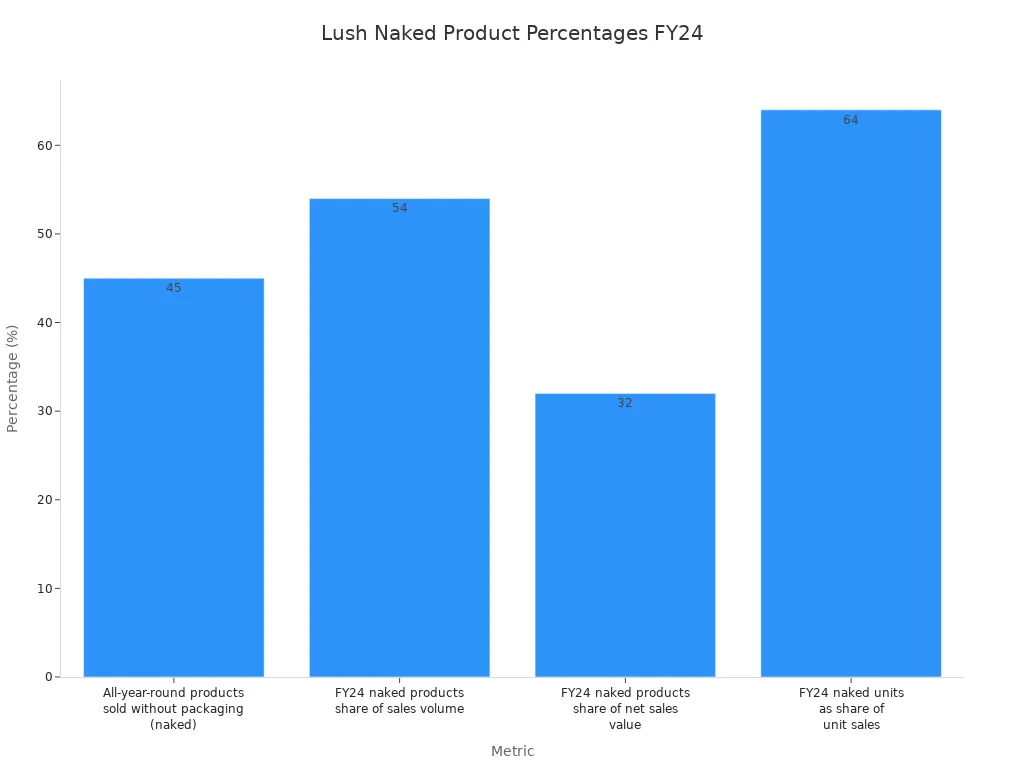
Naked products shift the story from container to content. Customers hold the ethical choice in their hands. The physical absence of packaging becomes the brand’s signature message.
In-Store Storytelling
Lush’s retail environment extends this narrative. Staff explain how naked products reduce waste. Demonstrations let customers touch and smell the solid formulas. The store becomes a living story. Labels and packaging appear only where necessary, always with clear disposal instructions. This radical transparency earns trust.
Allbirds: Simplicity and Sustainability
Minimalist Recycled Packaging
Allbirds ships shoes in a recycled cardboard box. The company removes all unnecessary inserts. A single label carries the product details. This minimalist package design reduces material use without sacrificing function. Customers receive a clean, simple unboxing experience. The box feels deliberate, honest, and aligned with the product’s natural materials.
Carbon Footprint Labels
Allbirds places carbon footprint data directly on the package. Each number tells a story. Customers see exactly how much carbon the product created. The label lists materials and manufacturing processes. This transparency transforms packaging into an accountability tool. It demonstrates how simple package design can carry brand stories without extra words.
These case studies show a shared truth. Ethical values earn trust only when materials, structure, and message align. Patagonia, Lush, and Allbirds each translate values into tangible choices. The result is trust, loyalty, and a memorable unboxing.
Measure and Communicate Your Sustainable Packaging Story
Measurement turns good intentions into credible claims. Brands must track their environmental impact before they can share a sustainable packaging story with confidence.
Track Your Packaging Footprint
Lifecycle Assessments
A lifecycle assessment examines every stage of a package’s existence. This analysis spans material extraction, manufacturing, transportation, and disposal. LUMENE’s Product Carbon Footprint study revealed that packaging contributed 35% of their products’ carbon impact. This finding drove the company to reduce material weight and explore alternative materials. They also reinforced a goal of cutting plastic use by 20%.
Brands can measure several key metrics to understand their footprint:
- Recycled content percentage: Higher post-consumer recycled material improves sustainability and lowers emissions.
- Renewable versus virgin materials: Tracking this ratio reduces waste and supports responsible practices.
- Material weight and optimization: Lighter packages consume less energy during shipping.
- Lifecycle assessment: A comprehensive analysis uses specialized databases and tools.
- Recyclability and biodegradability: These factors determine a material’s end-of-life potential.
- End-of-life considerations: Brands measure how packaging is discarded and whether its lifespan extends beyond single use.
Several tools help brands conduct these assessments. SimaPro simplifies complex lifecycle analyses and automates data collection. EcoChain enables seamless data integration and generates ISO 14067-compliant reports. The ecoinvent database provides internationally recognized emission factors. These tools help identify emission hotspots and support dynamic visualization dashboards for stakeholder communication.
Reduction Targets and Reporting
Clear targets transform measurement into action. Brands set specific goals for carbon reduction, recycled content, and waste diversion. Regular reporting tracks progress against these benchmarks. This discipline builds accountability and demonstrates genuine commitment.
Share Your Story Authentically
On-Pack Messaging and Certifications
A 2025 Blue Yonder survey found that 74% of U.S. respondents consider sustainability important in purchasing decisions. Yet only 23% believe brands accurately market their sustainability initiatives. This gap highlights rising consumer discernment amid low trust. Vague claims like “eco-friendly” without proof can backfire. Brands should follow FTC Green Guides to underscore credibility. Credible certifications such as B Corp, Fairtrade, and FSC hold real accountability. Specific claims work better than empty buzzwords. Replacing “eco-friendly packaging” with “100% biodegradable and compostable within 90 days” provides verifiable evidence.
Annual Sustainability Reports
Annual reports document progress and setbacks. These publications share data on packaging footprint, reduction targets, and material sourcing. Transparent reporting builds long-term trust with investors, customers, and regulators.
Engage Customers in Your Journey
Feedback Loops and Co-Creation
Customers offer valuable insights for improving package design. Brands can create feedback loops through surveys, social media, and direct communication. This dialogue ensures that packaging evolves with consumer expectations.
Loyalty Programs for Sustainable Actions
Loyalty programs reward customers for environmentally responsible choices. Brands can offer bonus points for slower shipping options, which reduces carbon intensity. Rewards for returning packaging or buying refillable products encourage circular economy participation. Some programs embed impact directly into transactions. For every order placed, a specific environmental action occurs automatically. Customers can also convert loyalty points into chosen impacts, such as planting trees. Adidas’ adiClub rewards members for recycling old products and completing green challenges. Costa Club similarly incentivizes sustainable behaviors across its global network. These programs create habit-forming loops that strengthen retention and repeat purchases.
Brands that measure honestly and communicate clearly can showcase it on your labels and packaging. This approach turns every box into a trustworthy chapter of the brand story.
Ethical packaging offers a powerful, tangible way to tell your brand story. Start by aligning materials and design with core values. This alignment ensures your brand story remains coherent. Use personalization, digital tools, and transparency to deepen the narrative. Real brands prove loyal customers respond when ethical choices shape packaging. Companies should showcase commitments on labels and packaging. Every box provides a chance to tell your story truthfully. Ultimately, your packaging can tell your brand story without a single marketing word. Make it count.
FAQ
What defines ethical packaging?
Ethical packaging combines sustainable materials, responsible sourcing, and transparent communication. It minimizes environmental harm throughout the product lifecycle. Brands use recycled content, compostable fibers, or responsibly harvested paper. These choices align with consumer values and reduce waste. Companies must verify every claim through certifications and third-party audits.
How does packaging tell a brand story?
Packaging serves as the first physical touchpoint between a brand and its customer. Materials, colors, and structure communicate values before any marketing message appears. A recycled box signals environmental commitment. Minimalist design suggests confidence and honesty. Every design decision becomes a chapter in the brand narrative.
Which sustainable materials work best for brand storytelling?
Recycled cardboard, post-consumer waste paper, and mono-material designs offer reliable options. Plant-based plastics and compostable fibers suit specific product categories. FSC-certified paper assures responsible forestry. Soy-based inks and water-based coatings complete the sustainable package. Brands should match materials to their core message and verify claims through recognized certifications.
How can brands avoid greenwashing accusations?
Brands must support every environmental claim with verifiable evidence. Vague terms like “green” or “eco-friendly” invite criticism. Specific statements work better. A label reading “100% recycled content” provides measurable proof. Third-party certifications such as BPI, FSC, or Cradle to Cradle hold real accountability. Full lifecycle transparency protects brand credibility.
What role do QR codes play in sustainable packaging?
QR codes connect physical packaging to digital content. Customers scan the code to access sourcing stories, recycling instructions, or behind-the-scenes films. This integration extends the brand narrative beyond the box. Interactive guides reduce recycling contamination. Augmented reality features increase engagement and brand recall.
How do brands measure packaging sustainability?
Lifecycle assessments evaluate environmental impact across material extraction, manufacturing, and disposal. Brands track recycled content percentages, material weight, and carbon emissions. Tools like SimaPro and EcoChain generate ISO-compliant reports. Clear reduction targets and annual reporting demonstrate genuine commitment to continuous improvement.
Can reusable packaging strengthen customer loyalty?
Reusable and refillable designs extend the brand experience beyond the first purchase. Customers keep the container and interact with it daily. This repeated exposure reinforces brand values. Loyalty programs that reward returns or refills create habit-forming loops. These strategies reduce waste and increase retention.
What certifications should brands prioritize?
Brands should seek certifications that match their sustainability claims. FSC verifies responsible forestry. BPI and TÜV Austria confirm compostability standards. B Corp measures overall social and environmental performance. Fairtrade protects supply chain ethics. These credentials provide customers with trustworthy proof of genuine commitment.
See Also
Aligning Jewelry Box Materials With Your Unique Brand Identity
Ultimate Guide For Selecting Optimal Jewelry Packaging For Your Brand
Scaling Your Brand Efficiently Through Wholesale Jewelry Packaging Solutions
Marketing Your Jewelry Brand’s Commitment To Eco-Friendly Practices
Complete Sustainability Guide For Eco-Friendly Jewelry Packaging