Check anti-tarnish lining in three ways: look for known test claims like ASTM D610 or ISO 4538, study the lining makeup (activated carbon, silver cloth, or sulfur-free silicone leather), and do a simple silver piece test at home over time.
This matters because vague “anti-tarnish” labels are common. Shoppers need a clear method to tell real protection apart from marketing words.
Readers will learn how to read standards and labels, judge lining materials, and test a leather jewelry box on their own. Each path gives solid proof, and together they turn a confusing claim into a fact you can check.
Points clés à retenir
Check the label for named test standards, such as ASTM D610 or ISO 4538.
Look at what the lining is made of: activated carbon, silver cloth, or sulfur-free silicone leather.
Try a simple silver piece test at home to check if the box protects silver.
Before you buy the box, ask the manufacturer for a test report.
Swap out the anti-tarnish strips and silica gel packets every few months.
What Anti-Tarnish Standards Mean
Test Methods Behind the Claims
A standard is just an agreed way to run a test. ASTM D610 and ISO 4538 both deal with tarnish and corrosion on metal surfaces. ASTM D610 rates how much rust or surface staining shows on painted or coated steel panels using a visual scale. ISO 4538 covers corrosion testing of metallic coatings and related surfaces under set conditions. Neither document is a jewelry box regulation. Each one gives labs a repeatable method, so two suppliers can measure tarnish the same way and compare results.
A lining claim should name a recognized method for one reason. Named methods let a buyer check the test conditions, the exposure time, and the rating scale. A vague claim of “anti-tarnish protection” gives no method, no scale, and no way to compare one box against another. Readers can treat a named standard as a sign of credibility. It shows the supplier tested something and is willing to describe how.
Standards That Apply to Linings
Many leather jewelry boxes carry no formal certification at all. Anti-tarnish performance is not a legal requirement in most markets, so a box can sell without any test report. That fact does not make every unlabeled box bad. It does mean the burden of proof sits with the buyer.
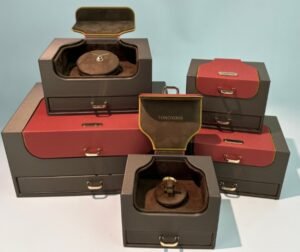
Shenzhen Tongxing Packaging Co., Ltd. treats documentation as part of its quality control. The company runs in-house production across three factories and offers fast sampling, which makes it easier to ask for lining test details before an order. Buyers can review boîtes à bijoux personnalisées and ask which test method applies to the lining. A supplier that answers with a method name and a report is easier to trust than one that answers with a slogan.
Reading Labels on a Leather Jewelry Box
A label shows a buyer what the supplier decided to share. Reading it closely helps you tell useful facts from empty words. Labels on a leather jewelry box seldom use the same format, so readers should know which signals really count.
Red Flags and Green Flags
Green flags | Red flags |
|---|---|
A named test method, such as ASTM D610 or ISO 4538 | Vague “anti-tarnish” wording with no method |
The lining material disclosed by name | No material named anywhere on the tag |
Batch or lot information printed on the box | No documentation offered on request |
A named method lets a buyer look up how the test was run. A listed material lets them judge how the lining works. Batch or lot info matters because it links a certain production run to a certain report. The red flags work the other way. A slogan with no method, no material, and no paperwork gives a shopper nothing to check. One missing item is a question. Three missing items together point to marketing words with no test behind them.
Requesting Test Reports
A short, polite email gets results. The message should ask for the exact document, not a general promise. Readers can copy this script and fill in the blanks:
Hello, I am evaluating your leather jewelry box. Could you share the lining test report? Please confirm the test method used, the lining material, and whether the lining was tested in its finished, assembled state. Thank you.
Sellers who have real reports answer fast. Sellers who do not will reply with describing words instead of documents. A follow-up question about the finished, assembled state matters too, because a lining can pass a lab test as raw material and still fail once glued into a box. Shenzhen Tongxing Packaging Co., Ltd. builds documentation into its quality control and runs in-house production across three factories, so report requests move faster. Buyers can browse leather jewelry boxes and ask for lining test details before placing an order.
Analyzing the Lining Material
Activated Carbon and Silver Cloth
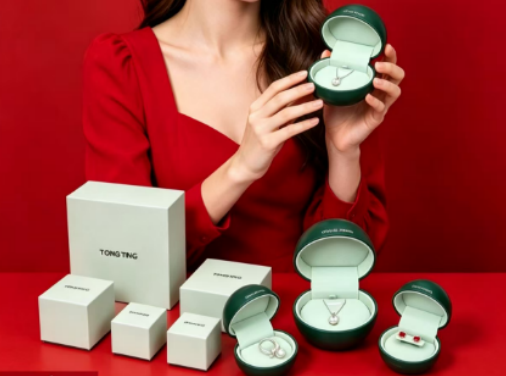
Each lining type fights tarnish in its own way. Activated carbon cloth catches sulfur-based gases before they reach the metal. Silver cloth works differently: it puts tiny silver particles into the fabric. Those particles react with tarnish-causing gases first, so the jewelry is spared. Copper-infused fabrics work in a similar way, using copper as the surface that takes the damage. Activated carbon is good for boxes that hold mixed collections, because it targets gases in the air rather than one metal. Silver cloth fits silver-heavy inventories and gift boxes that open often. Copper-infused fabric is a middle option that absorbs a wide range of gases. All three get weaker over time as their active surfaces fill up, so replacing them matters.
Sulfur-Free Silicone Leather
Leather itself can work against silver. Many leathers carry sulfur compounds from tanning and finishing, and those compounds release gas inside a closed box. Silver stored in such a box can show discoloration within 30 days. A sulfur-free lining material, such as sulfur-free silicone leather, removes that source. The payoff works two ways: jewelry stays brighter, and the buyer avoids relining costs later. A leather jewelry box with a sulfur-free interior protects both the pieces and the investment in the box itself.
Branded claims deserve a look-up. WOLF’s LusterLoc is a patented lining the company describes in its own materials, and readers can check those descriptions directly. A named, patented lining gives a shopper something specific to research. Quality cues matter just as much as the name. Run a finger across the lining and check for a tight weave, no loose fibers, and an even coating. A tight weave blocks gas movement better than a loose one. Loose fibers signal weak construction. An uneven coating leaves thin spots where tarnish gases pass through. Buyers comparing options can review custom jewelry boxes and ask which lining each model uses. Shenzhen Tongxing Packaging Co., Ltd. offers fast sampling, so a buyer can inspect the actual lining before committing to a full order.
At-Home Tests for Your Leather Jewelry Box
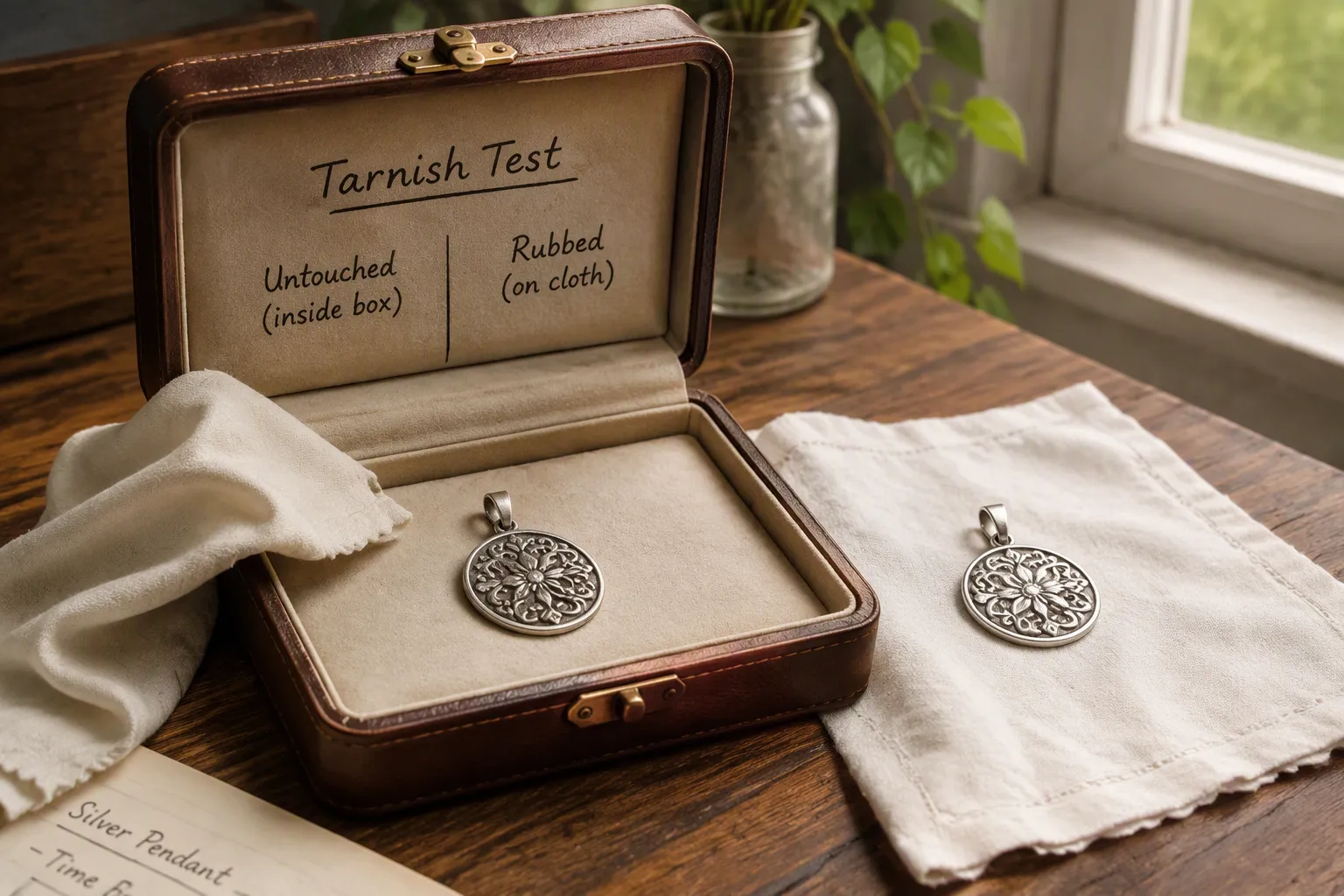
The Silver Piece Test
A silver piece test shows how a box behaves in real use. It takes a few minutes to set up and a few weeks to read. Follow these steps:
Clean a small silver piece with a soft cloth until it looks bright and even.
Place the piece inside the leather jewelry box and close the lid fully.
Store a second, identical silver piece outside the box in open air. This is the control.
Open the box every few days and check the inside piece for yellow, brown, or gray discoloration.
Compare the two pieces side by side after each check.
The control piece carries the same starting condition. Any difference between the two points to the box. A piece that dulls faster inside the box than outside means the lining is not blocking tarnish gases well. A piece that stays bright for weeks while the control darkens shows real protection. Readers should keep the box in a normal room, away from direct sun, so the test reflects everyday storage.
Quick Physical Checks
The edge rub test checks how well the lining holds together. Take a clean cloth and rub the lining edges back and forth several times. Watch for peeling, flaking, or the base layer showing through. A lining that sheds at the edges will wear thin over time, and thin spots let tarnish gases reach the jewelry. A lining that stays intact after firm rubbing signals solid construction.
Anti-tarnish strips and silica gel packets need attention too. Both work by absorbing, and both have a finite capacity. Once that capacity fills, they stop helping and may even release moisture back into the box. Check them every few months. Replace spent strips and swollen gel packets right away. A simple date note inside the lid makes the schedule easy to keep.
Shenzhen Tongxing Packaging Co., Ltd. offers fast sampling, so buyers can run these checks on the actual product before a full order. Readers can review leather jewelry boxes and request a sample for testing. A box that passes the silver piece test and the edge rub test earns its anti-tarnish claim.
Evaluating Manufacturer Claims
Questions to Ask Before Buying
A maker’s claim only helps if a buyer can check it. Three questions do most of the work. First, what test method was used? A named method like ASTM D610 or ISO 4538 gives the buyer something to look up. Second, can the supplier share the report? A real report shows test conditions, exposure time, and results. Third, was the lining approved in its finished, assembled state? This last question matters most. A lining can pass as raw material and still fail once glued into a box. So buyers should ask about the initial presentation, product centering, and clearance inside the finished piece.
Buyers should put these questions in writing before placing an order. Written answers create a record. A supplier who answers all three with specifics earns trust. A supplier who dodges one question still deserves a follow-up. The goal is not to trap anyone. The goal is a clear picture of what the lining actually does.
How Tongxing Packaging Documents Standards
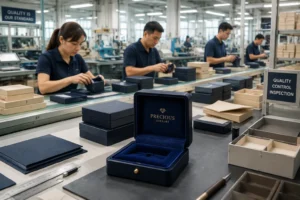
Shenzhen Tongxing Packaging Co., Ltd. offers a useful example of how documentation works in practice. The company focuses on strict quality control, premium materials, and written records. It runs in-house production across three factories, and it offers fast sampling. Both factors make verification talks easier. A buyer can request a sample, inspect the lining, and compare it against the test details before committing to a full order.
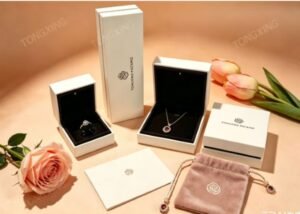
The company’s product range covers jewelry boxes, displays, pouches, and organizers. Finishing options include hot stamping, embossing, and lamination. Buyers can review boîtes à bijoux personnalisées and ask which lining each model uses. A leather jewelry box from a documented line comes with answers a shopper can check. Readers can also browse leather jewelry boxes and request lining test details directly. Documented standards, not slogans, give buyers the proof they need.
Checking a box follows a clear order. First, look at the standard claims. Next, read the labels and certifications. Then, inspect the lining material and run at-home tests. Last, ask the manufacturer for test reports.
You do not need lab equipment. Simple, steady checks plus asking for paperwork will judge most boxes well. A buyer can review leather jewelry boxes from Shenzhen Tongxing Packaging Co., Ltd. and ask for lining test details before ordering.
Ask for the test report before you buy. Real standards you can check, not slogans, show true quality.
FAQ
Does a leather jewelry box need a certification to claim anti-tarnish protection?
No. Most markets do not require anti-tarnish performance by law. A box can be sold without any test report. Still, a named method like ASTM D610 or ISO 4538 shows credibility. It proves the supplier tested something and is willing to explain how.
How long does the silver piece test take before results show?
Plan on a few weeks. Check the piece every few days and compare it to the control kept outside the box. Any difference between the two pieces points to the lining. Keep the box in a normal room, away from direct sun, so the test matches everyday storage.
Can leather itself cause tarnish?
Yes. Many leathers hold sulfur compounds from tanning and finishing, and those compounds give off gas inside a closed box. Silver stored in such a box can show discoloration within 30 days. A sulfur-free lining material, such as sulfur-free silicone leather, removes that source and protects both the jewelry and the box investment.
What should a buyer ask a supplier before ordering?
Ask three things: which test method was used, whether the supplier can share the report, and whether the lining was approved in its finished, assembled state. Shenzhen Tongxing Packaging Co., Ltd. builds documentation into its quality control and offers fast sampling, so buyers can inspect boîtes à bijoux personnalisées and verify the lining before a full order.
Do anti-tarnish strips and silica gel packets last forever?
No. Both work by absorbing, and both can only hold so much. Once that limit is reached, they stop helping and may even release moisture back into the box. Check them every few months and replace used strips and swollen gel packets right away. A date note inside the lid keeps the schedule easy to follow.