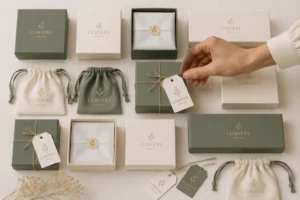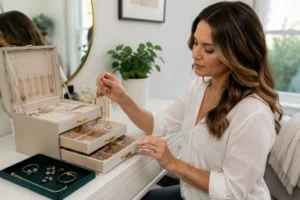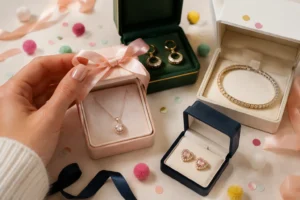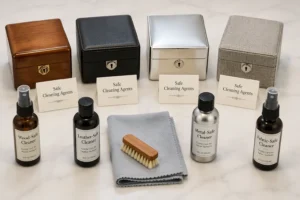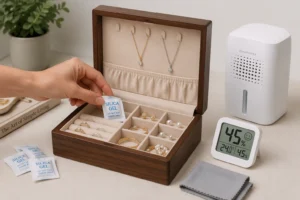
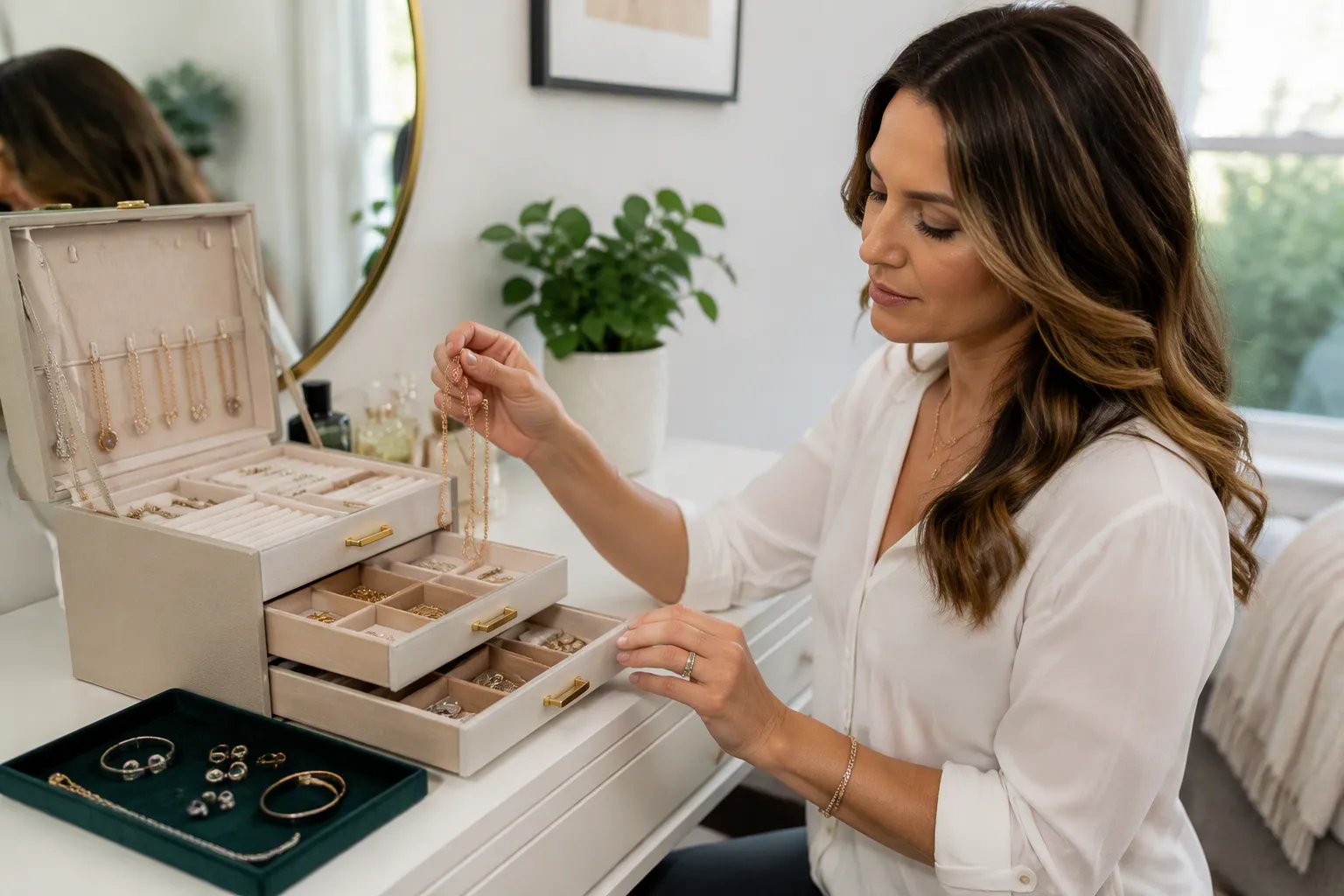
Organizing a large personal jewelry collection begins with frequency of wear, then category, then value. That sequence prevents tangles, lost pairs, and scratched gold. Room-by-room plans work in real homes, not vaults. The practical rule is to organize your jewelry before choosing any storage. Good options include joyeros personalizados, a Estuche para joyas, and a simple Expositor de joyas tray. Even a trusted fabricante de embalajes para joyería can recommend protective materials. A clear system makes the collection a joy, not a burden.
Start Your Jewelry Organization With a Three-Bucket Sort
For organizing a large personal jewelry collection, sorting before storing works best. The most effective jewelry organization method starts with three passes: frequency, category, and value. These passes guide every later decision.
Sort by Frequency of Wear
Start with daily habits. A collector gathers pieces worn in the last month into one group.
Everyday Pieces
Everyday pieces include simple studs, a favorite pendant, and one reliable watch. These items need easy access. They deserve the prime spot in a dresser tray.
Occasional Pieces
Occasional pieces surface for dinners, celebrations, or interviews. They stay visible but not daily. A separate tray keeps them ready for planned events.
Rarely Worn and Sentimental Pieces
Rarely worn and sentimental pieces include inherited brooches and old charm bracelets. A collector sets these aside for later decisions. They might require special care or documentation.
Sort by Category
With frequency groups in place, a person organizes each pile by type. The best way to organize your jewelry by category is to work through one type at a time. This second pass reveals duplicates and missing pairs.
Necklaces and Pendants
Lay chains flat or hang them by individual hooks. This prevents tangles before they start.
Earrings
Match pairs and place them on cards or stud bars. Small posts disappear easily without a dedicated home.
Bracelets and Bangles
Stack bangles loosely in a lined bowl. Snap closures on bracelets should remain fastened to avoid catching on other pieces.
Rings
Cushion rings in felt slots. Separate gold and silver rings to prevent scratching. Store rings in individual spaces.
Brooches and Statement Pieces
Pin brooches to a fabric-covered board or keep them in padded compartments. Heavy statement pieces need stable support and room to breathe.
Sort by Value and Sentiment
The final pass separates fine pieces, costume items, and heirlooms. This step also protects financial interests.
High-Value Fine Jewelry
Certified appraisers advise keeping fine pieces in acid-free, fabric-lined boxes. Pieces should remain separated to prevent scratching. Storage areas should stay cool, dry, and away from direct sunlight. Original receipts, certificates, and earlier appraisals add 20 to 30 percent to resale value for branded pieces. Appraisers also recommend photographing every piece from multiple angles with a ruler for scale. Professional cleaning should occur before appraisal, not at home.
Costume and Fashion Jewelry
Costume pieces have their own market. Signed vintage designs from makers such as Miriam Haskell or Eisenberg can hold hidden collector value. Even adhesive-set stones deserve careful handling. Keep fashion pieces away from humidity to preserve plating.
Heirlooms and Inherited Pieces
Heirlooms require documentation. Appraisers recommend full documentation before splitting a collection among heirs. Family letters and photos establish provenance. For exceptionally valuable pieces, a home safe or bank safety deposit box offers security.
This three-bucket method makes later storage choices simple. A complete organizing system turns a chaotic drawer into a curated collection.
Set Up a Donate, Repair, and Repurpose Pile
The three-bucket sort produces a fourth pile. This pile holds pieces that no longer earn a place in the main collection. A collector reviews this pile with three questions: can someone fix it, can someone else use it, or can a jeweler transform it? This step keeps the collection lean and purposeful.
Broken Pieces Worth Fixing
A broken clasp or a loose stone does not mean the end of a piece. A local jeweler can replace a clasp for a modest fee. Re-tipping prongs costs little and prevents stone loss. A collector should set a repair budget before visiting the shop. The rule of thumb: repair any piece worth more than the repair cost. A gold chain with a faulty lobster claw deserves a five-dollar fix. A costume bracelet with peeling plating does not.
Duplicates and Unworn Items
Duplicates accumulate quietly. Three pairs of identical gold hoops serve no purpose. A collector keeps the best pair and moves the rest to the donate pile. Unworn items follow the same logic. A piece that sits untouched for two years rarely returns to rotation. Local shelters, church thrift shops, and dress-for-success programs welcome clean costume jewelry. Fine pieces can go to consignment or estate buyers. This step supports organizing a large personal jewelry collection without guilt.
Pieces to Restyle or Reset
Some pieces hold value in their materials, not their design. A jeweler can melt an old gold ring into a modern band. Loose stones from a broken brooch become new studs or a pendant. A single earring can become a charm or a tie pin. Restyling costs less than buying new and preserves sentimental metal. A collector should ask the jeweler for a written estimate first. Before-and-after photos help track the transformation.
A donate, repair, and repurpose pile keeps the collection intentional. Every piece that remains has a purpose, a home, and a reason to stay.
Build a Daily-Access Zone for Your Jewelry Storage
A daily-access zone keeps the pieces a person wears most often within reach. This zone supports organizing a large personal jewelry collection without digging through boxes each morning. The right setup saves time and protects delicate items.
Choose the Right Spot
Location matters for storing your jewelry at home. A dressing zone connected to the bedroom and bathroom prevents morning bottlenecks. Humidity and sunlight also affect materials.
| Factor | Recommended Location | Supporting Detail |
|---|---|---|
| Morning routine flow | Master suite dressing zone | Links logically to bed and bath |
| Humidity control | Walk-in closet with ventilation | Sealed storage and dehumidifier help |
| Direct sunlight | Closet with LED task lighting | Balanced window placement protects pieces |
Humidity control becomes critical in closet and bathroom areas. Adequate ventilation and moisture-resistant materials protect the collection.
Dresser-Top Trays
A dresser-top tray works for everyday studs and one pendant. The tray keeps items visible and accessible.
Vanity Drawer Inserts
A vanity drawer insert with velvet lining protects rings and chains. Dividers stop pieces from sliding together.
Closet Shelf Baskets
A closet shelf basket holds occasional pieces. Baskets work well for items worn once or twice a week.
Keep Only What You Wear This Week
A small rotation limits clutter. The collector moves only current favorites into the daily zone.
The Seven-Day Rotation
The seven-day rotation places one week of jewelry in the access zone. The rest stays in longer-term storage.
A Small Catch-All Bowl
A small catch-all bowl holds rings and studs at day’s end. The bowl prevents pieces from landing on random surfaces.
A Travel Case for Extras
A travel case stores extras for weekends or trips. The case keeps spare pieces separate from the daily tray.
Prevent Tangling Before It Starts
Good jewelry organization stops tangles at the source. Jewelry care experts recommend several simple methods.
- Hang necklaces on individual hooks to keep each chain separated and visible.
- Use divided trays so each necklace has its own space.
- Place bracelets in small compartments or on stands to prevent scratching.
- Store heirlooms in soft-lined boxes or individual pouches.
Individual Hooks for Chains
Individual hooks for chains keep each necklace apart. This method prevents knots and makes selection easy.
Snap Closures on Bracelets
Snap closures on bracelets should stay fastened. A closed clasp will not catch on neighboring pieces.
Earring Cards and Stud Bars
Earring cards and stud bars give small posts a fixed home. These jewelry organizers stop pairs from separating.
A daily-access zone turns jewelry storage into a simple routine. The right spot, a weekly rotation, and anti-tangle habits keep the collection ready to wear.
Choose Jewelry Storage That Fights Tangles and Scratches
Selecting the right jewelry storage and organization system prevents damage before it begins. The best way to store your jewelry starts with soft surfaces. Product tests rate velvet and felt linings as essential. These soft materials stop scratches and micro-abrasions on precious metals. Hard plastic and unlined acrylic abrade polished surfaces. A collector should evaluate types of jewelry storage before purchasing. The right system protects every piece of jewelry from unnecessary wear.
Drawer Inserts and Dividers
Drawer inserts rank among the top jewelry organization and storage options. These fitted units transform ordinary drawers into protective cases. A jewelry box with separate compartments offers similar benefits.
Velvet-Lined Trays
Velvet-lined trays provide essential cushioning. The soft fibers grip each piece firmly. Long, narrow channels keep necklaces separate. One chain per channel prevents tangling.
Stackable Acrylic Grids
Stackable acrylic grids multiply usable drawer space. Each grid requires felt or velvet lining before use. Acrylic alone scratches jewelry quickly. Some models include multiple compartments for sorted pieces.
Felt Ring Rolls
Felt ring rolls protect bands from neighbors. Each slot isolates one piece and cushions the metal. This design reduces friction and limits air exposure.
Hanging and Vertical Storage
Hanging systems free drawer surfaces. Vertical storage keeps chains visible and accessible.
Wall-Mounted Necklace Bars
A wall-mounted bar allows any person to hang your necklaces and bracelets without tangling. Each chain receives its own hook. Each hook cradles one jewelry piece. This method prevents morning knots.
Over-the-Door Pocket Organizers
An over-the-door pocket organizer uses dead space behind a door. A jewelry organizer of this type displays earrings in clear vinyl pockets. These jewelry storage solutions work well for lightweight pieces. Light jewelry stores best inside.
Pegboards With Hooks
Pegboards with hooks provide flexible jewelry organization. Hooks move in seconds as the collection grows. This adaptable jewelry organization method avoids new containers. Cork boards and wire grids serve as larger jewelry storage options for extensive collections.
Anti-Tarnish and Anti-Scratch Basics
Proper jewelry storage limits air exposure. Silver jewelry demands specific protection. Anti-tarnish materials absorb sulfur compounds before they reach metal. Storage areas should stay dry and enclosed.
Tarnish-Resistant Pouches
Tarnish-resistant pouches work best for occasional pieces. Each pouch contains one item. Treated linings neutralize tarnish-causing compounds. These jewelry organization solutions preserve sterling silver between wears.
Soft Cloth Liners
Soft cloth liners protect resting jewelry. Anti-tarnish fabric provides real defense. Plain velvet offers little protection. Lined containers with anti-tarnish cloth slow oxidation. These jewelry organization boxes shield metal from humidity.
Individual Zip Bags for Silver
Individual zip bags offer an inexpensive defense for everyday pieces. A collector presses out air before sealing each bag. Anti-tarnish strips absorb sulfur compounds. Replace strips every three to six months. Avoid crinkly plastic, cellophane, rubber, and acid-dyed tissue. These materials contain sulfur and accelerate tarnish.
Categorize Your Jewelry So You Can Find Anything Fast
A well-organized jewelry collection depends on clear categories. Labels, outfit groupings, and a simple inventory turn a crowded drawer into a searchable system. These habits support jewelry organization that works every morning.
Label Every Section
Labels remove guesswork. A collector should label every drawer, box, and tray before adding new pieces.
Drawer Labels by Category
Drawer labels by category tell a person exactly where necklaces, earrings, or rings belong. A simple label maker or handwritten tag works well.
Box Labels by Metal and Stone
Box labels by metal and stone prevent mix-ups between gold, silver, and gemstone pieces. A collector can organize your jewelry by metal type to avoid scratching softer metals.
Photo Labels for Visual Reference
Photo labels for visual reference help visual thinkers. A small photo of the contents taped to the lid shows what belongs inside.
Group by Outfit and Occasion
Grouping by occasion saves decision time. A jewelry organizer can hold complete sets ready to wear.
Workweek Sets
Workweek sets include simple studs, a thin chain, and a classic watch. These pieces stay in one separate compartments tray for quick access.
Evening and Event Sets
Evening and event sets feature statement earrings and a bold pendant. A dedicated velvet pouch keeps each set together.
Travel-Ready Capsules
Travel-ready capsules hold three to four versatile pieces. A small zip case protects them during transit.
Track Your Collection
Tracking prevents duplicate purchases and supports insurance claims. A simple system takes minutes to build.
A Simple Inventory List
A simple inventory list records essential details for every piece. The table below shows what to include.
| Detail to Record | Purpose |
|---|---|
| Item description | Identifies the jewelry piece for claims and resale |
| Serial or model number | Supports verification and loss prevention |
| Purchase date | Establishes ownership timeline and depreciation |
| Purchase price or appraised value | Documents value for insurance claims and resale |
| Receipts | Provides proof of purchase and value |
| Photographs | Captures item details, including jewelry settings |
Phone Photos of Each Piece
Phone photos of each piece capture settings, serial numbers, and appraisals. A collector should photograph every item from multiple angles.
A Note on Purchase Date and Value
A note on purchase date and value supports future claims. The collector records quantity, age, condition, and place of purchase for each jewelry item. Updated appraisals can reduce insurance premiums.
Get Creative With Jewelry Display
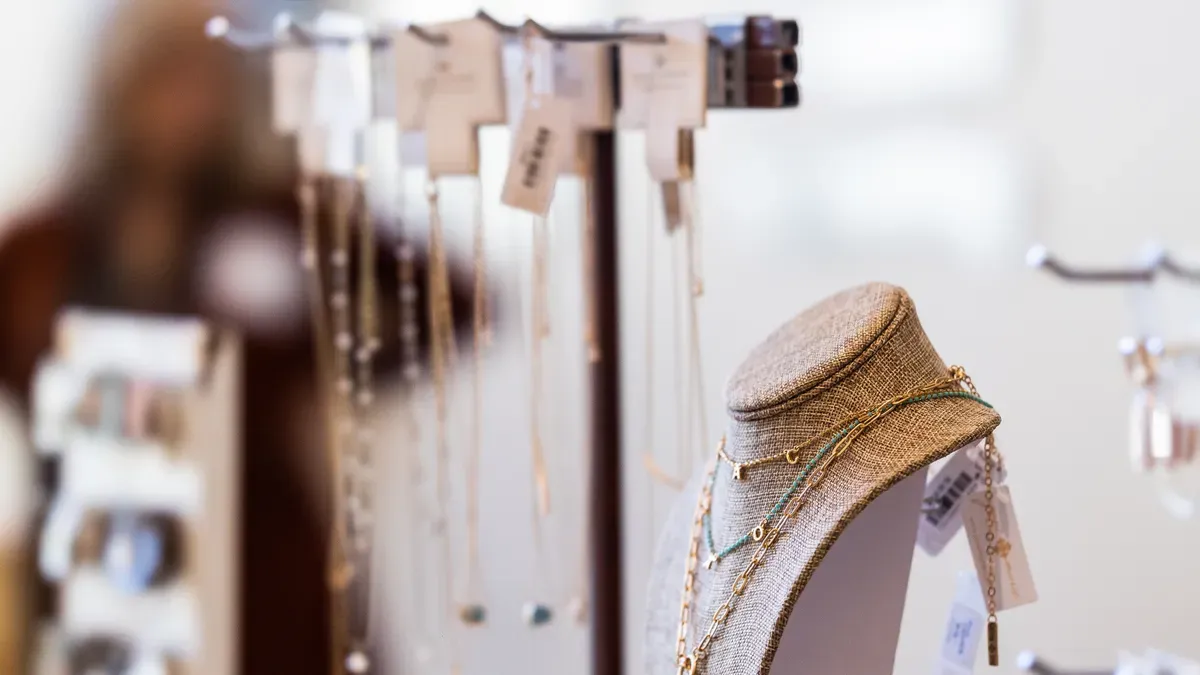
Creative display turns a large collection into a visual feature. Proper jewelry storage still matters. Display offers another layer of function. A collector can organize your jewelry with these everyday items in mind without buying expensive furniture. Visible pieces also simplify morning decisions.
Turn Jewelry Into Decor
Framed Necklace Art
A shadow box transforms favorite necklaces into wall art. Small hooks inside the frame hold each chain. This method prevents tangles and shows fine details. A collector selects pieces with interesting pendants or colorful stones. The frame becomes a focal point in a hallway or bedroom.
Vintage Trays on a Dresser
A vintage tray adds charm and catches stray rings. Silver trays reflect light and elevate everyday jewelry storage. Each tray holds a curated group of pieces for the week. The tray sits within reach beside a mirror.
A Rotating Seasonal Display
A seasonal display changes with holidays, weather, or wardrobe shifts. This rotation keeps the arrangement fresh and draws attention to stored gems. A collector swaps summer turquoise for winter pearls. Each season offers a new visual story.
Use Unexpected Objects
Household items become effective jewelry organizers. These finds let a person organize your jewelry with these everyday items in mind. These objects already exist in most homes.
Cake Stands for Bracelets
A tiered cake stand displays bangles and cuffs with elegance. Each tier holds a separate group of bracelets. These soluciones para organizar las joyas work well for large collections. The stand occupies little surface space.
Ice Cube Trays for Studs
An ice cube tray provides a compartment for every pair of earrings. Each cube cradles one pair safely. Simple jewelry organizers like these cost little and deliver order. A collector can label each cube by day or metal type.
Muffin Tins for Rings
A muffin tin offers twelve padded slots for rings. Line each cup with felt or velvet for extra protection. These organizers keep rings separate and scratch-free. The tin fits inside a drawer or on a shelf.
Rotate What You Show
Rotation prevents visual fatigue and keeps the collection relevant.
Monthly Display Swaps
A monthly swap keeps the arrangement alive. A person moves different pieces into view and returns others to drawers. This practice reveals forgotten favorites and expands the perceived collection.
A “Currently Loving” Tray
A small jewelry tray holds the pieces a person wears this week. The tray changes as taste evolves. It also catches items at the end of the day.
Store the Rest Out of Sight
Pieces not on display need proper jewelry storage. A closed box or drawer protects them from dust, sunlight, and humidity. The hidden portion of the collection also reduces visual clutter. The balance between display and protected space keeps the collection manageable.
A person should revisit these displays each season. The final arrangement should reflect personal style rather than rigid rules. Good design serves everyday life.
A display should serve the collection, not compete with it.
Protect and Secure Your Best Pieces
High-value items demand separate attention. A collector separates, guards, and insures. These actions protect every piece.
Separate the High-Value Items
A Locked Jewelry Box
A locked jewelry box provides the first line of defense inside the home. A collector chooses a box with a solid lock and a soft, lined interior. This jewelry storage solution suits pieces worn several times a week. It stops casual handling and keeps small pieces from straying.
A Home Safe or Lockbox
A home safe or lockbox offers quick access for replaceable items. It holds pieces a person wears often. Still, it cannot replace a bank vault.
A Bank Safe Deposit Box for Rarely Worn Pieces
A bank safe deposit box protects expensive jewelry and family heirlooms that lack strong home security. It offers greater protection than a home safe. Access limits apply: bank hours and two keys. The FDIC does not insure contents. The bank generally does not compensate for lost or damaged items. A collector buys separate insurance for these valuables.
Guard Against Damage
Keep Pieces Away From Sunlight
Direct sunlight fades organic gems and dulls metals. A collector stores all jewelry away from windowsills. A closed drawer, lined box, or velvet-lined cabinet provides sufficient light protection.
Control Humidity in Storage Areas
Proper jewelry storage depends on humidity control. The table below lists safe conditions.
| Material | Recommended humidity | Sunlight limit |
|---|---|---|
| Gold and metals | Below 65% RH; a drawer at 40–55% RH works | Keep away from direct sunlight; no fading limit specified |
| Opals | Maintain 40–60% RH; avoid low-humidity bank vaults | Avoid direct sunlight; use a closed, lined compartment |
| Pearls | Avoid dry and humid spaces; 40–55% RH suits pearls | Prolonged light fades organic gems; store in a dark drawer |
Store Pearls and Opals With Care
Pearls and opals need special handling. Pearls do not tolerate dry or humid spaces. Opals may craze in low-humidity bank vaults. Both materials stay safest in a moderate-humidity compartment with no light. A collector stores them apart from metal pieces.
Insure and Document
Appraisals for Fine Pieces
Insurance policies often require a current professional appraisal for items above $1,000. A collector updates appraisals every three to five years. This practice preserves the true value of the collection.
Photos and Receipts in the Cloud
Detailed photos and receipts support any insurance claim. A collector photographs each piece from multiple angles, including engravings, hallmarks, and watch serial numbers. The owner stores original receipts, certificates, and photos in encrypted cloud storage. A backup outside the home adds another layer of safety.
A Home Inventory Spreadsheet
A home inventory spreadsheet organizes all documentation. It lists purchase dates, metal types, stone weights, and appraised values. A secure digital backup stored separately ensures the data survives a home disaster.
These measures help a collector protect your jewelry collection with confidence.
Keep Your Jewelry Organization System Running
A system only works when someone maintains it. Small habits keep the collection tidy week after week. These routines protect every piece and preserve the effort invested in proper jewelry organization.
Do a Ten-Minute Weekly Reset
A short weekly reset prevents small messes from becoming large problems. The collector sets a timer and works through three quick tasks.
Return Stray Pieces
Stray earrings and loose chains accumulate on nightstands and counters. The collector gathers every misplaced item and returns it to its assigned spot. This habit reinforces the one-home rule for each piece.
Wipe Down Trays
Dust and skin oils dull velvet liners over time. A soft, dry cloth removes debris from trays and dividers. This quick wipe keeps jewelry storage surfaces clean and ready.
Check the Catch-All Bowl
The catch-all bowl collects rings and studs at day’s end. The collector empties the bowl each week and returns items to their proper homes. This step stops the bowl from becoming a permanent dumping ground.
Do a Seasonal Deep Clean
Each season offers a chance to inspect the collection more thoroughly. This deeper pass takes an hour or two.
Polish and Inspect
Jewelry care experts recommend professional cleaning and inspection at least once per year. Frequently worn pieces, including gold rings and wedding bands, benefit from professional cleaning twice a year. An annual visit includes inspection under magnification of prongs, channel settings, and structural integrity. Pearls need professional hand cleaning once a year and a soft cloth wipe after each wearing. Silver requires polishing whenever tarnish appears. Opals and softer colored stones need professional assessment to choose a safe cleaning method. A collector should schedule a professional re-check within one day after any impact, snagging, or unusual wear.
Swap Seasonal Displays
The collector rotates summer turquoise out and brings winter pearls forward. This swap keeps the display fresh and reveals forgotten pieces.
Reassess the Donate Pile
New duplicates and unworn items accumulate over months. The collector reviews the donate pile each season and moves items to charity or consignment.
Teach the Household the Rules
A shared home needs shared habits. Family members can support the system with a few simple guidelines.
One Home for Every Piece
Every piece of jewelry has one assigned spot. Family members learn to return borrowed items to that exact location.
Borrow-and-Return Etiquette
A family member asks before borrowing. The borrower returns the piece clean and in its original spot. This courtesy prevents loss and friction.
A Shared Family Tray
A shared tray holds pieces the whole household wears. This tray sits in a common area and receives a weekly check. The shared tray keeps communal jewelry visible and organized.
Consistent routines preserve the collection for years. A weekly reset, a seasonal deep clean, and clear household rules keep the system running.
An organized collection saves time, cuts clutter, and keeps every piece safe. The three-bucket sort forms the foundation for organizing a large personal jewelry collection. The wise start is small—one drawer or one tray—rather than overhauling everything at once. This method helps anyone organize your jewelry gradually and confidently. Every piece of jewelry gains a clear home. Readers can share their storage wins, DIY hacks, and favorite products in the comments.
PREGUNTAS FRECUENTES
Where Should a Collector Start With a Large Jewelry Collection?
A collector begins with a three-bucket sort. She first separates pieces by frequency of wear. Then she sorts each pile by category. Finally she sorts by value and sentiment. This sequence creates clear homes for every piece. It reveals duplicates and broken items.
What Jewelry Storage Prevents Tangles Most Effectively?
Individual hooks prevent necklaces from tangling. Drawer inserts with one compartment per chain also work well. Velvet-lined trays grip each piece firmly. A collector fastens bracelet clasps. Earring stud bars keep pairs together. This approach protects chains from knots.
How Should a Collector Protect Sterling Silver at Home?
A collector stores silver in anti-tarnish pouches or individual zip bags. She squeezes out air before sealing each bag. Anti-tarnish strips absorb sulfur compounds. She replaces strips every three to six months. She avoids plastic wrap, cellophane, and rubber. These materials accelerate tarnish.
Where Should High-Value Pieces Be Stored?
A home safe offers quick access for pieces worn often. Bank safe deposit boxes protect rarely worn heirlooms. Both options require separate insurance. The FDIC does not insure box contents. A collector documents each piece with photos and appraisals.
When Should a Collector Schedule Professional Cleaning?
A collector schedules professional cleaning at least once each year. Frequently worn rings and bands need cleaning twice annually. Pearls require annual hand cleaning. She also schedules an inspection after any impact or snag. This practice identifies loose prongs early.
What Should a Collector Do With Inherited Jewelry?
A collector should document inherited pieces first. She records family history, photos, and provenance letters. She obtains a professional appraisal before any decision. She stores exceptional pieces in a safe deposit box. Family letters establish value beyond the metal. This documentation protects the heirloom.
See Also
Jewelry Drawer Organizer Comparison Based On Actual Data
Helpful Inventory Management Tips For Jewelry Packaging Supplies
Step By Step Guide To Customize Your Jewelry Drawer Box
Ways To Enhance Your Jewelry Store Layout Using Pro Displays