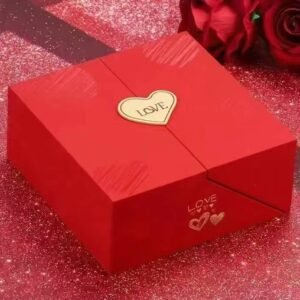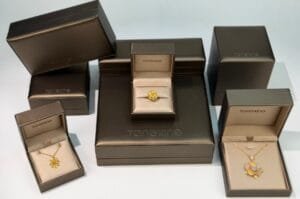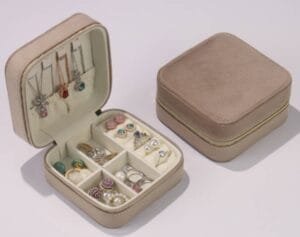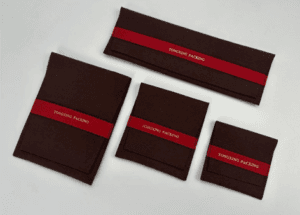
The durability of fabric-wrapped jewelry boxes in retail environments depends on several factors. Physical damage from rough handling, vibrations during transit, and stacking pressure often threaten a fabric jewelry box. Environmental influences like temperature shifts and humidity can cause warping or discoloration, affecting both the aesthetic and value of συσκευασίες κοσμημάτων. Material quality and precise construction play a crucial role in withstanding daily Οθόνη κοσμημάτων demands. Retailers who choose high-quality έθιμο κουτιά κοσμήματα from a reputable κατασκευαστής συσκευασιών κοσμημάτων see these as a long-term investment. Proper maintenance preserves the integrity of each Θήκη για κοσμήματα and enhances the customer experience.
Factors Affecting the Durability of Fabric-Wrapped Jewelry Boxes
Types of Fabrics Used in Fabric Jewelry Box Construction
The choice of fabric plays a significant role in the durability of fabric-wrapped jewelry boxes. Retailers select from a wide range of materials, each offering unique benefits for jewelry protection, presentation, and sustainability.
Natural Fabrics for Jewelry Boxes
Natural fabrics provide a classic look and contribute to sustainability and environmental impact. Common options include:
- Satin: Smooth and shiny, ideal for delicate jewelry.
- Velvet: Plush and luxurious, perfect for high-end items.
- Organza: Lightweight and translucent, suitable for small pieces.
- Cotton: Affordable and versatile, customizable options available.
- Muslin: Durable and natural, known for its strength.
- Linen: Rustic and eco-friendly, great for organic packaging.
- Silk: Elegant and soft, a luxurious choice.
- Tulle: Lightweight mesh, provides a whimsical feel.
- Felt: Soft and protective, prevents scratches.
- Burlap: Rustic appearance, ideal for vintage styles.
Natural materials like silk and linen enhance the sustainability and environmental impact of packaging. However, silk tends to be less durable and may develop issues such as runs or water spots over time.
Synthetic Fabrics in Fabric Jewelry Boxes
Synthetic fabrics offer increased durability and resistance to wear. Microfiber and faux leather stand out for their performance in retail environments. Microfiber resists scuffing, fraying, and crushing, making it ideal for high-traffic use. Faux leather resists scratching, moisture damage, and color fading, though it may show wear after several years. These materials support long-term durability and help maintain the quality of the jewelry box.
Blended Fabrics and Their Durability
Blended fabrics combine the strengths of natural and synthetic fibers. For example, a cotton-polyester blend can provide both comfort and resilience. Blended materials often outperform pure natural fabrics in terms of durability factors, offering better resistance to abrasion and environmental stress. This balance supports both the durability of fabric-wrapped jewelry boxes and their sustainability.
| Fabric Type | Durability Characteristics |
|---|---|
| Μικροΐνες | High durability, resists scuffing, fraying, and crushing; ideal for high-traffic use |
| Silk | Less durable, prone to runs and water spots over time |
| Τεχνητό δέρμα | Resists scratching, moisture damage, and color fading; shows wear in 3-5 years |
| Genuine Leather | Long-lasting, self-healing properties, superior tensile strength, improves with age |
Construction Quality and Its Impact on Durability
The construction quality of a fabric jewelry box determines its ability to withstand daily use and environmental challenges. Manufacturers focus on several key techniques to ensure long-term durability.
Adhesive Strength in Fabric Jewelry Boxes
Adhesive methods influence the lifespan of fabric-wrapped jewelry boxes. The right adhesive ensures the fabric remains securely attached to the box frame, even with frequent handling.
| Adhesive Method | Πλεονεκτήματα | Μειονεκτήματα |
|---|---|---|
| Self-Adhesive Velvet | Convenient, quick application, good for pre-prepared pieces | Difficult to fit in tight spaces, risk of wrinkles |
| Spray Adhesive | Strong, even bond, versatile for various surfaces | Potential for overspray, limited repositioning |
| Hot Melt Tape | Clean edges, good for removable panels, prevents fraying | More involved process, requires precision |
Strong adhesives prevent peeling and bubbling, which can compromise the quality and appearance of the jewelry box.
Stitching, Seams, and Reinforcement
Precise stitching and reinforced seams add strength to the fabric jewelry box. Tight seams reduce the risk of fraying and help maintain the box’s shape. Manufacturers often use high-quality board and strong glue for a tighter structure. They ensure the lid fits precisely onto the base to minimize gaps and apply protective coatings for added durability.
Box Frame Materials and Structural Integrity
Το core material of the box frame directly affects the durability of fabric-wrapped jewelry boxes. Rigid paperboard and natural wood provide essential strength and shape. These materials protect the jewelry inside and enhance the perceived quality of the packaging. A strong frame supports long-term durability and helps maintain the box’s structure during repeated use.
| Technique | Όφελος |
|---|---|
| Υλικά υψηλής ποιότητας | Enhances structural integrity and durability |
| Precise manufacturing | Ensures tight fit, reducing moisture entry |
| Protective coatings | Adds an extra layer of protection |
Environmental Influences on Durability of Fabric Jewelry Boxes
Environmental conditions in retail settings can impact the durability of fabric-wrapped jewelry boxes. Retailers must consider how humidity, sunlight, and temperature changes affect both the box and the jewelry inside.
Humidity and Moisture Resistance
Humidity can accelerate oxidation in silver and cause discoloration in certain metals. High moisture levels may weaken adhesives, reducing the lifespan of the fabric jewelry box. Moisture-resistant materials and protective coatings help maintain the quality and appearance of the box.
- Humidity can accelerate oxidation in silver and cause discoloration in certain metals.
- High moisture levels may weaken adhesives used in jewelry designs.
Sunlight and UV Exposure Effects
Direct sunlight and UV exposure can fade fabrics and weaken adhesives. Synthetic materials like microfiber and faux leather offer better resistance to UV damage. Retailers often rotate display stock and use protective covers to minimize exposure and preserve the quality of the jewelry box.
Temperature Fluctuations and Their Impact
Temperature fluctuations create stress on materials, potentially loosening gemstone settings over time. Extreme temperature changes can lead to expansion and contraction in metals and stones, which may loosen settings or create stress fractures. Temperature-sensitive gemstones, such as opals, are particularly at risk of thermal shock. Stable storage environments support the long-term durability of both the jewelry and its packaging.
Tip: Retailers can extend the lifespan of fabric-wrapped jewelry boxes by controlling humidity and temperature in display areas.
The durability of fabric-wrapped jewelry boxes depends on careful selection of materials, precise construction, and protection from environmental stress. Retailers who prioritize these durability factors ensure their jewelry remains secure and their packaging maintains its quality and sustainability.
Common Durability Challenges for Fabric Jewelry Box Use in Retail
Retailers often encounter several challenges when maintaining the durability of fabric-wrapped jewelry boxes. These issues can affect both the presentation and protection of jewelry, impacting customer satisfaction and long-term value.
Wear and Tear from Frequent Handling
Frequent handling in retail environments exposes each fabric jewelry box to significant wear and tear resistance challenges. Staff and customers open, close, and move boxes throughout the day. This repeated action increases the risk of visible damage.
Abrasion and Fraying Risks
Abrasion remains a leading cause of surface damage. Fabrics such as velvet and satin can show scuffs or thinning after repeated contact with hands or display surfaces. Fraying often appears along seams or where the fabric meets the box frame. Retailers report that scratches and breakage occur most often in high-traffic display areas. These issues reduce the overall durability of fabric-wrapped jewelry boxes and may require early replacement.
Edge and Corner Damage in Fabric Jewelry Boxes
Edges and corners experience the most stress during daily use. These areas often show the first signs of wear and tear resistance failure. Corners may become rounded, and fabric can detach or peel away from the frame. Proper reinforcement and careful handling help minimize this type of damage, but ongoing monitoring remains essential.
Stain and Dirt Resistance in Fabric Jewelry Boxes
Maintaining a clean appearance is critical for jewelry presentation. However, fabric surfaces attract stains and dirt easily, especially in busy retail settings.
Susceptibility to Spills and Stains
Spills from beverages or cleaning products can quickly penetrate fabric, leaving permanent marks. Light-colored fabrics, such as satin or linen, are especially vulnerable. Retailers find that inadequate compartment sizing sometimes leads to jewelry items shifting, increasing the risk of accidental spills inside the box. This challenge highlights the importance of wear and tear resistance in both design and material selection.
Dust, Fingerprints, and Daily Soiling
Dust and fingerprints accumulate rapidly on fabric jewelry boxes. Staff and customers touch boxes frequently, transferring oils and dirt. Over time, this buildup dulls the fabric’s appearance and can affect the jewelry inside. Regular cleaning routines and keeping lids closed when not in use help maintain both cleanliness and wear and tear resistance.
Impact of Cleaning and Maintenance Practices on Durability
Proper cleaning and maintenance routines play a vital role in preserving the durability of fabric-wrapped jewelry boxes. The right approach extends the lifespan of both the box and the jewelry it protects.
Recommended Cleaning Methods for Fabric Jewelry Boxes
Retailers should establish a monthly dusting routine to prevent grime buildup. Wiping jewelry with a soft cloth before storage keeps the felt lining in good condition. Keeping the box lid closed when not in use blocks airborne dust and reduces cleaning frequency.
| Routine | Συχνότητα | Όφελος |
|---|---|---|
| Dusting | Μηνιαία | Αποτρέπει τη συσσώρευση |
| Lid Closure | Καθημερινά | Blocks airborne dust |
Effects of Cleaning Products on Fabric Longevity
Not all cleaning products suit fabric jewelry boxes. Harsh chemicals can weaken adhesives or fade colors, reducing wear and tear resistance. Retailers should monitor for signs of thinned felt or faded color. Immediate replacement of thinned felt prevents scratches on jewelry, while addressing faded color maintains aesthetic appeal.
| Sign | Action | Priority |
|---|---|---|
| Thinned Felt | Replace | High (Scratch risk) |
| Faded Color | Replace | Moderate (Aesthetic) |
Tip: Consistent maintenance routines and gentle cleaning methods help maximize the durability of fabric-wrapped jewelry boxes and protect valuable jewelry.
Solutions and Best Practices to Enhance Durability of Fabric-Wrapped Jewelry Boxes
Choosing High-Quality Materials for Fabric Jewelry Boxes
Selecting Durable Fabrics and Linings
Retailers seeking to maximize the durability of fabric-wrapped jewelry boxes must prioritize both material quality and luxury. The right fabric not only enhances protection but also elevates the aesthetic and functional appeal of each box. The following table outlines key characteristics of popular fabrics used in luxury presentation cases:
| Fabric Type | Characteristics | Πλεονεκτήματα | Μειονεκτήματα |
|---|---|---|---|
| Βελούδο | Soft, plush, luxurious feel | Soft protection, Versatility, Customization, Lightweight | Less durable, Maintenance issues, Limited structure, Moisture sensitivity |
| Silk | Smooth, lightweight, elegant | Soft protection, Versatility, Customization, Lightweight | Less durable, Maintenance issues, Limited structure, Moisture sensitivity |
| Βαμβάκι | Durable, breathable | Soft protection, Versatility, Customization, Lightweight | Less durable, Maintenance issues, Limited structure, Moisture sensitivity |
| Σατέν | Glossy, smooth finish | Soft protection, Versatility, Customization, Lightweight | Less durable, Maintenance issues, Limited structure, Moisture sensitivity |
Selecting the right material ensures both luxury and protection for jewelry. Retailers who invest in quality linings and fabrics see greater longevity and investment value in their packaging.
Reinforced Construction Techniques
A well-made box relies on reinforced seams, strong adhesives, and sturdy frames. Manufacturers use advanced construction methods to enhance both durability and luxury. Reinforced corners and double-stitched seams prevent fraying and maintain the box’s structure. This investment in quality materials and craftsmanship increases both the functional appeal and the luxury experience for customers.
Protective Measures for Retail Display of Fabric Jewelry Boxes
Use of Display Covers and Barriers
Retailers protect the durability of fabric-wrapped jewelry boxes by using display covers and barriers. These measures shield boxes from dust, fingerprints, and accidental spills. Proper lighting management prevents overheating, which can damage sensitive materials and reduce luxury appeal.
Rotating Display Stock to Minimize Wear
Rotating display stock reduces wear on individual boxes and maintains both aesthetic appeal and functionality. Staff should inspect boxes regularly, addressing minor repairs before they affect the value or protection of the jewelry. Daily care routines, including cleaning and security checks, further preserve the luxury and investment in quality materials.
Tip: Regular professional cleaning protects sensitive materials and maintains the luxury presentation of each fabric jewelry box.
Maintenance Tips to Extend the Lifespan of Fabric Jewelry Boxes
Establishing Regular Cleaning Routines
Manufacturers recommend several maintenance routines to extend the lifespan and functionality of luxury presentation cases:
- Conduct regular inspections to ensure each well-made box remains in good condition.
- Maintain a dry environment to prevent jewelry from tarnishing and to protect wood and metal fittings.
- Use a soft cloth and appropriate cleaners to avoid damaging the material or reducing luxury appeal.
Immediate Stain Treatment and Prevention
Immediate stain treatment preserves both the aesthetic and functional appeal of each box. Staff should address spills and stains as soon as they occur to maintain the value and luxury of the packaging. Preventive measures, such as keeping lids closed and handling boxes with clean hands, further enhance longevity and sustainability.
Retailers who focus on the durability of fabric-wrapped jewelry boxes through investment in quality materials, protective measures, and regular maintenance ensure their packaging delivers both luxury and value. This approach supports both the protection of jewelry and the long-term investment in luxury presentation cases.
Comparative Analysis: Durability of Fabric Jewelry Box vs. Other Materials
Fabric-Wrapped vs. Wood Jewelry Boxes in Retail Environments
Retailers often weigh the advantages of fabric-wrapped jewelry boxes against wood alternatives when considering long-term investment and presentation. Wood jewelry boxes, especially those crafted from solid oak or walnut, maintain a rigid structure and resist grain movement over five years. This high durability makes wood ideal for heirloom storage and luxury jewelry displays. Fabric-wrapped boxes, particularly those using faux leather, tend to peel and crack at the edges after two years, which lowers their suitability for long-term use. Rigid paperboard boxes wrapped in premium material can match luxury standards, but their quality varies and may not last as long as wood.
| Τύπος υλικού | Durability Insights | Performance Over Time |
|---|---|---|
| Wood (Solid Oak/Walnut) | Maintains rigid structure with minimal grain movement over five years. | High durability, suitable for heirloom storage. |
| Fabric (Faux Leather) | Prone to peeling and cracking at edges after two years. | Lower durability, not ideal for long-term use. |
| Rigid Paperboard | Can match luxury standards when paired with premium wrap, but quality varies. | Depends on quality; may not last as long. |
Wooden jewelry boxes provide better protection against physical damage. They help slow tarnishing of silver jewelry due to natural moisture regulation. The elegance of wood adds value to jewelry storage, and compartmentalization features prevent tangling and scratches. Cedar-lined variants absorb excess humidity, maintaining equilibrium for precious metals and stones. Tight-fitting lids minimize exposure to dust and oxidizing gases, preserving jewelry quality.
Fabric-Wrapped vs. Leather Jewelry Boxes for Durability
Leather jewelry boxes dominate the luxury market with unmatched durability and investment value. Genuine leather offers self-healing properties and superior tensile strength, improving with age. Retailers select leather jewelry boxes for their ability to withstand frequent handling and environmental stress. Faux leather, often used in fabric-wrapped jewelry boxes, provides a similar appearance but lacks the longevity of genuine leather. After several years, faux leather may show wear, including peeling and cracking, which diminishes both quality and value.
Leather jewelry boxes protect jewelry from scratches and moisture damage. They maintain structural integrity and resist color fading, making them a preferred investment for retailers seeking lasting presentation cases. Compartmentalization in leather jewelry boxes reduces tangling and scratches, supporting jewelry quality and customer satisfaction. Retailers often choose leather jewelry boxes for their luxury appeal and reliable protection.
Fabric-Wrapped vs. Plastic Jewelry Boxes in Retail Use
Plastic jewelry boxes offer a lightweight and affordable option for retailers. However, many choose fabric-wrapped jewelry boxes despite durability concerns. Fabric-wrapped boxes provide better protection against scratches, making them ideal for delicate jewelry. They use biodegradable material, appealing to environmentally conscious consumers. The aesthetic appeal of fabric-wrapped jewelry boxes is higher, with various designs and colors enhancing presentation. Customization options allow retailers to brand their packaging effectively, increasing perceived value.
Plastic jewelry boxes lack the luxury and investment value of leather jewelry boxes. They may crack or discolor over time, reducing their suitability for high-end jewelry. Retailers prioritize material quality and presentation, often selecting fabric-wrapped or leather jewelry boxes for their superior protection and branding opportunities.
Note: Retailers maximize investment value by selecting jewelry boxes that balance durability, material quality, and presentation. Leather jewelry boxes consistently deliver the highest performance in retail environments.
Fabric-wrapped jewelry boxes offer retailers a balance of elegance and protection. They provide strong durability when manufacturers use high-quality materials and reinforce construction. Retailers should select fabrics that resist stains and maintain the appearance of jewelry. Regular cleaning preserves both the box and the jewelry inside. Staff should inspect each jewelry box for signs of wear. These steps help retailers maintain quality and extend the life of jewelry packaging.
Tip: Consistent care ensures jewelry always looks its best in retail displays.
ΣΥΧΝΈΣ ΕΡΩΤΉΣΕΙΣ
What makes fabric-wrapped jewelry boxes suitable for retail environments?
Retailers choose fabric-wrapped jewelry boxes for their elegant appearance and protective qualities. These boxes enhance the presentation of jewelry and help prevent scratches or damage during display and handling.
How can retailers extend the lifespan of fabric-wrapped jewelry boxes?
Retailers can extend box lifespan by rotating display stock, using protective covers, and establishing regular cleaning routines. Immediate stain treatment and gentle handling also help preserve the quality of jewelry packaging.
Are fabric-wrapped jewelry boxes resistant to moisture and stains?
Most fabric-wrapped jewelry boxes offer some resistance to moisture and stains. However, natural fabrics may absorb spills more easily. Retailers should select moisture-resistant materials and address spills quickly to protect jewelry.
Do fabric-wrapped jewelry boxes protect jewelry from tarnishing?
Fabric-wrapped jewelry boxes provide a barrier against dust and light, which helps slow tarnishing. Some boxes include anti-tarnish linings for added protection, especially for silver jewelry.
What cleaning methods are safe for fabric-wrapped jewelry boxes?
Retailers should use a soft, dry cloth for dusting. For stains, a damp cloth with mild soap works best. Harsh chemicals or excessive moisture can damage the fabric and affect the jewelry inside.
Can fabric-wrapped jewelry boxes be customized for branding?
Manufacturers offer customization options such as color, logo embossing, and unique fabric choices. Custom boxes help retailers reinforce their brand identity and create a memorable jewelry presentation.
How do fabric-wrapped jewelry boxes compare to plastic or wood alternatives?
Fabric-wrapped jewelry boxes offer superior presentation and a softer interior for delicate jewelry. Wood boxes provide greater durability, while plastic boxes are lightweight and affordable. Retailers select the best option based on their jewelry type and brand image.