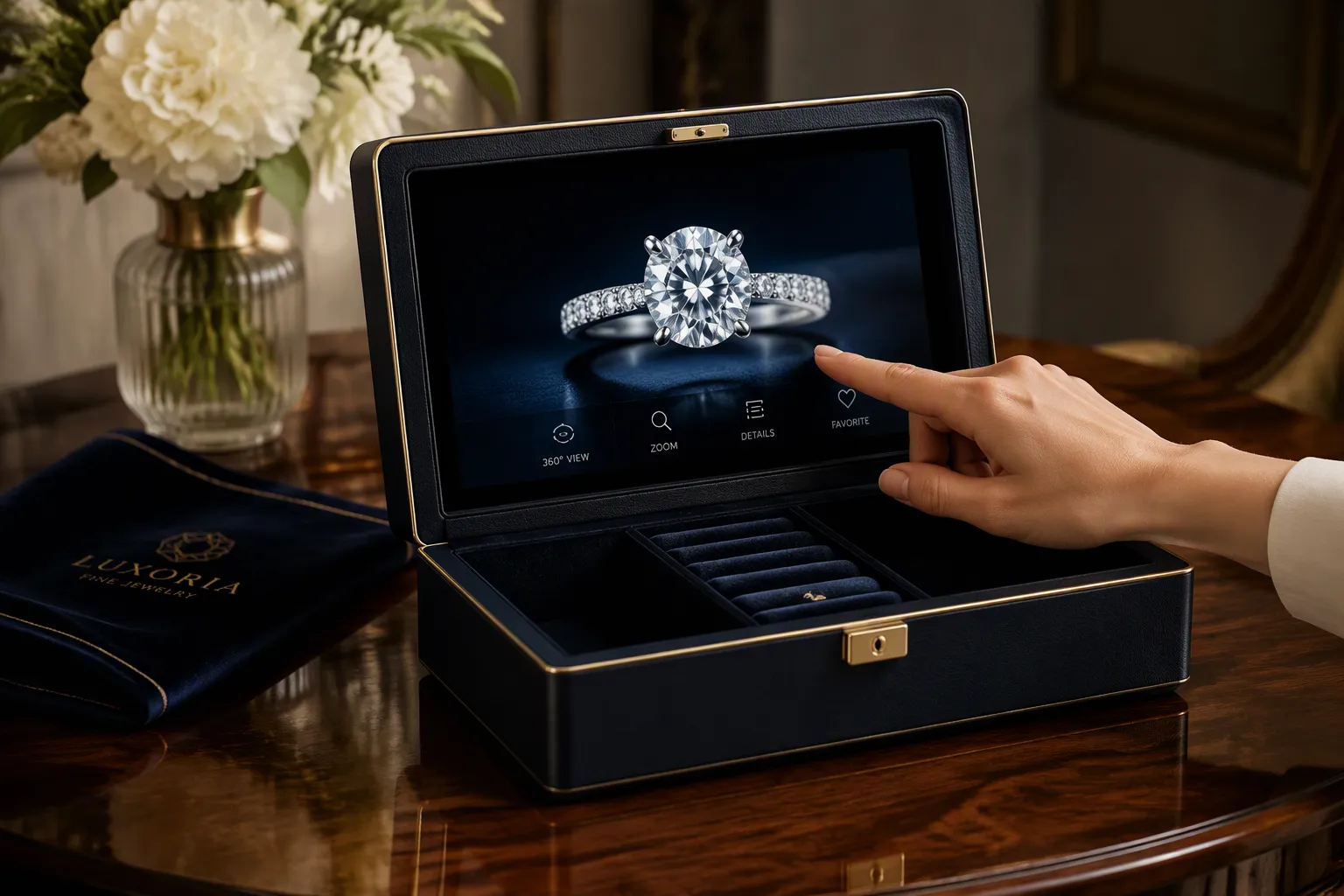
Yes, digital screens will become a significant trend in high-end, high-design jewelry box manufacturing, though cost, craftsmanship, and consumer demand impose real limits. The technology delivers unprecedented personalization and storytelling. Yet it will coexist with traditional luxury rather than replace it. Can a screen truly enhance the romance of unboxing a family heirloom? The luxury market now sits at a tipping point. Digital integration meets timeless craftsmanship, and every Hersteller von Schmuckverpackungen watches closely. A jewelry box that blends a Schmuck Display with a Schmucketui und Individuelle Schmuckkästchen may define the next era of Schmuckverpackung. This shift promises a richer experience for buyers of fine jewelry.
The Current State of High-End Jewelry Packaging
Traditional Craftsmanship Still Reigns
The Enduring Appeal of Wood, Leather, and Velvet
Traditional materials dominate the high-end packaging market today. Wood, leather, and velvet remain the gold standard for jewelry packaging. These materials protect fine jewelry and signal quality. A velvet-lined jewelry box feels substantial in a customer’s hands. Artisans shape each piece with care. This craftsmanship creates a sensory experience that no screen can replicate. Buyers of luxury jewelry often keep these boxes for decades.
Why Heritage Brands Resist Change
Heritage brands hesitate to abandon proven methods. These companies built their reputations on timeless design. They worry that technology will cheapen their image. Many luxury houses view screens as a distraction from the jewelry itself. They also fear alienating older customers who value tradition. This caution makes sense for brands with centuries of history.
The Rise of Smart Jewelry Packaging
From QR Codes to Embedded Displays
Smart packaging started with simple QR codes. Brands printed these codes on boxes to link customers to product information. Today, companies embed small displays directly into packaging. These screens play videos, show certificates, and display personalized messages. The technology has moved from novelty to practical tool.
How Tech Is Creeping into Luxury Retail
Technology now touches every part of the luxury shopping journey. Brands use smart packaging solutions such as NFC and QR codes to provide product verification and exclusive digital experiences. This approach enhances brand value and consumer trust. Rising e-commerce sales of high-value items accelerate this adoption.
In February 2026, the French National Packaging Council documented that 68.0% of surveyed French luxury cosmetic and spirits brands integrated encrypted NFC or dual-frequency tags into primary bottle caps to verify chain of custody.
What Makes Jewelry Packaging “High-End” Today
Materials, Artisanship, and Brand Prestige
High-end packaging depends on three pillars. First, premium materials set the foundation. Second, skilled artisanship adds value. Third, brand prestige completes the picture. These elements separate luxury packaging from ordinary boxes.
| Brand / Source | Packaging Adaptation | Supporting Detail |
|---|---|---|
| Gucci | Shifted to environmentally friendly packaging made from recycled materials | Retains signature elegance and sophistication, reinforcing sustainability commitment and luxury status through presentation |
| Apple | Maintains minimalist, sleek packaging design | High-quality materials and seamless design create a crafted unboxing ‘event’ that conveys premium status |
| Shorr Packaging Corp (survey) | Consumer behavior linked to packaging | 39% of consumers would share a photo of a product with beautiful or unique packaging on social media |
The New Definition of Luxury: Experience Over Ownership
Luxury now means more than owning a fine piece of jewelry. It means enjoying a memorable experience. Packaging plays a central role in this shift. A well-designed jewelry box creates anticipation. It tells a story. It connects the buyer to the brand.
Adapt with purpose: Make gradual improvements to packaging, formulas, or customer experience without disrupting your brand’s essence, ensuring continued relevance in changing markets.
How Digital Screens Enhance the Luxury Experience
Personalization at Your Fingertips
Custom Greetings and Names on Screen
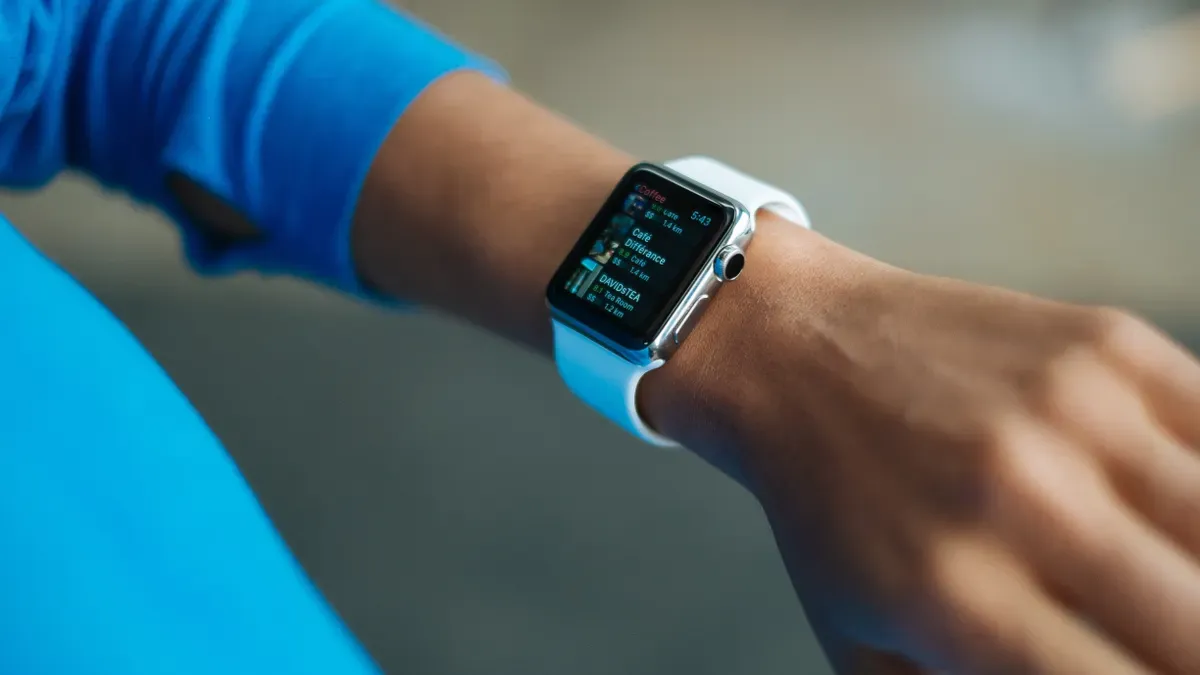
A digital screen transforms a standard jewelry box into a personal gift. The buyer can program a custom greeting before giving the box to a loved one. The screen lights up with the recipient’s name when the box opens. This small touch creates a powerful emotional connection. A mother buying a necklace for her daughter’s wedding day can record a message. The bride opens the box and sees her name alongside a heartfelt note. That moment becomes a memory the family treasures forever.
This level of personalization extends beyond simple text. Brands now offer dynamic content that adapts to the recipient. The screen can display different messages on birthdays, anniversaries, or other special occasions. A husband can schedule a new message to appear on each wedding anniversary. The jewelry box becomes a living object that grows with the relationship. This capability turns a one-time purchase into an ongoing digital experience.
The data supports this approach. A six-month personalization program across eight triggered campaigns produced a 35% increase in purchase conversion rate within three days. The same program generated a 7% increase in add-to-cart rate. These numbers show that personalization drives real business results. Dynamic content delivery feeds live data into messages, apps, and websites. Each touchpoint feels individualized through product recommendations, custom copy, and loyalty balances shown in-app. This makes personalization scalable and tangible for luxury brands.
Real-time triggers and predictive send-time technology respond to behavior in the moment. A push notification can reach a shopper when they enter a store. An email can arrive during the window when a shopper is most likely to open it. Hyper-personalization at the individual level tailors recommendations, offers, creative, and timing to each shopper’s unique behavior. This strengthens loyalty and lifts customer lifetime value. Reinforcement learning allows AI agents to make autonomous decisions from first-party data. These agents learn from rewards and penalties to adapt alongside shopper behavior. The result is continuous personalized optimization that benefits both the brand and the customer.
Dynamic Content That Changes Over Time
A static screen would quickly become boring. The real power of digital screens lies in dynamic content. The display can show different images, videos, or messages based on the date or the owner’s preferences. A jewelry brand can push new content to the box through a wireless connection. The owner might see a video about the latest collection on their anniversary. They might receive a special offer on their birthday. The box becomes a channel for ongoing engagement between the brand and the customer.
This dynamic capability requires an effective omnichannel strategy. A cohesive, seamless customer experience across all physical and digital touchpoints is essential. Leading retailers integrate traditional marketing methods with advanced retail media channels. This harmonizes efforts and maintains consistency across every customer touchpoint. The right technological infrastructure ensures all channels are consistent and linked. This enables effortless transitions for customers across platforms. The integration elevates the customer experience and gives retailers a complete view of the customer journey. More informed strategic decisions follow.
Storytelling That Brings Jewelry to Life
The Provenance of a Diamond or Gemstone
Every fine jewelry piece carries a story. A diamond travels from a mine to a cutter to a polisher to a setter. A gemstone passes through many hands before it reaches a display case. A digital screen can tell that story in rich detail. The buyer scans a code or opens the box. The screen displays the origin of the stone. It shows the mine location, the cutting process, and the artisan who set the stone. This transparency builds trust and adds meaning to the purchase.
Storytelling through packaging design creates a narrative thread. Typography, color choices, and materials each carry a narrative thread that connects back to the brand’s history and values. The packaging itself becomes part of the story. A biodegradable box with water-based inks communicates a sustainability value. This reinforces trust and loyalty among environmentally conscious consumers. Sophisticated imagery or comforting textures evoke core emotional drivers. These elements turn casual buyers into loyal enthusiasts.
Material choice serves as the first impression. Before any text is read, material communicates brand meaning. Heavy glass suggests permanence and value. Textured papers signal craftsmanship. Precision-molded plastics express innovation. The material choice must align with the brand story to avoid undermining luxury positioning. Structure shapes how consumers interact with the package over time. Ergonomics, proportions, closure systems, and dispensing mechanisms all play a role. An intuitive, effortless structure becomes a powerful expression of brand identity. Finish adds the final layer of storytelling. Matte coatings, soft-touch textures, embossing, debossing, foil stamping, metallization, and color contribute to emotional perception. Consumers often notice these details first.
Luxury packaging is never just packaging; it is tactile theatre and a subtle signal of quality and intent. The texture of a box, the weight of a lid, and the sound of a magnetic closure each act as a brushstroke in the emotional portrait of the brand. Beyond aesthetics, packaging is storytelling: every detail—color, proportion, material, finish—speaks to the subconscious. A generous white space suggests confidence, a restrained color palette whispers elegance, typography becomes a voice, and the overall form becomes memory. Neuroscience shows that luxury activates the brain’s reward system, and the right sensory cues (visual, tactile, even olfactory) trigger pleasure, familiarity, and belonging. Sustainability is now expected, but ecological awareness must not come at the expense of aura; advanced luxury brands reconcile responsibility with desirability by crafting sustainable materials that still feel precious and designing for reuse without sacrificing elegance. Packaging is a philosophical task: translating values such as refinement, care, authenticity, and timelessness into objects, and designing to connect rather than to impress.
Video Messages from Designers or Artisans
A video message from the designer adds a human touch to the jewelry. The buyer opens the box and sees the person who created the piece. The designer explains their inspiration. They describe the craftsmanship that went into the piece. They welcome the new owner to the brand’s family. This personal connection transforms a transaction into a relationship. The buyer feels valued and appreciated.
This approach synchronizes with modern trends. Infusing cutting-edge design elements such as current color palettes, minimalistic designs, or technology integration keeps the brand’s aesthetic fresh and relevant. Functional benefits like reusable boxes, magnetic closures, sectioned inserts, or smart packaging technology add convenience and value. The packaging becomes a valued part of the product experience. Visually appealing and exciting unboxing experiences encourage customers to share on social media. This provides organic marketing and amplifies brand visibility. A well-designed unboxing moment becomes a marketing asset.
Case studies demonstrate the power of storytelling through packaging. Tatcha translates the essence of ancient Japan into a modern luxury experience through form, color, texture, and interaction. The packaging carries cultural meaning and tells the brand’s story before any product claim is read. Beekman 1802 uses soft, milky translucence to reference goat milk, the signature ingredient. The material itself becomes the story. This allows the brand to stand beside established luxury brands by speaking its own language. Pepsi uses a flexible design system called strategic variance. The logo transforms into a dynamic brand system that adapts to local cultures while remaining unmistakably Pepsi. This creates a more intentional premium experience at scale.
Security and Authentication Features
Biometric Locks and Tamper Alerts
Security matters for high-value jewelry. A digital screen can integrate with biometric locks. The owner’s fingerprint opens the box. No one else can access the contents. This provides peace of mind for the owner. The technology has become reliable and affordable. Fingerprint identification locks now achieve a False Identification Rate of 0.001% or lower. The Refusal to Recognize Rate stays at 0.1% or lower under ISO/IEC 19794 standards. These specifications meet the demands of luxury security.
A semiconductor fingerprint module, such as the one used in TASAKI pearl jewelry boxes, identifies prints within 0.3 seconds. It supports 50 fingerprint groups. Live detection prevents fake fingerprint cracking. Some systems support up to 100 fingerprints. A touch screen provides an additional interface. Multi-protection systems combine digital code, fingerprint, and keys. An alarm system sounds for 20 seconds on wrong input. These features create layers of security that protect valuable jewelry.
Tamper alerts add another layer of protection. The box can detect unauthorized access attempts. It can send a notification to the owner’s phone. The owner knows immediately if someone tries to open the box. This feature proves valuable for travel. A traveler can leave jewelry in a hotel room with confidence. The box monitors itself and reports any issues.
TSA locks provide travel-friendly security. Customs master keys use approximately 1,800 key codes. These locks are accepted at 98% of international airports. The TSA 007 model lock cylinder, used in Richpack travel jewelry boxes for Tumi, opens in 15 seconds or less per security check. The false lock rate stays below 0.05% after repeated closures. A double stainless steel cam with 5mm diameter provides 80% more resistance to lateral prying than a single cam. It requires more than 2,500N to break, making it 2.5 times stronger than a normal single cam lock.
Digital Certificates and Blockchain Integration
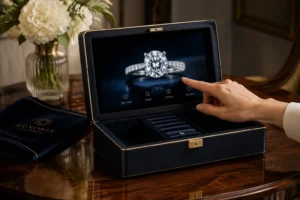
Digital certificates replace paper documents. A screen can display the certificate of authenticity for each piece. The buyer sees the diamond grade, the metal purity, and the origin. This information stays with the box forever. Paper certificates can be lost or damaged. A digital certificate cannot be misplaced. The owner accesses it anytime through the screen.
Blockchain integration adds another layer of trust. Each jewelry piece receives a unique digital token. This token records every transaction in the piece’s history. The owner can verify the chain of custody. They can prove the piece is authentic. They can trace the origin of the materials. This transparency appeals to modern luxury consumers. They want to know where their products come from. They want assurance that their purchase is ethical and authentic.
NFC tags enable quick verification. A buyer taps their phone on the box. The phone reads the NFC tag and displays the certificate. This process takes seconds. It requires no apps or special equipment. NFC integration makes authentication effortless. The technology also supports reordering and customer service. A tap can connect the owner to the brand’s support team. The box becomes a gateway to ongoing service and engagement.
The jewelry box of today can do far more than hold jewelry. It can tell stories, verify authenticity, and protect valuables. These capabilities enhance the luxury experience in meaningful ways. They justify the investment in smart packaging technology. They create value that extends far beyond the initial purchase.
Interactive Unboxing Moments
Light Shows and Animations for Special Occasions
A digital screen inside a jewelry box can transform a simple presentation into a theatrical event. When the recipient lifts the lid, the screen springs to life with a choreographed light show. Soft LED lights pulse in sync with music. Animated graphics dance across the display. The jewelry piece sits at the center of this spectacle, bathed in a warm glow. This dramatic reveal creates a moment of pure wonder. The recipient gasps. Their eyes widen. They reach for the jewelry with trembling hands. That reaction defines the power of interactive packaging.
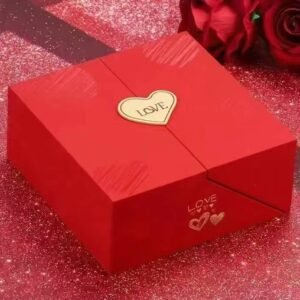
Brands can customize these light shows for specific occasions. A marriage proposal box might display a cascade of red hearts. A birthday box could show fireworks exploding across the screen. A holiday box might feature falling snowflakes or twinkling stars. The animations change based on the date or the buyer’s preferences. A husband can program the box to play their wedding song on each anniversary. The screen displays a new animation every year. This personalization keeps the experience fresh and meaningful. The jewelry box becomes a living celebration of the relationship.
The emotional impact of these moments extends far beyond the initial unboxing. Thoughtful unboxing excites customers and strengthens emotional bonds. This enhances brand recall and loyalty. When a customer feels delighted and considered at the moment of unboxing, that positive emotion becomes associated with the brand itself. The customer remembers the feeling long after the event. They associate that joy with the jewelry and the brand that provided it. This association drives repeat purchases and long-term loyalty.
Social sharing amplifies the value of these interactive moments. A visually stunning light show encourages the recipient to record the experience. They post the video on social media. Their friends and followers watch the jewelry box come alive. This social media unboxing phenomenon turns packaging into a powerful marketing channel. The brand reaches new audiences without spending on traditional advertising. A single share can generate thousands of views. The feedback loop continues. Great experiences lead to shares. Shares drive awareness. Awareness brings new customers. Brands that invest in thoughtful packaging design understand this dynamic. The unboxing moment is not just presentation. It is a strategic brand touchpoint that supports loyalty, differentiation, and long-term growth.
The packaging itself plays a critical role in this equation. Quality materials, color, and layout influence perception and perceived value. A flimsy box with a screen would undermine the luxury message. A sturdy, beautifully crafted box with integrated technology reinforces it. The physical packaging and the digital experience must work together. They create a seamless whole that delights the customer. Layered storytelling keeps users engaged. The box unfolds in stages. Each stage reveals a new element. The light show begins. The jewelry appears. A personalized message plays. This sequence builds anticipation and deepens the emotional impact.
Augmented Reality Try-Ons via the Box
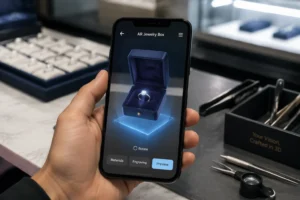
Augmented reality transforms the jewelry box into a virtual mirror. The recipient opens the box and sees the jewelry piece inside. They point their smartphone at the box. The screen on the box activates a camera. The phone displays the jewelry piece on the recipient’s own body. A necklace appears around their neck. Earrings dangle from their ears. A bracelet wraps around their wrist. This augmented reality try-on feature lets the recipient see how the jewelry looks before they put it on. They can adjust the angle. They can change the lighting. They can share the virtual try-on with friends for instant feedback.
This technology solves a real problem in jewelry gifting. A gift giver often worries about whether the recipient will like the piece. They worry about size, style, and fit. Augmented reality try-ons reduce that anxiety. The recipient can see the jewelry on themselves immediately. They can decide if it suits them. They can exchange it if needed with confidence. The gift giver feels more secure in their choice. The recipient feels more satisfied with the gift. Both parties benefit from this digital enhancement.
The packaging industry has embraced augmented reality as a key differentiator. Interactive packaging that includes elements like QR codes, AR experiences, or other digital interactions engages customers in new ways. This approach blends physical and digital elements. The customer holds a physical box. They interact with a digital layer. The two experiences reinforce each other. The physical box provides the tactile pleasure of luxury. The digital layer adds information, entertainment, and utility. Together, they create a richer experience than either could alone.
Brands like Apple, Nike, and Glossier have demonstrated the power of investing in unboxing design. Their packaging boosts engagement, loyalty, and sales. Jewelry brands can follow this model. An augmented reality try-on feature gives customers a reason to keep the box. They do not throw it away after the initial gift. They use it again and again. They show friends. They create content. The box becomes a tool, not just a container. This extended engagement strengthens the customer relationship. It increases customer lifetime value. The customer returns to the brand for future purchases.
Die unboxing experience plays a pivotal role in shaping customer satisfaction and brand perception. This moment of first interaction between the consumer and the product has gained significant importance in the era of online shopping. It is not merely about opening a package to reveal the product inside. It is an orchestrated moment of surprise and delight. Brands design this moment to create a memorable customer experience. When executed well, it elevates a product from being merely a purchase to becoming a memorable event. The augmented reality try-on is one tool in this orchestration. It adds a layer of interactivity that surprises and delights. The customer feels valued and excited. They reinforce their decision to purchase. They become more likely to buy again.
The rise of social media and unboxing videos has amplified the importance of the packaging experience. A positive unboxing experience leads to social sharing. This boosts brand visibility and attracts new customers. When customers share their unboxing moments on social media, it serves as a powerful form of word-of-mouth marketing. This can significantly enhance a brand’s reputation and reach. An augmented reality try-on creates a particularly shareable moment. The recipient sees themselves wearing the jewelry in a novel way. They want to show their friends. They post the video. Their friends ask about the brand. The cycle continues. The jewelry box becomes a marketing engine that runs on customer delight.
The most successful brands understand that packaging is not just a container. It is a strategic asset. It shapes the customer’s first impression. It sets the tone for the entire relationship. It can delight, surprise, and engage. It can tell stories and create memories. The interactive unboxing moment, powered by digital screens and augmented reality, represents the cutting edge of this philosophy. It combines the timeless appeal of fine jewelry with the modern magic of technology. The result is an experience that customers remember, share, and return to. That is the true power of interactive packaging.
The Challenges and Limitations of Digital Screens
Digital screens offer exciting possibilities for high-end jewelry packaging. Yet significant obstacles block widespread adoption. Cost, durability, and design integration each present serious hurdles. Brands must weigh these challenges before committing to smart packaging solutions.
Cost Prohibitions for Many Brands
The Price Tag of Embedded Technology
Embedded displays carry a substantial price tag. A small LCD or OLED screen costs far more than traditional packaging materials. The electronics require additional components. These include batteries, circuit boards, sensors, and wireless modules. Each component adds to the total cost. Assembly becomes more complex. Brands need specialized labor to install and test the technology. Quality control processes must expand to cover electronic functions. These factors push the price of a single smart jewelry box far above a traditional velvet or leather box.
The cost extends beyond the initial production. Brands must invest in software development. They need apps or platforms to manage content delivery. They must maintain servers and customer support systems. These ongoing expenses add up quickly. A traditional jewelry box requires no updates or technical support. A smart box demands continuous investment. This financial burden limits adoption to brands with deep pockets. Smaller jewelry companies cannot compete in this arena.
Will Consumers Pay a Premium for a Screen?
Consumer willingness to pay remains uncertain. A luxury jewelry box already carries a premium price. Adding a screen could double or triple that cost. Brands must ask whether customers will accept this increase. Some buyers value technology and personalization. They see the screen as a valuable feature. They appreciate the ability to display custom messages or verify authenticity. These consumers may willingly pay more for the enhanced experience.
Other buyers remain skeptical. They view the screen as unnecessary. They prefer traditional craftsmanship and timeless design. They question whether a screen adds real value to their jewelry purchase. These consumers resist paying extra for technology they did not request. The luxury market serves diverse preferences. Brands cannot assume all customers want smart packaging. They must segment their audience carefully. A one-size-fits-all approach will fail.
Durability and Maintenance Concerns
Battery Life and Charging Hassles
Batteries power most embedded screens. These batteries have limited lifespans. A typical lithium-ion battery lasts two to three years. After that, it loses capacity. The screen dims or stops working entirely. Replacing the battery requires technical skill. Most jewelry owners cannot perform this task themselves. They must send the box back to the manufacturer. This process takes time and costs money. It also creates inconvenience for the customer.
Charging presents another problem. Users must remember to charge the box regularly. They need to locate the charging cable. They must find an available outlet. These requirements add friction to the ownership experience. A traditional jewelry box never needs charging. It simply sits on a dresser and holds jewelry. A smart box demands ongoing attention. Some users will find this annoying. They may stop using the screen altogether. The technology becomes a burden rather than a benefit.
Electronic components require careful maintenance to function properly over time. Regular inspections help identify wear and tear before problems escalate. Loose connections, frayed wires, or damaged components need immediate attention. Cleaning removes dust and debris that can cause overheating. Software updates provide bug fixes and security patches. Calibration ensures components function within specified parameters. Proper handling requires anti-static wrist straps and grounding mats. Storage in temperature-controlled and humidity-controlled environments extends component life. These maintenance requirements add complexity for both brands and consumers.
| Durability Issue | Beschreibung | Maintenance/Protection Requirement |
|---|---|---|
| Moisture | Can cause corrosion and oxidation of components | Use moisture-proof packaging and hermetic sealing |
| Temperature | Every 10°C rise roughly halves device lifespan; thermal stress causes expansion/contraction damage | Thermal management via heat sinks, thermal interfaces, and temperature-controlled storage |
| Corrosion | Semiconductor corrosion from chemicals and environmental exposure | Hermetic packaging and protective enclosures |
| Physical damage | Mechanical stress, vibration, and impact | Mechanical support structures and durable enclosures |
| Electrostatic discharge (ESD) | Static electricity can irreversibly damage sensitive components | Anti-static packaging, ESD-safe materials, and grounding |
| Electromagnetic interference | Signal disruption and component damage | Electromagnetic shielding incorporated into packaging |
| Pressure and vacuum | Harsh environments (aerospace, undersea) stress components | Hermetic packaging for extreme conditions |
Temperature and humidity play major roles in electronic deterioration. Moisture absorption leads to issues like popcorning when parts are heated. Components receive grades by Moisture Sensitivity Level to indicate their susceptibility to moisture damage. Oxidation and corrosion eventually cause all components to reach end-of-life. Engineers use Arrhenius acceleration models to estimate lifespan. An integrated circuit surviving 1,000 hours at 125°C might last 10 years at 55°C. These technical realities mean that smart jewelry packaging demands careful environmental management. Brands must design for durability or risk customer dissatisfaction.
Screen Damage and Repair Costs
Screens are fragile. A dropped box can crack the display. A scratch can obscure the image. Pressure from other objects can damage the screen surface. These accidents happen easily in daily life. A jewelry box sits on a nightstand or dresser. It may get knocked over. It may get packed in a suitcase for travel. The screen must survive these conditions. Many screens cannot.
Repair costs are significant. Replacing a cracked screen requires specialized parts. The repair process takes time. The customer must ship the box to a service center. They wait weeks for the repair. They pay a substantial fee. This inconvenience frustrates customers. It damages brand reputation. A traditional jewelry box never needs screen repair. It simply endures. The contrast highlights a key weakness of smart packaging.
Aesthetic Integration Struggles
Balancing Tech with Timeless Design
Designers face a difficult challenge. They must integrate technology without compromising beauty. A screen can look out of place in an elegant jewelry box. It can disrupt the clean lines of traditional craftsmanship. It can clash with wood, leather, or velvet surfaces. The technology must disappear into the design. It must feel natural rather than added on.
Successful integration requires careful planning. Designers should conceal wiring, speakers, and hardware through early planning. They can use recessed displays that sit flush with the surface. They can coordinate lighting to support both ambiance and function. They can plan equipment locations in advance to avoid last-minute compromises. These strategies preserve the visual integrity of the packaging. They maintain clean lines and architectural integrity. The technology becomes invisible. The design remains pure.
Designers must select precise, discreet devices that improve both appearance and functionality. This can mean concealing smart devices in plain sight. An interactive interface might integrate into a drawer pull. A decorative element might hide a sensor. These solutions require creativity and technical knowledge. Not every packaging designer possesses these skills. Brands must invest in training or hire specialists. This adds another layer of cost and complexity.
When a Screen Feels Like a Gimmick
A screen can enhance the unboxing experience. It can also feel like a gimmick. The difference lies in execution and purpose. A screen that serves no clear function feels gratuitous. It adds cost without adding value. Customers see through this. They view the technology as a marketing trick. It undermines the authenticity of the luxury brand.
A screen that serves a real purpose feels valuable. It might display a personalized message. It might verify the authenticity of a diamond. It might show a video from the designer. These functions enhance the experience. They deepen the connection between the customer and the jewelry. The screen becomes a meaningful feature. It justifies its presence.
Brands must ask hard questions before adding screens. Does the screen solve a real problem? Does it enhance the customer experience? Does it align with the brand’s values? If the answer is no, the screen may do more harm than good. Luxury consumers value authenticity. They reject gimmicks. A screen that feels forced will damage the brand. A screen that feels natural will strengthen it.
The challenges of digital screens in jewelry packaging are real. Cost, durability, and design integration each present significant obstacles. Brands must navigate these issues carefully. The technology offers great potential. It also carries great risk. Success requires thoughtful implementation. It demands a deep understanding of both technology and luxury. Only brands that master both will thrive in this new era.
Privacy and Data Security Risks
Smart jewelry boxes collect and transmit data. This data includes personal information, usage patterns, and sometimes biometric markers. The convenience and personalization that digital screens offer come with a hidden cost. Consumers surrender a portion of their privacy each time they interact with these connected devices. Brands must address these concerns directly. Failure to do so erodes trust and damages reputations.
What Happens to Your Personal Data?
A smart jewelry box gathers many types of data. The device records when the owner opens the box. It tracks how often they access their jewelry. It stores personalized messages, names, and greetings. It may capture fingerprint data for biometric locks. It may record video or audio if the box includes a camera or microphone. Each data point creates a profile of the owner’s habits and preferences.
This data travels to the brand’s servers. The company uses it to improve products and deliver personalized content. It may share data with third-party partners. These partners include marketing agencies, analytics firms, and cloud service providers. The owner rarely knows where their data goes. They rarely know who accesses it. This lack of transparency creates risk.
Data breaches expose personal information to criminals. A breach at a jewelry company could reveal customer names, addresses, and purchase histories. It could expose biometric data that owners cannot change. Unlike a password, a fingerprint remains permanent. Once compromised, it stays compromised forever. This reality makes biometric data particularly sensitive.
Regulations govern data collection and storage. The General Data Protection Regulation in Europe sets strict rules. The California Consumer Privacy Act protects residents of that state. These laws require companies to disclose what data they collect. They require companies to protect that data. They give consumers the right to delete their information. Brands that fail to comply face heavy fines and legal action.
Consumers must read privacy policies carefully. They must understand what they agree to when they activate a smart jewelry box. They must ask hard questions. Does the brand sell data to third parties? How long does the company store personal information? What security measures protect that data? These questions matter. The answers determine whether a smart jewelry box is a safe investment.
Transparency builds trust. Brands that clearly explain their data practices earn customer loyalty. They demonstrate respect for their customers. They show that they value privacy as much as they value craftsmanship. This approach aligns with the values of modern luxury consumers. They expect brands to protect their information. They reward companies that do.
The Threat of Hacking a Jewelry Box
A smart jewelry box is a connected device. It communicates with phones, servers, and networks. Each connection creates a potential entry point for hackers. A skilled attacker can exploit weak security to gain access. The consequences range from minor annoyance to serious financial loss.
Hackers target smart devices for several reasons. Some seek financial gain. They steal credit card information stored in the device. They access bank accounts linked to the owner’s profile. They hold data for ransom. Other hackers seek personal information. They want to steal identities. They want to spy on wealthy individuals. A luxury jewelry box signals wealth. It becomes an attractive target.
A hacked jewelry box can reveal when the owner is home. It can show when they leave for vacation. It can indicate when they wear their most valuable pieces. This information helps thieves plan robberies. A criminal who knows the owner’s schedule can strike when the house is empty. The jewelry box becomes a tool for surveillance.
The attack surface extends beyond the box itself. Smart jewelry boxes connect to mobile apps. These apps may have vulnerabilities. They connect to cloud servers. These servers may lack proper security. They connect to home Wi-Fi networks. These networks may use weak passwords. Each link in the chain must be secure. A single weakness compromises the entire system.
Manufacturers must build security into every layer. They must encrypt data during transmission. They must store data securely on servers. They must require strong authentication for app access. They must release regular security updates. They must monitor for threats and respond quickly. These measures cost money and require expertise. Not every brand invests adequately.
Consumers play a role in security. They must use strong, unique passwords. They must enable two-factor authentication when available. They must keep their apps updated. They must avoid public Wi-Fi networks when accessing sensitive data. They must monitor their accounts for suspicious activity. These habits reduce risk. They do not eliminate it entirely.
The threat of hacking raises a fundamental question. Does the convenience of a smart jewelry box justify the risk? For some consumers, the answer is yes. They value personalization and connectivity. They accept the trade-off. For others, the answer is no. They prefer the simplicity and security of a traditional box. They see no reason to connect their jewelry to the internet. This divide will shape the market for years to come.
The packaging industry must address these concerns. Brands that ignore privacy and security will lose customers. Brands that prioritize protection will earn trust. The smart jewelry box of the future must be secure by design. It must protect data as carefully as it protects the jewelry inside. This balance between innovation and safety defines the next era of luxury packaging.
Brands Already Betting on Digital Screens
Luxury Giants Experimenting with Smart Boxes
Case Study: A Major House’s Interactive Presentation Box
Luxury giants have moved beyond speculation. They now test smart boxes in real markets. These brands invest heavily in packaging innovation. Their experiments reveal both promise and pitfalls.
Bulgari offers a compelling case. The Italian house embedded connected digital displays in its packaging. These screens play brand films and personalized messages. The strategy delivered measurable results. Bulgari reported a 35% boost in online sales. This outcome validates the investment in smart jewelry packaging.
A leading luxury retailer took a different approach. The company placed motion-activated LED modules in engagement ring boxes. These lights illuminate the diamond when the lid opens. The simple feature created a dramatic reveal. Social media mentions increased by a significant margin. The brand gained organic reach without traditional advertising.
| Luxury Brand / Entity | Smart Jewelry Box Technology | Reported Outcome |
|---|---|---|
| Leading luxury retailer | Motion-activated LED modules in engagement ring boxes that illuminate the diamond when the lid opens | Increased social media mentions by a significant margin |
| Bulgari | Connected digital displays embedded in packaging that play brand films and personalized messages | Boosted online sales by 35% |
Limited Editions with Embedded Displays
Limited editions serve as testing grounds. Brands release small batches with embedded screens. These products generate buzz without massive production commitments. Collectors value the rarity. They share their unboxing moments online. This social media unboxing phenomenon amplifies reach. The brand learns from customer reactions. It refines the technology for broader release.
Tech-Forward Jewelry Startups
How Newcomers Use Screens to Stand Out
Startups lack the heritage of established houses. They use technology to differentiate. A small brand can embed NFC tags in its packaging. These nfc tags link to authentication certificates. Buyers tap their phones to verify authenticity. The nfc technology builds trust with skeptical consumers. Personalization features also attract younger buyers. A startup can offer custom messages on screens. This capability competes with larger rivals.
Crowdfunded Smart Jewelry Boxes
Crowdfunding platforms launch smart jewelry concepts. Entrepreneurs pitch their ideas to backers. Successful campaigns prove market demand. These projects often emphasize sustainability. They use recyclable materials alongside electronics. Backers receive early units and provide feedback. This model accelerates innovation cycles.
What Early Adopters Have Learned
Consumer Feedback and Surprising Uses
Early adopters report unexpected behaviors. Some owners use the jewelry box screen as a display piece. They show family photos between jewelry wearings. Others program reminders for insurance renewals. The experience extends beyond the initial gift. Brands learn from these use cases. They adapt future designs accordingly.
Lessons on Balancing Tech and Tradition
The most successful brands strike a balance. They add screens as optional layers. They preserve traditional craftsmanship in the physical box. The luxury experience remains intact. Technology enhances rather than replaces. This hybrid approach wins customer approval. It protects brand heritage while embracing innovation.
The Future of Digital Screens in Jewelry Packaging
Predictions for the Next Five Years
Will Screens Become Standard in Ultra-Luxury?
Digital screens will not become standard in all ultra-luxury jewelry packaging within five years. The technology will remain optional for most brands. A few forward-thinking houses will adopt screens as signature features. These brands target younger wealthy buyers who value technology. Most traditional houses will continue using classic materials. They will reserve screens for special editions or flagship collections. The jewelry box will evolve slowly in this segment.
The Rise of E-Ink and Low-Power Displays
E-ink displays will transform smart packaging design. These screens consume almost no power. They hold images without a battery drain. A jewelry box can display a message for months on a single charge. E-ink screens are also thinner and more flexible. Designers can integrate them into curved surfaces. This technology solves the battery life problem. It makes digital screens practical for everyday use.
Consumer Adoption Curves
Who Embraces This Trend First?
Early adopters will drive initial growth. Tech-savvy millennials and Gen Z buyers will embrace smart jewelry packaging first. These consumers value personalization and digital experiences. They share unboxing moments on social media. Wealthy collectors in Asia and the Middle East will also adopt quickly. These markets show strong appetite for innovative luxury products.
Generational Divides in Luxury Preferences
Older buyers prefer traditional jewelry packaging. They value craftsmanship and timeless design. They see screens as unnecessary distractions. Younger buyers hold different expectations. They want interactive and connected experiences. They expect brands to deliver digital engagement. This generational divide will shape product strategies. Brands must serve both groups without alienating either.
Sustainability and Ethical Considerations
The Environmental Cost of Smart Boxes
Smart boxes carry a higher environmental cost. Electronic components require rare earth minerals. Batteries contain lithium and cobalt. These materials cause environmental damage during extraction. Disposal creates toxic waste. Traditional jewelry packaging uses wood, leather, and velvet. These materials biodegrade naturally. Brands must weigh innovation against ecological impact.
Can Digital Screens Be Recycled or Biodegradable?
Recycling smart packaging remains difficult. Electronic components must be separated from other materials. This process requires specialized facilities. Most consumers lack access to proper e-waste recycling. Some brands now design modular systems. Screens and batteries detach easily for separate recycling. Biodegradable electronics remain experimental. Sustainable packaging advocates push for circular design principles. Brands must adopt these practices to reduce waste. The future of jewelry packaging depends on solving this challenge.
The Hybrid Future: Screens Plus Craftsmanship
Why the Two Will Coexist, Not Compete
Digital screens and traditional craftsmanship do not stand as rivals. They complement each other in the evolving world of high-end packaging. According to wine packaging trend analysis, the most effective strategies merge artisanal techniques with modern digital tools. Hand-etched detailing pairs with precision screen printing. Premium materials combine with eco-conscious production. Authentic brand storytelling gains reinforcement through smart technology integration. This approach allows brands to honor traditional craft while embracing digital innovation.
The fragrance sector offers a clear example. Luxury packaging that features premium materials and decorative finishes reinforces quality and brand heritage. As digital and ecommerce channels expand, the visual signals of tradition and artistry become increasingly critical. Products must resonate both in-person and on screen. For iconic brands, packaging that leverages heritage and craftsmanship communicates trust and quality at a glance. This strategy effectively bridges heritage with modernity.
Smart packaging integration represents another emerging opportunity. QR codes printed directly into glass provide access to harvest information, food pairing suggestions, and virtual winery experiences without compromising bottle aesthetics. This technology bridges physical and digital brand touchpoints while maintaining the tactile experience that wine buyers value.
The jewelry industry can learn from these examples. A jewelry box that combines a handcrafted wooden exterior with a discreet digital screen achieves both goals. The craftsmanship signals quality and tradition. The screen adds personalization and interactive storytelling. Neither element diminishes the other. Together, they create a richer experience for the buyer.
The Ultimate Luxury: Choice and Personalization
The smartest brands will treat screens as an optional layer. They will not force technology on every customer. Instead, they will offer choices. A buyer can select a traditional box with no screen. Another buyer can choose a smart box with a display. This flexibility respects diverse preferences. It also protects brand heritage.
“Interactive packaging gives your brand an unforgettable edge, turning the unboxing moment into an experience. By incorporating games, promotions, AR or bonus content, you can engage customers in ways that spark excitement, build loyalty, and drive brand recognition.” — Sara Parisi, Senior Category Manager – Packaging, VistaPrint
Brands can adopt several strategies to blend physical and digital elements effectively:
- Immersive storytelling that bridges physical packaging and digital space
- Interactive layers such as Augmented Reality try-ons, 3D models or VR environments
- Augmented reality markers or QR codes built into the design
- Clean, screen-friendly palettes that work across both print and digital
- A surreal, narrative-driven style that positions packaging as a portal
The ultimate luxury is choice. A customer who wants tradition receives tradition. A customer who wants innovation receives innovation. This hybrid model serves both groups without compromise. The jewelry box of tomorrow will offer both craftsmanship and technology. The buyer decides which experience matters most.
Luxury Necklace Gift Boxes and the Digital Screen Revolution
Why Necklace Boxes Are Leading the Charge
The Need for Storytelling in Necklace Gifting
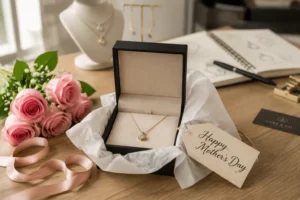
A necklace carries deep emotional weight. It rests close to the heart. It marks weddings, anniversaries, and births. A luxury necklace gift box must honor that significance. Traditional necklace boxes hold the jewelry. They protect it. They do not tell its story. Digital screens change this dynamic. They transform necklace boxes into storytelling devices. A mother gives her daughter a pearl necklace on her wedding day. The necklace gift box opens to reveal a video of the grandmother who wore it decades ago. That moment connects three generations. The jewelry necklace gift box becomes a vessel for family history.
How Screens Add Emotional Value to Necklace Presentations
Screens add layers of emotional value to necklace presentations. A luxury necklace box with an embedded display can show the journey of a diamond. It can play a message from the artisan who set the stone. It can display a personal note from the gift giver. These features deepen the unboxing experience. The recipient feels the care behind the gift. The necklace gift box becomes more than packaging. It becomes a keepsake.
Case Examples from the Necklace Market
Brands Using Screens for Necklace Provenance
Several brands now use screens for necklace provenance. These companies embed NFC chips in their luxury necklace gift boxes. Buyers tap their phones to verify authenticity. The chip links to a digital certificate. It shows the origin of the gold. It traces the path of each gemstone. This transparency builds trust. It also creates an interactive marketing platform. The packaging becomes more than protective. It becomes a gateway to brand engagement.
| Digital Feature | Market Application | Consumer Benefit |
|---|---|---|
| NFC chips | Embedded in luxury necklace gift boxes for authenticity verification and brand storytelling | Enables interactive marketing platform; packaging becomes more than protective |
| QR codes | Integrated into packaging for product storytelling and interactive experiences | Enhances transparency and engagement, critical in luxury segment |
| Augmented Reality (AR) | Digital experiences integrated into packaging to elevate unboxing journey | Creates immersive brand interactions |
| Digital printing & automation | Rapid customization and small-batch manufacturing of luxury necklace boxes | Allows limited editions and seasonal designs without significant cost increases |
Consumer Reactions to Digital Necklace Boxes
Consumer reactions to digital necklace boxes remain largely positive. Younger buyers embrace the technology. They value personalization and interactive experiences. They share their unboxing moments on social media. Older buyers show more caution. They prefer traditional craftsmanship. They question whether a screen belongs in a jewelry box. This generational divide shapes market strategies. Brands must serve both groups. The smartest approach offers choice. A buyer selects a classic necklace gift box or a smart version. Both options preserve the luxury experience.
The market data supports this trend. The Emerging Trends In The Jewellery Gift Box Market For Luxury Brands was valued at USD 1.29 Billion in 2025 and is projected to reach USD 2.66 Billion by 2035, growing at a CAGR of 7.5% from 2027 to 2035.
Regional growth patterns vary across markets:
- Europe: Traditional hub for luxury packaging innovation, with focus on craftsmanship, minimalism, and premium design aesthetics
- Asia-Pacific: Emerging as significant growth region due to increasing luxury consumption and rising focus on sustainable practices
- North America: Strong demand driven by premium brands seeking differentiation through innovative packaging solutions
- Regional manufacturers are investing in R&D to develop locally tailored, sustainable, and technologically advanced gift boxes
| Channel/Region | Market Share (2026) | Growth Rate | Key Drivers |
|---|---|---|---|
| Specialty stores & boutiques | 36% | Dominant | Curated assortments, experiential retail, personalized service |
| Online e-commerce | Fastest-growing | 9.0% CAGR (2026-2033) | Convenience, global reach, digital customization tools |
| North America | 35% | Stable | High consumer spending on premium lifestyle, e-commerce expansion |
| Europe | Stable growth | Mäßig | Craftsmanship focus, sustainable materials demand, minimalism |
Necklace boxes lead the digital screen revolution for clear reasons. They carry the most emotional weight among jewelry gift boxes for necklaces. They offer the greatest opportunity for storytelling. They present the strongest case for personalization. High-end necklace boxes will continue to evolve. Luxury gift boxes will blend tradition with technology. The jewelry box of tomorrow will tell stories. It will create experiences. It will honor the jewelry inside.
Digital screens are indeed the next big thing, but only for a specific segment of the high-end jewelry market. The technology enhances personalization, storytelling, and security. Yet cost, durability, and aesthetic integration remain real hurdles. The smartest brands will use screens as an optional layer, not a replacement for traditional craftsmanship. The luxury jewelry box of tomorrow will likely be a hybrid. A screen complements the timeless allure of fine jewelry. It elevates the unboxing moment for luxury necklace boxes. After all, what is more luxurious—a box that tells a story, or one that simply holds it?
FAQ
Do digital screens make jewelry boxes less luxurious?
No. Screens enhance luxury when brands integrate them thoughtfully. A well-designed display adds personalization and storytelling. Poor integration feels gimmicky. The key lies in execution. Brands must balance technology with traditional craftsmanship. The result can elevate the unboxing experience without diminishing the box’s elegance.
How much do smart jewelry boxes cost?
Smart jewelry boxes cost significantly more than traditional boxes. Embedded displays, batteries, and sensors drive up production expenses. Brands pass these costs to consumers. Prices vary widely based on features. A basic smart box might cost hundreds of dollars. Premium versions with advanced technology cost thousands.
Are smart jewelry boxes durable?
Durability remains a concern. Screens can crack. Batteries degrade over two to three years. Moisture and temperature changes damage electronics. Brands must design for protection. Consumers should handle these boxes carefully. Traditional boxes last decades. Smart boxes require more maintenance and care.
Can hackers access data from a smart jewelry box?
Yes. Connected devices create security risks. Hackers might steal personal information or track owner habits. Brands must encrypt data and require strong authentication. Consumers should use unique passwords and keep software updated. Security measures reduce risk but cannot eliminate it entirely.
Will traditional jewelry boxes disappear?
No. Traditional boxes will remain popular. Many buyers prefer classic craftsmanship and timeless materials. Wood, leather, and velvet still signal luxury. Smart boxes serve a specific segment. The two will coexist. Brands will offer both options to meet diverse customer preferences.
Which consumers embrace smart jewelry boxes first?
Younger buyers adopt this trend first. Millennials and Gen Z value personalization and digital experiences. They share unboxing moments on social media. Wealthy collectors in Asia and the Middle East also show interest. Older buyers prefer traditional packaging. Generational preferences shape market adoption.
Are smart jewelry boxes environmentally friendly?
Smart boxes carry a higher environmental cost. Electronic components require rare minerals. Batteries contain lithium and cobalt. Disposal creates toxic waste. Some brands now design modular systems for easier recycling. Biodegradable electronics remain experimental. Sustainability will determine long-term viability.
What does the future hold for jewelry box screens?
Screens will become optional features in ultra-luxury packaging. E-ink displays will solve battery life problems. Hybrid designs will combine craftsmanship with technology. Brands will offer choices. The smartest approach treats screens as enhancements, not replacements. The jewelry box of tomorrow will tell stories while honoring tradition.
Siehe auch
Innovative Lighting Techniques For Enhancing Luxury Ring Presentation Boxes
Ten Emerging Trends Shaping Luxury Jewelry Packaging Design In 2026
How Window Displays Can Boost Foot Traffic For Jewelry Stores
Designing Limited Edition Jewelry Boxes For Effective Marketing Campaigns
Why Personalized Jewelry Packaging And Customization Represent The Future