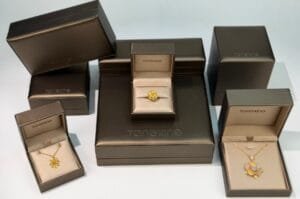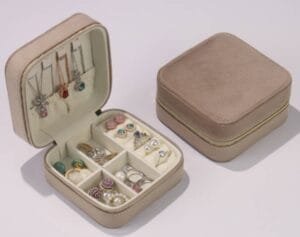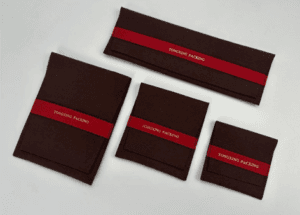

Die Auswahl der besten Verpackungslösungen für empfindlichen Perlenschmuck gewährleistet sowohl Eleganz als auch Schutz. Weiche Beutel, gepolsterte Schachteln für Perlenketten und Materialien, die vor Anlaufen schützen, bewahren den empfindlichen Schmuck vor Kratzern und Feuchtigkeit. Fast 20% Ein Großteil der Schadensfälle bei Perlen ist auf unsachgemäße Lagerbedingungen zurückzuführen, und Kunststoffverpackungen beschleunigen den Verfall. Hersteller von Schmuckverpackungen Dank unserer Fachkompetenz erhalten Sie die beste Schatulle für Perlenketten und Individuelle Schmuckkästchen bieten maximalen Schutz bei Lagerung, Versand und Transport. Schmuck Display und Schmucketui Diese Entscheidungen tragen dazu bei, die Schönheit und den Wert der Halskette zu bewahren. Die richtigen Verpackungslösungen schützen die Schachteln und gewährleisten die Qualität von Schmuckverpackung.
- Die besten Verpackungslösungen beugen Beschädigungen vor und bewahren die Eleganz von empfindlichem Perlenschmuck.
Warum empfindlicher Perlenschmuck die besten Verpackungslösungen benötigt
Die Empfindlichkeit von Perlen
Perlen gelten als einer der empfindlichsten Edelsteine in der Welt des Schmucks. Aufgrund ihrer organischen Beschaffenheit sind sie besonders anfällig für Kratzer, Feuchtigkeit und chemische Einflüsse. Jede Perle bildet sich Schicht für Schicht, wodurch ihre Oberfläche schon bei geringfügigen Abriebspuren ihren Glanz verlieren kann. Im Gegensatz zu härteren Edelsteinen erfordern Perlen eine schonende Behandlung und eine spezielle Aufbewahrung. Wenn Kunden in eine Perlenkette investieren, erwarten sie sowohl Schönheit als auch Langlebigkeit. Die richtige Verpackung, wie beispielsweise eine spezielle Perlenkettenbox, bewahrt den natürlichen Glanz und die Eleganz jedes einzelnen Stücks. Diese Liebe zum Detail verbessert das Kundenerlebnis und stärkt das Vertrauen in die Marke.
Häufige Risiken und Schäden
Empfindlicher Schmuck, insbesondere Perlenketten, ist bei Lagerung, Versand und im täglichen Gebrauch verschiedenen Risiken ausgesetzt. Kratzer entstehen häufig, wenn Perlen an härteren Materialien oder anderen Schmuckstücken reiben. Feuchtigkeit kann in die Verpackung eindringen und zu Verfärbungen oder sogar Schimmelbildung führen. Der Kontakt mit Chemikalien aus Parfüms oder Reinigungsmitteln kann die empfindliche Perlmuttschicht jeder Perle angreifen. Ohne angemessenen Schutz kann eine Kette ihren Reiz und ihren Wert verlieren. Kunden, die beschädigte oder stumpfe Perlen erhalten, sind enttäuscht, was sich negativ auf das gesamte Kundenerlebnis auswirkt. Einzelhändler müssen diese Risiken erkennen und Verpackungslösungen wählen, die jeder Gefahr direkt entgegenwirken.
Die Bedeutung von Schmuckschachteln
Schmuckkästchen spielen eine entscheidende Rolle beim Schutz empfindlicher Perlenschmuckstücke. Diese Schachteln verfügen über mehrere Merkmale, die auf maximalen Schutz ausgelegt sind:
- Schmuckkästchen, die nicht anlaufen verhindert Oxidation und bewahrt so den Glanz der Perlen.
- Antianlauf-Einlagen nehmen Feuchtigkeit auf und schränken den Kontakt mit Luft ein, wodurch ein Anlaufen verhindert wird.
- Durch die Unterteilung liegen die einzelnen Halsketten getrennt voneinander, wodurch das Risiko von Kratzern verringert wird.
- Dicht schließende Deckel minimieren die Luftzirkulation und schützen die Perlen so zusätzlich vor Umwelteinflüssen.
- Einige Schatullen verfügen über Funktionen zur Feuchtigkeitsregulierung und bieten so zusätzlichen Schutz für empfindlichen Schmuck.
- Hochwertige Boxen sind mit speziell behandeltem Stofffutter ausgestattet die Schadstoffe und Gase binden und so den Glanz und die Leuchtkraft jeder Halskette bewahren.
Eine gut gestaltete Schachtel für Perlenketten schützt nicht nur den Schmuck, sondern wertet auch das Kundenerlebnis auf. Kunden schätzen es, ihre Kette in einer Verpackung zu erhalten, die sowohl Sorgfalt als auch Raffinesse ausstrahlt. Die richtige Schachtel sorgt dafür, dass jede Perle makellos bleibt, und unterstreicht so den Wert des Kaufs sowie den guten Ruf des Händlers.
Unverzichtbare Verpackungsmaterialien für Perlenschmuck

Auswahl der die richtigen Verpackungsmaterialien sorgt für die Langlebigkeit und Schönheit von Perlenschmuck. Jedes Material spielt eine einzigartige Rolle beim Schutz des empfindlichen Schmucks vor Kratzern, Feuchtigkeit und Umwelteinflüssen. Empfehlungen von Anbietern von Schmuckverpackungen unterstreichen, wie wichtig es ist, hochwertige, weiche und nicht scheuernde Materialien für optimalen Schutz und optimale Präsentation.
Weiche Schutzhüllen
Weiche Beutel sorgen für eine behutsame Umgebung für Perlenschmuck. Sie verringern die Reibung und verhindern den Kontakt mit harten Oberflächen, der zu Kratzern oder Mattwerden führen kann. Durch die richtige Größe des Beutels wird verhindert, dass sich Halsketten verheddern oder zu eng aneinander liegen, wodurch ihr Aussehen und ihre Haltbarkeit erhalten bleiben. Kordelzüge oder sichere Verschlüsse schützen die Perlen vor Staub und Umwelteinflüssen. Der Verzicht auf Kunststoff oder synthetische Materialien beugt Feuchtigkeitsansammlungen und Qualitätsverlusten vor, was für empfindlichen Schmuck entscheidend ist.
Samtbeutel
Samtbeutel sorgen für einen Hauch von Luxus und bieten hervorragenden Schutz. Die weiche Textur des Samts umhüllt jede Halskette sanft, minimiert Bewegungen und verringert das Risiko von Abrieb. Der sanfte Halt des Samts bewahrt das Erscheinungsbild des Schmucks und unterstreicht gleichzeitig seine Eleganz. Viele Anbieter von Schmuckverpackungen empfehlen Samt aufgrund seiner hochwertigen Haptik und seiner Fähigkeit, Perlen vor äußeren Einflüssen zu schützen.
Mikrofaserbeutel
Mikrofaserbeutel bieten eine weiche, abriebfreie Oberfläche, die sich ideal für empfindlichen Perlenschmuck eignet. Das feine Gewebe der Mikrofaser verhindert Kratzer und nimmt leichte Feuchtigkeit auf, wodurch der Glanz jeder Halskette erhalten bleibt. Diese Beutel sind leicht und einfach zu transportieren, sodass sie sich sowohl zur Aufbewahrung als auch für Reisen eignen. Mikrofaser trägt zudem zur ansprechenden Präsentation des Schmucks bei, indem sie ihn sauber und staubfrei hält.
Seidenbeutel
Seidenbeutel verbinden Atmungsaktivität mit einer glatten Oberfläche und bieten so hervorragenden Schutz für Perlen. Die natürlichen Fasern der Seide ermöglichen die Luftzirkulation, wodurch Feuchtigkeitsansammlungen im Inneren des Beutels verhindert werden. Die weiche Oberfläche der Seide schont das empfindliche Perlmutt jeder einzelnen Perle und sorgt dafür, dass die Kette makellos bleibt. Seidenbeutel werten zudem die Präsentation auf und sind daher eine beliebte Wahl für Geschenkverpackungen von Perlenketten.
Die besten Optionen für Perlenketten-Schmuckkästchen
Eine Aufbewahrungsbox für Perlenketten dient als wichtigster Schutz vor Beschädigungen während der Lagerung und Präsentation. Hochwertige Aufbewahrungsboxen für Perlenketten zeichnen sich durch eine weiche Innenausstattung und eine stabile Außenhülle aus und verbinden so Langlebigkeit mit einer sanften Haptik. Diese Boxen schützen empfindlichen Schmuck vor Stößen, Staub und Umwelteinflüssen. Die richtige Aufbewahrungsbox für Perlenketten verbessert sowohl die Sicherheit als auch die Präsentation der Kette.
Mit Schaumstoff ausgekleidete Perlenkette-Schatulle
Mit Schaumstoff ausgekleidete Schachteln polstern jede Halskette ab, dämpfen Stöße und verhindern ein Verrutschen. Der Schaumstoff im Inneren passt sich der Form des Schmuckstücks an und sorgt so für einen sicheren Halt. Diese Konstruktion verringert das Risiko von Kratzern und hält die Halskette in einem makellosen Zustand. Viele Anbieter von Schmuckverpackungen empfehlen mit Schaumstoff ausgekleidete Varianten aufgrund ihrer überragenden Haltbarkeit und Schutzwirkung.
Perlenkettenschatulle mit Fächern
Durch unterteilte Fächer werden die einzelnen Halsketten voneinander getrennt, wodurch ein Verheddern und der Kontakt mit anderem Schmuck verhindert wird. Die einzelnen Fächer sorgen dafür, dass jedes Stück seinen ursprünglichen Zustand und seine Ästhetik behält. Dieses Design eignet sich besonders für Kollektionen oder Sets, da es eine übersichtliche Aufbewahrung und einen einfachen Zugriff ermöglicht. Unterteilte Fächer tragen zudem zur Langlebigkeit empfindlicher Schmuckstücke bei, indem sie deren Bewegung auf ein Minimum reduzieren.
Perlenkette-Schmuckkästchen mit Magnetverschluss
Magnetic closure boxes offer both security and convenience. The magnetic seal keeps the box tightly closed, protecting the necklace from dust and accidental opening. This feature enhances the presentation by providing a seamless, elegant appearance. Magnetic closure boxes are often chosen for pearl necklace presentation box and pearl necklace gift box needs due to their modern design and reliable protection.
Custom Jewelry Boxes for Unique Needs
Custom jewelry boxes address specific requirements for storage, travel, and presentation. These boxes can be tailored to fit unique necklace shapes or branding preferences, ensuring both protection and a memorable unboxing experience.
Personalized Custom Jewelry Boxes
Personalized custom jewelry boxes allow for branding, engraving, or unique design elements. Retailers can add logos, names, or special messages, enhancing the presentation and emotional value of the necklace. Personalized boxes also serve as keepsakes, extending the life and impact of the jewelry packaging.
Custom Jewelry Boxes for Travel
Travel-focused custom jewelry boxes prioritize portability and security. These boxes often feature reinforced corners, compact designs, and secure closures. They protect necklaces from shocks and environmental changes during transit. Custom pearl necklace boxes for travel ensure that fragile jewelry arrives in perfect presentation condition, whether for business trips or special occasions.
Tip: Always choose a pearl necklace storage box or pearl necklace presentation box that matches the specific needs of the jewelry. The right combination of materials and design ensures both durability and elegance.
Anti-Tarnish Materials
Pearl jewelry requires specialized anti-tarnish materials to maintain its luster and prevent discoloration. These materials play a vital role in preserving fragile jewelry, especially when storing necklaces for extended periods or shipping to humid regions. Anti-tarnish solutions absorb harmful gases and control moisture, creating a protective barrier that shields pearls from chemical exposure.
| Mechanism | Beschreibung |
|---|---|
| Absorption of Gases | Anti-tarnish materials absorb gases like hydrogen sulfide and sulfur dioxide, preventing discoloration. |
| Moisture Control | These materials regulate moisture levels, reducing the risk of tarnishing. |
| Protective Barrier | They act as a shield, stopping corrosive elements from reacting with jewelry. |
Retailers often use anti-tarnish materials when selling plated, mixed-metal, or brass-based jewelry. These solutions prove essential for shipping necklaces to coastal or humid regions and storing inventory for long periods. Anti-tarnish materials also help reduce complaints about discoloration after delivery, ensuring customer satisfaction and maintaining the elegance of each necklace.
Anti-Tarnish Strips
Anti-tarnish strips offer a simple yet effective method for protecting pearl necklaces. These strips absorb corrosive gases and moisture, preventing chemical reactions that cause tarnishing. Place strips inside jewelry boxes or pouches to create a controlled environment for fragile jewelry. The strips work continuously, providing long-term durability and protection for each necklace. Retailers rely on anti-tarnish strips to preserve the natural shine of pearls and extend the life of their inventory.
Anti-Tarnish Cloths
Anti-tarnish cloths serve as both a cleaning tool and a protective layer for pearl necklaces. The cloths contain special agents that neutralize harmful gases and prevent oxidation. Wrap each necklace in an anti-tarnish cloth before placing it in storage boxes or pouches. This method ensures that fragile jewelry remains free from discoloration and maintains its elegance. Anti-tarnish cloths also help reduce the frequency of cleaning, preserving the delicate nacre of pearls.
Moisture Control Solutions
Moisture control stands as a critical factor in preserving pearl necklaces. Pearls thrive in a breathable environment, which soft cloth pouches provide. Avoid plastic bags, as they trap moisture and accelerate deterioration. Store necklaces in a cool, dark area away from direct sunlight and extreme temperatures. Non-tarnish jewelry boxes with anti-tarnish liners prevent oxidation and maintain the luster of fragile jewelry.
Effective moisture control solutions include:
- Maintain humidity levels between 45-55%.
- Ensure consistent room temperature.
- Protect necklaces from direct sunlight and provide good air circulation without drafts.
Retailers should avoid storing jewelry in bathrooms, basements, or near heating vents. A cool, dry space away from direct sunlight offers the best preservation for fragile necklaces.
Silica Gel Packs
Silica gel packs absorb excess moisture, creating a dry environment inside jewelry boxes. Place silica gel packs alongside pearl necklaces to prevent humidity buildup. The packs protect fragile jewelry from mold, mildew, and moisture-related damage. Silica gel packs offer a cost-effective solution for maintaining durability and protection during storage and shipping.
Humidity Control Inserts
Humidity control inserts regulate the moisture level inside jewelry boxes. These inserts maintain optimal humidity, preventing pearls from drying out or becoming too damp. Use humidity control inserts for long-term storage or when shipping necklaces to regions with fluctuating climate conditions. The inserts help preserve the natural beauty and durability of fragile jewelry.
Protective Wraps for Shipping
Shipping pearl necklaces requires careful packaging to prevent impact damage and maintain their elegance. Protective wraps provide cushioning and create a breathable environment for fragile jewelry. Retailers should avoid plastic bags, as they trap moisture and increase the risk of deterioration. Place soft cloth pouches in cushioned boxes to ensure durability and protection during transit.
Acid-Free Tissue Paper
Acid-free tissue paper offers gentle wrapping for pearl necklaces. The paper prevents scratches and shields fragile jewelry from environmental contaminants. Wrap each necklace in acid-free tissue paper before placing it in storage boxes or shipping containers. This method maintains the integrity of pearls and supports their presentation upon arrival.
Bubble Wrap
Bubble wrap provides impact resistance for fragile jewelry during shipping. Use bubble wrap to cushion pearl necklaces inside boxes, reducing the risk of breakage or abrasion. Combine bubble wrap with acid-free tissue paper for maximum durability and protection. Retailers rely on this method to ensure necklaces arrive safely and maintain their elegance.
Tip: Always use a combination of soft cloth pouches, acid-free tissue paper, and bubble wrap for shipping pearl necklaces. This approach guarantees the highest level of protection and preserves the beauty of fragile jewelry.
Packaging Methods to Prevent Scratches and Damage
Individual Wrapping Techniques
Pearl necklaces require careful handling to maintain their delicate surfaces. Individual wrapping stands as one of the most effective methods for preventing scratches. Each necklace should be wrapped in a soft, non-abrasive material such as acid-free tissue paper or a silk cloth. This layer creates a barrier that shields the pearl surface from friction and accidental contact. Jewelry professionals often recommend wrapping each fragile necklace before placing it in a storage box or pouch. This method not only preserves the luster of the pearl but also ensures that the necklace remains untangled and ready for display. For added protection, some choose to use anti-tarnish cloths, which help maintain both the appearance and durability of the jewelry.
Tip: Always wrap each pearl necklace individually, especially when preparing for shipping or long-term storage. This simple step can prevent costly damage and preserve the elegance of the piece.
Layering and Cushioning
Layering and cushioning provide an extra level of protection for fragile pearl necklaces. Start by placing a soft base layer, such as velvet or microfiber, at the bottom of the jewelry box. After individually wrapping each necklace, add another layer of cushioning material on top. Foam inserts or padded dividers work well for this purpose. These layers absorb shocks and prevent movement inside the box, reducing the risk of scratches or breakage. When storing multiple necklaces, alternate layers of soft material between each piece. This method ensures that each pearl necklace remains isolated and protected from external pressure.
A simple table illustrates effective layering:
| Step | Material Used | Zweck |
|---|---|---|
| Base Layer | Velvet/Microfiber | Soft foundation |
| Middle Layer | Wrapped Necklace | Direct protection for pearls |
| Top Layer | Foam/Padded Divider | Shock absorption and stability |
Avoiding Contact with Other Jewelry
Direct contact with other jewelry items poses a significant risk to fragile pearl necklaces. Harder metals and gemstones can easily scratch the delicate surface of a pearl. To prevent this, always store each necklace separately. Use soft pouches, silk cloths, or felt-lined compartments to keep necklaces apart. Never toss pearls into a jewelry box with other items, as this increases the likelihood of scratches and tangling. By dedicating individual spaces for each necklace, jewelry owners maintain both the protection and elegance of their collection.
- Store pearls in separate soft pouches or lined compartments.
- Prevent contact with harder metals and stones.
- Avoid mixing pearl necklaces with other jewelry in the same box.
These best practices ensure that every pearl necklace retains its natural beauty and remains a cherished piece for years to come.
Protecting Pearls from Moisture and Chemicals
Moisture Barriers
Pearl necklaces require careful attention to moisture control. Excess humidity can cause mold, while dry conditions may lead to cracking. The best approach involves creating a cool, dry storage environment. Breathable materials such as soft cloths or silk pouches allow air circulation and help maintain ideal moisture levels. These materials prevent humidity from becoming trapped, which can deteriorate the surface of each pearl. Jewelry experts recommend storing necklaces in well-ventilated boxes, away from direct sunlight and heat sources. Maintaining a humidity level between 40% and 70% ensures the pearls retain their natural luster and structural integrity.
A few essential practices for moisture protection include:
- Use breathable fabric pouches for each necklace.
- Store necklaces in a cool, dark area.
- Avoid placing necklaces near heat or direct sunlight.
These steps help preserve the elegance and durability of every pearl necklace.
Chemical-Free Packaging Materials
Selecting chemical-free packaging materials is vital for long-term pearl necklace storage. Soft cloth pouches provide a breathable environment, reducing the risk of chemical reactions that can damage the delicate surface of each pearl. Silk pouches and non-tarnish jewelry boxes allow air and moisture to pass through, preventing oxidation and maintaining the necklace’s shine. After wearing a necklace, gently wipe it with a damp soft cloth to remove any residues. Always keep each necklace separate from other jewelry to avoid scratches and preserve its elegance.
Recommended chemical-free storage methods:
- Place each necklace in a soft cloth or silk pouch.
- Store pouches in dedicated compartments within a jewelry box.
- Choose non-tarnish boxes for added protection.
These methods ensure that every pearl necklace remains pristine and ready for any occasion.
Avoiding Plastic Bags and Harmful Containers
Plastic bags and certain containers pose significant risks to pearl necklaces. Plastic can trap moisture, leading to mold, discoloration, and even weakening the silk threads that hold each necklace together. Some plastics contain chemicals that may react with the surface of the pearl, causing irreversible damage. Lack of airflow in plastic bags also accelerates deterioration and tarnishing of metal components.
Key reasons to avoid plastic bags for pearl necklace storage:
- Plastic bags trap moisture, increasing the risk of mold and corrosion.
- Chemical reactions between plastic and pearls can damage the necklace.
- Poor airflow leads to oxidation and loss of luster.
For optimal protection, always use breathable, chemical-free materials and avoid airtight or plastic containers. This approach safeguards the beauty and longevity of every pearl necklace, ensuring that each piece continues to reflect elegance and value.
Best Practices for Storing Pearl Jewelry in Protective Jewelry Boxes

Ideal Storage Conditions
Pearl jewelry requires specific storage conditions to maintain its luster and structural integrity. A rigid, compartmented case lined with inert materials offers the best protection. Each necklace should rest in its own compartment, separated from other pieces. This arrangement prevents abrasion and accidental scratches. The environment should remain cool and stable, with relative humidity between 45% and 55%. Exposure to heat or direct sunlight can damage the delicate surface of each pearl. A breathable container, such as a fabric-lined box, allows air circulation and prevents moisture buildup. Avoid airtight plastic containers, as they can trap humidity and accelerate deterioration. Laying each necklace flat inside the storage box reduces tension on the silk thread, which helps preserve the necklace’s strength over time.
Tip: Regularly wearing a pearl necklace benefits the jewelry, as natural skin oils help maintain its shine.
Organizing Jewelry for Easy Access
Proper organization inside a protective jewelry box ensures that each pearl necklace remains accessible and safe. Use soft-lined compartments or individual pouches to separate each necklace. This method prevents tangling and minimizes the risk of scratches from harder jewelry items. Arrange necklaces by length or style for quick selection. Label each compartment or pouch for added convenience. A table can help illustrate an effective organization strategy:
| Compartment Type | Zweck | Nutzen Sie |
|---|---|---|
| Soft-lined slot | Holds single necklace | Prevents tangling |
| Fabric pouch | Stores delicate pieces | Shields from abrasion |
| Labeled divider | Separates by style or length | Eases identification |
Organizing storage in this way streamlines daily routines and protects each necklace from unnecessary handling.
Long-Term Storage Tips
Long-term storage of pearl necklaces demands careful attention to detail. After each wear, gently wipe the necklace with a soft cloth slightly moistened with distilled water. Pat dry immediately to remove any residue. Lay the necklace flat on a breathable surface for several hours, turning it once to ensure all moisture evaporates. Store the necklace away from harder materials to prevent scratches. Use soft-lined compartments or individual pouches for added protection. Maintain a stable environment with 45% to 55% relative humidity to avoid dehydration or mildew. Schedule periodic restringing and professional inspections to preserve the necklace’s integrity. Avoid contact with cosmetics, hair products, or perfume, as these substances can damage the pearl surface. Never use harsh chemicals or ultrasonic cleaners for cleaning. Always choose soft cloth bags and avoid plastic containers to prevent deterioration.
Note: Consistent care and proper storage extend the life and beauty of every pearl necklace, ensuring it remains a cherished piece of jewelry for generations.
Safe Packaging Solutions for Shipping Pearl Jewelry
Shipping pearl necklaces demands careful attention to packaging methods that protect against impact, moisture, and tampering. Retailers and collectors alike benefit from proven strategies that maintain the integrity and beauty of each necklace during transit.
Double Boxing Method
Die double boxing method stands as a leading solution for shipping fragile pearl necklaces. This approach involves placing the necklace inside a snug jewelry box, which provides a secure fit and cushions the item. Next, the jewelry box goes into a larger corrugated outer box. Padding, such as foam or bubble wrap, fills the space between the two boxes. This two-box system offers several advantages:
- The inner box shields the necklace from direct impact.
- The outer box absorbs shocks and prevents crushing.
- Padding between boxes reduces movement and vibration.
- The layered design complicates tampering, enhancing security.
Many shipping professionals recommend double boxing to prevent delicate pearl necklaces from being damaged or stolen. The method ensures that each necklace arrives in pristine condition, ready for display or gifting.
Securing Items Inside the Box
Securing pearl necklaces inside the jewelry box is essential for minimizing movement and preventing scratches. Retailers often use soft pouches or foam inserts to hold each necklace in place. Silk or microfiber pouches provide a gentle environment, reducing friction and protecting the pearl surface. Foam inserts mold to the shape of the necklace, offering stability and cushioning. For added protection, acid-free tissue paper wraps the necklace before placement in the box. This combination of materials prevents tangling and shields the necklace from environmental hazards.
A simple checklist for securing items:
- Place each necklace in a soft pouch or wrap with acid-free tissue paper.
- Use foam inserts to stabilize the necklace inside the jewelry box.
- Fill empty spaces with padding to prevent movement.
- Ensure the jewelry box closes tightly before placing it in the outer box.
Tip: Always double-check the fit and stability of each necklace before sealing the package. Proper securing reduces the risk of damage during shipping.
Labeling and Handling Instructions
Accurate labeling and clear handling instructions play a vital role in shipping pearl necklaces. According to FTC guidelines, retailers must label pearl jewelry correctly to avoid misrepresentation. Labels should distinguish between cultured and imitation pearls, ensuring transparency for buyers. Misleading claims, such as labeling imitation pearls as genuine, are strictly prohibited. Handling instructions, such as “Fragile,” “Keep Dry,” or “Handle with Care,” alert carriers to the delicate nature of the package. These instructions help prevent rough handling and reduce the risk of impact or moisture exposure.
A table of recommended labeling practices:
| Label Type | Zweck | Example |
|---|---|---|
| Pearl Identification | Distinguish cultured vs. imitation | “Cultured Pearl Necklace” |
| Handling Instructions | Alert carriers to fragility | “Fragile – Handle with Care” |
| Moisture Warning | Prevent exposure to humidity | “Keep Dry” |
Retailers who follow these guidelines protect both the necklace and their reputation. Proper labeling and instructions ensure that each pearl necklace receives the care it deserves during shipping.
Traveling with Pearl Jewelry Using Custom Jewelry Boxes
Travel Jewelry Cases
Travelers who carry pearl jewelry benefit from specialized travel cases designed to protect delicate items during transit. Custom jewelry boxes offer features that minimize risks and enhance security. Many cases include individual compartments or pouches, which prevent pieces from rubbing against each other. Packing each item separately reduces the chance of scratches and damage. Small boxes or soft pouches provide additional security and keep necklaces organized. Carrying jewelry in a personal bag, rather than checked luggage, lowers the risk of loss or theft. Travelers should avoid exposing pearls to chemicals such as perfume or hairspray, as these substances can harm the surface. A well-designed travel case ensures that each necklace remains safe and maintains its elegance throughout the journey.
Tip: Choose a travel jewelry case with reinforced corners and secure closures for maximum protection.
On-the-Go Moisture Protection
Pearl jewelry requires careful moisture management, especially when traveling through regions with varying climates. Airtight containers shield pearls from humidity and environmental changes. Resealable plastic bags, combined with anti-tarnish strips or silica gel packets, absorb excess moisture and create a stable environment. Dedicated pouches help prevent dehydration and expansion, which can affect the integrity of the pearls. Travelers who use these solutions maintain the natural luster of their necklaces and avoid common moisture-related issues. Moisture control remains essential for preserving the beauty and durability of pearl jewelry during travel.
| Moisture Solution | Nutzen Sie |
|---|---|
| Airtight container | Blocks humidity |
| Silica gel packet | Absorbs excess moisture |
| Anti-tarnish strip | Prevents discoloration |
| Dedicated pouch | Maintains ideal conditions |
Security and Safety Tips
Security measures play a vital role in protecting pearl jewelry while traveling. Keeping fine jewelry in a carry-on bag allows travelers to monitor their items closely and reduces theft risk. Avoid leaving jewelry loose in public bins at airport security checkpoints. Creative hiding spots in hotel rooms, rather than hotel safes, offer better protection from theft. Storing pearls separately from other items prevents scratches and preserves their appearance. Soft divider pads add another layer of protection inside custom jewelry boxes. Travelers should avoid extreme temperatures and humidity by selecting appropriate storage locations. Regular inspection of pearls during travel helps identify any damage early. Documenting jewelry with photographs and appraisals supports insurance claims if loss occurs.
- Keep jewelry in carry-on luggage.
- Avoid hotel safes; use creative hiding spots.
- Store pearls separately with soft dividers.
- Inspect jewelry regularly for signs of damage.
- Document items for insurance purposes.
Note: Careful planning and the right custom jewelry box ensure that pearl necklaces remain secure and beautiful throughout any trip.
Eco-Friendly Best Packaging Solutions for Pearl Jewelry
Sustainable Materials
Eco-friendly packaging solutions for pearl jewelry rely on materials that minimize environmental impact while maintaining elegance and protection. Brands increasingly select natural fibers and biodegradable options to meet sustainability goals. Cotton, microfiber, and velvet represent popular choices for soft pouches and box linings. These materials offer a gentle texture and ensure pearls remain safe from scratches. The following table highlights sustainable materials commonly used in luxury jewelry packaging:
| Material | Type | Texture | Sustainable |
|---|---|---|---|
| Cotton | Natural | Soft | Ja |
| Microfiber | Artificial | Soft | Ja |
| Samt | Combination | Smooth | Ja |
Linen bags, crafted from natural flax fiber, provide durability and antibacterial properties. Seaweed-based packaging stands out as a biodegradable and compostable option, supporting brands that prioritize environmental responsibility. Recycled plastic, produced from waste plastics, offers durability and lightness. This material reduces carbon emissions by 30% compared to virgin plastic, making it a practical solution for eco-conscious packaging. These sustainable materials help brands deliver luxury jewelry packaging that aligns with modern consumer values.
Note: Sustainable packaging materials not only protect pearl jewelry but also reinforce a brand’s commitment to environmental stewardship.
Reusable Packaging Solutions
Reusable packaging solutions play a vital role in reducing waste and supporting eco-friendly practices. Many brands design packaging that customers can repurpose for storage or travel. This approach minimizes the environmental footprint associated with single-use packaging. Reusable boxes and pouches, made from durable materials, extend the life cycle of packaging and encourage responsible consumer behavior.
Die benefits of reusable packaging solutions for pearl jewelry include:
| Nutzen Sie | Beschreibung |
|---|---|
| Reduction of Waste | Reusable packaging minimizes the amount of waste generated from traditional jewelry packaging. |
| Use of Sustainable Materials | Brands are encouraged to use eco-friendly materials in their packaging solutions. |
| Alignment with Consumer Values | Consumers increasingly prefer brands that demonstrate environmental responsibility in their practices. |
Consumers value brands that demonstrate environmental responsibility. Reusable packaging solutions help brands build trust and loyalty among eco-conscious buyers. Many customers appreciate packaging that serves multiple purposes, such as storage, travel, or display. By adopting reusable and sustainable packaging, brands support both environmental goals and the expectations of modern jewelry buyers.
Tip: Brands that invest in reusable packaging solutions for pearl jewelry enhance their reputation and appeal to environmentally aware consumers. ♻️
Common Packaging Mistakes to Avoid with Pearl Necklace Box and Protective Jewelry Boxes
Packaging fragile pearl jewelry demands attention to detail. Many retailers and collectors overlook critical factors that can compromise the safety and appearance of their pieces. Understanding common mistakes helps prevent costly damage and ensures pearls remain pristine.
Using Hard or Abrasive Materials
Hard or abrasive materials pose a significant threat to pearl necklaces. Some individuals place jewelry in wooden or metal boxes without proper lining. These surfaces scratch the delicate nacre, diminishing the luster and value of the pearls. Even cardboard boxes can contain rough fibers that cause abrasion. Professionals recommend using soft, fabric-lined boxes to protect jewelry from unnecessary wear. A simple table highlights the impact of material choice:
| Material Typ | Risk Level | Recommended Use |
|---|---|---|
| Metal/Wood | Hoch | Vermeiden |
| Pappe | Mäßig | Use with lining |
| Fabric-lined | Niedrig | Preferred |
Tip: Always select boxes with velvet, silk, or microfiber linings to safeguard pearl jewelry.
Overpacking or Underpacking
Overpacking and underpacking both create risks for fragile necklaces. Overpacking forces jewelry into tight spaces, causing pressure and deformation. Underpacking leaves too much room, allowing movement that leads to tangling and scratches. Retailers often make these mistakes when shipping multiple items in one box. Proper packing involves placing each necklace in its own compartment or pouch, then adding enough padding to prevent shifting. The right balance maintains the shape and integrity of the jewelry.
- Overpacking compresses pearls and damages threads.
- Underpacking allows excessive movement and increases abrasion.
- Each necklace needs a dedicated space with soft padding.
Note: Avoid crowding boxes or leaving empty gaps. Proper packing preserves both the appearance and structure of pearl jewelry.
Ignoring Environmental Factors
Environmental factors often go unnoticed during packaging. Humidity, temperature, and exposure to sunlight can degrade pearls over time. Some individuals store jewelry in boxes placed near windows or heating vents. These locations expose pearls to fluctuating conditions, leading to discoloration and cracking. Moisture trapped inside boxes accelerates mold growth and tarnishing. Professionals recommend storing jewelry in climate-controlled environments and using moisture-absorbing inserts when necessary.
- Keep boxes away from direct sunlight and heat sources.
- Use silica gel packs or humidity control inserts for long-term storage.
- Monitor storage conditions regularly to ensure optimal preservation.
Callout: Environmental awareness protects pearl jewelry from hidden threats and extends its lifespan.
By avoiding these common mistakes, collectors and retailers maintain the beauty and value of their pearl necklaces. Proper material selection, balanced packing, and environmental control ensure that jewelry remains safe inside protective boxes.
Proper packaging protects pearl jewelry and preserves its beauty. Soft pouches, custom jewelry boxes, and anti-tarnish materials help prevent scratches and moisture damage. When selecting a gift, choose packaging that reflects care and elegance. A well-packaged pearl necklace makes a memorable gift for any occasion. Many people value a thoughtful gift presentation as much as the jewelry itself. Retailers who invest in premium packaging enhance the gift experience. A beautiful box transforms a simple gift into a cherished memory. Every gift deserves attention to detail. The right packaging turns jewelry into the perfect gift.
Tip: Always select packaging that elevates the gift and protects the jewelry.
FAQ
What is the safest way to store a pearl necklace?
Jewelry experts recommend storing each pearl necklace in a soft, fabric-lined box or pouch. This method prevents scratches and keeps the pearls away from moisture and chemicals.
Can pearls be stored with other jewelry?
Pearls should not touch other jewelry. Harder gemstones and metals can scratch the delicate surface. Use individual pouches or compartments for each piece.
How often should pearls be cleaned before storage?
He or she should gently wipe pearls with a soft, damp cloth after each wear. This removes oils and residues. Allow the necklace to dry completely before storing.
Are anti-tarnish strips safe for pearls?
Anti-tarnish strips are safe when used correctly. Place the strip in the jewelry box, not directly on the pearls. This helps control moisture and prevents discoloration.
What packaging materials should be avoided for pearl jewelry?
Plastic bags and rough containers can trap moisture or cause abrasion. He or she should always choose breathable, soft materials like silk, velvet, or microfiber.
How can someone protect pearls during travel?
Travelers should use custom jewelry boxes with secure closures and soft linings. Carrying pearls in a personal bag reduces the risk of loss or damage.
Do pearls need special care in humid climates?
Yes. Silica gel packs or humidity control inserts help maintain ideal conditions. Store pearls in a cool, dry place to prevent mold and deterioration.
Why is professional packaging important for pearl jewelry?
Professional packaging uses industry-approved materials and designs. This approach ensures maximum protection, enhances presentation, and builds customer trust.