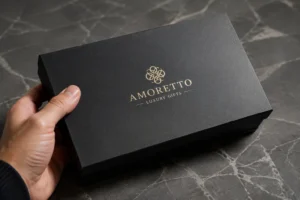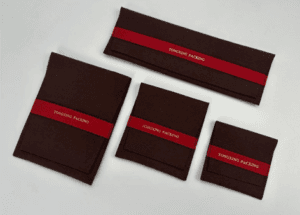
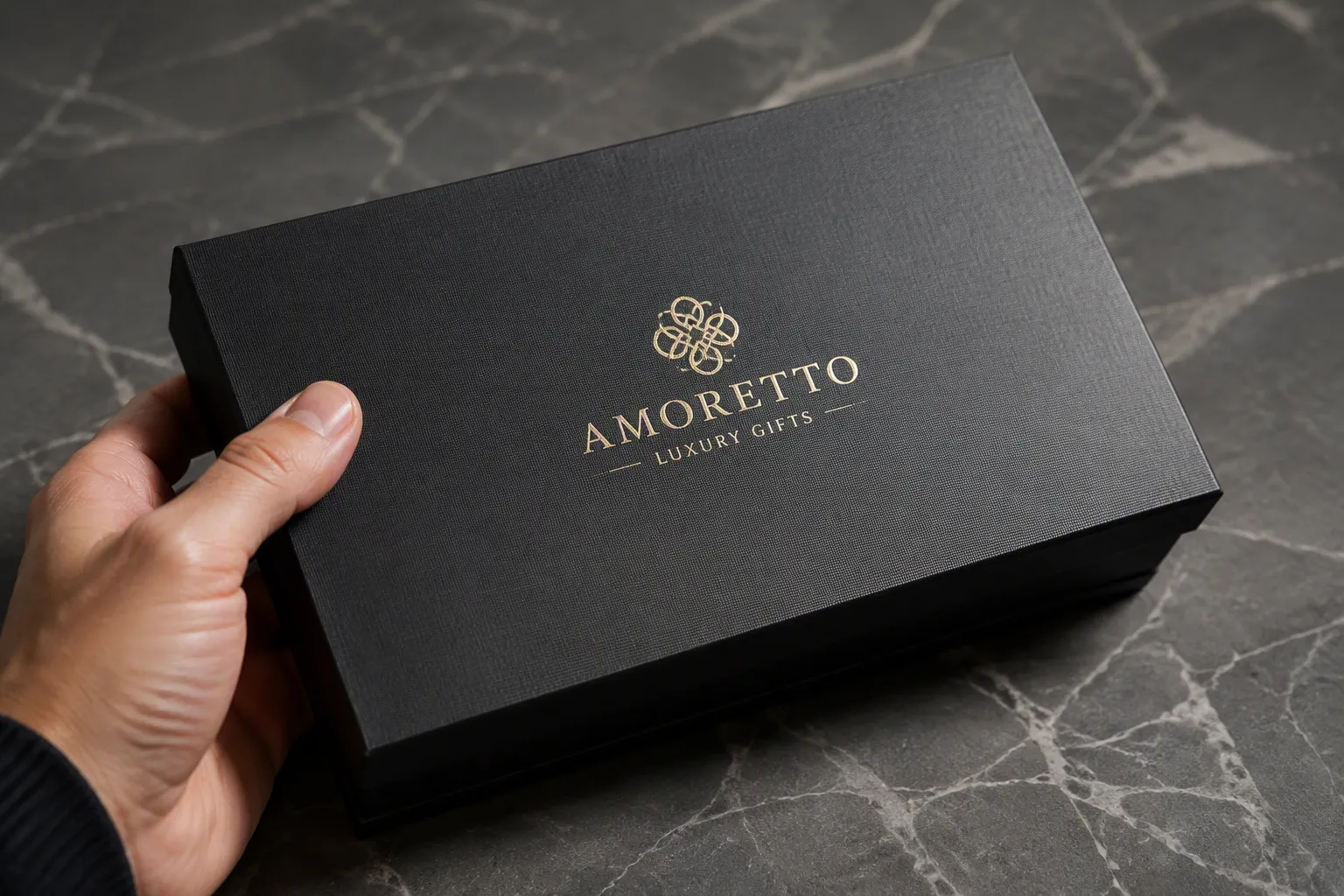
A shopper lifts a dense cream jar or a heavy perfume box. The item feels substantial. That sensation shapes a luxury judgment before the lid ever opens. This packaging weight effect extends beyond beauty products. A الشركة المصنعة لتغليف المجوهرات sees the same principle in صناديق المجوهرات المخصصة, where a solid عرض المجوهرات or a weighty حقيبة المجوهرات signals premium craftsmanship. Yet the relationship is not absolute. Lighter packaging can still compete in the luxury space when other sensory cues and brand equity carry the experience.
How Packaging Weight Triggers a Luxury Judgment
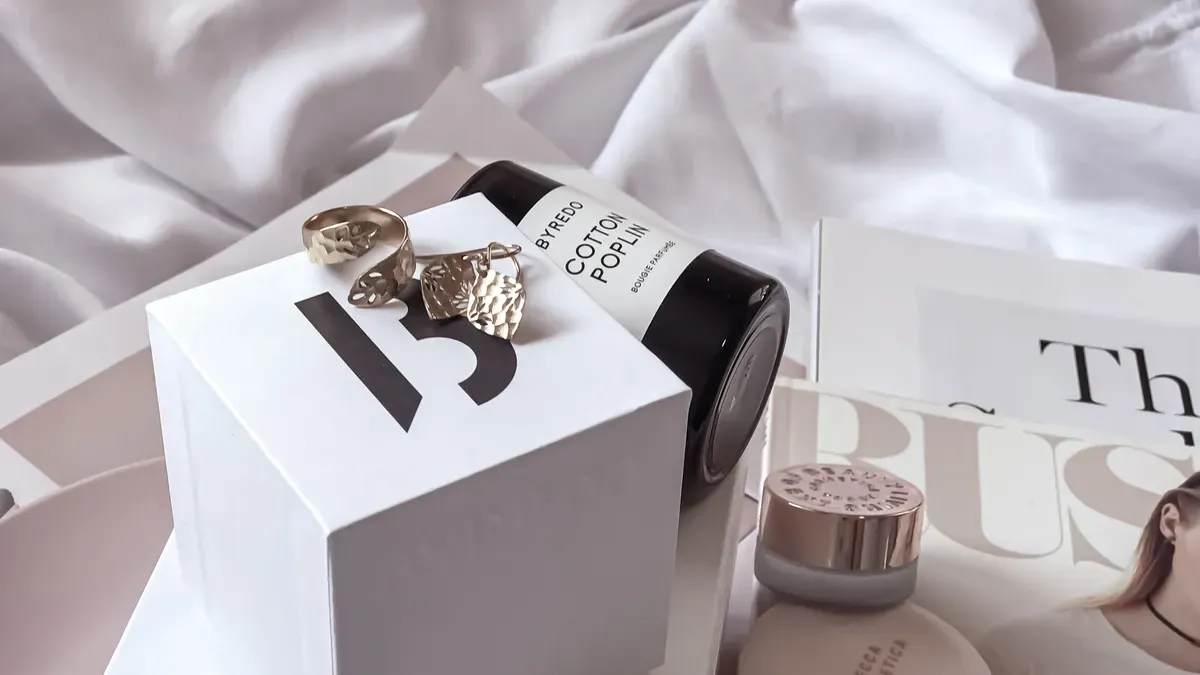
The Brain’s Shortcut: Weight as a Quality Heuristic
How the Mind Equates Density with Durability
The human brain relies on mental shortcuts. One powerful shortcut links density directly to quality. When a consumer lifts a box or jar, the brain registers resistance. Heavier objects require more effort to move. That effort translates into a judgment: this object has substance. This object cost more to make. This object must be better.
Cognitive scientists call this the density-quality heuristic. The mind treats heft as a proxy for material value. Dense materials like solid wood, thick glass, and heavy metals genuinely last longer in everyday experience. The brain generalizes this rule. Any package that feels dense relative to its packaging size and weight signals durability and quality investment. Brands leverage this principle by specifying thick-gauge materials and weighted bases. The consumer brain never consciously notices the calculation. It simply registers the package as superior.
The following table summarizes the key cognitive shortcuts at work:
| Heuristic | Mechanism | Effect on Perceived Quality |
|---|---|---|
| Density heuristic | Brain treats heft as proxy for material quality | Heavier packages perceived as higher quality |
| Haptic quality heuristic | Touch cues processed before conscious evaluation | Quality judgment formed before reading labels |
| Shape-density association | Stable proportions signal heaviness | Structural proportions create heaviness perceptions |
| Confirmation effect | Heft shapes expectations that product confirms | Identical products rated higher in heavyweight packaging |
The Halo Effect of Heft on Other Senses
A single positive attribute can color every subsequent judgment. Psychologists call this the halo effect. When the exterior feels substantial, the brain extends that favorable impression to the product inside. The consumer expects better fragrance, richer texture, or higher performance before opening the container.
This effect extends across sensory channels. Crossmodal correspondence describes how tactile cues influence non-tactile perceptions. A heavier package makes the product feel more valuable. A rough texture can enhance taste perception. Closure resistance signals airtight quality. These haptic impressions operate independently from visual information. Even when the product inside remains identical, the brain rates it higher when the container feels denser. One 2019 blind study confirmed this effect directly. Consumers rated a product in luxury-style containers as having 32 percent greater perceived value than the identical product in economy containers.
Congruence across multiple sensory attributes—such as shape, texture, and weight—was associated with higher willingness to pay, as rough textures and heavier weights were found to enhance taste intensity and reinforce perceptions of luxury. These haptic influences align with predictive processing views, in which prior expectations tuned by touch shape subsequent gustatory judgments.
Dopamine and the Anticipation of Premium Packaging
Why Heaviness Signals Emotional Investment
Heft communicates care. A heavy container requires more material, more engineering, and more shipping cost. The consumer brain interprets this investment as emotional commitment. The brand spent extra resources on the product packaging. That spending signals that the contents matter.
This interpretation has a neurological basis. The brain reward system releases dopamine during anticipation of positive experiences. Heavy packaging material psychology heightens that anticipation. The consumer holds a weighty object and expects a weighty experience. The brain treats the physical density of the box as a promise about the value inside. This expectation shapes every subsequent interaction with the product. Studies in the Journal of Consumer Psychology confirm that consumers equate product heft with quality, with heavier packages signaling richness and luxury.
Reward Pathway Activation During Unboxing
The unboxing experience triggers measurable neurological activity. When a consumer lifts a heavy lid, the brain registers effort. That effort feels earned. The reward pathway activates more strongly when the consumer overcomes resistance to reach the product inside.
Luxury packaging exploits this mechanism. A lid that slides smoothly but resists slightly. A base that stays planted during removal. A box that feels solid and stable. These features create a ritual. The consumer invests minor physical effort and receives a sensory reward. The brain remembers this sequence. Identical products receive higher ratings when unpacked from heavyweight containers. Consumer perception changes even though the product itself has not changed.
Cultural and Evolutionary Roots of the Weight–Luxury Link
Historical Associations Between Heaviness and Wealth
Heavy objects have signaled wealth for centuries. Before industrialization, dense materials required significant labor to extract and transport. Stone buildings meant power. Thick metal vessels meant prosperity. Heavy fabrics meant status. These historical associations persist in the modern brain.
The luxury signal carries this legacy through material choices. A heavy glass perfume bottle echoes the weight of ancient apothecary vessels. A solid metal cap recalls the craftsmanship of jewelers. A dense box feels like an heirloom, not a disposable container. These cues operate below conscious awareness but influence judgment powerfully. The brain does not think about history. It simply feels that heavy equals valuable. Roughly half of surveyed consumers said they would pay more for products packaged in paper or cardboard, a willingness-to-pay premium arising purely from the material and density properties of the packaging.
Weight as a Signal of Material Rarity
Dense materials often correlate with scarcity. Solid metals require mining and refining. Thick glass needs significant energy to produce. Dense hardwoods grow slowly. The consumer brain has evolved to associate heft with high-quality materials that are expensive to source.
This association creates a challenge for sustainability. Lighter containers sometimes use less material and less energy. Yet the brain interprets lightness as cheapness. The brain does not automatically register environmental benefit as a premium perception. Brands must actively reframe this perspective. They must demonstrate that lightweighting represents innovation, not reduction. The historical weight–luxury link remains strong, but it can evolve with conscious design.
The Interplay Between Packaging Weight and Other Sensory Cues
Packaging weight does not operate alone. Tactile, auditory, and visual cues interact with it. These inputs shape the perception of premium packaging. Understanding packaging material psychology requires examining these interactions.
Texture and Touch: Enhancing the Heft Experience
Surface Friction, Temperature, and Tactile Expectations
Surface texture triggers rapid neural responses. Neuroimaging studies demonstrate that touching a textured surface activates the insula and orbitofrontal cortex within milliseconds. These brain regions govern reward and value. The consumer registers high quality before conscious thought begins.
Temperature modifies this assessment. A cool glass surface suggests preservation. A warm wooden surface implies natural origins. The brain integrates these thermal signals with heft to form a holistic judgment.
Charles Spence, Professor of Experimental Psychology at Oxford University, has extensively documented how sensory inputs such as texture and weight cross-contaminate each other. His research indicates that products presented in heavier packaging are perceived as more effective, more premium, and more valuable—even when the product inside is identical to one in lighter packaging.
Combining Soft-Touch Coatings with Optimal Packaging Weight
Soft-touch coatings add a velvet surface to substantial structures. This combination elevates the overall feel. The coating reduces tactile noise and increases friction. The consumer perceives meticulous craftsmanship.
Interactive elements reinforce this perception. Resealable closures and embossed logos invite touch. Such details transform the unboxing experience into a memorable ritual.
- Glossy finishes suggest vibrant qualities. Matte textures feel natural.
- Rounded structures align with soft sensations. Angular designs suggest intensity.
- Aligned elements create a unified sensory message that builds trust.
Sound as a Weight Amplifier
The Acoustic Signature of a Heavy Lid and Base
Sound provides another tactile cue. A heavy lid produces a satisfying thud. A lightweight lid creates a hollow rattle. The brain registers these differences. The thud confirms density expectations.
Auditory cues extend beyond the lid. A crisp crinkle signals product protection. A smooth slide promises precision engineering. These sounds contribute to the overall experience.
Why a Dull Thud Outperforms a Hollow Rattle
Consumers remember these sounds. Research shows that 40% of consumers share packaging that feels gift-like on social media. The auditory component drives this behavior. A dull thud communicates quality. A hollow rattle communicates cheapness.
The acoustic signature must match other sensory signals. A heavy look with a light sound creates confusion. The brain senses inconsistency and downgrades the quality assessment.
Visual Weight vs. Actual Packaging Weight
How Design Creates Anticipation Before Lifting
Visual cues set expectations. Thick walls and deep colors suggest heaviness. The consumer expects density before lifting the product. This visual preparation shapes the tactile experience.
Strong brand equity amplifies this effect. Consumers who trust a brand expect high-quality materials. The visual design reinforces this expectation. The package looks expensive before anyone touches it.
The Disappointment of Light Packaging That Looks Heavy
A mismatch between visual and actual weight creates disappointment. The consumer lifts a package that appears dense but feels light. The brain registers the discrepancy. The quality judgment drops.
This effect proves dangerous for sustainable approaches. A package that looks heavy but weighs little triggers suspicion. The visual appeal must match the tactile reality.
The Lightweighting Paradox in Premium Packaging
The relationship between weight and luxury seems straightforward. Heavier packages feel more expensive. Lighter packages feel cheaper. This rule holds true in many situations. Yet a paradox emerges in modern premium packaging. Some brands successfully reduce packaging weight while maintaining strong luxury signals. These brands achieve premium perception through other sensory channels and strategic design choices. Understanding this paradox helps brands navigate the tension between traditional luxury cues and growing sustainability demands.
When Lighter Packaging Still Feels Luxurious
Study Findings on Minimalist and Sustainable Luxury
Research reveals that lightweight packaging can deliver luxury experiences under specific conditions. A premium liquor brand tested two packaging options in a controlled study. One option included a secondary outer box. The other option featured only the primary bottle. The primary bottle alone maintained parity in premiumness, brand fit, product expectations, and purchase interest compared to the secondary-pack version. Gold foil, brand seals, and prominent label usage helped the lighter, minimalist primary pack preserve a premium feel. This finding demonstrates that removing secondary packaging effectively reduces weight and material while retaining premium brand perceptions.
The study confirms an important principle. Luxury does not reside in weight alone. Luxury emerges from the total sensory experience. Brands can achieve premium feel through multi-sensory design including texture, sound, and visual cues. Leading brands now innovate with lightweight luxury approaches. They use recycled glass and refillable systems. They deploy multi-sensory cues beyond weight. Weight boosts perceived value only when aligned with brand values.
Premium feel can be achieved through multi-sensory design (texture, sound, visual cues), not just mass. Leading brands are innovating with lightweight luxury (recycled glass, refillable systems) and multi-sensory cues beyond weight. Weight boosts perceived value – but only when aligned with brand values.
Material selection plays a critical role in this equation. Certain lightweight materials offer strong luxury potential when brands apply the right design treatments.
| Lightweight Material | Luxury Potential |
|---|---|
| Paperboard Boxes | Lightweight yet strong; with right labels and branding can look high-end without high-end price tag |
| Plastic Boxes | Flexible, lightweight; allows internal decorations to enhance appearance and experience |
| Chipboard Packaging | Made from reclaimed paper stock; can be transformed with stickers, fabric into custom luxury packaging |
Color choices also influence how consumers perceive lightweight materials. Dark colors consistently signal higher value across product categories.
| اللون | Luxury Perception |
|---|---|
| Black | Makes products appear heavier, higher end, and higher value |
| Purple | Suggests luxury, indulgence, exclusivity, especially with gold or silver details |
| Dark Red | Perceived as professional and luxurious |
| Dark Green | Implies wealth, luxury, and professionality |
In lieu of weight, tactile texture and creative graphics will achieve sustainability goals for luxury brands. Proof is the incredible demand for soft touch finish in the last three years. Embossing, raw fibers, foil stamping and some of the rich paper stocks popular in the 80’s will see a comeback as we look for ways to maintain the luxury look and feel while reducing emissions blamed by weight.
How Brand Equity Can Override the Need for Heft
Brand equity represents the premium consumers pay due to brand recognition, trust, and quality expectations. Packaging serves as one of the clearest expressions of that equity because it sits at the point of decision. Strong package design makes a brand feel consistent, intentional, and worth the price. Material choices communicate value. Matte finishes, soft-touch coatings, and sturdy boxes signal care and attention to detail. During retail M&A processes, buyers examine whether packaging investments align with the brand’s price point and target demographic. This scrutiny indicates that thoughtful design can elevate perceived quality regardless of material weight.
A strong brand name changes consumer perception at a fundamental level. Consumers trust established luxury brands. They expect quality before touching the package. This expectation creates a halo that extends to every brand touchpoint. A lightweight package from a trusted luxury brand receives different treatment than an identical package from an unknown brand. The brand equity fills the gap that weight would otherwise occupy.
The Sustainability Dilemma: Reducing Packaging Weight Without Cost-Cutting Perceptions
Consumer Demand for Lighter, Greener Materials
Consumer behavior has shifted dramatically toward environmental responsibility. Shoppers now demand sustainable product packaging. They scrutinize material choices. They question excessive packaging. This demand creates pressure on luxury brands. These brands traditionally relied on heavy materials to signal quality. Now they must balance competing priorities.
The sustainability imperative extends across demographics. Younger consumers lead this shift. They prioritize environmental values over traditional luxury signals. They view excessive packaging as wasteful rather than prestigious. Brands that ignore this shift risk alienating a growing customer base. Brands that embrace it can differentiate themselves in crowded markets.
The Risk of Perceiving Lightweighting as Cheapening
Lightweighting carries significant risk. Consumers may interpret reduced weight as cost-cutting. The brain automatically associates lightness with lower quality. This automatic association creates a perception challenge. Brands must actively counteract this tendency.
Luxury wine and spirits brands face this challenge directly. These brands traditionally equated weight with quality. Heavy glass bottles signaled premium content. Now these brands prioritize lighter-weight glass packaging to reduce carbon footprint. A study by Mind Insights at the University of Louvain in partnership with Verallia France found that slight weight reductions of 2 to 11 percent can shift consumer perception positively. This positive shift occurs when brands combine weight reduction with identical design elements such as shape and glass color.
Sustainability messaging and maintaining identical visual design help avoid the impression of cost-cutting. Shape, color, fonts, and decorative elements activate perceptions of premium quality, authenticity, and sustainability. Verallia France applied this strategy with Rémy Cointreau for its Mount Gay rum and St-Rémy brands. The company achieved lightweighting of 2 to 11 percent. Verallia also created a standard champagne bottle 35 grams lighter at 800 grams total. Champagne Telmont tested this bottle. The company launched the Bordelaise Air 300g, which is 25 percent lighter than the traditional Bordelaise wine model. The study isolated the weight factor by using two bottles identical in shape and glass color but differing in weight. This isolation confirmed that slight reductions do not negatively affect consumer perception when design remains unchanged.
Segment and Cultural Differences in Weight Perception
Younger Consumers Prioritize Sustainability Over Heaviness
Generational differences shape how consumers respond to packaging weight. Younger consumers demonstrate different priorities than older generations. They grew up with environmental awareness. They witnessed climate change discussions. They value sustainability as a core principle. These values influence their purchasing decisions.
A heavy package may signal waste to younger consumers. They see excess material as environmental harm. They prefer minimal packaging that reduces carbon footprint. They appreciate brands that demonstrate environmental responsibility. This preference does not mean younger consumers reject luxury. They simply define luxury differently. For them, luxury includes ethical production and environmental stewardship. Brands that communicate these values effectively can charge premium prices for lighter packaging.
Global Variations in What “Luxury Weight” Means
Weight perception varies across cultures and markets. Western markets traditionally associate heaviness with quality. This association has deep historical roots. European luxury brands built their reputations on substantial materials. American consumers adopted similar expectations. These cultural patterns persist in many product categories.
Other markets demonstrate different patterns. Japanese minimalism values restraint and simplicity. Lightweight packaging can signal sophistication in Japanese design traditions. Scandinavian design emphasizes functional simplicity. These cultural preferences create opportunities for lighter premium packaging. Brands operating globally must understand these variations. A packaging weight strategy that succeeds in one market may fail in another. Local consumer perceptions must guide decisions about optimal packaging weight.
Strategic Balance: Delivering Luxury While Optimizing Packaging Weight
Methods to Add Heft Without Adding Waste
Internal Weighting, Dense Coatings, and Metal Inserts
Brands can engineer perceived weight without increasing material volume. Internal weighting adds mass at strategic points. A dense base insert creates stability during lifting. Metal caps and collar rings concentrate weight near the top. These additions change the tactile signature without adding bulk.
Material innovation now delivers density with sustainability. The Eudora Royal perfume cap demonstrates this approach. Grupo Boticário, Aptar Beauty, and Okeanos developed this cap from Made From Stone™ material. The design deliberately increases density to create a heavier feel. This choice enhances luxury perception without environmental harm. The cap transforms tactile sensation and adds sophistication to the packaging experience.
Using Recycled Materials That Feel Substantial
Recycled materials can match virgin materials in tactile quality. Post-consumer recycled glass maintains the same density as new glass. Recycled aluminum provides identical heft. Brands that specify these materials achieve sustainability goals without sacrificing premium materials perception.
Designing Multi-Sensory Premium Packaging
Compensating for Lighter Weight with Texture and Sound
Texture and sound can replace mass as luxury signals. Soft-touch coatings create a velvet surface that invites touch. Embossed logos add dimensional interest. A precision-engineered closure produces a satisfying acoustic response. These cues work together to build perceived value.
Packaging material psychology shows that consumers process tactile information rapidly. A textured surface activates reward centers in the brain. Sound reinforces this effect. A dull thud from a lightweight lid signals quality. A hollow rattle signals cheapness. Brands must engineer every sensory touchpoint.
The Power of Unboxing Rituals on Perceived Quality
The unboxing experience creates lasting impressions. A well-designed ritual transforms opening into an event. Magnetic closures that resist slightly. Tissue paper that unfolds with care. These elements build anticipation and reward. The consumer invests minor effort and receives sensory pleasure. This sequence strengthens the premium packaging judgment.
Communicating Sustainability as a Premium Feature
Framing Lightweighting as Innovation, Not Reduction
Messaging shapes how consumers interpret weight changes. Brands must frame lightweighting as advancement. Johnnie Walker Blue Label Ultra demonstrates this principle. This hand-blown teardrop bottle weighs just 180 grams. It saves approximately 670 grams of material compared to a traditional 700ml glass bottle. The design cuts carbon emissions by 335 grams. The brand shifted from its iconic square silhouette to a fluid, aerodynamic form. This change achieved both elegance and environmental impact reduction. Lightweighting becomes the new expression of luxury. Efficiency becomes a symbol of elegance.
Leveraging Certifications to Build Trust and Perceived Value
Certifications provide third-party validation. FSC and PEFC certifications confirm responsible sourcing. These credentials build consumer trust. They signal that lightweighting reflects values, not cost-cutting. Brands can display these certifications prominently on product packaging. This transparency strengthens the connection between sustainability and quality.
Testing and Iterating Weight for Maximum Luxury Impact
Sensory Panel Tests for Optimal Packaging Weight
Brands cannot guess the ideal weight for a package. They must measure consumer response directly. Sensory panel tests provide this measurement. A trained panel evaluates packages under controlled conditions. Panelists lift, hold, and open each sample. They rate perceived quality, sturdiness, and value on standardized scales.
Researchers vary weight systematically across identical designs. One sample might weigh 200 grams. Another might weigh 250 grams. A third might weigh 300 grams. Panelists evaluate each version without knowing the differences. This blind protocol removes bias from the results.
The data reveals a threshold effect. Perceived luxury rises with weight up to a certain point. Beyond that point, additional weight yields diminishing returns. Some panelists even report discomfort with excessively heavy packages. The optimal range depends on product category and price point. A lipstick case and a whiskey bottle demand different weight profiles.
Brands use these findings to set specifications. They define a target weight range that maximizes perceived value without wasting material. This approach balances luxury perception against cost and environmental impact.
A/B Testing Weight Variations in Target Markets
Sensory panels operate in controlled settings. Real markets introduce variables that laboratories cannot replicate. A/B testing bridges this gap. Brands release two versions of a package to matched consumer groups. Version A carries the current weight. Version B carries a modified weight. Researchers track purchase intent, repeat buying, and social media mentions.
This method captures authentic consumer behavior. Shoppers encounter packages on shelves. They make decisions under time pressure. Their responses reflect real-world conditions rather than laboratory attention.
Geographic segmentation strengthens these tests. A brand might test a lighter package in Scandinavian markets. The same brand might test a heavier package in Middle Eastern markets. Results guide regional packaging strategies. A single global specification often fails because cultural expectations differ.
Iteration follows testing. Brands adjust weight based on A/B results. They retest the modified version. This cycle continues until the package achieves optimal market performance. The process demands patience and investment. The payoff justifies both. A well-calibrated packaging weight delivers maximum luxury impact at minimum material cost.
Real-World Examples of Packaging Weight Strategies
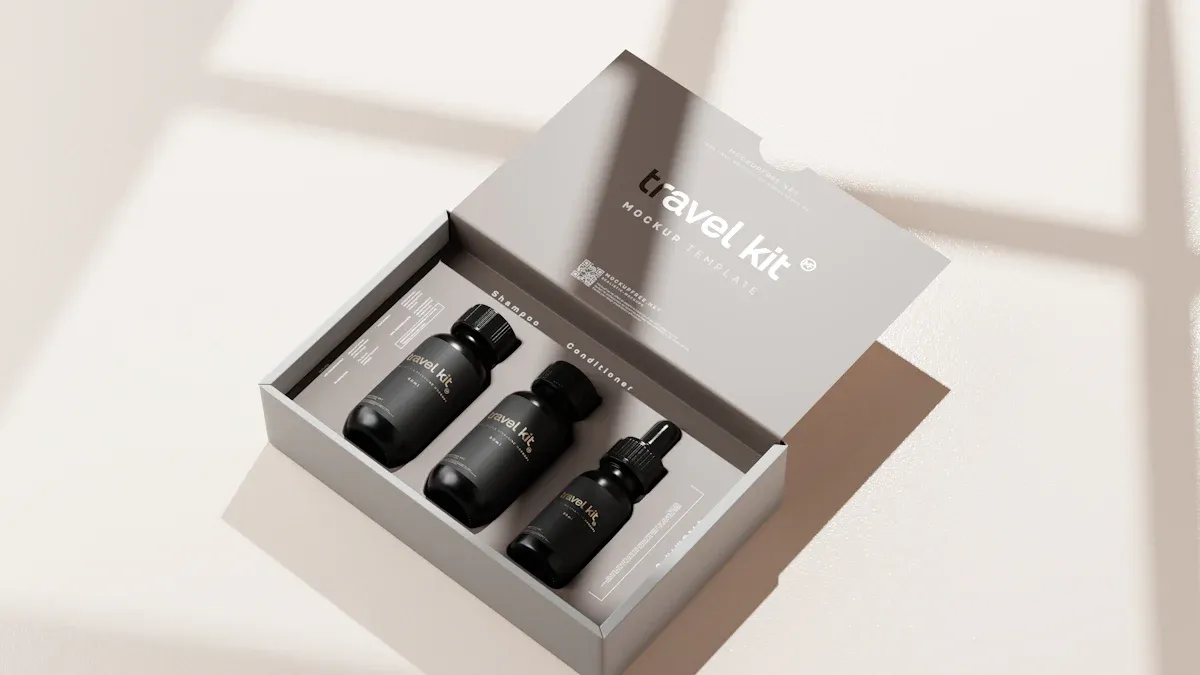
Luxury Brands That Master Heft
Heavy Glass and Metal in Fragrance Packaging
Fragrance houses have long understood the power of density. Chanel, Tom Ford, and Dior specify thick glass walls and metal collars for their signature scents. The density of a Chanel No. 5 bottle anchors the hand during spritzing. That resistance communicates stability and permanence. The consumer experiences the product as valuable before the fragrance reaches their skin. The heavy base prevents tipping. The thick glass creates a satisfying coldness. These physical properties reinforce the luxury packaging promise. Louis Vuitton extends this principle into luxury fashion accessories. The brand’s perfume bottles sit within weighted boxes that mimic the precision of a watch case. The tactile experience mirrors the craftsmanship of the fragrance itself.
The Tactile Weight of High-End Electronics
Electronics brands apply the same principle with different materials. Apple’s MacBook Pro uses aluminum unibody construction. The laptop feels dense relative to its thin profile. That density signals structural integrity. Bang & Olufsen uses zinc alloy and glass for its speakers. The devices anchor themselves on surfaces. The weight communicates durability. Sony uses brass plates inside its flagship headphones. The extra grams create a refined sensation. Consumers recognize high-end packaging through this combination of resistance and stability.
Brands That Succeeded with Lighter Premium Packaging
Refillable and Concentrated Product Models
Kjaer Weis demonstrates lightweight luxury through refillable systems. The brand sells a single compact with a magnetic closure. Customers purchase lighter refill cartridges for subsequent purchases. The initial compact remains heavy. The refill reduces material usage by 70 percent. This model maintains luxury perception through the refill ritual. The consumer interacts with the heavy compact repeatedly. The lighter refill feels like an intelligent addition, not a cost reduction. Dior applies a similar approach with its refillable lipstick cases. The outer sleeve uses weighted metal. The refill tube uses lighter plastic. The model preserves tactile luxury while reducing ongoing material use. This strategy proves that premium packaging requires innovation, not excess.
Minimalist Skincare and Cosmetics with Luxury Feel
The Ordinary and Drunk Elephant use lightweight containers. These brands succeed through other sensory cues. The Ordinary specifies frosted glass droppers. Drunk Elephant uses soft-touch coatings on lighter polymers. The visual appeal compensates for the absence of heft. Clean lines and consistent fonts signal intentional design. The packaging proves that premium requires no compromise. The unboxing experience focuses on product efficacy. The visual identity communicates purpose and clarity.
Actionable Guidelines for Managing Packaging Weight
When to Emphasize Heavier Packaging
Categories Where Heft Dominates Luxury Perception
Certain product categories demand tactile density. Fragrance, spirits, and jewelry rely on weight as a primary luxury signal. Consumers in these categories expect substantial containers. A lightweight perfume bottle feels counterfeit. A flimsy jewelry box feels disposable. Brands in these sectors should prioritize heft in their premium packaging strategies.
Price Points That Demand Tactile Density
Higher price points create stronger weight expectations. Products above $100 typically require substantial packaging. The consumer invests significant money and expects physical confirmation of value. A lightweight package at a premium price triggers suspicion. The brain questions the product quality. Brands must match packaging weight to price point. This alignment protects perceived value and reinforces premium perception.
When to Opt for Lighter Premium Packaging
Products with Strong Brand Loyalty and Recognition
Strong brands can reduce packaging weight without damaging consumer perceptions. Loyal customers trust the brand. They expect quality regardless of physical cues. Apple demonstrates this principle with lighter laptop models. The brand equity carries the luxury signal. The packaging material psychology shifts from weight to design and performance.
Sustainability-First Consumer Segments
Environmentally conscious consumers prioritize different values. They view excessive packaging as wasteful. They reward brands that reduce material usage. Younger demographics lead this shift. Brands targeting these segments should embrace lightweighting. They must communicate sustainability as a core brand value. This approach strengthens brand perception among eco-conscious buyers.
How to Test the Weight–Luxury Connection
Simple In-House Sensory Evaluations
Brands can conduct basic weight tests without expensive research. Assemble a small group of employees or customers. Prepare identical packages at different weights. Ask participants to lift each sample and rate perceived quality. Record their responses. This simple method reveals weight thresholds for specific products. It provides actionable data for packaging decisions.
Interpreting Consumer Feedback on Weight Changes
Brands must listen carefully when modifying packaging weight. Negative feedback often signals perceived cheapening. Positive feedback suggests successful lightweighting. Social media mentions provide real-time consumer reactions. Brands should track comments about packaging changes. They should analyze whether consumers notice weight reductions. This feedback guides future iterations. A luxury fashion brand might discover that customers accept lighter boxes when texture and sound compensate. Another brand might learn that its market demands traditional heft. The data informs strategic choices.
Weight remains a powerful subconscious signal of luxury. It is not the only one. The lightweighting paradox shows that lighter packaging can still feel premium when texture, sound, and brand equity compensate. Brands must treat weight as a strategic variable. They balance perceived value with environmental responsibility. The connection between weight and luxury is real, nuanced, and context-dependent. Thoughtful design makes it manageable. Premium packaging succeeds when every sensory cue works together.
الأسئلة الشائعة
Why does heavy packaging feel more luxurious?
The brain treats weight as a shortcut for quality. Dense materials require more effort to lift. That effort signals durability and material investment. Consumers then extend this positive judgment to the product inside. The effect happens before anyone opens the package.
Can light packaging still feel premium?
Yes. Light packaging succeeds when texture, sound, and brand equity compensate for missing heft. Soft-touch coatings, precise closures, and strong brand recognition carry the luxury signal. Minimalist and refillable models prove this point in real markets.
Does lightweighting always hurt perceived value?
No. Slight weight reductions of 2 to 11 percent preserve consumer perception when shape, color, and design stay identical. Larger reductions risk a cheapening judgment. Brands must pair weight cuts with clear sustainability messaging and consistent visual identity.
How do brands add heft without adding waste?
Brands concentrate mass at strategic points. Internal weighting, dense coatings, and metal inserts change the tactile signature without adding bulk. Recycled glass and aluminum also deliver the same density as virgin materials. These methods protect luxury perception and environmental goals at once.
Do younger consumers care about packaging weight?
Younger consumers prioritize sustainability over traditional heft. They view excess material as waste rather than prestige. They reward brands that reduce packaging and communicate environmental values. Luxury still matters to them, but they define it through ethics and innovation.
How can brands test the ideal packaging weight?
Sensory panel tests measure perceived quality across controlled weight variations. A/B tests then capture real purchase behavior in target markets. Brands iterate based on the results. The optimal weight range depends on product category, price point, and regional expectations.
Which product categories demand heavier packaging?
Fragrance, spirits, and jewelry rely on heft as a primary luxury signal. Consumers in these categories expect substantial containers. A lightweight perfume bottle or flimsy jewelry box triggers suspicion. Brands in these sectors should prioritize tactile density at premium price points.
When should a brand choose lighter packaging?
Strong brand loyalty allows lighter packaging without damaging perception. Sustainability-first consumer segments also reward reduced material use. Brands targeting these groups should frame lightweighting as innovation. Certifications and transparent messaging build trust and protect perceived value.
See Also
Mastering High-Gloss Lacquer Techniques For Premium Luxury Packaging Designs
Choosing The Best Luxury Jewelry And Clothing Packaging For 2026 Upscale Retail
How Premium Packaging Influences The Overall Value Of Jewelry Brands
Why Premium Packaging Successfully Justifies Higher Pricing For Jewelry Products
Ten Emerging Trends Shaping Luxury Jewelry Packaging Design In 2026