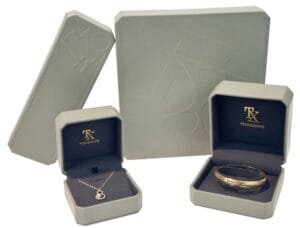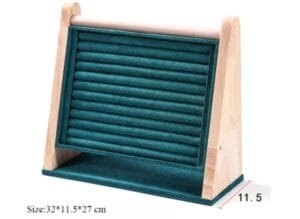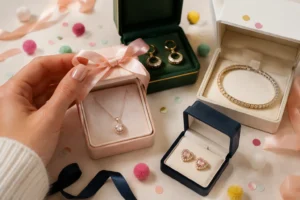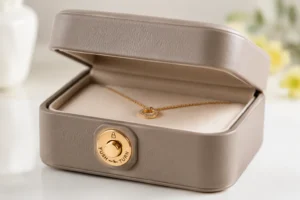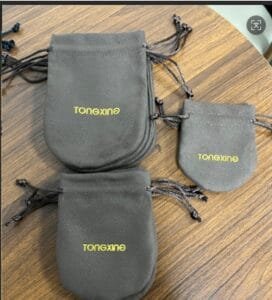
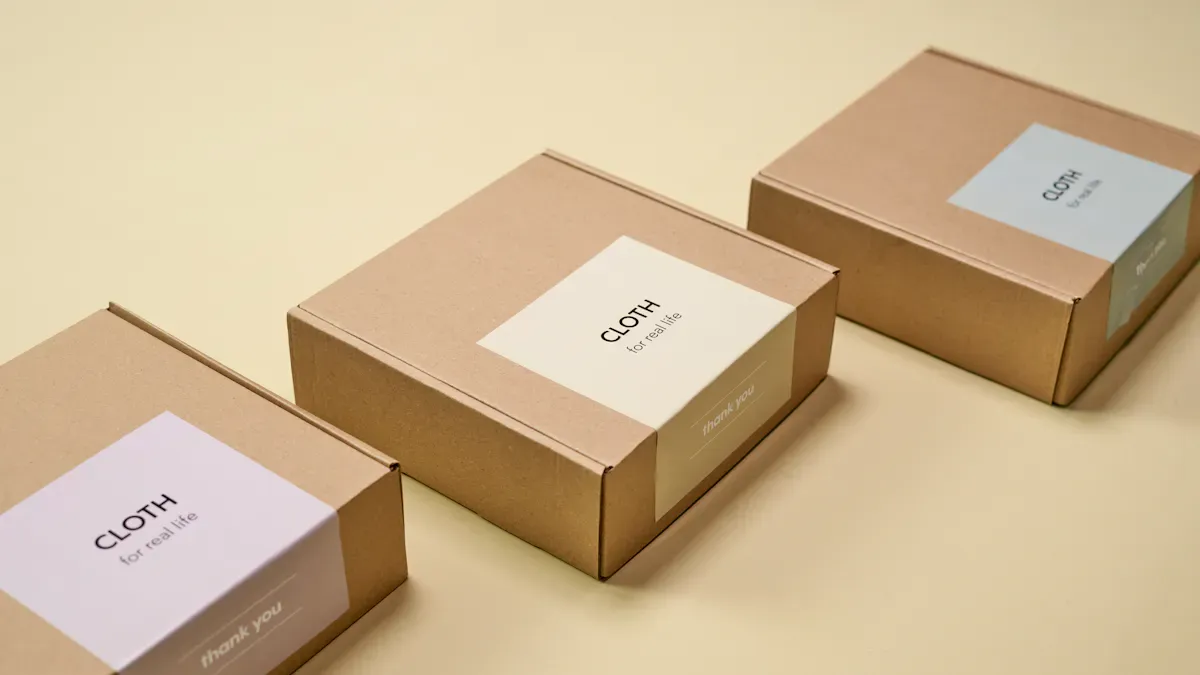
Smart weight optimization strategies offer jewelry businesses a practical approach to reduce shipping costs. By minimizing packaging weight and right-sizing boxes, companies qualify for lower shipping rates and avoid unnecessary filler materials. A jewelry packaging manufacturer can supply solutions such as custom jewelry boxes or Jewelry Pouch options that protect items without adding bulk. Jewelry Display and jewelry packaging choices impact both cost and presentation, making efficient packaging essential for every shipment.
Why Weight Optimization Strategies Matter for Shipping Costs
Understanding Shipping Costs for Jewelry
Actual Weight vs. Dimensional Weight Explained
Shipping carriers use two main metrics to determine shipping costs: actual weight and dimensional weight. Actual weight refers to the physical mass of the package. Dimensional weight, on the other hand, calculates the package’s density by considering its size. Carriers like FedEx and UPS use dimensional weight pricing to encourage businesses to use smaller, more efficient packaging. This approach means that even lightweight jewelry can incur higher costs if shipped in oversized boxes. Dimensional weight estimates often exceed actual weight, leading to increased expenses if packaging strategies do not prioritize efficiency.
How Carriers Calculate Shipping Costs
Carriers calculate shipping costs based on the greater value between actual weight and dimensional weight. They also factor in the destination, value of the jewelry, and any additional services such as signature delivery or insurance. Surcharges can make up 20%-40% of annual shipping expenses, which highlights the importance of weight optimization strategies for any jewelry business. Choosing the right packaging materials and sizes can help control these costs and protect the shipping budget.
Tip: Choosing smaller, secure packaging not only reduces dimensional weight costs but also improves shipping efficiency and leads to significant savings over time.
The Financial Impact of Packaging Choices
Cost Differences for Small vs. Large Packages
The size of the packaging directly affects material usage, production costs, and shipping expenses. The table below illustrates the cost differences between small and large packaging for jewelry shipments:
| Aspect | Small Packaging Costs | Large Packaging Costs |
|---|---|---|
| Material Usage | Lower | Higher |
| Production Costs | Lower | Higher |
| Shipping Expenses | Lower | Higher |
| Efficiency in Layouts | Higher | Lower |
Selecting small, well-fitted packaging supports a business’s budget and maximizes shipping efficiency. Dimensional weight pricing penalizes excess space, so right-sizing packaging leads to direct savings.
Common Packaging Mistakes That Increase Shipping Costs
Many jewelry businesses make mistakes that drive up shipping costs. The most common errors include:
- Ignoring the unboxing experience, which can reduce the perceived value of luxury items.
- Over-packaging with heavy boxes, which increases both weight and dimensional weight costs.
- Rushing last-minute packaging procurement, resulting in higher expenses and missed opportunities for savings.
Premium packaging can enhance customer satisfaction and brand perception, but poor choices may result in revenue loss from damage claims and customer service costs. Investing in the right packaging strategies, even if it means spending slightly more per shipment, can prevent costly incidents and support long-term profitability.
Selecting Packaging for Maximum Weight Optimization
Choosing the Smallest Secure Packaging
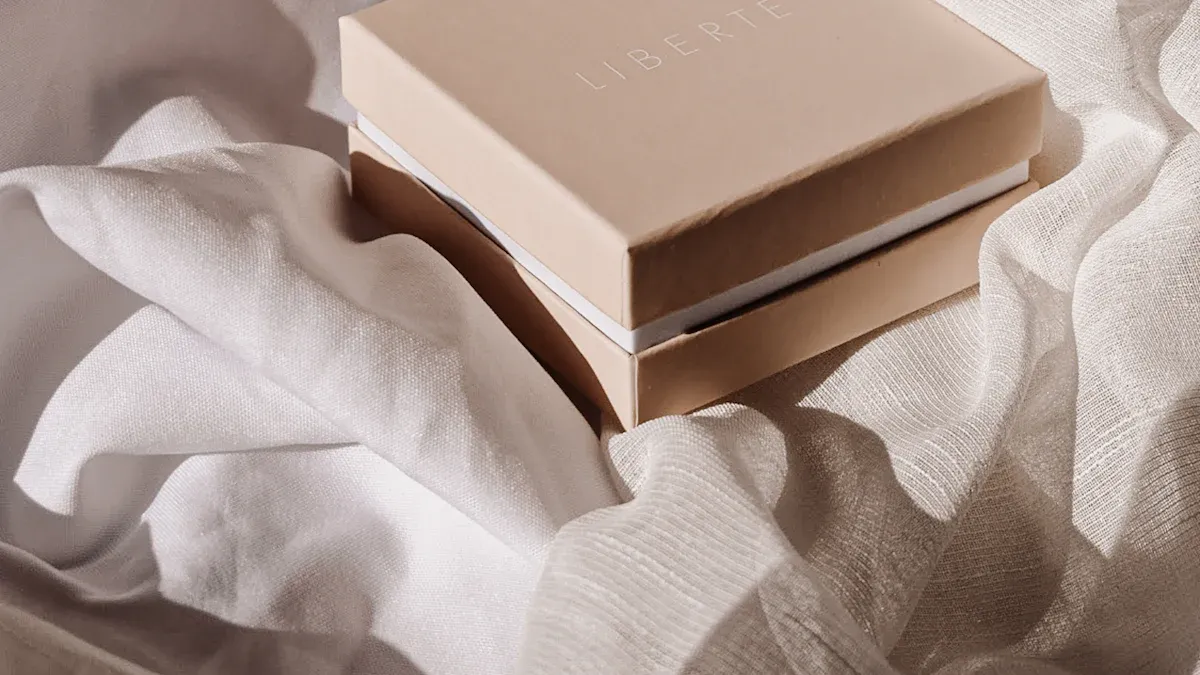
Selecting the smallest secure packaging stands as a critical step in effective weight optimization strategies. Jewelry businesses must balance protection with cost efficiency. The right-sized packaging reduces both actual and dimensional weight, directly impacting shipping expenses. To achieve this, companies should focus on several key criteria:
- Ensure the packaging has a rigid structure that resists compression during transit.
- Use inserts that support and fix the jewelry’s shape, preventing movement.
- Select package dimensions that fit snugly within the outer shipping box.
- Minimize movement and provide adequate cushioning to prevent damage.
These steps help maintain product safety while keeping the package as compact as possible. When businesses avoid oversized boxes and excess space, they not only lower shipping costs but also present a more professional image to customers.
Accurate Measurement of Jewelry Items
Accurate measurement of jewelry items plays a vital role in packaging selection and cost control. Measuring each piece precisely allows businesses to choose packaging that fits closely, reducing the need for excess filler. This approach offers several benefits:
- Accurate measurements directly affect the weight and dimensions of the package, which are key factors in determining shipping costs.
- Right-sized packaging helps avoid oversized boxes, which can lead to higher fees based on dimensional weight.
- Minimizing excess void fill reduces both weight and shipping costs while ensuring product safety.
- Lightweight materials in packaging can significantly lower shipping expenses without compromising the integrity of the jewelry.
By focusing on precise measurements, companies can optimize package dimensions and implement packaging strategies that support both protection and cost savings.
Avoiding Oversized Boxes and Excess Space
Oversized boxes and excess space often lead to unnecessary increases in shipping costs. Carriers calculate fees based on the greater of actual or dimensional weight, so extra space can result in higher charges even for lightweight items. Businesses should always select packaging that closely matches the size of the jewelry. This reduces the need for additional filler and keeps the overall weight down. Efficient use of space also enhances the unboxing experience, as customers receive their items in well-organized, thoughtfully packed boxes.
Matching Packaging to Jewelry Type
Different types of jewelry require tailored packaging solutions to optimize weight and ensure safe delivery. Matching packaging to the specific item not only protects the product but also supports branding and customer satisfaction. The table below outlines best practices for various jewelry packaging needs:
| Best Practice | Description |
|---|---|
| Personalization | Customization to foster emotional connections, such as logo branding and handwritten notes. |
| Tech-Infused Packaging | Integration of AR and QR codes for interactive experiences. |
| Luxury Jewelry Packaging | Use of minimalist designs, premium materials, and subtle details for sophistication. |
| Multi-Functional Packaging | Designs that serve multiple purposes, like travel-friendly cases and reusable pouches. |
| Bold Colors and Patterns | Use of vibrant colors and unique patterns to stand out. |
| Storytelling Through Packaging | Packaging that shares brand values and heritage, enhancing authenticity. |
| American-Made Packaging | Emphasis on local craftsmanship and materials, appealing to consumers’ values. |
Packaging for Rings, Earrings, and Small Pieces
Packaging for rings, earrings, and other small pieces should be compact and secure. These items benefit from boxes designed to minimize movement and prevent damage. For example, earring boxes for studs often measure 2.5″ x 2.5″ x 1″. This size ensures the jewelry remains centered and visible, reducing the risk of loss or damage. Compact packaging also keeps the weight low, which helps control shipping costs. Inserts or foam pads can provide additional support without adding unnecessary bulk.
Packaging for Necklaces, Bracelets, and Larger Items
Necklaces, bracelets, and larger jewelry pieces require more spacious packaging to accommodate their length and prevent tangling. Bracelet boxes for cuffs and bangles typically measure 3.5″ x 3.5″ x 2″, allowing the rigid shapes to sit naturally. Wider boxes work best for statement necklaces, as they prevent chains from tangling and provide a stable surface. Although these packages are larger, careful selection of dimensions and lightweight materials can still optimize weight and minimize shipping expenses. Businesses should always match the packaging to the jewelry type, ensuring both protection and cost efficiency.
Lightweight Materials for Jewelry Shipping Costs Reduction
Selecting lightweight materials plays a crucial role in effective weight optimization strategies for jewelry shipping. The right materials help businesses minimize both actual and dimensional weight, which directly impacts shipping costs. By choosing packaging that offers protection without unnecessary bulk, companies can maintain product safety and presentation while controlling expenses.
Comparing Lightweight Packaging Materials
Bubble Mailers, Poly Mailers, and Envelopes
Jewelry businesses often rely on mailers and envelopes to reduce weight and shipping costs. Each option offers unique benefits and limitations in terms of protection and efficiency. The table below compares common mailer types used for jewelry shipments:
| Mailer Type | Weight (approx.) | Protection Level |
|---|---|---|
| Bubble Mailers | 0.8 oz (≈23 g) | Basic protection for low-fragility items |
| Padded Mailers | 2.2 oz | Superior protection for fragile items like jewelry |
| Poly Mailers | Lightest option | No cushioning, less ideal for fragile items |
Bubble mailers provide a lightweight solution with basic cushioning, making them suitable for less delicate jewelry. Padded mailers offer enhanced protection for fragile pieces but add slightly more weight. Poly mailers stand out as the lightest option, reducing dimensional weight costs, but they lack internal padding and work best for sturdy or pre-boxed items.
Tip: Businesses can further optimize shipping costs by right-sizing mailers and using rigid or padded options to prevent crushing during transit.
Foam Inserts, Tissue Paper, and Pouches
Lightweight internal packaging materials such as foam inserts, tissue paper, and pouches help secure jewelry and prevent movement inside the package. The table below outlines the advantages and disadvantages of these materials:
| Pros | Cons |
|---|---|
| Non-reactive and safe for all metals | Offers limited moisture control |
| Lightweight and easy to use | Needs replacement if torn or soiled |
| Affordable and widely available | Not a strong barrier against air |
Foam inserts securely hold jewelry, making them ideal for retail and shipping environments. However, foam density and resilience can affect performance, sometimes leading to compression or loose slots. Tissue paper and pouches provide a lightweight, cost-effective way to wrap jewelry, though they may lack structural strength and moisture protection. Anti-tarnish bags offer additional protection for metal pieces, helping to preserve their appearance during shipping.
Note: Sturdy, cushioned jewelry boxes, anti-tarnish bags, bubble wrap, and padded envelopes remain popular choices for lightweight yet protective packaging.
Balancing Protection and Weight Optimization
Preventing Damage with Minimal Bulk
Balancing protection and weight optimization requires careful selection of packaging materials and techniques. Companies should conduct rigorous tests, such as drop tests and vibration tests, to ensure packaging durability without adding unnecessary bulk. Using eco-friendly materials like recyclable corrugated cardboard or biodegradable foam can maintain product protection while appealing to environmentally conscious consumers. Standardized labels and barcodes help reduce mishandling and improve logistics efficiency.
A few practical packaging strategies include:
- Using rigid or padded mailers to prevent crushing and maintain shape.
- Anchoring jewelry securely with cards, pouches, or structured inserts.
- Right-sizing packaging to avoid shifting or insufficient cushioning.
These approaches help minimize dimensional weight and actual weight, leading to lower shipping costs and improved efficiency.
Real-World Examples of Lightweight Protection
Many jewelry businesses have successfully implemented lightweight protection methods to optimize shipping. For example, poly mailers offer lightweight efficiency, reducing shipping fees due to their minimal weight. These mailers use durable materials that resist tearing and puncturing, ensuring jewelry safety during transit. Poly mailers also provide weather resistance, protecting jewelry from moisture and environmental damage.
| Feature | Description |
|---|---|
| Lightweight Efficiency | Poly mailers are economical due to their reduced weight, leading to lower shipping fees. |
| Robust Protection | Made from durable materials, poly mailers resist tearing and puncturing, ensuring jewelry safety during transit. |
| Weather Resistance | These mailers are waterproof, protecting jewelry from moisture and environmental damage. |
Additional best practices include cleaning and organizing jewelry before shipping, using small plastic bags for added safety, and wrapping the jewelry box or pouch in protective materials before placing it in a shipping box. These strategies help maintain product integrity while keeping packaging weight and costs low.
By carefully selecting lightweight materials and employing efficient packaging strategies, jewelry businesses can achieve significant savings on shipping costs without compromising product safety or presentation.
Efficient Packing Techniques for Lower Shipping Costs
Arranging Jewelry to Minimize Empty Space
Efficient packing techniques help jewelry businesses minimize wasted space and reduce shipping weight. Arranging jewelry properly inside packaging prevents movement and damage. Companies often use padding, inserts, or void fill to stabilize jewelry pieces during transit. Sturdy corrugated mailers or carton boxes suit different order sizes. Adding void fill, such as crinkle paper or foam wrap, reduces internal movement and keeps items secure. For heavier jewelry, molded inserts or biodegradable foam provide extra stability.
Layering and Stacking Safely
Layering and stacking jewelry safely inside packaging maximizes space and keeps weight low. Jewelry trays allow for organized stacking without risking scratches or tangling. Businesses place softer items, like pouches or tissue-wrapped pieces, on top of more rigid items. This method protects delicate surfaces and maintains a compact package. Structured inserts anchor jewelry in place, preventing shifting and reducing the need for excess filler.
Using Dividers and Compartments
Dividers and compartments create separate spaces for each jewelry item. This technique prevents items from touching and minimizes wasted space. Custom dividers fit snugly inside boxes, holding rings, earrings, and necklaces securely. Compartments also allow for efficient stacking, which optimizes weight and reduces shipping costs. Companies often select packaging with built-in dividers for multi-item shipments, ensuring each piece stays protected.
Reducing the Need for Excess Filler
Reducing filler in packaging lowers weight and shipping expenses. Businesses standardize filler amounts by box size, which creates consistency and prevents overuse. Layering with inserts or branded cards adds depth and anchors jewelry effectively. Crinkle paper elevates jewelry without overwhelming the box, keeping the package light and attractive.
| Method | Description |
|---|---|
| Crinkle Paper | Use a small, even layer to elevate jewelry without overwhelming the box. |
| Standardization of Filler | Standardize filler amounts by box size for consistency across orders and displays. |
| Layering with Inserts | Combine filler with inserts or branded cards to create depth and anchor jewelry effectively. |
Custom-Fit Inserts and Trays
Custom-fit inserts and trays enhance stability during shipping. These solutions minimize the risk of damage and returns. Stable inserts allow companies to design outer cartons that fit specific dimensions, which leads to efficient stacking and storage. This approach reduces shipping costs by optimizing weight and minimizing wasted space. High-quality trays and inserts keep inventory organized and streamline transport, lowering the likelihood of damage during transit.
Strategies for Multi-Item Shipments
Multi-item shipments require careful planning to optimize weight and packaging. Companies use custom trays with compartments for each piece, which prevents movement and reduces filler. Organizing jewelry in layers or rows inside the box maximizes space and keeps the package compact. Businesses select packaging that fits the total order size, avoiding oversized boxes and excess filler. These strategies support weight optimization and help reduce shipping costs for every shipment.
Tip: Efficient packing techniques not only minimize wasted space but also improve product safety and presentation. Companies that implement these strategies achieve better weight optimization and lower shipping expenses.
Alternative Packaging Solutions for Weight Optimization
Custom and Branded Packaging Options
Branded Poly Mailers and Slimline Boxes
Jewelry businesses often seek packaging that reflects their brand while supporting weight optimization strategies. Branded poly mailers offer a lightweight solution for shipping small jewelry items. These mailers protect against moisture and tampering, and their slim profile reduces dimensional weight. Slimline boxes provide another option. They use rigid materials to safeguard delicate pieces and maintain a professional appearance. Both options allow companies to showcase their branding through custom prints or colors, enhancing the customer experience without adding unnecessary weight.
Custom-Sized Packaging for Jewelry
Custom-sized packaging plays a crucial role in minimizing shipping costs. When companies design boxes or mailers to fit jewelry precisely, they eliminate excess space and reduce the risk of damage during transit. This approach also supports efficient stacking and storage. The table below highlights the main benefits of custom and branded packaging for jewelry:
| Benefit | Description |
|---|---|
| Weight Optimization | Custom-sized packaging minimizes extra space, reducing the risk of damage during delivery. |
| Enhanced Security | Properly sized boxes keep items secure, ensuring they arrive in perfect condition. |
Custom packaging solutions help businesses control both actual and dimensional weight. They also reinforce brand identity, which can lead to higher customer satisfaction and repeat purchases.
Eco-Friendly and Cost-Effective Packaging Choices
Recyclable and Compostable Materials
Eco-friendly packaging options have gained popularity in the jewelry industry. Companies now use recyclable cardboard boxes made from FSC-certified materials. These boxes provide structural strength and are easy to recycle. Compostable mailers, made from plant-based materials, offer protection and sustainability. Biodegradable cushioning materials, such as paper-based fillers, replace traditional plastic options. The table below summarizes these choices and their impact on costs:
| Packaging Type | Description | Cost Impact |
|---|---|---|
| Recyclable cardboard boxes | Made from FSC-certified cardboard, easy to recycle, and provides structural strength. | Can reduce long-term costs by minimizing damage rates. |
| Compostable mailers | Plant-based alternatives to plastic mailers, offer protection and sustainability. | Initial costs may be higher, but can enhance brand image and customer loyalty. |
| Biodegradable cushioning materials | Replaces traditional materials with paper-based options that are eco-friendly. | May require more effort to ensure protection, but appeals to eco-conscious consumers. |
Other sustainable options include recycled kraft paper, cotton bags, and upcycled tins. These materials help reduce weight while supporting environmental goals.
Note: Eco-friendly packaging not only appeals to environmentally conscious customers but can also lower shipping weight and reduce long-term costs.
Sourcing Packaging in Bulk for Savings
Businesses can further optimize shipping costs by sourcing packaging in bulk. Bulk purchasing often leads to lower unit prices and ensures a steady supply of materials. Companies that buy eco-friendly or custom packaging in larger quantities can negotiate better rates with suppliers. This strategy supports consistent branding and helps maintain control over packaging weight and quality.
Carrier Selection and Rate Negotiation to Reduce Shipping Costs
Comparing Carrier Pricing and Shipping Costs
USPS, UPS, FedEx, and Other Carriers
Carrier pricing structures for jewelry shipments depend on both weight and dimensions. Carriers determine the billable weight by comparing the actual weight and the dimensional weight, then charging based on the higher value. This approach means that a small but heavy jewelry box may incur charges based on its actual weight, while a larger, lightweight package could be billed according to its size. Jewelry businesses must understand these differences to avoid unexpected shipping costs.
The table below compares the most common carrier options for jewelry shipments:
| Carrier | Base Cost | Delivery Speed | Max Insurance | Signature Option | Best Use Case |
|---|---|---|---|---|---|
| USPS | $5.40 – $12.65 | 1–3 days | $50,000 (Registered Mail) | Yes | Affordable and insured domestic delivery |
| UPS | $11 – $70 | 1–5 days | $100 included, more via third party | Yes | Fast delivery, limited jewelry types |
| FedEx | $20 – $75 | 1–3 days | Up to $100,000 (Declared Value) | Yes | High-value and insured shipments |
USPS offers competitive pricing for domestic shipments under one pound, reliable tracking, and broad network coverage. FedEx provides superior handling for high-value shipments, with insurance coverage up to $100,000 and expedited claims processing. UPS delivers reliable business-to-business service and competitive rates for heavier packages.
Regional, Flat Rate, and Special Jewelry Shipping Options
Regional carriers can offer lower rates for local deliveries, especially when shipping within a specific area. Flat rate options, such as USPS Priority Mail, allow businesses to ship jewelry at a set price regardless of weight, as long as the package fits within the designated box. Registered Mail through USPS provides high insurance limits, making it suitable for valuable items. Businesses should evaluate these options to match their shipping needs and control costs.
Tip: Rate shopping across multiple carriers helps identify the most cost-effective solution for each shipment.
Negotiating Better Shipping Rates
Volume Discounts and Loyalty Programs
Jewelry businesses can reduce shipping costs by negotiating directly with carriers. Building strong relationships with carriers often leads to better rates, especially for high-volume shippers. Negotiating rates during contract signing or renewal can secure discounts. Many carriers offer loyalty programs or volume-based incentives, rewarding consistent shipping activity with reduced rates.
- Build strong relationships with carriers.
- Negotiate rates at contract signing and renewal.
- Leverage shipping volume for reduced rates.
- Integrate rate shopping into shipping processes.
These strategies help businesses manage weight-based charges and keep shipping expenses predictable.
Using Third-Party Logistics Providers (3PLs)
Third-party logistics providers (3PLs) offer another way to optimize shipping costs. 3PLs consolidate shipments from multiple clients, allowing them to negotiate bulk rates with carriers. Jewelry businesses benefit from these lower rates and streamlined logistics. 3PLs also provide expertise in packaging, weight optimization, and carrier selection, further reducing costs and improving delivery reliability.
Note: Partnering with a 3PL can simplify the shipping process and unlock savings that may not be available to smaller businesses shipping independently.
Maintaining Product Safety and Presentation with Weight Optimization Strategies
Ensuring Jewelry Arrives Safely
Shock Absorption and Moisture Protection
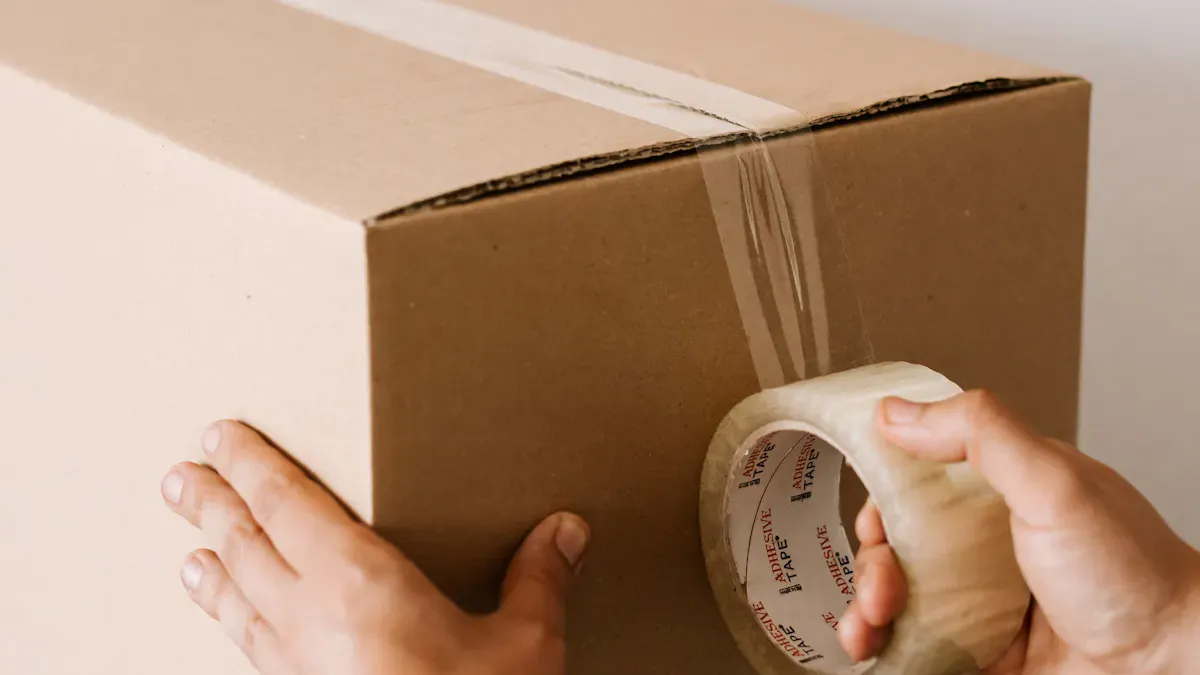
Jewelry businesses must prioritize both shock absorption and moisture protection to ensure safe delivery. Selecting a sturdy box designed for valuable items provides a strong foundation. Companies often choose a box slightly larger than the jewelry to allow for cushioning. Wrapping each piece individually in bubble wrap or tissue paper adds a protective layer. Placing wrapped jewelry in a pouch or jewelry box further shields it from impact. Filling empty spaces with lightweight packing materials, such as foam chunks or crinkle paper, prevents movement during shipping. Sealing the box securely with packing tape completes the process. These steps help reduce the risk of damage while keeping the overall weight low.
A trusted carrier and comprehensive insurance offer additional security. Monitoring the shipment from dispatch to delivery ensures accountability. Including a packing slip with contents and contact information inside the package helps resolve any issues quickly.
Tarnish Prevention Techniques
Tarnish can diminish the value and appearance of jewelry during transit. Businesses often use anti-tarnish bags or strips to protect metal pieces. Wrapping items in acid-free tissue paper creates a barrier against moisture and air. Some companies add silica gel packets to absorb excess humidity inside the packaging. These techniques maintain the jewelry’s shine without adding significant weight. Proper tarnish prevention supports both product quality and customer satisfaction.
Preserving the Unboxing Experience
Branded Packaging Elements
A memorable unboxing experience strengthens brand identity and encourages repeat purchases. Many businesses use branded packaging elements, such as custom-printed boxes, logo stickers, or thank-you cards. Lightweight materials like paper, thin wood, or fabric keep shipping costs manageable while ensuring protection. Fabric pouches provide a premium feel without adding bulk. Paper-based solutions remain the lightest option for mailing and can be customized with brand colors or graphics.
Investing in affordable luxury packaging solutions allows companies to maintain visual appeal without overspending. Modular designs and bulk ordering help reduce costs while preserving the unboxing experience.
Balancing Aesthetics with Shipping Costs
Balancing aesthetics with shipping costs requires careful planning. Optimizing packaging size and weight can reduce logistics costs by up to 20%. Better space utilization lowers shipping fees and minimizes environmental impact. Businesses achieve this by selecting packaging that fits the jewelry closely and using lightweight protective materials. This approach maintains a high-quality presentation while controlling expenses.
Tip: Consistent branding and thoughtful presentation do not have to increase weight or shipping costs. Smart choices in materials and design deliver both style and savings.
Monitoring and Improving Your Jewelry Shipping Costs
Tracking and Analyzing Shipping Costs Over Time
Using Shipping Data for Cost Analysis
Jewelry businesses benefit from tracking shipping data consistently. They record each shipment’s weight, packaging type, and carrier charges. This information helps them compare actual weight and dimensional weight for every order. By collecting this data, companies can identify trends in costs and spot areas where expenses increase. Many businesses use spreadsheets or shipping software to organize and analyze this information. Regular reviews of shipping data reveal which packaging choices lead to higher costs. They also show how changes in packaging materials or box sizes affect overall expenses.
Tip: Set a monthly reminder to review shipping data. Consistent analysis uncovers hidden patterns and supports better decision-making.
Identifying Opportunities for Further Savings
After analyzing shipping data, businesses often find new ways to reduce costs. They may notice that certain packaging types consistently result in higher dimensional weight charges. Switching to smaller boxes or lighter materials can lower these expenses. Companies also compare carrier rates to find the best value for each shipment. Some businesses discover that adjusting packaging methods helps minimize wasted space, which leads to direct savings. Tracking returns and damage rates highlights if lighter packaging still protects jewelry effectively. This process ensures that cost reductions do not compromise product safety.
Testing and Iterating Weight Optimization Strategies
Gathering Customer Feedback on Packaging
Customer feedback provides valuable insight into packaging effectiveness. Jewelry businesses encourage buyers to share their experiences with packaging and delivery. They use surveys, follow-up emails, or social media polls to gather opinions. Customers often comment on package size, protection, and presentation. Positive feedback confirms that weight optimization strategies work well. Negative feedback signals a need for improvement. Companies use this information to refine packaging choices and maintain customer satisfaction.
Adjusting Packaging and Shipping Methods
Continuous improvement drives long-term savings. Businesses test new packaging materials and box sizes to find the best balance between protection and weight. They monitor how these changes affect shipping costs and customer satisfaction. Adjustments may include switching to custom-fit inserts or lighter mailers. Companies also review carrier options to ensure they receive the best rates. Regular testing and iteration help businesses adapt to changing shipping requirements and market trends. This approach keeps costs low and supports ongoing growth.
Weight optimization strategies help jewelry businesses control shipping costs and maintain product safety. Companies select the smallest secure packaging and lightweight materials to reduce weight. Efficient packing techniques further lower costs. They explore alternative packaging, negotiate with carriers, and monitor shipping processes for ongoing savings. Balancing cost, protection, and presentation ensures customer satisfaction and supports business profitability.
FAQ
What is the best packaging material for lightweight jewelry shipping?
Bubble mailers and poly mailers offer strong protection with minimal weight. Foam inserts and tissue paper secure items inside. These materials help businesses reduce shipping costs while maintaining product safety.
How can a company avoid dimensional weight charges?
A company selects packaging that fits jewelry closely. They avoid oversized boxes and excess filler. Accurate measurements and custom-sized packaging minimize dimensional weight charges.
Does eco-friendly packaging increase shipping costs?
Eco-friendly packaging often uses lightweight materials. Recyclable cardboard and compostable mailers can reduce weight. Initial costs may be higher, but long-term savings and improved brand reputation offset expenses.
Can branded packaging still optimize shipping weight?
Branded packaging uses slimline boxes or lightweight mailers. Custom designs do not add bulk when companies choose materials wisely. Branding enhances customer experience without increasing shipping costs.
How does a business protect jewelry during transit without adding weight?
A business uses foam inserts, anti-tarnish bags, and tissue paper. These materials cushion jewelry and prevent damage. Lightweight options maintain product safety and keep shipping expenses low.
What is the most cost-effective carrier for jewelry shipments?
USPS offers affordable rates for small packages. FedEx and UPS provide insurance and fast delivery for high-value items. Companies compare carrier options to find the best fit for their needs.
How often should a company review its shipping strategies?
A company reviews shipping strategies monthly. Regular analysis of shipping data helps identify cost-saving opportunities. Testing new packaging and carrier options ensures ongoing optimization.
Is it possible to ship multiple jewelry items in one package efficiently?
Custom trays and dividers organize multiple items in one box. Efficient packing reduces filler and keeps weight low. This method protects jewelry and lowers shipping costs for multi-item orders.