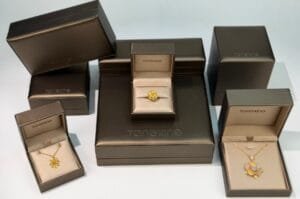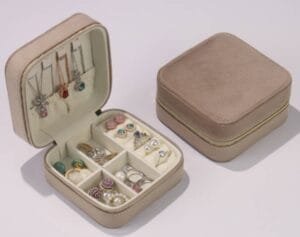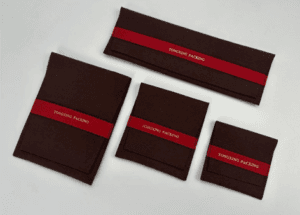
Genuine leather jewelry cases consistently outperform leatherette in durability. Over time, genuine leather resists wear, develops a rich patina, and maintains flexibility, making it a preferred choice for jewelry storage and Jewelry Display. Leatherette, while cost-effective for custom jewelry boxes and Jewelry Pouch options, often fades and becomes brittle within a few years. Key durability factors include resistance to wear, self-healing properties, tensile strength, and appearance retention. For lasting jewelry protection, experienced jewelry packaging manufacturer professionals recommend genuine leather, especially when longevity and premium jewelry packaging matter.
Understanding Leather and Leatherette in Jewelry Cases
What Are Genuine Leather Jewelry Cases?
Genuine leather jewelry cases represent the gold standard in jewelry storage. These boxes showcase high quality leather and expert craftsmanship. Manufacturers select premium full-grain or top-grain leather for these jewelry box leather products. The result is a durable, attractive, and functional storage solution for valuable jewelry.
Types of Leather Used in Leather Jewelry Boxes
Manufacturers use several types and features of leather jewelry boxes. Full-grain leather stands out for its strength and natural texture. Top-grain leather offers a smoother finish while retaining much of the durability. Some real leather jewelry boxes use split leather, which is more affordable but less robust. Each type provides a unique balance of quality, appearance, and longevity.
How Genuine Leather Is Made for Jewelry Cases
The process of creating genuine leather jewelry cases begins with selecting animal hides. Skilled artisans treat and tan the hides to enhance durability and appearance. They then craft the leather into jewelry box leather panels, often lining the interior with velvet or suede. This combination protects jewelry from scratches and tarnish. Many boxes feature smart compartments, mirrors, and anti-tarnish linings, reflecting a commitment to quality and craftsmanship.
Note: High quality leather craftsmanship ensures that genuine leather jewelry cases age gracefully, developing a rich patina over time.
What Is Leatherette in Leather Jewelry Boxes?
Leatherette offers an alternative to real leather in jewelry storage. This material mimics the look of genuine leather but uses synthetic components. Leatherette jewelry boxes appeal to buyers seeking affordability and a uniform appearance.
Composition and Manufacturing of Leatherette
Manufacturers create leatherette by layering polyurethane over a fabric base. This process gives the material a consistent texture and color. Leatherette jewelry box leather panels often feel smoother and more uniform than real leather. The production method allows for a wide range of colors and finishes, making these boxes versatile for different jewelry collections.
Common Uses of Leatherette in Jewelry Cases
Leatherette appears in many types and features of leather jewelry boxes, especially in budget-friendly options. Designers use it for travel cases, display boxes, and custom jewelry packaging. While leatherette offers a sleek look, it does not match the durability or aging qualities of genuine leather jewelry cases.
Key Differences Between Leather and Leatherette
The structure and composition of leather and leatherette jewelry boxes differ significantly. Genuine leather jewelry cases rely on natural materials and traditional craftsmanship. Leatherette uses synthetic materials and modern manufacturing techniques.
Comparison Table: Leatherette vs Genuine Leather Jewelry Cases
| Feature | Genuine Leather | Leatherette |
|---|---|---|
| Material | Made from treated and tanned animal skins | Made from synthetic materials like polyurethane |
| Manufacturing Process | Involves preparation, tanning, and crusting | Starts with a cloth base and adds a polyurethane layer |
| Durability | Generally more durable and ages well | Less durable, can wear out faster |
| Aesthetic Qualities | Unique texture with inconsistent pores and natural smell | Uniform texture with repeating pores and plastic feel |
Jewelry box leather made from genuine materials offers superior durability, unique appearance, and a luxurious feel. Leatherette provides a cost-effective, consistent option for those prioritizing style and affordability over long-term performance.
Durability of Leather Jewelry Boxes vs Leatherette
Lifespan and Longevity of Genuine Leather Jewelry Cases
Full-Grain and Top-Grain Leather Durability
Full-grain and top-grain leather set the standard for durability in jewelry storage. Full-grain leather retains the strongest fibers, which gives it exceptional resistance to daily stress. Top-grain leather, while slightly processed, still offers impressive strength and a smooth finish. Both types of leather jewelry boxes withstand frequent handling and movement. They resist stretching and tearing, which ensures reliable protection for valuable items. The natural structure of genuine leather allows it to recover from minor scratches, maintaining its appearance over time.
Expected Lifespan of Leather Jewelry Boxes
Genuine leather jewelry cases often last for decades when cared for properly. The quality of the leather plays a critical role in longevity. High-quality leather, combined with skilled craftsmanship, results in jewelry boxes that can become family heirlooms. Owners should store these boxes in cool, dry environments to prevent mold and cracking. Regular maintenance, such as cleaning dust and conditioning every six to twelve months, preserves the leather’s flexibility and shine. Promptly addressing spills and keeping the box away from direct sunlight further extends its lifespan. These practices ensure that genuine leather jewelry cases provide lasting protection and retain their elegance for years.
Durability of Leatherette Jewelry Cases
Resistance to Wear and Tear in Leatherette
Leatherette jewelry boxes offer a cost-effective alternative but show different wear and tear resistance compared to real leather. The synthetic surface resists water and stains better than natural materials. However, leatherette lacks the self-healing properties found in genuine leather. Over time, the surface may develop cracks or peel, especially in areas exposed to frequent use. The fabric base beneath the polyurethane layer can weaken, reducing overall durability. While leatherette jewelry boxes perform well for short-term or occasional use, they do not match the long-term wear and tear resistance of real leather.
How Leatherette Jewelry Cases Age Over Time
Leatherette ages differently from genuine leather. The material maintains a uniform appearance at first, but exposure to sunlight and fluctuating temperatures can cause fading and brittleness. Unlike real leather, leatherette does not develop a patina. Instead, it may lose its color and flexibility, leading to visible cracks or peeling. Owners often notice that older leatherette jewelry boxes feel stiffer and less comfortable to handle. While these boxes provide adequate protection for a few years, they rarely achieve the longevity associated with genuine leather jewelry cases.
Durability Factors: Scratches, Scuffs, and Pressure Resistance
Performance of Genuine Leather Jewelry Cases
Genuine leather jewelry cases excel in resisting scratches and scuffs. The natural grain structure absorbs minor abrasions, which helps maintain a polished look. Full-grain and top-grain leather can withstand pressure without losing shape or integrity. When scratches occur, the leather often recovers through natural oils or conditioning treatments. This resilience makes genuine leather ideal for jewelry boxes that see frequent use. The material’s flexibility also prevents cracking under pressure, ensuring long-term protection for delicate items.
Performance of Leatherette Jewelry Cases
Leatherette jewelry boxes provide moderate resistance to scratches and scuffs. The synthetic coating protects against light marks but cannot repair itself like real leather. Deep scratches may expose the underlying fabric, which weakens the box’s structure. Leatherette also struggles with pressure resistance. Heavy objects or repeated bending can cause permanent creases or splits. While leatherette jewelry boxes offer initial protection, their durability factors fall short when compared to genuine leather. Owners seeking long-lasting jewelry storage should consider these limitations before choosing leatherette.
Water and Stain Resistance in Leather and Leatherette
Water Resistance in Leather Jewelry Boxes
Water resistance plays a crucial role in the overall durability of jewelry cases. Genuine leather jewelry boxes offer a luxurious appearance and a high level of craftsmanship, but they do not excel in water resistance. The natural fibers in leather absorb moisture quickly. When exposed to water, leather can swell, stain, or even develop mold if not dried properly. Over time, repeated contact with moisture weakens the structure and reduces durability.
Leatherette jewelry cases, on the other hand, feature a synthetic polyurethane coating that naturally repels water. This coating prevents most liquids from penetrating the surface. Owners find that leatherette jewelry boxes handle accidental spills and humid environments better than genuine leather. Laboratory testing confirms several key points:
- Leatherette resists water and common stains due to its synthetic polymer coating.
- Genuine leather is less practical for everyday use where water exposure is likely.
- Prolonged moisture can damage both materials, but leatherette maintains its durability longer in wet conditions.
Jewelry collectors who live in humid climates or travel frequently may prefer leatherette for its superior water resistance. However, those who value the unique qualities of leather should keep their jewelry boxes in dry, controlled environments to preserve durability.
Stain Resistance in Leatherette Jewelry Cases
Stain resistance also impacts the long-term durability of jewelry cases. Leatherette jewelry boxes excel in this area because their synthetic surface does not absorb most stains. Owners can easily wipe away spills from makeup, perfume, or lotions. The smooth finish of leatherette prevents discoloration and keeps the jewelry box looking new with minimal effort.
Genuine leather jewelry cases require more attention. The porous nature of leather allows stains to penetrate deeply, making them difficult to remove. Even with regular cleaning, some marks may become permanent. This difference in stain resistance affects the overall durability and maintenance needs of each material.
The following table highlights the typical stain resistance properties of both materials:
| Feature | Description |
|---|---|
| Durability | High durability for long-lasting use |
| Aesthetics | Attractive appearance for jewelry |
| Water Resistance | Resistant to water damage |
| Stain Resistance | Effective at resisting stains |
| Easy to Maintain | Simple cleaning and upkeep |
| Environmentally Friendly | Made from eco-friendly materials |
Leatherette jewelry cases also offer aging-resistant qualities and remain odorless over time. They resist staining effectively, which adds to their appeal for those seeking low-maintenance storage. Leather jewelry boxes, while elegant, require careful handling to avoid permanent stains and maintain their durability.
Tip: Owners should always clean spills immediately from both leather and leatherette jewelry cases. Quick action helps preserve the appearance and durability of the box.
Leather and leatherette each offer unique benefits in water and stain resistance. Leatherette stands out for its easy maintenance and resilience, while leather provides a classic look that demands more care. Choosing between these materials depends on the owner’s priorities for durability, aesthetics, and upkeep.
Practical Considerations When Choosing Between Faux and Real Leather for Jewelry Boxes
Cost and Value of Leather Jewelry Boxes vs Leatherette
Price Comparison: Genuine Leather vs Leatherette
When evaluating the investment in a leather box for jewelry, buyers notice a significant price gap between genuine leather and leatherette options. The following table highlights the average market prices:
| Material Type | Average Price Range (USD) | Price Difference (%) |
|---|---|---|
| Genuine Leather | $75 – $500 | N/A |
| Leatherette (Faux) | $15 – $150 | 40-70% less |
Genuine leather jewelry boxes start at $75 and can reach $500 or more. Leatherette boxes offer a more affordable entry point, with prices beginning at $15 and rarely exceeding $150. This difference reflects the quality, craftsmanship, and luxury associated with real leather jewelry boxes.
Long-Term Value and Investment
Investors in genuine leather jewelry boxes benefit from superior durability and value retention. These boxes develop a rich patina, enhancing their aesthetic appeal and luxury over time. Owners often pass down genuine leather jewelry boxes as heirlooms, reflecting their lasting quality and investment potential. Leatherette boxes, while affordable, may crack, peel, or develop odors within a few years. The construction quality of genuine leather jewelry boxes ensures better protection for jewelry and a higher return on investment.
Maintenance and Care for Leather and Leatherette Jewelry Cases
Cleaning and Caring for Genuine Leather Jewelry Cases
Proper care maximizes the durability and luxury of a leather box for jewelry. Owners should keep leather jewelry boxes away from direct sunlight and heat. Weekly dusting with a soft brush or cloth preserves the surface. Overfilling can stretch the leather, so users should avoid packing too many items. Cleaning with a damp cloth and allowing the box to dry naturally maintains the quality. Storing leather jewelry boxes in a cool, dry place, ideally in a lined pouch, prevents scratches and moisture damage.
Maintenance Needs for Leatherette Jewelry Cases
Leatherette jewelry boxes require less intensive care. Owners can wipe the surface with a damp cloth to remove dust or spills. The synthetic finish resists most stains, making maintenance simple. However, leatherette boxes should not be exposed to extreme temperatures, as this can cause brittleness. Storing these boxes in a dry area helps maintain their appearance and quality.
Aesthetics and Style in Leather Jewelry Boxes
Look and Feel of Genuine Leather vs Leatherette
The aesthetic appeal visual differences between genuine leather and leatherette jewelry boxes influence many buyers. Genuine leather jewelry boxes offer a timeless, luxurious feel and a unique texture. Leatherette mimics the look of leather but provides a more uniform surface. Both materials protect jewelry, but genuine leather jewelry boxes stand out for their premium quality and tactile experience.
Color and Texture Options in Leather and Leatherette
Color and texture choices enhance the aesthetic of a leather box for jewelry. Popular options include navy blue with a brushed texture, steel grey with subtle strokes, ivory with a smooth lining, and classic black for understated luxury. Leatherette jewelry boxes provide a wide range of colors and finishes, supporting customization and personal style. Genuine leather jewelry boxes also allow for branding and custom colors, adding to their luxury and investment value.
Tip: Choosing the right leather jewelry box involves balancing investment, quality, and aesthetic preferences. Buyers should consider the advantages and benefits of leather jewelry boxes for both protection and style.
Environmental and Ethical Factors in Choosing Between Faux and Real Leather for Jewelry Boxes
Sustainability of Genuine Leather Jewelry Cases
Sustainability plays a crucial role in the decision-making process for jewelry packaging. Genuine leather jewelry cases offer biodegradability, which means they break down naturally over time. However, the production of leather involves animal farming. This process requires significant land, water, and energy resources. The ecological footprint of leather production remains high due to these factors. Many consumers consider the long-term durability of leather jewelry boxes a positive aspect of sustainability. These cases can last for decades, reducing the need for frequent replacements.
Leatherette, often made from oil-based materials, presents a different set of challenges. The manufacturing process for leatherette uses synthetic polymers, which do not biodegrade easily. This characteristic increases the environmental burden, especially when old jewelry boxes end up in landfills. Leatherette jewelry cases usually have a shorter lifespan, which means consumers may replace them more often. This cycle can lead to greater waste over time.
The following table summarizes the sustainability and environmental impact, durability, and ethical considerations of both materials:
| Material | Environmental Impact | Durability | Ethical Considerations |
|---|---|---|---|
| Genuine Leather | Biodegradable but involves animal farming, which has significant ecological footprints. | Long-lasting, can endure many years of use. | Ethical concerns regarding animal welfare and farming practices. |
| Leatherette | Often made from oil-based materials, which can harm the environment. | Typically less durable, may require multiple replacements over time. | Claims of being cruelty-free, but production can still have negative environmental impacts. |
Sustainability and environmental impact remain central to the debate between these two materials. Consumers who value sustainability often weigh the longevity of leather against the lower ecological footprint of cruelty-free alternatives.
Animal Welfare and Ethics in Leather and Leatherette
Animal welfare concerns influence many buyers when selecting jewelry cases. The leather industry relies on animal hides, which raises ethical questions about farming and treatment. Many consumers now seek transparency from brands about sourcing and production practices. They want assurance that companies follow humane standards.
A growing number of people prefer cruelty-free options like leatherette. Vegan and animal rights groups often oppose the use of leather for nonessential luxury products. They argue that ethical considerations should guide purchasing decisions. The shift toward cruelty-free products reflects a broader awareness of animal welfare issues.
- Consumers are increasingly aware of the ethical implications of their purchases.
- The treatment of animals in the leather industry is a significant concern.
- There is a growing preference for cruelty-free alternatives like leatherette.
- Brands that are transparent about their sourcing attract consumers who prioritize ethical considerations.
- Vegan and animal rights groups oppose the use of real leather for nonessential luxury products.
Sustainability and environmental impact, along with animal welfare, shape the market for jewelry cases. Buyers must decide which values matter most when choosing between leather and leatherette.
Real-World Durability Testing of Leather and Leatherette Jewelry Cases
Lab Durability Tests on Leather Jewelry Boxes and Leatherette
Results for Genuine Leather Jewelry Cases
Lab tests show that genuine leather jewelry cases withstand repeated opening, closing, and handling. These boxes maintain their structure and surface quality after thousands of cycles. Full-grain and top-grain leather resist tearing and stretching, even under pressure. The natural fibers in these boxes allow them to recover from minor scratches. Moisture exposure remains a concern, but proper care prevents most water-related damage. Over time, genuine leather jewelry cases develop a patina, which adds to their appeal and does not compromise durability. These boxes often last for decades, making them a reliable choice for long-term jewelry storage.
Results for Leatherette Jewelry Cases
Leatherette jewelry boxes perform well in short-term durability tests. The synthetic coating resists water and stains, which helps protect jewelry from accidental spills. However, extended testing reveals weaknesses. The surface of these boxes can crack or peel after repeated bending or exposure to sunlight. Pressure tests show that leatherette boxes may develop permanent creases or splits. The underlying fabric base sometimes weakens, especially in high-use areas. While leatherette jewelry boxes offer good initial protection, they rarely match the longevity of genuine leather options.
User Experiences with Leather and Leatherette Jewelry Cases
Feedback from Owners of Leather Jewelry Boxes
Owners of leather jewelry boxes report high satisfaction with their durability and appearance. Many users note that these boxes remain elegant and tactile for years. The following table summarizes common feedback:
| Material Type | Expected Lifespan | Features | Issues |
|---|---|---|---|
| Leather-Wrapped Composite | 10–15 years | Elegant, tactile, moderate protection | Leather dries out, adhesive fails over time |
Users appreciate the moderate protection these boxes provide for jewelry. Some mention that leather can dry out if not conditioned regularly. Adhesive failure may occur after a decade or more, but most owners find these boxes reliable for long-term use.
Common Issues with Leatherette Jewelry Cases
Customer reviews highlight several recurring problems with leatherette jewelry boxes. The table below outlines the most frequently reported issues and care suggestions:
| Issue Category | Common Problems | Suggested Care |
|---|---|---|
| Leatherette Quality | Fading, cracking, delamination | Wipe with dry microfiber cloth; avoid solvents |
| Interior Padding | Compression, fraying, shifting | Vacuum gently; avoid moisture |
| Closure Type | Loose fit, broken hinge, weak magnet | Check alignment monthly; lubricate hinges |
| Metal Accents | Tarnishing, corrosion, scratching | Polish monthly with appropriate cloth |
| Storage Environment | Warping, discoloration, adhesive failure | Use protective pouch; avoid sunlight |
Many users report that these boxes fade or crack after a few years. Interior padding may compress or shift, reducing protection for jewelry. Hinges and magnets sometimes fail, and metal accents can tarnish. Proper care, such as storing boxes away from sunlight and moisture, helps extend their lifespan.
Tip: Regular maintenance and mindful storage improve the durability of both leather and leatherette jewelry boxes.
Decision Guide: Choosing Between Faux and Real Leather for Jewelry Boxes
Selecting Based on Durability and Usage Needs
Best Choice for Long-Term Use
Individuals seeking jewelry boxes for long-term use often prioritize durability and lasting protection. Leather jewelry boxes stand out in this category. Full-grain and top-grain leather provide exceptional resistance to wear, making these boxes ideal for frequent handling and storage of valuable jewelry. Owners benefit from the natural aging process, which enhances the appearance and strength of leather over time. Double-stitched edges and thicker sheets, ranging from 0.6mm to 1.2mm, further improve durability and reduce the risk of tearing. These features ensure that leather jewelry boxes remain reliable for decades.
Best Choice for Occasional or Light Use
For occasional or light use, leatherette jewelry boxes offer a practical solution. The synthetic surface resists stains and water, making these boxes suitable for travel or temporary storage. Foam-backed versions provide cushioning, while cloth-backed options allow for easy wrapping. Leatherette boxes maintain a uniform appearance and require minimal maintenance. UV resistance becomes important for boxes displayed near windows, preventing fading and brittleness. Owners who need affordable jewelry storage for short periods often select leatherette boxes.
Tip: Always check stitching quality and surface finish when choosing jewelry boxes. Double-stitched seams and matte finishes reduce fraying and glare.
Matching Material to Lifestyle, Budget, and Values
Budget-Conscious Buyers and Leather Jewelry Boxes
Budget-conscious buyers often compare price and value when selecting jewelry boxes. Leatherette boxes present a cost-effective option, starting at lower price points. Genuine leather boxes require a higher investment but deliver superior durability and luxury. The following table summarizes key criteria for durability and material selection:
| Criteria | Description |
|---|---|
| Thickness | Thicker sheets offer better durability |
| Stitching Quality | Double-stitched edges resist fraying |
| UV Resistance | Prevents fading and brittleness |
| Odor Level | Lower-grade materials may emit strong chemical smells |
| Color Consistency | Dye variations can occur between production runs |
Eco-Friendly and Ethical Choices in Leather and Leatherette
Eco-conscious consumers increasingly favor jewelry boxes made from eco-friendly materials. They prioritize sustainability and environmental impact. Traditional leather production involves harmful chemicals and high water usage. Sustainable practices, such as vegetable tanning and biodegradable materials, are gaining importance. Leatherette boxes, especially those made from recycled or bio-based polymers, offer cruelty-free alternatives with reduced carbon footprints. Options like bamboo, cork, and recycled paper appeal to buyers seeking lower environmental burdens.
- Eco-friendly alternatives include plant-based leathers and recycled materials.
- Sustainable tanning methods reduce ecological impact.
- Consumers value cruelty-free and recyclable jewelry boxes.
Style Preferences in Leather Jewelry Boxes
Style preferences influence the choice between leather and leatherette jewelry boxes. Genuine leather boxes display luxurious natural grain and develop a unique patina. Leatherette boxes mimic the look of leather and offer a wide range of colors and finishes. Matte surfaces reduce glare, while glossy finishes enhance shine. Buyers often check color consistency and surface finish in person to ensure satisfaction. Both materials support branding and customization, allowing owners to match jewelry boxes to personal style.
Leather jewelry cases deliver unmatched durability, often lasting 20–30 years and becoming family heirlooms. Leatherette provides a budget-friendly and water-resistant option, but it cannot match the longevity or classic look of leather. When choosing between these materials, buyers should consider how often they will use the jewelry box, their budget, and their style preferences.
- Leather offers exceptional strength and ages beautifully.
- Leatherette suits those who need affordable, low-maintenance storage.
- Long-term value favors leather for those seeking heirloom-quality cases.
A careful review of lifestyle and priorities helps buyers select the best jewelry case for their needs.
FAQ
What makes genuine leather jewelry cases more durable than leatherette?
Genuine leather contains natural fibers that resist stretching and tearing. These fibers allow the material to recover from scratches. Leatherette uses synthetic layers that can crack or peel over time.
How can someone extend the lifespan of a leather jewelry box?
Regular cleaning and conditioning help maintain flexibility. Owners should store boxes in cool, dry places. Avoiding direct sunlight and moisture prevents cracking and fading.
Are leatherette jewelry cases suitable for humid environments?
Leatherette resists water and humidity better than leather. The synthetic coating blocks moisture. This feature makes leatherette a practical choice for humid climates or travel.
Can leatherette jewelry boxes be recycled?
Most leatherette boxes contain synthetic polymers that do not biodegrade. Recycling options remain limited. Some manufacturers use recycled materials, but most leatherette ends up in landfills.
How does the appearance of leather change over time?
Genuine leather develops a patina. This patina adds character and richness. Leatherette maintains a uniform look but may fade or crack with age.
What are the main ethical concerns with genuine leather jewelry cases?
Leather production involves animal hides. This process raises animal welfare and environmental concerns. Many buyers prefer cruelty-free alternatives like leatherette for ethical reasons.