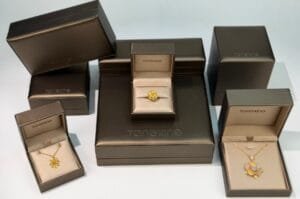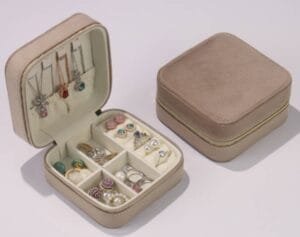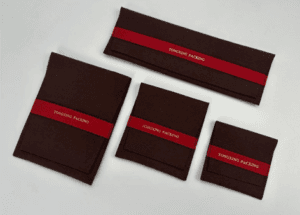
Pelle vera Le custodie per gioielli superano costantemente la similpelle in termini di durata. Con il passare del tempo, la vera pelle resiste all’usura, acquisisce una ricca patina e mantiene la propria flessibilità, rendendola la scelta preferita per conservare i gioielli e Espositore per gioielli. La similpelle, pur essendo conveniente per scatole per gioielli personalizzate e Astuccio per gioielli Le opzioni disponibili spesso si sbiadiscono e diventano fragili nel giro di pochi anni. Tra i fattori chiave di durata figurano la resistenza all’usura, le proprietà autorigeneranti, la resistenza alla trazione e il mantenimento dell’aspetto estetico. Per una protezione duratura dei gioielli, è necessario rivolgersi a professionisti esperti produttore di imballaggi per gioielli Gli esperti consigliano la pelle vera, soprattutto quando si tratta di durata e qualità superiore confezioni di gioielli questione.
Tutto quello che c'è da sapere sulla pelle e sulla similpelle nei cofanetti per gioielli
Cosa sono gli astucci per gioielli in vera pelle?
Pelle vera I cofanetti per gioielli rappresentano il punto di riferimento per la conservazione dei gioielli. Questi cofanetti si distinguono per la pelle di alta qualità e la maestria artigianale. I produttori selezionano pelle pieno fiore o primo fiore di prima scelta per la realizzazione di questi cofanetti. Il risultato è una soluzione di conservazione resistente, elegante e funzionale per gioielli di valore.
Tipi di pelle utilizzati nei portagioie in pelle
I produttori utilizzano diversi tipi e caratteristiche di portagioie in pelle. La pelle pieno fiore si distingue per la sua resistenza e la sua trama naturale. La pelle di prima scelta offre una finitura più liscia, pur mantenendo gran parte della sua resistenza. Alcuni portagioie in vera pelle utilizzano la pelle crosta, che è più economica ma meno robusta. Ogni tipo offre un equilibrio unico tra qualità, aspetto e durata.
Come viene prodotta la vera pelle per gli astucci portagioielli
Il processo di creazione dei cofanetti per gioielli in vera pelle inizia con la selezione delle pelli animali. Abili artigiani trattano e coniano le pelli per migliorarne la durata e l’aspetto. Successivamente, lavorano la pelle per ricavarne i pannelli dei cofanetti, spesso rivestendone l’interno con velluto o pelle scamosciata. Questa combinazione protegge i gioielli da graffi e ossidazione. Molti cofanetti sono dotati di scomparti intelligenti, specchi e rivestimenti anti-ossidazione, a testimonianza dell’impegno verso la qualità e l’artigianalità.
Nota: Artigianato in pelle di alta qualità garantisce che gli astucci per gioielli in vera pelle invecchino con eleganza, acquisendo nel tempo una ricca patina.
Che cos’è la similpelle nei cofanetti per gioielli in pelle?
La similpelle rappresenta un'alternativa alla vera pelle nel settore dei contenitori per gioielli. Questo materiale riproduce l'aspetto della vera pelle, ma è composto da componenti sintetici. I portagioielli in similpelle attraggono gli acquirenti alla ricerca di prezzi accessibili e di un aspetto uniforme.
Composizione e produzione della similpelle
I produttori realizzano la similpelle sovrapponendo uno strato di poliuretano a una base in tessuto. Questo processo conferisce al materiale una consistenza e un colore omogenei. I pannelli in similpelle delle scatole portagioie risultano spesso più lisci e uniformi rispetto alla vera pelle. Il metodo di produzione consente di ottenere un’ampia gamma di colori e finiture, rendendo queste scatole versatili per diverse collezioni di gioielli.
Usi comuni della similpelle negli astucci per gioielli
La similpelle è presente in molti modelli e varianti di portagioie in pelle, soprattutto nelle opzioni più economiche. I designer la utilizzano per astucci da viaggio, scatole da esposizione e confezioni personalizzate per gioielli. Sebbene la similpelle offra un aspetto elegante, non eguaglia la resistenza né le caratteristiche di invecchiamento dei portagioie in vera pelle.
Principali differenze tra pelle e similpelle
La struttura e la composizione dei portagioie in pelle e in similpelle differiscono in modo significativo. I portagioie in vera pelle sono realizzati con materiali naturali e secondo metodi artigianali tradizionali. Quelli in similpelle, invece, utilizzano materiali sintetici e tecniche di produzione moderne.
Tabella comparativa: astucci per gioielli in similpelle vs in vera pelle
| Caratteristica | Pelle vera | Similpelle |
|---|---|---|
| Materiale | Realizzato con pelli animali trattate e conciate | Realizzato con materiali sintetici come il poliuretano |
| Processo di produzione | Comprende la preparazione, la tostatura e la formazione della crosta | Si parte da una base in tessuto, alla quale viene aggiunto uno strato di poliuretano |
| Durata | In generale, è più resistente e invecchia bene | Meno resistente, può consumarsi più rapidamente |
| Qualità estetiche | Consistenza unica con pori irregolari e profumo naturale | Struttura uniforme con pori ripetuti e consistenza plastica al tatto |
Portagioie in pelle Realizzato con materiali autentici, offre una durata superiore, un aspetto unico e una sensazione di lusso al tatto. La similpelle rappresenta un’opzione conveniente e affidabile per chi privilegia lo stile e il prezzo contenuto rispetto alle prestazioni a lungo termine.
Resistenza dei portagioie in pelle rispetto a quelli in similpelle
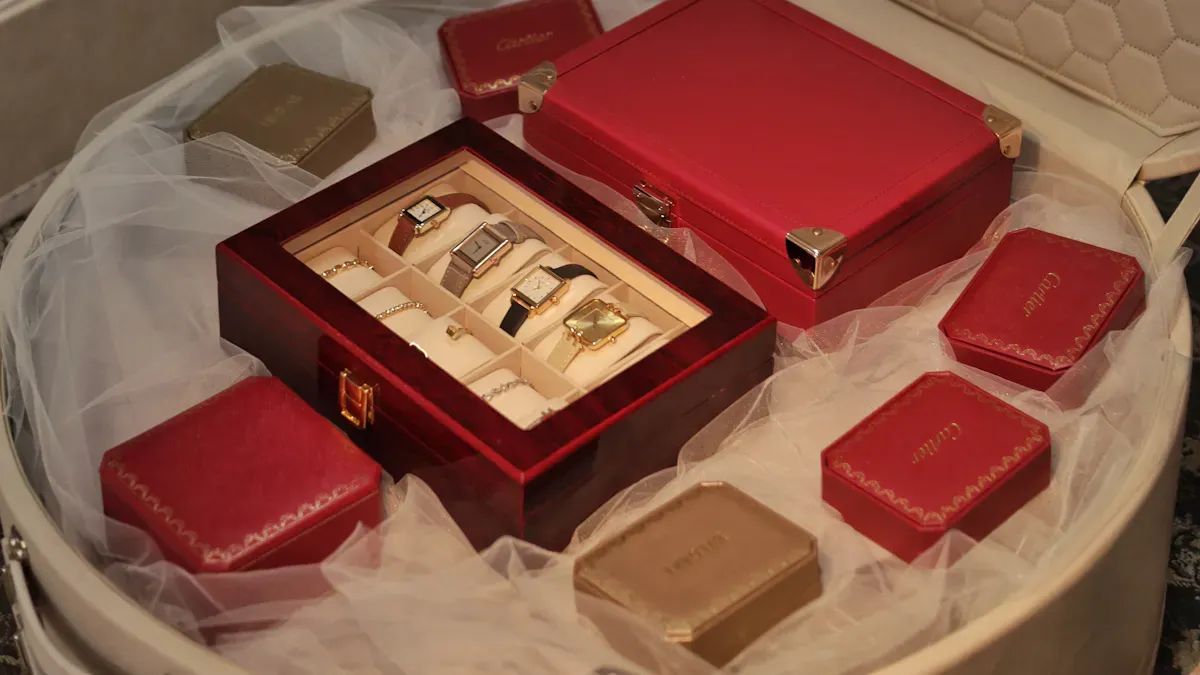
Durata e longevità dei cofanetti per gioielli in vera pelle
Resistenza del cuoio pieno fiore e del cuoio di prima scelta
La pelle pieno fiore e la pelle di primo fiore rappresentano lo standard di riferimento in termini di durata per i portagioie. La pelle pieno fiore conserva le fibre più resistenti, il che le conferisce un’eccezionale resistenza alle sollecitazioni quotidiane. La pelle top-grain, pur essendo leggermente lavorata, offre comunque una resistenza notevole e una finitura liscia. Entrambi i tipi di portagioie in pelle resistono a un uso frequente e agli spostamenti. Resistono all’allungamento e allo strappo, garantendo una protezione affidabile per gli oggetti di valore. La struttura naturale della vera pelle le permette di riprendersi da piccoli graffi, mantenendo il suo aspetto nel tempo.
Durata prevista dei portagioie in pelle
Astucci per gioielli in vera pelle spesso durano decenni se curati adeguatamente. Il qualità della pelle svolge un ruolo fondamentale nella durata nel tempo. La pelle di alta qualità, unita a una maestria artigianale, dà vita a portagioie che possono diventare cimeli di famiglia. Si consiglia di conservare questi portagioie in ambienti freschi e asciutti per evitare la formazione di muffa e la comparsa di crepe. Una manutenzione regolare, come la rimozione della polvere e il trattamento nutriente ogni sei-dodici mesi, preserva la morbidezza e la lucentezza della pelle. Intervenire tempestivamente in caso di versamenti di liquidi e tenere il cofanetto lontano dalla luce solare diretta ne prolunga ulteriormente la durata. Queste pratiche garantiscono che i cofanetti per gioielli in vera pelle offrano una protezione duratura e mantengano la loro eleganza per anni.
Resistenza degli astucci per gioielli in similpelle
Resistenza all'usura della similpelle
Portagioie in similpelle rappresentano un’alternativa conveniente, ma presentano una resistenza all’usura diversa rispetto alla vera pelle. La superficie sintetica resiste all’acqua e alle macchie meglio dei materiali naturali. Tuttavia, la similpelle non possiede le proprietà autorigeneranti tipiche della vera pelle. Con il passare del tempo, la superficie può presentare crepe o screpolature, specialmente nelle zone soggette a un uso frequente. La base in tessuto sottostante lo strato di poliuretano può indebolirsi, riducendo la durata complessiva del prodotto. Sebbene i portagioie in similpelle siano adatti per un uso a breve termine o occasionale, non eguagliano la resistenza all’usura a lungo termine della vera pelle.
Come invecchiano nel tempo gli astucci per gioielli in similpelle
La similpelle invecchia in modo diverso dalla vera pelle. All’inizio il materiale mantiene un aspetto uniforme, ma l’esposizione alla luce solare e alle variazioni di temperatura può causarne lo scolorimento e l’infragilimento. A differenza della vera pelle, la similpelle non sviluppa una patina. Al contrario, può perdere colore ed elasticità, con conseguente comparsa di crepe visibili o sfaldature. Spesso chi le possiede nota che i portagioie in similpelle più vecchi risultano più rigidi e meno comodi da maneggiare. Sebbene questi portagioie garantiscano una protezione adeguata per alcuni anni, raramente raggiungono la longevità tipica dei portagioie in vera pelle.
Fattori di resistenza all'usura: graffi, segni di sfregamento e resistenza alla pressione
Caratteristiche dei cofanetti per gioielli in vera pelle
I portagioie in vera pelle si distinguono per la loro resistenza a graffi e segni. La struttura naturale della grana assorbe le piccole abrasioni, contribuendo a mantenere un aspetto lucido. La pelle pieno fiore e la pelle di prima scelta sono in grado di resistere alla pressione senza perdere la forma o l’integrità. Quando si verificano dei graffi, la pelle spesso si rigenera grazie agli oli naturali o ai trattamenti nutrienti. Questa resilienza rende la vera pelle ideale per i portagioie che vengono utilizzati frequentemente. La flessibilità del materiale impedisce inoltre la formazione di crepe sotto pressione, garantendo una protezione a lungo termine per gli oggetti delicati.
Prestazioni dei cofanetti per gioielli in similpelle
I portagioie in similpelle offrono una resistenza moderata a graffi e segni. Il rivestimento sintetico protegge dai segni lievi, ma non è in grado di rigenerarsi come la vera pelle. I graffi profondi possono mettere a nudo il tessuto sottostante, indebolendo la struttura del cofanetto. La similpelle presenta inoltre problemi di resistenza alla pressione. Oggetti pesanti o piegature ripetute possono causare pieghe o strappi permanenti. Sebbene i cofanetti portagioie in similpelle offrano una protezione iniziale, la loro durata risulta inferiore rispetto a quella della vera pelle. Chi è alla ricerca di una soluzione durevole per conservare i propri gioielli dovrebbe tenere conto di queste limitazioni prima di optare per la similpelle.
Resistenza all'acqua e alle macchie nella pelle e nella similpelle
Impermeabilità dei cofanetti portagioie in pelle
L'impermeabilità gioca un ruolo fondamentale nella durata complessiva dei cofanetti per gioielli. I cofanetti in vera pelle offrono un aspetto lussuoso e un elevato livello di lavorazione artigianale, ma non eccellono in termini di impermeabilità. Le fibre naturali della pelle assorbono rapidamente l’umidità. Se esposta all’acqua, la pelle può gonfiarsi, macchiarsi o persino sviluppare muffa se non viene asciugata correttamente. Nel tempo, il contatto ripetuto con l’umidità indebolisce la struttura e ne riduce la durata.
I portagioie in similpelle, invece, sono dotati di un rivestimento sintetico in poliuretano che respinge naturalmente l’acqua. Questo rivestimento impedisce alla maggior parte dei liquidi di penetrare nella superficie. Chi li utilizza ritiene che i portagioie in similpelle resistano meglio alle fuoriuscite accidentali di liquidi e agli ambienti umidi rispetto a quelli in vera pelle. I test di laboratorio confermano diversi punti chiave:
- Similpelle resiste all'acqua e alle macchie più comuni grazie al suo rivestimento in polimero sintetico.
- La pelle vera è meno pratica per l'uso quotidiano, in cui è probabile che venga a contatto con l'acqua.
- L'umidità prolungata può danneggiare entrambi i materiali, ma la similpelle mantiene la propria resistenza più a lungo in condizioni di umidità.
I collezionisti di gioielli che vivono in climi umidi o che viaggiano spesso potrebbero preferire la similpelle per la sua maggiore resistenza all’acqua. Tuttavia, chi apprezza le qualità uniche della pelle dovrebbe conservare i propri portagioie in ambienti asciutti e a condizioni climatiche controllate per garantirne la durata nel tempo.
Resistenza alle macchie nei cofanetti per gioielli in similpelle
La resistenza alle macchie influisce anche sulla durata nel tempo dei cofanetti portagioie. I cofanetti in similpelle eccellono in questo ambito, poiché la loro superficie sintetica non assorbe la maggior parte delle macchie. È possibile rimuovere facilmente eventuali tracce di trucco, profumo o lozioni. La finitura liscia della similpelle previene lo scolorimento e mantiene il cofanetto come nuovo con il minimo sforzo.
I cofanetti per gioielli in vera pelle richiedono maggiore attenzione. La natura porosa della pelle fa sì che le macchie penetrino in profondità, rendendole difficili da rimuovere. Anche con una pulizia regolare, alcuni segni potrebbero diventare permanenti. Questa differenza nella resistenza alle macchie influisce sulla durata complessiva e sulle esigenze di manutenzione di ciascun materiale.
La tabella seguente illustra le caratteristiche tipiche di resistenza alle macchie di entrambi i materiali:
| Caratteristica | Descrizione |
|---|---|
| Durata | Elevata resistenza per un uso duraturo |
| Estetica | Aspetto accattivante per i gioielli |
| Resistenza all'acqua | Resistente ai danni causati dall’acqua |
| Resistenza alle macchie | Efficace nel prevenire le macchie |
| Facile da mantenere | Pulizia e manutenzione semplici |
| Rispettoso dell'ambiente | Realizzato con materiali ecologici |
Anche gli astucci per gioielli in similpelle offrono caratteristiche di resistenza all'invecchiamento e rimangono inodori nel tempo. Resistono efficacemente alle macchie, il che li rende particolarmente attraenti per chi cerca una soluzione di conservazione che richieda poca manutenzione. Gli astucci per gioielli in pelle, pur essendo eleganti, richiedono una manipolazione accurata per evitare macchie permanenti e preservarne la durata.
Suggerimento: si consiglia di pulire immediatamente eventuali macchie sia dagli astucci per gioielli in pelle che da quelli in similpelle. Intervenire tempestivamente aiuta a preservare l'aspetto e la durata dell'astuccio.
Sia la pelle che la similpelle offrono vantaggi specifici in termini di resistenza all’acqua e alle macchie. La similpelle si distingue per la facilità di manutenzione e la resistenza, mentre la pelle conferisce un aspetto classico che richiede maggiore cura. La scelta tra questi materiali dipende dalle priorità del proprietario in termini di durata, estetica e manutenzione.
Considerazioni pratiche nella scelta tra pelle sintetica e vera pelle per i portagioie
Costo e valore dei portagioie in pelle rispetto a quelli in similpelle
Confronto dei prezzi: pelle vera vs similpelle
Nel valutare l'acquisto di un cofanetto in pelle per gioielli, gli acquirenti notano una notevole differenza di prezzo tra i modelli in vera pelle e quelli in similpelle. La tabella seguente illustra i prezzi medi di mercato:
| Tipo di materiale | Fascia di prezzo media (USD) | Differenza di prezzo (%) |
|---|---|---|
| Pelle vera | $75 – $500 | N/A |
| Similpelle (finta pelle) | $15 – $150 | 40-70% meno |
I portagioie in vera pelle partono da $75 e possono arrivare a $500 o più. I cofanetti in similpelle offrono un punto di ingresso più accessibile, con prezzi che partono da $15 e raramente superano $150. Questa differenza riflette la qualità, la maestria artigianale e il lusso associati ai cofanetti portagioie in vera pelle.
Valore a lungo termine e investimenti
Chi investe in portagioie in vera pelle beneficia di durata superiore e il mantenimento del valore. Questi cofanetti sviluppano una ricca patina che, col passare del tempo, ne esalta il fascino estetico e il carattere lussuoso. Spesso i proprietari tramandano i portagioie in vera pelle come cimeli di famiglia, a testimonianza della loro qualità duratura e del loro potenziale di investimento. I portagioie in similpelle, pur essendo più economici, possono screpolarsi, sfaldarsi o sviluppare odori sgradevoli nel giro di pochi anni. La qualità costruttiva dei portagioie in vera pelle garantisce una migliore protezione dei gioielli e un maggiore ritorno sull'investimento.
Manutenzione e cura dei cofanetti per gioielli in pelle e similpelle
Cleaning and Caring for Genuine Leather Jewelry Cases
Proper care maximizes the durability and luxury of a leather box for jewelry. Owners should keep leather jewelry boxes away from direct sunlight and heat. Weekly dusting with a soft brush or cloth preserves the surface. Overfilling can stretch the leather, so users should avoid packing too many items. Cleaning with a damp cloth and allowing the box to dry naturally maintains the quality. Storing leather jewelry boxes in a cool, dry place, ideally in a lined pouch, prevents scratches and moisture damage.
Maintenance Needs for Leatherette Jewelry Cases
Leatherette jewelry boxes require less intensive care. Owners can wipe the surface with a damp cloth to remove dust or spills. The synthetic finish resists most stains, making maintenance simple. However, leatherette boxes should not be exposed to extreme temperatures, as this can cause brittleness. Storing these boxes in a dry area helps maintain their appearance and quality.
Aesthetics and Style in Leather Jewelry Boxes
Look and Feel of Genuine Leather vs Leatherette
The aesthetic appeal visual differences between genuine leather and leatherette jewelry boxes influence many buyers. Genuine leather jewelry boxes offer a timeless, luxurious feel and a unique texture. Leatherette mimics the look of leather but provides a more uniform surface. Both materials protect jewelry, but genuine leather jewelry boxes stand out for their premium quality and tactile experience.
Color and Texture Options in Leather and Leatherette
Color and texture choices enhance the aesthetic of a leather box for jewelry. Popular options include navy blue with a brushed texture, steel grey with subtle strokes, ivory with a smooth lining, and classic black for understated luxury. Leatherette jewelry boxes provide a wide range of colors and finishes, supporting customization and personal style. Genuine leather jewelry boxes also allow for branding and custom colors, adding to their luxury and investment value.
Tip: Choosing the right leather jewelry box involves balancing investment, quality, and aesthetic preferences. Buyers should consider the advantages and benefits of leather jewelry boxes for both protection and style.
Environmental and Ethical Factors in Choosing Between Faux and Real Leather for Jewelry Boxes
Sustainability of Genuine Leather Jewelry Cases
Sustainability plays a crucial role in the decision-making process for jewelry packaging. Genuine leather jewelry cases offer biodegradability, which means they break down naturally over time. However, the production of leather involves animal farming. This process requires significant land, water, and energy resources. The ecological footprint of leather production remains high due to these factors. Many consumers consider the long-term durability of leather jewelry boxes a positive aspect of sustainability. These cases can last for decades, reducing the need for frequent replacements.
Leatherette, often made from oil-based materials, presents a different set of challenges. The manufacturing process for leatherette uses synthetic polymers, which do not biodegrade easily. This characteristic increases the environmental burden, especially when old jewelry boxes end up in landfills. Leatherette jewelry cases usually have a shorter lifespan, which means consumers may replace them more often. This cycle can lead to greater waste over time.
La tabella seguente riassume the sustainability and environmental impact, durability, and ethical considerations of both materials:
| Materiale | Environmental Impact | Durata | Ethical Considerations |
|---|---|---|---|
| Pelle vera | Biodegradable but involves animal farming, which has significant ecological footprints. | Long-lasting, can endure many years of use. | Ethical concerns regarding animal welfare and farming practices. |
| Similpelle | Often made from oil-based materials, which can harm the environment. | Typically less durable, may require multiple replacements over time. | Claims of being cruelty-free, but production can still have negative environmental impacts. |
Sustainability and environmental impact remain central to the debate between these two materials. Consumers who value sustainability often weigh the longevity of leather against the lower ecological footprint of cruelty-free alternatives.
Animal Welfare and Ethics in Leather and Leatherette
Animal welfare concerns influence many buyers when selecting jewelry cases. The leather industry relies on animal hides, which raises ethical questions about farming and treatment. Many consumers now seek transparency from brands about sourcing and production practices. They want assurance that companies follow humane standards.
A growing number of people prefer cruelty-free options like leatherette. Vegan and animal rights groups often oppose the use of leather for nonessential luxury products. They argue that ethical considerations should guide purchasing decisions. The shift toward cruelty-free products reflects a broader awareness of animal welfare issues.
- Consumers are increasingly aware of the ethical implications of their purchases.
- The treatment of animals in the leather industry is a significant concern.
- There is a growing preference for cruelty-free alternatives like leatherette.
- Brands that are transparent about their sourcing attract consumers who prioritize ethical considerations.
- Vegan and animal rights groups oppose the use of real leather for nonessential luxury products.
Sustainability and environmental impact, along with animal welfare, shape the market for jewelry cases. Buyers must decide which values matter most when choosing between leather and leatherette.
Real-World Durability Testing of Leather and Leatherette Jewelry Cases
Lab Durability Tests on Leather Jewelry Boxes and Leatherette
Results for Genuine Leather Jewelry Cases
Lab tests show that genuine leather jewelry cases withstand repeated opening, closing, and handling. These boxes maintain their structure and surface quality after thousands of cycles. Full-grain and top-grain leather resist tearing and stretching, even under pressure. The natural fibers in these boxes allow them to recover from minor scratches. Moisture exposure remains a concern, but proper care prevents most water-related damage. Over time, genuine leather jewelry cases develop a patina, which adds to their appeal and does not compromise durability. These boxes often last for decades, making them a reliable choice for long-term jewelry storage.
Results for Leatherette Jewelry Cases
Leatherette jewelry boxes perform well in short-term durability tests. The synthetic coating resists water and stains, which helps protect jewelry from accidental spills. However, extended testing reveals weaknesses. The surface of these boxes can crack or peel after repeated bending or exposure to sunlight. Pressure tests show that leatherette boxes may develop permanent creases or splits. The underlying fabric base sometimes weakens, especially in high-use areas. While leatherette jewelry boxes offer good initial protection, they rarely match the longevity of genuine leather options.
User Experiences with Leather and Leatherette Jewelry Cases
Feedback from Owners of Leather Jewelry Boxes
Owners of leather jewelry boxes report high satisfaction with their durability and appearance. Many users note that these boxes remain elegant and tactile for years. The following table summarizes common feedback:
| Tipo di materiale | Expected Lifespan | Caratteristiche | Issues |
|---|---|---|---|
| Leather-Wrapped Composite | 10-15 anni | Elegant, tactile, moderate protection | Leather dries out, adhesive fails over time |
Users appreciate the moderate protection these boxes provide for jewelry. Some mention that leather can dry out if not conditioned regularly. Adhesive failure may occur after a decade or more, but most owners find these boxes reliable for long-term use.
Common Issues with Leatherette Jewelry Cases
Customer reviews highlight several recurring problems with leatherette jewelry boxes. The table below outlines the most frequently reported issues and care suggestions:
| Issue Category | Common Problems | Suggested Care |
|---|---|---|
| Leatherette Quality | Fading, cracking, delamination | Wipe with dry microfiber cloth; avoid solvents |
| Interior Padding | Compression, fraying, shifting | Vacuum gently; avoid moisture |
| Tipo di chiusura | Loose fit, broken hinge, weak magnet | Check alignment monthly; lubricate hinges |
| Metal Accents | Tarnishing, corrosion, scratching | Polish monthly with appropriate cloth |
| Storage Environment | Warping, discoloration, adhesive failure | Use protective pouch; avoid sunlight |
Many users report that these boxes fade or crack after a few years. Interior padding may compress or shift, reducing protection for jewelry. Hinges and magnets sometimes fail, and metal accents can tarnish. Proper care, such as storing boxes away from sunlight and moisture, helps extend their lifespan.
Tip: Regular maintenance and mindful storage improve the durability of both leather and leatherette jewelry boxes.
Decision Guide: Choosing Between Faux and Real Leather for Jewelry Boxes
Selecting Based on Durability and Usage Needs
Best Choice for Long-Term Use
Individuals seeking jewelry boxes for long-term use often prioritize durability and lasting protection. Leather jewelry boxes stand out in this category. Full-grain and top-grain leather provide exceptional resistance to wear, making these boxes ideal for frequent handling and storage of valuable jewelry. Owners benefit from the natural aging process, which enhances the appearance and strength of leather over time. Double-stitched edges and thicker sheets, ranging from 0.6mm to 1.2mm, further improve durability and reduce the risk of tearing. These features ensure that leather jewelry boxes remain reliable for decades.
Best Choice for Occasional or Light Use
For occasional or light use, leatherette jewelry boxes offer a practical solution. The synthetic surface resists stains and water, making these boxes suitable for travel or temporary storage. Foam-backed versions provide cushioning, while cloth-backed options allow for easy wrapping. Leatherette boxes maintain a uniform appearance and require minimal maintenance. UV resistance becomes important for boxes displayed near windows, preventing fading and brittleness. Owners who need affordable jewelry storage for short periods often select leatherette boxes.
Tip: Always check stitching quality and surface finish when choosing jewelry boxes. Double-stitched seams and matte finishes reduce fraying and glare.
Matching Material to Lifestyle, Budget, and Values
Budget-Conscious Buyers and Leather Jewelry Boxes
Budget-conscious buyers often compare price and value when selecting jewelry boxes. Leatherette boxes present a cost-effective option, starting at lower price points. Genuine leather boxes require a higher investment but deliver superior durability and luxury. The following table summarizes key criteria for durability and material selection:
| Criteri | Descrizione |
|---|---|
| Thickness | Thicker sheets offer better durability |
| Stitching Quality | Double-stitched edges resist fraying |
| UV Resistance | Prevents fading and brittleness |
| Odor Level | Lower-grade materials may emit strong chemical smells |
| Color Consistency | Dye variations can occur between production runs |
Eco-Friendly and Ethical Choices in Leather and Leatherette
Eco-conscious consumers increasingly favor jewelry boxes made from materiali ecologici. They prioritize sustainability and environmental impact. Traditional leather production involves harmful chemicals and high water usage. Sustainable practices, such as vegetable tanning and biodegradable materials, are gaining importance. Leatherette boxes, especially those made from recycled or bio-based polymers, offer cruelty-free alternatives with reduced carbon footprints. Options like bamboo, cork, and recycled paper appeal to buyers seeking lower environmental burdens.
- Eco-friendly alternatives include plant-based leathers and recycled materials.
- Sustainable tanning methods reduce ecological impact.
- Consumers value cruelty-free and recyclable jewelry boxes.
Style Preferences in Leather Jewelry Boxes
Style preferences influence the choice between leather and leatherette jewelry boxes. Genuine leather boxes display luxurious natural grain and develop a unique patina. Leatherette boxes mimic the look of leather and offer a wide range of colors and finishes. Matte surfaces reduce glare, while glossy finishes enhance shine. Buyers often check color consistency and surface finish in person to ensure satisfaction. Both materials support branding and customization, allowing owners to match jewelry boxes to personal style.
Leather jewelry cases deliver unmatched durability, often lasting 20–30 years and becoming family heirlooms. Leatherette provides a budget-friendly and water-resistant option, but it cannot match the longevity or classic look of leather. When choosing between these materials, buyers should consider how often they will use the jewelry box, their budget, and their style preferences.
- Leather offers exceptional strength and ages beautifully.
- Leatherette suits those who need affordable, low-maintenance storage.
- Long-term value favors leather for those seeking heirloom-quality cases.
A careful review of lifestyle and priorities helps buyers select the best jewelry case for their needs.
FAQ
What makes genuine leather jewelry cases more durable than leatherette?
Genuine leather contains natural fibers that resist stretching and tearing. These fibers allow the material to recover from scratches. Leatherette uses synthetic layers that can crack or peel over time.
How can someone extend the lifespan of a leather jewelry box?
Regular cleaning and conditioning help maintain flexibility. Owners should store boxes in cool, dry places. Avoiding direct sunlight and moisture prevents cracking and fading.
Are leatherette jewelry cases suitable for humid environments?
Leatherette resists water and humidity better than leather. The synthetic coating blocks moisture. This feature makes leatherette a practical choice for humid climates or travel.
Can leatherette jewelry boxes be recycled?
Most leatherette boxes contain synthetic polymers that do not biodegrade. Recycling options remain limited. Some manufacturers use recycled materials, but most leatherette ends up in landfills.
How does the appearance of leather change over time?
Genuine leather develops a patina. This patina adds character and richness. Leatherette maintains a uniform look but may fade or crack with age.
What are the main ethical concerns with genuine leather jewelry cases?
Leather production involves animal hides. This process raises animal welfare and environmental concerns. Many buyers prefer cruelty-free alternatives like leatherette for ethical reasons.