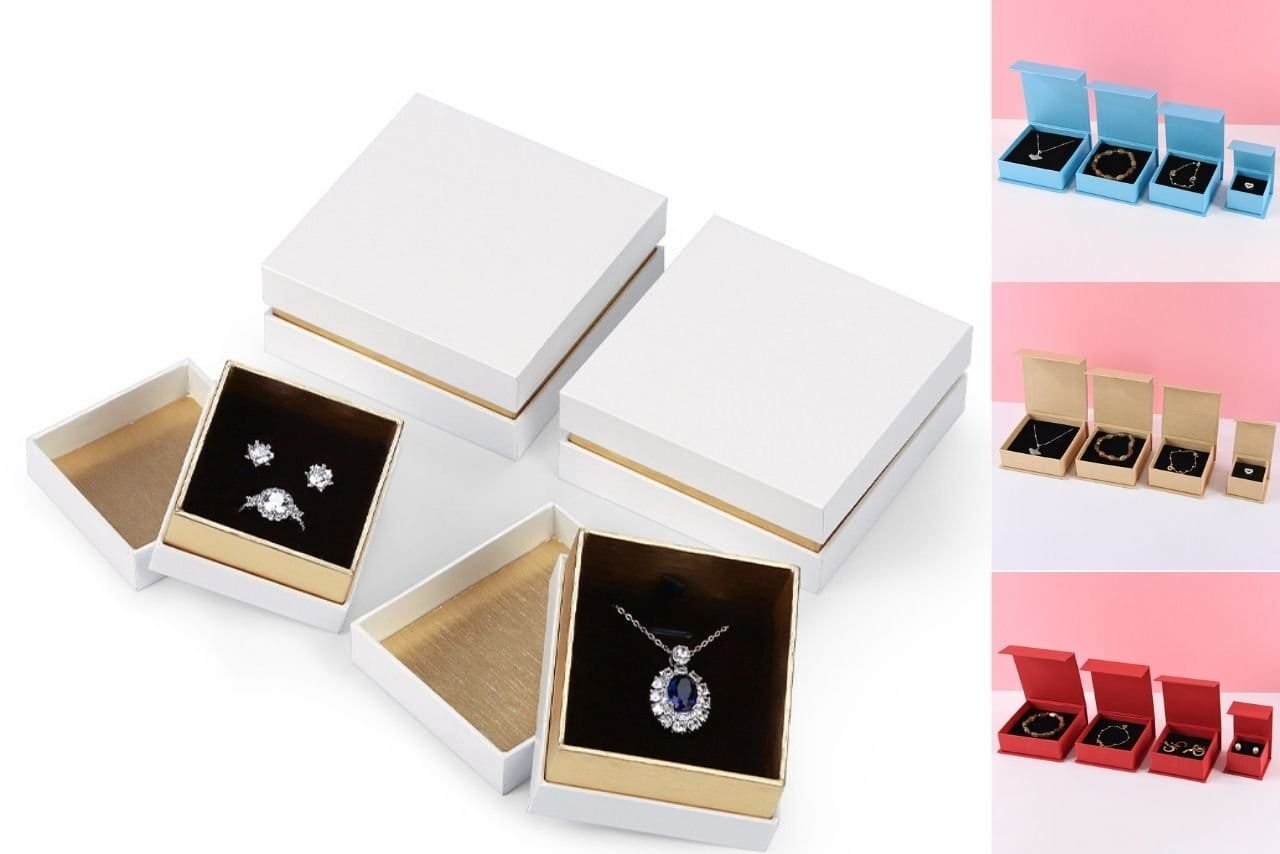
An acrylic or clear plastic jewelry box serves as a high-clarity, lightweight storage solution that utilizes Polymethyl Methacrylate (PMMA) to provide 92% light transmission, exceeding that of standard float glass. Characterized by its “invisible” profile, this material allows for the constant visual monitoring of inventory without exposing precious metals to atmospheric pollutants. For a professional Jewelry Box manufacturer, acrylic is the preferred polymer due to its impact resistance and UV stability, which prevents the accelerated photodegradation of delicate gemstones. In the global jewelry packaging sector, acrylic units are strategically deployed for their stackability and non-reactive surface, providing a hygienic micro-environment that is impervious to the mold and moisture retention typically associated with organic timber or fabric alternatives.
Technical Advantage Analysis
Material Pros: Optical Clarity and Structural Resilience
The primary benefit of a Jewelry Box made of acrylic is its Refractive Index of 1.49. This allows for near-perfect light transmission, making the jewelry appears as if it is “floating” in mid-air. Unlike wood, acrylic is hydrophobic; it does not absorb ambient humidity, which is a leading cause of silver tarnish in poorly ventilated containers.
From a structural perspective, acrylic is 10 to 20 times more impact-resistant than glass. In a Jewelry Box Factory, high-density PMMA sheets are CNC-machined to ensure that edges are flame-polished for a seamless, diamond-clear finish. This makes acrylic the ideal choice for international logistics, as the risk of breakage during shipping is virtually eliminated compared to silicate glass.
Technical Cons: Surface Hardness and Static Induction
Despite its resilience, acrylic possesses a lower Mohs hardness (typically 3.0 to 4.0) than glass. This makes it susceptible to micro-scratches from dust or repetitive handling. Any leading Jewelry Box manufacturer will advise against using abrasive cloths, as even standard paper towels can leave swirl marks on the surface.
Another technical drawback is static induction. Because acrylic is an insulator, it tends to build up a static charge that attracts airborne lint and dust. For B2B retail displays, this necessitates the use of anti-static cleaners to maintain a “clinical” unboxing experience.
| Metric | High-Grade Cast Acrylic | Standard Polystyrene | Impact on Jewelry |
|---|---|---|---|
| UV Resistance | High (Stabilized) | Low (Yellows) | Protects stone color integrity |
| Tensile Strength | 8,000 – 11,000 psi | 5,000 psi | Resists cracking under load |
| Chemical Neutrality | Absolute | Variable | Zero risk of metal reaction |
Manufacturing Specs: Cast vs. Extruded Acrylic Quality
The commercial value of a jewelry packaging unit in the plastic category is determined by the method of sheet production.
- Cast Acrylic: Produced by pouring liquid PMMA into a mold. It is more expensive but offers superior optical clarity and thermal stability. It does not “melt” during drilling or engraving, allowing for crisp B2B branding.
- Extruded Acrylic: Pushed through a machine. It is more susceptible to “crazing” when exposed to the solvents found in some cleaning sprays or perfumes.
Aesthetic Clarity Retention (5-Year Exposure)
*Score represents lack of yellowing and retention of 90%+ light transmission.
Maintenance and Procurement FAQ
Q1: Why is my acrylic box developing tiny cracks at the edges?
A: This is crazing, usually caused by exposure to alcohol-based cleaners or essential oils. These solvents attack the molecular bonds of extruded acrylic. Always use water-based, ammonia-free cleaners specifically designed for plastics.
Q2: Can I use acrylic boxes for silver jewelry?
A: Yes. Acrylic is sulfur-free and chemically inert. However, because it is not breathable, it can trap moisture inside if the room is humid. Include a small silica pack to ensure the micro-environment stays dry.
Q3: How do I remove a scratch from the lid?
A: Use a plastic polishing compound (like Novus 2). Apply with a clean microfiber cloth in a circular motion. If the scratch is deep, it may require a progressive sanding with 2000-grit wet sandpaper before polishing.
Q4: Are acrylic boxes safe for pearls?
A: Acrylic is non-reactive, which is good. However, pearls need a stable humidity level. Because plastic is a thermal insulator, don’t keep the box in direct sunlight; the “greenhouse effect” can overheat and dehydrate the pearls.
Q5: Can these boxes be ordered in bulk with custom drawer dividers?
A: Yes. A professional Jewelry Box Factory can produce custom laser-cut acrylic dividers to fit specific watch dimensions or ring collections, maintaining the cohesive transparent aesthetic.
Q6: Why is there such a price difference between similar-looking clear boxes?
A: It usually comes down to wall thickness and manufacturing method. A 5mm cast acrylic box with hand-polished edges will cost significantly more than a 2mm injection-molded plastic box, but it will last decades longer without warping.
Q7: Is acrylic better than glass for jewelry displays?
A: For retail and high-traffic areas, yes. Acrylic’s shatter-resistance makes it safer for customers and staff. For static, high-luxury home use, glass is often preferred for its heirloom feel and scratch resistance.
Article References & Industry Data:
- Molecular Stability and UV Filtering of PMMA – The New York Times Science
- Mechanical Properties of Cast vs. Extruded Polymers – Home Depot Pro Guide
- Retail Trends in Transparent Packaging – Business Insider Retail Insights
- Chemical Compatibility of Plastics and Precious Metals – WOLF 1834 Engineering Blog