
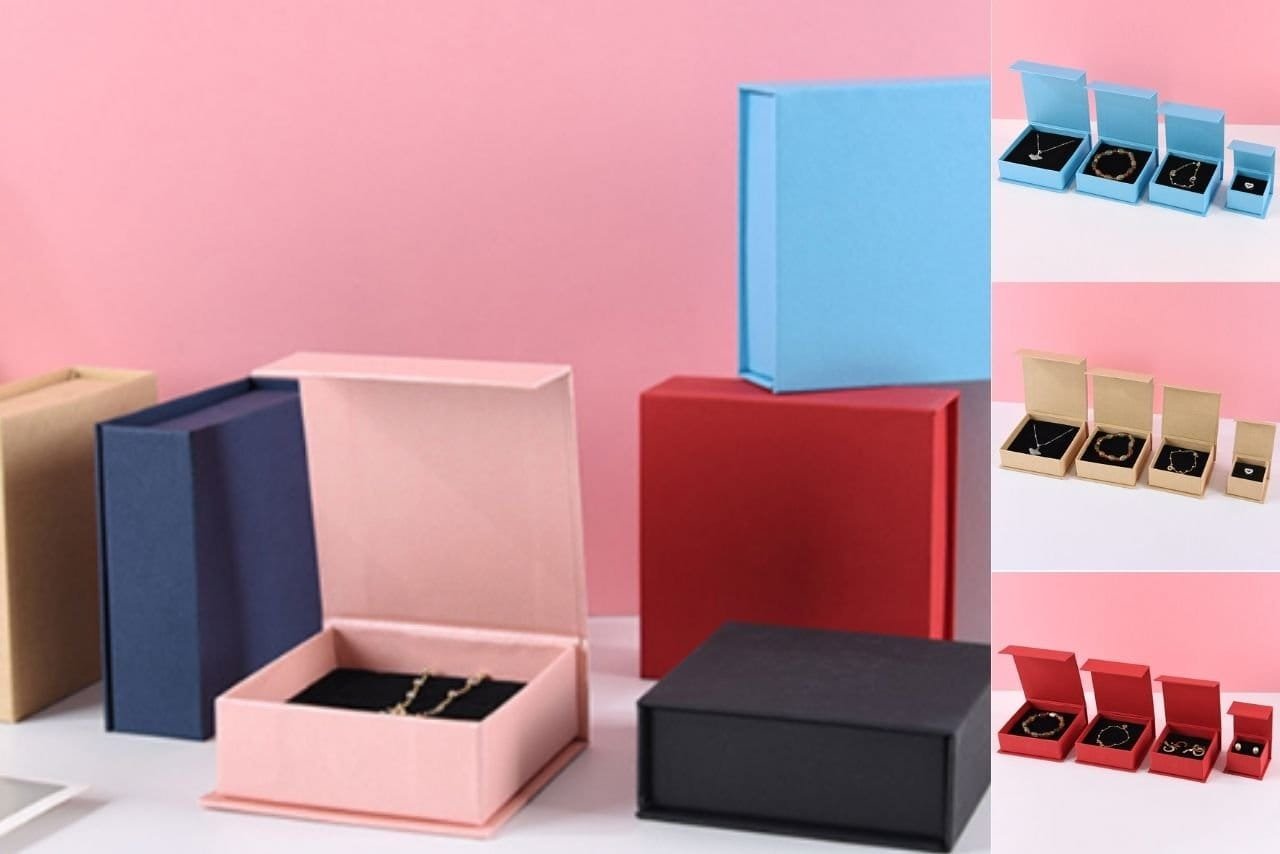
Velvet and fabric jewelry boxes are chosen when a brand needs a tactile, gift-ready presentation that communicates softness, care, and premium value at first touch. In practice, the best results come from selecting the right fabric type (velvet, microfiber, linen, satin, PU-backed textile), pairing it with a stable structure, and engineering inserts that keep jewelry centered and display-ready. For global buyers, the decision should be based on measurable factors¡ªsurface durability, color consistency, insert performance, and lead-time reliability¡ªrather than appearance alone. Well-specified velvet jewelry boxes and fabric-covered jewelry boxes can strengthen perceived quality while remaining scalable for wholesale reorders, especially when developed with a supplier experienced in custom design, sampling, and multi-step inspection.
This pillar page consolidates practical selection criteria, procurement checklists, and performance comparisons to help brands standardize packaging across boxes, displays, pouches, and carry bags without compromising on consistency.
Supplier capability context (for E?E?A?T): Shenzhen Tongxing Packaging Co., Ltd. positions itself as a manufacturer that designs and produces jewelry boxes, displays, pouches, and bags with ¡°strict material selection and multi-step inspections,¡± ¡°rapid sampling,¡± and ¡°reliable lead times,¡± including support for Pantone matching, FSC-certified papers, and eco-friendly inks (as stated on its homepage content provided by the requester).
5¨C7 days
Typical sampling timeframe (stated)
15¨C30 days
Typical mass production lead time (stated)
500¨C3,000
Typical MOQ range by material/complexity (stated)
Pantone
Color matching supported (stated)
What velvet & fabric jewelry boxes are (and what they are not)
Velvet and fabric jewelry boxes are rigid or semi-rigid packaging formats where a textile material becomes the primary exterior (and sometimes interior) touch surface. The textile is typically wrapped over a structured body¡ªcommonly rigid paperboard, MDF/wood, or a molded shell¡ªand then paired with a fitted insert that secures the jewelry piece. Because the fabric is what customers touch first, the box¡¯s perceived quality depends heavily on surface tension, corner finishing, fiber direction, and cleanliness during assembly.
These boxes are not inherently ¡°luxury¡± simply because velvet is used. A velvet exterior can still feel inexpensive if the fabric is thin, the pile is uneven, edges are swollen by adhesive, or the insert fit is loose. Conversely, a well-constructed microfiber or linen wrap can outperform low-grade velvet in abrasion resistance while delivering a refined premium look.
Where they fit in a complete packaging system
Many brands standardize a coherent set: box + insert + pouch + paper bag + counter display. That is one reason buyers often begin selection from a consolidated category hub such as Jewelry Box, then align the same color/texture across displays and carry solutions. A single supplier managing the full set can reduce color drift and texture mismatch across production batches.
- custom jewelry box sizing
- velvet ring box inserts
- microfiber jewelry pouch pairing
- hot stamping on textiles
- counter display coordination
- wholesale jewelry boxes QC
Material options and how each performs
The term ¡°velvet box¡± can refer to different textile constructions. Buyers benefit from specifying the fabric type, pile behavior, backing, thickness, and whether the fabric is laminated to stabilize stretch. Below is a practical breakdown used in packaging procurement for fabric-covered jewelry boxes.
| Exterior material | Strengths | Trade-offs | Best-fit positioning | What to specify on PO |
|---|---|---|---|---|
| Velvet (short pile) | Soft touch; high gift appeal; strong ¡°jewelry¡± association | Shows dust and crush marks; pile direction can vary visually | Classic gifting, bridal, premium sets | Pile height; color standard; anti-dust handling; pile direction rule |
| Velvet (long pile) | Rich tactile depth; dramatic light reflection | More prone to marking; harder to keep uniform in bulk | Statement luxury, seasonal gift programs | Pile density; acceptable mark tolerance; protective packing method |
| Microfiber / suede-like fabric | Uniform appearance; often better abrasion performance; clean photography | Can feel less ¡°heritage¡± than velvet if texture is too flat | DTC brands, modern minimalism, consistent reorders | GSM/weight; backing; colorfastness expectation; cleaning guidance |
| Linen / canvas textile | Natural look; strong brand differentiation; pairs well with kraft aesthetics | Texture can highlight glue lines if workmanship is weak | Eco-forward messaging (with careful claims), artisan brands | Weave pattern; lamination; edge finishing standard; stain tolerance |
| Satin / silk-like fabric | Glossy premium feel; strong for interior linings | Scratch/crease visibility; can feel slippery for inserts | High-end interior lining, gift box interiors | Gloss level; crease tolerance; lining tension; anti-wrinkle packing |
| PU-backed fabric (textile + PU layer) | Improved stability; easier wipe-clean; consistent structure | Not the same as natural textile; sustainability messaging requires caution | Retail-heavy programs with frequent handling | PU thickness; odor control; peel resistance requirements |
Performance priorities buyers typically rank for fabric boxes
The chart below is a decision aid: it illustrates how buyers often prioritize criteria during sourcing. Exact rankings should be validated through brand requirements, sampling, and in-market handling conditions.
Buyer guidance: prioritize security and consistency first for wholesale programs; refine the ¡°premium feel¡± through fabric grade and finishing rather than by increasing size or adding fragile decorations.
Structure, inserts, and the ¡°feel¡± customers notice
Fabric choices are only one part of the experience. The box structure determines weight, hinge/closure behavior, and how well the textile wrap stays tight over time. Inserts determine whether jewelry sits centered and whether the unboxing looks ¡°retail-ready¡± the moment the lid opens. Many returns and negative reviews trace back to a loose insert or a closure that feels misaligned, even when the fabric itself is premium.
Structure options commonly used under velvet or fabric wraps
| Structure | Typical feel | Strengths | Trade-offs | Recommended for |
|---|---|---|---|---|
| Rigid paperboard core | Light-to-medium weight; clean lines | Cost-effective; flexible sizing; strong branding compatibility | Needs careful corner/edge work to avoid dents | E-commerce, broad SKU ranges, frequent reorders |
| MDF/wooden core | Heavier; ¡°heirloom¡± presence | Premium heft; strong durability in drawers | Higher freight cost; longer production; moisture control | High-end collections, long-term storage boxes |
| Molded shell (e.g., plastic) | Uniform shape; stable lid action | Consistency across volume; good for compact ring boxes | Material messaging considerations; tooling constraints | High-volume programs where uniformity matters |
Insert engineering: the hidden driver of ¡°premium¡±
Insert performance is often the difference between ¡°looks premium¡± and ¡°is premium.¡± A strong insert should keep jewelry centered, prevent rotation, and avoid fiber shedding or friction marks on metal surfaces. Tongxing¡¯s homepage states it provides ¡°precision inserts¡± in foam, velvet, sponge, or paperboard designed to keep items secure and display-ready; buyers should still define insert tolerances at the sample stage and approve with real jewelry, not only dummy pieces.
Insert types and where they excel
- Foam: strong holding; good for posts and heavier pieces; can be covered with velvet/microfiber for presentation.
- Velvet-covered insert: consistent premium look; ideal for ring slots; needs dust control during packing.
- Paperboard insert: lighter and often easier for paper-based sustainability positioning; requires careful design for secure fit.
- Sponge: flexible fit; suitable for varied jewelry shapes; needs verification for long-term resilience.
Branding & finishing: what is feasible on fabrics
Branding on velvet and fabric surfaces must be planned with the textile¡¯s pile and elasticity in mind. Finishing methods that work well on paper (sharp foil edges, crisp embossing) may behave differently on velvet because fibers can blur fine detail. For that reason, buyers should confirm artwork size and line thickness during sampling and evaluate the logo under retail lighting.
Common branding methods on velvet & fabric packaging
| Branding method | Best on | What it looks like | Key risks | Specification tip |
|---|---|---|---|---|
| Hot stamping (foil) | Microfiber, PU-backed textiles, some short-pile velvet | Metallic or matte foil logo | Edge fuzzing on long pile; uneven pressure on soft cores | Set minimum stroke width; approve foil color under warm/cool light |
| Embossing / debossing | Stabilized fabrics | Subtle tone-on-tone depth | Detail loss on plush surfaces; rebound over time | Specify depth target and acceptable recovery after 24 hours |
| Silkscreen printing | Flat textiles; liners; bags | Solid color logo | Ink bleed on porous weave; color shift | Specify ink system and rub resistance expectations |
| UV / specialty coatings | Selective applications | Gloss contrast details | Compatibility varies by textile coating | Require a logo test sample on the final fabric lot |
For buyers who need coordinated packaging across categories (boxes, bags, displays), a manufacturer that offers ¡°one-stop¡± supply can reduce mismatches in color and texture. This is typically evaluated through the supplier¡¯s capability statements and factory resources, which can be reviewed via an overview page such as Jewelry Box manufacturer.
Quality control standards buyers should specify
Velvet and fabric surfaces amplify small defects: uneven pile direction, glue squeeze-out, dusty fibers, and corner lifting can be visible even from a distance. For wholesale programs, buyers benefit from specifying measurable acceptance criteria and requesting a supplier QC plan. Tongxing¡¯s homepage describes ¡°raw material inspection, in-process checks, and final product audits¡± and emphasizes batch-to-sample consistency; the buyer¡¯s role is to define what ¡°consistent¡± means for their brand.
QC checkpoints for fabric-covered jewelry boxes
| Checkpoint | What to inspect | How it fails | Buyer-specified acceptance example |
|---|---|---|---|
| Fabric surface | Pile direction, marks, dust, color uniformity | Crush marks, shading differences, lint | No visible shade shift at 50 cm under standard lighting |
| Edge & corner finishing | Wrap tension, corner sharpness, seam alignment | Bubbling, lifted edges, swollen corners | No lifting; corner radius consistent within agreed tolerance |
| Logo application | Position, clarity, foil adhesion | Blurred edges, flaking foil, off-center logo | Position tolerance defined (e.g., ¡À1 mm) and pass rub test |
| Insert performance | Fit, compression, jewelry stability | Rattling, tilt, metal scuffing | Jewelry remains centered after gentle shake test |
| Closure / hinge | Alignment and opening feel | Lid skew, weak magnet, creaking hinge | Lid closes flush; no visible gap; consistent opening angle |
| Export packing | Protection against crushing, dust, humidity | Transit dents, fiber contamination | Individual poly protection as needed; carton drop protection plan |
Factory verification is a common due diligence step for global buyers. Tongxing¡¯s homepage states clients can schedule visits to factories in Shenzhen, Dongguan, and Hubei. For procurement teams, that information can be cross-checked with a factory page such as Jewelry Box Factory, and supported by sample approvals and documented QC criteria.
Cost drivers, MOQ realities, and lead-time planning
Velvet and fabric boxes vary widely in cost because the price is driven by more than the textile. Structure, insert complexity, logo method, and packing requirements often account for most variance. For buyers managing global promotions or seasonal demand, lead time predictability is frequently more valuable than a marginal unit cost reduction.
Typical cost drivers (what changes the quote)
- Fabric grade and backing (thicker, stabilized textiles cost more but reduce defects).
- Box structure (paperboard vs MDF/wood vs molded shell).
- Insert design (ring slots, multiple cavities, removable pads, protective covers).
- Branding (foil stamping, embossing, multi-color print, UV).
- Packaging method for export (dust control, individual protection, cartons).
Lead time and MOQ planning (based on supplier-stated ranges)
Tongxing¡¯s homepage states sample production is usually completed within 5¨C7 business days and mass production typically takes 15¨C30 days after sample approval and deposit, depending on quantity and complexity. It also states MOQ commonly ranges from 500 to 3,000 units depending on material and complexity. For planning purposes, procurement teams should treat these as baseline ranges and add time for artwork confirmation, shipping, and seasonal peak capacity.
Illustrative workflow timeline for custom fabric jewelry boxes
This is a planning model aligned with commonly stated industry workflows and the supplier-stated sampling/production ranges above. Actual schedules depend on complexity, seasonality, and shipping mode.
Use-case playbook (rings, earrings, sets, travel, retail)
The ¡°right¡± velvet or fabric box depends on jewelry type, selling channel, and how the customer will reuse the box. A ring box that is opened frequently requires a stable hinge and scuff-resistant lining; a set box needs precise cavities and a stronger structure to prevent lid warp; a travel-focused box benefits from a protective pouch pairing.
Use-case recommendations
Ring boxes
For rings, the insert is the critical component. A properly dimensioned slot and compressive foam or velvet-covered insert should keep the ring upright without bending prongs. For velvet exteriors, buyers should specify dust-control packing and evaluate whether pile direction affects logo readability under retail lighting.
Earrings and studs
Studs and hooks benefit from insert materials that prevent piercing posts from scratching metal surfaces. Microfiber linings are commonly chosen for their clean presentation and reduced fiber shedding. If the program is large-scale, consistent color matching becomes a priority; a supplier that confirms Pantone through sample approval can reduce batch drift.
Pendants and necklaces
Necklaces often require hooks or channels that prevent tangling. For fabric-covered boxes, buyers should confirm that the interior lining does not snag delicate chains. A matching pouch can add travel protection and reduce returns from scuffs during delivery.
Sets and gift programs
Multi-piece sets increase insert complexity. Buyers should request a sample with the actual jewelry set to verify alignment and prevent movement. To maintain a consistent set presentation, many brands coordinate box + paper bag + display components through one supplier, which can reduce visual mismatch across components.
Sustainability and compliant sourcing language
Sustainability messaging for velvet and fabric boxes should be precise. ¡°Fabric¡± does not automatically mean recyclable, and ¡°velvet¡± can be synthetic. A defensible approach is to focus on verifiable inputs and responsible process choices: FSC-certified paper components (where applicable), recyclable structural materials when feasible, and low-impact inks. Tongxing¡¯s homepage states it uses FSC-certified papers, recyclable materials, and eco-friendly inks; buyers should request documentation appropriate for their market and avoid overstating claims in consumer-facing copy.
Practical wording guidance (risk-reducing)
| Marketing intent | Avoid (too vague) | Prefer (more defensible) | Evidence to keep on file |
|---|---|---|---|
| Paper sourcing | ¡°Eco-friendly paper box¡± | ¡°FSC-certified paper components available upon request¡± | FSC certificate, purchase records |
| Ink/printing | ¡°Non-toxic printing¡± | ¡°Eco-friendly inks used where compatible with finishing¡± | Ink spec sheet, supplier declaration |
| Recyclability | ¡°100% recyclable box¡± | ¡°Recyclability depends on material mix; buyer can specify mono-material options¡± | Material BOM, disposal guidance |
Procurement checklist and sample approval workflow
A repeatable workflow is essential for global procurement teams sourcing wholesale jewelry boxes. The goal is to lock down variables early¡ªfabric lot, color target, logo method, insert tolerances, and export packing¡ªso reorders remain consistent across seasons.
Recommended workflow (buyer + supplier responsibilities)
| Stage | Buyer action | Supplier deliverable | Approval gate |
|---|---|---|---|
| Requirement definition | Confirm jewelry dimensions, channel, and use case | Structure and insert r   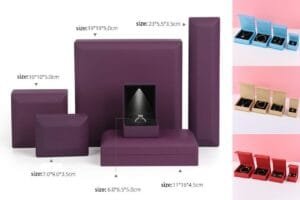  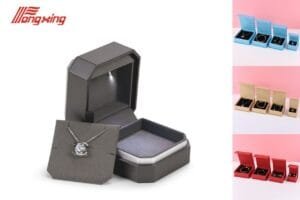  |