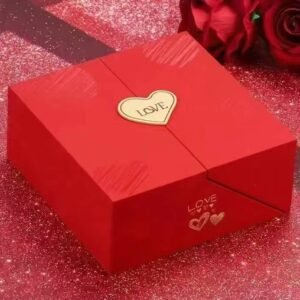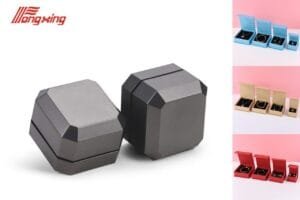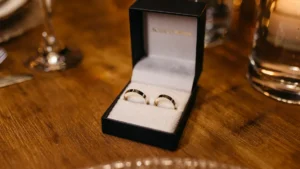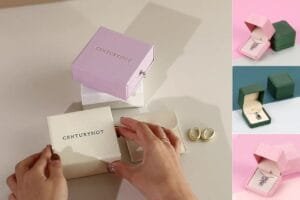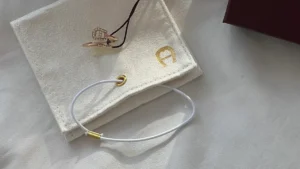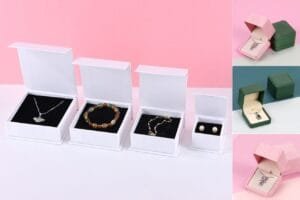
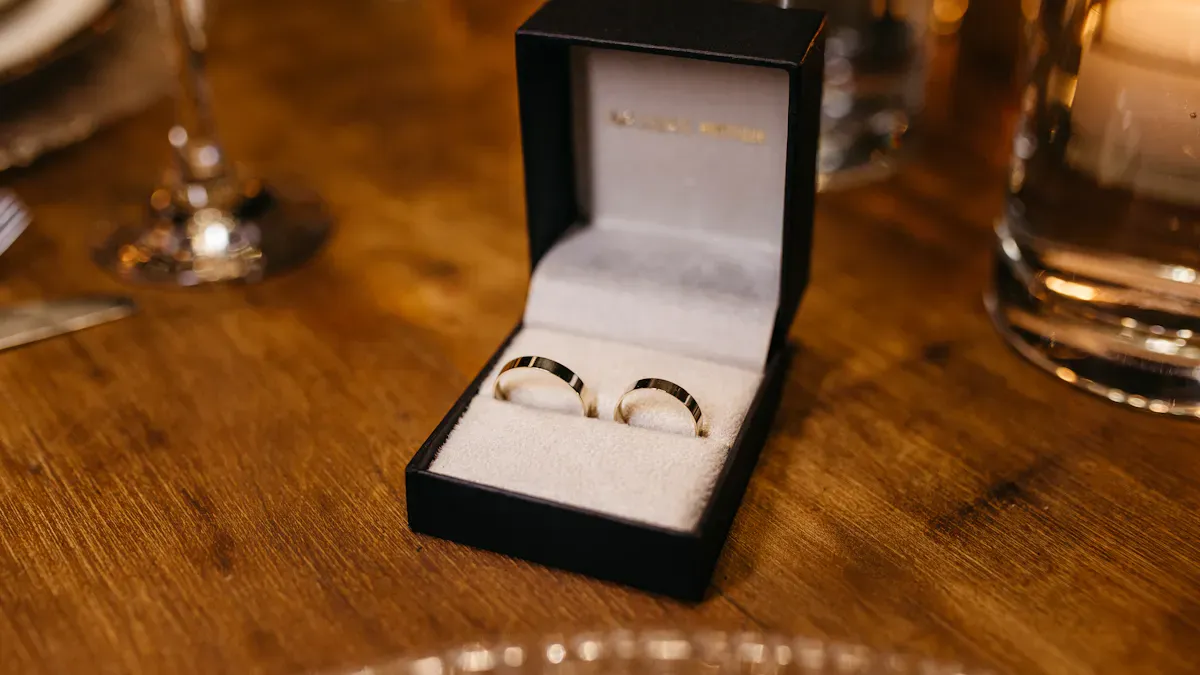
Technical specifications define the foundation for secure ring box inserts that protect valuable jewelry from damage. Material selection impacts durability and aesthetics, while accurate measurements ensure a snug fit inside custom jewelry boxes. Robust structural design supports rings during transport and storage, and protective finishing options enhance longevity. Reliable assembly methods, paired with ongoing maintenance practices, distinguish a trusted jewelry packaging manufacturer. These technical specifications play a crucial role in Jewelry Display, Jewelry Pouch integration, and overall jewelry packaging effectiveness.
Importance of Technical Specifications for Organized Storage
Risks of Inadequate Ring Box Inserts
Common Damage Scenarios
Ring box inserts that lack proper technical specifications expose jewelry to significant risks. When inserts do not fit securely, rings can shift inside the box, leading to scratches, dents, or even gemstone loosening. Physical damage often occurs during storage or transport, especially when boxes stack in retail environments or during shipping. Using generic boxes increases damage rates by 68% during transit because rings lack proper immobilization. Insurance companies may deny claims if packaging fails to meet ISO 11997 impact standards for jewelry. These scenarios highlight the necessity of precise engineering for every insert.
Security Concerns During Transport
Jewelry faces heightened risks during transport. Without secure inserts, rings may fall out or become misplaced, resulting in loss or theft. The absence of moisture resistance can also cause tarnishing, especially in humid environments. The following table summarizes how technical specifications reduce the risk of misplacement or loss:
| Feature | Benefit |
|---|---|
| Secure fit | Prevents movement and accidental falls, ensuring rings stay in place. |
| Cushioned environment | Protects against scratches and damage during transport. |
| Moisture resistance | Safeguards rings from environmental factors that could cause tarnishing. |
| Durability under pressure | Ensures inserts maintain their shape and function even when compressed. |
| Customizable designs | Allows for tailored solutions to fit various ring styles and sizes. |
Benefits of Proper Technical Specifications
Enhanced Ring Longevity
Properly specified ring box inserts extend the lifespan of jewelry. Custom inserts keep rings stationary, minimizing friction and reducing metal-on-metal contact. High-density materials protect rings from movement that can loosen gemstones, especially during shipping or long-term storage. The table below outlines measurable benefits for ring longevity:
| Benefit | Description |
|---|---|
| Secure positioning | Customized inserts keep rings stationary, reducing the risk of damage during handling. |
| Minimization of friction | High-density materials reduce metal-on-metal contact, preserving the integrity of the rings. |
| Protection during transit and storage | Proper inserts prevent movement that can lead to gemstone loosening, especially in shipping. |
Improved User Experience
Technical specifications do more than protect jewelry; they also elevate the user experience. Advanced inserts provide a luxurious presentation, which is essential for luxury gift sets and stackable jewelry organization trays. Customers appreciate the quality and security these inserts offer, reinforcing brand identity and encouraging loyalty. The following points summarize the impact on user satisfaction:
- Advanced ring box inserts provide a luxurious presentation that enhances user satisfaction.
- They ensure product protection, which is essential for maintaining the quality of the jewelry.
- These inserts reinforce brand identity, contributing to a memorable unboxing experience that fosters customer loyalty and encourages social media sharing.
Organized storage depends on these technical details. When manufacturers prioritize secure storage, they protect jewelry from physical damage and create a positive experience for every customer.
Recommended Materials for Custom Jewelry Box Inserts
Selecting the right materials for custom jewelry box inserts determines the level of protection, presentation, and longevity for valuable jewelry. Material choices impact how well inserts shield rings from environmental threats such as moisture, impacts, and abrasion. Durable options like high-density foam, metals, and protective fabrics not only prevent physical damage but also enhance the professional look of custom jewelry box inserts. Sustainable materials, including bamboo and recycled cardboard, offer additional strength and align with eco-friendly practices, further safeguarding jewelry.
High-Density Foam Inserts
High-density foam stands out as a preferred material for custom jewelry box inserts. This material provides exceptional cushioning and shock absorption, making it ideal for protecting delicate rings during storage and transport.
Types of Foam (EVA, PU, Memory)
Manufacturers often choose from several types of high-density foam for custom jewelry box inserts:
- EVA Foam: Ethylene-vinyl acetate foam offers excellent flexibility and resilience. It resists cracking and maintains its shape under pressure.
- PU Foam: Polyurethane foam provides a softer touch and adapts well to intricate ring shapes. It supports custom cutouts for unique jewelry designs.
- Memory Foam: This foam conforms to the ring’s contours, delivering a snug fit that minimizes movement. It returns to its original form after compression, ensuring long-term durability.
Pros and Cons of Foam
High-density foam offers several advantages for custom jewelry box inserts:
- Absorbs and dissipates impact energy, reducing the risk of damage during accidental drops.
- Compresses to extend deceleration time, minimizing G-forces on delicate jewelry.
- Dual-layer protection lowers the chances of both catastrophic and cosmetic damage.
However, foam inserts may have limitations. Over time, some foams can degrade or lose elasticity, especially if exposed to direct sunlight or harsh chemicals. Foam may also lack the premium tactile feel of luxury fabrics or metals.
Metal and Magnetic Inserts
Metal and magnetic inserts provide a robust solution for custom jewelry box inserts, combining durability with a premium presentation. These inserts offer superior structural integrity and advanced security features.
Durability and Premium Presentation
Metal inserts, such as those made from aluminum, deliver impressive tensile strength. Aluminum inserts typically range from 290 to 520 MPa, depending on the grade. This strength ensures that custom jewelry box inserts maintain their shape and protect rings from crushing forces. Metal inserts also contribute to a professional look, enhancing the perceived value of the jewelry.
Magnetic Security Features
Magnetic inserts add a layer of security by preventing ring movement during transport. They use strategic placement and anchoring techniques to keep jewelry stationary:
- Place heavier jewelry items at the bottom center of the magnetic panel for optimal stability.
- Lay chains flat and secure clasps before draping them over the magnetic surface.
- Thread lightweight chains through steel jump rings to increase magnetic pull force.
- Fill gaps with micro-suede rolls to prevent lateral shifting.
- Compress contents before closing to eliminate air pockets that could amplify vibration.
- Store organizers upright, using gravity and friction as secondary retention systems.
These steps ensure that custom jewelry box inserts with magnetic features provide reliable protection, especially during travel.
Velvet, Suede, and Anti-Tarnish Fabrics
Velvet, suede, and anti-tarnish fabrics remain popular choices for custom jewelry box inserts. These materials offer both aesthetic appeal and functional protection for rings.
Material Options and Protection
Velvet and suede provide a soft, luxurious surface that cushions jewelry and prevents scratches. The following table compares their abrasion resistance:
| Material | Abrasion Resistance |
|---|---|
| Suede | Moderate to high. Suede fibers compact over time, forming a protective layer. Resists light scuffing but shows heavy wear at stress points. |
| Velvet | Low to moderate. Pile flattens easily with friction. Repeated rubbing causes permanent shine or bald spots. |
Suede offers greater durability in high-contact areas, while velvet excels in presentation. Both materials enhance the tactile experience and visual appeal of custom jewelry box inserts.
Anti-Tarnish Properties
Anti-tarnish fabrics protect rings from environmental factors such as humidity and air pollutants. These protective fabrics contain special treatments that neutralize corrosive agents, preserving the shine and integrity of precious metals. Integrating anti-tarnish linings into custom jewelry box inserts ensures that rings remain untarnished, even during long-term storage.
Custom jewelry box inserts crafted from high-density materials, metals, and protective fabrics provide comprehensive protection for jewelry. The right combination of materials ensures that inserts deliver both security and a professional look, meeting the demands of modern jewelry packaging.
Plastic, Acrylic, Wood, and Composite Inserts
Plastic, acrylic, wood, and composite materials have become essential in the design of custom jewelry box inserts. These materials offer a unique balance of durability, customization, and visual appeal. Manufacturers select them to meet the evolving needs of jewelry storage and presentation.
Customization and Structural Strength
Custom jewelry box inserts made from plastic, acrylic, wood, and composite materials provide a wide range of customization options. Engraving, color selection, and material blending allow brands to create inserts that reflect their identity and enhance the perceived value of jewelry. Custom engraving can also serve as a security feature, establishing a verifiable chain of custody for high-value rings. This approach helps prevent counterfeiting and assures customers of authenticity.
Plastic and acrylic inserts deliver a sleek, modern appearance. They can be molded into precise shapes, ensuring a snug fit for various ring sizes and styles. Wood and composite inserts, especially those designed to resemble real wood, offer a classic and luxurious feel. Composite materials combine the best qualities of plastic and wood, resulting in inserts that resist cracking and chipping under normal storage conditions. This structural integrity ensures that custom jewelry box inserts protect jewelry from everyday hazards.
Note: Composite inserts often outperform traditional wood in terms of resistance to damage. Their enhanced strength makes them suitable for both retail and personal jewelry storage.
The ability to tailor inserts to specific jewelry pieces not only improves security but also elevates the overall presentation. Custom jewelry box inserts crafted from these materials can include compartments, slots, or even magnetic closures, further enhancing ring protection.
Weight and Cost Considerations
Weight and cost play a significant role in the selection of materials for custom jewelry box inserts. Plastic and acrylic inserts are lightweight, making them ideal for travel cases and portable storage solutions. Their low weight reduces shipping costs and makes handling easier for both retailers and consumers.
Wood and composite inserts tend to weigh more, but they offer superior durability and a premium tactile experience. Composite materials, in particular, provide the look and feel of real wood without the associated risk of warping or splintering. This makes them a practical choice for luxury jewelry packaging.
The following table compares key characteristics of these materials:
| Material | Weight | Cost | Durability | Customization Options |
|---|---|---|---|---|
| Plastic | Very Light | Low | Moderate | High |
| Acrylic | Light | Moderate | High | High |
| Wood | Moderate-Heavy | High | High | Moderate |
| Composite | Moderate | Moderate-High | Very High | High |
Custom jewelry box inserts made from plastic and acrylic offer cost-effective solutions for mass production. Wood and composite inserts, while more expensive, provide unmatched strength and a refined appearance. Brands often choose a combination of these materials to balance cost, weight, and protective qualities.
Measurement and Fitting Techniques for Secure Storage
Standard Ring Sizes and Insert Dimensions
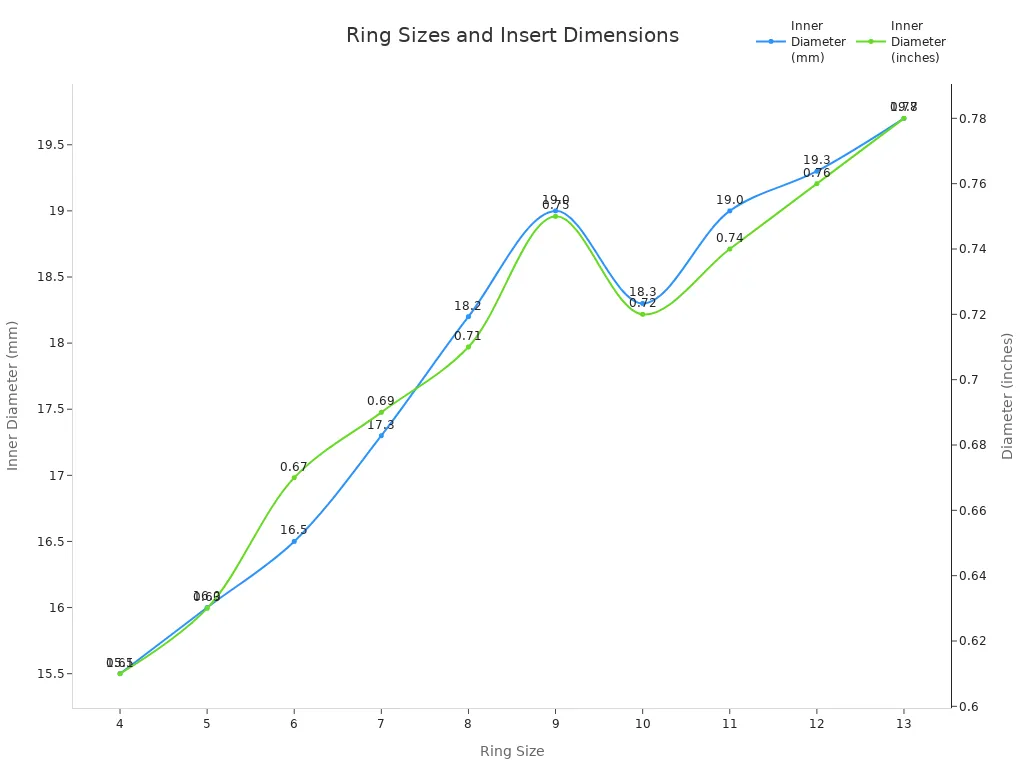
Accurate measurement forms the foundation of secure jewelry storage. Manufacturers rely on universal sizing systems for rings, which increase in half-size increments starting from size 0. Quarter sizes fill gaps for those needing a more precise fit. The sizing applies to all genders, ensuring consistency across the industry. Most women’s rings fall within sizes 6-7, while men’s rings typically range from sizes 10-11. Small rings occupy sizes 4-5, and large rings span sizes 8-9.
| Ring Size | Inner Diameter (inches) | Inner Diameter (mm) |
|---|---|---|
| 4 | 0.61 | 15.5 |
| 5 | 0.63 | 16.0 |
| 6 | 0.67 | 16.5 |
| 7 | 0.69 | 17.3 |
| 8 | 0.71 | 18.2 |
| 9 | 0.75 | 19.0 |
| 10 | 0.72 | 18.3 |
| 11 | 0.74 | 19.0 |
| 12 | 0.76 | 19.3 |
| 13 | 0.78 | 19.7 |
Measuring for a Snug Fit
A snug fit prevents rings from shifting inside inserts, which reduces the risk of scratches and gemstone loosening. Manufacturers measure the inner diameter of each ring and adjust insert dimensions based on the lining material. The following table outlines recommended tolerance adjustments for different fabrics:
| Fabric Type | Tolerance Adjustment |
|---|---|
| Thin silk linings | Subtract 0.5mm |
| Standard velvet wraps | Subtract 1.0mm |
| Padded or pillowed inserts | Subtract 1.5mm |
These adjustments ensure that inserts hold rings securely without excessive force. Precision in measurement supports the integrity of specific jewelry pieces and maintains their value.
Protective Air Gap Requirements
A protective air gap acts as a buffer between the ring and the insert wall. This gap absorbs shocks and prevents direct contact with hard surfaces. For most jewelry, a gap of 0.5mm to 1.0mm suffices. Inserts with pillowed or padded linings may require a slightly larger gap to accommodate compression. The air gap must remain consistent across all tailored compartments to guarantee uniform protection.
Tip: Consistent air gap sizing across all inserts improves shock absorption and reduces the risk of damage during transport.
Customization for Unique Rings
Jewelry often features unique shapes, settings, and sizes that standard inserts cannot accommodate. Custom organization solutions address these challenges by providing tailored compartments for each piece.
Adjustable and Modular Inserts
Adjustable inserts allow users to modify the fit for different ring sizes. Modular design principles enable manufacturers to create inserts with removable or repositionable sections. This flexibility supports custom organization and adapts to changing storage needs. Modular inserts often include foam blocks, sliding panels, or magnetic closures that secure rings of varying dimensions.
- Modular inserts provide flexibility for storing rings of different sizes.
- Adjustable sections ensure a snug fit for both small and large jewelry.
- Removable components simplify cleaning and maintenance.
Accommodating Multiple Ring Styles
Custom inserts use advanced techniques like CAD design and CNC cutting to create cavities that match the exact dimensions of specific jewelry pieces. Precision-cut foam holds each ring securely, minimizing movement and reducing the risk of damage during shipping. Inserts can accommodate rings with unusual shapes, oversized gemstones, or intricate settings. Manufacturers design these inserts to fit multiple ring styles within a single box, supporting both retail and personal storage.
Note: Custom inserts protect jewelry by minimizing movement and providing tailored support for each piece.
Structural Design Features for Secure and Protective Inserts
Ring Rolls, Slots, and Retention Mechanisms
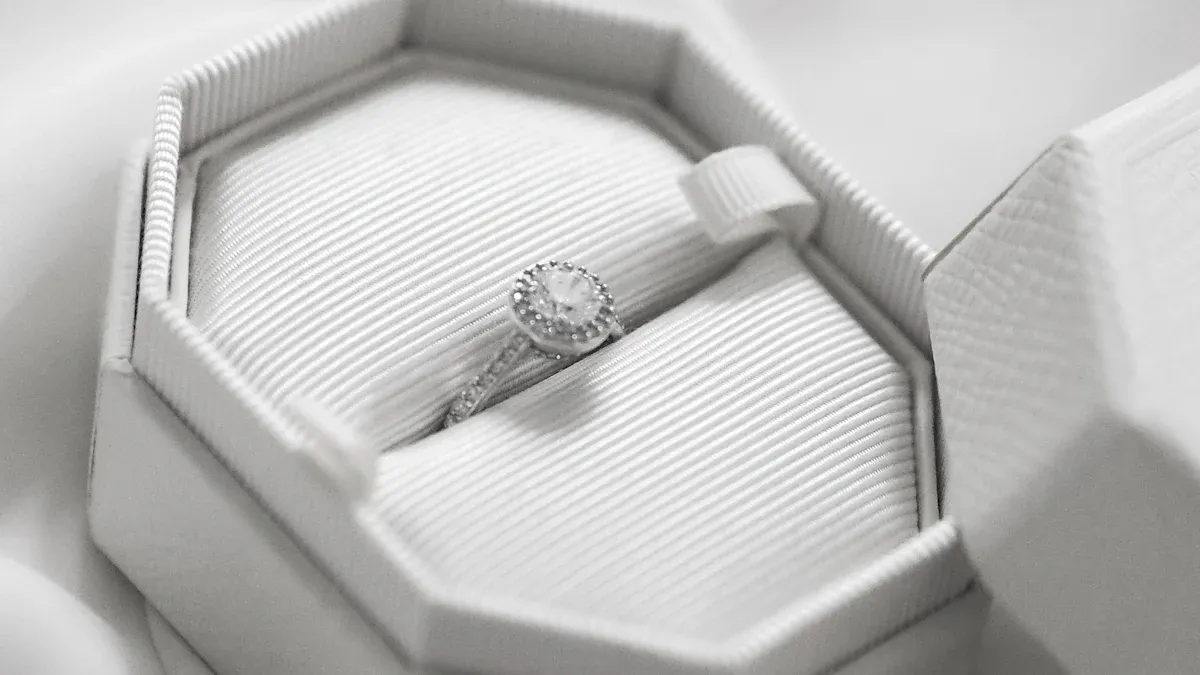
Ring rolls, slots, and advanced retention mechanisms form the backbone of secure jewelry storage. Each design offers unique advantages for protecting rings within inserts. Ring rolls provide moderate physical protection but often leave jewelry exposed to air and humidity. Display cases with enclosed slots deliver high levels of shielding and typically include locking mechanisms for enhanced security. The following table compares these features:
| Feature | Ring Storage Rack | Display Case |
|---|---|---|
| Physical Protection | Moderate – prone to bumps when open | High – fully enclosed and cushioned |
| Environmental Shielding | Limited – exposed to air and humidity | Excellent – sealed with anti-tarnish lining |
| Security | Low – no lock, easy access | High – often includes locking mechanism |
In one real-world scenario, a person named Sarah stored a vintage diamond ring in a soft roll and noticed tarnishing and damage. After switching to a lockable display case, the ring retained its polish and remained secure.
Slot Depth and Width Specifications
Slot depth and width play a critical role in preventing ring movement. Inserts with precise slot dimensions ensure that rings remain stationary, reducing the risk of scratches or gemstone loosening. Manufacturers often use mechanical retention features such as grooves, undercuts, or through-holes to prevent rotation or pull-out. Sufficient plastic thickness in these areas increases durability and reduces stress cracking. Rounded corners in slot design also lower the risk of cracking and improve the overall longevity of the inserts.
Spacing for Multiple Rings
Proper spacing between slots or rigid dividers prevents rings from contacting each other. This design consideration minimizes abrasion and allows for easy removal and replacement. Controlled insert positioning ensures that each piece of jewelry stays in its designated location, even during transport or automated handling.
Padding, Cushioning, and Shock Absorption
Padding and cushioning materials enhance the protective qualities of jewelry box inserts. Polyurethane foam provides high shock absorption and can be shaped to fit intricate ring designs. Closed-cell foam offers excellent scratch resistance and a luxurious finish, while polyethylene foam remains lightweight and cost-effective.
| Material Type | Shock Absorption | Additional Benefits |
|---|---|---|
| Polyethylene (PE) | Moderate | Lightweight, cost-effective |
| Polyurethane (PU) | High | Superior shock absorption, customizable shapes |
| Closed-cell foam | Excellent | Scratch resistance, luxurious finish |
Layering Techniques
Manufacturers often use layering techniques to combine different materials for optimal protection. A base layer of closed-cell foam may support a top layer of soft velvet, creating a balance between shock absorption and aesthetic appeal. This approach ensures that jewelry remains cushioned against impacts from all directions.
Shock Absorption Standards
Industry standards require inserts to absorb and dissipate energy from accidental drops or vibrations. Inserts that meet these standards protect jewelry from both cosmetic and structural damage, maintaining the value and appearance of each piece.
Magnetic Closures and Security Enhancements
Magnetic closures have become a preferred choice for securing jewelry box inserts. Embedded magnets create a tamper-resistant design with no visible access points, which deters unauthorized opening. Strong magnetic holds prevent accidental opening during shipping, while sealed closures protect against moisture and dust.
| Feature | Benefit |
|---|---|
| Tamper-resistant design | No visible access points for unauthorized opening |
| Strong magnetic hold | Prevents accidental opening during shipping |
| Weather resistance | Sealed closure protects against moisture and dust |
| No mechanical failure points | Unlike clasps or hinges that can break, ensuring consistent performance |
Embedded Magnets
Manufacturers embed magnets within the structure of inserts to provide consistent closure performance. This method eliminates mechanical failure points found in traditional clasps or hinges.
Clamps, Clips, and Elastic Bands
Additional security features such as clamps, clips, and elastic bands offer further retention for rings. These mechanisms work alongside magnetic closures to ensure that jewelry remains secure, even during rigorous transport or handling.
Tip: Combining multiple retention features—such as magnetic closures with elastic bands—provides the highest level of security for valuable jewelry.
Finishing Options for Added Protection and Organized Storage
Surface Coverings and Linings
Velvet and Suede Finishes
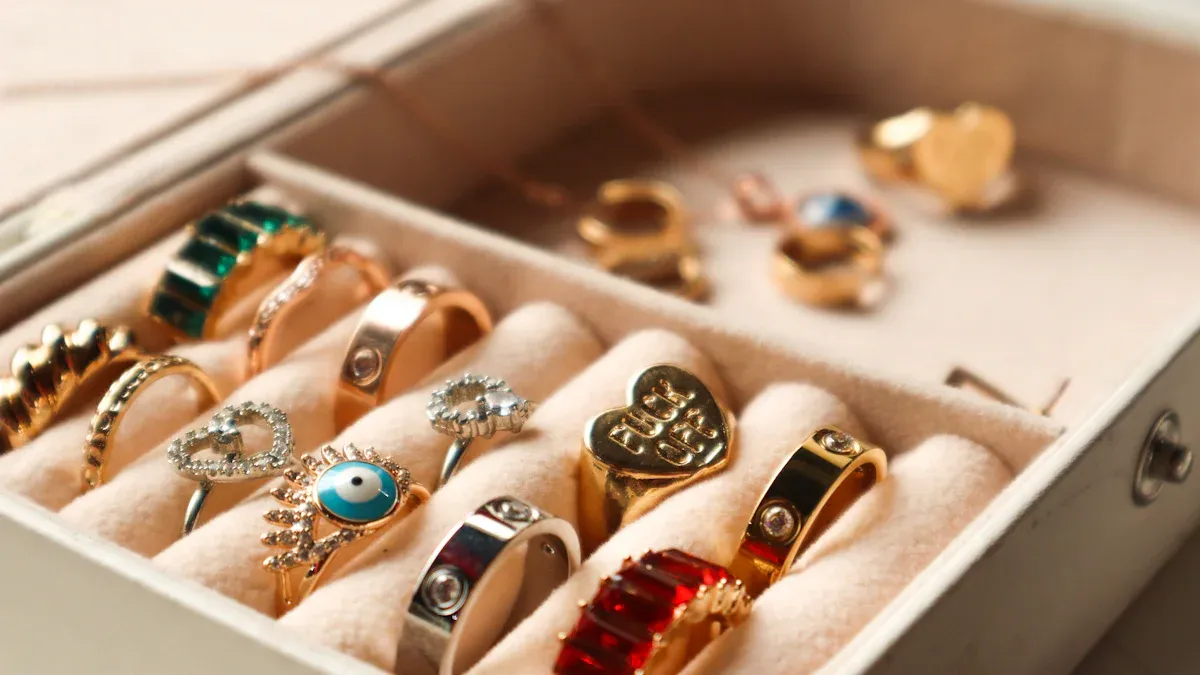
Velvet remains a top choice for luxury jewelry box inserts. This material offers a soft surface that cushions rings and prevents scratches. Velvet lining creates a plush environment that enhances the visual appeal of jewelry. Many manufacturers select velvet for its tactile qualities and its ability to cradle delicate pieces. Suede provides a similar level of comfort but with a slightly firmer texture. Both materials help maintain the condition of rings by reducing friction and absorbing minor impacts.
A jewelry box with a velvet lining delivers a premium experience. Velvet lining also supports the longevity of rings by minimizing direct contact with hard surfaces. When paired with sturdy construction, velvet lining ensures that jewelry stays secure and protected from accidental bumps.
Tip: Regularly inspect the velvet lining for signs of wear. Replace the lining if it becomes thin or loses its softness to maintain optimal protection.
Anti-Tarnish Linings
Anti-tarnish linings play a critical role in jewelry protection. These linings use advanced treatments to neutralize corrosive agents in the air. Rings stored in boxes with anti-tarnish linings retain their shine and resist discoloration. The installation process for these linings requires careful surface preparation and precise application. Regular maintenance and inspection help maximize the lifespan of anti-tarnish linings. This approach ensures that jewelry remains in pristine condition, even in challenging environments.
Moisture and Dust Barriers
Sealants and Coatings
Sealants and coatings add an extra layer of protection for jewelry stored in wooden or composite boxes. Manufacturers often treat wooden inserts with oil to seal the surface and block moisture absorption. This treatment prevents swelling, warping, and mold growth. Coatings also create a smooth finish that repels dust and dirt. A secure lid or closure further enhances dust protection by limiting exposure to airborne particles.
The following table summarizes effective finishing options for moisture and dust protection:
| Finishing Option | Benefit |
|---|---|
| Oil treatment | Seals wood, blocks moisture |
| Protective coating | Repels dust, adds smooth finish |
| Secure closure | Keeps out dust and dirt |
Desiccant Integration
Desiccant packs provide an additional safeguard against moisture. Placing a desiccant inside the jewelry box absorbs excess humidity and prevents tarnish. This method works well for long-term storage or in regions with high humidity. Users should replace desiccant packs regularly to maintain effective moisture control.
- Store jewelry in boxes with a soft interior, such as velvet lining, to prevent scratches.
- Use a sturdy box with a secure lid to keep dust and dirt away from valuable pieces.
- Avoid high humidity environments and dry any wet rings immediately with a soft cloth.
Finishing options like velvet lining, anti-tarnish treatments, and moisture barriers work together to deliver comprehensive protection for jewelry. These features ensure that rings remain beautiful and secure for years.
Assembly and Bonding Methods for Custom Jewelry Box Inserts
Adhesives and Fasteners
Non-Toxic Glue Options
Manufacturers prioritize safety and durability when selecting adhesives for custom jewelry box inserts. Non-toxic glue options, such as water-based PVA and solvent-free polyurethane, ensure that jewelry remains free from harmful chemical residues. These adhesives bond high-density foam, cardboard, and fabric linings without releasing volatile organic compounds. Many brands choose hot-melt adhesives for their quick setting time and strong hold. Water-based glues work well for attaching delicate fabrics, while polyurethane adhesives provide a flexible bond for foam and composite materials. The right adhesive prevents delamination and keeps inserts intact during repeated use.
Tip: Always allow adhesives to cure fully before placing jewelry inside the box. This practice prevents unwanted odors and ensures a secure bond.
Mechanical Fastening Techniques
Mechanical fasteners add structural integrity to custom jewelry box inserts. Small screws, rivets, and press-fit pins secure rigid components such as wood or acrylic panels. These fasteners resist loosening under stress and provide long-term stability. Some manufacturers use hidden staples or brads to attach fabric linings, creating a seamless appearance. For modular inserts, snap-fit connectors and interlocking tabs allow for easy assembly and disassembly. These techniques support customization and simplify repairs if an insert becomes damaged.
| Fastener Type | Best Use Case | Durability Level |
|---|---|---|
| Screws | Wood or acrylic panels | High |
| Rivets | Metal or composite inserts | High |
| Press-fit pins | Modular foam sections | Moderate |
| Snap-fit tabs | Adjustable compartments | Moderate |
Seamless Construction and Reinforcement
Minimizing Gaps and Weak Points
Precision in assembly ensures that custom jewelry box inserts protect jewelry from dust, moisture, and impact. Manufacturers measure storage dimensions accurately and cut materials like high-density foam with a sharp utility knife and a metal straightedge. This method produces clean edges and prevents fraying, which can create weak points. Seamless construction eliminates gaps where rings might shift or become damaged. Consistent pressure during bonding helps maintain uniform contact between layers, reducing the risk of separation over time.
Reinforcement Strategies
Reinforcement strategies extend the lifespan of custom jewelry box inserts. Manufacturers often add internal supports, such as crossbars or double-layered panels, to increase rigidity. Reinforced corners and edges prevent deformation when boxes experience pressure during transport. Some designs incorporate stitched seams or additional adhesive layers at stress points. These methods ensure that inserts retain their shape and continue to protect jewelry through years of use.
Note: Regular inspection of inserts helps identify early signs of wear. Replacing or reinforcing weak areas maintains the protective qualities of the jewelry box.
Custom jewelry box inserts assembled with reliable adhesives, precise mechanical fasteners, and reinforced construction deliver superior protection for valuable jewelry.
Maintenance and Longevity Tips for Secure Storage
Cleaning and Care Guidelines
Safe Cleaning Methods for Different Materials
Proper maintenance of custom jewelry box inserts ensures that jewelry remains protected and pristine. Cleaning methods vary depending on the material. Foam inserts require gentle brushing with a soft cloth to remove dust and debris. Avoid using harsh chemicals, as these can degrade the sponge material and reduce its effectiveness. For velvet or suede linings, a lint roller or a soft brush works best. Metal inserts benefit from a dry microfiber cloth, which prevents scratches and preserves the finish. Wood and composite inserts should be wiped with a slightly damp cloth, followed by immediate drying to prevent moisture absorption.
Tip: Regular cleaning prevents the buildup of skin oils, lotions, and other contaminants that can degrade foam and fabric materials.
Preventing Fabric Wear and Tear
Gentle handling extends the life of custom jewelry box inserts. Rough treatment compresses foam and damages delicate fabrics, reducing their protective qualities. Users should avoid pressing down on velvet or suede surfaces. When removing jewelry, lift pieces carefully to prevent snagging or tearing. Store inserts away from direct sunlight, heat, and humidity. These conditions cause material breakdown and shorten the lifespan of both foam and fabric linings.
A table summarizing care recommendations:
| Material Type | Cleaning Method | Handling Advice |
|---|---|---|
| Foam | Soft cloth, no chemicals | Avoid compression |
| Velvet/Suede | Lint roller, soft brush | Gentle removal of jewelry |
| Metal | Dry microfiber cloth | Prevent scratches |
| Wood/Composite | Damp cloth, dry quickly | Store in dry conditions |
Inspection and Replacement
Signs of Insert Degradation
Routine inspection of custom jewelry box inserts helps identify early signs of wear. Foam inserts may show compression, loss of elasticity, or visible discoloration. Velvet and suede linings often develop bald spots, thinning, or fraying. Metal inserts can exhibit scratches or tarnish, while wood and composite materials may warp or crack. Inserts that no longer hold jewelry securely or show visible damage require attention.
Note: Optimal storage conditions, away from heat, light, and humidity, are essential to prevent material breakdown and extend the lifespan of custom jewelry box inserts.
When to Replace Inserts
Replacement becomes necessary when inserts fail to protect jewelry effectively. If foam loses its cushioning ability or fabric linings tear, the risk of scratches and damage increases. Metal inserts with deep scratches or corrosion should be replaced to maintain a premium appearance. Wood and composite inserts that warp or crack compromise the structural integrity of the jewelry box. Manufacturers recommend replacing inserts every two to three years, depending on usage and environmental conditions.
A checklist for replacement:
- Foam no longer rebounds after compression
- Fabric linings show visible wear or thinning
- Metal surfaces display corrosion or deep scratches
- Wood or composite inserts exhibit warping or cracking
Regular maintenance and timely replacement of custom jewelry box inserts ensure that jewelry stays secure and beautiful for years.
Ring box inserts with precise technical specifications provide essential protection for jewelry. Material selection, accurate measurements, and robust design features help safeguard each piece. Proper maintenance extends the lifespan of both the insert and the jewelry it holds. Manufacturers who prioritize these elements deliver organized storage and peace of mind. Readers should always choose solutions that support optimal ring protection and long-term value.
FAQ
What materials offer the best protection for ring box inserts?
High-density foam, anti-tarnish fabrics, and composite materials provide excellent protection. These materials absorb shocks, resist moisture, and prevent scratches. Manufacturers often select them for both durability and presentation.
How often should users replace ring box inserts?
Manufacturers recommend replacement every two to three years. Signs like fabric thinning, foam compression, or visible damage indicate the need for new inserts. Regular inspection helps maintain optimal protection.
Can users clean velvet or suede linings at home?
Yes. Users should gently brush velvet or suede with a lint roller or soft brush. They should avoid water and harsh chemicals. This method preserves the fabric’s texture and extends its lifespan.
Are magnetic closures secure enough for valuable rings?
Magnetic closures provide strong, tamper-resistant security. Embedded magnets prevent accidental opening during transport. For added safety, some designs combine magnets with elastic bands or clips.
What is the ideal air gap for ring inserts?
A 0.5mm to 1.0mm air gap works best. This buffer absorbs shocks and prevents direct contact with hard surfaces. Consistent gaps across all inserts ensure uniform protection.
Can manufacturers customize inserts for unique ring shapes?
Manufacturers use CAD design and CNC cutting to create custom inserts. These techniques allow precise fitting for rings with unusual shapes, oversized gemstones, or intricate settings.
Do anti-tarnish linings really prevent discoloration?
Anti-tarnish linings contain treatments that neutralize corrosive agents. Rings stored with these linings retain their shine and resist discoloration, even during long-term storage.
What adhesives are safe for jewelry box inserts?
Non-toxic adhesives like water-based PVA and solvent-free polyurethane are safe. These options bond materials securely without leaving harmful residues or odors.