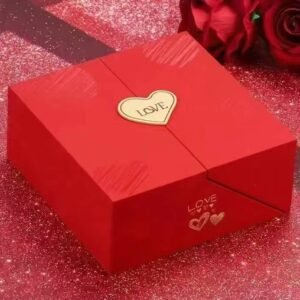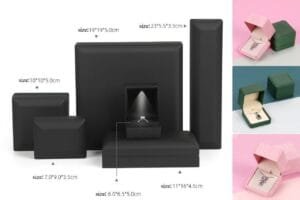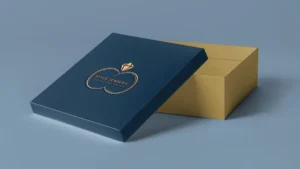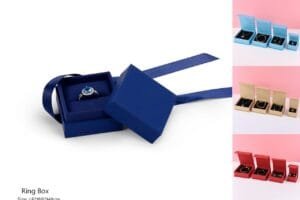
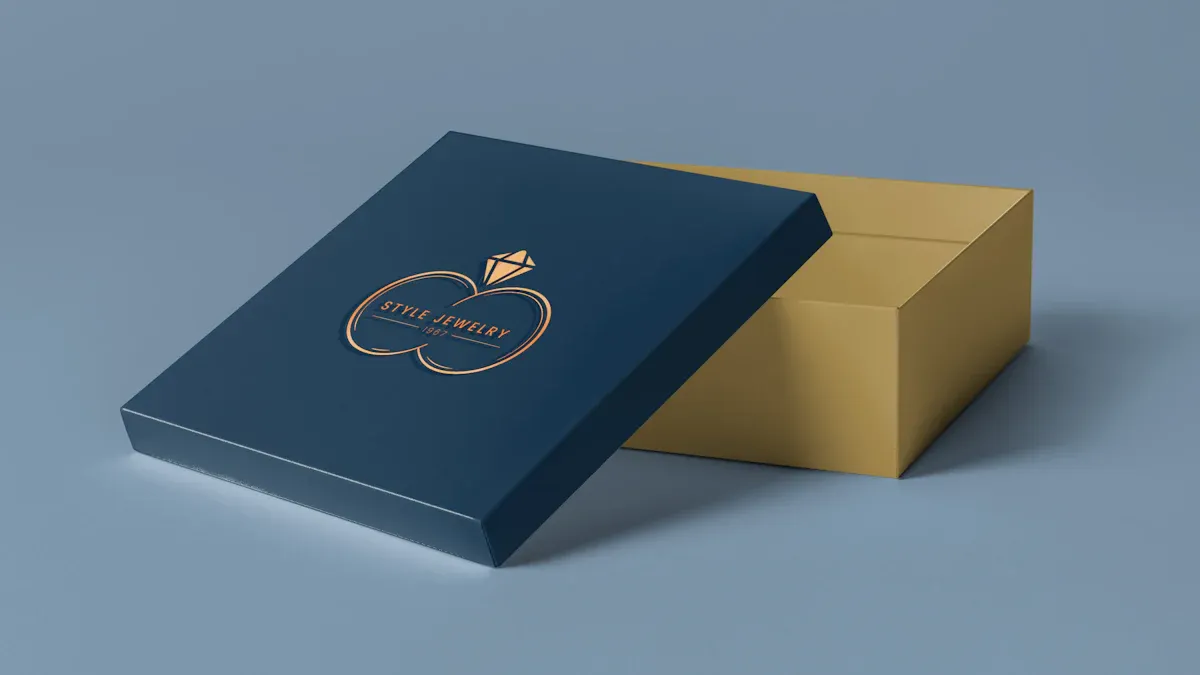
Jewelry design relies on the right printing techniques to showcase brand identity and craftsmanship. Jewelry packaging manufacturers recognize that offset printing works well for high-volume orders, while digital printing suits smaller batches with faster turnaround. Embossing, debossing, and foil stamping elevate custom jewelry boxes and luxury Jewelry Display. Screen printing offers a professional finish with impressive durability, which matters for jewelry packaging where presentation signals value. Jewelry Pouch options also benefit from methods that ensure logos remain vibrant and intact.
Why Printing Techniques Matter in Jewelry Manufacturing
Impact on Brand Identity
Jewelry brands rely on visual elements to distinguish themselves in a competitive market. Printing techniques play a crucial role in shaping brand identity. When a logo appears crisp and vibrant on jewelry packaging, customers recognize the brand instantly. Consistent logo presentation across different products reinforces brand recognition. Many luxury brands invest in specialized printing to create a memorable impression. They select methods that align with their jewelry design philosophy. For example, foil stamping adds a touch of elegance, while laser engraving conveys precision and modernity.
Tip: Brands should evaluate how each printing method complements their logo style and overall aesthetic.
Influence on Product Quality
Manufacturing quality depends on the choice of printing technique. High-quality printing ensures that logos remain intact and legible throughout the product’s lifecycle. Jewelry manufacturing often involves materials like metal, leather, or fabric. Each material interacts differently with printing processes. Some techniques, such as pad printing, deliver excellent results on curved surfaces. Others, like screen printing, provide durability for flat surfaces. Manufacturers must match the printing method to the material to avoid fading, smudging, or peeling.
- Screen printing offers strong resistance to wear and tear.
- Laser engraving creates permanent marks that withstand daily use.
- Digital printing allows for intricate designs but may require protective coatings.
| Technique | Material Compatibility | Durability | Detail Level |
|---|---|---|---|
| Screen Printing | Flat surfaces | High | Moderate |
| Pad Printing | Curved surfaces | Medium | High |
| Laser Engraving | Metals, plastics | Very High | High |
Customer Perception and Value
Customers judge jewelry not only by its design but also by the quality of branding. Printing influences how buyers perceive value. A well-executed logo signals professionalism and attention to detail. When printing appears flawless, customers associate the product with premium quality. Poor printing can diminish perceived value, even if the jewelry itself is well-crafted. Brands that invest in advanced printing techniques often command higher prices and greater loyalty.
- Customers expect logos to remain vibrant and clear.
- High-quality printing reassures buyers about authenticity.
- Consistent branding builds trust and encourages repeat purchases.
Jewelry manufacturing professionals understand that printing is more than decoration. It shapes brand identity, ensures product quality, and influences customer perception. Careful selection of printing techniques supports long-term business success in jewelry design.
Overview of Main Printing Techniques for Jewelry Logos
Screen Printing
How Screen Printing Works
Screen printing uses a mesh stencil to transfer ink onto a jewelry surface. The process involves placing the stencil over the item and pressing ink through the mesh. Each color requires a separate screen. Manufacturers often use this method for bold logo designs on flat surfaces. The technique produces vibrant colors and strong prints.
Pros and Cons of Screen Printing
Screen printing offers durability and quality. Logos resist fading, peeling, and cracking. The method works well for bold and bright colors. However, it does not suit precise details or gradients. Multiple colors complicate the process and increase costs. Each color needs a separate screen, which adds to production time.
| Application/Strengths | Limitations/Challenges |
|---|---|
| Durability and quality of the print | Not suitable for precise details and gradients |
| Bold and bright colors | Complicated and expensive for multiple colors |
| Resistant to fading, peeling, and cracking | Requires separate screens for each color |
Best Use Cases for Screen Printing
Screen printing excels in jewelry packaging and display items. Manufacturers choose this technique for logos that require durability and bold color. Flat surfaces such as jewelry boxes and pouches benefit from this method. Brands seeking a professional finish often select screen printing for their logo presentation.
Tip: Screen printing works best for simple, bold logos on flat surfaces where durability matters.
Pad Printing
How Pad Printing Works
Pad printing uses a silicone pad to transfer ink from an etched plate onto the jewelry item. The pad adapts to complex shapes and surfaces. This method allows for precise placement of logos on curved or irregular jewelry pieces. Manufacturers rely on pad printing for intricate designs and multi-color images.
Pros and Cons of Pad Printing
Pad printing provides excellent color versatility. The technique reproduces fine details and intricate designs. It adapts to complex shapes and decorative purposes. However, logos may be susceptible to scratching and fading. The durability does not match that of laser engraving. Pad printing works well for multi-color images and gradients but may require protective coatings for longevity.
| Feature | Pad Printing | Laser Marking |
|---|---|---|
| Color Versatility | Excellent for multi-color images and gradients | Limited to single-color or high-contrast designs |
| Precision | Can reproduce fine details and intricate designs | Superior precision with ultra-sharp edges |
| Durability | Susceptible to scratching and fading | Unmatched permanence and resistance to harsh conditions |
| Adaptability | Ideal for complex shapes and decorative purposes | Best for permanent identification and traceability |
Best Use Cases for Pad Printing
Pad printing suits jewelry items with curved or irregular surfaces. Manufacturers use this technique for decorative pieces and intricate logo designs. Multi-color logos and gradients appear vibrant on jewelry pouches, tags, and charms. Brands seeking adaptability and detail often select pad printing for their jewelry design needs.
Note: Pad printing offers flexibility for complex shapes and detailed logos but may require extra protection for lasting results.
Laser Engraving
How Laser Engraving Works
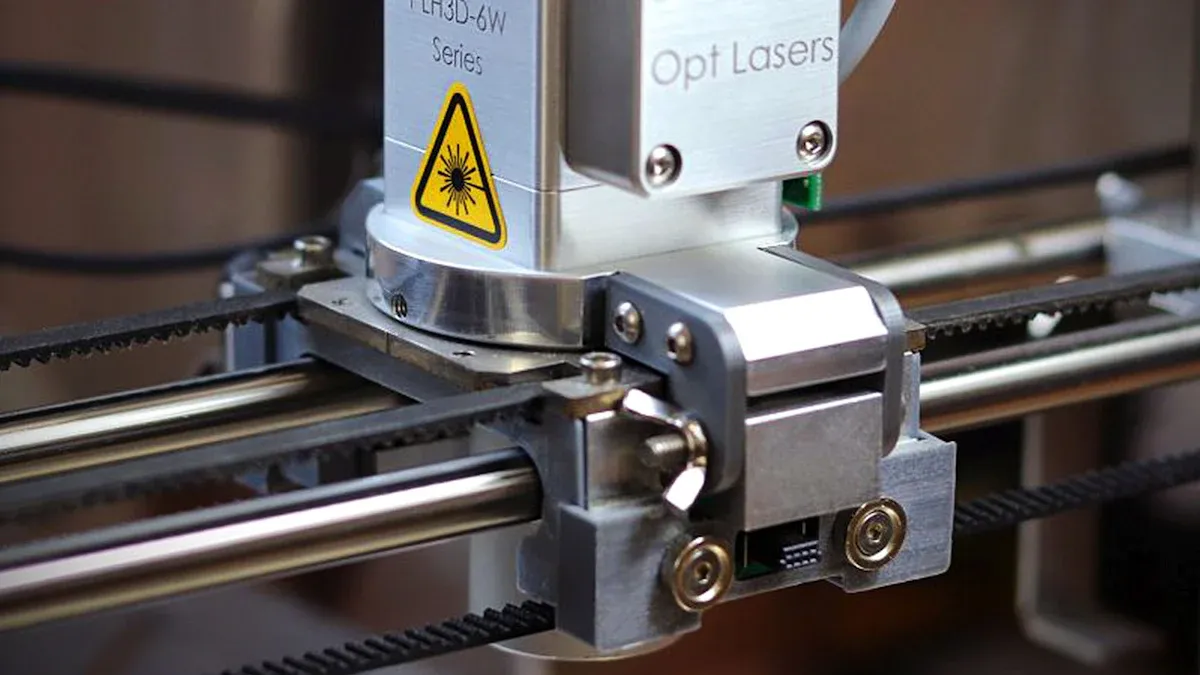
Laser engraving uses a focused laser beam to etch logos onto jewelry surfaces. The process vaporizes material to create permanent marks. Manufacturers control the laser for precise and consistent results. Laser engraving works on metals, plastics, wood, leather, glass, and ceramics. The technique produces fine, detailed designs.
Pros and Cons of Laser Engraving
Laser engraving achieves unmatched precision. The method creates ultra-sharp edges and detailed logos. It engraves on various materials, allowing creative designs. Manufacturers benefit from consistent quality across batches. Laser engraving reduces labor and increases production efficiency. Logos resist fading and wear, making them ideal for daily-worn jewelry. The technique enables easy customization for personalized pieces. However, color versatility is limited to single-color or high-contrast designs.
| Advantage | Description |
|---|---|
| Precision | Achieves fine, detailed designs that are hard to replicate through traditional methods. |
| Versatility | Can engrave on various materials including metals and non-metals, allowing for creative designs. |
| Consistency | Ensures uniform quality across batches, crucial for brand consistency. |
| Efficiency | Reduces labor and time, increasing production efficiency and lowering costs. |
| Durability | Creates long-lasting marks that resist fading and wear, ideal for daily-worn jewelry. |
| Customization | Enables easy creation of personalized and limited-edition pieces, enhancing competitive advantage. |
| Best Suited Materials | Examples of materials that can be laser engraved include Copper, Silver, Gold, Titanium, Wood, Leather, Glass, and Ceramic. |
Best Use Cases for Laser Engraving
Laser engraving suits jewelry items that require permanent identification and traceability. Manufacturers use this technique for metal jewelry, luxury pieces, and personalized items. Brands seeking precision and durability select laser engraving for logos that must remain clear and sharp over time. The method supports creative jewelry design and consistent branding.
Tip: Laser engraving provides lasting quality and precision for logos on metal and high-value jewelry items.
Digital Printing
How Digital Printing Works
Digital printing uses advanced inkjet or laser technology to apply logos directly onto jewelry packaging and display materials. The process eliminates the need for plates or screens. Operators upload the logo design to a computer, which controls the printer. The machine deposits ink precisely onto the surface, capturing intricate details and vibrant colors. This method supports rapid changes and customization, making it ideal for brands that require flexibility in their jewelry design.
Pros and Cons of Digital Printing
Digital printing offers several advantages for jewelry manufacturers. The technique excels at reproducing complex logos with multiple colors. Brands can achieve high levels of customization and color accuracy, which is essential for maintaining brand integrity. Operators can manage costs effectively, especially for small batches or prototypes. The integration of Spot and Pantone colors ensures consistent reproduction across different print media. However, digital printing may not match the durability of traditional methods like screen printing or laser engraving. The process works best for short runs and quick turnaround but can become expensive for large-scale production.
- Perfect for intricate logos and designs with multiple colors, enhancing customization.
- Enables rapid prototyping before larger production runs.
- Allows brands to create vibrant packaging while managing costs.
- Ensures consistent color reproduction with Spot and Pantone colors.
- May require protective coatings for increased durability.
Best Use Cases for Digital Printing
Digital printing suits jewelry packaging, display cards, and promotional materials. Brands use this method for limited-edition collections, seasonal campaigns, and personalized items. The technique supports rapid changes in logo design and color schemes. Manufacturers choose digital printing when they need flexibility, vibrant colors, and cost-effective solutions for small orders.
Tip: Digital printing is ideal for brands seeking customization and quick turnaround for jewelry packaging and display materials.
Foil Stamping
How Foil Stamping Works
Foil stamping applies a metallic or colored foil to jewelry packaging using heat and pressure. Operators place a foil sheet over the item and press it with a heated die. The process transfers the foil onto the surface, creating a shiny, reflective logo. Foil stamping works on paper, cardboard, leather, and some plastics. The technique produces logos with a luxurious finish and tactile appeal.
Pros and Cons of Foil Stamping
Foil stamping enhances the visual appeal of jewelry packaging. The metallic shine and reflective qualities create a sense of luxury and sophistication. Brands elevate their perception and attract discerning consumers with this method. Foil stamping works well for high-end jewelry items and packaging. However, the process may not suit highly detailed logos or complex designs. The setup can be costly for small runs, and the technique is best reserved for premium products.
- Enhances visual appeal with metallic shine and reflective qualities.
- Creates a sense of luxury and sophistication, ideal for jewelry packaging.
- Elevates brand perception and attracts discerning consumers.
- Works best for luxury jewelry items and packaging.
- May not suit highly detailed logos or small production runs.
Best Use Cases for Foil Stamping
Foil stamping is common in luxury jewelry packaging, display boxes, and branded pouches. Brands use this technique to highlight logos on premium collections and gift items. The method also appears in cosmetics, perfumes, and chocolates, but jewelry manufacturers rely on foil stamping to create a memorable unboxing experience.
Note: Foil stamping is the preferred choice for luxury jewelry packaging and items that require a sophisticated, eye-catching logo.
Offset Lithography
How Offset Lithography Works
Offset lithography uses plates to transfer ink onto a rubber blanket, which then applies the ink to the jewelry packaging material. Operators prepare a plate for each color in the logo design. The process produces high-quality prints with sharp lines and accurate colors. Offset lithography excels in mass production, making it suitable for large orders of jewelry packaging and display materials.
Pros and Cons of Offset Lithography
Offset lithography delivers intricate and high-quality outputs. The technique excels in detail, making it suitable for logos and complex designs. It is cost-effective for mass production, especially for larger orders. The setup cost is high, but the cost per item decreases as the order size increases. Offset lithography is recognized for unmatched color accuracy and the ability to reproduce fine lines and intricate details, which are essential for luxury branding. However, the method is less flexible for small batches and quick changes.
| Aspect | Offset Printing | Digital Printing |
|---|---|---|
| Best For | Large orders (10,000+ items) | Small orders and quick printing |
| Cost | High setup cost, low cost per item for big orders | Low setup cost, higher cost per item |
- Produces intricate and high-quality outputs.
- Excels in detail, making it suitable for logos and complex designs.
- Cost-effective for mass production, especially for larger orders.
Best Use Cases for Offset Lithography
Offset lithography is ideal for jewelry packaging, display cards, and branded inserts in large quantities. Brands select this method when they require consistent quality and detailed logo reproduction across thousands of items. The technique supports luxury jewelry branding, where detail and color accuracy are paramount.
Tip: Offset lithography is the best choice for brands needing high-volume production and precise logo detail for jewelry packaging.
Flexography
How Flexography Works
Flexography uses flexible relief plates to transfer ink onto a wide range of materials. Operators mount these plates onto rotating cylinders. As the cylinders spin, ink passes through an anilox roller and then onto the plate, which prints the logo onto the jewelry packaging or display item. This method supports in-line processing, allowing for multiple steps such as cutting, laminating, and varnishing during a single production run. Manufacturers often select flexography for its speed and adaptability.
Pros and Cons of Flexography
Flexography offers several advantages for jewelry logo printing. The technique adapts to various materials, including paper, plastic, and metallic films. Production speeds remain high, making it suitable for bulk orders. In-line processing capabilities streamline manufacturing, reducing labor and turnaround time. Eco-friendly ink options appeal to brands seeking sustainable solutions. However, flexography presents some challenges. Initial setup costs are high, especially for custom plates. Printing plates deteriorate over time, affecting print quality. The method struggles with complex designs, limiting detail and precision.
| Strengths | Weaknesses |
|---|---|
| Adaptable to various materials | High initial setup costs |
| Fast production speeds | Limited detail in printing complex designs |
| Cost-effective for bulk orders | Deterioration of printing plates over time |
| In-line processing capabilities | |
| Eco-friendly options |
Tip: Flexography works best for simple logos and large production runs where speed and material versatility matter.
Best Use Cases for Flexography
Manufacturers use flexography for jewelry packaging, tags, and display cards. Brands choose this technique for high-volume orders and straightforward logo designs. Flexography suits projects that require quick turnaround and consistent quality across many items. Jewelry design teams often select flexography when they need cost-effective solutions for mass production.
Gravure Printing
How Gravure Printing Works
Gravure printing relies on engraved cylinders to transfer ink onto jewelry packaging materials. Operators etch microscopic cells into the cylinder surface, each cell holding a precise amount of ink. As the cylinder rotates, ink fills the cells and transfers onto the substrate, creating deep, defined impressions. This process enables manufacturers to achieve complex textures, gradients, and photorealistic effects. Gravure printing ensures consistent replication of logos across multiple pieces, supporting custom collections and luxury branding.
Pros and Cons of Gravure Printing
Gravure printing delivers high-quality results for jewelry logos. The technique allows for deeper, more defined impressions that resist wear over time. Manufacturers achieve microscopic-level detailing, facilitating intricate textures and gradients. Artistic versatility supports a range of styles, from classic to modern. Consistency remains high, making gravure ideal for replicating designs across large batches. However, gravure printing involves significant cost implications. Cylinder engraving and setup require substantial investment, making the process less suitable for small orders.
- Deeper, more defined impressions resist wear.
- Microscopic-level detailing supports complex textures and gradients.
- Consistent replication of designs across multiple pieces.
- Artistic versatility accommodates classic and photorealistic styles.
Note: Gravure printing excels in luxury jewelry packaging and custom collections where detail and durability are essential.
Best Use Cases for Gravure Printing
Manufacturers select gravure printing for premium jewelry packaging, limited-edition collections, and display materials requiring intricate logo designs. Brands use this technique to achieve photorealistic effects and consistent quality across high-value items. Gravure printing suits projects where artistic detail and longevity matter most.
Embossing and Debossing
How Embossing and Debossing Work
Embossing and debossing create three-dimensional effects on jewelry logos. Embossing raises the logo above the surface, while debossing sinks it below. Operators use custom dies to press the logo into the material, forming tactile impressions. These techniques work on paper, leather, and metal, adding depth and texture to jewelry packaging and display items. Embossing produces a pronounced, luxurious feel, while debossing offers subtle, understated elegance.
Pros and Cons of Embossing and Debossing
Embossing and debossing enhance the sensory appeal of jewelry branding. Embossing creates a raised effect, making logos stand out visually and physically. Customers perceive embossed logos as luxurious and high-end. Debossing forms a recessed impression, delivering a refined and elegant look. Both techniques elevate brand perception, but they require precise die creation and careful material selection. Complex designs may not translate well, and setup costs can be significant for custom dies.
| Technique | Effect on Logo | Perception of Luxury |
|---|---|---|
| Embossing | Rises above the surface | Pronounced, luxurious feel |
| Debossing | Sinks below the surface | Subtle, understated elegance |
Callout: Embossing and debossing add tactile dimension to jewelry logos, enhancing both visual and physical branding.
Best Use Cases for Embossing and Debossing
Manufacturers apply embossing and debossing to jewelry boxes, pouches, and display cards. Brands use these techniques to highlight logos on luxury packaging and special collections. Embossing suits bold, prominent logos, while debossing works well for minimalist designs. Jewelry design teams often select embossing and debossing to create memorable unboxing experiences and reinforce brand identity.
3d Printing
How 3d Printing Works
3d printing has transformed the way manufacturers approach jewelry logo production. This technology builds objects layer by layer from digital files, allowing for precise control over every detail. Designers create a digital model of the logo, which the printer then translates into a physical form. The process supports intricate shapes and fine textures that traditional methods cannot achieve. One of the most popular approaches in jewelry manufacturing involves the investment casting process. Here, the printer uses materials that can be completely eliminated during the burnout stage, such as castable resins and wax-like substances. These materials leave no residue, ensuring a flawless final product.
Pros and Cons of 3d Printing
3d printing offers several advantages for jewelry logo applications:
- Unprecedented design freedom enables the creation of complex and intricate logos.
- Rapid manufacturing reduces the time from concept to finished product.
- Enhanced customization allows for unique pieces tailored to individual preferences.
- High precision ensures consistent quality across multiple items.
However, some limitations exist. The initial investment in equipment can be significant. Not all materials are suitable for every jewelry application. Surface finish may require additional post-processing to achieve a polished look. Production speed, while faster for prototypes and small batches, may not match traditional mass-production methods for very large orders.
Tip: 3d printing excels when brands need intricate, customized logos or wish to experiment with innovative jewelry design concepts.
Best Use Cases for 3d Printing
Manufacturers often select 3d printing for projects that demand high detail and personalization. This method suits limited-edition collections, custom logo charms, and prototypes for new jewelry lines. Designers use 3d printing to test new ideas quickly and efficiently. The technology also supports the creation of master models for investment casting, streamlining the transition from design to finished piece. Brands seeking to push the boundaries of jewelry design rely on 3d printing to bring their visions to life.
| Application Area | Benefit Provided |
|---|---|
| Custom logo charms | High detail and personalization |
| Limited-edition pieces | Rapid prototyping and flexibility |
| Master models | Smooth transition to casting |
Note: 3d printing empowers jewelry brands to innovate, offering new possibilities for logo presentation and product differentiation.
Comparing Printing Techniques for Jewelry Logos
Visual Quality and Detail
Jewelry brands prioritize visual quality and detail when selecting printing techniques. Each method produces unique results. Laser engraving creates sharp, precise lines that enhance logo clarity. Digital printing captures vibrant colors and intricate patterns, making it suitable for complex designs. Screen printing delivers bold, solid colors but struggles with fine details. Pad printing adapts to curved surfaces, preserving logo integrity on irregular shapes.
A comparative study examined DMLS 3D printed silver with various finishing techniques. The findings highlight that advanced methods, such as 3D printing, achieve exceptional detail and surface quality. These results demonstrate that jewelry design benefits from innovative approaches, especially when logos require high resolution and texture.
- Laser engraving: Best for sharp lines and high precision.
- Digital printing: Ideal for vibrant colors and complex patterns.
- Screen printing: Suitable for bold logos with limited detail.
- Pad printing: Effective for curved surfaces and moderate detail.
- 3D printing: Excels in intricate textures and fine resolution.
Note: Brands seeking photorealistic logos or intricate textures often select 3D printing or digital printing for superior visual quality.
Durability and Longevity
Durability remains essential in jewelry logo printing. Laser engraving produces permanent marks that withstand daily wear. Screen printing offers strong resistance to fading and peeling, especially on flat surfaces. Pad printing provides moderate durability but may require protective coatings. Foil stamping and embossing add tactile appeal, yet their longevity depends on material and handling. Offset lithography ensures consistent quality for large batches but may not match the permanence of engraving.
| Technique | Durability Level | Typical Application |
|---|---|---|
| Laser Engraving | Very High | Metal jewelry, luxury items |
| Screen Printing | High | Packaging, pouches |
| Pad Printing | Medium | Curved surfaces, tags |
| Foil Stamping | Medium | Premium packaging |
| Offset Lithography | High | Large volume packaging |
Tip: Jewelry manufacturers select laser engraving for logos that must remain clear and sharp over time.
Cost and Production Speed
Cost and production speed influence the choice of printing techniques. Digital printing offers quick turnaround and low setup costs, making it ideal for small batches and prototypes. Offset lithography becomes cost-effective for large orders, as the price per item decreases with volume. Screen printing requires separate screens for each color, increasing setup time and expenses. Pad printing adapts to complex shapes but may involve additional costs for protective coatings. 3D printing enables rapid prototyping but incurs higher equipment investment.
- Digital printing: Fast production, low setup cost, best for small orders.
- Offset lithography: Economical for large volumes, slower setup.
- Screen printing: Moderate speed, higher cost for multi-color logos.
- Pad printing: Flexible, moderate speed, additional coating costs.
- 3D printing: Rapid prototyping, high initial investment.
Callout: Brands must balance cost, speed, and quality to achieve optimal results in jewelry logo printing.
Suitability for Different Materials
Selecting the right printing techniques depends on the material used in jewelry design. Each material presents unique challenges and opportunities for logo application. Manufacturers must understand how different methods interact with metals, gemstones, leather, and alternative materials to achieve the best results.
The following table summarizes the compatibility of popular techniques with common jewelry materials:
| Technique | Suitable Materials | Description |
|---|---|---|
| Advanced 3D Metal Printing | Metal | Combines aesthetics and precision with design freedom and accuracy. |
| Laser Engraving | Copper, Silver, Gold, Titanium, Wood, Leather, Glass, Ceramic | Creates intricate designs on various jewelry items like earrings and rings. |
Metal Jewelry
Metals such as gold, silver, copper, and titanium require techniques that offer both durability and fine detail. Advanced 3D metal printing allows designers to create complex logos with high precision. This method supports innovative shapes and textures, making it ideal for custom pieces. Laser engraving also excels on metal surfaces. It produces permanent, intricate marks that withstand daily wear. Both methods ensure logos remain clear and sharp over time.
Gemstone Jewelry
Gemstones present a unique challenge due to their hardness and delicate surfaces. Most direct printing methods risk damaging the stone or failing to adhere properly. Manufacturers often avoid applying logos directly to gemstones. Instead, they use techniques like laser engraving on metal settings or tags attached to the jewelry. This approach preserves the integrity of the gemstone while still showcasing the brand.
Leather and Alternative Materials
Leather and alternative materials, such as wood or fabric, require flexible and adaptable printing solutions. Laser engraving works well on leather, wood, and even some ceramics, creating detailed and tactile logos. For fabric pouches or display cards, digital printing and screen printing offer vibrant colors and good adhesion. These methods allow brands to maintain consistent logo presentation across a variety of packaging and accessory items.
Tip: Always test the chosen technique on a sample of the actual material before full production. This step helps ensure the logo appears as intended and maintains durability.
Manufacturers who match the right printing technique to each material enhance both the appearance and longevity of their branding. This careful selection supports the overall quality and reputation of the jewelry design.
Factors to Consider When Choosing a Jewelry Manufacturing Technique
Material Compatibility
Material compatibility stands as a critical factor in jewelry manufacturing. Each material, such as metal, resin, or leather, interacts differently with printing techniques and molding processes. Manufacturers must evaluate the physical properties of the chosen material. For example, different resins display unique strength characteristics, which influence their performance during printing. Chemical stability also plays a role. Some resins react poorly with certain chemicals, which can affect the final product’s quality. Curing methods and printing temperature further impact the outcome. Variations in optimal printing temperatures may cause poor bonding or deformation, especially when using advanced casting and molding techniques.
| Factor | Description |
|---|---|
| Physical Properties | Different resins have varying strength characteristics, affecting their compatibility during printing. |
| Chemical Stability | Some resins react poorly with certain chemicals, impacting the final product’s quality. |
| Curing Methods | Resins may require different curing times, affecting the overall printing process. |
| Printing Temperature | Variations in optimal printing temperatures can lead to issues like poor bonding or deformation. |
Manufacturers who understand these factors can select the most suitable jewelry manufacturing techniques for each project. Testing material samples before full production helps prevent costly errors.
Logo Complexity and Size
Logo complexity and size influence the selection of printing and molding methods. Simple word marks often require less precision, while intricate graphics demand advanced techniques. Larger logos may need different approaches compared to smaller ones. Production volume also matters. Handmade methods suit small batches, but laser engraving and CAD-based molding excel in scaling up production. The choice of technique can reflect a brand’s identity. Artisanal brands may prefer hand stamping, while modern brands often select laser engraving for speed and consistency. Budget and timeline also affect the decision. Laser engraving offers faster results, while hand stamping remains more labor-intensive.
| Factor | Description |
|---|---|
| Logo Complexity | Simple word marks vs. intricate graphics determine the precision needed. |
| Logo Size | Larger logos may require different techniques compared to smaller ones. |
| Production Volume | Handmade methods are better for small batches, while laser and CAD suit scaling. |
| Brand Identity | The choice of technique can reflect a brand’s artisanal or modern image. |
| Budget & Timeline | Laser engraving is faster, while hand stamping is more labor-intensive. |
Manufacturers should match logo design requirements with the capabilities of available jewelry manufacturing techniques.
Budget Constraints
Budget constraints shape every stage of jewelry manufacturing. Each printing or molding method carries unique costs. High-precision techniques, such as laser engraving or advanced 3D molding, often require significant investment in equipment and setup. These methods deliver superior quality and detail, but may not suit every project’s budget. Traditional casting and molding techniques offer cost-effective solutions for large production runs. Digital printing provides flexibility for small batches, but costs can rise with increased customization. Brands must balance quality expectations with available resources. Careful planning ensures that the selected technique aligns with both financial goals and desired product outcomes.
Tip: Manufacturers should request detailed quotes and compare the total costs of different jewelry manufacturing techniques before making a final decision.
Desired Durability
Durability remains a top priority in jewelry manufacturing. Brands want their logos to last as long as the jewelry itself. The right choice of printing techniques can make a significant difference in how well a logo withstands daily wear. Laser engraving stands out for its ability to create permanent marks on metal surfaces. These marks resist fading, scratching, and tarnishing. Screen printing also offers strong durability, especially on flat packaging materials. However, it may not perform as well on curved or textured surfaces.
Foil stamping and embossing add a luxurious touch, but their longevity depends on the material and handling. For example, embossed logos on leather pouches can wear down with frequent use. Digital printing provides vibrant colors, but it often requires protective coatings to maintain its appearance over time. Jewelry brands must consider the environment in which their products will be used. Exposure to moisture, friction, or chemicals can affect the durability of printed logos.
Manufacturers should test samples under real-world conditions before full production. This step helps ensure that the chosen method meets the brand’s expectations for longevity. A durable logo not only protects the brand image but also reassures customers about product quality.
Tip: Brands that prioritize durability should select techniques like laser engraving or advanced 3D printing for logos on high-value jewelry items.
Production Volume
Production volume plays a crucial role in selecting the best printing method for jewelry logos. Manufacturers must balance speed, cost, and quality based on the number of items required. High production volumes benefit from faster printing speeds and efficient workflows. For example:
- Offset lithography and flexography excel in large-scale manufacturing due to their rapid output and cost-effectiveness.
- Screen printing also supports bulk orders, though setup time increases with more colors.
- Digital printing suits small batches, offering flexibility and quick turnaround for limited editions.
When working with lower production volumes, brands may prioritize high resolution and intricate designs. Techniques like pad printing and 3D printing allow for detailed customization without the need for expensive setup. 3D printing, in particular, enables rapid prototyping and the simultaneous creation of multiple patterns. This approach reduces lead times and supports both mass production and unique, one-of-a-kind pieces. The technology has become more accessible, giving small workshops a competitive edge.
Manufacturers must find the right balance between speed and resolution. Large orders require methods that maximize efficiency, while smaller runs benefit from techniques that offer greater detail and flexibility. The choice of printing method should align with the brand’s business goals and production needs.
Note: Evaluating production volume early in the planning process helps brands avoid costly mistakes and ensures consistent quality across every piece.
Matching Printing Techniques to Jewelry Types
Metal Jewelry
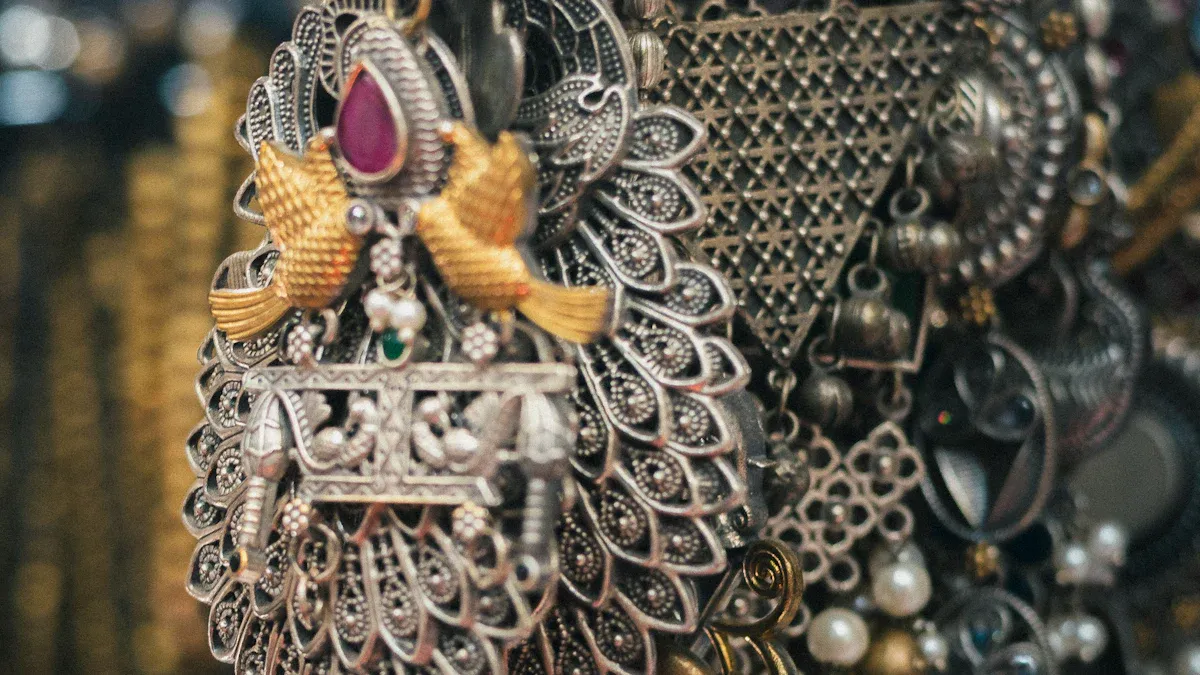
Metal jewelry demands precision and durability from logo application methods. Laser engraving stands out as the preferred choice for metals such as gold, silver, and titanium. This technique creates permanent marks that resist wear and maintain clarity over time. Jewelers often select laser engraving for its ability to reproduce fine details and sharp lines. Screen printing also finds use on flat metal surfaces, especially for bold logos that require vibrant color. However, this method may not suit intricate designs or curved pieces. Advanced 3D printing techniques have expanded creative possibilities for metal jewelry. Designers now produce complex, customized logos directly onto metal components, achieving results that traditional methods cannot match. These innovations support both mass production and limited-edition collections.
Tip: Brands seeking long-lasting, high-precision logos on metal jewelry should prioritize laser engraving or 3D printing.
Gemstone Jewelry
Gemstone jewelry presents unique challenges for logo application. The hardness and delicate nature of gemstones limit the use of direct printing. Most jewelers avoid applying logos directly to gemstone surfaces to prevent damage or poor adhesion. Instead, they focus on branding metal settings, clasps, or attached tags. Laser engraving works well on these metal components, ensuring the logo remains visible without compromising the gemstone. For high-value pieces, jewelers may use subtle engraving on the reverse side of a pendant or ring. This approach preserves the beauty of the gemstone while maintaining brand identity. Pad printing occasionally appears on larger, less delicate stones, but this remains rare due to durability concerns.
Note: Protecting gemstone integrity takes priority. Jewelers should apply logos to supporting metal elements rather than the stones themselves.
Leather and Alternative Materials
Leather and alternative materials, such as wood or fabric, require specialized approaches for effective logo application. Embossing adds texture and depth, making logos, initials, or patterns stand out on leather surfaces. Engraving provides a precise and permanent solution for names, dates, or detailed designs. Personalization remains a key trend in this category. Many brands offer fully customized experiences, allowing customers to create unique gifts or personal keepsakes. The following table summarizes the best practices for logo application on these materials:
| Technique | Key Feature | Best For |
|---|---|---|
| Embossing | Adds texture and depth | Logos, initials, patterns |
| Engraving | Precise and permanent | Names, dates, detailed designs |
| Personalization | Fully customized experience | Unique gifts, personal keepsakes |
Digital printing also finds use on fabric pouches and display cards, delivering vibrant colors and flexibility for small batches. Brands that match the right printing techniques to each jewelry type enhance both visual appeal and product longevity.
Callout: Testing each method on actual material samples ensures the logo appears as intended and meets durability standards.
Common Mistakes to Avoid in Jewelry Logo Printing
Jewelry brands often face challenges when applying logos to their products. Mistakes in this process can undermine brand identity and reduce perceived value. Understanding these pitfalls helps manufacturers achieve professional results and maintain consistency.
Overlooking Material Limitations
Many brands ignore the unique properties of jewelry materials. Metals, leather, and fabric each respond differently to printing. Some logos lose clarity when printed on textured or dark surfaces. For example, intricate designs may fade or become illegible on unsuitable stocks. Manufacturers must test logo applications on actual materials before full production. They should select printing techniques that match the substrate. Choosing the right finishing method, such as hot foil stamping, can enhance logo visibility and prevent common errors.
Note: Treating logo application as a simple task often leads to poor outcomes. Brands should view logo printing as a strategic design choice.
Ignoring Logo Detail Requirements
Complex logos require careful consideration. Attempting to print detailed graphics on challenging surfaces can result in a loss of professionalism. Many brands try to reproduce intricate logos on materials that cannot support fine detail. This mistake causes logos to appear blurred or hard to read. Simplifying the logo for specific applications improves impact and legibility. Manufacturers should consult professionals to determine the best approach for each design. They can use a simplified version of the logo for packaging or select a technique that preserves detail.
- Illegibility of logos often occurs when brands ignore detail requirements.
- Simplified logos maintain clarity and reinforce brand identity.
- Professional consultation ensures the right method for each logo and material.
Underestimating Production Costs
Production costs can escalate quickly when brands overlook the complexity of logo printing. Each technique carries unique expenses, including setup, materials, and finishing. Attempting to use advanced methods for small batches may strain budgets. Manufacturers must evaluate the total cost before committing to a process. They should balance quality expectations with available resources. Consulting experts helps identify cost-effective solutions without sacrificing brand standards.
| Mistake | Impact | Solution |
|---|---|---|
| Underestimating production costs | Budget overruns and inconsistent quality | Consult professionals and plan ahead |
Tip: Brands should always request detailed quotes and compare options before selecting a printing technique.
Manufacturers who avoid these common mistakes achieve consistent, high-quality branding. Careful planning and professional guidance support successful jewelry logo printing.
Expert Tips for Successful Jewelry Logo Printing
Working with Professional Printers
Professional printers bring valuable expertise to jewelry branding projects. They understand the nuances of different printing techniques and can recommend the best approach for each material and logo style. When brands collaborate with experienced printers, they gain access to advanced equipment and quality control processes. These experts help identify potential challenges early, such as ink adhesion or color matching issues. They also provide guidance on cost-effective solutions for both small and large production runs.
A successful partnership starts with clear communication. Brands should share detailed logo files, preferred color palettes, and material samples. This information allows printers to deliver accurate proofs and consistent results. Many professionals also offer advice on finishing options, such as coatings or laminations, that enhance durability and visual appeal.
Tip: Brands should request samples or prototypes before committing to full production. This step helps ensure the final product meets expectations.
Testing and Prototyping
Testing and prototyping play a crucial role in jewelry logo printing. These steps allow brands to evaluate how a logo appears on different materials and surfaces. By using designing and prototyping techniques, manufacturers can identify potential issues with clarity, color, or durability before mass production begins. Prototyping also supports creative exploration, enabling designers to experiment with new ideas and finishes.
A structured testing process includes:
- Reviewing logo visibility on various materials, such as metal, leather, or fabric.
- Assessing the durability of the print under real-world conditions.
- Comparing different printing methods for cost and quality.
Brands that invest time in prototyping reduce the risk of costly mistakes. They also gain confidence that their logos will look professional and remain intact throughout the product’s lifecycle.
Maintaining Brand Consistency
Brand consistency strengthens customer trust and recognition. Jewelry brands should use the same logo across all mediums to avoid confusion. A unified color palette and font style reinforce the brand’s identity and make it memorable. Every printed material, from packaging to business cards, must display the correct logo and essential information.
Key practices for maintaining consistency include:
- Standardizing logo files and color codes for all suppliers.
- Conducting regular quality checks on printed items.
- Training staff to recognize and report inconsistencies.
Callout: Consistent branding signals professionalism and reliability, which increases perceived value among customers.
By following these expert tips, jewelry brands can achieve high-quality, durable, and visually appealing logo printing that supports long-term business success.
Selecting the right printing techniques shapes the success of jewelry branding. Each business should evaluate material, logo design, and budget before making a choice. A clear understanding of printing methods empowers brands to make informed decisions.
Careful planning leads to logos that reflect quality and strengthen brand identity.
FAQ
What printing technique offers the best durability for jewelry logos?
Laser engraving provides the highest durability. This method creates permanent marks on metal and other materials. Logos resist fading, scratching, and daily wear, making laser engraving ideal for high-value jewelry pieces.
Can digital printing handle complex, multi-color logos?
Yes, digital printing excels at reproducing intricate, multi-color logos. This technique captures fine details and vibrant shades. Brands often choose digital printing for packaging, display cards, and small-batch projects.
Is screen printing suitable for curved jewelry surfaces?
Screen printing works best on flat surfaces. For curved or irregular shapes, pad printing offers better adaptability. Pad printing uses a flexible silicone pad that conforms to the jewelry’s contours.
How can brands ensure logo consistency across different materials?
Brands should standardize logo files and color codes. Working with professional printers helps maintain consistency. Testing samples on each material ensures the logo appears uniform and meets quality standards.
What is the most cost-effective method for large production runs?
Offset lithography and flexography provide the best value for high-volume orders. These techniques reduce the cost per item as quantities increase. Both methods deliver consistent quality for packaging and display materials.
Can embossing and debossing be used on all jewelry packaging?
Embossing and debossing work well on paper, leather, and some metals. Not all materials support these techniques. Brands should test samples before full production to ensure the desired effect and durability.
Do all printing techniques support eco-friendly inks?
Not every technique supports eco-friendly inks. Flexography and digital printing often offer sustainable ink options. Brands should consult printers about available eco-friendly solutions for their chosen method.