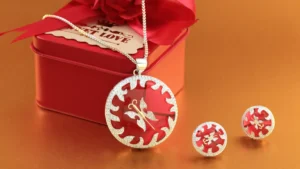
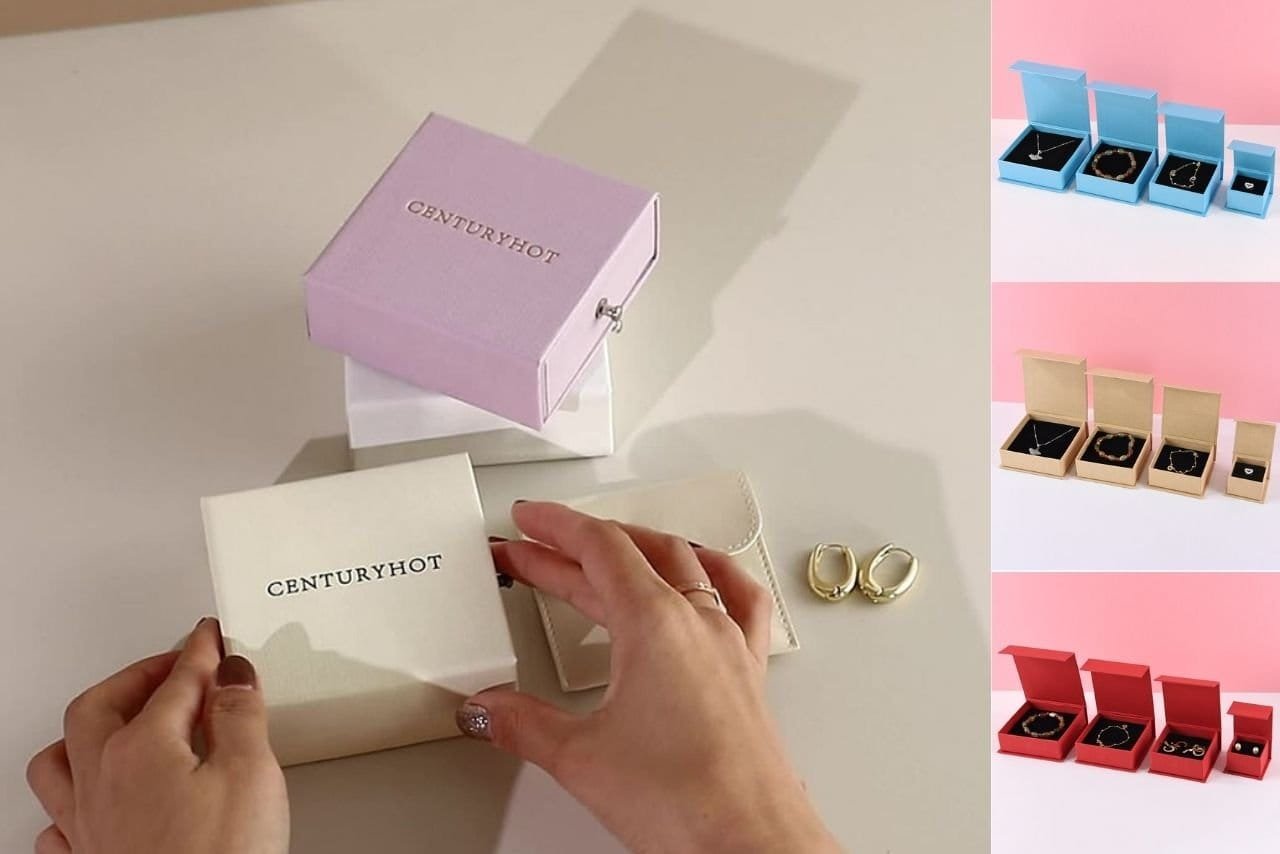
Metal and antique jewelry boxes serve as the benchmark for high-security, archival storage, utilizing non-ferrous alloys and ornate casting techniques to provide a structurally impenetrable environment for high-value ornaments. Unlike organic timber or fabric alternatives, metal enclosures¡ªspecifically those crafted from antimonial lead, silver-plated zinc, or solid brass¡ªoffer superior protection against mechanical crushing and atmospheric degradation. For a professional Jewelry Box manufacturer, the engineering of metal storage focuses on electrolytic stability and the prevention of galvanic corrosion. In the global jewelry packaging sector, these units are prized for their 100-year lifecycle and their ability to house weighted, felt-lined interiors that stabilize heavy collections during international transit or long-term display.
Strategic Technical Analysis
Alloy Science: Zinc, Brass, and Silver-Plating Standards
The durability of a Jewelry Box constructed from metal is dependent on its metallurgical composition. In the premium B2B market, Zamak (Zinc alloy) is the standard for die-casting due to its high dimensional accuracy and ability to take intricate plated finishes. Brass, an alloy of copper and zinc, is preferred for its natural antimicrobial properties and higher tensile strength.
From a technical perspective, a Jewelry Box Factory must ensure that the inner surfaces are lacquered or lined to prevent galvanic corrosion. This occurs when two dissimilar metals¡ªsuch as a gold ring and a zinc box wall¡ªcome into contact in the presence of moisture, potentially damaging the jewelry’s surface.
Antique Mechanics: Repouss¨¦ and Filigree Craftsmanship
Antique metal boxes, particularly those from the Victorian and Edwardian eras, utilize repouss¨¦ and chasing techniques. These involve hammering the metal from the reverse side to create intricate low-relief patterns. This work hardens the metal through cold-working, making the box wall significantly more rigid than a flat sheet of the same thickness.
[Schematic: Cross-section of Repouss¨¦ Metal Wall showing increased structural rigidity]
Filigree work, another hallmark of antique jewelry packaging, uses delicate wires of gold or silver soldered together. While aesthetically pleasing, filigree boxes require a secondary internal glass or silk liner to prevent the stored items from snagging on the metal latticework.
| Metal Type | Hardness (Brinell) | Oxidation Resistance | Archival Suitability |
|---|---|---|---|
| Solid Brass | 60 – 150 | High (with Patina) | Ultra-High |
| Silver-Plated Zinc | 30 – 45 | Moderate | Standard |
| Sterling Silver | 25 – 100 | Low (Requires Polishing) | Premium |
Industrial Specs: Non-Oxidizing Finishes and Linings
To preserve the finish, a professional Jewelry Box manufacturer applies electrophoretic lacquer. This clear, durable coating seals the metal from oxygen and sulfur, eliminating the need for constant polishing. For B2B clients, this is a critical value-add, as it reduces retail maintenance man-hours.
The internal lining of a metal box must be mechanically decoupled from the frame. This is achieved through a multi-step lamination process where the lining¡ªtypically high-denier velvet¡ªis bonded to a neutral cardboard core before being inserted into the metal cavity. This prevents any residual casting chemicals from leaching into the jewelry compartment.
Material Longevity Index: Years of Structural Integrity
*Data represents estimated years before material breakdown or structural failure in average climates.
Professional Procurement & Restoration FAQ
Q1: How do I test if an antique box is solid silver or silver-plated?
A: Look for hallmarks¡ªspecific stamps indicating the purity (e.g., “925” for Sterling). If no hallmark is present, check the wear points (corners and hinges). If a base metal like copper or brass is showing through, the item is plated.
Q2: Are metal jewelry boxes safe for pearls?
A: Only if they are properly lined. Metal can be a heat conductor; if left in the sun, a metal box can dehydrate pearls, causing them to lose their luster or crack. Always store metal boxes in a cool, stable environment.
Q3: How do I remove heavy oxidation from a brass antique box?
A: Use a non-abrasive chelating agent (like a mild citric acid solution or professional brass cream). Avoid steel wool or heavy abrasives, as these will destroy the fine chasing and engraving details of the piece.
Article References & Industry Data:
- Metallurgical Stability of Die-Cast Zinc Alloys – The New York Times Science
- Galvanic Corrosion in Multi-Metal Storage Environments – Business Insider Retail Insights
- Hardness Standards and Tensile Strength of Non-Ferrous Metals – Home Depot Professional Guide
- Archival Preservation of Antique Metallic Artifacts – WOLF 1834 Engineering Blog