Luxury jewelry packaging shapes consumer expectations and elevates brand value in a rapidly evolving market. Recent studies reveal that 81% of jewelry buyers consider sustainability, while 70% remain loyal to eco-friendly brands.
| Statistic | Description |
|---|---|
| 81% | Jewelry buyers consider sustainability in their purchases, highlighting the importance of eco-friendly packaging. |
| 62% | Gen Z buyers prefer brands with sustainable packaging, indicating a shift in consumer values. |
| 70% | Shoppers show increased loyalty to eco-friendly brands, reinforcing the impact of sustainable practices on brand value. |
Brands such as Pandora and Mejuri demonstrate how custom jewelry boxes, innovative Jewelry Display, and eco-conscious Jewelry Pouch solutions can drive engagement and loyalty. Forward-thinking jewelry packaging manufacturer strategies now set the standard for standout jewelry packaging in the luxury sector.
Sustainability with a Premium Feel in Luxury Jewelry Packaging
Eco-Friendly Materials and Biodegradable Options
Plant-Based and Recycled Packaging Solutions
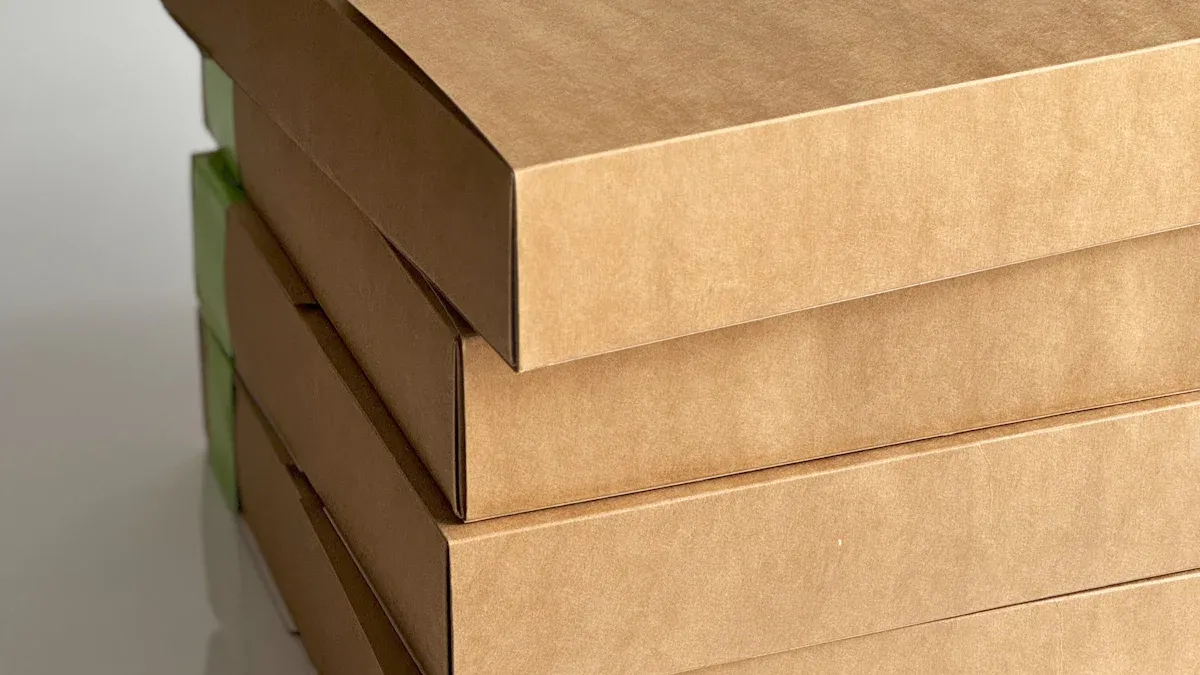
Luxury jewelry packaging now prioritizes sustainability with a premium feel, reflecting a shift in consumer values and packaging trends 2026. Over one-third of luxury buyers prefer eco-friendly jewelry packaging that maintains high-end aesthetics. Brands have responded by adopting plant-based and recycled materials, ensuring that packaging design trends do not compromise on elegance. Recycled paper and corrugated cardboard create a circular economy, transforming discarded materials into new jewelry packaging. Organic fabrics such as cotton and hemp offer a luxurious touch, while mycelium and seaweed-based alternatives are emerging as innovative, environmentally friendly materials. Kraft paper and recycled cardboard, made from up to 100% post-consumer waste, are easily recyclable and biodegradable. Natural fiber bags, including organic cotton and burlap, extend their lifespan through reusability as part of packaging. Biodegradable plastics like PLA provide structure similar to traditional plastics but with reduced environmental impact.
Brands that embrace eco-friendly materials enhance their reputation and appeal to environmentally conscious consumers. Sustainable packaging options help mitigate the negative effects of traditional plastic, which often contributes to environmental harm.
Recycled Metals and Papers in Jewelry Packaging
Recycled metals and papers have become essential in jewelry packaging trends. Clever engineering allows brands to use 100% recycled paper, showcasing high-end jewelry box designs that deliver a premium tactile experience. Textured recycled cardstocks often surpass traditional materials in both feel and appearance. Recycled material packaging reduces waste and supports environmental consciousness, positioning brands as leaders in sustainability.
| Packaging Type | Environmental Impact | Brand Perception |
|---|---|---|
| Traditional Plastic Packaging | High pollution, non-biodegradable | Negative, seen as environmentally irresponsible |
| Biodegradable Packaging | Lower pollution, biodegradable | Positive, seen as eco-friendly |
| Recycled Material Packaging | Reduced waste, recyclable | Positive, seen as sustainable |
Minimalist, Waste-Reducing Luxury Packaging Structures
Flat-Pack and Collapsible Designs for Sustainability
Minimalist packaging design reduces waste by using fewer materials and simpler structures. Flat-pack and collapsible designs have gained popularity in luxury jewelry packaging, aligning with packaging design trends that emphasize sustainability. Recycled kraft structures replace traditional plastic-laminated boxes, lowering production costs and carbon footprints. Materials such as GRS-certified bioplastics and recycled cardboard from plant-based sources offer durability and clarity, meeting the demands of high-end jewelry brands.
Multi-Use and Reusable Luxury Jewelry Packaging
Multi-use and reusable packaging enhances the gifting experience and supports sustainability. Reusable pouches provide extended utility, protecting jewelry from tarnish and moisture. Modular jewelry box designs allow consumers to customize their use, repurposing packaging as keepsake boxes or desk organizers. This versatility adds value and encourages reusability as part of packaging, aligning with environmental values and increasing customer satisfaction. Creative packaging can become cherished items, contributing to a positive brand image and driving innovation in the jewelry industry.
Smart Packaging and Technology-Driven Jewelry Packaging Trends
NFC, QR Codes, and Authentication Features
Anti-Counterfeiting Solutions for Luxury Brands
Luxury jewelry packaging increasingly relies on advanced authentication features to protect brand integrity and reassure buyers. Tamper-evident labels and security tapes use unique patterns and reactive inks that display a ‘VOID’ message when altered. QR codes and serial numbers link each jewelry item to a secure database, allowing consumers to verify authenticity with ease. Tamper-evident seals, such as permanent shrink-wrap tape, provide immediate evidence of unauthorized access. These anti-counterfeiting measures help luxury brands defend against imitation and build trust with discerning customers.
Brands benefit from smart packaging technology by gaining counterfeiting defense, crafting compelling brand stories, and collecting valuable customer data.
Interactive Brand Experiences via Smart Packaging
Smart packaging transforms the consumer experience by integrating NFC tags and QR codes. Tiffany & Co. reports a 40% increase in customer engagement rates from NFC-enabled packaging compared to traditional methods. NFC tags deliver authentication, care instructions, and exclusive brand content directly to the consumer. This approach reinforces product value and strengthens brand loyalty. Customers interact with jewelry packaging using their smartphones, unlocking personalized messages and digital experiences that elevate the unboxing moment.
- NFC-enabled packaging offers:
- Instant product authentication
- Access to exclusive content
- Enhanced customer engagement
Augmented Reality (AR) and Digital Integration
Virtual Try-On and Storytelling in Jewelry Packaging
Augmented reality integration in jewelry packaging creates immersive experiences for buyers. Customers scan packaging to activate virtual try-on features, allowing them to visualize jewelry pieces in real time. AR technology also enables brands to tell vivid stories through 3D displays of images and information. These interactive elements increase perceived value and make the unboxing experience memorable.
- AR-enhanced packaging provides:
- Virtual try-on capabilities
- 3D storytelling and brand history
- Interactive mini-games tied to events and campaigns
Digital Certificates and Connected Packaging Ecosystems
Digital integration extends beyond AR, connecting packaging to broader ecosystems. Digital certificates embedded in packaging verify authenticity and provenance, offering peace of mind to buyers. Connected packaging links jewelry items to online platforms, enabling seamless access to product information, warranty registration, and loyalty programs. This trend in design ensures that luxury brands remain at the forefront of innovation, delivering both security and engagement.
The convergence of smart technology and luxury jewelry packaging sets new standards for authenticity, interactivity, and consumer satisfaction.
Hyper-Personalization and Custom Luxury Jewelry Packaging
Bespoke Packaging and Customization Platforms
Monogramming, Engraving, and Personalized Inserts
Luxury jewelry packaging now embraces hyper-personalization, transforming the unboxing experience into a memorable event. Brands offer monogramming, engraving, and personalized inserts to create a unique connection with each customer. Jewelers use advanced platforms to deliver these bespoke touches at scale. In 2023, 42% of jewelers launched integrated mobile apps or online platforms to facilitate remote customization. These tools allow customers to select fonts, motifs, and messages for their jewelry box designs. Blockchain-based certification has also gained traction, with over 300 customization brands adopting this technology for high-value gems. This approach ensures authenticity and adds a layer of trust to the packaging.
The adoption of AR and virtual try-on technology has surged, with 38% of global jewelers implementing these features. Consumers under age 35 show a strong preference for interactive experiences, with more than half engaging with virtual customization tools before making a purchase. AI-driven design suggestions further enhance the process, improving upselling rates by 28%. These innovations enable brands to offer custom jewelry packaging that reflects individual tastes and stories.
On-Demand Design Tools and Limited Editions
On-demand design tools have revolutionized packaging design trends in the luxury sector. Retailers and designers installed over 1,500 new 3D printing machines in 2023, reducing lead times by up to 35% and lowering production waste by 28%. This technology allows for rapid prototyping and the creation of intricate, one-of-a-kind packaging. Customers can visualize their selections in virtual showrooms, a trend that increased conversion rates by 39%.
Limited edition packaging elevates the jewelry experience by introducing exclusivity and urgency. Brands release packaging available only for a short period or in restricted quantities. These editions often feature unique designs or premium materials not found in standard packaging. This strategy helps luxury brands stand out in a crowded market, enhancing both brand image and perceived value. High-end packaging design remains vital for differentiation, especially as consumers seek products that reflect their individuality.
- Key benefits of limited edition and on-demand packaging:
- Creates a sense of exclusivity and urgency
- Enhances perceived value and brand prestige
- Differentiates luxury brands from mass-market options
Personalization and exclusivity now define the future of jewelry packaging. Brands that invest in these trends will continue to lead the industry, offering experiences that resonate with modern consumers.
Sensory and Multi-Sensory Experiences in Luxury Jewelry Packaging
Tactile Materials and Textured Exteriors
Velvet, Suede, Embossed, and Carved Designs
Luxury jewelry packaging now prioritizes tactile engagement as a core element of the gifting experience. Brands select materials such as velvet, suede, silk, and satin to create a soft, inviting touch. These fabrics not only protect jewelry but also elevate the unboxing moment, making it memorable for recipients. Packaging design trends show that embossed logos, carved patterns, and natural shapes enhance the tactile experience. When customers run their fingers over a jewelry box, the texture can evoke emotions and reinforce perceptions of value. Physical contact with these materials strengthens the emotional connection between the consumer and the brand.
- Packaging designs engage multiple senses, incorporating textures, sounds, and scents.
- Features like embossed logos and soft-touch finishes enhance tactile experience.
- Materials such as velvet, silk, and satin are preferred for their luxurious feel.
- The feel of materials can evoke emotions and perceptions of value.
Metallic Accents and Hot Stamping for Opulence
Designers often add metallic accents and hot stamping to jewelry packaging to signal opulence and craftsmanship. Gold or silver foiling, metallic trims, and hot-stamped logos catch the light and draw attention to the premium nature of the product. These details create a striking visual contrast against soft fabrics, reinforcing the luxury positioning of the brand. Jewelry box designs that combine tactile richness with metallic highlights stand out in a competitive market.
Scented and Sound-Enhanced Packaging
Signature Fragrances in Packaging
Scented packaging has emerged as a powerful tool in luxury branding. Many brands infuse their packaging with signature fragrances that align with their identity. This subtle addition enhances the customer experience and creates subconscious associations with exclusivity and indulgence. The right scent can transform the act of unboxing into a multisensory ritual, making the gifting experience unforgettable.
- Adding scents to packaging enhances customer experience and should align with the brand’s identity.
- Infusing packaging with signature scents creates subconscious brand associations, enhancing feelings of exclusivity and indulgence.
Audio Branding and Unboxing Soundscapes
Sound also plays a vital role in luxury jewelry packaging. The gentle rustle of tissue paper, the soft pull of a ribbon, or the satisfying click of a magnetic closure all contribute to the overall sensory experience. These sounds signal quality and attention to detail, reinforcing the premium positioning of the brand. Packaging design that incorporates audio cues can elevate the perceived value of the jewelry and leave a lasting impression.
- The sounds produced by packaging materials, like tissue paper or magnetic closures, enhance the overall sensory experience.
- The sound of packaging features, such as magnetic closures or soft ribbon pulls, contributes to a luxurious experience.
Luxury brands that embrace multi-sensory packaging design set new standards in the industry. By engaging touch, scent, and sound, they create a holistic and memorable gifting experience that resonates with modern consumers and defines the future of jewelry packaging.
Artistic Collaborations and Limited Edition Jewelry Packaging Trends
Designer and Artist Partnerships in Luxury Packaging
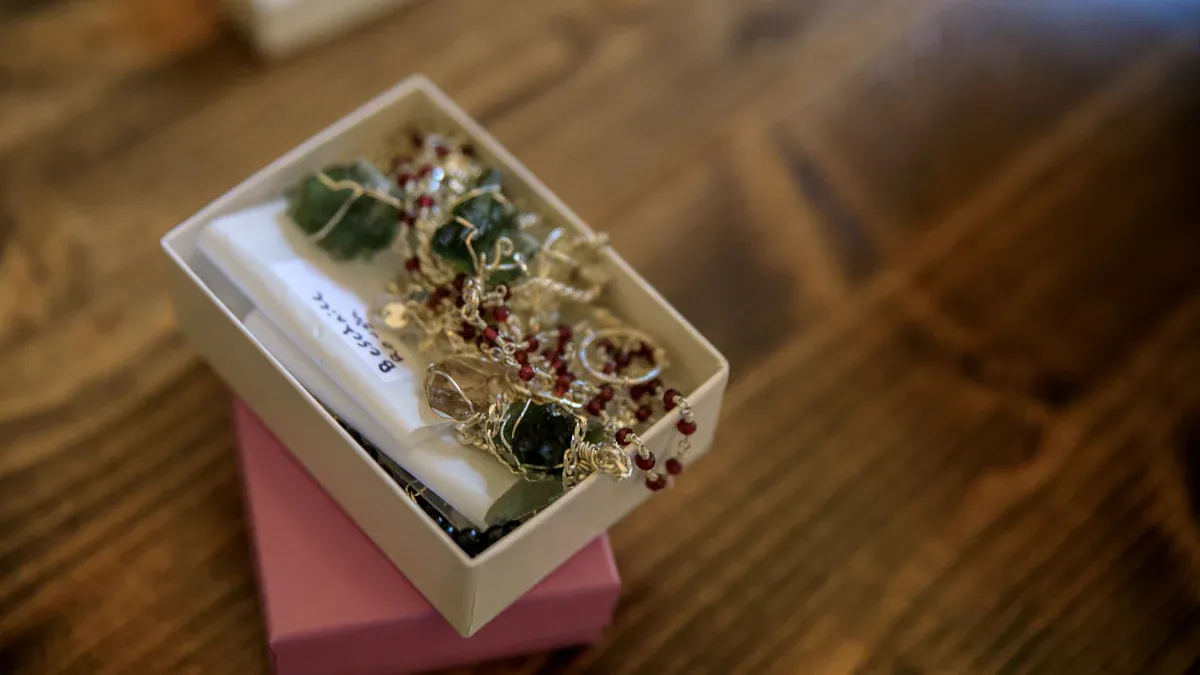
Luxury brands increasingly seek partnerships with renowned designers and artists to create distinctive jewelry packaging. These collaborations elevate brand image and introduce fresh perspectives to packaging design. By working with creative visionaries, brands can infuse their packaging with unique artistic elements that resonate with collectors and enthusiasts.
- Effy Jewelry presents a striking example. The brand’s packaging features a gold and light brown exterior, while the interior showcases a bold leopard print. This combination enhances visual appeal and strengthens brand recognition.
- Van Cleef & Arpels collaborated with artist Kunihiko Moriguchi to produce a jewelry box that merges traditional Japanese art with modern design. This partnership reflects the brand’s commitment to innovation and cultural integration.
- Cartier’s iconic deep red jewelry box stands as a symbol of luxury and craftsmanship. The instantly recognizable design reinforces the brand’s prestigious reputation.
These partnerships not only create memorable unboxing experiences but also set new standards in packaging design trends. Brands that invest in exclusive artwork and co-branded collections often see increased customer engagement and loyalty. Collectors value these limited pieces, viewing them as extensions of the jewelry itself.
Exclusive Artwork and Co-Branded Collections
Exclusive artwork transforms jewelry box designs into collectible items. Brands commission artists to develop limited-edition graphics, patterns, or motifs that reflect the essence of the collection. Co-branded collections allow two creative forces to merge, resulting in packaging that tells a compelling story. This approach appeals to consumers who seek individuality and artistic expression in every detail.
Seasonal, Event-Based, and Pop Culture Editions
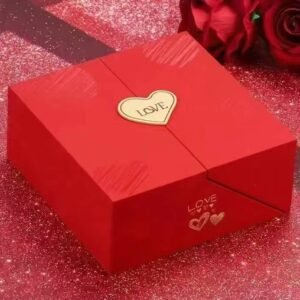
Limited edition packaging often aligns with seasonal events, holidays, or pop culture moments. Brands release special packaging for occasions such as Lunar New Year, Valentine’s Day, or major film premieres. These editions feature unique colors, symbols, or illustrations that capture the spirit of the event.
Holiday, Special Occasion, and Trend-Driven Designs
Packaging design adapts to reflect current trends and cultural moments. For example, a jewelry brand may introduce packaging inspired by trending colors or motifs from the fashion world. Holiday editions might include festive patterns, metallic finishes, or interactive elements that enhance the gifting experience. These limited releases generate excitement and encourage customers to collect or share their experiences on social media.
Brands that embrace artistic collaborations and limited editions position themselves at the forefront of innovation. They demonstrate a deep understanding of consumer desires for exclusivity, creativity, and cultural relevance in jewelry packaging.
Transparency, Ethical Sourcing, and Conscious Luxury Packaging
Visible Supply Chain and Traceability in Jewelry Packaging
Traceability Labels, Tags, and Certifications
Brands now recognize that transparency in the supply chain builds trust and sets new standards in luxury. Recent trends show that consumers want to know the origins of their jewelry and the journey each piece takes before reaching them. Companies have responded by integrating advanced traceability features into their packaging. Digital Product Passports (DPPs), introduced by MISSOMA in 2024, provide customers with detailed information about production locations, supplier certifications, materials, and packaging. This innovation allows buyers to verify ethical sourcing and strengthens brand credibility.
Technology plays a crucial role in this transformation. Digital tags, such as NFC and RFID, are embedded in packaging to enhance security and traceability. These tags not only protect against counterfeiting but also encourage post-purchase engagement. As a result, brands expect a significant increase in social media shares related to unboxing experiences by 2026. The table below highlights the latest advancements in supply chain transparency for jewelry packaging:
| Advancement | Description |
|---|---|
| Digital Product Passports (DPPs) | Launched by MISSOMA in 2024, these passports enhance traceability by providing customers with information on production locations, supplier certifications, materials, and packaging, thus improving transparency in the jewelry industry. |
| Technology Integration | The integration of technology is transforming packaging into interactive tools that enhance security and traceability, while also driving post-purchase engagement. |
| Digital Tags (NFC/RFID) | Embedded in packaging for improved security and customer engagement, these tags are expected to increase social media shares related to unboxing experiences significantly by 2026. |
Storytelling and Brand Heritage in Packaging
Ethical Narratives and Customer Journey Highlights
Luxury brands use packaging as a canvas to communicate their values and heritage. They incorporate historical references, such as iconic logos from the brand’s early days, to connect with their legacy. Hand-drawn illustrations often narrate the brand’s journey, offering a visual story that resonates with customers. Some brands include a personal message from the founder, sharing insights about the creation and mission of the company. These thoughtful touches foster a deeper emotional connection between the brand and the consumer.
Sustainable packaging features, like biodegradable materials and minimalist designs, also communicate a commitment to responsibility. By choosing these elements, brands demonstrate their dedication to ethical sourcing and environmental stewardship. The following list summarizes how brands use packaging to highlight their heritage and ethical practices:
- Incorporate historical references, such as an iconic logo from the brand’s early days.
- Use hand-drawn illustrations to narrate the brand’s journey.
- Include a personal message from the founder about the brand’s creation.
- Feature sustainable packaging elements like biodegradable materials and minimalistic designs.
These strategies ensure that jewelry packaging not only protects the product but also tells a meaningful story. As trends evolve, transparency and ethical sourcing remain central to the luxury experience, shaping consumer expectations and reinforcing brand loyalty.
Compact, Travel-Friendly, and Vintage-Inspired Luxury Jewelry Packaging
Portable, Protective, and Modular Cases
Travelers expect jewelry packaging that combines elegance with practicality. Brands now design cases that protect valuables while maintaining a refined appearance. The Billstone Amour Jewelry Travel Case demonstrates this approach. Its soft ivory suede lining prevents scratches and adds a touch of sophistication. The compact form factor fits easily into luggage, yet the interior remains spacious enough for multiple pieces.
| Feature | Description |
|---|---|
| Organization | Stackable trays, removable dividers, and foldable sections keep jewelry tidy. |
| Protection | Velvet or suede linings prevent scratches and tarnishing. |
| Stylish Design | Wood, leather, and acrylic offer durability and visual appeal. |
| Compact Size | Small designs maximize storage while saving space. |
| Security | Magnetic closures or locks protect valuable items. |
Travel-Ready and Stackable Jewelry Boxes
Frequent travelers value organization and security. Many jewelry box designs now include individual hooks or compartments to prevent tangling. Adjustable hooks accommodate necklaces of different lengths. Lightweight construction ensures easy portability. Dedicated compartments keep rings, earrings, and bracelets separated.
- Organizational features such as ring rods and necklace hooks help users keep items sorted.
- Compact sizing avoids bulk while maximizing storage capacity.
These trends reflect a shift toward modular solutions. Stackable boxes allow users to customize storage based on their needs. Protective linings and secure closures ensure that jewelry remains safe during transit.
Vintage Jewelry Boxes and Nostalgic Design Elements
Consumers increasingly seek packaging that evokes a sense of history and timelessness. A 2022 Emarsys study found that 60% of US consumers regularly purchase vintage items. Many buyers choose antiques for home decoration, sentimental value, or as part of a vintage hobby.
Nimesh Shah, marketing director of Feel Good Contacts, stated: “The demand for vintage is greater now than ever; everyone still pursues a simple and traditional shopping experience. Like the jewelry itself, jewelry boxes often tell their own unique stories.”
Timeless Elegance and Retro-Inspired Packaging
Georgian ring boxes, crafted from Moroccan leather and gilded wood, exemplify the enduring appeal of vintage art. These pieces transport consumers on a journey through time, blending nostalgia with modern luxury. Brands incorporate retro-inspired details such as ornate clasps, velvet interiors, and hand-painted motifs. These elements create a sense of timeless elegance and reinforce the emotional connection between the consumer and the product.
Packaging that draws on vintage influences stands out in a crowded market. It appeals to those who appreciate craftsmanship and the stories behind each piece. As trends evolve, the fusion of travel-friendly innovation and nostalgic design ensures that jewelry packaging remains both functional and memorable.
Elevated Unboxing and Experiential Luxury Jewelry Packaging
Layered, Reveal-Based, and Sequential Unwrapping
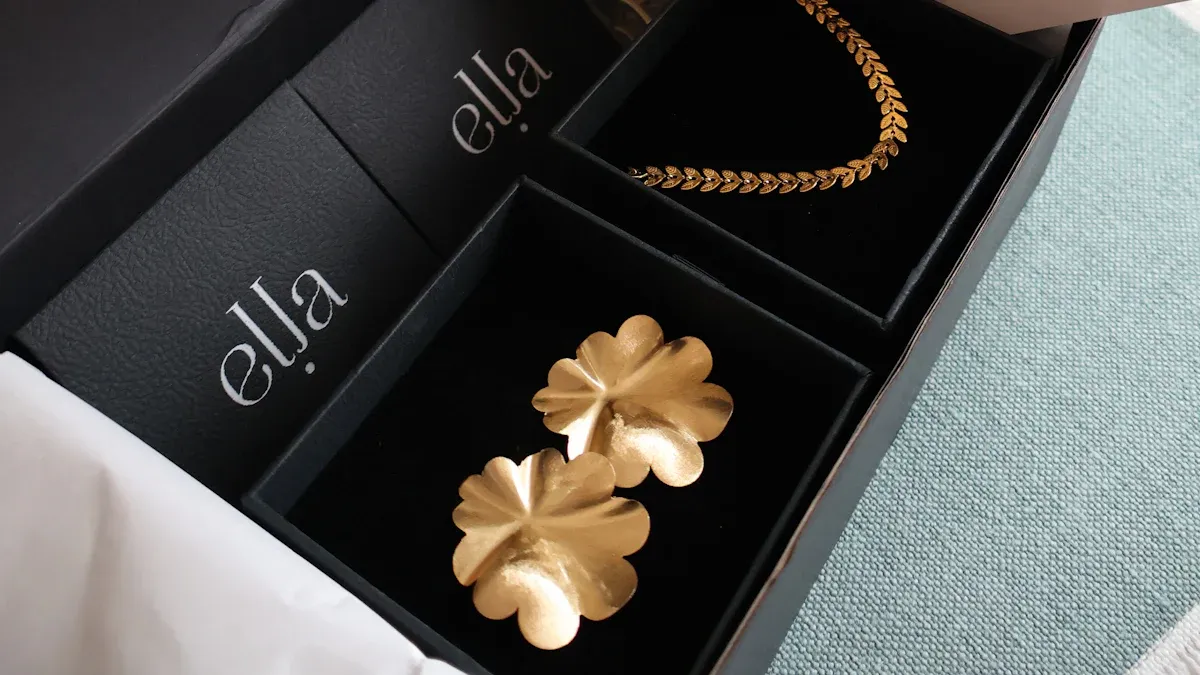
Luxury brands now focus on creating layered unboxing experiences that captivate consumers from the first touch. Designers use rigid boxes and innovative openings to build anticipation and deliver a memorable reveal. Sequential unwrapping encourages customers to explore each layer, transforming the act of opening jewelry packaging into a ritual. Brands often incorporate hidden compartments and surprise elements, such as concealed drawers or secret pockets, to delight recipients and enhance perceived value.
Hidden Compartments and Unboxing Surprises
Hidden compartments serve as a hallmark of elevated packaging. These features allow brands to present jewelry in unexpected ways, adding a sense of discovery. Some boxes include small drawers for certificates or care instructions, while others hide personalized notes beneath removable trays. The deliberate unboxing process builds anticipation and confidence in the brand. High-quality materials, such as wood, leather, and specialty fabrics, reinforce the luxury perception and create emotional responses. Consumers often share memorable unboxing moments on social media, with 40% likely to post experiences that feature surprise elements.
A well-crafted box indicates a high level of care from the brand. The use of premium materials and innovative structures elevates perceived value by up to 24%.
| Element | Description |
|---|---|
| Material Selection | Use of premium materials like wood, leather, and specialty fabrics enhances luxury perception. |
| Structure and Design | Rigid boxes and innovative openings improve protection and create a memorable reveal experience. |
| Finishing Touches | Techniques like embossing and foil stamping add tactile and visual appeal to the packaging. |
| Branding | Strategic logo placement and consistent style reinforce brand identity and recognition. |
| Personalization | Including thank-you notes and customized messages fosters a personal connection with customers. |
Premium Finishing Touches and Craftsmanship
Brands elevate jewelry packaging through meticulous finishing touches and expert craftsmanship. Heavier substrates convey solidity, while restrained color palettes enhance sophistication. Minimal copy reflects confidence and simplicity, allowing the product to shine. Hand-tied ribbons, custom tissue, and wrapping papers add elegance and reinforce the brand’s attention to detail.
Hand-Tied Ribbons, Custom Tissue, and Wrapping Papers
Hand-tied ribbons provide a tactile and visual accent, signaling care and exclusivity. Custom tissue papers protect jewelry and introduce subtle branding through patterns or logos. Wrapping papers, often embossed or foil-stamped, create a striking first impression. These finishing touches serve as quality signals, shaping perceived value and emotional attachment before the product is experienced. High-quality packaging materials and deliberate unboxing processes build anticipation and foster trust in the brand.
- Heavier substrates convey solidity.
- Restrained color palettes enhance sophistication.
- Minimal copy reflects confidence and simplicity.
- High-quality materials enhance emotional responses.
- A deliberate unboxing process builds anticipation and confidence in the brand.
Luxury packaging trends now prioritize experiential design, transforming jewelry gifting into a memorable event. Brands that invest in layered reveals, hidden surprises, and premium finishing touches set new standards for consumer engagement and brand loyalty.
Digital-Physical Integration and Social Media-Ready Packaging
Connected Packaging and Loyalty Program Integration
Luxury brands now recognize the value of merging physical packaging with digital experiences. Connected packaging uses embedded technologies, such as NFC chips and QR codes, to link physical jewelry boxes to online platforms. When customers scan these codes, they unlock exclusive content, care instructions, or invitations to join loyalty programs. This seamless integration encourages repeat purchases and strengthens brand relationships.
Digital Certificates and Online Authentication
Digital certificates have become a standard in luxury jewelry packaging. Brands embed unique digital IDs within each package, allowing customers to verify authenticity instantly. This process builds trust and reassures buyers about the origin and quality of their jewelry. Online authentication also supports warranty registration and after-sales services, creating a secure and transparent customer journey. By connecting packaging to digital records, brands protect against counterfeiting and enhance the overall ownership experience.
Instagrammable and Shareable Jewelry Packaging Trends
Social media now shapes first impressions of products, especially on platforms like Instagram. Brands design packaging with visual impact in mind, ensuring every detail looks stunning in photos and videos. Gift-like presentation, vibrant colors, and creative structures encourage customers to share their unboxing moments online. This organic content increases brand awareness and reaches new audiences.
Unboxing Content Creation and Social Media Features
Customers feel excited to share their jewelry purchases when the packaging delights them. Well-designed packaging often appears on social media as frequently as the jewelry itself. Premium unboxing experiences create an immediate psychological bond, making the moment memorable and increasing the perceived value of the product. Brands that stay aware of current Instagram trends can maximize their exposure and engagement.
- Visually appealing packaging drives social media shares and boosts brand visibility.
- Gift-like presentation encourages customers to create unboxing content.
- Premium unboxing experiences enhance emotional connections and perceived value.
- Awareness of Instagram trends helps brands shape positive first impressions.
Note: Brands that invest in social media-ready packaging gain a competitive edge in the digital age. They turn every customer into a potential brand ambassador, amplifying their reach through authentic, user-generated content.
Bold Colors, Minimalist Palettes, and Visual Statements in Luxury Jewelry Packaging
Vibrant Color Palettes and Metallic Finishes
Luxury brands now embrace bold color choices to create memorable first impressions. Jewel tones such as emerald green, sapphire blue, and ruby red dominate the latest trends. These rich hues evoke a sense of opulence and sophistication. Matte off-white finishes offer a modern alternative, providing a clean backdrop that highlights the jewelry inside. Hazy blue shades introduce a calming effect, appealing to consumers who seek tranquility and elegance.
Designers often pair vibrant colors with metallic finishes. Gold, silver, and rose gold accents catch the light and add a layer of refinement. These metallic touches appear on box edges, logo stamps, and interior linings. The combination of bold color and metallic detail signals exclusivity and craftsmanship. Brands use these visual cues to differentiate their packaging in a crowded market.
A striking color palette can transform packaging into a visual statement, making the unboxing experience unforgettable.
Artistic Patterns, Graphics, and Cultural Motifs
Brands increasingly incorporate artistic patterns and cultural motifs to appeal to diverse markets. Designers draw inspiration from global art, heritage, and contemporary graphics. This approach allows packaging to tell a story and connect with consumers on a deeper level.
Geometric, Abstract, and Heritage-Inspired Designs
Geometric shapes and abstract graphics bring a modern edge to jewelry packaging. Clean lines and bold patterns create visual interest without overwhelming the product. Heritage-inspired designs, such as traditional symbols or motifs, celebrate cultural roots and add meaning to the presentation.
The table below highlights how cultural influences shape design elements in luxury packaging:
| Cultural Influence | Design Elements | Example Use Case |
|---|---|---|
| Middle Eastern Designs | Vibrant colors and intricate patterns | Highlights the region’s rich heritage |
| Scandinavian Aesthetics | Minimalist design emphasizing functionality and simplicity | Appeals to consumers valuing simplicity and practicality |
Designers also focus on artisan details to showcase craftsmanship. Handcrafted elements and hand-stitched pouches add authenticity and value. Many brands incorporate heritage motifs, using traditional patterns or symbols that reflect cultural or historical roots.
- Artisan details: Handcrafted elements and hand-stitched pouches showcase craftsmanship.
- Heritage motifs: Traditional patterns or symbols reflect cultural or historical roots.
These visual statements help brands stand out and resonate with a global audience. Artistic packaging not only protects the jewelry but also enhances the overall experience, making each piece feel unique and meaningful.
Luxury jewelry packaging continues to evolve, driven by packaging trends 2026 that emphasize sustainability with a premium feel and memorable gifting experiences. Industry experts highlight ten essential jewelry packaging trends:
- Minimalist packaging with emotional connection
- Multi-use and sustainable packaging
- Cultural symbols and storytelling
- Personalization for memorable unboxing
- Eco-conscious materials and certifications
- Bold colors and artistic designs
- Tech-enhanced smart packaging
- Accessible and inclusive designs
Brands that prioritize innovation and sustainability gain a competitive advantage. Research shows that sustainability increases brand trust, price resilience, and perceived premium quality. Jewelry packaging that reflects these values positions luxury brands at the forefront of the market.
FAQ
What materials define sustainable luxury jewelry packaging in 2026?
Brands use recycled paper, plant-based plastics, organic fabrics, and biodegradable materials. These choices reduce environmental impact and maintain a premium look and feel.
How does technology enhance jewelry packaging?
Smart packaging uses NFC chips, QR codes, and digital certificates. These features provide authentication, interactive experiences, and instant access to product information.
Why do brands focus on personalization in packaging?
Personalized packaging creates a unique connection with customers. Monogramming, engraving, and custom inserts help brands stand out and increase customer loyalty.
What makes packaging “Instagrammable” for luxury jewelry?
Vibrant colors, creative structures, and premium finishing touches encourage customers to share unboxing moments. Social media-ready packaging increases brand visibility and engagement.
How do brands ensure ethical sourcing in packaging?
Brands use traceability labels, digital product passports, and certifications. These tools provide transparency about material origins and ethical practices.
Are vintage-inspired jewelry boxes still popular?
Yes. Vintage designs evoke nostalgia and timeless elegance. Many consumers value retro details, ornate clasps, and hand-painted motifs in modern packaging.
What role does sensory experience play in luxury packaging?
Tactile materials, signature scents, and unique sounds create memorable unboxing experiences. These sensory elements reinforce the brand’s premium positioning.
How do limited edition packaging trends impact consumer behavior?
Limited editions create urgency and exclusivity. Customers feel motivated to purchase quickly and often view the packaging as collectible.