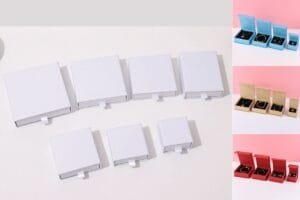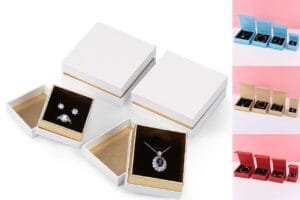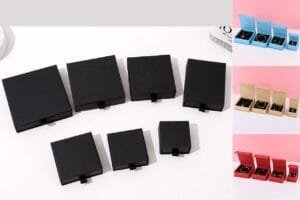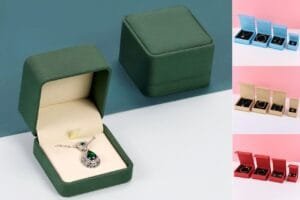
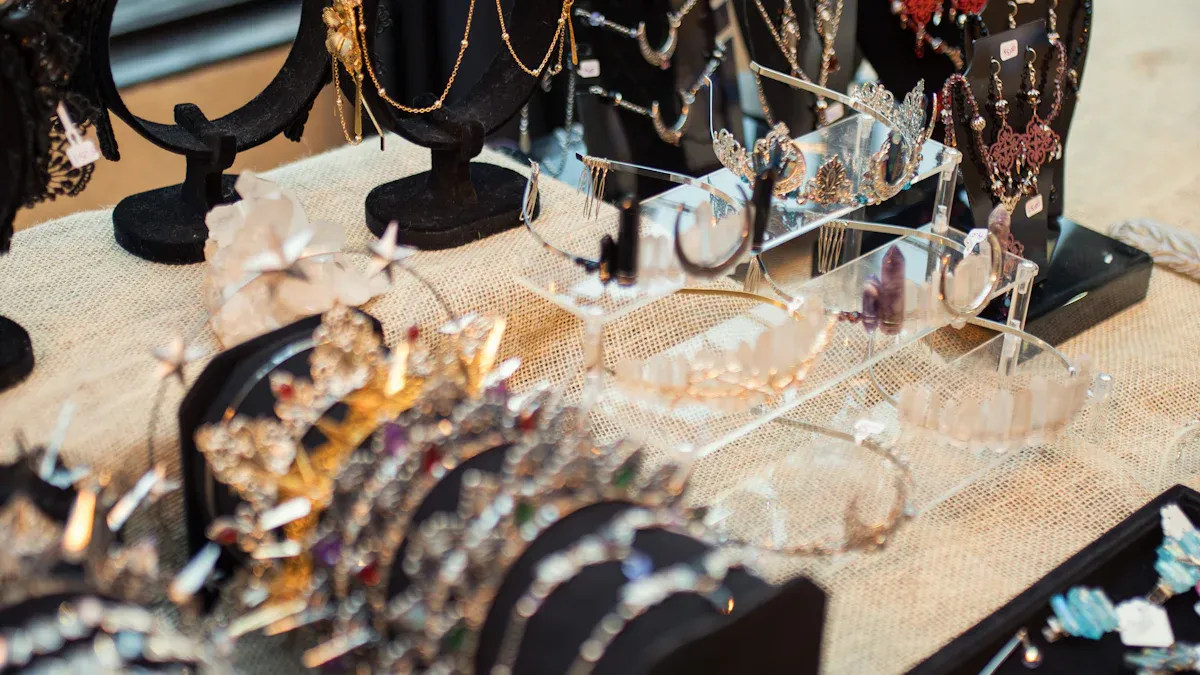
Efficient logistics and shipping ensure wholesale Jewelry Display shipments arrive safely and cost-effectively. Standardized QC protocols reduce errors, while modular SKU architecture streamlines warehousing for jewelry packaging. ISTA-certified transit testing protects custom jewelry boxes from damage. Agile supply chain response supports rapid fulfillment by jewelry packaging manufacturer. The following table shows immediate steps proven to minimize costs and prevent damage:
| Step | Description |
|---|---|
| Standardized QC Protocols | Apply consistent SOPs across all batches. |
| Modular SKU Architecture | Use unified profiles for efficient warehousing. |
| ISTA-Certified Transit Testing | Conduct drop and vibration tests for safe transit. |
| Agile Supply Chain Response | Enable rapid market entry with 3-day sampling. |
Jewelry Pouch shipments also benefit from these strategies, ensuring timely delivery and customer satisfaction.
Logistics and Shipping: Why It Matters for Wholesale Jewelry Displays
Impact on Display Quality and Shipping Jewelry
Logistics and shipping play a critical role in maintaining the quality of wholesale jewelry displays. Retailers and e-commerce businesses rely on high-quality displays to enhance presentation and maximize product visibility. A reliable carrier ensures that jewelry arrives safely, while strong packaging materials protect against collisions and friction during shipping. Suppliers often use bubble wrap, rigid boxes, and corner guards to safeguard each display. Proper packaging prevents damage, especially for delicate items, and supports an organized presentation for enhanced retail experience. High-quality displays contribute to a professional brand image by elevating e-commerce presentation and improving customer engagement. Clear communication about freight and delivery times also helps avoid misunderstandings and ensures timely arrival.
Tip: Always ask suppliers about their shipping carriers, tracking options, and insurance coverage to guarantee safe and reliable delivery of jewelry displays.
Customer Satisfaction in Retail and Wholesale
Customer satisfaction depends on the reliability and speed of logistics and shipping. Retail and wholesale buyers expect timely delivery and accurate tracking information. The following table highlights key factors that influence customer experience:
| Factor | Description |
|---|---|
| Shipping Speed & Reliability | Confirm average delivery times, international shipping options, and tracking availability. |
| Worldwide Shipping & Handling | Multiple shipping options with insurance and tracking ensure timely delivery and reduce logistical challenges. |
Retailers benefit from logistics systems that support enhancing product visibility and improving customer experience. Wholesale buyers appreciate flexible shipping options, which help them meet market demands and maintain inventory levels. Organized logistics and shipping processes lead to higher satisfaction rates and repeat business.
Cost Risks in Logistics and Shipping
Cost risks in logistics and shipping can impact both retail and wholesale operations. Businesses must treat packaging as a professional system to avoid costly mistakes. Damaged jewelry displays result in lost customer value, negative branding, and increased replacement expenses. Premium packaging reduces the risk of shipping incidents and protects profits. Shipping logistics can significantly affect total investment, especially for large wholesale orders. Companies should evaluate shipping policies, such as flat-rate or bulk shipping, and consider customs fees for international orders. Insurance for high-value shipments provides additional protection. Statistics show that 11% of packages suffer damage in transit, which can lead to a 15-20% loss in annual revenue due to packaging issues. By focusing on logistics and shipping best practices, businesses can minimize risks and ensure displays arrive in perfect condition, supporting retail success and maximizing product visibility.
Choosing the Right Logistics and Shipping Methods for Wholesale and Retail
Selecting the optimal logistics and shipping method for wholesale jewelry displays shapes the success of retail operations, trade show display transport, and e-commerce fulfillment. Each method offers unique advantages and challenges, impacting presentation, visibility, and branding. Businesses must evaluate their requirements for shipping jewelry, considering cost, speed, and the nature of the display.
Ground Shipping for Jewelry Displays
Ground shipping remains a popular choice for retail and wholesale shipments. Many companies rely on this method for trade show shipping and routine retail replenishment.
Pros and Cons
- Ground shipping provides cost-effective solutions for domestic display transport.
- Most orders process within 2–4 business days, with average delivery times around 7 business days.
- Carriers offer reliable tracking, supporting professional engagement and customer satisfaction.
- Ground shipping suits fragile displays, minimizing handling risks during trade show display transport.
- Limitations include slower delivery for urgent retail needs and less suitability for international shipping jewelry.
Best Use Cases
- Retail stores replenishing inventory for ongoing presentation and visibility.
- Trade show shipping for local events, where display arrival aligns with event schedules.
- Wholesale shipments within the same country, especially for bulky or modular displays.
- E-commerce businesses seeking affordable logistics and shipping for domestic orders.
Note: Ground shipping ensures consistent delivery for retail operations, but companies should plan ahead for trade show display transport to avoid delays.
Air Freight for Shipping Jewelry
Air freight offers rapid logistics and shipping for wholesale and retail shipments. This method supports urgent trade show shipping and high-value jewelry display transport.
Pros and Cons
- Air freight delivers displays within 5 to 8 days, ideal for time-sensitive retail and trade show shipping.
- Costs range from $6 to $9 per kilogram, making it less cost-effective for large wholesale shipments.
- Air carriers provide advanced tracking, enhancing professional presentation and engagement.
- Air freight reduces risk of damage, supporting branding and visibility for delicate jewelry displays.
- Limitations include higher costs and restrictions on oversized trade show display transport.
Best Use Cases
- Retailers preparing for major trade shows, requiring fast shipping jewelry displays.
- Wholesale shipments of premium displays, where presentation and branding matter.
- E-commerce businesses launching new collections, needing rapid logistics and shipping.
- Trade show shipping for international events, where timing is critical.
Tip: Air freight suits urgent retail and wholesale shipments, but companies should weigh cost against the value of timely presentation.
Ocean Freight for Wholesale Display Shipments
Ocean freight provides scalable logistics and shipping for large wholesale display shipments. This method supports international trade show display transport and bulk retail inventory.
Pros and Cons
- Ocean freight offers cost-effective solutions for wholesale shipments, especially for large volumes.
- Delivery times range from 25 to 40 days, requiring careful planning for trade show shipping and retail inventory.
- Sea freight costs between $800 and $1,200 for a 20ft container, making it ideal for bulk display transport.
- Carriers support professional logistics and shipping, but tracking may be less detailed than air or ground options.
- Limitations include longer transit times and potential delays in presentation for retail and e-commerce.
Best Use Cases
- Wholesale shipments of modular displays for international trade show display transport.
- Retail chains stocking multiple locations, prioritizing cost savings over speed.
- E-commerce businesses importing large quantities of jewelry displays for seasonal campaigns.
- Trade show shipping for global events, where volume outweighs urgency.
| Shipping Method | Cost Comparison | Delivery Time |
|---|---|---|
| Air Freight | 4–6 times higher than sea freight | 1–5 days |
| Sea Freight | More cost-effective for large volumes | 20–45 days |
Callout: Ocean freight supports wholesale display shipments, but retail and e-commerce businesses must schedule trade show shipping well in advance to ensure timely presentation and visibility.
Courier and Express Services for Retail and Wholesale
Courier and express services deliver jewelry displays quickly and securely for retail and wholesale operations. These providers, such as UPS, FedEx, and DHL, specialize in handling valuable items and offer industry-specific solutions that enhance operational resilience. Retailers and e-commerce businesses often choose express shipping to meet tight deadlines for product launches, trade shows, or seasonal campaigns. Wholesale suppliers rely on couriers to maintain inventory flow and support rapid replenishment.
Pros and Cons
- Couriers provide fast transit times, often within 1–3 business days for domestic shipments and 3–7 days for international deliveries.
- Tracking systems offer real-time updates, improving engagement and supporting professional presentation for retail and e-commerce.
- Insurance options protect high-value jewelry displays, reducing risk and supporting branding.
- Couriers cover extensive geographic areas, enabling retail expansion and wholesale distribution.
- Costs can be higher than ground or ocean freight, especially for bulky displays due to dimensional weight pricing.
- Some couriers may limit package size or weight, which affects wholesale shipments of large modular displays.
Tip: Evaluate courier reputation, tracking accuracy, coverage, cost, insurance, and support before committing to a provider. Conduct a trial period by shipping test packages to assess real-world performance.
Best Use Cases
- Retailers launching new collections or preparing for high-visibility events benefit from express shipping.
- E-commerce businesses use couriers for urgent orders, ensuring timely delivery and enhancing customer satisfaction.
- Wholesale suppliers ship limited quantities of premium displays to maintain presentation standards and inventory visibility.
- Trade show exhibitors rely on express services for last-minute display shipments, supporting professional engagement.
Retail and wholesale operations gain flexibility and reliability from courier services, especially when presentation and visibility drive business outcomes.
Comparing Logistics and Shipping Methods for Jewelry Displays
Choosing the right logistics and shipping method for jewelry displays requires careful analysis of transit time, cost, and suitability for retail, wholesale, and e-commerce needs. Carriers like UPS and FedEx use dimensional weight to determine shipping costs, which impacts expenses for lightweight but bulky jewelry boxes. Optimizing box and carton designs minimizes unused space, reducing freight costs and supporting professional logistics.
| Shipping Method | Typical Transit Time | Cost Level | Best For |
|---|---|---|---|
| Standard Ground | 5-7 business days (Domestic) | $ | Regular stock replenishment |
| Expedited Air | 2-3 business days (Intl: 5-10 days) | $$$ | Urgent/Last-minute orders |
| Ocean Freight | 30-45+ days (International) | $ | Large bulk orders (planned in advance) |
Retailers often select ground shipping for routine replenishment, balancing cost and delivery speed. Wholesale suppliers choose ocean freight for bulk shipments, planning ahead to ensure displays arrive for seasonal campaigns or trade shows. E-commerce businesses prefer expedited air for urgent orders, supporting rapid presentation and customer engagement.
Moisture-barrier packaging protects jewelry displays during international shipping, preserving quality and supporting professional branding. Each method offers unique advantages for retail, wholesale, and e-commerce operations, so businesses must align logistics and shipping choices with their display needs, presentation goals, and visibility requirements.
Note: Partner with reliable packaging suppliers to optimize box designs and minimize dimensional weight charges. This strategy reduces shipping costs and supports efficient logistics for jewelry displays.
Packing Strategies for Shipping Jewelry Displays Safely

Assessing Fragility of Wholesale and Retail Displays
Before shipping jewelry displays, businesses must evaluate the fragility of each display. Material quality, weight, and packaging considerations determine how well a display withstands the shipping process. The following table outlines essential criteria for assessing display fragility:
| Criteria | Description |
|---|---|
| Material Quality | Use solid wood instead of particleboard and real velvet instead of synthetic flocking. |
| Weight & Stability | Heavier bases help prevent tipping, especially for tall necklace trees. |
| Packaging Considerations | Use double-walled boxes, foam inserts, and corner protectors for safe shipping. |
Retailers and wholesalers should review these factors for every display. High-quality materials and stable bases reduce the risk of damage during shipping. Proper packaging ensures each display arrives in excellent condition for retail presentation.
Step-by-Step Packing Process for Shipping Jewelry
Disassembly and Preparation
Retail and wholesale operations start by preparing each display for shipping. Staff clean the work surface and remove dust or debris from every jewelry display. A quality checklist verifies the condition of each display, confirms all parts function, and ensures all documentation is ready.
Wrapping and Cushioning
Each jewelry display receives individual protection. Employees wrap every display in acid-free tissue paper or soft cotton cloth. For necklace displays, they use special techniques to prevent tangling. Retailers often place protected displays in branded boxes or pouches, enhancing the unboxing experience for customers.
Box Selection and Arrangement
Selecting the right shipping container is critical. Retail and wholesale teams choose double-walled boxes for added security. They use foam inserts and corner protectors to cushion each display. For high-value shipments, they add tamper-evident tape and request signature confirmation. Double-boxing provides extra protection for fragile displays during shipping jewelry.
Tip: Always pack jewelry for shipping with the heaviest display at the bottom and lighter displays on top. This arrangement prevents crushing and maintains the integrity of each retail display.
Common Packing Mistakes in Logistics and Shipping
Many retail and wholesale businesses make avoidable mistakes when packing jewelry displays. Using single-walled boxes or skipping foam inserts increases the risk of damage. Overfilling boxes or failing to secure each display leads to shifting during shipping. Neglecting to label fragile displays can result in rough handling. Retailers and wholesalers should train staff to follow best practices and avoid these errors. Careful packing preserves the quality of every jewelry display and supports a positive retail experience.
Selecting Packaging Materials for Wholesale Jewelry Display Shipments
Protective Materials for Shipping Jewelry Displays
Selecting the right materials protects every jewelry display during transit. Companies use a combination of cushioning, sturdy containers, and specialized protectors to maintain the integrity of jewelry packaging.
Bubble Wrap and Foam
Bubble wrap provides a flexible layer that absorbs shocks and prevents scratches. Foam inserts offer additional support, especially for fragile jewelry displays. Many businesses place velvet or cotton inside boxes to prevent tangling and surface damage. Individual compartments in jewelry packaging keep each display separated, reducing the risk of contact and breakage.
- Bubble wrap cushions each display against vibration.
- Foam inserts stabilize jewelry packaging and prevent movement.
- Velvet or cotton linings protect delicate surfaces.
Corrugated Boxes
Corrugated boxes serve as the foundation for secure jewelry packaging. Double-walled designs withstand external pressure and stacking during logistics. Reliable closures on these boxes prevent accidental openings, ensuring that every display arrives intact. Companies often select boxes with custom compartments to fit each jewelry display precisely.
- Double-walled corrugated boxes resist crushing.
- Secure closures keep jewelry packaging sealed.
- Custom compartments organize displays for safe transit.
Edge and Corner Protectors
Edge and corner protectors reinforce jewelry packaging and absorb impacts. These accessories shield vulnerable parts of each display from drops or collisions. Retailers and wholesalers use them to maintain the shape and quality of jewelry displays throughout the shipping process.
- Edge protectors guard against external shocks.
- Corner protectors prevent deformation of jewelry packaging.
Tip: Always use multiple protective layers for each jewelry display. This approach minimizes damage and supports professional presentation.
Eco-Friendly Packaging for Wholesale and Retail
Sustainable solutions have become a priority in jewelry packaging. Companies now choose materials that reduce environmental impact and appeal to eco-conscious buyers. The following table highlights current trends in eco-friendly packaging for jewelry displays:
| Material Type | Description |
|---|---|
| Plant fiber and linen | Reusable and recyclable, popular among eco-conscious consumers. |
| Bamboo fiber | Renewable resource, offers flexibility and elegance in jewelry packaging. |
| Recycled plastics | Reduces waste, maintains texture for high-end jewelry displays. |
| Pulp molding | Strong, biodegradable, ideal for protective jewelry packaging. |
| Seed paper | Contains plant seeds, can be planted after use, shows environmental commitment. |
| Circular design | Focuses on reusability and recyclability, aims to lower greenhouse gas emissions. |
| Recycled paper | FSC-certified, ensures sustainable sourcing for jewelry packaging. |
| Plant-based inks | Reduces harmful chemicals, makes packaging safer and more eco-friendly. |
Retailers and wholesalers select these materials to enhance the appeal of jewelry displays and demonstrate environmental responsibility.
Sourcing Quality Packaging Supplies for Logistics and Shipping
Reliable suppliers ensure consistent quality in jewelry packaging. Companies like JewelBoxFactory have over a decade of experience producing custom solutions for jewelry displays. They offer boxes, pouches, and eco-friendly options, serving more than 2,000 brands. VSL Packaging provides secure and personalized jewelry packaging, tailored to industry needs. These suppliers help businesses maintain high standards for logistics and shipping.
- JewelBoxFactory delivers custom jewelry packaging for displays.
- VSL Packaging offers secure and eco-friendly solutions for jewelry packaging.
Retailers and wholesalers benefit from sourcing packaging supplies from trusted providers. This strategy supports safe transit, professional presentation, and customer satisfaction.
Labeling and Documentation for Shipping Jewelry Displays
Proper Labeling Techniques for Wholesale and Retail
Accurate labeling forms the foundation of reliable logistics for wholesale jewelry displays. Companies use clear, durable labels to prevent loss or misdelivery. High-resolution printing ensures that shipping information remains legible throughout transit. Waterproof and smudge-proof ink protects labels from moisture and abrasion. Employees place labels on the largest, flattest side of each box, avoiding seams and edges. Laminated labels or clear plastic sleeves shield information from environmental hazards. Handling instructions such as “Fragile,” “This Side Up,” or “Do Not Stack” communicate special requirements to carriers. Complete information, including recipient address, return address, phone number, and order number, supports efficient delivery.
| Best Practice | Description |
|---|---|
| Clear labeling | Ensures timely and accurate delivery while minimizing risk of lost packages. |
| High-resolution printing | Maintains legibility with waterproof, smudge-proof ink. |
| Complete information | Includes recipient address, return address, phone number, and order number. |
| Proper label placement | Positions labels on the largest, flattest side of the box. |
| Protection against elements | Laminates labels or uses plastic sleeves for moisture resistance. |
| Handling instructions | Adds labels like ‘Fragile’ or ‘This Side Up’ for special handling. |
| Durable labeling | Reduces delays caused by damaged or incorrect labels. |
Tip: Investing in durable labeling pays off in reliability. Incorrect or damaged labels often cause shipping delays.
Essential Shipping Documents for Logistics and Shipping
Packing List
A packing list details every item in the shipment. Employees use this document to verify contents during packing and receiving. The packing list includes product descriptions, quantities, and SKU numbers. Retailers and wholesalers rely on accurate packing lists to streamline inventory management and resolve discrepancies.
Bill of Lading
The bill of lading serves as a legal contract between shipper and carrier. This document outlines shipment details, including origin, destination, and carrier information. The bill of lading confirms ownership and provides proof of delivery. Companies retain copies for compliance and dispute resolution.
Commercial Invoice for International Shipping Jewelry
International shipments require a commercial invoice. This document lists product values, descriptions, and harmonized codes. Customs officials use the commercial invoice to assess duties and taxes. Accurate invoices expedite clearance and prevent delays at borders.
Note: Proper documentation ensures compliance with shipping regulations and supports smooth customs processing.
Tracking and Barcoding for Wholesale Shipments
Tracking and barcoding technology enhances efficiency in wholesale jewelry display shipments. RFID systems enable bulk scanning and auto-counting, allowing hundreds of items to be scanned simultaneously without direct line of sight. Employees check inventory in seconds, reducing time spent on management tasks. The system achieves near-perfect accuracy, minimizing human errors. Audits take minutes instead of hours, and RFID allows reading items without removing them from display cases. This technology eliminates manual barcode scanning, streamlining workflow and supporting reliable logistics.
- RFID enables bulk scanning and auto-counting.
- Employees check inventory in seconds.
- Audits complete in minutes.
- RFID reads items without removing them from cases.
- The system eliminates manual barcode scanning.
Callout: Tracking and barcoding improve shipment accuracy, reduce labor costs, and support efficient logistics for wholesale jewelry displays.
Cost-Saving Tips for Logistics and Shipping Wholesale Jewelry Displays
Shipment Consolidation for Wholesale and Retail
Shipment consolidation stands out as a proven strategy for reducing logistics expenses in both retail and wholesale operations. By combining multiple jewelry displays into fewer packages, companies can lower packaging costs and minimize waste. This approach also decreases the risk of damage, as fewer handling steps occur during shipping. Retailers often benefit from faster delivery and improved quality control when they consolidate shipments. Wholesale suppliers can double-check orders before dispatch, which builds customer trust and reduces errors.
The following table outlines effective shipment consolidation strategies and their benefits:
| Benefit/Strategy | Description |
|---|---|
| Reduce Packaging | Fewer packages mean less waste and lower pollution. |
| Safety of Products | Consolidation minimizes handling risks and ensures safer transit. |
| Quality Control | Double-checking items improves quality and customer trust. |
| Use of Third-Party Warehouses | Outsourcing can save time and money in the shipping process. |
| Faster Shipping | Efficient packing leads to quicker shipment times. |
| Technology Integration | Warehouse technology streamlines order management and boosts efficiency. |
| Customized Packaging | Personalized packaging enhances customer engagement. |
| Additional Protection Layers | Extra layers improve security and ensure timely fulfillment. |
Tip: Retailers and wholesale suppliers should consider third-party warehouses for consolidation. This step can streamline shipping and reduce operational costs.
Negotiating with Carriers for Shipping Jewelry
Negotiation with carriers plays a vital role in controlling shipping costs for retail and wholesale shipments. Companies that ship jewelry displays in high volumes can request volume discounts or loyalty rates. Retailers often compare carrier proposals to secure the best value for their shipping needs. Wholesale suppliers may benefit from long-term contracts, which lock in favorable rates and guarantee service levels. Open communication with carriers helps businesses understand surcharges, fuel fees, and insurance options. Retailers who ship internationally should clarify customs handling and tracking services before finalizing agreements.
Note: Retailers and wholesale suppliers who regularly review carrier contracts often uncover new opportunities for savings and improved service.
Choosing the Right Service Level for Logistics and Shipping
Selecting the appropriate service level directly impacts logistics costs and customer satisfaction in retail and wholesale. USPS Ground Advantage offers an affordable solution for lower-value shipments, but delivery times may vary. Retailers who ship higher-ticket jewelry displays often choose USPS Priority or UPS/FedEx 2Day. These options balance cost and speed, reducing post-purchase anxiety for customers. Wholesale suppliers shipping internationally must select carriers that provide reliable tracking and customs support. Although international shipping costs more, it can enhance customer trust and ensure timely delivery.
- USPS Ground Advantage: Best for cost-sensitive, non-urgent retail shipments.
- USPS Priority or UPS/FedEx 2Day: Ideal for valuable jewelry displays needing fast, reliable delivery.
- International Shipping: Requires careful carrier selection for tracking and customs support.
Callout: Retailers and wholesale suppliers should match service levels to shipment value and urgency. This practice prevents overspending and maintains high customer satisfaction.
Reducing Packaging Waste in Wholesale Shipments
Wholesale jewelry display shipments generate significant packaging waste if companies do not implement sustainable practices. Many brands now prioritize eco-friendly materials and minimalist packaging to reduce environmental impact and improve operational efficiency. They select packaging solutions that balance protection, presentation, and sustainability.
Companies often choose kraft paper and recycled cardboard for outer packaging. These materials contain up to 100% post-consumer waste and offer durability. They recycle easily and maintain a stylish appearance. Organic cotton and reusable fabrics serve as protective wraps or pouches. Customers reuse these items as gift bags or travel pouches, which extends brand visibility and reduces waste.
Biodegradable plastics, such as PLA, provide structure without environmental guilt. Eco jewelry boxes made from recycled materials offer curbside recyclability and can be reused for storage. Low environmental impact fillers, including acid-free tissue paper and recycled kraft shred, protect displays during transit and compost after use.
Many brands adopt green mailers made from recycled materials. These mailers withstand shipping demands and can be reused for future shipments. Plastic-free protective wraps, such as honeycomb paper, replace bubble wrap and minimize plastic use. Minimalist unboxing experiences reduce excess packaging and enhance customer satisfaction with a curated presentation.
The following table summarizes popular material choices and their benefits:
| Material Type | Benefits |
|---|---|
| Kraft Paper and Recycled Cardboard | Durable, stylish, made from 90-100% post-consumer waste, easily recyclable. |
| Organic Cotton and Reusable Fabrics | Biodegradable, can be reused as gift bags or travel pouches, adds value for customers. |
| Biodegradable Plastics | Compostable options like PLA provide structure without the environmental guilt. |
| Eco Jewelry Boxes | Made from recycled materials, curbside recyclable, reusable for brand visibility. |
| Low Environmental Impact Fillers | Acid-free tissue paper and recycled kraft shred protect items and are compostable. |
| Reusable Pouches | Practical for customers, extends brand exposure, reduces waste. |
| Green Mailers | Made from recycled materials, sturdy for shipping, can be reused. |
| Plastic-Free Protective Wraps | Alternatives like honeycomb paper wrap reduce plastic use and damage during shipping. |
| Minimalist Unboxing | Reduces waste and enhances customer experience with a curated feel. |
Brands that reduce packaging waste also lower shipping costs and improve their reputation among eco-conscious buyers. They train staff to avoid overpacking and select right-sized boxes for each shipment. Many companies audit their packaging process regularly to identify areas for improvement.
Tip: Companies should encourage customers to reuse or recycle packaging. This practice supports sustainability and strengthens brand loyalty.
Wholesale suppliers who adopt these strategies achieve safer shipments, lower costs, and a positive environmental impact. They demonstrate leadership in responsible logistics and set industry standards for sustainable packaging.
Insurance, Customs, and Legal Considerations for Shipping Jewelry Displays
Shipping Insurance Options for Wholesale and Retail
Shipping high-value items such as wholesale export jewelry display shipments requires robust insurance coverage. Businesses face risks during shipping jewelry, especially when handling high-value items or shipping multiple jewelry pieces. Selecting the right insurance safeguards both presentation and branding, ensuring that jewelry arrives intact for retail, e-commerce, or trade show engagement.
| Type of Insurance | Best For | Coverage Details |
|---|---|---|
| One-Time Shipment Insurance | Individuals or businesses shipping a single high-value item | Covers a single parcel during transit, ideal for occasional high-stakes shipments. |
| Annual or Blanket Shipping Insurance | Jewelry businesses that ship frequently | Ongoing coverage for multiple shipments, cost-effective for frequent shippers. |
| Declared Value Coverage (Carrier-Provided) | Basic protection from shipping carriers | Limited scope, often capped at low amounts, excludes partial damage or mysterious disappearance. |
| Third-Party Shipping Insurance Providers | Those needing tailored coverage beyond carrier offerings | Flexible policies covering full item value, damage during handling, and streamlined claims process. |
| Inland Marine Insurance (for Businesses) | Jewelry manufacturers, wholesalers, or logistics providers | Protects valuable items in transit over land, includes tools, displays, or equipment related to jewelry. |
| Consignment or Exhibition Shipping Insurance | Jewelry shipped for display at exhibitions or trade shows | Covers items temporarily in someone else’s possession, ensuring protection even when not directly controlled. |
Professional logistics teams recommend annual or blanket shipping insurance for wholesale export jewelry display operations. Third-party providers often offer broader coverage for high-value items, including loss, theft, or damage during export. Consignment insurance protects jewelry during trade shows, supporting visibility and presentation.
Tip: Always review policy exclusions and claim procedures before shipping fine jewelry or high-value items internationally.
Customs Requirements for International Logistics and Shipping
International shipping jewelry displays involves strict customs protocols. Wholesale export jewelry display shipments must comply with each destination’s regulations to avoid costly delays or penalties. Customs authorities require accurate documentation and clear declarations for all high-value items.
Duties and Taxes for Shipping Jewelry
Duties and taxes apply to most export shipments of jewelry. Customs officials assess these fees based on declared value, material type, and country of origin. Wholesale exporters must research tariff codes and local tax rates before shipping jewelry. Failure to pay duties can result in confiscation or return of high-value items, disrupting presentation schedules and e-commerce fulfillment.
Required Documentation for Wholesale Shipments
Proper documentation streamlines customs clearance for wholesale export jewelry display shipments. Essential documents include:
- Commercial invoice with detailed descriptions and values for all high-value items.
- Packing list specifying quantities and types of jewelry displays.
- Certificate of origin for export compliance.
- Bill of lading or airway bill for tracking and proof of shipment.
E-commerce businesses and wholesalers should double-check all paperwork before export to ensure smooth delivery and maintain professional standards.
Compliance with Shipping Regulations for Jewelry Displays
Compliance with international shipping regulations protects businesses from legal issues and supports professional branding. Regulations may restrict the export of certain materials, such as precious metals or gemstones. Wholesale exporters must verify that all high-value items meet safety and labeling standards in both origin and destination countries. Carriers may require special packaging or security measures for shipping multiple jewelry pieces. Adhering to these rules ensures that jewelry displays reach their destination safely, preserving presentation quality and supporting ongoing export operations.
Note: Regular training on export compliance helps logistics teams avoid costly mistakes and maintain high engagement with global partners.
Choosing Reliable Logistics Partners for Wholesale and Retail Display Shipping
Evaluating Logistics Providers for Shipping Jewelry
Selecting the right logistics provider shapes the success of wholesale jewelry display shipping. Companies must assess providers based on reliability, experience, and industry reputation. A provider with a proven track record in jewelry shipping understands the importance of careful handling and secure transit. They use advanced tracking systems to maintain visibility throughout the journey. Many businesses request references from other wholesale clients to verify service quality. Providers who specialize in jewelry often offer tailored solutions that protect presentation and support branding. E-commerce brands benefit from logistics partners who can handle both small and large shipments, ensuring consistent engagement and timely delivery.
Key evaluation criteria include:
- Experience with jewelry and display shipping
- Real-time tracking and visibility tools
- Insurance options for high-value items
- Flexible solutions for wholesale and e-commerce needs
- Positive feedback from industry peers
Tip: Companies should schedule site visits or virtual tours to observe provider operations and confirm professional standards.
Service Level Agreements in Wholesale Logistics and Shipping
A clear service level agreement (SLA) defines expectations between wholesale businesses and logistics partners. The SLA outlines delivery timelines, handling procedures, and liability for loss or damage. Wholesale suppliers use SLAs to ensure that jewelry displays arrive on time and in perfect condition. The agreement should specify requirements for packaging, labeling, and documentation. E-commerce brands often include clauses for expedited shipping and real-time updates to maintain customer satisfaction.
A sample SLA table might include:
| SLA Component | Description |
|---|---|
| Delivery Timeframes | Standard and expedited shipping options |
| Packaging Standards | Protective materials and secure closures |
| Tracking & Visibility | Access to shipment status at all times |
| Claims Process | Steps for reporting and resolving issues |
| Communication | Regular updates and point-of-contact details |
A well-structured SLA supports professional relationships and reduces misunderstandings. Wholesale and retail businesses gain confidence knowing their jewelry displays receive proper care during shipping.
Building Long-Term Relationships with Logistics Partners
Long-term partnerships with logistics providers drive consistent results for wholesale and retail display shipping. Companies that invest in these relationships benefit from improved service, better rates, and increased flexibility. Regular communication helps both parties address challenges and adapt to changing needs. Logistics partners who understand a brand’s presentation goals can suggest packaging improvements that enhance visibility and support e-commerce growth.
Businesses often schedule quarterly reviews to discuss performance metrics and explore new solutions. They share feedback on shipping outcomes and collaborate on process improvements. This ongoing engagement fosters trust and ensures that logistics partners remain aligned with wholesale and retail objectives.
Note: Strong relationships with logistics providers lead to smoother operations, higher customer satisfaction, and a more professional brand image.
Ensuring Timely Delivery of Wholesale Jewelry Displays
Planning and Scheduling Shipments for Retail and Wholesale
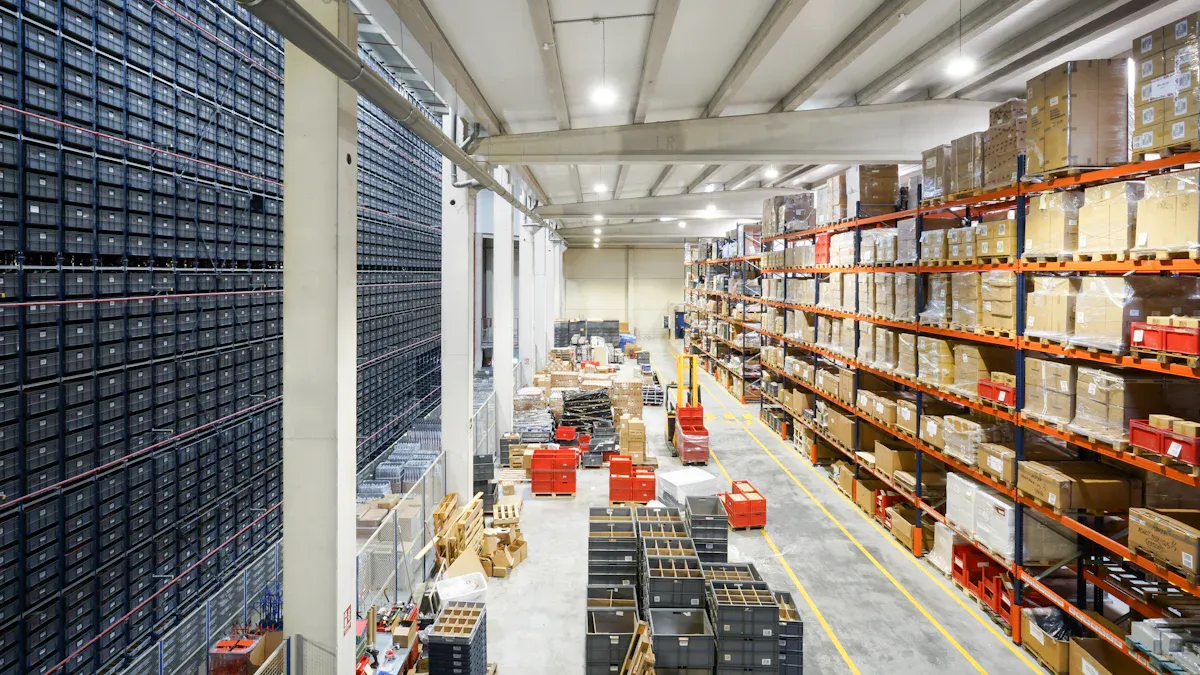
Effective planning forms the backbone of timely delivery for wholesale jewelry displays. Companies create detailed shipment calendars that align with retail promotions and trade show dates. They analyze historical data to predict peak periods and adjust inventory levels accordingly. Many logistics teams use digital tools to automate scheduling, which reduces manual errors and streamlines the process. By confirming carrier availability in advance, businesses avoid last-minute disruptions. They also allocate buffer days for unexpected events, such as weather delays or customs inspections. A well-structured plan ensures that every jewelry shipment reaches its destination on time and supports seamless retail operations.
Tip: Logistics managers should review shipment schedules weekly and update them based on real-time sales trends.
Tracking and Communication in Logistics and Shipping
Real-time tracking technology gives businesses full visibility over every jewelry shipment. Most carriers provide tracking numbers that allow both retailers and wholesalers to monitor progress from warehouse to delivery. Automated alerts notify teams of any status changes, which helps them respond quickly to potential issues. Open communication between logistics providers and clients builds trust and reduces uncertainty. Many companies assign dedicated contacts for each shipment, ensuring that questions receive prompt answers. Clear updates keep all stakeholders informed and support proactive problem-solving.
| Communication Tool | Benefit |
|---|---|
| Email Alerts | Immediate status notifications |
| Online Dashboards | Centralized tracking access |
| SMS Updates | Quick mobile notifications |
Callout: Consistent communication and reliable tracking help prevent misunderstandings and support customer satisfaction during shipping jewelry.
Handling Delays and Disruptions in Shipping Jewelry
Delays can occur even with the best planning. Logistics teams prepare contingency plans to address disruptions in shipping jewelry. They identify alternative carriers and routes before problems arise. When delays happen, staff notify customers immediately and provide revised delivery estimates. Many companies offer compensation or discounts for significant delays, which helps maintain positive relationships. Teams document every incident to improve future processes and reduce repeat issues. By staying flexible and responsive, businesses protect their reputation and ensure that jewelry displays arrive in excellent condition.
Note: Proactive management of delays demonstrates professionalism and strengthens long-term partnerships in the jewelry industry.
Actionable Steps for Streamlined Logistics and Shipping of Jewelry Displays
Checklist for Shipping Wholesale Jewelry Displays
A structured checklist helps businesses maintain consistency and quality when shipping wholesale jewelry displays. Teams that follow a clear process reduce errors and improve customer satisfaction. The following steps guide logistics managers through each stage:
- Inspect all jewelry displays for quality and completeness before packing.
- Disassemble displays if possible to minimize breakage during transit.
- Wrap each piece with bubble wrap or foam for maximum protection.
- Place jewelry in rigid or padded mailers to prevent crushing.
- Secure items with cards or pouches to avoid movement inside the package.
- Choose right-sized packaging to ensure proper cushioning and reduce empty space.
- Add edge and corner protectors for fragile or high-value displays.
- Label each box clearly with handling instructions and recipient details.
- Include a detailed packing list and all required shipping documents.
- Select a reliable logistics partner with experience in jewelry shipping.
- Track shipments and monitor for any signs of damage or delay.
- Review feedback and monitor trends to identify areas for improvement.
Tip: Consistent use of this checklist helps companies deliver jewelry displays safely and efficiently, supporting a positive brand reputation.
Common Pitfalls in Logistics and Shipping and How to Avoid Them
Many businesses encounter recurring challenges when shipping jewelry displays. Awareness of these pitfalls allows logistics teams to take preventive action. The most common issues include:
- Using flimsy packaging that leads to damage during transit.
- Failing to secure jewelry with cards or pouches, which causes items to shift and tangle.
- Selecting boxes that are too large, resulting in inadequate cushioning and increased risk of breakage.
- Overlooking transparent shipping information, which creates confusion about delivery times and costs.
- Neglecting to offer reasonable international shipping options, limiting access to global customers.
- Complicating the return process, which frustrates buyers and reduces repeat business.
- Experiencing unforeseen delays due to poor planning or lack of contingency measures.
- Facing inconsistent product quality from suppliers.
- Encountering customs clearance issues that delay shipments.
- Suffering from communication problems with logistics partners or suppliers.
To avoid these pitfalls, logistics managers should plan shipments meticulously and choose experienced partners. They must monitor trends in damage or loss and adjust processes as needed. Clear communication about shipping policies and return procedures builds trust with customers. Regular training and process reviews help teams stay updated on best practices for shipping jewelry displays.
Callout: Proactive management and transparent communication reduce risks and ensure jewelry displays arrive on time and in perfect condition.
Efficient logistics and shipping protect jewelry displays and support business growth. Companies benefit from robust packing, clear documentation, and reliable logistics partners. Managers should review shipping processes, train staff, and audit packaging regularly. Retailers and wholesalers can implement shipment consolidation and eco-friendly materials.
Prioritizing logistics and shipping ensures safe delivery, reduces costs, and strengthens brand reputation. Every business owner gains a competitive advantage by focusing on these strategies.
FAQ
What is the safest way to ship fragile jewelry displays?
Specialists recommend double-walled boxes, foam inserts, and edge protectors. Each display should be wrapped individually. Labels such as “Fragile” help handlers take extra care.
How can businesses reduce shipping costs for wholesale jewelry displays?
They consolidate shipments, negotiate carrier rates, and use right-sized packaging. Many choose eco-friendly materials to lower waste and expenses.
Which documents are essential for international jewelry display shipments?
A commercial invoice, packing list, and bill of lading are required. Customs may also request a certificate of origin and product descriptions.
How do logistics teams handle shipping delays?
They monitor shipments with tracking tools and communicate updates to clients. Contingency plans include alternative carriers and flexible delivery schedules.
What insurance options protect high-value jewelry displays?
Annual shipping insurance, third-party providers, and consignment coverage offer protection. Businesses should review policy exclusions before shipping.
Why is RFID technology important in jewelry logistics?
RFID enables fast, accurate inventory checks. Teams scan hundreds of items at once, reducing errors and saving time.
How do companies choose reliable logistics partners?
They evaluate experience, tracking capabilities, and industry reputation. Site visits and references help confirm service quality.