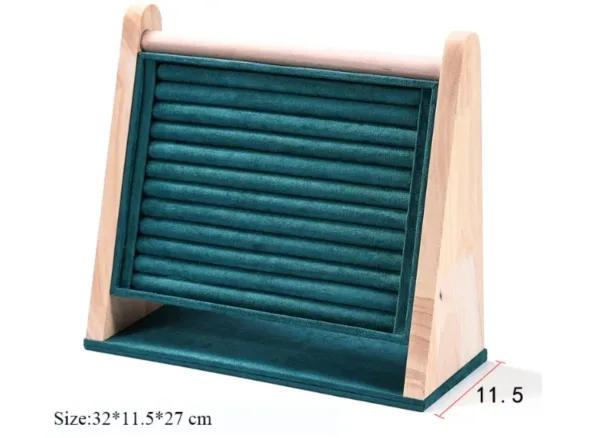
To choose the best jewelry tray, think about four things: your collection size, where you will use it, your material preference, and your budget. A tangled pile of necklaces or a messy dresser drawer shows why the right tray matters. The correct tray keeps chains separate, protects delicate stones, and makes every piece easy to find.
You do not need to guess. This guide walks through a simple step-by-step process. First, you assess your jewelry. Next, you pick a location. Then, you select a material. Finally, you match size, style, and price. Follow these steps, and your jewelry stays organized and safe.
주요 내용
Assess your jewelry collection first. Sort pieces by type and size. This step helps you pick the right tray features.
Choose a tray based on where you will use it. Travel trays are small and light. Drawer trays lie flat. Dresser trays display items. Each location needs a different design.
Select a material that protects your jewelry. Velvet and linen are soft and prevent scratches. Wood and leather need linings. Acrylic and metal need padding.
Match the tray size, style, and budget to your needs. Removable dividers let you change the layout. A higher price often means better quality and durability.
A well-chosen tray keeps jewelry organized, safe, and easy to find. It saves time and money. Your collection stays beautiful for years.
Assess Your Jewelry Collection
Identify Types and Quantity
The first step is to sort each piece by type. Rings, necklaces, earrings, bracelets, and pendants all need different tray features. If you mix earrings, bracelets, and rings in one box, it is hard to see what you own. You might even lose pieces. Sorting by type helps you see clearly.
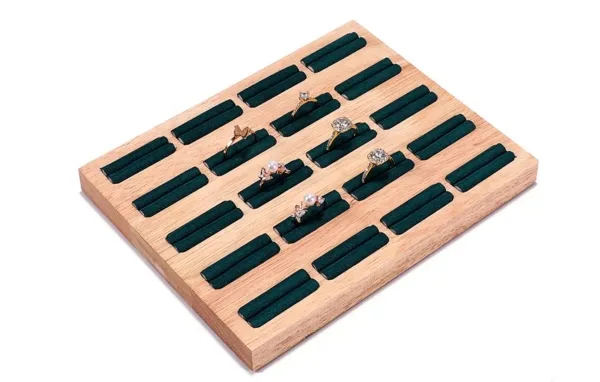
There are standard tray setups for each type. Rings fit best in padded ring slots or soft velvet rolls. Earrings work well in grids with separate square spaces. Pendants and charms need shallow drop-in spots. Necklaces need long, straight channels. Bracelets fit trays with many small sections or round compartments. Watches need deep pillows.
How many pieces you have decides the tray size and number of compartments. A small ring collection fits a compact slotted tray. A collection with big necklaces needs a larger tray with hooks or open space. If you have many earrings, choose a tray with dozens of small slots. If you have fewer pieces, pick a simpler design with fewer sections.
Note Sizes and Delicate Pieces
You need to pay extra attention to delicate items. Thin chains tangle easily when stored loose. To keep a thin chain straight, thread it through a clean drinking straw before closing the clasp. Flat storage or single hooks with closed clasps also work well.
Gemstone rings and bracelets need to be kept apart. Stacking rings or bracelets without protection can scratch metal and damage stones. Padded slots keep each ring separate. Pearls need soft, breathable pouches away from heat and sunlight. Opals, turquoise, amber, and coral should stay away from chemicals and heat.
Storing each piece separately stops tangling and scratches. Costume jewelry and fine jewelry should go in different storage systems. Overstuffing a tray causes the same damage as tossing items into a dish. Thinking carefully about each piece guides your next choices.
Choose the Best Jewelry Tray by Location
Travel, Drawer, Dresser, or Display
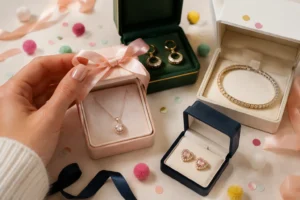
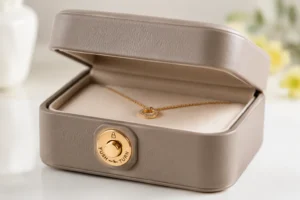
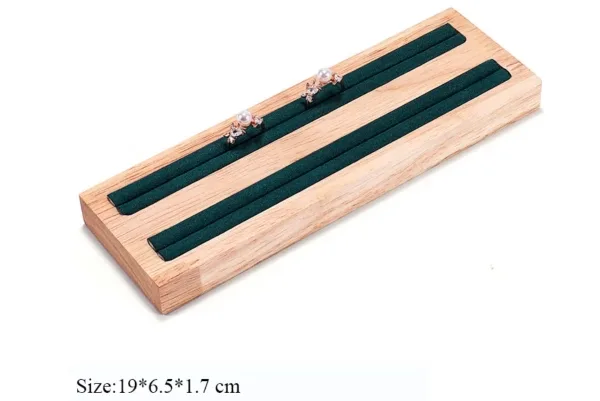
Where you keep your jewelry changes what kind of tray you need. A travel tray should be small, light, and safe. Look for soft pouches or zip cases with separate slots. These stop chains from tangling in a suitcase. A drawer tray lies flat and uses dividers to keep items apart. It slides into a dresser without wasting space. A dresser-top tray works as a display piece. It holds everyday pieces within easy reach. A retail counter tray needs a clean, professional look. It shows items to customers in a neat way. A display case tray protects valuable pieces behind glass. Each spot needs a different size, shape, and material.
Tongxing Packaging Co., Ltd. makes exhibition and retail counter display trays for boutique settings. These trays help store owners show jewelry in a clean, organized way. A boutique owner who wants to find the best jewelry tray for a counter should look at options built for frequent handling. The tray must handle daily use while keeping its elegant finish.
Size matters for every spot. A typical tabletop jewelry box measures about 5 inches high, 8 inches wide, and 10 inches deep (12.7 cm by 20.3 cm by 25.4 cm). This small size fits a dresser or vanity top and holds 10 to 25 pieces. A tray that is too big crowds the space. A tray that is too small leaves pieces scattered. Measure the storage area first. Then pick a tray that fills it without overflow.
Stackable vs. Single Tray
Stackable jewelry showcase sets give you modular, space-saving storage. A single tray works well for a small collection or a set display spot. Stackable trays help people who need more room without more surface area.
Space-Saving Benefit | 설명 |
|---|---|
Stackable design | Saves floor and counter space by letting boxes stack up instead of spread out. |
Modular and stackable construction | Makes a sleek, tidy storage tower that fits neatly into closets, under vanities, or on shelves. |
Vertical storage system | With the option to stack three or more boxes, users can build a personal vertical storage system made for their collection. |
Compartmentalized interiors | Keeps items organized and easy to reach while stopping tangling and loss, making the most of internal space. |
Ideal for compact living | Made for urban apartments, studios, or shared living spaces where space is limited. |
Stackable trays also have handy features. Interior dividers, velvet-lined compartments, and snap hooks for necklaces keep items safe. Some models have clear lids so you can see inside. Others have lockable latches for security.
Q: Are stackable jewelry boxes available?
Yes, stackable jewelry boxes let you build and organize multiple boxes together, saving space while keeping your collection neatly organized.
The modular advantages go further. Stackable trays let you expand upward inside deep drawers. They create many layers of organized storage in the same footprint. Expandable trays fit different drawer widths. Standardized dimensions mean new tray parts fit seamlessly with existing sets, even years later. Interlocking lips or grooves stop shifting and form a stable block. Full-footprint inserts remove dead space around the edge.
A person who wants the best jewelry tray for a small apartment should think about a stackable set. A collector with a large dresser might like a single, wide tray. Both choices work. The right one depends on the space you have and the size of the collection.
Find the Best Jewelry Tray Material
The material of a jewelry tray changes how it looks, feels, and keeps stored pieces safe. It also changes how long the tray lasts. The wrong material can scratch soft metals or hurt gemstones. The right material keeps a collection safe for many years. Looking at common choices helps a buyer pick the best one.
Velvet, Linen, Leather, Wood, Acrylic, and Metal
Velvet is still the top pick for fancy stores and home storage. The soft surface stops scratches on metals and gemstones. It keeps pieces from moving around inside the tray. For silver jewelry, using a velvet tray with an anti-tarnish liner stops tarnish and color change. Velvet is one of the best choices for protection because the soft surface cushions delicate pieces without rubbing.
Tongxing Packaging offers linen jewelry plates as a strong option. Linen gives a soft, scratch-free surface that works well for showing necklaces, rings, and pendants. These plates fit store counters and home drawers just as well. The fabric looks nice and protects jewelry during daily use.
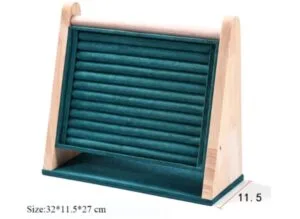
Wood trays give a classic, natural look but need careful finishing. Unlined wood can scratch jewelry and may have acids or oils that harm metal over time. Mixed trays solve this problem. Tongxing Packaging’s wood base velvet lining ring display rack dishes combine strength with a soft feel. The wood base gives structure, and the velvet lining protects stored pieces.
Leather gives a soft, elegant surface. It lasts for years but needs regular treatment to stop cracking. Controlling moisture is key for both wood and leather. High moisture rusts metal parts and rots wood. These conditions damage both the tray and the stored jewelry.
Acrylic trays work well for modern, simple displays where seeing items is important. But acrylic scratches easily unless it has a liner. Hard surfaces like acrylic or metal can damage delicate jewelry. Metal trays last a long time but may scratch pieces that touch them directly. These materials need padded or fabric liners to protect stored items. High-quality materials, even at a higher cost, cut down on long-term care and make the tray last longer.
Soft Linings and Lasting Durability
Hard surfaces like unlined wood, acrylic, or metal can scratch and damage jewelry. Padded or fabric-lined interiors are always the safer choice. Velvet, microfiber, and leatherette offer great scratch resistance. They cushion delicate pieces and stop movement inside the tray. Keeping different metals in separate sections also stops wear and color mixing.
Proper care keeps a tray looking new. To clean velvet, dust the surface with a soft, lint-free cloth. Move in one direction to avoid harming the fibers. For spot cleaning, put the cleaning solution on a soft cloth, not directly on the velvet. Gently blot or brush in one direction. Do not get the velvet too wet. Let the area air dry fully after cleaning. For deep cleaning, take out all jewelry, use a soft brush or lint roller to remove dust, then gently blot stains with a mild soap and water mix. Clean the tray every few months to stop dust from building up. Keep the tray out of direct sunlight, because heat changes can bend the tray and cause peeling. For leather trays, regular treatment stops cracking and makes the surface last longer. Skilled work ensures that natural materials age well and keep a nice look over time.
Picking the best jewelry tray means balancing looks with real protection. A well-made tray with proper liners and strong build handles daily use without wearing out. Whether the choice is a linen plate, a wood base with velvet lining, or a stackable set, the material must match the specific needs of the collection. Choosing quality materials saves time and keeps valuable pieces safe for years to come.
Match Size, Style, and Budget
Compartments, Dividers, and Layout
Removable dividers and movable walls let you change compartments when your collection changes. A tray-in-tray system has one large tray that holds smaller trays like ring, bracelet, and utility trays. This design lets you lift, move, and reorganize your collection anytime. Slotted dividers with soft grooves and firm fabric walls can be moved to new positions. You can change the layout from four big sections to eight small ones as needed.
Clear tops or open designs make items easy to see and reach. A well-organized layout shows everything at a glance, so you find things faster and save time each day. Giving each item its own spot helps you stay organized over time. Put items you use often in easy-to-reach places to pick accessories quickly. Hybrid designs mix open spaces with sections to balance flexibility and order. Layout choices should match your collection size, how often you use items, and your jewelry types.
For trays on an open shelf, a lid is very important. It blocks dust and keeps jewelry clean and safe.
Security features like locks or secure lids are important for valuable items. A small tray gives quick access to items you use every day. A large tray gives more organization but might take longer to find things. More compartments let you keep items separate. Keep jewelry away from direct sunlight to stop fading.
Design Preferences and Price Ranges
The tray’s material and look should match your style or brand, no matter your budget. Acrylic has a simple, modern, clear look. It is easy to wipe clean and stays clear. Stores that want full visibility for jewelry often use acrylic. Wood base velvet lining ring display rack dishes look classic and fancy. Linen jewelry plates give a soft, scratch-free surface for delicate pieces.
Budget ranges vary widely. A simple fabric-lined tray costs less, but a stackable set with modular parts costs more. The best tray for you depends on your collection size, space, and budget. A higher price often means stronger build and better materials that last longer. Matching the tray to your style or store brand makes a unified look. You should think about protection, durability, and looks before deciding.
The right order begins with checking your collection, then picking a spot, choosing a material, and lastly matching size and style. The best tray fits your specific pieces and the space you have, not the biggest budget. A high price does not mean better protection. A well-picked tray stops tangles, scratches, and loss. A fabric-lined tray works for a small set. A stackable set suits a growing collection. Buyers should use this checklist before each purchase and review the criteria as the collection grows. Spending time on the selection process saves money, frustration, and future replacements.
Keeping jewelry organized protects pieces, extends their life, and makes them simple to find and enjoy every day.
자주 묻는 질문
What material protects jewelry best?
Velvet and linen offer the softest protection. Both stop scratches on metals and gemstones. Velvet also cushions pieces and keeps them from sliding. Leather works well too, but it needs regular treatment to prevent cracking. Hard surfaces like unlined wood, acrylic, or metal can scratch delicate items unless they have a fabric liner.
How does someone stop thin chains from tangling?
Thread a thin chain through a clean drinking straw before closing the clasp. This keeps the chain straight during storage. Single hooks with closed clasps also work. Flat storage trays with long channels prevent chains from crossing each other. Storing each chain separately is the simplest solution.
When should someone pick a stackable tray over a single tray?
A stackable set suits small spaces and growing collections. It saves counter and drawer space by building upward. A single tray works for a small collection or a fixed display spot. The choice depends on available room and how many pieces the person owns.
Do jewelry trays need special care?
Yes. Dust velvet with a soft, lint-free cloth and move in one direction. For stains, blot with a mild soap and water mix on a cloth, not directly on the fabric. Keep trays out of direct sunlight. Leather trays need regular treatment to stop cracking. Clean every few months to prevent dust buildup.
Can a tray layout change as a collection grows?
Removable dividers and movable walls let compartments change size. A tray-in-tray system holds smaller trays inside one large tray. Slotted dividers with soft grooves shift to new positions. A layout can go from four big sections to eight small ones. This flexibility saves money on replacements.