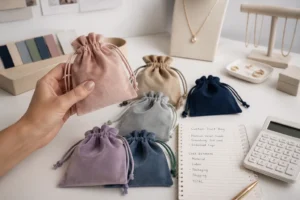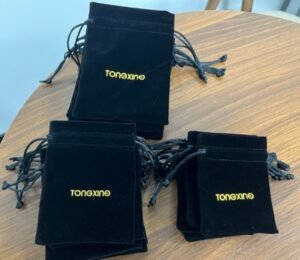

윤리적 주얼리를 판매하는 브랜드는 모든 단계에서 지속가능성, 공정한 노동 조건, 투명성을 최우선으로 삼아야 합니다. 이들은 원자재를 조달하는 방법을 배울 수 있습니다. 주얼리 포장 검증 가능한 인증을 보유한 공급업체로부터 조달합니다. 이러한 파트너사들은 원자재의 출처를 추적합니다. 지속 가능한 주얼리 포장재는 불필요한 폐기물을 발생시키지 않으면서 제품을 안전하게 보호합니다. A 보석 포장 제조업체 공정한 노동 관행을 바탕으로 독립적인 감사를 통해 신뢰를 얻습니다. 팀원들은 자신들의 가치관에 부합하는 친환경 포장을 선택합니다. 그들은 친환경 주얼리 포장, 친환경 주얼리 포장, 그리고 맞춤 보석함. A 보석 파우치 또는 주얼리 디스플레이 동일한 기준을 충족해야 합니다. 원산지에 대한 명확한 정보는 고객이 브랜드의 윤리적 주얼리 제작에 대한 약속을 신뢰하는 데 도움이 됩니다.
지속 가능한 주얼리 포장이란 무엇인가요?
지속 가능한 주얼리 포장재는 깨지기 쉬운 제품을 보호하는 동시에 환경 및 사회적 책임을 다합니다. 이 포장재는 재활용 소재 또는 생분해성 소재. 과도한 플라스틱과 재활용이 불가능한 소재의 사용을 피합니다. 미니멀리즘 디자인 원칙을 적용함으로써 자원 소비와 폐기물 발생을 줄입니다. 윤리적인 주얼리 브랜드의 경우, 포장에도 제품 자체에 쏟는 것과 같은 세심한 배려가 담겨 있습니다.
사람과 지구를 지키는 소재
재활용 종이 및 산림관리인증(FSC) 종이
크래프트지와 판지는 보석 상자에 견고함을 더해줍니다. 재활용 원료의 사용은 원목 펄프에 대한 수요를 줄여줍니다. FSC 인증 종이는 목재가 책임감 있게 관리되는 산림에서 조달되었음을 보장합니다. 공급업체들은 이러한 소재에 식물성 잉크와 같은 친환경 포장재를 결합합니다. 재활용 포장재는 깨지기 쉬운 보석을 보호할 만큼 충분히 튼튼합니다.
퇴비화 가능한 우편 봉투 및 생분해성 충전재
퇴비화 가능한 우편 봉투 플라스틱이 없는 외부 케이스를 제공합니다. 성형 펄프 삽입재와 옥수수 전분 폼이 지구에 해를 끼치지 않으면서 보석을 안전하게 보호합니다. 이러한 소재는 자연적으로 분해되며 유해한 화학 물질을 방출하지 않습니다.
재사용 가능하고 플라스틱이 없는 대안
재사용 가능한 천 파우치 친환경 포장의 수명을 연장하는 동시에 고급스러운 느낌을 더해줍니다. 유기농 면, 대마와 린넨은 섬세한 주얼리를 부드럽게 보호해 줍니다. 업사이클링된 직물은 폐기물이 매립지로 가는 것을 막아줍니다. 천연 섬유는 순환 경제를 뒷받침하고 일회용 소재 사용을 줄여줍니다.
| 지속 가능한 소재 | 보호 혜택 | 환경적 이점 |
|---|---|---|
| 크래프트지 / 판지 | 튼튼하고 찢어짐에 강하며, 상자 구조를 만들 수 있을 만큼 충분히 단단함 | 재활용이 가능하며 크라프트 펄프 공법으로 제조되었으며, 친환경 잉크 사용이 가능합니다. |
| 재활용 골판지 | 단단한 상자의 견고함을 유지합니다 | 소비 후 폐기물을 활용하여 원펄프 수요를 줄입니다 |
| 재사용 가능한 원단 (유기농 면, 대마, 린넨) | 부드러운 드로스트링 파우치는 소지품을 안전하게 보호해 주며 고급스러운 느낌을 더해줍니다 | 재사용을 통해 수명 주기를 연장합니다 |
| 식물성 소재 (대나무, 사탕수수 찌꺼기, 균사체) | 성형된 삽입물이 물건을 단단히 고정해 줍니다 | 재생 가능하고, 퇴비화 가능하며, 환경에 미치는 영향이 적음 |
| 친환경 리본 및 끈 (황마, 대마, 종이) | 스타일을 해치지 않으면서 소포를 안전하게 보호하세요 | 플라스틱 폐기물을 줄입니다 |
포장 생산 분야의 공정한 노동 기준
생계임금과 안전한 근무 환경
공정한 노동 기준은 생계 임금에서 시작됩니다. 포장 작업자들은 기본적인 생계비를 충당할 수 있을 만큼의 임금을 받아야 합니다. 안전한 근무 환경은 근로자를 위험으로부터 보호합니다. 감사를 받은 시설은 근로자의 복지에 대한 헌신을 보여줍니다.
사회적 책임 및 근로자 권리 정책
사회적 준수 정책은 근로 시간, 보건 및 안전을 다룹니다. 근로자의 권리에는 결사의 자유와 단체 교섭권이 포함됩니다. SA8000과 같은 독립적인 인증 제도가 이를 검증합니다. 투명한 공급업체는 감사 보고서를 공개적으로 공유합니다.
제품 수명 주기 전반에 걸친 환경 영향
제조 및 운송 분야의 탄소 배출량 감축
지속 가능한 주얼리 포장재는 모든 단계에서 탄소 배출량을 줄여줍니다. 가벼운 디자인은 배송 시 연료 소비를 줄여줍니다. 현지 생산은 운송 거리를 단축시킵니다. 브랜드는 제품 수명 주기 전반에 걸친 영향을 측정해야 합니다.
재사용과 폐기물 최소화를 위한 디자인
최소 포장 방식은 제품을 보호하는 데 필요한 최소한의 재료만을 사용합니다. 이러한 접근 방식은 미니멀리즘 디자인 원칙과 부합합니다. 재사용 가능한 상자는 보관이나 진열과 같은 두 번째 용도로 활용될 수 있습니다. 재활용 가능한 포장은 구성 요소가 원자재 순환 체계로 다시 돌아갈 수 있도록 보장합니다. 친환경 주얼리 포장을 선택하는 브랜드는 이러한 전략을 우선시해야 합니다. 친환경 주얼리 포장은 품질이나 보호 기능을 희생하지 않습니다. 대나무나 재활용 소재와 같은 지속 가능한 재료는 브랜드가 두 가지 목표를 모두 달성하는 데 도움이 됩니다. 모든 주얼리 제품에는 사람과 지구를 존중하는 포장이 필요합니다.
보석 포장재 조달 방법: 1단계 — 투명한 인증을 보유한 공급업체 조사하기
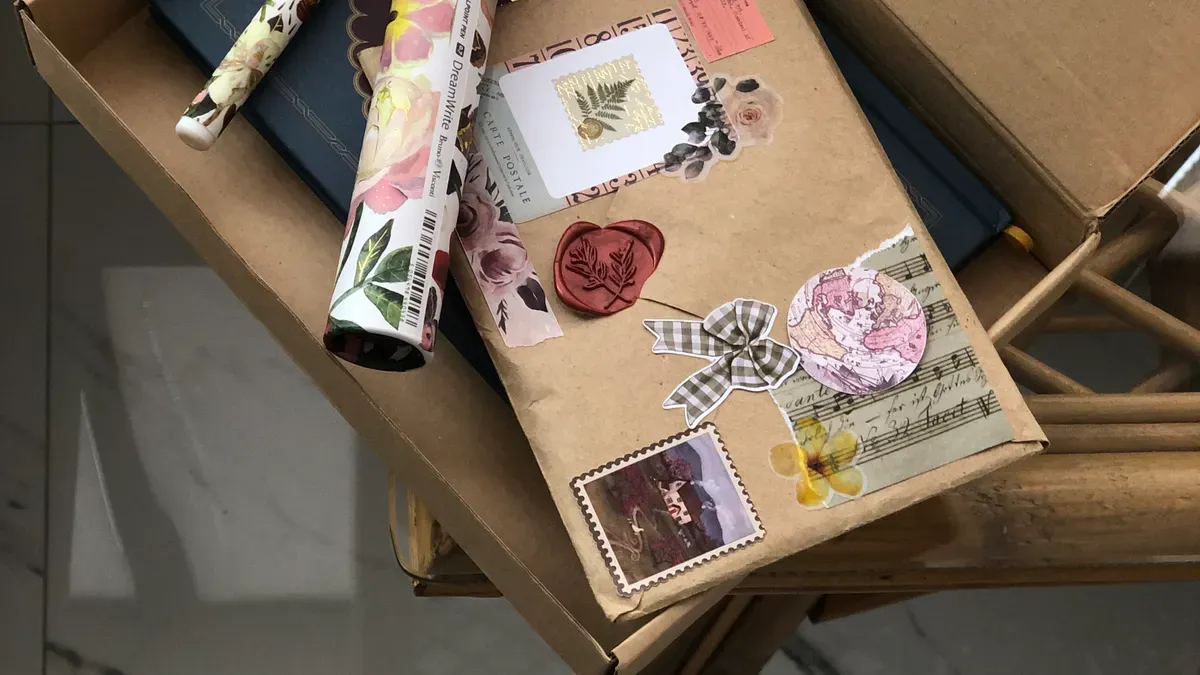
모든 윤리적 조달 결정의 토대는 연구에 있습니다. 주얼리 포장재 조달 방법을 익히는 브랜드들은 먼저 누가 포장재를 제작하는지, 그리고 그 제작자들이 무엇을 입증할 수 있는지에 대한 명확한 이해를 바탕으로 시작합니다. 신뢰할 수 있는 지속 가능한 주얼리 포장재 공급업체 자재, 공장, 근로 기록에 관한 질문을 환영합니다. 역량이 부족한 후보자들은 이러한 질문을 회피하거나 구호만 늘어놓습니다. 이 단계에서 자금 거래가 이루어지기 전에 두 부류의 후보자를 가려낼 수 있습니다.
지속 가능한 주얼리 포장재 공급업체를 찾는 방법
윤리적 무역 및 B Corp 기업 목록
인증 기관들은 자사가 인증한 모든 기업을 나열한 공개 명부를 관리합니다. B Lab은 검색이 가능한 데이터베이스를 공개하고 있으며, B Corp 기업들이 있으며, 이들 중 상당수는 포장 산업에 서비스를 제공하고 있습니다. 책임 있는 주얼리 협의회(Responsible Jewelry Council)는 주얼리 공급망 전반에 걸쳐 인증된 회원사 목록을 별도로 관리하고 있습니다. Sedex는 사회적 감사 절차를 완료한 공급업체와 구매자를 연결해 줍니다. 이러한 디렉토리를 활용하면 제3자가 이미 기본적인 사항을 확인했기 때문에 시간을 절약할 수 있습니다.
엄선된 조달 플랫폼은 심사 과정을 한 단계 더 강화합니다. 그중에서도 특히 눈에 띄는 사례가 하나 있습니다:
‘우수한 공급업체’를 엄선하여 정리한 목록’ ESG 기준에 따라 검증된 공급업체를 통해 럭셔리 브랜드들은 신뢰할 수 있는 파트너를 더 쉽게 찾을 수 있습니다. 첫 4개 공급업체 중 하나인 윈들스 그룹(Windles Group)은 B-Corp 인증을 받은 인쇄 및 후가공 전문 기업으로, 뷰티, 홈웨어, 음료, 향수 시장을 위한 프리미엄 포장재를 생산하고 있습니다.
보석 산업을 위해 제작된 무역 디렉토리에는 제조업체 및 소매업체와 함께 포장 업체들도 등재되어 있습니다. JewelryBusiness.com 및 제휴사인 JewelersWorldwide.com 검증을 중시하는 등록 모델을 바탕으로 글로벌 온라인 디렉토리 역할을 수행합니다. 구매자는 신뢰도 지표를 기준으로 목록을 필터링하고, 연락을 취하기 전에 인증 증빙 자료를 요청할 수 있습니다.
산업 박람회 및 지속 가능한 포장 박람회
무역 박람회는 구매자와 제조업체를 한자리에 모읍니다. 구매자는 샘플을 직접 만져보고, 인쇄 품질을 확인하며, 공장 관리자에게 직접 질문할 수 있습니다. 조달 가이드에서는 일관되게 B2B 플랫폼이나 무역 박람회를 통해 공급업체 후보를 선정할 것을 권장하고 있습니다., 그런 다음 ‘Trade Assurance’나 ‘Gold Supplier’ 등급과 같은 신뢰도 지표를 기준으로 필터링합니다. 같은 가이드에서는 구매자들에게 섬유 소재의 맞춤형 보석 상자의 경우 REACH, CPSIA 또는 OEKO-TEX Standard 100과 같은 인증 증빙 자료를 요청할 것을 권고하고 있습니다.
알리바바(Alibaba)나 메이드인차이나닷컴(Made-in-China.com)과 같은 온라인 마켓플레이스는 공급업체 비교 및 협상을 간편하게 해 주지만, 이에 대한 철저한 검토가 필요합니다. 제조업체의 평판과 수출 경험을 확인하는 데 있어서는 여전히 추천과 무역 박람회에서의 인맥이 가장 확실한 채널입니다. 부스에서 나누는 악수는 세련된 웹사이트보다 더 많은 정보를 알려주는 경우가 많습니다.
확인해야 할 인증
제지 및 목재 제품에 대한 FSC 및 PEFC 인증
산림관리협의회(FSC)는 지속 가능한 포장 분야에서 가장 널리 인정받는 프로그램 중 하나를 운영하고 있습니다. FSC(Forest Stewardship Council) 유래 인증서는 인증된 자재가 산림에서 완제품 상자에 이르기까지 추적된다는 사실을 입증합니다. FSC는 지속 가능한 산림 관리를 위한 ‘산림 관리 인증(Forest Management Certification)’, 공급망 추적을 위한 ‘유래 인증(Chain of Custody Certification)’, 유통업체 및 인쇄업체를 위한 ‘상표 인증(Trademark Certification)’, 그리고 100% 함량, 혼합 함량 또는 재활용 함량을 포괄하는 ‘제품 수준 인증(Product Level Certification)’ 등 여러 가지 인증 경로를 제공합니다. FSC 인증 용지를 지정하는 브랜드는 인증 번호를 요청하고 FSC 데이터베이스에서 이를 확인해야 합니다.
PEFC도 거의 비슷한 방식으로 운영됩니다. 이 제도는 자체 기준을 충족하는 지속 가능한 산림 경영과, 산림에서 시작해 전체 공급망을 거치는 이력 추적(Chain of Custody)을 요구합니다. 두 프로그램 모두 구매자들에게 목재와 종이가 책임감 있게 관리되는 출처에서 생산되었다는 확신을 줍니다.
공정무역 인증 및 사회적 책임 부문 B Corp 인증 획득
공정무역 기준은 ISEAL 모범 실천 규약에 따라 공정무역 인터내셔널(Fairtrade International)에서 제정합니다. 이 기준은 농민과 무역업자를 위한 경제적, 사회적, 환경적 세 가지 핵심 영역을 포괄합니다. B Corp 인증은 이와는 다른 관점을 취합니다. B Lab은 사회적·환경적 성과, 대외적 투명성, 법적 책임성 측면에서 기업 전체를 평가합니다. B Corp 인증을 받은 공급업체는 특정 제품 라인뿐만 아니라 사업 전반에 걸쳐 이익과 사회적 목적을 조화롭게 균형 잡습니다.
인증 절차 자체는 예측 가능한 과정을 따릅니다. 인증 제도 개발자는 표준 및 인증 관련 자료를 마련합니다. 브랜드는 원자재에 대한 인증을 받기로 결정한 후, 자사의 요구 사항에 부합하고 구매자에게도 인지도가 높은 표준을 선택합니다. 브랜드는 대개 제안 요청(RFP) 절차를 거쳐 인증 기관을 선정합니다. 인증 기관은 브랜드와 그 공급망 파트너를 심사한 후, 해당 제품이 인증 기준을 충족했는지 여부를 결정합니다. 이후 브랜드는 제품, 웹사이트 및 마케팅 자료에 인증 자료를 활용하며, 인증 기관과 인증 제도 개발자에게 일회성 수수료와 연회비를 지불합니다.
인정받은 인증 기관으로는 다음이 있습니다. SCS Global Services, Control Union, Intertek, SGS, TÜV, Bureau Veritas, EcoCert 및 DNV GL. 공급업체는 자사의 인증서를 발급한 기관의 이름을 명시해야 합니다. 모호한 답변은 문제가 있음을 시사합니다.
유기농 섬유 파우치용 GOTS 인증
글로벌 유기농 섬유 표준(GOTS)은 파우치와 패브릭 랩의 유기농 섬유 함량 및 가공 과정을 규정합니다. GOTS는 수확부터 후가공에 이르기까지 섬유 생산의 전 과정을 포괄합니다. 유기농 면 파우치를 주문하는 브랜드는 공급업체가 유효한 GOTS 범위 인증서를 보유하고 있는지 확인해야 합니다. 이 인증은 제품 개봉 경험에서 유기농 소재 사용을 약속하는 윤리적 주얼리 브랜드에게 중요합니다.
아래 표는 인증 내역을 요약한 것입니다. 포장재 구매 담당자들에게 가장 관련성이 높은.
| 인증 | 검증 대상 | 보석 포장 공급업체와의 관련성 |
|---|---|---|
| 글로벌 재활용 표준(GRS) | 재활용 원료(소비 후 및 산업용)의 검증된 사용량과 더불어, 생산 전 과정에 걸친 사회적, 환경적, 화학적 요건 | 재활용 플라스틱, 섬유, 금속 등 포장재에 포함된 재활용 원료 함량에 대한 주장을 검증합니다. |
| B Corp 인증 획득 | 사회·환경적 성과, 책임성 및 투명성에 대한 기업 차원의 인증 | 단일 제품이 아닌 공급업체 사업 전반이 수익과 사회적 목적을 조화롭게 추구함을 나타냅니다. |
| 책임 있는 주얼리 협의회(RJC) | 전체 공급망 전반에 걸친 인권, 노동권, 환경 영향, 광업 관행 및 기업 윤리를 포괄하는 독립적인 감사 | 보석 업계의 선도적인 표준 기구로, 광산에서 소매에 이르기까지 전 과정에 걸친 포괄적인 책임성을 강조한다 |
| REACH 규정 | 화학 물질 위험을 관리하는 EU 규정; 이 규정을 준수한다는 것은 유해 물질이 규정된 기준치를 초과하지 않음을 의미합니다. | 특히 포장재에 사용되는 섬유, 염료 및 마감 처리와 관련이 깊다 |
| Eco-Friendly (self-reported) | Brand-reported use of sustainable materials, packaging, or production practices | Should be backed by at least one verifiable certification or transparent materials list |
Red Flags That Signal Greenwashing
Vague Claims Like “Eco-Friendly” and “Sustainable”
Broad claims can mislead because they lack the detail needed to judge genuine commitment. Phrases such as “eco-friendly packaging” or “responsibly sourced materials” mean little without an explanation of the materials, the production process, or the environmental benefit. One industry voice puts the problem plainly:
“Greenwashing is absolutely a thing and we all stand to benefit if it goes away.” — Simone Walsh Jewellery
Regulators have taken notice. The Federal Trade Commission has issued warnings to jewelry companies for deceptive sustainability claims, and that precedent should put packaging suppliers on alert. A supplier that markets “green packaging” without substantiation risks the same scrutiny.
Unverifiable Proprietary Certifications
Some suppliers display self-created eco-labels that look official but carry no independent weight. Others lean on a narrow certification and present it as proof of overall sustainability. A single positive factor, such as recycled packaging, says nothing about energy use, transport, or chemical processes. Buyers should also watch for irrelevant virtues. Calling packaging “vegan” or “natural” without a defined environmental benefit distracts from real impact. Every label deserves a check against the issuing body’s public records.
Unwillingness to Share Audit Reports
Transparency separates authentic sustainable brands from the rest. Honest suppliers identify where their paper, plastic, inks, and coatings come from, and they provide traceability documents or certifications on request. Secrecy is a warning sign. A supplier that cannot disclose the origin of its materials may be hiding unsustainable practices. The same logic applies to social audits. A packaging supplier that refuses to share audit reports, or stalls when asked, gives the buyer every reason to walk away.
A practical research checklist helps buyers apply these lessons:
- Be thoughtful about which certification or certifications to pursue.
- Identify which product or company claims would most benefit from third-party verification.
- Consider what will resonate with buyers and help answer their commonly asked questions.
- Select a trustworthy and rigorous standard.
- Ensure sufficient resources and budget can be set aside for the certification.
The table below maps common red flags to concrete examples.
| Red flag | Packaging-supplier example | Why it is problematic |
|---|---|---|
| Vague terms | “Eco-friendly packaging” or “green packaging” without specifying materials, processes, or benefits | Broad claims don’t show genuine sustainability |
| Lack of transparency | Supplier cannot disclose origin of paper, plastic, inks, or coatings | Hidden sourcing may hide unsustainable practices |
| Single-factor emphasis | “Recycled packaging” while ignoring energy use, transport, or chemical processes | One positive factor does not prove overall sustainability |
| Misleading labels/certifications | Displaying a self-created eco-label or narrow certification as proof of sustainability | Labels can look impressive but may not be credible |
| Irrelevant virtues | Calling packaging “vegan” or “natural” without a defined environmental benefit | Surface-level claims distract from real impact |
Step 1 ends with a shortlist of candidates that hold verifiable certifications and answer hard questions without hesitation. That shortlist sets up the next task: tracing how each supplier sources and produces its materials.
Step 2 — Verify How Materials Are Sourced and Produced
Trace the Supply Chain from Source to Finished Packaging
Chain-of-Custody Documentation
A brand cannot claim sustainable jewelry packaging without evidence. The sourcing of materials must remain traceable from origin to finished carton. The fsc chain-of-custody certificate traces fsc-certified paper from forest to that finished carton. A supplier that handles responsibly sourced materials provides commercial invoices, material safety data sheets, and country-of-origin certificates. These documents verify restricted-substance limits under EU REACH and California Prop 65. A written conflict-minerals policy demonstrates due-diligence alignment with U.S. and EU regulations. Accurate records support customs clearance for the packaging of jewelry. Together, these files confirm that sustainable jewelry boxes contain the promised recycled content.
Supplier Audits and Site Visits
Documents alone cannot prove working conditions. Brands should request third-party audit reports and visit factories when possible. An RJC certification or SA8000 audit verifies labor practices across the supply chain. Site visits reveal whether quality management systems function daily. Factory records, such as moisture tests and carton drop tests, show actual production controls.
Evaluate Eco-Friendly Packaging for Jewelry Protection
Recycled Kraft Boxes and Molded Pulp Inserts
Recycled kraft boxes and corrugated mailers protect jewelry during transit. A sturdy jewelry box keeps pieces from shifting. Right-sized design reduces empty space. Molded pulp trays represent an eco-friendly packaging solution because they degrade naturally. These trays replace foam or plastic inserts. FSC and GRS certifications verify the recycled fiber.
Plant-Based Inks and Adhesives
Water-based inks produce fewer emissions and allow easier recycling. Plant-based inks create premium finishes without plastic-heavy lamination. Natural starch adhesives keep eco-friendly jewelry boxes fully recyclable. A brand that combines these elements with molded pulp achieves strong protection without contaminating the material stream. Plant-based inks keep eco-friendly jewelry packaging clean and recyclable.
Organic Cotton and Upcycled Fabric Pouches
Organic cotton pouches offer a soft, reusable layer for bracelets and necklaces. They prevent scratches and replace synthetic velvet. Upcycled fabric pouches divert textile waste from landfills. Certifications such as OEKO-TEX confirm the absence of harmful dyes and finishes. Ethical jewelry brands align these pouches with sustainable materials.
Confirm Packaging Can Protect Jewelry Without Over-Packaging
Custom Inserts and Dividers
Custom inserts immobilize each jewelry piece inside the box. Dividers separate earrings and pendants. A tailored cavity eliminates movement and tangling. Recyclable cradles such as Hexpand absorb shock without extra filler. Designers match the jewelry box to the product dimensions, reducing wasted material.
Lightweight yet Protective Designs
Lightweight packaging lowers shipping emissions. B-flute corrugated board supplies strength without excess bulk. Double-boxing high-value orders adds security for transit. Protective packaging cushions the outer box. Eco friendly jewelry packaging keeps this protection proportionate. The final packaging balances protection, material use, and customer experience.
Step 3 — Confirm Fair Labor Practices Across the Supply Chain
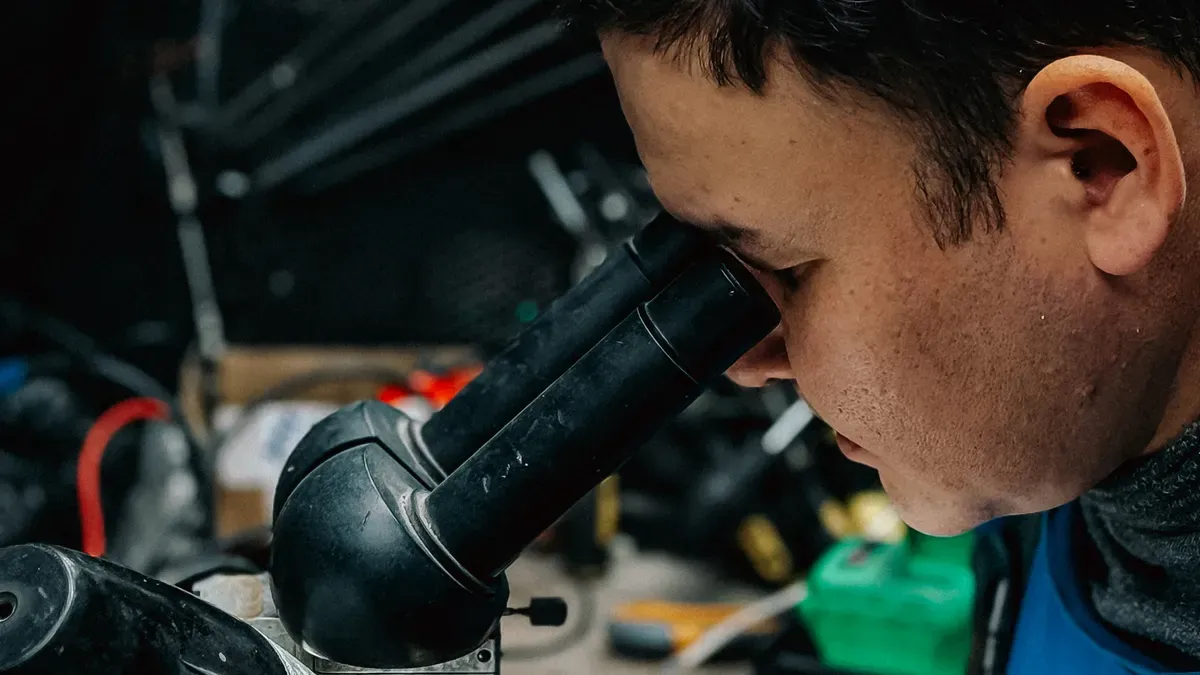
Fair materials mean little when workers face exploitation. Ethical jewelry brands must confirm that every person who touches their packaging earns a living wage and works in safe conditions. This step turns social promises into verified facts.
Ask Direct Questions About Worker Conditions
Wages, Hours, and Health and Safety Policies
Brands should ask suppliers for specific wage data. A responsible partner shares pay scales, overtime rates, and working hours without hesitation. Buyers must confirm that wages cover basic living costs in the production region. Health and safety policies deserve the same scrutiny. Factories should document training programs, protective equipment, and incident reports. These records reveal whether management treats worker safety as a daily priority.
Freedom of Association and Collective Bargaining
Workers must organize without fear of retaliation. Ethical jewelry brands ask whether employees belong to unions or worker committees. A supplier that discourages collective bargaining raises immediate concern. Genuine partners support worker representation and provide evidence of active grievance mechanisms.
Verify Labor Claims with Independent Audits
SA8000 and Fair Trade Certifications
Third-party audits validate social claims. SA8000 sets a global standard for decent working conditions across eight areas, including child labor, forced labor, and remuneration. Fair Trade certification adds a premium that flows back to workers. A packaging supplier with either credential has opened its factories to outside inspectors.
Public Social Compliance Reports
Transparency extends beyond certificates. Leading suppliers publish annual social compliance reports. These documents summarize audit findings, corrective actions, and progress over time. Buyers should request the most recent report and check whether the supplier resolved past violations.
Build Long-Term Relationships with Fair Trade Suppliers
Direct Partnerships and Fair Pricing
Short-term contracts pressure factories to cut labor costs. Long-term agreements give suppliers stability and room to invest in their workforce. Ethical jewelry brands negotiate fair prices that cover sustainable production. This approach supports living wages throughout the supply chain.
Ongoing Communication and Capacity Building
Relationships require regular contact. Brands should schedule check-ins, share feedback, and offer training on new sustainability standards. Capacity building helps suppliers improve conditions year after year. A true partnership treats labor rights as a shared goal rather than a one-time checkbox.
Step 4 — Request Documentation, Samples, and a Pilot Order
Step 4 demands rigorous proof before commitment. Brands that learn how to source jewelry packaging request exact documents, test physical samples, and run a pilot order. This final diligence validates every claim about materials, labor, and performance.
Documents to Request Before Committing
Material Data and Safety Sheets
Material data sheets list chemical compositions for every packaging component. Jewelry brands also need a tarnish test report for silver pieces. TAPPI T 444 provides the testing standard. Restricted-substance declarations confirm compliance with REACH and RoHS.
Certificates of Origin and Chain-of-Custody Documents
Certificates of origin identify each material’s production source. A responsible supplier provides an fsc chain-of-custody certificate with a verifiable certificate number. That certificate traces paper from forest to finished jewelry box. Recycled-content declarations state exact post-consumer and pre-consumer percentages. A recyclability assessment covers the assembled box as a whole.
Annual Social Audit Reports
Annual social audit reports reveal factory conditions. Review the audit scope, facility address, interview method, and corrective-action status. A certification logo alone proves nothing. Ethical jewelry relies on documented evidence of fair wages and safe workplaces.
Questions to Ask a Sustainable Jewelry Packaging Supplier
Material and Certification Questions
Buyers should ask about fsc chain-of-custody documentation and the specific mills that produce their materials. Ask whether the supplier follows GRS or OEKO-TEX standards. Request itemized pricing that separates materials, printing, and finishing. Compare landed cost rather than unit price alone.
Labor and Compliance Questions
Direct questions about wages, overtime, and health and safety policies belong in every conversation. Confirm whether workers have grievance channels and union representation. A jewelry packaging supplier should share recent third-party audit reports without hesitation.
Customization and Waste Reduction Questions
Ask about minimum order quantity flexibility and scaling options. Industry MOQs often start at 300 units for semi-custom designs. For custom jewelry and accessories packaging, confirm the production team’s ability to match Pantone colors and logo placement. Request details on custom inserts, dividers, and packaging formats that minimize waste.
Test Samples for Quality, Protection, and Brand Fit
Physical Stress Tests for Shipping
Order pre-production samples built to the exact specification, not a different structure or finish. Run laboratory tests before approving bulk production. The table lists standard methods.
| Test | 방법 | Requirement |
|---|---|---|
| Drop resistance | ISTA 1A / ASTM D5276 | Drop from 1 m and 1.5 m at various angles |
| Compression strength | ASTM D642 | Uniform 500 N force simulates stacking pressure |
| Vibration resistance | Specialized vibration equipment | Simulates road, rail, and air transport shaking |
| Environmental durability | Temperature and humidity chambers | Cycle -20°C to 70°C, up to 90% relative humidity |
Unboxing Experience and Aesthetic Alignment
Jewelry packaging must survive repeated handling and still feel premium. Unboxing criteria focus on closure mechanics, lid alignment, and surface finish. Magnetic lids should open smoothly with one hand and close with a distinct sound. Inspect for adhesive residue, trapped bubbles, or plating wear. Test closures with real inserts and jewelry pieces, not an empty box. Shake, tilt, and press the packed box, then reopen to detect lid shift or scratches. Jewelry with heavy gemstones requires stronger closures and reinforced corners.
Start with a Pilot Run to Verify Real-World Performance
A pilot run tests every claim in real conditions. Brands order a limited batch, ship it to real customers, and measure the results. This trial reveals whether sustainable jewelry packaging performs as promised. It also exposes supplier weaknesses before a full commitment.
Evaluate Supplier Reliability and Responsiveness
A pilot order tests more than materials. It measures how a supplier handles deadlines, answers questions, and solves problems. Reliable partners confirm production timelines in writing and send tracking updates without prompting. They respond to emails within one business day. They flag potential delays before they become crises.
Brands should track specific performance metrics during the pilot. The table below lists key benchmarks.
| Metric category | Example benchmark | Why track during a pilot |
|---|---|---|
| Net cost impact | Sustainable packaging adds $0.10 to $0.15 per unit after incentives | Validate margin targets |
| Component cost breakdown | Sustainable unit cost is $2.39 vs. $2.05 conventional | Identify cost drivers |
| Compliance savings | EPR fee reduction of $0.08 to $0.15 per unit | Track projected vs. actual savings |
| Consumer perception | Brands report 12 to 18 percent perception lift | Monitor brand lift and conversion |
| Willingness to pay | 73 percent of Gen Z will pay more for sustainable products | Test premium acceptance |
| Reuse behavior | 62 percent of consumers keep jewelry boxes as keepsakes | Measure packaging retention |
A supplier that misses deadlines or ignores questions during a small pilot will likely fail on a larger scale. Responsiveness during the trial predicts long-term reliability.
Gather Customer Feedback on Packaging
Customer reactions reveal what internal tests cannot. Brands should survey buyers about the unboxing experience. Questions should cover protection, ease of opening, and aesthetic appeal. Did the jewelry arrive undamaged? Did the box feel premium? Would the customer reuse or recycle the packaging?
Social media and review platforms provide unsolicited feedback. Brands can monitor mentions of their packaging and note recurring themes. Positive comments about sustainability reinforce brand values. Complaints about excessive materials or difficult recycling signal needed adjustments.
A pilot run closes the sourcing loop. It confirms whether a supplier delivers on promises and whether customers value the result. Brands that gather this data make informed decisions before scaling production.
Step 5 — Turn Eco-Friendly Jewelry Packaging into Brand Transparency
Sourcing is only half the journey. Ethical jewelry brands must communicate their packaging decisions with confidence. Customers reward honesty when brands explain where materials come from and who makes them. A thoughtful unboxing experience turns careful sourcing into lasting trust.
Explain Your Packaging Choices to Customers
Product Pages and Insert Cards
Product pages should describe the sustainable jewelry packaging journey in concrete terms. Brands that list certifications, material origins, and supplier names build credibility before purchase. Insert cards extend that story into the physical box. A QR code links to care instructions, recycling details, and the story behind each material. Digital certificates replace heavy printed booklets. Protective design keeps jewelry secure while showing respect for the planet.
Social Media and Email Stories
Social channels amplify the message through genuine storytelling. Customers enjoy unboxing moments, and brands can encourage sharing with dedicated hashtags. Email newsletters offer space for deeper narratives about factory visits and material choices. Short video clips showing how a package breaks down into recyclable parts outperform generic lifestyle content.
Surveys show 60% to 80% of shoppers say they’re willing to pay more for sustainable packaging. Trivium Packaging’s Buying Green Report (2023) puts that figure at 82% overall, with 90% of Gen Z willing to pay extra for eco-conscious brands. PwC’s 2024 Voice of the Consumer Survey found that 80% of global consumers will pay a premium for sustainably produced goods.
Use Packaging to Educate on Care and Reuse
Care Instructions for Reusable Packaging
Reusable pouches and keepsake boxes demand clear guidance. A printed care tag explains each material and its environmental benefit. Customers learn whether a pouch serves as a travel case, storage sleeve, or display piece. They may reuse the jewelry box as a keepsake container. Brands can invite customers into return programs that recycle worn components.
How to Recycle or Compost Each Component
Clear disposal instructions prevent contamination of recycling streams. Zero-waste design avoids non-recyclable coatings, plastic windows, and mixed materials. Brands should follow a simple checklist:
- Specify whether each component is home compostable or industrial compostable.
- State the percentage of recycled content in any material that uses it.
- Obtain third-party certifications such as FSC or IS/ISO 17088.
- Provide clear disposal instructions so customers know whether to recycle, compost, or reuse each part.
Proper disposal also protects jewelry that customers plan to store. A single line inside the lid communicates the message simply: “Packed in eco-friendly packaging made with compostable and paper-based materials.”
| Recommended Practice | Practice to Avoid |
|---|---|
| Provide clear, specific disposal details | Rely on vague terms such as “eco-friendly” |
| Display relevant certifications | Make claims without supporting proof |
| Explain how to recycle or reuse packaging | Assume customers already understand disposal |
Measure and Share Your Progress
Track Sustainability Metrics
Numbers turn intentions into accountability. Ethical jewelry brands track energy use, emissions, and resource consumption at every stage of the value chain. They define specific carbon-reduction targets and monitor progress annually. MUJI recycles 93% of in-store materials, while Sony reports a 60% reduction in delivery-box carbon footprint.
Publish Supplier and Material Disclosure
Transparency requires naming the supplier. A published list of suppliers shows customers exactly who makes their eco friendly jewelry packaging. Regular sustainability reports highlight corrective actions.
Transparency and collaboration create a strong foundation for sustainability in the jewelry supply chain. Consistent monitoring and transparent reporting drive continuous improvement.
Ethical sourcing is an ongoing practice. Brands define their standards, research suppliers, verify materials, confirm labor practices, and request proof. They prioritize packaging partners with verifiable certifications and a commitment to transparency. They choose sustainable jewelry packaging that is protective, proportionate, and aligned with brand values. Long-term relationships with suppliers support fair labor and continuous improvement. Sharing packaging decisions with customers builds trust and demonstrates commitment.
Ethical practices foster customer loyalty, attract new markets, and enhance brand reputation. In a competitive landscape, being good isn’t just good—it’s essential.
Learning how to source jewelry packaging takes time. The effort strengthens ethical jewelry brands and earns customer trust.
자주 묻는 질문
What certifications should ethical brands look for in a packaging supplier?
Brands should prioritize FSC or PEFC for paper products, Fair Trade Certified or B Corp for social responsibility, and GOTS for organic textile pouches. These certifications provide independent verification. Suppliers with these credentials demonstrate accountability. Buyers can verify certificate numbers through issuing bodies.
How can brands verify fair labor practices in packaging production?
Brands should request SA8000 audits or Fair Trade certifications. They can ask direct questions about wages, hours, and safety policies. Independent audit reports provide documented evidence. Site visits reveal actual factory conditions. Long-term supplier relationships support continuous improvement in worker welfare.
What materials work best for sustainable jewelry packaging?
Recycled kraft boxes, molded pulp inserts, and organic cotton pouches offer strong protection. Plant-based inks and natural starch adhesives keep materials recyclable. Compostable mailers replace plastic outer layers. These options protect delicate jewelry without creating excess waste.
How do brands avoid greenwashing when selecting suppliers?
Brands should demand specific documentation rather than accepting vague claims. They can verify certifications through public databases. Suppliers must share audit reports and material origins openly. Unverifiable proprietary labels signal a problem. Transparency separates genuine sustainable partners from marketing-driven competitors.
What documents should brands request before committing to a supplier?
Brands need material data sheets, certificates of origin, and chain-of-custody documents. Annual social audit reports verify labor conditions. Recycled-content declarations state exact percentages. Tarnish test reports protect silver jewelry. These documents confirm every sustainability claim before production begins.
Why does a pilot order matter for packaging sourcing?
A pilot run tests supplier reliability, material performance, and customer response. Brands can evaluate whether packaging survives shipping stress. They gather feedback on the unboxing experience. This trial reveals weaknesses before full-scale commitment. Successful pilots justify larger orders.
How can brands communicate packaging choices to customers?
Product pages and insert cards explain material origins and certifications. Social media and email newsletters share supplier stories. QR codes link to recycling instructions. Clear disposal guidance prevents contamination of recycling streams. Transparent communication builds customer trust and reinforces brand values.
What metrics help brands track packaging sustainability progress?
Brands should monitor carbon emissions, recycled content percentages, and waste reduction. They can track customer reuse behavior and packaging retention rates. Publishing supplier disclosures demonstrates accountability. Regular sustainability reports highlight corrective actions. Measurable progress supports continuous improvement.
관련 항목
Strategies For Getting Better Prices From Jewelry Packaging Suppliers
Jewelry Packaging Factory Partners Who Genuinely Care About Your Success
Sustainable Jewelry Packaging: Your Complete Guide To Eco-Friendly Practices
Complete Guide For Selecting The Best Jewelry Packaging For Your Brand
How To Align Jewelry Box Materials With Your Unique Brand Identity