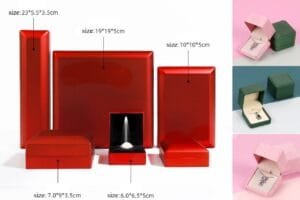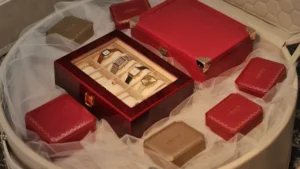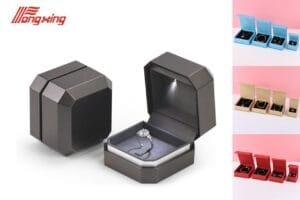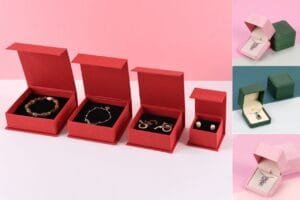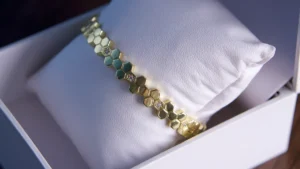
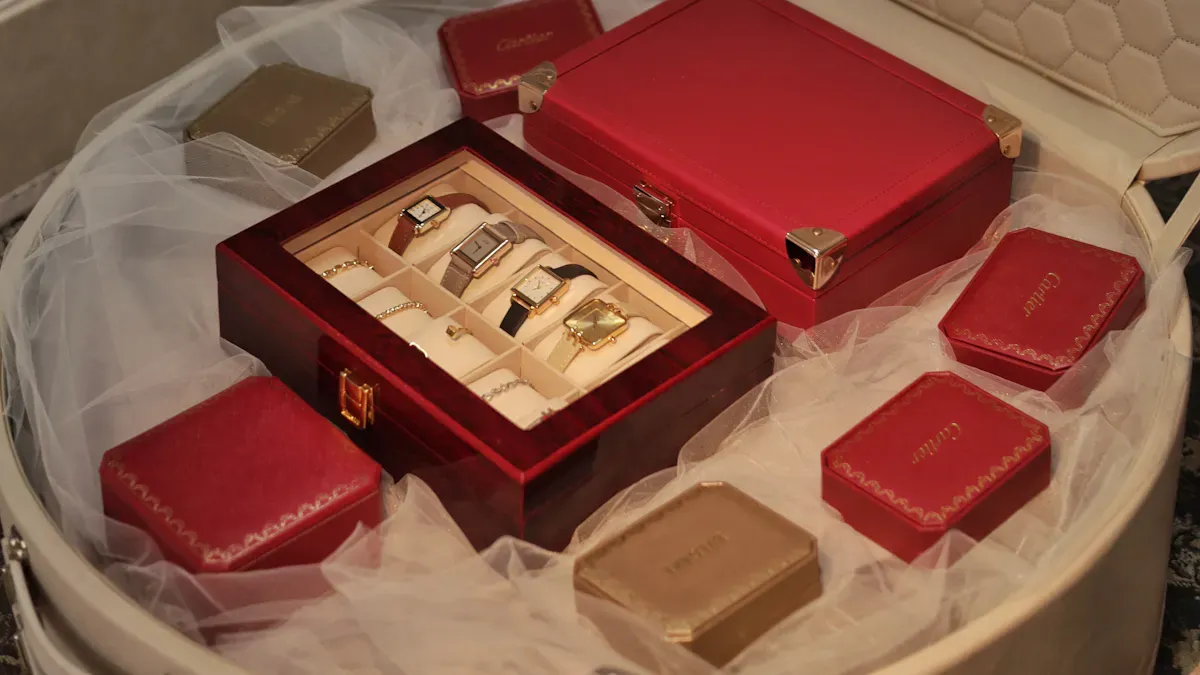
A jewelry box relies on strong hinges and secure closures to maintain its structural integrity and ensure the protection of valuable jewelry. The importance of hinges becomes clear when considering their ability to withstand frequent opening and closing, which preserves the box’s appearance and function. Many custom jewelry boxes feature advanced mechanisms that enhance durability. A quality jewelry packaging manufacturer prioritizes robust hardware for long-lasting Jewelry Display and Jewelry Pouch storage. Proper selection and maintenance of these components extend the life of jewelry packaging.
Investing in well-crafted hinges and closures safeguards treasured items for generations.
The Role of Hinges and Closures in Jewelry Box Longevity
How Hinges and Closures Function in a Jewelry Box
Basic Mechanics of Hinges
Hinges serve as the pivotal connection between the lid and the body of a jewelry box. They allow smooth opening and closing, supporting the lid’s weight and ensuring consistent alignment. The importance of hinges becomes evident when considering their role in maintaining the box’s structure and usability. Hinge dynamics involve the transfer of force each time the lid moves, which can lead to metal fatigue if the hinge uses inferior materials. High-quality hinges, such as concealed or barrel types, require precise installation to guarantee stability and long-term performance. These hinges often feature tamper-resistant designs, which eliminate visible access points and enhance the protection of valuable jewelry.
Purpose and Operation of Closures
Closures secure the lid, preventing accidental openings and safeguarding the jewelry inside. Their primary function is to keep the contents protected during movement or storage. Closures may use strong magnets, latches, or locks, each offering a different level of security and ease of use. A well-designed closure system resists mechanical failure, such as broken snaps or misaligned clasps, and often incorporates weather-resistant seals to block moisture and dust. This attention to closure design directly impacts the longevity and protection offered by the jewelry box.
Impact on Structural Integrity and Longevity
Preventing Wear and Tear Over Time
The importance of hinges extends to their ability to withstand repeated use without degrading. Durable materials, such as solid metals or reinforced leather, help prevent wear and tear. High-quality piano hinges, for example, distribute stress evenly along the lid, reducing the risk of breakage. In contrast, hinges made from weak materials may fail, compromising the jewelry box’s integrity. Reinforcement with flexible materials like leather further enhances hinge dynamics, absorbing stress and extending the box’s lifespan.
- High-quality hinges, such as metal piano hinges, endure years of frequent use.
- Inferior hinges or plastic snap mechanisms often break under stress.
- Alignment issues can cause incomplete closure, exposing jewelry to potential damage.
Protecting Jewelry and Contents from Damage
A jewelry box must offer reliable protection for its contents. Hinges and closures play a critical role in this aspect. When properly installed and maintained, they prevent the lid from slamming shut or opening unexpectedly. This reduces the risk of scratches, dents, or other damage to delicate jewelry pieces. Weather-resistant closures also shield the interior from dust and moisture, preserving the appearance and value of the jewelry. The importance of hinges lies in their ability to maintain a secure, stable environment for treasured items.
Importance of Hinges for Security and Usability
Enhancing Security and Peace of Mind
Security remains a top priority for any jewelry box owner. The right combination of hinges and closures ensures that only authorized users can access the contents. Tamper-resistant hinge designs and robust closure mechanisms deter unauthorized entry and accidental openings. This level of protection provides peace of mind, especially when storing valuable or sentimental jewelry.
| Feature | Description |
|---|---|
| Material Quality | High-quality jewelry boxes use durable materials like solid hardwood and aerospace-grade aluminum. |
| Hinge Type | Continuous piano hinges are preferred as they distribute stress evenly and enhance longevity. |
| Closure Security | Strong closures ensure the lid remains shut during movement, preventing accidental openings. |
Improving Accessibility and Daily Use
Functionality and ease of use define a jewelry box’s daily value. Well-designed hinges allow the lid to open smoothly and stay in place, making it easy to access jewelry without hassle. Closures that operate effortlessly contribute to a positive user experience, encouraging regular use and careful handling. The importance of hinges and closures becomes clear in their ability to balance security with accessibility, supporting both the longevity of the box and the protection of its contents.
Tip: Regular inspection and gentle handling of hinges and closures can further extend the lifespan of your jewelry box, ensuring continued protection and usability.
Types of Hinges and Closures for Jewelry Box Longevity
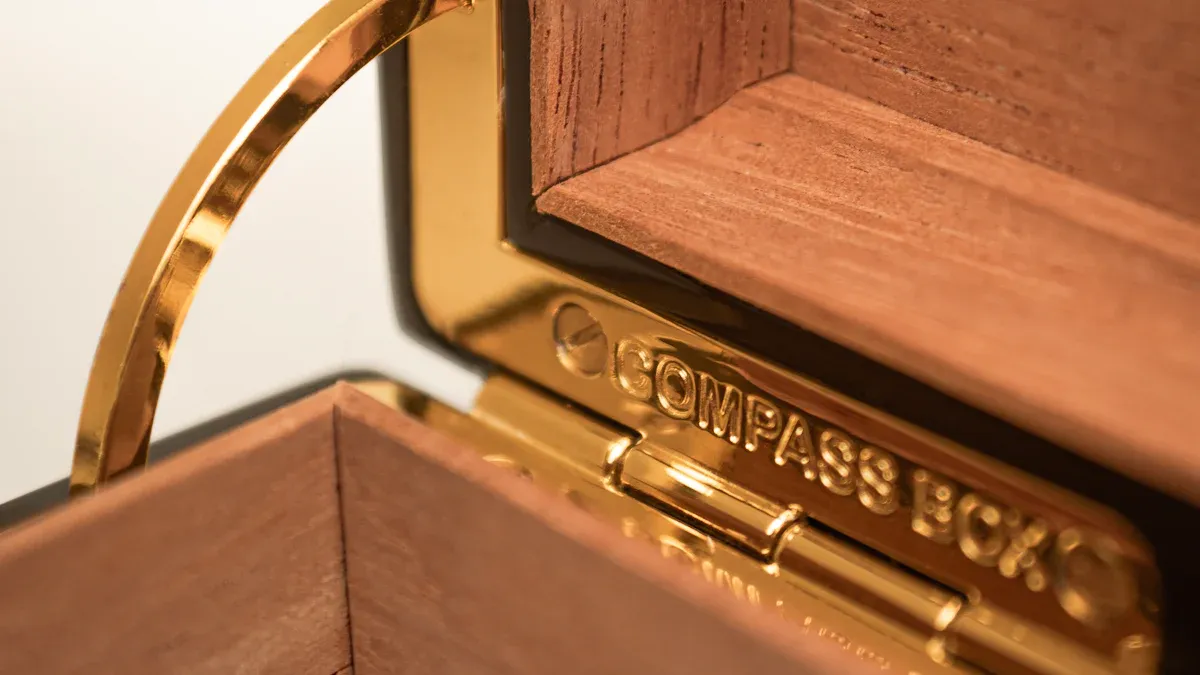
Common Types of Hinges in Jewelry Boxes
Piano Hinges
Piano hinges, also known as continuous hinges, run the entire length of the jewelry box lid. They provide enhanced support and stability, making them a preferred choice for high-end jewelry storage. These hinges distribute stress evenly, which increases durability and reduces the risk of mechanical failure. Piano hinges often appear in luxury jewelry box designs, supporting optimal storage solutions for necklaces and sets.
Butt Hinges
Butt hinges consist of two rectangular plates joined by a pin. They offer versatility in design and finish, making them suitable for a variety of jewelry box styles. Butt hinges have a low initial cost, but frequent maintenance may increase long-term expenses. Many commercial jewelry boxes use butt hinges for their accessibility and ease of installation.
Concealed Hinges
Concealed hinges remain hidden when the jewelry box is closed, providing a sleek and modern appearance. These hinges suit minimalist designs and specialty jewelry storage. Barrel hinges, a type of concealed hinge, offer a discreet look and small size, making them ideal for custom jewelry boxes.
Soft-Close Hinges
Soft-close hinges prevent the lid from slamming shut, protecting delicate jewelry from impact. They enhance user experience by ensuring smooth, controlled movement. Soft-close hinges contribute to the longevity of jewelry boxes by minimizing wear and tear during daily use.
Decorative Hinges
Decorative hinges add visual appeal to jewelry boxes. They often feature intricate patterns or finishes, complementing the overall design. While decorative hinges may not always provide the highest durability, they enhance presentation value and suit collector editions.
Common Types of Closures in Jewelry Boxes
Magnetic Closures
Magnetic closures utilize strong internal magnets to secure the lid. These closures appear frequently in modern jewelry box designs, offering ease of use and reliable protection. Magnetic closures support optimal storage solutions by preventing accidental openings during movement.
Latch Closures
Latch closures use mechanical fasteners to lock the lid. They provide a traditional look and suit classic jewelry storage. Latch closures offer moderate security and remain popular in daily retail jewelry boxes.
Lock and Key Mechanisms
Lock and key mechanisms deliver enhanced security for valuable jewelry. These closures deter unauthorized access and protect contents during storage. Many high-end jewelry boxes feature lock and key systems for peace of mind.
Snap Closures
Snap closures rely on pressure to keep the lid shut. They offer quick access and suit lightweight jewelry storage. Snap closures may require frequent replacement due to wear, but they remain common in commercial products.
| Type of Closure | Description |
|---|---|
| Magnetic Closure | Utilizes strong internal magnets for secure closure, commonly found in modern minimalist designs. |
| Barrel Hinges | Recommended for specialty jewelry boxes, providing a discreet appearance and small size. |
Strengths and Weaknesses of Each Type
Durability Factors for Longevity
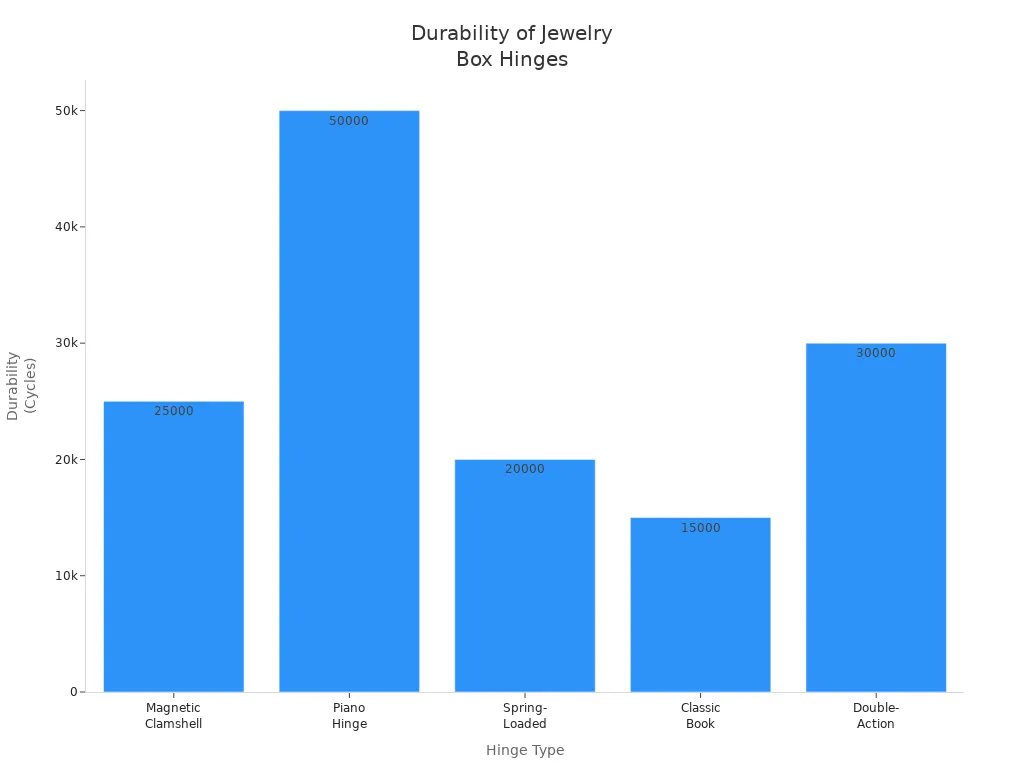
Different hinge and closure types offer varying levels of durability. Piano hinges provide ultra-high durability, supporting up to 50,000 cycles. Butt hinges require frequent maintenance, which affects longevity. Ball bearing hinges deliver smooth operation and withstand high-traffic use, but cost more upfront. Magnetic clamshell hinges excel in retail luxury jewelry boxes, offering premium protection and smooth opening experiences.
| Type of Hinge | Strengths | Weaknesses |
|---|---|---|
| Continuous Hinges | Enhanced support for heavy doors, Extremely durable and long-lasting, Increased security due to full-length design | Difficult installation requiring precise measurements |
| Butt Hinges | Low initial cost, Variety of design configurations and finishes | High long-term cost of ownership due to frequent maintenance and replacement |
| Ball Bearing Hinges | Smoother operation due to reduced friction, Ideal for high-traffic areas | May be more expensive upfront compared to standard hinges |
Suitability for Custom Jewelry Boxes and Styles
Custom jewelry boxes require hinges and closures that match their intended use and style. Piano hinges suit high-end brands and premium jewelry storage. Concealed hinges and magnetic closures fit minimalist and specialty designs. Decorative hinges enhance presentation value for collector editions. Spring-loaded and double-action hinges provide unique opening experiences for engagement rings and watches.
Choosing the right hinge and closure ensures the jewelry box delivers both durability and optimal storage solutions for treasured jewelry.
Best Choices for Longevity in Jewelry Boxes
Recommended Hinges for Durability
Selecting the right hinge ensures a jewelry box remains functional and attractive for years. Manufacturers often choose piano hinges for their strength and ability to distribute weight evenly. These hinges support the lid and prevent misalignment, which protects jewelry from accidental damage. Concealed hinges offer a modern look and resist tampering, making them ideal for custom designs. Soft-close hinges provide gentle movement, reducing impact and wear during daily use. Decorative hinges add style but may not always deliver the same durability as functional types.
A jewelry box benefits from hinges made of solid brass or stainless steel. These materials resist corrosion and maintain their appearance over time. Many luxury storage solutions feature barrel hinges, which combine discreet design with reliable performance. Hinges with reinforced pins and smooth rotation help prevent mechanical failure. Regular inspection and maintenance extend the lifespan of these components.
Tip: When choosing a jewelry box, inspect the hinge installation. Proper alignment and secure mounting indicate quality craftsmanship.
| Hinge Type | Durability Rating | Appearance | Best Use Case |
|---|---|---|---|
| Piano | Excellent | Classic | Large jewelry storage |
| Concealed | Very Good | Modern/Minimal | Custom jewelry box |
| Soft-Close | Good | Contemporary | Daily-use jewelry box |
| Decorative | Moderate | Ornate | Collector’s jewelry box |
Recommended Closures for Security
Closures play a vital role in protecting jewelry inside a jewelry box. Magnetic closures provide easy access and reliable protection, especially in modern storage designs. Latch closures suit traditional boxes and offer moderate security. Lock and key mechanisms deliver the highest level of protection, making them ideal for valuable jewelry collections. Snap closures allow quick opening but may require frequent replacement.
A jewelry box with a lock and key mechanism prevents unauthorized access. Many custom storage solutions use magnetic closures for their seamless operation. Latch closures remain popular in classic designs, balancing security and accessibility. Closures made from high-quality metals resist wear and maintain their function over time.
Note: For maximum security, select a jewelry box with a closure that matches the value and frequency of use of your jewelry collection.
- Lock and key mechanisms: Best for high-value jewelry storage.
- Magnetic closures: Ideal for daily-use jewelry boxes.
- Latch closures: Suitable for traditional jewelry box designs.
Choosing the best hinges and closures ensures a jewelry box provides lasting protection and easy access to jewelry. Quality hardware supports both the longevity of the box and the safety of its contents.
Signs of Quality Hinges and Closures in Custom Jewelry Boxes
Materials and Construction Quality
Metal Types and Finishes for Longevity
A jewelry box with high-quality hinges and closures often features solid brass components. Brass delivers durability and a classic look, while brass-plated steel offers a budget-friendly alternative but may not last as long. Finishes such as antique brass and satin nickel enhance the appearance and provide additional protection. Small brass butt hinges and barrel hinges suit custom jewelry boxes, offering both ease of installation and a seamless design. Quadrant or small stop hinges help lids stay open, improving usability and longevity.
Wooden jewelry boxes with metal parts combine durability and aesthetics. Metal boxes require regular polishing to prevent tarnish and oxidation, increasing maintenance needs. Wooden boxes naturally regulate humidity and temperature, protecting jewelry from tarnish and environmental damage.
Craftsmanship Indicators in Custom Jewelry Boxes
| Indicator of Craftsmanship | Description |
|---|---|
| Precision Machining | Ensures smooth operation and exceptional longevity of hinges. |
| Hand-Finishing | Provides a consistent polished appearance through in-house hand-polishing. |
| Material Selection | Use of solid brass or stainless steel for durability. |
| Engineering Excellence | Engineered tolerances for optimal performance and reliability. |
A jewelry box with these craftsmanship indicators demonstrates attention to detail and commitment to quality. Custom jewelry boxes often showcase these features, ensuring reliable performance and lasting value.
Smooth Operation and Proper Fit
Testing for Smooth Movement
Quality hinges and closures must operate smoothly. Testing involves opening and closing the jewelry box to check for resistance or squeaking. Structural stability ensures the box remains intact during use. Internal slots should securely hold jewelry items, preventing movement and potential damage.
Tip: Always test the movement of hinges and closures before purchasing a jewelry box. Smooth operation signals quality and reduces the risk of mechanical failure.
Ensuring Proper Alignment and Installation
Proper alignment and installation play a crucial role in the longevity of custom jewelry boxes. The process includes marking the hinge position, drilling pilot holes, attaching the first leaf, aligning and attaching the second leaf, and testing movement. Laying out and marking hinge positions with a square, cutting flush mortises, and using steel screws for initial assembly help achieve perfect alignment. Regular lubrication, cleaning, and inspection maintain quality and prevent wear.
Durability and Resistance to Wear
Corrosion Resistance and Protective Coatings
Durability depends on resistance to corrosion and protective coatings. Genuine leather jewelry cases resist scratches and maintain their shape under pressure. Leatherette provides moderate protection but can suffer structural weaknesses. Automated open-close testing simulates years of use, while stress tests ensure hinges and clasps function under load.
| Testing Method | Purpose |
|---|---|
| Automated Open-Close Testing | Simulates years of regular use by opening and closing boxes 10,000 times. |
| Stress Tests on Hinges and Clasps | Applies varying loads to ensure functionality under stress. |
Reinforcement Features for Longevity
A jewelry box with reinforced hinges and closures withstands daily use and protects valuable jewelry. Genuine leather resists scratches and recovers from minor abrasions, maintaining quality over time. Regular maintenance, including cleaning and inspection, extends the life of custom jewelry boxes and preserves their protective features.
What to Avoid in Hinges and Closures
Signs of Poor Quality Components
Selecting a jewelry box requires careful attention to the quality of its hinges and closures. Poor hardware can compromise the security and longevity of the jewelry stored inside. Many jewelry boxes on the market feature components that fail to deliver smooth operation or secure closure. These issues often lead to frustration and potential damage to valuable jewelry.
Buyers should avoid jewelry boxes with the following characteristics:
- Hinges that feel loose or wobble during opening and closing.
- Clasps that do not align properly, resulting in unreliable closure.
- Drawer pulls that stick or require excessive force to operate.
- Hardware made from thin, lightweight metals prone to bending or breaking.
- Screws that strip easily or show signs of rust.
A jewelry box with high-quality hinges, clasps, and drawer pulls ensures smooth operation and secure closure. These features protect jewelry from accidental spills and minimize the risk of signs of wear and tear. Manufacturers who prioritize robust hardware demonstrate a commitment to durability and user satisfaction.
Tip: Always inspect the hinges and closures before purchasing a jewelry box. Quality hardware will feel solid and operate without resistance.
Red Flags in New and Vintage Jewelry Boxes
Both new and vintage jewelry boxes can display warning signs that indicate poor hinge and closure quality. Buyers should remain vigilant when evaluating these products, as hidden flaws may affect the box’s performance and the safety of the jewelry inside.
The following table highlights common complaints found in jewelry box reviews:
| Complaint Description |
|---|
| One hinge arrived bent — packaging was flimsy. |
| Screws stripped immediately upon insertion. |
| Finish didn’t match photos — too shiny compared to description. |
| After six months, the pin started wobbling loose. |
These red flags suggest that the jewelry box may not withstand daily use or protect jewelry effectively. Bent hinges and stripped screws often result from inadequate materials or poor manufacturing practices. A mismatched finish can indicate rushed production or lack of attention to detail. Pins that loosen over time threaten the structural integrity of the jewelry box and increase the risk of damage to jewelry.
Buyers should avoid jewelry boxes with visible defects or hardware that feels unstable. Regular inspection helps identify early signs of wear and tear, allowing for timely repairs or replacement. Investing in a jewelry box with reliable hinges and closures ensures long-term protection for treasured jewelry.
Maintenance Tips for Hinges and Closures to Maximize Longevity
Regular Cleaning Practices for Jewelry Box Hinges
Safe Cleaning Methods for Metal and Non-Metal Parts
A consistent care routine helps preserve the function and appearance of jewelry box hinges and closures. Maintenance experts recommend several regular cleaning practices to keep these components in optimal condition:
- Apply mineral oil to hinges every quarter for boxes that see daily use. This step keeps movement smooth and prevents wear.
- If hinges feel stiff, use a toothpick dipped in alcohol to clean out debris before applying lubricant.
- During humid months, check hinges monthly as part of your maintenance routine to prevent damage from moisture.
Proper care for both metal and non-metal parts ensures that hinges and closures remain reliable. Dust wooden jewelry boxes with a microfiber cloth and use a damp cloth with mild soap for deeper cleaning. Conditioning wood with natural oils maintains its finish and prevents drying or cracking.
Products to Use and Avoid for Maintenance
Selecting the right cleaning products is essential for jewelry maintenance and longevity. The table below outlines safe and effective methods for different materials:
| Material Type | Cleaning Method |
|---|---|
| Wooden Jewelry Boxes | Dust with a microfiber cloth, clean with a damp cloth and mild soap, condition with natural oils. |
| Metal Hardware | Use non-abrasive cleaner, polish with a soft cloth, remove tarnish with appropriate metal polish. |
| Eco-Friendly | Use plant-based soaps, avoid harsh chemicals, and choose biodegradable cleaners. |
For metal hardware, Brite Metal Polish offers a non-toxic, water-based formula that is EPA-approved and safe for household use. This non-abrasive product will not scratch or damage metal surfaces and is safe for use around children and pets when used as directed. Avoid harsh chemicals or abrasive pads, as these can scratch or corrode both metal and wood finishes.
Lubrication and Care for Hinges and Closures
When and How to Lubricate Hinges
Lubrication forms a crucial part of any care routine for jewelry boxes. Apply a small amount of mineral oil to the hinges every three months, especially for boxes in frequent use. If hinges squeak or feel stiff, clean them first before applying lubricant. Use a cotton swab or a soft cloth to distribute the oil evenly and wipe away any excess to prevent buildup.
Choosing the Right Lubricant for Longevity
Choosing the right lubricant ensures long-term performance and prevents damage. Mineral oil works well for most metal hinges, while silicone-based lubricants suit specialty finishes. Avoid petroleum-based products, as they can attract dust and degrade certain materials. Regular lubrication as part of your maintenance methods will keep hinges and closures operating smoothly for years.
Preventing Damage to Hinges and Closures
Handling with Care to Avoid Stress
Proper care and gentle handling prevent damage to hinges and closures. Always open and close the jewelry box lid slowly, supporting the lid to reduce stress on the hinges. Avoid forcing closures or overloading the box, as excessive weight can strain hardware and compromise structural integrity.
Environmental Considerations for Jewelry Box Longevity
Environmental factors play a significant role in jewelry box maintenance. Store boxes in a cool, dry place to prevent moisture buildup, which can cause rust or swelling in wood. During humid months, increase the frequency of regular cleaning and inspection. Avoid placing jewelry boxes in direct sunlight, as UV exposure can fade finishes and weaken adhesives.
Tip: Establish a care routine that includes regular cleaning, lubrication, and inspection to maximize the longevity of your jewelry box hinges and closures.
Routine Inspection and Maintenance
What to Check for During Inspections
Routine inspection forms the foundation of jewelry box longevity. A professional approach to care involves checking hinges and closures regularly to prevent unexpected failures. During each inspection, individuals should perform a simple test by opening and closing the jewelry box with one hand thirty times. At the tenth and twentieth attempts, they should listen for unusual noises and observe alignment. Consistent resistance in hinges signals proper function. If the lid tilts or sticks, further maintenance may be necessary.
A flat placement check ensures even gaps around the box when closed. This step confirms that the box sits level and that hinges remain aligned. The half-open hold test evaluates lid stability when opened halfway. If the lid wobbles or fails to stay in position, hinge care becomes essential. Inspect for scratches or surface scuffs during the opening and closing process. These marks indicate that hardware may require additional maintenance or adjustment.
Lock closures must operate smoothly. Any looseness after closing suggests that the closure needs care or replacement. Magnetic suction and alignment should remain stable to prevent tilting. Individuals should check for consistent resistance in hinges and closures, as this signals that the box receives proper care and maintenance.
Tip: Regular inspection helps identify early signs of wear, allowing for timely maintenance and preventing costly repairs.
Scheduling Regular Maintenance for Custom Jewelry Boxes
Industry standards recommend a structured maintenance schedule for custom jewelry boxes. This schedule ensures that each component receives the care it needs to function optimally. The following table outlines recommended maintenance tasks and their frequency:
| Task | Frequency |
|---|---|
| Dusting Linings | Monthly |
| Polishing Metals | After Each Wear |
| Divider Audit | Quarterly |
Monthly dusting of linings removes debris and prevents buildup. Polishing metals after each wear maintains the appearance and function of hinges and closures. Quarterly divider audits ensure that internal compartments remain secure and free from damage. Adhering to this maintenance schedule supports the longevity of the jewelry box and protects valuable contents.
Establishing a care routine involves setting reminders for each maintenance task. Individuals should keep a log of completed maintenance to track the condition of hinges and closures. Consistent care prevents issues such as misalignment, sticking, or corrosion. By following a structured maintenance plan, owners ensure that their jewelry box remains reliable and attractive for years.
Note: A proactive care routine reduces the risk of unexpected failures and extends the lifespan of custom jewelry boxes.
Common Problems with Hinges and Closures in Jewelry Boxes and How to Address Them
Loose Hinges and Their Impact on Longevity
Causes and Prevention of Loose Hinges
Loose hinges often result from repeated use, improper installation, or environmental factors such as humidity. When hinges loosen, the lid may misalign, exposing jewelry to potential damage. Wood expansion or contraction can enlarge screw holes, causing instability. Preventing loose hinges requires regular inspection and careful handling. Owners should avoid overloading the box and ensure that the lid opens and closes smoothly. Routine maintenance helps identify early signs of wear, allowing timely intervention.
How to Tighten or Replace Hinges
Addressing loose hinges involves several methods, depending on the cause. Misaligned hinges require realignment by pushing the pin back in with a nail-set or blunt tool while keeping the hinge straight. For hinges loose in wood, removal and filling the enlarged hole with epoxy wood filler restores stability. After the filler dries, owners can reinsert the hinge carefully. Bent hinges need adjustment by ensuring the hinge sits in both the lid and box, then gently bending the hinge while the lid remains closed to achieve proper alignment.
| Method | Description |
|---|---|
| Fixing misaligned hinges | Push the pin back in with a nail-set or blunt tool while keeping the hinge aligned. |
| Addressing loose hinges in wood | Remove the hinge, fill the enlarged hole with epoxy wood filler, and reinsert the hinge carefully. |
| Dealing with bent hinges | Ensure the hinge is set in both the lid and box, then gently bend the hinge while the lid is closed to align it. |
Tip: Regularly check hinge screws for tightness and monitor for signs of movement. Early action prevents further damage and extends the life of the jewelry box.
Faulty Closures in Jewelry Boxes
Diagnosing Closure Issues
Faulty closures compromise the security of jewelry. Common issues include misaligned clasps, weakened magnets, or broken latches. Owners should test closures by gently opening and closing the lid, observing for resistance or failure to lock. Misalignment often causes closures to miss their target, leaving the box unsecured. Weak magnets may fail to hold the lid, especially after prolonged use. Broken latches can result from excessive force or material fatigue.
Repair and Replacement Options for Closures
Repairing closures depends on the type and severity of the issue. Misaligned clasps require adjustment, often by repositioning the hardware or tightening screws. Weakened magnets need replacement with new, stronger magnets. Broken latches may require a full replacement, using compatible hardware to restore function. Owners should select closures made from durable materials to ensure long-term protection for jewelry. Professional repair services offer expertise for complex issues, especially in vintage or custom boxes.
Squeaky or Stiff Hinges in Custom Jewelry Boxes
Quick Fixes for Squeaky Hinges
Squeaky hinges signal a lack of lubrication or accumulated debris. Owners can resolve this by cleaning the hinge with a cotton swab dipped in alcohol, then applying a small amount of mineral oil. This process restores smooth movement and prevents further wear. Stiff hinges may require gentle manipulation to loosen, followed by lubrication.
Note: Avoid using petroleum-based products, as these can attract dust and degrade hinge materials.
When to Seek Professional Help
Some hinge and closure problems require professional attention. If hinges remain stiff or squeaky after cleaning and lubrication, or if closures fail repeatedly, owners should consult a specialist. Professional repair ensures proper alignment and installation, preserving the integrity of the jewelry box and protecting valuable jewelry.
Dealing with Rust or Corrosion on Hinges and Closures
Cleaning and Restoration Techniques
Rust and corrosion can compromise the function and appearance of jewelry box hinges and closures. Early intervention preserves both the hardware and the jewelry inside. To address minor rust, individuals can use a soft-bristled toothbrush and a paste made from baking soda and water. Gently scrubbing the affected area removes surface corrosion without damaging the metal. For more stubborn rust, a cotton swab dipped in white vinegar can help dissolve buildup. After cleaning, thoroughly dry the hardware to prevent moisture from lingering.
For advanced corrosion, a commercial rust remover may be necessary. Always follow the product instructions and test on a small, inconspicuous area first. Avoid abrasive pads or steel wool, as these can scratch the metal and create more places for rust to form. If hinges or closures show signs of pitting or structural weakness, replacement may offer the best solution for protecting jewelry.
Tip: Always remove all jewelry from the box before starting any cleaning process to prevent accidental damage.
A simple cleaning routine helps maintain the integrity of the hardware. Regularly inspect hinges and closures for early signs of rust, such as discoloration or rough texture. Addressing these issues promptly ensures the jewelry box continues to safeguard valuable items.
Preventing Future Rust and Corrosion
Prevention remains the most effective strategy for maintaining jewelry box longevity. Store the jewelry box in a dry, climate-controlled environment. Humidity accelerates corrosion, so consider using silica gel packets inside the box to absorb excess moisture. Choose hinges and closures made from corrosion-resistant materials like stainless steel or brass for new or replacement hardware.
A protective coating, such as a thin layer of clear nail polish or specialized metal sealant, can shield metal surfaces from air and moisture. Apply the coating carefully, allowing it to dry completely before returning jewelry to the box. Regularly lubricate hinges with a non-petroleum-based oil to create a barrier against oxidation.
The following table summarizes key prevention steps:
| Prevention Step | Benefit |
|---|---|
| Use silica gel packets | Reduces moisture inside the box |
| Select corrosion-resistant metals | Minimizes risk of rust formation |
| Apply protective coatings | Shields metal from air and humidity |
| Lubricate hinges regularly | Prevents oxidation and ensures movement |
Note: Consistent maintenance and environmental control extend the life of both the jewelry box and the jewelry it protects.
By following these cleaning and prevention techniques, individuals ensure that their jewelry remains secure and their storage solution retains its beauty and function for years.
A jewelry box offers lasting protection for jewelry when owners prioritize the condition of hinges and closures. They perform regular assessment of hardware to maintain the condition of the box. Jewelry remains safe when the condition of closures supports reliable protection. Heirloom jewelry requires careful attention to the condition of hinges for maximum protection. Owners inspect the condition of the box to ensure jewelry stays secure. The condition of hardware determines the level of protection for jewelry. Jewelry collectors value the condition of their storage for long-term preservation.
Proper condition assessment guarantees protection for jewelry and preserves its heirloom value.
FAQ
What materials offer the best durability for jewelry box hinges?
Solid brass and stainless steel provide excellent durability. These metals resist corrosion and maintain structural integrity. Manufacturers often select these materials for premium jewelry boxes.
How often should owners lubricate jewelry box hinges?
Owners should lubricate hinges every three months. Frequent use may require monthly lubrication. Mineral oil works well for most metal hinges.
Can faulty closures affect jewelry security?
Faulty closures compromise jewelry security. Weak magnets or broken latches allow accidental openings. Owners should inspect closures regularly and replace damaged hardware promptly.
What signs indicate a hinge needs replacement?
Loose movement, visible rust, or misalignment signal hinge failure. Owners should replace hinges showing these signs to maintain box integrity.
Are decorative hinges less durable than functional hinges?
Decorative hinges often prioritize appearance. Functional hinges, such as piano or concealed types, deliver greater durability. Owners should balance aesthetics with longevity.
How can owners prevent rust on jewelry box hardware?
Owners can store boxes in dry environments and use silica gel packets. Applying protective coatings and regular lubrication also prevents rust.
Which closure type provides the highest security?
| Closure Type | Security Level |
|---|---|
| Lock and Key | High |
| Magnetic | Moderate |
| Latch | Moderate |
| Snap | Low |
Lock and key mechanisms offer the highest security for valuable jewelry.