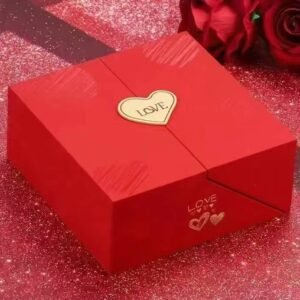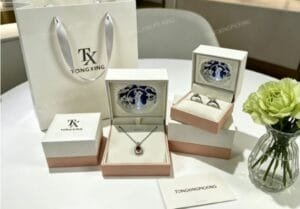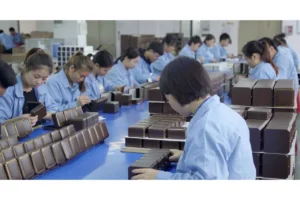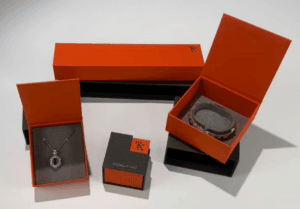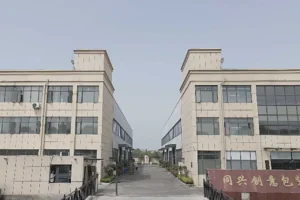
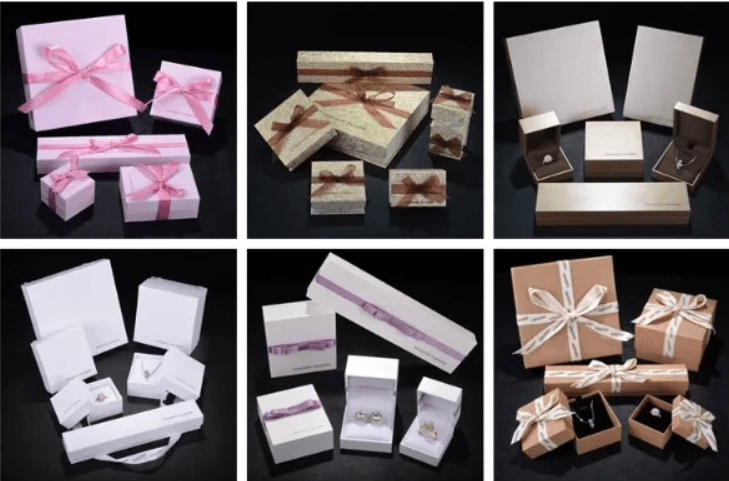

To evaluate the quality of a jewelry box factory, a buyer must look beyond surface details. Quality in jewelry production depends on strict standards, reliable processes, and consistent results. A jewelry box factory that values quality will show attention to every detail, from raw materials to final inspection. Buyers should evaluate the quality of each jewelry item, whether selecting boîtes à bijoux personnalisées, Présentoir à bijoux, or a Pochette à bijoux. Quality also extends to the reputation of the fabricant d'emballages pour bijoux and the reliability of their emballage de bijoux. To evaluate the quality of a jewelry box factory, one should check how they manage quality at every stage. Evaluate the quality of their products, their systems, and their service. Consistent evaluation of the quality offered by a jewelry box factory leads to better results in jewelry production and satisfied clients.
Evaluate the Quality of Production Capacity and Delivery Reliability
Equipment and Technology in Jewelry Box Factory
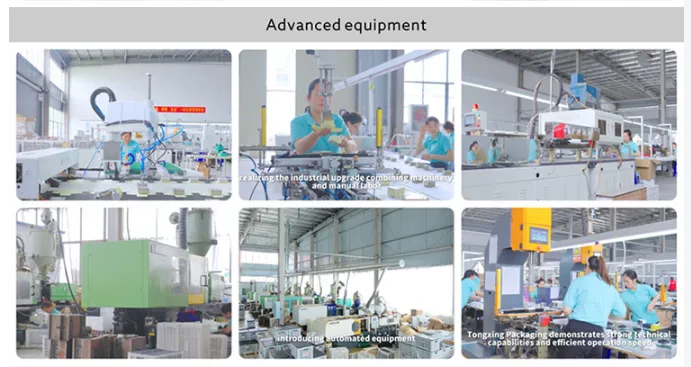
Machinery and Automation
Jewelry box factories rely on advanced machinery to maintain high production capacity and consistent quality. Modern equipment can produce between 800 and 1200 pieces per hour, supporting large-scale jewelry orders. These machines handle a wide range of box sizes, from 50×50mm to 300×400mm, which allows manufacturers to meet diverse jewelry packaging needs. Energy-efficient machines operate at 800W, reducing costs while maintaining speed. Precision forming technology ensures every jewelry box has perfect corners and edges, which is essential for protecting valuable jewelry items. Factories often use heavy-duty steel frames for stability and durability, supporting continuous production.
| Fonctionnalité | Description |
|---|---|
| Production Speed | 800-1200 pieces per hour, ensuring high output and efficiency. |
| Size Range | Accommodates box sizes from 50×50mm to 300×400mm for various applications. |
| Energy Efficiency | Operates at 800W, providing low power consumption while maintaining speed. |
| Precision Forming | Advanced technology for consistent quality with perfect corners and edges. |
| Control System | Intuitive PLC control panel with touchscreen for easy operation. |
| Construction | Heavy-duty 650KG steel frame for stability and durability. |
Technology Integration
Factories that integrate intuitive PLC control panels and touchscreen interfaces streamline the production process. These systems allow operators to monitor and adjust settings quickly, which reduces errors and increases production capacity. Technology integration also supports traceability throughout the production process, ensuring each jewelry box meets strict quality standards.
Production Scale and Order Volume
Scalability for Growth
A jewelry box manufacturer must demonstrate the ability to scale production capacity as demand increases. High-quality jewelry boxes require sturdy construction, often using thick paperboard or greyboard. Machines apply cover materials smoothly, preventing bubbles or wrinkles. Precision in cutting and forming corners is critical, as weak corners can cause jewelry boxes to fail. Factories that maintain strict quality control at every step of the production process can handle larger order volumes without sacrificing quality.
- A good jewelry box is sturdy, protects the contents, looks attractive, and feels high quality.
- The structure must be strong, typically using thick paperboard or greyboard for the core.
- Precision in cutting and forming corners is crucial; weak corners can lead to boxes falling apart.
- The cover material must be applied smoothly without bubbles or wrinkles, which is aided by machines.
- Quality control in the manufacturing steps is vital for producing better boxes.
Lead Times and Historical Performance
In the executive lightweight CZ & beads studded jewellery sector, operational performance is shaped by milligrams, minutes, and micro-processes. When designs are intricate and volumes are high, small inefficiencies quietly add up impacting delivery timelines, quality consistency, and profitability. Managing throughput, controlling defects, and simplifying lead-time complexities are essential to scale sustainably without compromising finish or precision.
Manufacturers with a strong track record in meeting deadlines and maintaining consistent production capacity can support business growth. Reviewing historical performance helps buyers predict future reliability.
Delivery Reliability and On-Time Records
Average Lead Times
Buyers should examine average lead times to assess how quickly a manufacturer can fulfill jewelry orders. Shorter lead times indicate efficient production processes and strong production capacity. Monitoring order cycle time, which measures the duration from order placement to receipt, provides insight into the manufacturer’s efficiency.
| Système métrique | Description |
|---|---|
| On-Time Delivery Rate | Percentage of orders delivered by the promised date, crucial for customer satisfaction. |
| Order Accuracy | Measures the correctness of orders shipped, impacting customer satisfaction and returns. |
| Fill Rate | Indicates the percentage of orders fulfilled without stockouts, reflecting inventory management. |
| Order Cycle Time | Average duration from order placement to receipt, highlighting order processing efficiency. |
| On-Time Shipping | Proportion of orders shipped on or before the expected date, essential for customer trust. |
| Perfect Order Rate | Evaluates orders shipped without issues, including accuracy, condition, and timeliness. |
On-Time Delivery Records
Industry leaders such as Shenzhen Boyang Packing and Yancheng Gold Packaging consistently achieve a 100% on-time delivery rate. High on-time delivery rates reflect a manufacturer’s commitment to meeting deadlines and maintaining strong production capacity. Reliable delivery performance builds trust and encourages repeat business in the jewelry sector.
| Manufacturer | On-Time Delivery Rate | Ratings | Reorder Rate |
|---|---|---|---|
| Shenzhen Boyang Packing | 100% | 5.0 | 37% |
| Yancheng Gold Packaging | 100% | N/A | N/A |
| Dongguan U-Smile Manufacture | N/A | N/A | N/A |
| Wenzhou Wellhead Pack | N/A | N/A | N/A |
| Shijiazhuang Pozi Technology | N/A | N/A | N/A |
A jewelry box manufacturer with strong production capacity, advanced technology, and reliable delivery records will support business growth and ensure high-quality emballage de bijoux.
Jewelry Quality Control Systems and Processes
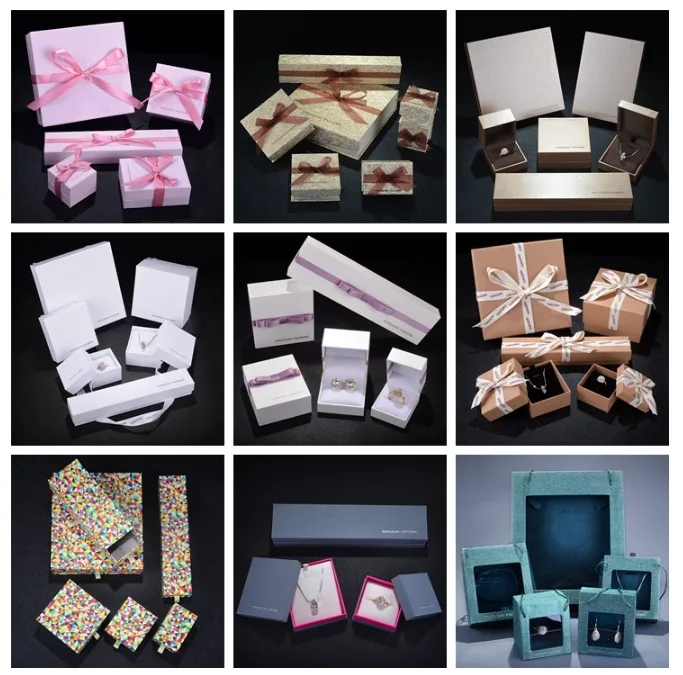
Quality Management in Jewelry Box Factory
Standard Operating Procedures
Jewelry box factories establish robust management systems to guarantee quality at every stage. They implement ISO 9001 standards, which set the foundation for consistent quality control. These standards guide the jewelry inspection process, ensuring each product meets strict requirements. Factories set key performance indicators and use reliable measurement equipment to monitor quality. They maintain records for every batch, supporting traceability and accountability. Supplier management programs also play a vital role, as they ensure only high-quality jewelry materials enter the production process.
- ISO 9001 standards form the backbone of most jewelry quality control systems.
- Factories use key performance indicators to track quality.
- Reliable measurement tools support accurate inspection.
- Batch records enable traceability.
- Supplier management ensures material authenticity and quality.
Certifications and Compliance (e.g., ISO)
Certifications such as ISO 9001 demonstrate a factory’s commitment to quality management. These certifications require regular audits and adherence to international standards. Compliance with these standards assures buyers that the factory follows best practices in quality control, inspection, and process management. Factories with such certifications often lead the industry in high-quality jewelry production.
Defect Rates and Tracking
Defect Tracking Methods
Factories use advanced methods to reduce defect rates and improve jewelry quality control. Automation, robotic spotters, and semi-automation help maintain consistency and minimize human error. These technologies support the inspection process by ensuring each jewelry box meets quality standards.
| Method | Description |
|---|---|
| Automation | Automatic rigid box making machines deliver precision and speed. |
| Robotic Spotter | Automates positioning and wrapping, reducing labor costs and defects. |
| Semi-Automation | Combines machines and manual labor for complex inserts, balancing quality. |
Acceptable Defect Thresholds
Factories set strict standards for acceptable defect thresholds. They monitor defect rates through regular inspection and maintain detailed records. The management team reviews these records to identify trends and implement corrective actions. Consistent monitoring ensures that only high-quality jewelry boxes reach customers.
Inspection and Testing Procedures
Material Inspection and Durability Testing
The inspection process begins with material inspection, where factories check for authenticity and compliance with industry standards. They conduct laboratory tests, including mechanical assessments for tension and torque resistance, and chemical tests for plating thickness and harmful substances. These tests confirm that materials meet safety and quality standards.
- Industry standards guide material selection.
- Company protocols define specific inspection checkpoints.
- Authenticity checks verify supplier claims.
Aesthetic Evaluation and Final Product Testing
Factories perform comprehensive visual inspection at multiple stages. Visual inspection identifies surface imperfections, such as scratches, dents, or color inconsistencies, which affect both appearance and durability. Structural weaknesses, like misalignment or weak joints, are detected through visual and functional testing. The initial production inspection and pre-shipment inspection ensure that every batch meets quality standards before leaving the factory.
| Type of Defect | Inspection Checkpoints | Potential Impact |
|---|---|---|
| Surface Imperfections | Scratches, Dents, Color Inconsistencies | Aesthetic appeal, Durability |
| Structural Weaknesses | Misalignment, Loose Components, Weak Joints | Functionality, Longevity |
Note: A comprehensive visual inspection and rigorous testing process guarantee that only high-quality jewelry boxes reach the market. This approach upholds the authenticity and reputation of the manufacturer.
Reviewing Supply Chain and Material Sourcing for Quality
Raw Material Quality and Specifications
Material Types and Best Practices
Jewelry box manufacturers select materials that directly impact the quality of the final product. They often choose premium paperboard, velvet, leather, or sustainable alternatives to ensure durability and a luxurious feel. Manufacturers follow best practices by specifying surface treatments, structural layers, and durability standards for each material. Consistency between samples and mass-produced jewelry boxes remains a top priority. Factories implement quality control processes at every stage to maintain uniformity and prevent defects.
| Critères | Description |
|---|---|
| Consistency | Ensures uniformity between samples and mass-produced products. |
| Material Specifications | Involves detailed descriptions of surface treatments, structural layers, and durability standards. |
| Quality Control Processes | Includes checkpoints for maintaining consistency across batches and management regulations for samples. |
| Lining and Protection | Focuses on preventing damage to jewelry and ensuring a luxurious feel, which impacts customer satisfaction. |
Supplier Relationships
Strong supplier relationships support the quality of emballage de bijoux. Manufacturers work with trusted suppliers who provide certified and traceable materials. They regularly audit suppliers to verify compliance with industry standards. This approach ensures that only high-quality materials enter the production process, reducing the risk of defects and enhancing the reputation of the jewelry box manufacturer.
Inventory Management and Material Traceability
Stock Control Systems
Effective inventory management systems help manufacturers maintain quality and reduce waste. Real-time inventory tracking allows factories to monitor stock levels instantly. Integration with business services streamlines operations and supports efficient production planning.
| Fonctionnalité | Description |
|---|---|
| Real-time inventory tracking | Allows manufacturers to monitor stock levels instantly. |
| End-to-end traceability | Ensures that every material can be traced throughout the production process. |
| Integration with services | Connects with various business services for streamlined operations. |
Manufacturers also use item-level tracking to know the origin and processing of each piece. Batch-level accountability proves useful for tracking small materials, such as decorative elements or linings. Compliance readiness supports audits and responsible sourcing.
Material Traceability
Material traceability strengthens quality assurance in jewelry box factories. Multiple inspection stages—raw material, in-process, and final packaging—reduce error rates. Factories keep photographic documentation of each batch and maintain detailed records. This practice allows for quick identification of quality anomalies and targeted corrective measures.
| Evidence Point | Description |
|---|---|
| Inspection Stages | Multiple inspection stages (raw material, in-process, final packaging) reduce error rates |
| Photographic Documentation | Photographic documentation of each batch ensures traceability |
| Record Keeping | Keeping a record of every batch allows for quick identification of quality anomalies and targeted corrective measures |
Sustainability and Ethical Sourcing
Environmental Standards
Jewelry box manufacturers increasingly adopt sustainable practices to improve quality and reduce environmental impact. They source silver and other metals from matériaux recyclés. Many use recycled or upcycled decorative elements and select biodegradable plastics, recycled cardboard, or plant-based alternatives for packaging design. Factories reduce their carbon footprint through low-carbon production methods and ensure packaging is recyclable or compostable. Visibility in the supply chain guarantees ethical sourcing.
Manufacturers comply with environmental standards through certifications such as ISO 14001 and FSC. Material safety testing, including REACH and RoHS, ensures materials are safe and non-toxic. Leather material certification (LWG) verifies responsible management of leather sourcing and production. Carbon footprint and biodegradability testing confirm eco-friendly practices.
Ethical Labor Practices
Factories demonstrate social responsibility by obtaining certifications like BSCI and SA8000. These certifications protect workers’ rights and welfare. Manufacturers ensure ethical labor practices throughout the supply chain, which further enhances the quality and reputation of jewelry packaging.
Tip: Buyers should always request documentation of environmental and social certifications when evaluating a jewelry box manufacturer. This step ensures transparency and supports responsible supply chain management.
Examining Communication and Customer Service Quality
Responsiveness and Transparency
Response Time to Inquiries
Jewelry box manufacturers demonstrate their commitment to quality through prompt and clear communication. Fast response times signal a reliable partner who values customer needs. Leading factories often reply to inquiries within six hours, which helps maintain project momentum and reduces misunderstandings. Buyers should assess how quickly a manufacturer answers questions and whether the responses address technical details directly. Consistent communication supports the delivery of high-quality emballage de bijoux and builds trust throughout the production process.
- Manufacturers with response times under six hours set a high standard for the industry.
- Quick replies help resolve issues before they affect quality or delivery.
- Clear answers to technical questions show expertise and transparency.
Information Sharing Practices
Transparent information sharing forms the backbone of a strong business relationship. Jewelry box factories that proactively offer solutions and share updates on production progress demonstrate a commitment to quality. They provide detailed explanations about materials, processes, and timelines. This openness allows customers to make informed decisions and ensures that expectations align with actual outcomes. When manufacturers communicate clearly, they reduce the risk of errors and improve the overall quality of jewelry packaging.
- Proactive updates keep customers informed about order status.
- Detailed explanations help customers understand the quality standards applied.
- Willingness to answer technical questions reflects a focus on customer satisfaction.
Problem Resolution and After-Sales Support
Handling Complaints
Effective problem resolution distinguishes high-quality jewelry box manufacturers from their competitors. When issues arise, leading factories address complaints quickly and professionally. They listen to customer feedback, investigate the root cause, and implement corrective actions. This approach not only resolves immediate concerns but also prevents similar problems in future orders. Manufacturers who value customer evaluation use complaints as opportunities to improve quality and service.
- Quick complaint handling shows respect for customer concerns.
- Investigating and correcting issues demonstrates a commitment to continuous quality improvement.
- Using feedback to refine processes leads to better jewelry packaging outcomes.
After-Sales Service
After-sales support plays a vital role in maintaining customer satisfaction and loyalty. Companies like Bijou by Sam highlight the importance of ongoing support, emphasizing that effective communication and deep product knowledge set industry leaders apart. Manufacturers who prioritize after-sales service offer guidance on product care, handle warranty claims efficiently, and remain available for follow-up questions. This level of support fosters long-term relationships and encourages positive customer feedback, which strengthens the reputation of the jewelry box manufacturer.
Tip: Consistent after-sales service and open communication help manufacturers stand out in the jewelry industry. Customers who receive strong support are more likely to provide positive customer feedback and recommend the manufacturer to others.
Checking Customer Feedback and Reputation for Quality
Reviews and Testimonials
Online Review Platforms
Jewelry box manufacturers often receive valuable insights from online review platforms. These platforms allow buyers to assess the quality of jewelry packaging and service through real customer experiences. Most reviews focus on several recurring themes:
- Product quality stands out as the most common topic. Customers frequently praise the beauty and craftsmanship of the jewelry, using phrases such as “The earrings were gorgeous” or “Looks identical to real diamonds.”
- Shipping speed receives frequent mention. Many buyers appreciate fast delivery, with comments like “Shipping was super fast.”
- Pricing also appears in reviews. Some customers express surprise at finding lower prices elsewhere, highlighting the importance of competitive pricing.
- Customer satisfaction remains high, with many reviews summarizing their experience as “Happy customers.”
These themes help buyers gauge the consistency of quality and service across different jewelry box manufacturers.
Direct Client References
Direct client references provide another layer of assurance. Manufacturers who willingly share references demonstrate confidence in their quality and reliability. Speaking with previous clients allows potential buyers to ask specific questions about the jewelry, delivery timelines, and after-sales support. This direct feedback often reveals details not found in public reviews, such as how the manufacturer handled unexpected issues or customized orders. Reliable references confirm the manufacturer’s commitment to quality and customer satisfaction.
Industry Reputation and Longevity
Awards and Recognitions
Industry awards and recognitions serve as strong indicators of a jewelry box manufacturer’s quality. These honors reflect a company’s dedication to excellence and innovation. The following table highlights how awards impact perceived quality:
| Evidence Type | Description |
|---|---|
| Premium Materials | The use of high-quality materials like gold, silver, and precious gemstones enhances perceived value. |
| Savoir-faire | Fine craftsmanship in creating jewelry awards adds to their prestige and perceived quality. |
| Brand Image Enhancement | Jewelry awards serve as brand ambassadors, promoting company values and commitment to excellence. |
Awards not only validate the manufacturer’s expertise but also elevate the brand’s image in the jewelry industry.
Longevity in the Market
A strong reputation and long-standing presence in the market signal consistent quality. Manufacturers who have operated for many years often demonstrate strengths in several areas:
- Quality of materials used in jewelry packaging
- Customization options for diverse jewelry needs
- Production capacity to handle large orders
- Commitment to sustainability, including the use of reclaimed wood, bamboo, FSC-certified plywood, and recycled paperboard
- Positive feedback from clients and robust quality control measures
- Reliable after-sales support
These factors contribute to a manufacturer’s ability to maintain high standards and adapt to changing market demands. Buyers should prioritize manufacturers with a proven track record, as longevity often correlates with sustained quality and customer trust.
Note: Consistent customer feedback and a strong reputation in the jewelry industry provide essential assurance of quality. Buyers who review testimonials, awards, and market history can make informed decisions and select reliable partners for their jewelry packaging needs.
On-Site Visits and Employee Assessment for Jewelry Quality Control
Factory Tour and Facility Inspection
Cleanliness and Organization
A factory tour offers direct insight into the standards a manufacturer upholds for jewelry box production. Cleanliness and organization reflect a company’s commitment to quality. Well-maintained workspaces reduce the risk of contamination and defects in jewelry packaging. Organized storage areas help prevent mix-ups between different jewelry orders and materials. Visitors should observe whether the facility keeps tools, raw materials, and finished jewelry boxes in designated areas. A tidy environment signals that the manufacturer values both efficiency and quality.
Safety Standards
Safety standards play a crucial role in maintaining consistent quality throughout the jewelry box manufacturing process. Factories that enforce strict safety protocols protect both workers and products. Proper signage, safety equipment, and clear walkways reduce the risk of accidents that could damage jewelry or disrupt production. During a facility inspection, visitors should look for evidence of regular safety training and compliance with industry regulations. A safe workplace supports high-quality output and demonstrates respect for employees.
When inspecting a jewelry box factory, visitors should pay attention to the following aspects to assess quality control:
- Check for visible scratches or dents on the jewelry.
- Inspect the clasp or closure mechanism for security and functionality.
- Examine the metal for discoloration or tarnishing.
- Look for missing gemstones or beads.
- Check the symmetry and alignment of the design.
- Inspect prongs or settings for secure stone holding.
- Examine the surface for rough or uneven areas.
- Check chains or bracelets for kinks or twists.
- Look for signs of wear on the backside of the jewelry.
- Inspect earring backs for tightness and security.
- Verify the length and size of the jewelry against descriptions.
- Examine engravings for accuracy and clarity.
- Look for signs of soldering or repairs affecting quality.
- Inspect the finish for inconsistencies.
- Check the weight to match expected material.
- Examine hinges or moving parts for smooth operation.
- Look for rust or corrosion on metal components.
- Inspect clasps for ease of use and durability.
- Assess overall craftsmanship and attention to detail.
- Examine packaging for damage or poor quality.
Worker Skills and Training
Employee Qualifications
The skills of factory workers directly influence the quality of jewelry box manufacturing. Skilled artisans bring precision and care to every stage of the process. Many employees complete apprenticeships or attend trade schools to learn essential techniques. These qualifications enable them to handle tasks such as casting, stone setting, and using specialized tools. Their expertise ensures that each jewelry box meets high standards for both appearance and durability.
Training Programs
Ongoing training programs help workers stay current with new methods and technologies in jewelry box production. Factories that invest in regular training sessions see improvements in both efficiency and quality. Training covers topics like advanced assembly techniques, quality inspection, and safe equipment operation. Well-trained employees can quickly identify and correct issues, reducing the risk of defects in finished jewelry packaging. This commitment to continuous learning supports a culture of excellence and helps maintain a strong reputation in the jewelry industry.
A systematic approach helps buyers assess the quality of any jewelry box manufacturer. Key steps include understanding the manufacturer’s brand and business objectives, requesting physical samples to check quality indicators, and evaluating capabilities in foil stamping, embossing, and printing. Buyers should discuss production lead times, minimum order quantities, and quality control protocols. Certifications like ISO 9001 confirm strong quality management. Experience with global logistics and clear communication with a dedicated account manager also support consistent jewelry quality. These criteria help buyers make confident decisions and secure reliable jewelry packaging partners.
- Understand the manufacturer’s brand and objectives.
- Request samples to evaluate quality.
- Check capabilities in advanced printing and finishing.
- Discuss production timelines and quality control.
- Look for certifications and global logistics experience.
- Ensure clear communication and project management.
FAQ
What defines the quality of a jewelry box manufacturer?
Quality depends on strict production standards, reliable processes, and consistent results. A manufacturer demonstrates quality through material selection, precise craftsmanship, and robust quality control systems.
How can buyers verify a factory’s quality control procedures?
Buyers request documentation, certifications, and inspection reports. They may visit the factory to observe quality control in action and review sample jewelry boxes for quality indicators.
Why does material sourcing impact jewelry box quality?
Material sourcing affects durability, appearance, and customer satisfaction. Manufacturers who select premium materials and maintain strong supplier relationships ensure consistent quality in every jewelry box.
What role does customer feedback play in assessing quality?
Customer feedback reveals real-world experiences with product quality, delivery, and service. Positive reviews and testimonials indicate a manufacturer’s commitment to quality and reliability.
How do factories maintain quality during large orders?
Factories use advanced machinery, automation, and strict quality control checkpoints. These systems help maintain quality standards even when production volumes increase.
What certifications signal strong quality management?
Certifications such as ISO 9001 and ISO 14001 show a manufacturer’s dedication to quality management. These standards require regular audits and adherence to international quality protocols.
Can buyers improve quality by requesting custom samples?
Buyers request custom samples to evaluate material, finish, and craftsmanship. Reviewing samples helps buyers confirm the manufacturer’s ability to deliver consistent quality for their jewelry packaging needs.
How does after-sales support relate to quality?
After-sales support ensures customers receive guidance and solutions for any issues. Manufacturers who provide strong support reinforce their commitment to quality and build lasting relationships.