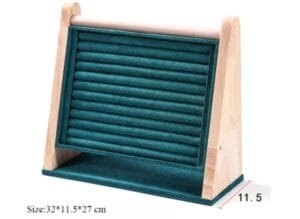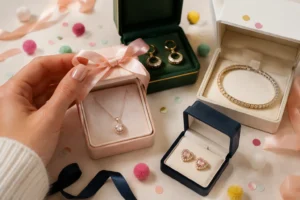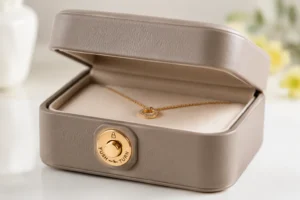

Jewelry brands see powerful results when they add QR codes on packaging. Customers scan these codes on joyeros personalizados, a jewelry pouch, or even a Expositor de joyas to reach review platforms instantly. This seamless process encourages satisfied buyers to share their feedback, which strengthens brand credibility. Leading fabricante de embalajes para joyería strategies show that well-placed QR codes on embalaje de joyas not only increase review rates but also foster trust by connecting customers directly to the brand story.
Why QR Codes on Packaging Work for Jewelry Reviews
Instant Access to Information and Review Platforms
Reducing Friction for Jewelry Customers
Jewelry buyers often hesitate to leave feedback due to complicated processes. QR codes on packaging eliminate these obstacles by providing instant access to information and review platforms. Customers can scan the code and reach the review page in seconds. This traceable marketing tool streamlines the experience, making it easier for buyers to share user-generated content. When jewelry brands simplify the review process, they see higher participation rates and more authentic feedback.
Encouraging Immediate Action After Purchase
The excitement of receiving new jewelry creates a perfect moment for engagement. QR codes for your jewelry line encourage immediate action after purchase by linking directly to review platforms. Customers feel motivated to share their experiences while emotions are fresh. This approach not only increases user-generated content but also improves the engagement between the brand and its audience. Jewelry brands that use interactive packaging see a noticeable boost in review volume and quality.
Boosting Jewelry Brand Credibility and Trust
Leveraging Positive Customer Experiences for Social Proof
Jewelry brands rely on social proof to build reputation. QR codes for your jewelry line help collect user-generated content that showcases real customer satisfaction. These reviews appear on social media pages and brand websites, increasing awareness and making your jewelry line popular. The presence of genuine feedback encourages new buyers to trust the brand.
Building Trust with Authentic Reviews
Transparency plays a vital role in the jewelry industry. QR codes on packaging serve as a traceable marketing tool that links to verifiable data about sourcing, manufacturing, and authenticity. This method supports sustainability and boosts consumer trust. Jewelry brands can:
- Provide transparency and authenticity verification.
- Allow customers to confirm product authenticity with unique codes.
- Connect buyers to care instructions, sustainability certifications, and recycling information.
These features support sustainability and reinforce the brand’s credibility, especially in a trust-sensitive market.
Enhancing Customer Engagement with QR Codes for Your Jewelry Line
Creating a Memorable Unboxing Experience
A memorable unboxing experience improves the engagement between jewelry brands and their customers. QR codes on packaging add a digital layer to the physical product, offering instant access to information and exclusive content. This approach encourages customers to create and share user-generated content, further increasing awareness.
Strengthening Brand-Customer Relationships
Jewelry brands use QR codes as a bridge between physical products and digital platforms. The following table highlights how QR codes enhance customer engagement:
| Beneficio | Descripción |
|---|---|
| Connect digital and physical mediums | QR codes link customers directly to online content, enhancing interaction. |
| Collect data for informed decisions | Businesses can gather insights on customer behavior through QR code scans. |
| Enhance marketing campaigns | QR codes can be linked to various digital content, improving visibility and engagement. |
By using QR codes, jewelry brands foster stronger relationships and encourage ongoing user-generated content. This strategy supports sustainability and ensures long-term loyalty.
Choosing the Right Review Platform for Jewelry Brands
Popular Review Platforms for Jewelry
Google Reviews
Google Reviews offers broad visibility for jewelry brands. Customers searching for product information often see these reviews first. Jewelry businesses benefit from increased trust when positive feedback appears alongside search results. Google Reviews also supports SEO, making it easier for potential buyers to find accurate product information.
Trustpilot
Trustpilot specializes in collecting verified customer feedback. Jewelry brands use this platform to showcase authentic experiences. Trustpilot provides detailed product information and allows brands to respond to reviews. This interaction builds credibility and encourages more customers to share their opinions.
Yelp
Yelp remains a popular choice for local jewelry businesses. Shoppers often check Yelp for product information and store details before visiting. Jewelry brands with strong Yelp profiles attract more foot traffic and online inquiries. Yelp’s review system highlights both service and product information, helping customers make informed decisions.
Brand Website Reviews
Many jewelry brands host reviews directly on their websites. This approach gives full control over product information and customer feedback. Brands can display reviews next to product information, increasing buyer confidence. Website reviews also allow for customized review requests and integration with loyalty programs.
Factors to Consider When Selecting a Platform
Platform Visibility and Reach for Jewelry Businesses
Visibility and reach play a critical role in review collection. Jewelry brands need platforms where potential customers can easily find product information and feedback. The following table summarizes key factors:
| Factor | Descripción |
|---|---|
| Platform Visibility | High visibility on platforms like Google increases the chance of attracting new customers. |
| Effective Reach | Reviews reach the right audience, building credibility and trust for jewelry brands. |
| SEO Tools Utilization | Tools such as Google Search Console optimize product information and review visibility. |
| Active Review Management | Encouraging reviews on visible platforms boosts online credibility and customer attraction. |
Ease of Use for Jewelry Customers
Customers prefer platforms that make leaving reviews simple. Jewelry buyers often look for quick access to product information and review forms. Platforms with intuitive interfaces encourage more feedback. Easy navigation and clear instructions help customers share their experiences without frustration.
Integration with Jewelry Brand Marketing
Seamless integration with marketing strategies enhances the value of reviews. Jewelry brands often link product information and reviews in email campaigns or social media posts. Platforms that support marketing integration help brands highlight positive feedback and accurate product information. This approach increases engagement and drives more customers to leave reviews.
Tip: Jewelry brands should regularly update product information on all review platforms to ensure accuracy and build trust with new buyers.
QR Code Customization for Jewelry Packaging
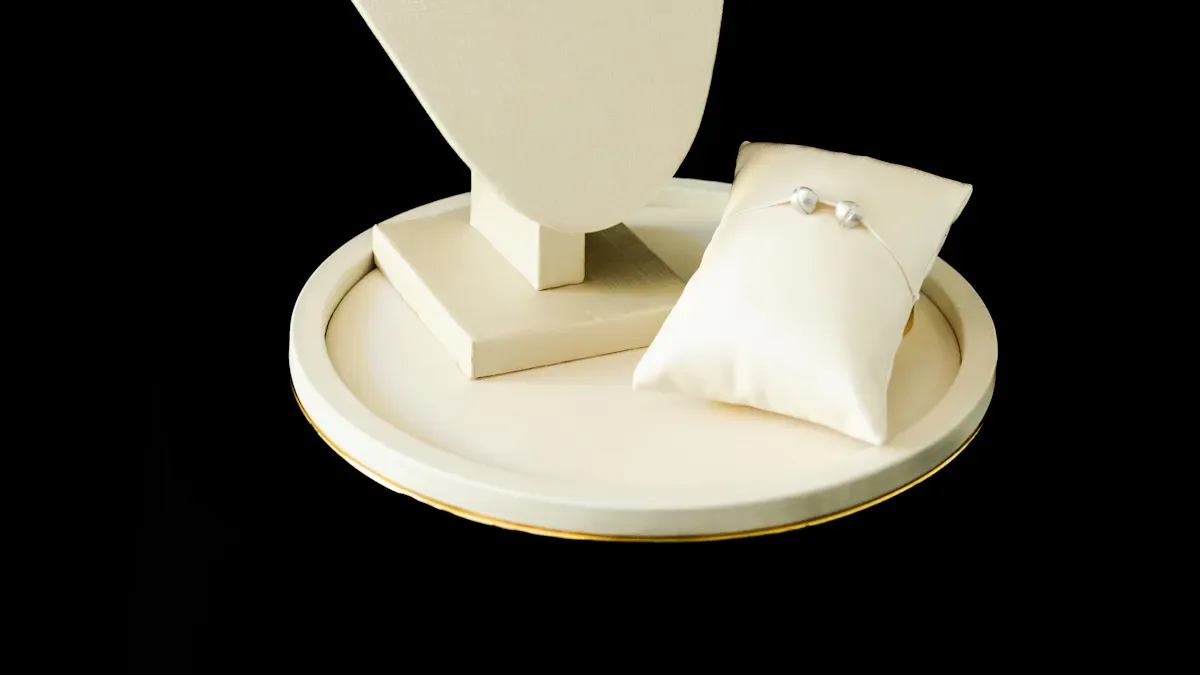
Generating Dynamic QR Codes for Your Jewelry Line
Linking Directly to Jewelry Review Pages
Jewelry brands can create and manage qr codes that link customers directly to review pages. This approach removes unnecessary steps and increases the likelihood of immediate feedback. Clear instructions, such as “Scan to Share Your Experience” or “Scan for 20% Off Your Next Order,” help customers understand the purpose of the qr codes for your jewelry line. These instructions can significantly boost scan rates and encourage more authentic reviews.
Dynamic qr codes for your jewelry line offer several advantages over static codes. Brands can adjust campaigns quickly, track scan data, and customize the user experience. This flexibility allows jewelry businesses to respond to customer preferences and market trends in real time.
Updating QR Code Destinations as Needed
Dynamic qr codes for your jewelry line provide the ability to update destinations without reprinting packaging. Brands can redirect customers to new review platforms, special offers, or updated content as needed. This feature supports ongoing branding and promotional activities, ensuring that qr codes for your jewelry line remain relevant and effective throughout the product lifecycle.
Tip: Brands should regularly review scan data to identify trends and optimize their qr code campaigns for better engagement.
QR Code Customization for Jewelry Branding
Customizing Colors and Logos for Jewelry Packaging
Qr code customization for jewelry plays a crucial role in aligning with brand identity. Jewelry brands can incorporate logos, select custom colors, and refine corner styles to match their aesthetic. The following table highlights key customization features:
| Customization Feature | Descripción |
|---|---|
| Brand Logo | Place the brand logo in the center of the qr code for instant recognition. |
| Colores | Use the brand’s color palette for both modules and backgrounds. |
| Corner Styles | Adjust corner shapes to reflect the jewelry line’s unique style. |
| Dot Pattern Options | Experiment with dot patterns for a distinctive look. |
| Contrast | Maintain strong contrast for reliable scanning and visual appeal. |
Custom qr codes for your jewelry line can enhance the unboxing experience and increase brand awareness using qr codes. Visually appealing designs attract attention and encourage customers to scan, leading to higher engagement rates.
Ensuring QR Code Visibility on Jewelry Packaging
Best practices while printing qr codes include choosing prominent locations and maintaining adequate size and contrast. The table below outlines technical requirements for optimal visibility:
| Requirement | Detalles |
|---|---|
| Minimum Size | 2 cm x 2 cm (0.8 x 0.8 in) for dynamic qr codes; 3 x 3 cm (1.2 x 1.2 in) for static qr codes. |
| Placement | Position qr codes in visible areas that complement the packaging design. Avoid curved surfaces or seams. |
| Color | Use contrasting colors for readability; black is traditional but not mandatory. Ensure the code stands out against the background. |
Jewelry brands should ensure qr codes for your jewelry line are large enough for easy scanning, ideally 1 x 1 inch or larger. Strong contrast between the qr code and its background ensures reliable scanning and supports efforts to authenticate products.
Testing QR Codes on Packaging for Usability
Scanning Across Multiple Devices
Brands must test qr codes for your jewelry line on various devices and camera applications. This process ensures compatibility and a seamless customer experience. Testing should occur in the actual environment where the packaging will be used, such as on printed boxes or pouches. Adequate lighting and high contrast improve scan success across smartphones and tablets.
- Test with multiple devices and scanner apps.
- Confirm the qr code directs to the correct destination.
- Ensure the content loads quickly and displays properly.
Checking for Broken Links and Functionality
Regular testing helps jewelry brands create and manage qr codes that function reliably. Brands should verify that all qr codes for your jewelry line lead to active review pages or content. Broken links can frustrate customers and reduce trust. Testing should include:
- Checking for broken links before and after printing.
- Verifying scan size based on user distance from the code.
- Ensuring a strong internet connection at the placement location.
Note: Consistent testing and maintenance help jewelry brands authenticate products and deliver a positive customer experience.
By focusing on qr code customization for jewelry, brands can strengthen branding, increase engagement, and authenticate products. These strategies support branding and promotional activities, helping jewelry businesses stand out in a competitive market.
Crafting Effective Calls-to-Action for Jewelry Reviews
Messaging That Motivates Jewelry Customers
Clear Instructions for Scanning QR Codes
Jewelry brands must provide clear instructions to guide customers through the review process. Simple messaging such as “Scan this code to share your experience” or “Scan to leave a review” helps customers understand the purpose of the QR code. Direct language reduces confusion and increases scan rates. Brands often place these instructions near the QR code, ensuring visibility during the unboxing moment. Customers respond positively when they see concise directions that make the process easy.
Incentives for Leaving Jewelry Reviews
Incentives play a significant role in motivating customers to leave reviews. Jewelry brands use a variety of strategies to encourage participation. The following table highlights common approaches:
| Estrategia | Descripción |
|---|---|
| Direct Links | Providing a direct Google Review link in follow-up emails. |
| Códigos QR | Displaying QR codes at checkout that take customers straight to your review page. |
| Gentle Incentives | Offering free jewelry cleaning or entry into a raffle for those who leave a review. |
Brands also integrate review submissions into customer loyalty programs. Customers earn points for leaving verified reviews, which they can redeem for future purchases. This cycle strengthens engagement and encourages repeat business.
- Offering a small reward encourages customers to leave reviews.
- Incentives can include discounts, competition entries, or small gifts.
Jewelry brands often use promotional offers, such as a discount on the next purchase or entry into a giveaway, to drive review submissions. These promotional incentives create excitement and foster a sense of appreciation among customers.
Placement and Visibility of CTAs on Jewelry Packaging
Integrating CTAs with Jewelry Packaging Design
Effective CTAs blend seamlessly with jewelry packaging design. Brands incorporate messaging and QR codes into inserts, cards, or the interior of the box. This integration ensures that customers notice the CTA without disrupting the overall aesthetic. Designers select fonts, colors, and layouts that match the jewelry brand’s identity. The CTA becomes a natural part of the unboxing experience, enhancing engagement and reinforcing brand values.
Tip: Position CTAs where customers interact most, such as inside the lid or on a promotional card included with the jewelry.
Avoiding Clutter and Ensuring Clarity
Clarity remains essential for successful CTAs. Jewelry brands avoid overcrowding packaging with excessive text or graphics. They use whitespace strategically to highlight the QR code and instructions. Customers appreciate packaging that feels elegant and easy to navigate. Brands prioritize simplicity, ensuring that the CTA stands out and the review process remains straightforward.
By focusing on clear messaging, strategic incentives, and thoughtful placement, jewelry brands maximize review rates and strengthen customer relationships.
Best Practices for QR Code Placement and Size on Jewelry Packaging
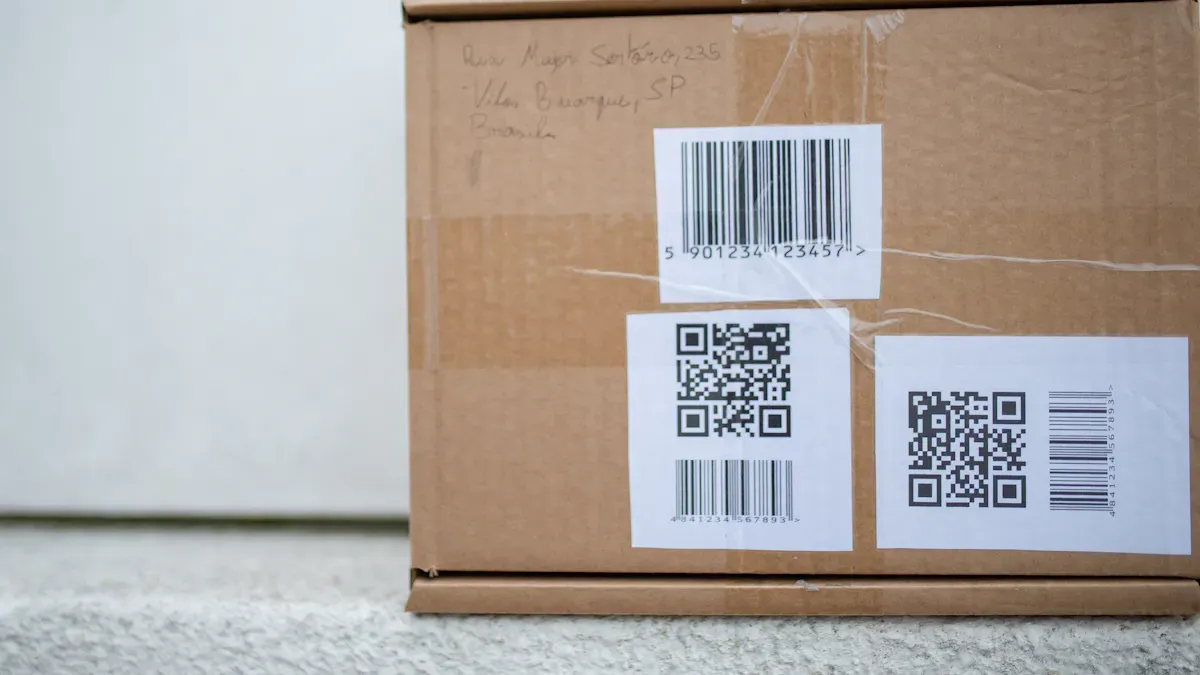
Optimal Locations for QR Codes on Jewelry Packaging
Box Exterior vs. Interior Placement
Packaging design experts recommend placing QR codes on the front or top of the box. This location increases visibility and encourages customers to scan the code during the unboxing process. Jewelry brands often use clear calls-to-action, such as “Scan for a special offer!” or “Discover our story,” to prompt immediate interaction. These CTAs help drive social engagement and direct customers to exclusive content. For luxury jewelry, QR codes on the exterior can authenticate products and provide provenance details. This approach builds trust and enhances the social value of the brand.
The interior of the box also offers strategic placement opportunities. Some jewelry brands include QR codes inside the lid or on a card placed above the product. This method creates a personal touch and encourages customers to scan the code as they explore their purchase. Interior placement works well for campaigns that focus on social sharing or email marketing sign-ups. Customers often feel more connected to the brand when they discover a QR code during the unboxing experience.
Using Inserts and Cards for Jewelry
Inserts and cards provide flexible options for QR code placement. Jewelry brands can include small cards with QR codes that direct customers to review pages, social platforms, or email marketing sign-up forms. This method allows brands to update campaigns without changing the main packaging. Inserts also give space for detailed instructions or incentives, which can boost social sharing and participation in email marketing programs. Many brands use these cards to invite customers to join exclusive jewelry communities or access VIP content.
QR Code Size and Scannability for Jewelry Products
Minimum Size Requirements for Jewelry Packaging
Proper sizing ensures that QR codes remain scannable on all jewelry packaging types. The following table outlines recommended minimum sizes for different QR code applications:
| QR Code Type | Minimum Size |
|---|---|
| Custom Jewelry Box | 1.25″ x 1.25″ |
| Dynamic QR Code | 2 cm x 2 cm (0.8″ x 0.8″) |
| Static QR Code | 3 cm x 3 cm (1.2″ x 1.2″) |
| Practical Minimum | 2 cm square (short distance) |
Jewelry brands should test QR codes on actual packaging to confirm scannability. Proper size selection supports social campaigns and ensures that customers can access review pages, social media, and email marketing offers without frustration.
Balancing Aesthetics and Functionality
A well-designed QR code should complement the jewelry packaging without overpowering it. Brands often use custom colors and logos to match their visual identity. High contrast between the QR code and the background improves scanning reliability. Designers avoid placing QR codes on curved surfaces or near seams, which can distort the image and reduce functionality.
Jewelry brands balance aesthetics and usability by integrating QR codes into the overall design. They ensure that the code stands out but does not distract from the product’s elegance. This approach supports social engagement and drives participation in email marketing campaigns. Customers appreciate packaging that feels both beautiful and interactive, which strengthens their connection to the jewelry brand.
Tip: Jewelry brands should regularly review scan rates and customer feedback to optimize QR code placement for maximum social and email marketing impact.
Monitoring and Optimizing Jewelry Review Rates with QR Codes
Tracking QR Code Performance on Jewelry Packaging
Using Analytics Tools for Jewelry Brands
Jewelry brands rely on analytics tools to track the effectiveness of QR codes placed on packaging. These tools provide valuable insights into customer behavior and help brands collect feedback efficiently. Dynamic QR codes allow real-time updates, so brands can change the destination without reprinting packaging. Tracking capabilities enable businesses to monitor scan frequency and gather user data. AI integration analyzes user behavior and personalizes the media experience for better engagement. The following table highlights key features of analytics tools used by jewelry brands:
| Característica | Descripción |
|---|---|
| Dynamic QR Codes | Real-time updates and changes to QR code content without needing to reprint packaging. |
| Tracking Capabilities | Monitoring scan frequency and collecting user data to improve media campaigns. |
| AI Integration | Analyzing user behavior and personalizing media experiences for increased engagement. |
Jewelry brands use these features to optimize the post-scan experience and ensure that customers interact with relevant media content.
Measuring Scan and Review Conversion Rates
Brands measure scan rates and review conversion rates to evaluate the success of their QR code campaigns. They track how many customers scan the QR code and how many proceed to leave a review. This data helps jewelry brands identify which media strategies drive the most engagement. By comparing scan rates with review submissions, brands can pinpoint areas for improvement. High conversion rates indicate that customers find the media content valuable and the review process easy to navigate.
Adjusting Your QR Code Strategy for Jewelry Reviews
Tweaking Messaging and Placement for Better Results
Jewelry brands often adjust their QR code strategy based on performance data and customer feedback. For example, Jewelry Television (JTV) noticed low scan rates and analyzed the reasons behind this trend. They found that customers struggled with scanning from a distance and felt uncertain about the third-party QR code domain. After consulting with experts, JTV optimized their media strategy by refining branding, increasing display size, and improving call-to-action effectiveness. These changes resulted in five times more scans. Brands should regularly review scan data and media engagement to identify opportunities for improvement.
- Adjust QR code size and placement for better visibility.
- Refine messaging to encourage customers to scan and interact with media.
- Use branded domains to build trust and increase scan rates.
Responding to Customer Feedback and Reviews
Jewelry brands must respond to customer feedback and reviews to strengthen relationships and improve media campaigns. Brands monitor review platforms and engage with customers who share their experiences. Responding to reviews demonstrates commitment to customer satisfaction and encourages others to participate. Brands use feedback to refine their media strategy and optimize the post-scan experience. By addressing concerns and highlighting positive reviews, jewelry brands build credibility and foster loyalty.
Tip: Brands should collect feedback regularly and use it to enhance media content and QR code campaigns.
Jewelry brands that monitor analytics, adjust their QR code strategy, and respond to customer feedback create a dynamic media environment that drives higher review rates and strengthens brand reputation.
Common Mistakes to Avoid with QR Codes on Jewelry Packaging
Poor QR Code Design for Jewelry
Low Contrast or Invisibility on Packaging
Many brands overlook the importance of contrast when placing QR codes on packaging. If the code blends into the background or uses colors that do not stand out, customers may struggle to find or scan it. Designers should always select colors that provide a sharp contrast between the QR code and the packaging. Placing the code on busy patterns or reflective surfaces can also reduce visibility. Brands that prioritize clear, visible placement ensure customers can easily access review links.
Overcomplicated Graphics Affecting Scannability
Some jewelry brands add decorative elements or complex graphics to QR codes, hoping to enhance visual appeal. However, excessive customization can interfere with the code’s readability. Overly intricate designs may cause scanning errors or prevent devices from recognizing the code at all. Brands should keep QR code designs simple and test them on multiple devices before finalizing packaging. A clean, functional code always outperforms a complicated one.
Weak Calls-to-Action for Jewelry Customers
Vague Instructions on Jewelry Packaging
Clear instructions are essential for motivating customers to scan QR codes and leave reviews. When brands use vague or confusing language, customers may not understand what action to take. For example, a simple “Scan me” without context does not explain the benefit or next step. Customers need direct, actionable prompts that guide them through the process.
Lack of Incentives for Jewelry Reviews
Calls-to-action that lack incentives often fail to inspire participation. Customers respond best when they see a clear reason to leave feedback. Without rewards or recognition, many will skip the review process. Weak calls-to-action can result in fewer online reviews, which reduces the visibility and credibility of the jewelry brand.
- Weak calls-to-action fail to motivate customers to leave feedback, leading to decreased participation in online reviews.
- When calls-to-action are unclear or unpersuasive, customers may not feel encouraged to share their experiences.
- The overall visibility and credibility of the jewelry brand can be negatively affected by a lack of customer reviews.
Neglecting Follow-Up After Jewelry Reviews
Not Responding to Jewelry Customer Reviews
Brands that ignore customer reviews risk damaging their reputation. Nearly 90% of consumers read reviews before visiting a business, so engagement with feedback is critical. When brands do not respond, customers may feel undervalued. This lack of interaction can discourage future reviews and erode trust.
Missing Opportunities for Customer Engagement
One unhappy customer can do more damage than expected, as negative experiences often spread quickly. Ignoring reviews can lead to a loss of trust and credibility. Customers may perceive the business as uncaring or unresponsive, which can deter potential clients. Brands that actively engage with reviewers show commitment to customer satisfaction and create opportunities for positive word-of-mouth.
Tip: Brands should monitor review platforms regularly and respond promptly to both positive and negative feedback to maintain a strong reputation.
QR codes on packaging offer a strategic advantage for brands seeking to increase online reviews. They help customers share feedback quickly and build trust in the jewelry market. Brands that select the right review platform, customize qr codes on packaging, and follow best practices see higher engagement. Regular monitoring and optimization of qr codes on packaging ensure continued success. Brands can elevate their reputation and customer loyalty by adopting this approach.
PREGUNTAS FRECUENTES
How do QR codes on jewelry packaging increase online reviews?
QR codes provide direct access to review platforms. Customers scan the code and reach the review page instantly. This process removes barriers and encourages more buyers to share feedback.
Can QR codes be customized to match jewelry brand aesthetics?
Yes. Brands can adjust colors, add logos, and select unique patterns. Customization ensures the QR code fits the packaging design and strengthens brand identity.
What is the best placement for QR codes on jewelry packaging?
Experts recommend placing QR codes on visible areas, such as the box exterior or an insert card. This placement increases scan rates and ensures customers notice the code during unboxing.
Are dynamic QR codes better than static ones for jewelry brands?
Dynamic QR codes offer more flexibility. Brands can update destinations, track scans, and adjust campaigns without reprinting packaging. This feature supports ongoing marketing efforts.
What incentives work best for encouraging jewelry reviews?
Discounts, loyalty points, or small gifts motivate customers to leave reviews. Brands often use these incentives to increase participation and build customer loyalty.
How can jewelry brands track QR code performance?
Brands use analytics tools to monitor scan rates and review conversions. These tools provide insights into customer behavior and help optimize future campaigns.
What mistakes should jewelry brands avoid with QR codes?
Brands should avoid low-contrast designs, vague instructions, and neglecting customer follow-up. Clear placement, strong calls-to-action, and active engagement with reviewers ensure success.
Do QR codes help verify jewelry authenticity?
Yes. QR codes can link to authenticity certificates, product details, or sourcing information. This feature builds trust and reassures customers about their purchase.