

A process ensures verifying social responsibility in the packaging supply chain: define, map, assess, engage, audit, monitor, report. They set criteria banning child and forced labor, ensuring fair wages, hours, safety, and freedom of association.
Mapping every tier reveals who makes materials and goods. This includes joyeros personalizados, Expositor de joyas, Estuche para joyas.
Assessing ESG in packaging risks by country and material focuses resources, helping responsible supply chain teams prioritize ESG high-risk partners. Engaging suppliers requires a code, contracts, and training. Audits like SA8000, BSCI, and Sedex confirm compliance for embalaje de joyas. A fabricante de embalajes para joyería relies on these tools.
Define Your Corporate Social Responsibility Criteria for Packaging
A strong program starts with clear rules. A company must define what corporate social responsibility means for its packaging operations. These criteria form the foundation for every supplier relationship and audit.
Core Labor Standards to Require
Every packaging supplier must meet basic labor standards. These rules protect workers and reduce risk across the supply chain.
No Child Labor or Forced Labor
Suppliers must never employ children under the legal working age. They must also prohibit all forms of forced labor. Workers must keep their identity documents. They must have the freedom to leave their jobs.
Fair Wages and Working Hours
Workers deserve fair pay for their work. Suppliers must pay at least the legal minimum wage or the industry standard. Overtime must remain voluntary. Working hours must follow local laws and never exceed safe limits.
Safe and Healthy Workplaces
Packaging production involves machinery, chemicals, and heavy materials. Suppliers must provide safe equipment and proper training. They must maintain clean facilities. They must also offer protective gear and emergency procedures.
Human Rights and Freedom of Association
Social responsibility extends beyond basic safety. It includes dignity and respect for every worker.
Anti-Discrimination and Equal Treatment
Suppliers must treat all workers equally. They cannot discriminate based on gender, race, religion, age, or disability. Hiring, promotion, and pay decisions must follow fair and objective rules.
Right to Organize and Bargain Collectively
Workers must have the right to join unions. They must also have the right to negotiate their working conditions. Suppliers cannot punish or intimidate workers for these activities.
Turn Criteria into a Written Standard
Verbal expectations are not enough. A written standard creates accountability and consistency.
Align with ILO Core Conventions
The International Labour Organization sets global labor standards. A company should align its criteria with the ILO core conventions. This alignment builds credibility and supports sustainability goals.
Set Measurable Minimum Requirements
Each criterion needs a clear metric. For example, a supplier must pay wages above a specific threshold. Auditors can then measure compliance objectively. This approach strengthens corporate social responsibility and supports sustainable packaging goals.
Clear criteria also help companies measure ESG performance. They turn broad sustainability promises into concrete actions. A written standard guides every audit and supplier conversation.
Map Your Supply Chain for Verifying Social Responsibility

A company cannot verify what it does not know. Mapping the supply chain is the essential second step for verifying social responsibility. This process reveals every actor involved in producing packaging materials and finished goods.
Identify Every Tier of Suppliers
A packaging supply chain contains multiple layers. Each layer introduces distinct social responsibility risks.
Tier 1 Converters and Printers
Tier 1 suppliers convert raw materials into finished packaging. They print, cut, fold, and assemble boxes, labels, and pouches. These direct suppliers often operate in visible facilities. Companies typically know these partners well.
Tier 2 and Tier 3 Material Suppliers
Tier 2 suppliers provide materials to Tier 1 converters. They produce paperboard, films, inks, and adhesives. Tier 3 suppliers feed Tier 2 operations. They may supply chemicals, coatings, or specialty substrates. These deeper tiers often remain hidden from view.
Raw Material Origins Like Pulp and Resin
The entire packaging supply chain begins with raw materials. Pulp comes from forests. Resin comes from petrochemicals. These origins carry significant environmental and social risks. Knowing them supports traceability in supply chains.
Document Relationships and Locations
Systematic documentation turns scattered information into a usable map. This record supports effective chain of custody management.
Build a Supplier Register
A supplier register captures critical data for every facility. The register should include facility addresses with GPS coordinates, sub-tier suppliers, production capacities, standard lead times, and certifications like ISO 9001, ISO 14001, SA8000, and FSC. Companies should also record common supplier IDs, consistent units of measure, standardized date formats, and version control for map updates. At least 12 months of historical data strengthens trend analysis.
Track Country and Factory Sites
Location tracking reveals country-level risks. A company should document every node in the packaging value chain. These nodes include mines, farms, factories, consolidation centers, ports, and distribution centers. Transport lanes between nodes also matter. Each lane needs transport mode, transit time, carrier, and relevant Incoterms.
Find the Blind Spots
Hidden labor practices pose the greatest social responsibility risks. Mapping must expose these gaps.
Subcontracted Labor and Labor Agencies
Many suppliers use temporary workers from labor agencies. These workers often fall outside standard protections. Companies must identify every subcontractor and agency in the supply chain.
Informal and Home-Based Work
Some packaging production happens in homes or informal workshops. These sites rarely appear in official records. The growing demand for traceability requires companies to uncover these hidden operations. Mapping these blind spots completes the picture and strengthens ESG performance across the entire packaging supply chain.
Assess ESG in Packaging Risks by Country and Category
A detailed risk assessment examines country conditions, material categories, and supplier records. This analysis uncovers hidden dangers across the packaging value chain. It also directs limited resources to the highest threats. Such efforts address environmental, social, and governance issues with precision. This focus supports long-term sustainability.
Country and Regional Risk Factors
Geographic location determines much of the social risk. Some nations have detailed labor laws, yet inspectors rarely visit factories. Corruption can weaken legal protections. Companies must verify actual working conditions on the ground. A credible esg in packaging strategy evaluates enforcement gaps rather than accepting written rules.
Labor Law Enforcement Gaps
Weak enforcement creates significant exposure for any buyer. Local agencies may lack funding or trained staff. Companies cannot rely solely on national legislation. They should consult independent assessments and local labor advocates. This evidence reveals whether legal protections hold real weight.
Known Human Rights Hotspots
Certain regions carry documented risks of forced labor, child labor, or widespread discrimination. International organizations publish reports that identify these hotspots. Sourcing teams must map these locations carefully. They should also monitor neighboring districts because suppliers sometimes relocate to avoid scrutiny.
Industry and Material Risks
Material categories introduce unique hazards across every production stage. A comprehensive assessment must address these differences.
Pulp, Paper, and Forestry Risks
Pulp and paper sourcing begins in forests, where illegal logging may occur. Remote forestry operations often lack proper safety equipment. Workers may handle heavy machinery with limited training. Certification schemes like FSC help verify responsible fiber. These measures support sustainable packaging through traceable materials.
Plastics, Metals, and Recycling Risks
Plastic resin comes from petrochemical facilities with hazardous processes. Metal mining can involve child labor and unsafe tunnels. Recycling yards expose workers to toxins and sharp scrap. Buyers should prioritize recycled, recyclable, and responsibly sourced packaging to reduce these risks.
Supplier-Level Risk Indicators
Country and material data provide a starting point. Individual supplier records reveal the most accurate risk signal.
Audit History and Past Violations
Past audit violations often predict future problems. Companies should review records from Sedex, BSCI, and SA8000 audits. They must document every finding, including wage errors, safety gaps, and overtime abuses. This data becomes a critical input for ESG scoring.
Workforce Demographics and Turnover
High turnover may indicate poor treatment or unstable contracts. Young workers without documentation require age verification. Migrant workers may face withheld wages or passport confiscation. Gender imbalances may signal discrimination. These indicators deserve regular updates.
Through systematic assessment, companies understand where ESG risks and opportunities intersect. This understanding guides supplier engagement and audit plans. It also strengthens the entire supply chain over time. A rigorous approach delivers measurable progress toward sustainability goals. It builds trust between every tier of the supply chain.
Prioritize High-Risk Suppliers
Risk assessment produces a clear picture of every supplier. The next step transforms that data into a prioritized action plan. Companies cannot audit every facility every year. They must focus limited resources where threats appear most severe. This approach strengthens the entire packaging value chain.
Score and Rank Your Suppliers
A formal scoring system brings consistency to risk evaluation. Each supplier receives a numerical score across environmental, social, and governance dimensions. The score combines country risk factors, material category risks, audit history, and workforce indicators. Auditors assign points for each dimension. Weighted totals determine a final risk ranking.
The scoring model remains simple and transparent. A scale from one to ten works well. One represents minimal risk. Ten demands immediate attention. High-risk suppliers move to the top of the list. Low-risk suppliers require lighter oversight. This ranking allows teams to allocate budgets and personnel efficiently.
Data quality determines scoring accuracy. Companies must update supplier records regularly. They should include recent audit findings and corrective action progress. They should track worker turnover and grievance reports. These details create a living risk profile. A stale score provides false confidence. Every credible esg strategy starts with accurate information.
Focus Resources Where Risk Is Highest
The ranking directs attention to the most dangerous corners of the supply chain. Highest-risk suppliers receive unannounced audits, intensive training, and direct engagement. Companies assign dedicated account managers to these facilities. They may also invest in local labor organizations to strengthen oversight.
Medium-risk suppliers receive periodic audits and corrective action plan requirements. Companies monitor progress through documented follow-up visits. Low-risk suppliers maintain a baseline of annual certification reviews. This tiered approach maximizes impact without spreading resources too thin.
Prioritization also drives supplier development. A high-risk supplier may lack the knowledge to fix violations. Companies provide guidance on wage calculations, safety protocols, and documentation. This capacity building converts risky operations into responsible partners. It directly supports managing esg risks across the network.
Every packaging buyer has limited time and money. Careful prioritization ensures these resources matter most. It also creates a defensible record for stakeholders. An esg in packaging program demonstrates that the company understands its supply chain. The ranking system proves that decisions rest on evidence, not guesswork. This disciplined method turns social responsibility into a competitive advantage. It builds trust with customers, investors, and regulators. Ultimately, a focused approach delivers measurable progress toward a responsible packaging supply chain.
Engage Suppliers with a Code of Conduct
A code of conduct translates corporate social responsibility criteria into supplier expectations. Buyers must communicate these standards with clarity. Engagement transforms documents into daily practice across every tier of the packaging supply chain.
Build a Clear Supplier Code
A clear code establishes concrete requirements. It removes ambiguity. Suppliers know exactly what buyers expect.
State Expectations in Plain Language
Legal jargon confuses factory managers. Plain language improves compliance. Each rule should state the required action in one sentence. An example includes “Pay every worker at least the legal minimum wage” or “Allow workers to leave the facility during breaks.” Clear language advances social responsibility at every facility.
Require Acceptance and Sign-Off
Suppliers must sign the code. Sign-off creates a formal commitment. A designated executive certifies the supplier understands each requirement. Buyers store signed codes in the supplier register. This signature also provides audit evidence.
Train and Build Capacity
Signatures alone do not guarantee compliance. Training builds knowledge. Capacity building corrects gaps before auditors arrive.
Educate Suppliers on Requirements
Buyers host training sessions on labor standards. Sessions explain wage calculations, working-hour limits, and safety protocols. Factory supervisors learn to document payroll correctly. Workers receive training as well. This education strengthens sustainable procurement across the packaging industry.
Offer Tools and Corrective Support
Suppliers often need practical tools. Templates for employee handbooks and payroll records help daily operations. Checklists for safety inspections simplify audits. Buyers can share guidance documents too. Corrective support turns audit findings into improvements. This assistance reinforces responsible environmental and social practices throughout the supply chain.
Embed Responsibility in Contracts
Contractual terms create enforceable obligations. They move social expectations from verbal promises to legal requirements.
Add Social Compliance Clauses
Every contract should include a compliance clause. The clause references the supplier code. It requires adherence to ILO core conventions. It also grants buyers the right to conduct audits. This clause makes supplier responsibility a binding condition of doing business.
Define Consequences for Non-Compliance
Contracts must state penalties for violations. Buyers may require corrective action plans. Repeated violations can trigger suspension of purchase orders. Serious breaches allow termination. Clear consequences encourage accountability. They also protect the buyer’s sustainability reputation.
Structured engagement leads to measurable improvements. Buyers who train, contract, and monitor suppliers build resilient networks. These actions demonstrate commitment to sustainability and continuous progress on esg performance. Consistent monitoring creates verifiable esg improvements. Every contract clause and training session reinforces corporate social responsibility. Structured engagement embeds social responsibility into everyday operations. These practices support sustainable packaging and reduce risk in global value chains.
Audit and Certify Social Responsibility in Your Packaging Supply Chain
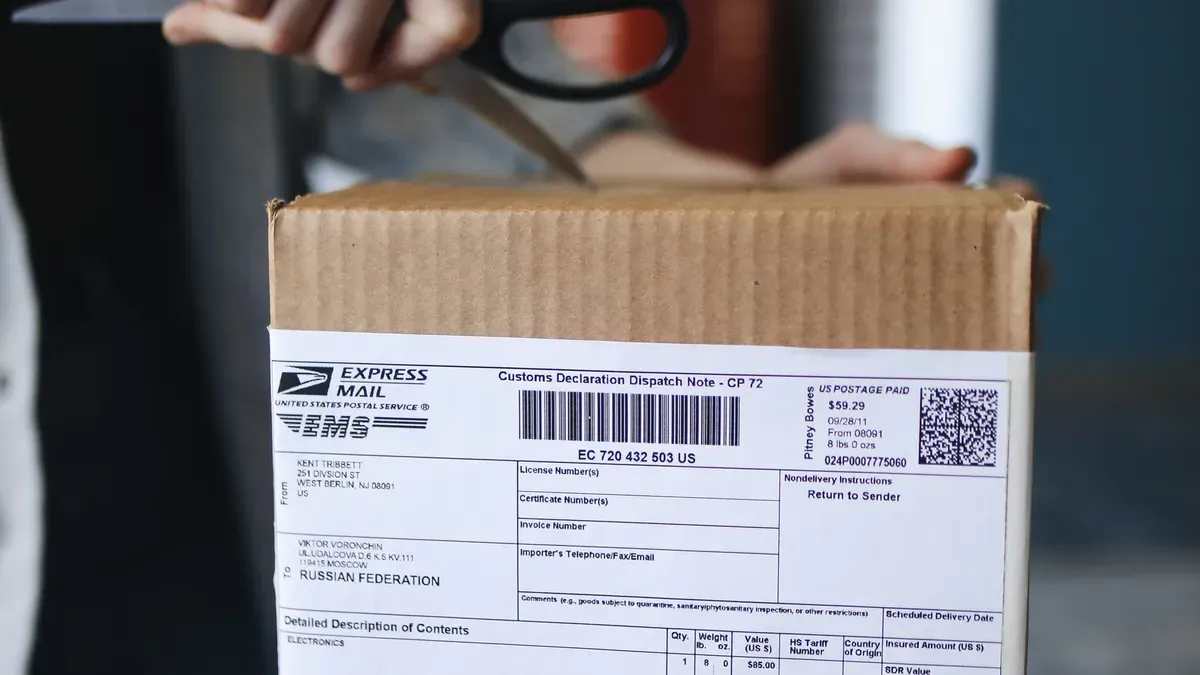
Audits transform written standards into verified facts. They confirm whether suppliers actually follow the rules. A strong audit program protects workers and reduces risk. It also provides evidence for customers and investors who demand accountability.
Choose Your Audit Approach
Companies select from several audit models. Each approach offers distinct advantages and limitations. The right choice depends on risk level, budget, and supplier history.
Internal Audits vs. Third-Party Audits
Internal audits use company staff to evaluate suppliers. These auditors know the business and its specific requirements. They can conduct frequent visits at lower cost. However, internal auditors may lack specialized training in labor standards. They may also face pressure to overlook problems.
Third-party audits bring independent expertise. External firms employ trained social compliance auditors. These professionals understand local labor laws and international standards. They provide objective assessments that carry more credibility with stakeholders. Many buyers require third-party certification for high-risk suppliers. This approach strengthens verifying social responsibility across the entire network.
The best programs combine both methods. Internal teams conduct routine checks and build supplier relationships. Third-party auditors perform annual deep dives and verify corrective actions. This hybrid model balances cost, coverage, and independence.
Announced vs. Unannounced Audits
Timing determines what auditors actually see. Announced audits give suppliers advance notice of the visit date. This warning period allows factories to prepare. They may clean facilities, update records, and brief workers on expected answers.
Human Rights Watch finds that announced and semi-announced audits increase the risk that suppliers will coach workers, keep double-books, create fake records, or hide illegally employed children before the audit. Advance notice therefore makes it harder to detect labor violations. Unannounced audits are described as an audit mode that is less exposed to these preparation tactics, supporting the idea that unannounced visits are more effective at revealing actual working conditions in supplier factories.
When factories know an audit is coming, they can prepare and present their best, so announced audits may appear to show high compliance. Unannounced audits, by contrast, provide a more accurate picture of daily factory conditions and allow less manipulation.
Smart buyers use a mix of audit types. They schedule announced visits for new suppliers who need guidance. They deploy unannounced audits for established partners with known risks. This strategy keeps suppliers alert without creating unnecessary hostility.
- Unannounced site visits are recommended as a way to move beyond box-ticking and uncover issues that announced audits may miss.
- High-risk suppliers, or those with previous non-conformities, should receive more frequent semi-announced or unannounced inspections.
Use Recognized Certification Standards
Certification standards provide a common language for social compliance. They define requirements, audit procedures, and reporting formats. Buyers can compare suppliers across regions using these frameworks.
SA8000 for Social Accountability
SA8000 is a comprehensive social certification. It builds on ILO conventions, the UN Declaration of Human Rights, and national laws. The standard covers child labor, forced labor, health and safety, freedom of association, collective bargaining, discrimination, disciplinary practices, working hours, and remuneration. It requires living-wage verification, which goes beyond minimum wage compliance.
SA8000 demands rigorous ongoing commitment. Certified facilities undergo annual surveillance audits. They complete full recertification every three years. Unannounced audits may occur at any time. Suppliers must submit quarterly corrective-action reports for any findings. This intensity makes SA8000 suitable for high-risk operations and strategic suppliers.
BSCI and Sedex for Assessment and Sharing
amfori BSCI and Sedex offer different models. They focus on assessment and data sharing rather than formal certification.
| Standard | Criteria / coverage | Audit frequency |
|---|---|---|
| Sedex / SMETA | Not a certificate; a shared data platform. SMETA audits cover labour standards, health & safety, and optionally business ethics and environment (2-pillar or 4-pillar). | Every 12–24 months, depending on buyer requirements; unannounced audits possible. |
| SA8000 | Social certification based on ILO conventions, UN Declaration of Human Rights, and national laws; covers child labour, forced labour, health & safety, freedom of association, collective bargaining, discrimination, disciplinary practices, working hours, and remuneration; requires living-wage verification. | Annual surveillance audits; full recertification every 3 years; unannounced audits possible; quarterly corrective-action reporting. |
| Standard | Criteria / coverage | Audit frequency / validity |
|---|---|---|
| amfori BSCI | Audit report with A–E grading; no certificate. Underlying criteria are not detailed in this source. | A/B grades valid up to 2 years; C grade valid 12 months; commonly used by German and northern European buyers. |
| Sedex / SMETA | Audit methodology, not a certification. Covers labour standards, health & safety, and, in 4-pillar audits, environment and business ethics. SMETA 7.0 audit clauses are based on the ETI Base Code, with management-system assessment, collaborative-action findings, and unique report numbers. | Report reference window 24 months; buyers usually require a re-audit every 12 months; high-risk sites may need every 6–9 months; SMETA 7.0 audits are semi-announced. |
These platforms reduce audit fatigue. Suppliers share one report with multiple buyers. Buyers access a pool of standardized data. This efficiency supports certified sourcing across complex global networks. It also helps companies track esg performance over time.
Conduct Effective Audits
Audit quality depends on thorough preparation and skilled execution. A proper audit examines documents, interviews workers, and inspects facilities. Each evidence source reveals different aspects of working conditions.
Review Documents and Payroll Records
Document review provides the factual foundation for any audit. Auditors request specific records before and during the visit. They cross-check these documents for inconsistencies.
- Opening Meeting – Auditors brief managers, set timelines, and confirm health & safety checkpoints.
- Health & Safety Tour – Inspect production, warehouse, canteen, and dormitories for safety, ventilation, and emergency exits.
- Documentation Review – Verify employment records, payroll, working hours, overtime, and environmental permits.
- Employee Interviews – Private, stress-monitored Q&As on working conditions, child or forced labor, and discrimination.
- Closing Meeting – Present non-conformances, agree on corrective-action plans, and schedule follow-up.
Auditors examine a wide range of records during the documentation phase. Key documents include:
- Employee attendance records
- Payroll records over the previous 6 to 12 months
- Employment contracts
- Payroll records for peak/off-peak hours, including overtime payments and deductions
- Daily start and stop times for workers
- Social insurance payments
- Production records (are workers paid by production or per piece?)
- Any government waivers or special permissions for work hours outside of the standard legal limits
Skilled auditors look for patterns that suggest manipulation. They compare attendance sheets against payroll registers. They check whether overtime hours match production volumes. They verify that social insurance payments align with reported wages. These cross-references expose double-booking and hidden labor.
Interview Workers Privately
Worker interviews reveal what documents cannot show. Auditors select employees at random to gain better insight into their working conditions, as well as living conditions if the employees reside at the facility. The interviews should be voluntary and conducted in private, without management or other employees present. This gives employees the chance to speak up about any bad treatment or grievances which could warrant further investigation. The compliance auditors ask questions regarding hiring and firing policies, working hours and conditions, length of employment, and the employees’ understanding of disciplinary policies.
Privacy protects workers from retaliation. Auditors conduct interviews away from supervisors. They assure workers that responses remain confidential. They watch for signs of stress or fear. These cues may indicate coercion or threats.
Effective interviews require cultural sensitivity. Auditors speak the local language or use trusted interpreters. They ask open-ended questions rather than yes-or-no queries. They listen for inconsistencies between worker statements and management claims.
Inspect Facilities On Site
Physical inspection confirms whether written policies match reality. Auditors walk through production areas, warehouses, and common spaces. They observe working conditions directly.
Key inspection points include:
- Sufficient space to move about and work in production areas
- Adequate ventilation
- Easily accessible emergency exits
- Sanitation in cafeterias and restrooms
- Access to potable water
- Exposed or unmarked electrical wiring
- Exposure to chemicals
- Personal protective equipment
- Emergency response plan
- Fire suppression equipment and evacuation plans
Depending on the scope and site access, the audit may review selected employment, attendance, payroll, training and safety records, observe workplace conditions, and conduct management or worker interviews. Unavailable records, inaccessible areas, and other evidence gaps are documented so the buyer can distinguish verified observations from unconfirmed supplier statements.
Auditors photograph findings and record observations in real time. They note both positive practices and deficiencies. This documentation supports corrective action planning and future audits.
Handle Audit Findings
Audit findings require structured follow-up. Companies must ensure suppliers fix problems and prevent recurrence.
Create Corrective Action Plans
Every non-conformance generates a corrective action plan. The plan states the specific problem, root cause, and required remedy. Suppliers propose timelines and responsible persons. Buyers review and approve these plans.
Effective plans address underlying causes. A finding of excessive overtime may stem from poor production planning. The corrective action must fix the planning process, not just the hours. This approach prevents repeat violations.
Set Deadlines and Verify Fixes
Deadlines create urgency and accountability. Minor issues may require correction within 30 days. Serious violations demand immediate action. Buyers track progress through follow-up visits and document reviews.
Verification confirms that fixes actually work. Auditors return to check corrected conditions. They interview workers again. They review updated records. Only verified corrections close the finding.
Suppliers who repeatedly miss deadlines face consequences. Buyers may suspend orders or terminate contracts. This enforcement protects workers and maintains program credibility.
Handle Audit Findings
Audit findings demand immediate attention. A finding represents a gap between the supplier’s actual conditions and the required standard. Companies must treat every finding as an opportunity to improve worker welfare and reduce risk. A structured response turns a negative audit result into a positive outcome for the entire packaging supply chain.
Create Corrective Action Plans
A corrective action plan (CAP) is a formal document that addresses each audit finding. The plan identifies the problem, explains its root cause, and describes the specific steps required to fix it. Companies should require a separate CAP for every non-conformance discovered during the audit.
The CAP development process follows a logical sequence. First, the auditor and supplier review each finding together. They discuss the evidence and confirm the facts. Second, the supplier investigates the root cause. A finding of unpaid overtime may stem from a broken timekeeping system. A finding of blocked fire exits may reflect poor housekeeping habits. Third, the supplier proposes concrete remedies. Each remedy must address the root cause, not just the visible symptom. Fourth, the supplier assigns a responsible person and a target completion date. Fifth, the buyer reviews and approves the plan before implementation begins.
Effective corrective action plans share several characteristics. They are specific. A plan that states “improve safety” is too vague. A plan that states “install fire extinguishers in the cutting room by March 15” is specific and measurable. They are realistic. Suppliers must have the resources and authority to complete each action. They are time-bound. Every action carries a deadline. They are documented. The supplier records all evidence of completion, such as photographs, receipts, or updated payroll records.
Root cause analysis separates strong programs from weak ones. A supplier may fix a single violation without addressing the underlying system failure. For example, a factory may pay back wages to one worker who filed a complaint. This action resolves the immediate issue. However, the payroll system may still contain errors that affect hundreds of other workers. A thorough CAP requires the supplier to audit the entire payroll system and correct all discrepancies. This deeper approach prevents repeat violations and supports verifying social responsibility across the supplier’s entire operation.
Buyers should provide templates and guidance for CAP development. Many suppliers lack experience with formal problem-solving methods. A simple template with columns for finding, root cause, action, responsible person, and deadline reduces confusion. Buyers can also offer examples of successful CAPs from other suppliers. This capacity building improves the quality of responses and speeds up the remediation process.
Suppliers must submit CAPs within a defined period after the audit. A common deadline is ten to fifteen business days. This timeframe gives suppliers enough time to investigate root causes without allowing problems to linger. Buyers should reject incomplete or vague plans and request revisions. This insistence on quality signals that the company takes social compliance seriously.
Set Deadlines and Verify Fixes
Deadlines create accountability and urgency. Without clear deadlines, corrective actions may drift for months or years. Companies should assign deadlines based on the severity of each finding.
Critical violations require immediate action. These violations include child labor, forced labor, and imminent threats to worker safety. Suppliers must correct these issues within twenty-four to seventy-two hours. The buyer may suspend production at the facility until the supplier resolves the problem. This swift response protects vulnerable workers and demonstrates the company’s commitment to ethical sourcing.
Major violations require short-term correction. These violations include excessive working hours, wage payment errors, and missing safety equipment. Suppliers typically receive thirty to sixty days to complete corrective actions. The buyer monitors progress through weekly or biweekly check-ins. The supplier must provide documented evidence of completion.
Minor violations allow longer timelines. These violations include incomplete training records, minor documentation gaps, and small maintenance issues. Suppliers may receive ninety days or more to address these findings. The buyer tracks progress through the regular audit cycle.
Verification confirms that corrective actions actually work. A supplier’s claim of completion is not enough. The buyer must verify each fix through independent means. Verification methods include follow-up site visits, document reviews, and worker interviews.
Follow-up site visits provide direct evidence. An auditor returns to the facility and inspects the corrected condition. The auditor checks that fire extinguishers are now present and functional. The auditor confirms that emergency exits remain unblocked. The auditor verifies that workers receive proper protective equipment. These visits may be announced or unannounced, depending on the severity of the original finding.
Document reviews confirm administrative corrections. The buyer examines updated payroll records to verify wage adjustments. The buyer reviews attendance sheets to confirm reduced overtime hours. The buyer checks training logs to ensure all workers completed required safety courses. These reviews must cover a sufficient sample size to provide confidence.
Worker interviews reveal whether corrections reached the shop floor. Auditors speak privately with workers who were affected by the original violation. They ask whether the supplier paid back wages. They ask whether working hours have decreased. They ask whether workers now receive safety equipment. These interviews provide the most reliable evidence of real change.
Suppliers who miss deadlines face escalating consequences. The buyer may issue a formal warning for the first missed deadline. Repeated delays trigger increased audit frequency and closer monitoring. Serious or persistent non-compliance leads to suspension of new orders. The ultimate consequence is contract termination. These consequences must be clearly stated in the supplier agreement and applied consistently across all suppliers.
Verification also requires documentation. The buyer maintains a complete record of every finding, corrective action, deadline, and verification result. This record supports internal reporting and external disclosure. It also provides evidence for customers, investors, and regulators who ask about the company’s esg performance. A well-documented remediation process demonstrates that the company takes its social responsibility commitments seriously.
Continuous improvement depends on learning from findings. Companies should analyze audit data across all suppliers to identify common problems. If multiple suppliers struggle with overtime management, the buyer can develop a training program on production planning. If many suppliers fail to maintain safety equipment, the buyer can create a standardized maintenance checklist. These systemic responses address root causes across the entire supply chain and reduce the total number of findings over time. This proactive approach strengthens the company’s overall esg strategy and builds a more resilient packaging supply network.
Monitor Performance and Build Grievance Mechanisms
Monitoring activities transform a one-time audit into a living system. Companies must track supplier performance continuously. This approach verifies that corrective actions remain effective and that working conditions improve over time. Ongoing monitoring also demonstrates supplier responsibility throughout the relationship. Regular data collection supports stronger decision-making and a resilient supply chain.
Build Continuous Monitoring
Static snapshots fail to capture evolving conditions inside factories. Buyers need ongoing visibility into every high-risk facility. This ongoing visibility becomes the heart of a robust esg monitoring program.
Track Key Performance Indicators
Key performance indicators (KPIs) translate complex social conditions into measurable data. Relevant indicators include overtime rates, worker turnover, injury frequency, and wage compliance. Additional indicators include grievance volumes, corrective action completion rates, and audit scores. Each KPI must remain clearly defined and consistently measured across all suppliers. This consistency enables apples-to-apples comparisons and highlights emerging problems. Buyers should review KPI dashboards monthly and investigate any negative trends. A rising turnover rate may signal poor working conditions. An increase in overtime hours may indicate production planning failures. These signals prompt early intervention.
Schedule Regular Re-Assessments
A single annual audit does not guarantee sustained compliance. Static assessments also allow factories to drift back into unsafe practices. Buyers should schedule re-assessments based on each supplier’s risk profile and audit history. High-risk facilities may require semi-announced visits every six months. Low-risk facilities may qualify for annual reviews. Each re-assessment should verify corrective actions and update the supplier’s KPI dashboard. This cadence strengthens supply chain accountability because suppliers know their performance remains under scrutiny throughout the year.
Create Worker Grievance Channels
Workers often observe problems before any auditor arrives. Their voices offer essential intelligence for identifying violations early. Effective grievance channels give workers a safe route to report concerns. These channels also build trust and faster fix local issues before they escalate.
Provide Anonymous Reporting Options
Workers will not report problems if their names remain visible to management. Anonymous reporting options protect employees from negative consequences. Buyers should establish multiple reporting routes, such as a hotline, a mobile app, a complaint box, or a designated third-party contact. Each option must accept reports in workers’ local languages. Workers should receive clear instructions on how to file a report and when to expect a response. This anonymity improves the reliability and usefulness of the entire grievance system.
Protect Workers from Retaliation
A grievance system fails if workers face punishment after filing a complaint. Buyers must include explicit anti-retaliation policies in supplier contracts. These policies prohibit dismissal, demotion, harassment, or wage cuts based on reported concerns. Buyers should also verify that suppliers train supervisors on these protections. In addition, every investigation outcome should include a check on whether retaliation occurred. Strict enforcement of these rules gives workers confidence to speak up and reinforces the company’s commitment to social responsibility.
Respond to Issues Quickly
A response time determines whether a minor complaint becomes a major crisis. Slow review erodes worker trust and exposes companies to serious risks. Fast, structured responses demonstrate that the grievance system truly works.
Investigate Complaints Promptly
Every report deserves an immediate, structured response. Buyers should triage incoming complaints by severity and assign a qualified investigator. The investigator should interview affected workers, review timesheets, and inspect relevant facilities. This process should remain confidential and impartial. All evidence must be documented carefully. Clear timelines keep the investigation moving and signal that the buyer treats worker concerns seriously.
Escalate Serious Violations
Some issues cannot wait for the normal investigation cycle. Child labor, forced labor, physical abuse, and threats to life require immediate escalation. The buyer should suspend production activities and send a rapid-response team to the facility. If the violation poses a direct threat, the buyer may involve local authorities or labor unions. These rapid measures protect vulnerable workers and preserve supply chain accountability across the network. Serious violations also trigger immediate contract reviews and may lead to termination of the relationship.
Effective monitoring systems and grievance mechanisms depend on consistent follow-through. Suppliers who know buyers will measure progress and respond to complaints are more likely to maintain better working conditions. These ongoing practices create safer, cleaner supply chains over time. They also enhance transparency and reporting because companies can share verified progress with stakeholders. Periodic audits remain essential, but continuous monitoring ensures that standards hold between visits. This comprehensive approach creates a stronger foundation for long-term improvement. It also embeds esg principles firmly into everyday procurement operations. Ultimately, monitoring and grievance mechanisms protect workers, reduce risk, and prove that the company leads on ethical sourcing. Every component must function together to establish true accountability. This integrated system helps companies verify their commitments without relying on trust alone. Regular checks, safe reporting, and rapid response build a culture of compliance. They transform high-level promises into daily reality for factories and their employees.
Report Progress and Lead on ESG in Packaging Industry
Share Transparent Reporting
Companies verifying corporate social responsibility must share their findings. Transparent reporting builds trust with customers, investors, and the public.
Publish Audit and Remediation Results
Companies should publish audit results for packaging suppliers. These reports list completed audits, found violations, and corrective action status. This practice demonstrates transparency and accountability. Stakeholders can track progress and verify fixes. Publishing results also shows how the company manages esg in packaging risks across its supplier base. Suppliers improve because their performance remains visible. Such disclosure strengthens transparency and reporting across the network.
Disclose Challenges Honestly
Honest disclosure outweighs a perfect record. Every supply chain carries risks. A company admitting failures shows genuine commitment to sustainability. It explains what went wrong, how it responded, and what it learned. This candor builds credibility. It also sets realistic stakeholder expectations.
Communicate with Stakeholders
Communication transforms data into dialogue. Companies must engage people invested in supply chain practices. These conversations deepen relationships and generate feedback.
Update Customers and Investors
Customers and investors evaluate products based on esg performance. Regular updates help these groups make informed decisions. Companies should report audit findings, remediation progress, and year-over-year trends. They should frame these updates within a broader esg strategy. They should also explain how their packaging choices support sustainable packaging goals. Clear communication strengthens loyalty and confidence. Each update reinforces a long-term sustainability commitment.
Engage NGOs and Industry Groups
NGOs and industry groups bring expertise and credibility. Companies should share audit data with these organizations. They should join multi-stakeholder initiatives on labor rights and supply chain ethics. This engagement provides independent insights. It also demonstrates openness to external scrutiny. This openness strengthens transparent esg reporting.
Drive Continuous Improvement
Reporting and communication create momentum. Companies must convert that momentum into measurable progress. A static program will not reduce risk or improve working conditions.
Set Yearly Social Responsibility Goals
Companies should set yearly goals for their packaging supply chain. Goals may include audit counts, overtime reduction, or certifications for high-risk suppliers. Each goal carries a clear metric and deadline. This discipline turns broad intentions into concrete achievements. It also aligns teams around shared priorities.
Review and Update Your Program
An effective program evolves with new information. Companies should review their compliance framework annually. They should assess criteria, mapping, and audit methods. They should incorporate lessons from grievances and stakeholder feedback. This review strengthens transparent and auditable governance systems. It also ensures the company leads the industry through consistent corporate social responsibility.
Verifying social responsibility in a packaging supply chain demands continuous commitment. Companies start with clear criteria, map every tier, and assess esg risks to target efforts effectively. They engage suppliers through codes of conduct and capacity building. Audits and certifications like SA8000, BSCI, or Sedex verify compliance. Continuous monitoring, grievance channels, and transparent reporting catch issues early and build trust. Every step reduces risk and strengthens supplier relationships. This approach proves leadership on corporate social responsibility. It also advances sustainability across the industry. Corporate social responsibility and sustainability become lasting achievements through persistent effort.
PREGUNTAS FRECUENTES
Why should a company verify social responsibility in its packaging supply chain?
Verification protects workers and reduces legal risk. It also strengthens brand reputation. Customers and investors expect ethical sourcing. Unverified suppliers may hide labor abuses. These abuses create scandals and disrupt operations. A verification program demonstrates commitment to responsible business conduct and sustainable packaging.
What labor standards should packaging suppliers meet?
Suppliers must prohibit child labor and forced labor. They must pay fair wages and limit working hours. Workplaces need safe equipment, protective gear, and emergency procedures. Workers require freedom of association and protection from discrimination. Companies should align these criteria with ILO Core Conventions and document them in a written standard.
How does a company map its packaging supply chain?
Mapping starts with a supplier register. This register records every facility, location, and material source. Companies identify Tier 1 converters and Tier 2 or Tier 3 material suppliers. They also document raw material origins like pulp and resin. The process uncovers blind spots such as subcontractors and home-based workers.
What are the biggest ESG risks in packaging production?
Country-level risks include weak labor law enforcement and human rights hotspots. Material risks vary. Pulp and paper operations may involve illegal logging. Plastic and metal production may expose workers to hazardous chemicals. Supplier-level risks include poor audit history, high turnover, and vulnerable workforce demographics.
Which audits and certifications verify social compliance?
SA8000 provides formal certification across comprehensive social criteria. Amfori BSCI offers audits with A through E grades. Sedex supports shared SMETA audit reports. Third-party audits deliver objective evidence. Unannounced audits prevent suppliers from hiding violations. Companies should combine internal checks with independent verification for stronger coverage.
What action follows a failed audit?
The buyer creates a corrective action plan with the supplier. This plan identifies root causes and sets deadlines. Critical violations require immediate fixes. Auditors verify improvements through follow-up visits and document reviews. Suppliers that fail repeatedly face order suspension or contract termination.
How can workers report problems safely?
Companies must establish anonymous reporting channels. These channels include hotlines, mobile apps, and complaint boxes. Workers report concerns in their local language. Policies must prohibit retaliation. Buyers investigate complaints promptly and escalate serious violations. This system builds trust and catches issues before they become major crises.
See Also
How To Lower Carbon Emissions Across Your Jewelry Supply Chain
Exploring The Sustainable Jewelry Packaging Market In Comprehensive Detail
The Ultimate Guide To Eco-Friendly And Sustainable Jewelry Packaging
Jewelry Packaging Factory Partners Who Genuinely Care About Sustainability
Marketing Your Jewelry Brand’s Commitment To Eco-Friendly Practices