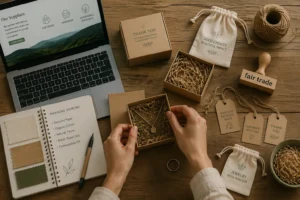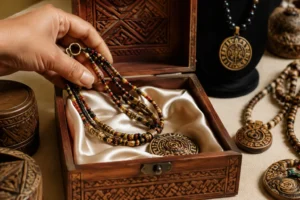
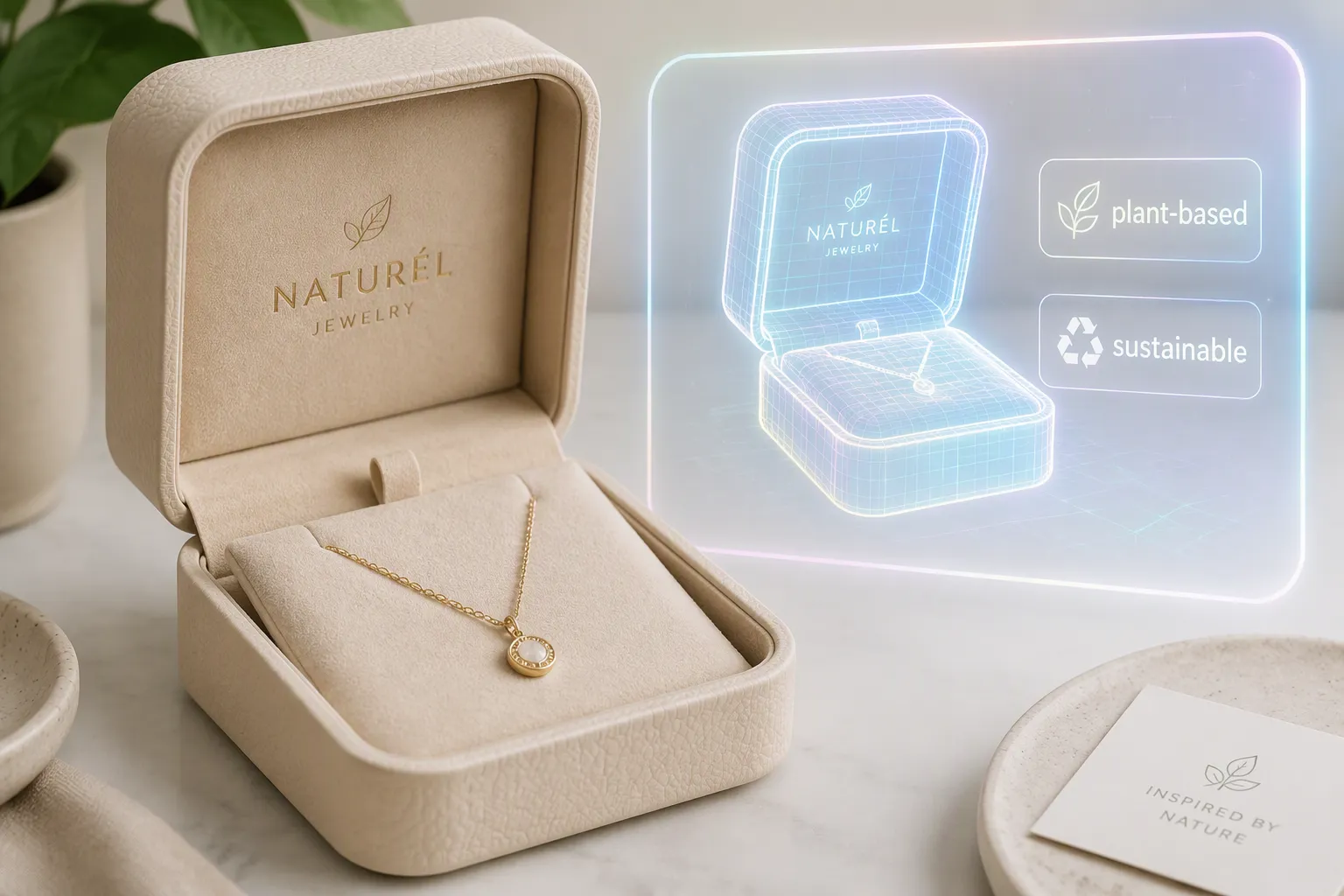
Vegan leather now anchors the jewelry packaging boxes industry. It unites ethics, sustainability, and design flexibility. This material has moved beyond niche status. It offers credible durability and growing luxury appeal for brands and buyers. The future depends on material innovation, honest certification, and consumer trust. Whether this material can truly replace animal hide remains an open question. Προσαρμοσμένα κουτιά κοσμημάτων και Οθόνη κοσμημάτων cases increasingly feature plant-based surfaces. A leading κατασκευαστής συσκευασιών κοσμημάτων supplies Θήκη για κοσμήματα options with vegan finishes.
Why Consumer Values Are Reshaping Jewelry Packaging
The Rise of Cruelty-Free Buying
Ethical Concerns Drive Material Choices
Shoppers increasingly question the origins of their purchases. They examine packaging materials with the same scrutiny they apply to gemstones and metals. Animal-derived leather now carries ethical baggage that many buyers reject. This shift pushes brands toward vegan leather and other compassionate alternatives. A 2023 GIA study found that 81% of jewelry buyers factor sustainability into purchases, with packaging as a key touchpoint. Material choices now signal a brand’s ethical stance.
Younger Buyers Demand Transparency
Generation Z consumers research supply chains before they spend. McKinsey reports that 62% of Gen Z buyers choose brands with sustainable packaging. These younger shoppers punish vague claims and reward honest disclosure. They share findings on social media and influence their peers. Brands that hide material origins lose credibility with this demographic.
Sustainability as a Luxury Signal
Eco-Consciousness Becomes a Status Symbol
Consumers now treat eco-friendly luxury packaging as a mark of sophistication. A Nielsen study found that 73% of consumers perceive items in luxury packaging as higher quality. Oxford University research shows that heftier packaging increases perceived value by 22%. The Luxury Institute reports that luxury packaging increases gifting likelihood by 10x. Sustainability now signals status rather than sacrifice.
Brands Use Packaging to Tell a Story
A conjoint analysis of sustainable luxury jewelry consumers identified six distinct segments: customizers, perfectionists, legacy lovers, zero-waste warriors, transparency trackers, and green operators. The top three preferred dimensions were sustainable process, quality, and heritage. Green operators specifically preferred eco-friendly packaging such as recycled, recyclable, and biodegradable materials. Zero-waste warriors prioritized sustainable materials above all else. These findings demonstrate that packaging drives perceived value for specific consumer segments. Brands that craft compelling narratives around modern sustainable luxury capture loyal audiences.
The Shift Away from Animal Leather
Declining Appeal of Traditional Leather
Traditional leather once defined premium jewelry boxes. Consumers now associate it with animal cruelty and environmental harm. Vegan jewelry brands increasingly reject leather in favor of plant-based alternatives. This decline reflects broader changes in consumer consciousness.
Regulatory and Retail Pressures
Governments and retailers now impose stricter rules on animal-derived materials. Some regions require labeling that discloses leather origins. Major retailers pressure suppliers to adopt cruelty-free options. These pressures accelerate the transition toward sustainable alternatives in jewelry packaging.
Next-Generation Vegan Leather Materials
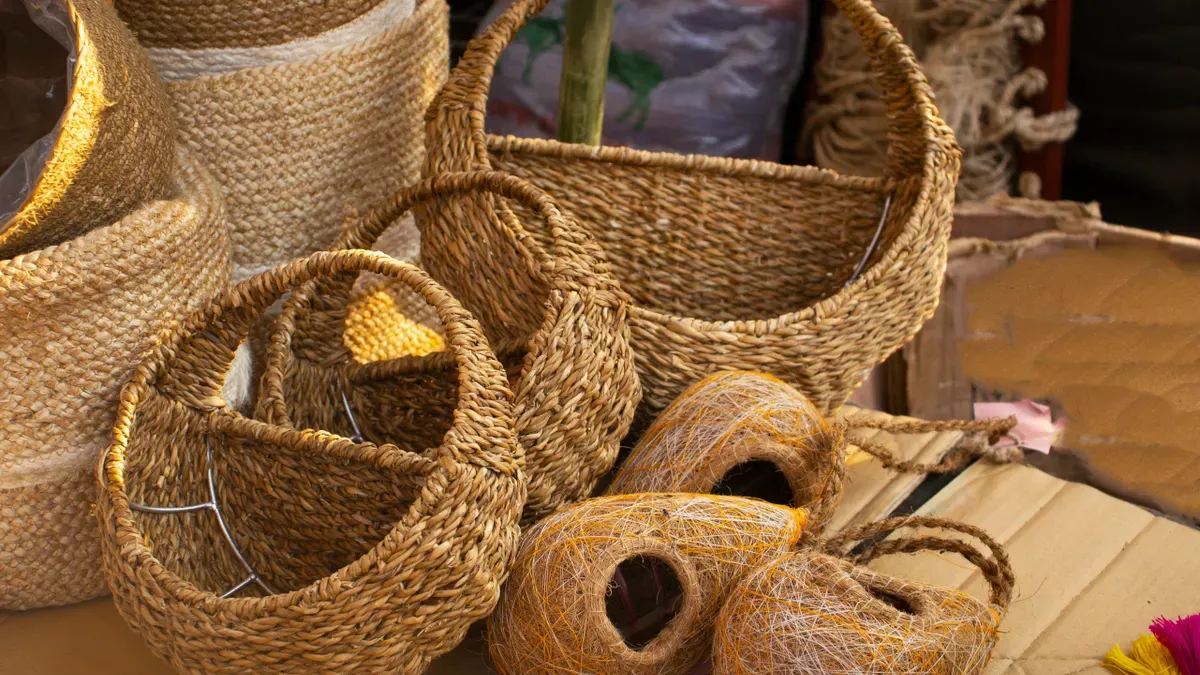
Mushroom Mycelium Leather
How Mycelium Mimics Animal Leather
Mycelium grows from fungal roots into a dense network of fine fibers. This structure resembles the collagen matrix found in animal hides. Manufacturers harvest the mycelium, compress it, and treat it with plant-based binders. The resulting material delivers a similar drape and hand feel to conventional leather. This innovation offers a truly sustainable option for jewelry packaging.
Durability and Texture Improvements
Early mycelium products tore easily and lacked consistent grain. Recent advances now produce premium vegan leathers with improved tensile strength. Brands such as Bolt Threads and MycoWorks engineer mycelium sheets that resist abrasion and moisture. Textured embossing creates realistic pebbled or smooth surfaces. These improvements make mycelium viable for high-end jewelry box exteriors.
Cactus and Apple Peel Leather
Cactus Leather for Soft, Supple Finishes
Cactus leather comes from the nopal plant, which grows with minimal water. Farmers harvest mature leaves and dry them under the sun. Manufacturers then blend the plant matter with bio-based resins. The final material offers a soft, supple finish ideal for interior linings and pouches. This plant-based leather provides an eco-friendly alternative for delicate jewelry cushions.
Apple Peel Leather for Structured Boxes
Apple peel leather uses waste from juice and cider production. The process recovers pomace, dries it, and combines it with polyurethane binders. This material holds shape well and resists deformation. Rigid jewelry boxes benefit from its structural stability. Apple or mushroom leather now competes with traditional materials in premium packaging applications.
Recycled Bio-Based PU
Reducing Reliance on Virgin Plastics
Recycled bio-based PU incorporates plant oils and reclaimed plastic waste. Manufacturers replace a portion of virgin petrochemicals with renewable feedstocks. This approach lowers the carbon footprint of packaging production. The material supports circular economy goals and reduces landfill waste.
Performance in Jewelry Box Applications
Recycled bio-based PU performs well in exterior wrapping and hinge covers. It accepts embossing, debossing, and digital printing with ease. The surface resists scuffing and color fading under normal use. Brands can customize colors and textures for consistent jewelry branding. This leather alternative delivers reliable performance at a competitive cost.
Pineapple and Grape Leather
Pineapple Leaf Fiber for Textured Surfaces
Pineapple leaf fiber, known as Piñatex, comes from leaves discarded during pineapple harvests. Farmers collect these leaves and extract the long fibers through a mechanical process. Manufacturers then felt the fibers into a non-woven mesh and coat them with a plant-based resin. The resulting material offers a distinct textured surface that resembles coarse canvas or pebbled hide. This texture adds visual depth to jewelry box exteriors and travel pouches. Brands value this material for its ability to hold embossed logos and debossed patterns. The fiber also accepts natural dyes well, which supports rich color palettes. Piñatex provides a durable option for exterior wrapping and decorative panels. Its breathable structure prevents moisture buildup inside jewelry storage boxes. These qualities make pineapple leaf fiber a strong candidate for luxury packaging applications.
Grape Waste as a Circular Material
Winemaking generates enormous quantities of grape skins, stems, and seeds. Most producers discard this pomace after pressing. Material scientists now recover these residues and transform them into innovative plant-based leathers. The process dries the grape waste, grinds it into powder, and combines it with vegetable oils and natural binders. The final sheet delivers a supple feel with a subtle grape-derived tint. This approach supports circular economy principles by diverting agricultural waste from landfills. Grape leather works well for interior linings and cushion covers. It offers a soft touch that protects delicate jewelry surfaces from scratches. The material also resists cracking under repeated flexing. Brands can source grape leather from European vineyards and reduce transport emissions. This circular material gives packaging a compelling sustainability story. Consumers appreciate the connection between wine production and ethical packaging. The grape waste stream provides an abundant and renewable feedstock. This innovation closes the loop between agriculture and luxury goods.
Vegan Leather vs. Traditional Leather and PVC Faux Leather
Consumers often compare paper vs velvet vs leather jewelry boxes before making a choice. Vegan leather enters this comparison as a modern option. It delivers the look and feel of animal hide without ethical compromise. Traditional leather offers prestige, but plant-based materials now challenge that status.
Shelf Appeal and Luxury Perception
Texture, Sheen, and Color Options
Texture and sheen shape first impressions. This material can replicate the fine grain of calfskin or the smooth finish of lambskin. It delivers consistent color across an entire production run. Traditional leather varies by hide, creating unique character but also inconsistency. PVC faux leather often carries a synthetic gloss that cheapens its effect. Brands seeking modern sustainable luxury favor this material for its uniform drape and rich tone.
Branding and Customization Potential
Customization defines the premium segment. A jewelry house can emboss its monogram into this material with clean edges. Debossing adds depth without puncturing the surface. Digital printing permits vivid patterns on plant-based surfaces. Traditional leather jewelry packaging boxes carry heritage and prestige. Yet this material enables broader color matching and faster prototyping. The choice between leather, premium paper jewelry boxes, and other substrates depends on brand story. This adaptability makes luxury packaging more responsive to design trends.
Longevity and Wear Resistance
Scuffing, Cracking, and Color Fading
Durability determines how a box ages. High-quality plant-based materials resist scuffing from rings and bracelets. Some blends crack under repeated stress. Traditional leather patinas and gains character over time. It can last decades with proper care. PVC faux leather often peels and cracks after a few years. The debate over leather vs velvet ring boxes highlights this concern. Velvet cushions wear quickly, while animal leather surfaces endure daily handling. This material sits between these options, offering moderate longevity at a lower environmental cost.
Hinge and Corner Durability
Hinges and corners receive constant pulling and flexing. A box lid opens hundreds of times over its life. Plant-based material must stretch without tearing at these stress points. Traditional leather holds stitching well and forms durable creases. Some bio-based PU materials delaminate at folded edges. Manufacturers address this issue with reinforced backing layers. Proper lamination prevents separation. Animal hide requires conditioning to stay supple. This material needs no such maintenance. This difference influences long-term structural integrity.
Environmental Impact Compared
Carbon Footprint and Water Use
Packaging choices carry environmental impact. Life cycle assessments compare materials from raw extraction to disposal. PVC, a dominant component in synthetic leather, emits ethylene and propylene into the air during production. It also releases methanol and propane/butane into water. PU leather consumes significant energy and produces non-biodegradable waste. Synthetic leather production can emit up to ten times more greenhouse gases than sustainably managed natural leather. However, animal leather demands vast water resources for raising livestock. Recycled bio-based PU lowers the carbon footprint by replacing virgin plastics. Brands must weigh these factors carefully.
Biodegradability and End-of-Life Options
End-of-life outcomes separate the materials. PVC faux leather does not biodegrade. Most post-consumer PVC waste goes to landfill, and only 15% is incinerated. Incineration reduces waste mass but generates hazardous residue that requires energy-demanding flue gas treatment. PU leather also adds landfill waste because it cannot be recycled at scale. Plant-based leather, by contrast, may break down under industrial composting conditions. This makes it the most circular option for luxury jewelry packaging.
| Υλικό | Biodegradability | Recyclability | Notable Concerns |
|---|---|---|---|
| PVC Faux Leather | Όχι | Ναι | Toxic emissions if incinerated |
| Δερματίνη PU | Όχι | Όχι | Adds to landfill waste |
Applications in Jewellery Packaging Boxes
Exterior Wrapping and Covers
Soft-Touch Finishes for Luxury Feel
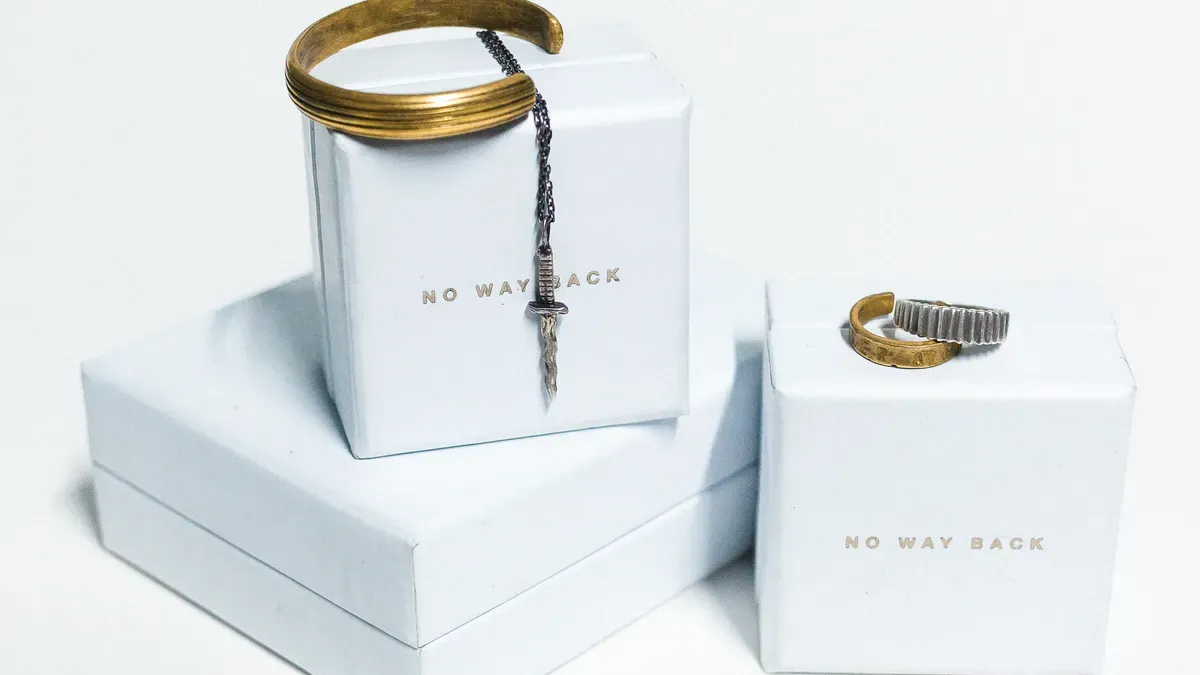
Exterior wrapping defines the first tactile impression. Vegan leather delivers a soft-touch finish that rivals animal hide. Manufacturers apply a matte or satin topcoat to create this effect. The surface feels warm and smooth against the fingers. This quality elevates luxury jewelry packaging to a sensory experience. Brands choose this material for jewelry packaging boxes that demand a premium hand feel. A textured, sustainable paper outer rigid box also benefits from vegan leather wrapping. The combination creates depth and visual interest.
Embossing and Debossing Techniques
Embossing raises a design above the surface. Debossing presses a pattern into the material. Both techniques work well on plant-based leather. Heat and pressure form crisp logos and monograms. The material holds these impressions without cracking. Custom jewelry boxes often feature debossed brand names on their lids. This detail reinforces brand identity and adds perceived value.
Interior Linings and Cushions
Non-Abrasive Surfaces for Delicate Jewelry
Interior linings must protect delicate pieces from scratches. Vegan leather offers a smooth, non-abrasive surface. It cushions rings, necklaces, and earrings during storage. The material does not shed fibers or leave residue. This quality makes it ideal for jewelry packaging boxes that house precious items. Vegan jewelry brands prefer this material for their interior applications.
Color Matching and Brand Consistency
Color consistency matters for brand recognition. Vegan leather accepts dyes evenly across production runs. Brands can match interior linings to exterior covers. This creates a cohesive unboxing experience. Premium paper jewelry boxes often pair with vegan leather interiors. The combination delivers both structure and softness. Luxury packaging demands this level of detail.
Hinge Covers and Structural Elements
Flexibility and Strength Requirements
Hinges endure constant flexing during opening and closing. Vegan leather must stretch without tearing at these stress points. High-quality formulations resist fatigue over thousands of cycles. Reinforcement layers add strength without bulk. Leather jewelry boxes require this durability for long-term use. The best packaging for luxury jewelry balances flexibility with structural integrity.
Adhesion and Lamination Challenges
Adhesion determines how well vegan leather bonds to substrates. Some bio-based materials resist standard adhesives. Manufacturers must select compatible glues for proper lamination. Poor adhesion causes peeling at edges and corners. Leather jewelry packaging boxes demand strong, lasting bonds. Proper surface preparation solves most adhesion issues. This step ensures the material performs well in leather jewelry boxes and other premium formats.
Travel Pouches and Roll Cases
Lightweight and Foldable Designs
Travel pouches and roll cases demand materials that move with the user. Vegan leather meets this need through its low density and flexible structure. A traveler can fold a pouch flat inside a suitcase or carry it by hand without strain. Traditional leather adds weight and bulk to every journey. Plant-based alternatives reduce that burden while maintaining a refined appearance. Manufacturers design these pieces for jewelry storage on the go. A soft pouch protects rings and earrings during transit. A roll case separates necklaces and bracelets into individual compartments. Both formats rely on lightweight construction. Vegan leather sheets measure thinner than animal hide at comparable strength. This quality allows tighter folds and smaller packed dimensions. Brands that produce jewelry packaging boxes for travel collections favor these properties. The material also resists creasing when folded for extended periods. A traveler unfolds the pouch and finds a smooth surface ready for use. Premium paper jewelry boxes serve stationary storage well. Travel formats require the flexibility that only a supple leather alternative provides. Designers reinforce stress points with stitching or heat-sealed edges. These details prevent tearing at fold lines. The final product delivers portability without sacrificing protection.
Water and Stain Resistance
Moisture and spills threaten any jewelry during travel. Vegan leather offers strong resistance to water and common stains. Many plant-based formulations include a protective topcoat. This layer repels liquid and prevents absorption into the base material. A spilled drink beads up on the surface. The user wipes it away with a cloth. No permanent mark remains. Traditional leather absorbs water and develops unsightly spots. PVC faux leather resists water but feels cold and synthetic. Modern vegan leather balances performance with a luxurious hand feel. Brands test these materials against coffee, perfume, and lotion. Quality products pass these tests without discoloration. This durability matters for leather jewelry packaging boxes that accompany customers on trips. A travel pouch must withstand repeated exposure to moisture. It must also resist oils from skin contact. Vegan leather handles both challenges well. The surface does not crack after drying. It maintains its color and texture over many journeys. These traits make vegan leather a reliable choice for leather jewelry boxes designed for mobility. Consumers gain confidence in packaging that protects their valuables anywhere.
The Challenges Facing Vegan Leather
Greenwashing and Misleading Claims
Lack of Standardized Certification
Vegan leather faces skepticism because no universal certification governs it. Brands can label products “vegan” or “eco-friendly” without third-party verification. This ambiguity invites exaggeration. A company might market a petroleum-based PU as sustainable. Buyers cannot easily verify raw material origins. Regulatory bodies across regions apply different standards. This fragmentation confuses consumers and undermines trust. Standardized packaging regulations would help close this gap. Established certifications exist for organic cotton and fair-trade metals, yet none dominate leather alternatives.
How to Spot Genuine Sustainability
Consumers should examine the full production cycle. They should look for detailed material breakdowns, including bio-based content percentages. Third-party audits provide verification. Honest brands publish supply chain milestones openly. They disclose adhesives, coatings, and backing layers. This transparency distinguishes genuine sustainability from marketing spin.
Microplastic and Synthetic Concerns
PU and PVC Shedding Risks
Synthetic leathers often contain polyurethane or polyvinyl chloride. These materials shed microplastic fibers during use and washing. Biodegradable plant-based leathers avoid this release. In contrast, PU surfaces gradually break down into tiny fragments that enter waterways. These particles persist for decades. Jewellery manufacturers must scrutinize material composition, not just the outer surface. Verified packaging suppliers will identify polymer content. Some “vegan” options rely heavily on fossil-fuel polymers despite their plant-based label.
Non-Biodegradable Waste Streams
Traditional faux leather ends up in landfills. Its multilayer construction prevents recycling at scale. The result is a growing waste stream that burdens sanitation systems. Plant-based alternatives offer a clearer disposal pathway. Industrial composting can break down mycelium, cactus, and pineapple fibers. However, mixed-material boxes complicate composting. Hinges, adhesives, and linings often contain non-organic elements. Designers must consider end-of-life from the first sketch.
Durability Gaps in Some Materials
Early Peeling and Cracking Issues
Not all vegan leather performs equally. Low-grade PU surfaces often peel within months. Cracked corners and flaking edges cheapen an otherwise premium box. Newer plant-based materials show better tensile strength, but quality varies by supplier. Environmental factors accelerate deterioration. Manufacturers must test samples under repeated flexing and temperature swings. This durability gap matters for leather jewelry packaging boxes, where hinges face constant stress.
Cost Barriers for Small Brands
Premium plant-based leather costs more than petroleum-based PU. Independent jewelers often operate on slim margins. Sourcing verified mushroom or apple leather adds logistical complexity. Minimum order quantities exceed the needs of boutique brands. This cost barrier slows adoption among smaller houses. As production scales, prices will fall. Larger companies currently dominate the market. Smaller brands must wait for affordable sourcing.
Market Forecast and Key Innovations
Growth Projections for Vegan Leather
Jewelry Packaging as a High-Growth Segment
Analysts project strong expansion for plant-based materials across multiple sectors. The global vegan leather industry will reach $89.6 billion by 2030, growing at 14.2% annually. Συσκευασίες κοσμημάτων represents one of the fastest-growing segments within this market. Brands increasingly specify sustainable materials for jewelry packaging boxes. This demand drives manufacturers to scale production and reduce costs. Premium jewelry houses now allocate larger budgets for eco-friendly packaging solutions.
Regional Demand Shifts
Europe leads adoption with strict environmental regulations and conscious consumers. Germany and France mandate recyclable packaging for luxury goods. North America follows closely as major retailers commit to sustainability goals. Asia-Pacific shows rapid growth potential. Japanese and Australian brands embrace plant-based materials for premium jewelry. Chinese manufacturers now produce bio-based alternatives at competitive prices. These regional shifts reshape global supply chains.
Brands Leading the Change
Luxury Jewelry Houses Adopting Vegan Leather
Major luxury brands now incorporate plant-based materials into their packaging. Danish jeweler Pandora committed to carbon-neutral operations by 2025. The company uses recycled silver and sustainable packaging across all product lines. French maison Hermès developed its own mycelium-based leather through a partnership with MycoWorks. This innovation demonstrates that luxury and sustainability coexist. These industry leaders set standards for smaller brands to follow.
Startups Innovating Material Science
Material science startups drive rapid innovation in this space. Bolt Threads produces Mylo, a mycelium leather backed by Stella McCartney. MycoWorks engineers Fine Mycelium with superior strength and durability. Vegea transforms grape waste from Italian vineyards into luxury-grade material. These companies attract significant venture capital funding. Their breakthroughs make sustainable packaging more accessible for vegan jewelry brands.
Design and Technology Trends
Smart Materials and Self-Healing Surfaces
Next-generation materials now incorporate self-healing properties. Minor scratches disappear when the surface warms to room temperature. Scientists embed microcapsules containing healing agents within the material matrix. These capsules rupture upon damage and release compounds that repair the surface. This technology extends product lifespan and reduces replacement waste. Self-cleaning coatings also repel dust and oils. These innovations will soon reach commercial packaging applications.
Digital Printing for Custom Boxes
Digital printing transforms how brands approach έθιμο κουτιά κοσμήματα. High-resolution printers apply intricate patterns directly onto plant-based surfaces. This technology eliminates expensive tooling and reduces minimum order quantities. Small brands can now order fifty boxes instead of five thousand. Variable data printing enables personalized messages on each unit. QR codes link customers to brand stories and care instructions. This flexibility supports the growing demand for personalized luxury experiences.
What the Future of Jewellery Packaging Requires
Better Materials and Feedstocks
Moving Beyond Fossil-Fuel-Based PU
The industry must reduce its dependence on petroleum-derived polyurethane. Fossil-fuel-based PU contributes to carbon emissions and creates persistent waste. Material scientists now develop bio-based alternatives from plant oils, algae, and agricultural residues. These feedstocks offer renewable origins and lower environmental impact. Brands that adopt these materials position themselves as leaders in sustainable συσκευασίες κοσμημάτων.
Scaling Plant-Based Production
Plant-based leather production remains limited compared to synthetic output. Manufacturers need larger facilities and better supply chains to meet growing demand. Scaling requires investment in harvesting, processing, and quality control. Farmers must grow dedicated crops for material production. This expansion will lower costs and make eco-friendly options accessible to more brands. The future of jewelry packaging depends on this industrial growth.
Certification and Transparency
Third-Party Labels and Standards
No universal certification currently governs vegan leather. This gap allows misleading claims to flourish. Independent organizations now develop standards for bio-based content and biodegradability. A credible label tells buyers that a product meets verified criteria. Brands should pursue certification from recognized bodies. An fsc-certified paper box paired with certified vegan leather signals genuine commitment to sustainability.
Supply Chain Traceability
Consumers want to know where materials originate. Traceability systems track raw materials from farm to finished box. Blockchain technology enables transparent record-keeping across every production stage. Brands that publish supply chain data build trust with buyers. This openness distinguishes honest companies from those that greenwash their marketing.
Consumer Education and Demand
Helping Buyers Ask the Right Questions
Shoppers need guidance to evaluate packaging claims. They should ask about material composition, bio-based content, and end-of-life options. Retailers can display information cards that explain these details. Educational campaigns help buyers recognize genuine sustainable jewelry packaging. Informed consumers drive demand for better products.
Building Trust Through Honest Marketing
Brands must avoid exaggerated environmental claims. Honest marketing acknowledges limitations and shares improvement plans. Companies that admit challenges earn more credibility than those that promise perfection. Vegan jewelry brands can lead by example. They can show how premium paper jewelry boxes and plant-based leather work together. Transparent communication about jewelry packaging builds lasting customer loyalty.
How Vegan Jewellery Brands Are Leading the Way
Case Studies in Ethical Packaging
WOLF 1834 and Recycled Leather Innovation
WOLF 1834 built its reputation on heritage craftsmanship and premium jewelry packaging boxes. The company recently launched a collection using recycled leather fibers. This material diverts waste from landfills and reduces demand for virgin resources. WOLF 1834 sources post-industrial leather scraps and processes them into durable sheets. The resulting surface matches traditional leather in appearance and performance. This innovation proves that established brands can embrace circular design without sacrificing quality. Other luxury houses now study this model for their own eco-friendly luxury packaging initiatives.
Independent Designers Choosing Vegan Materials
Small studios and independent designers drive experimentation with plant-based materials. Many emerging vegan jewelry brands select mycelium, cactus, or apple leather for their packaging. These makers prioritize values over volume. They accept higher material costs to align products with ethical commitments. Their customers reward this authenticity with loyalty and word-of-mouth promotion. Independent designers often share sourcing details on social media. This transparency builds trust and inspires larger competitors to follow.
The Role of Packaging in Brand Identity
Aligning Box Design with Brand Values
Packaging functions as a physical manifesto for brand values. A jewelry box made from recycled or plant-based materials communicates environmental responsibility. Color choices, textures, and finishes reinforce this message. Minimalist designs suggest restraint and respect for resources. Rich, tactile surfaces convey luxury without animal products. Brands that align every design decision with their stated ethics create coherent identities. Customers recognize this consistency and respond with deeper engagement.
Creating Unboxing Experiences That Reflect Ethics
The unboxing experience for jewelry now carries ethical weight. Consumers notice whether packaging materials match a brand’s sustainability claims. A box wrapped in plastic contradicts a commitment to ocean conservation. A compostable pouch inside a recycled paper shell reinforces that promise. Brands design each layer to tell a consistent story. They avoid mixed materials that complicate recycling. They print care instructions that guide proper disposal. These details transform a simple packaging moment into a values-driven ritual. Customers share these experiences online and amplify the brand’s message. Ethical packaging becomes a marketing asset that costs nothing extra to promote.
Vegan leather presents a credible future for the jewelry box industry. It blends ethics, design flexibility, and sustainability. Traditional materials still hold some ground. Next-generation options now narrow that performance gap. True sustainability demands better feedstocks, recognized certification, and informed buyers. Brands investing in innovation and transparency will shape the future of jewelry packaging. Those adopting sustainable practices early secure a lasting competitive edge.
ΣΥΧΝΈΣ ΕΡΩΤΉΣΕΙΣ
What is vegan leather?
Vegan leather describes any material that mimics animal hide without using animal products. Manufacturers create it from plants, fungi, or synthetic polymers. Mycelium, cactus, apple peel, and pineapple leaf fiber represent common plant-based sources. Recycled bio-based PU offers another option. Each material delivers different textures and performance levels.
Is vegan leather durable enough for jewelry boxes?
Quality varies across materials and suppliers. Premium plant-based options resist scuffing, cracking, and color fading. They handle repeated flexing at hinges and corners. Low-grade PU peels within months. Buyers should request durability testing data before committing to large orders.
How does vegan leather compare to traditional leather?
Vegan leather avoids animal cruelty and reduces water consumption. Traditional leather develops a unique patina over decades. Plant-based alternatives now match animal hide in appearance and hand feel. They offer consistent color across production runs. Traditional leather still holds an edge in long-term durability.
What certifications should buyers look for?
No universal certification currently governs vegan leather. Buyers should seek third-party verification for bio-based content and biodegradability. FSC certification applies to paper components. Transparent supply chain documentation matters more than marketing labels. Honest brands publish material breakdowns openly.
Why does vegan leather sometimes cost more?
Premium plant-based materials require specialized harvesting and processing. Mycelium and cactus leather production remains limited compared to synthetic output. Minimum order quantities exceed small brand needs. As production scales, prices will fall. Larger companies currently absorb these costs more easily.
Can vegan leather boxes biodegrade?
Plant-based leathers may break down under industrial composting conditions. Mixed-material construction complicates disposal. Hinges, adhesives, and linings often contain non-organic elements. PVC and PU faux leather do not biodegrade at all. Designers must plan end-of-life from the first sketch.
Which brands lead in vegan leather packaging?
Pandora committed to carbon-neutral operations and sustainable packaging. Hermès developed mycelium-based leather with MycoWorks. WOLF 1834 launched recycled leather collections. Startups like Bolt Threads and Vegea drive material innovation. These leaders set standards for smaller brands to follow.
What does the future hold for vegan leather in jewelry packaging?
Analysts project 14.2% annual growth through 2030. Jewelry packaging represents a high-growth segment. Self-healing surfaces and digital printing will expand design possibilities. Better feedstocks and recognized certification will build consumer trust. Brands investing in transparency will secure competitive advantages.
See Also
Exploring The Sustainable Jewelry Packaging Market In Comprehensive Detail Today
Testing Durability: Leatherette Versus Genuine Leather Jewelry Cases Compared
Comparing Ring Jewelry Box Beauty: Velvet Versus Wood Versus Leather Materials
Best Elite Leather Pearl Jewelry Box Selections For This Year