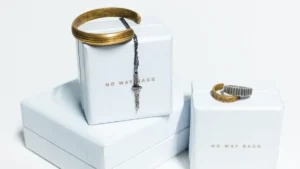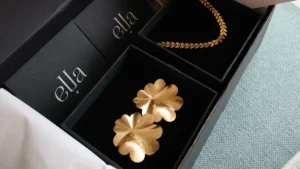
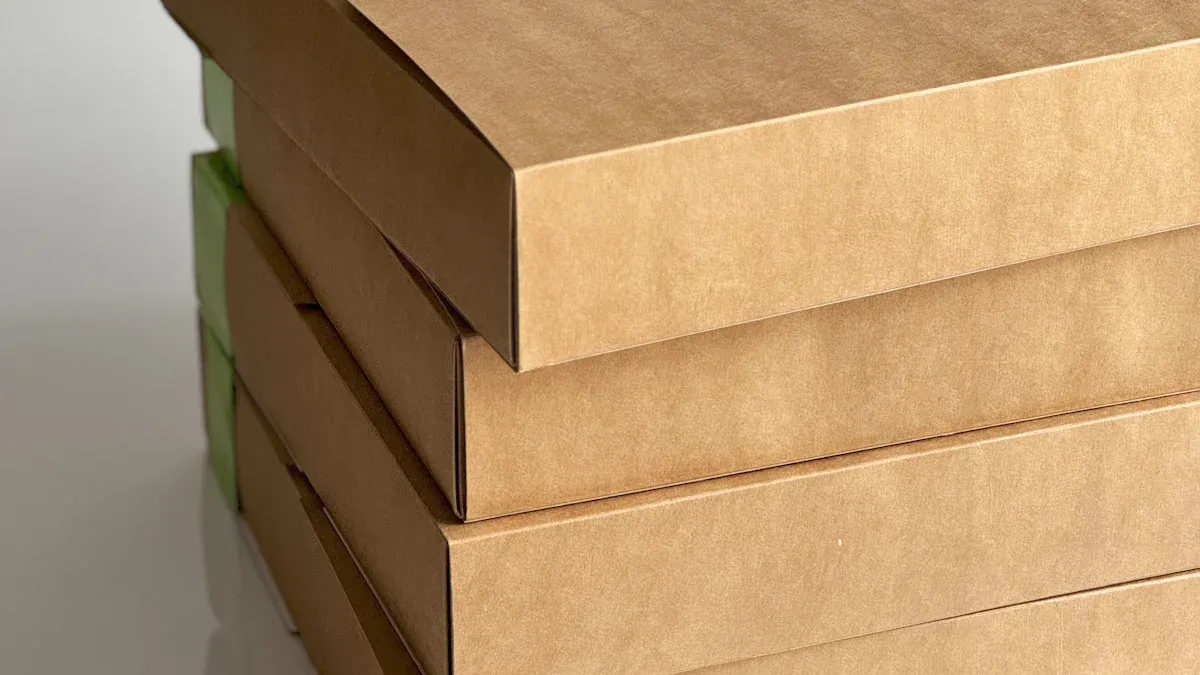
Eco-friendly jewelry packaging supports both environmental responsibility and brand reputation. This approach uses materials and designs that reduce waste and pollution. Jewelry packaging manufacturer innovations now offer options such as custom jewelry boxes, Jewelry Display solutions, and Jewelry Pouch alternatives that appeal to modern consumers. Many people see eco-friendly jewellery packaging as essential for sustainability. Recent surveys show strong consumer preferences:
- 73% of Gen Z shoppers will pay more for sustainable jewellery packaging.
- 90% of buyers choose brands with eco-friendly packaging.
- Over 54% intentionally selected products with sustainable packaging in the last six months.
Selecting eco-friendly options offers immediate benefits. Brands attract conscious buyers, while consumers feel confident about supporting a sustainable future.
Environmental and Ethical Concerns of Traditional Jewelry Packaging
Impact of Conventional Materials on Sustainability
Plastic and Non-Biodegradable Packaging
Traditional jewellery packaging often relies on plastics and foams. These materials present significant challenges for sustainability and eco-friendly practices. The use of petrochemical-based packaging increases the environmental impact of the jewellery industry. The table below outlines the main environmental impacts associated with these conventional materials:
| Environmental Impact | Description |
|---|---|
| Petrochemical Lifecycle | Foam packaging is derived from fossil fuels, leading to greenhouse gas emissions during extraction and production. |
| Manufacturing Footprint | The production of foam requires significant energy and toxic chemicals, contributing to air and water pollution. |
| Recycling Limitations | Foam is difficult to recycle, often ending up as microplastics that harm ecosystems and human health. |
| VOC Emissions | Certain foams release volatile organic compounds, which can cause health issues upon prolonged exposure. |
| Chemical Leaching | Chemicals like antimony trioxide can leach into the environment, posing cancer risks and entering the food chain. |
These factors make it clear that conventional packaging materials undermine efforts toward sustainable jewelry and ethical jewelry standards. Brands that continue to use these materials risk damaging both the environment and their reputation.
Excessive Waste and Resource Depletion
The jewellery industry generates an enormous amount of packaging waste each year. This waste not only strains landfill capacity but also depletes natural resources. Consider the following facts:
- The jewelry industry generates an estimated 50 million tons of packaging waste annually.
- This figure emphasizes the significant environmental impact of traditional jewelry packaging practices.
Such excessive waste highlights the urgent need for eco-friendly alternatives. Sustainable jewelry brands must address these issues to reduce their environmental impact and support global sustainability goals.
Ethical Challenges in Jewelry Packaging
Labor Practices and Transparency
Ethical jewelry packaging extends beyond material selection. It also involves fair labor practices and transparent supply chains. Many conventional packaging suppliers operate in regions with weak labor protections. Workers may face unsafe conditions or receive unfair wages. Brands that prioritize ethical jewelry must ensure that their packaging partners uphold high standards for worker rights and transparency.
Pollution and Environmental Harm
The production and disposal of traditional jewellery packaging contribute to pollution and environmental harm. Toxic chemicals used in manufacturing can contaminate water and soil. Improper disposal leads to microplastics entering ecosystems and food chains. Ethical jewelry brands recognize these risks and seek packaging solutions that minimize pollution. By choosing eco-friendly materials, they demonstrate a commitment to both sustainability and ethical jewelry values.
Note: Ethical jewelry brands that invest in eco-friendly packaging not only reduce their environmental impact but also build trust with conscious consumers.
Eco-Friendly Jewelry Packaging Materials and Types
Recycled and Recyclable Options for Sustainability
Kraft Paper and FSC-Certified Cardboard
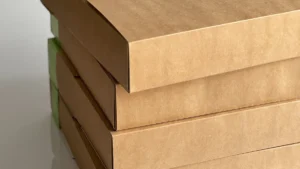
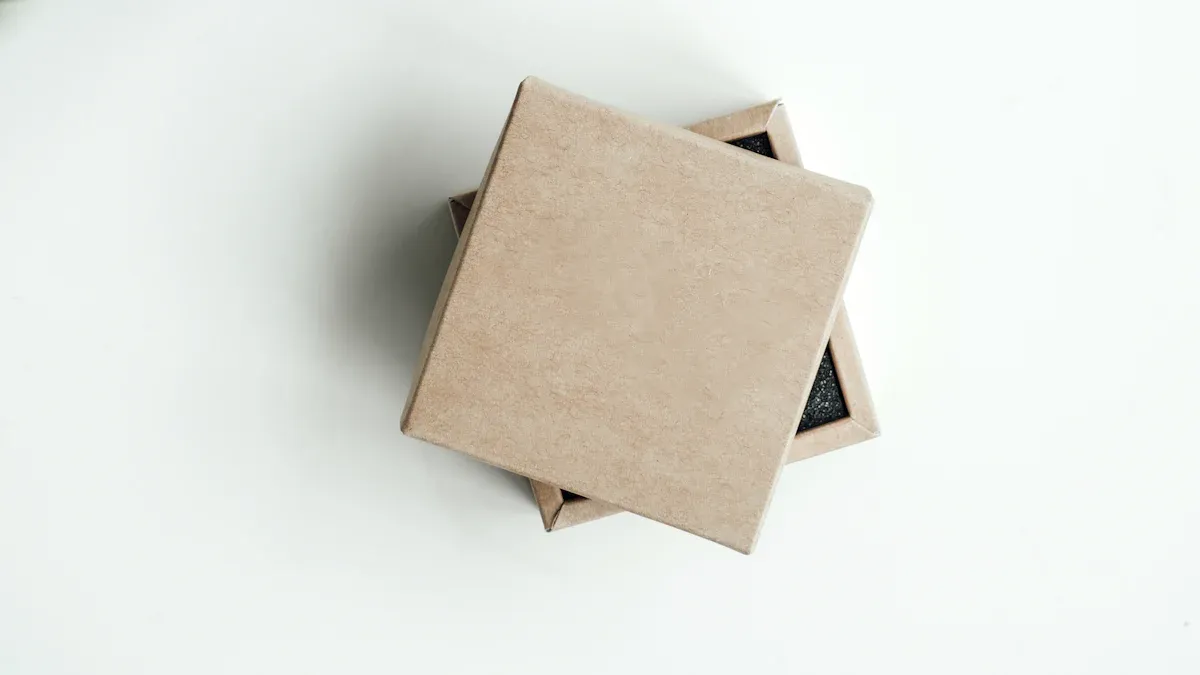
Brands increasingly select kraft paper and FSC-certified recycled cardboard for eco-friendly jewelry packaging. Kraft paper offers durability and a rustic appearance, making it ideal for sustainable jewellery packaging. FSC-certified recycled cardboard ensures responsible sourcing and supports sustainability. These eco-friendly materials reduce environmental impact and provide a premium feel for luxury jewellery. Many brands use recycled cardboard for jewellery boxes, inserts, and display trays. This approach aligns with environmentally friendly packaging ideas and meets consumer demand for eco-friendly jewellery packaging.
Tip: Choosing FSC-certified recycled cardboard demonstrates a commitment to sustainability and responsible forestry practices.
Recycled Jewelry Boxes and Packaging
Luxury jewellery brands now prioritize recycled jewellery boxes and packaging options. Recycled cardboard forms the foundation of these eco-friendly solutions. Recycled jewelry boxes offer the same high-end look as traditional packaging, but they minimize waste and resource consumption. Brands benefit from reduced energy usage and lower environmental impact. Consumers appreciate the sustainable luxury packaging and the eco-friendly jewellery packaging experience.
- Reduced resource consumption: Recycled cardboard decreases the need for virgin materials.
- Lower energy consumption: Production of recycled jewelry boxes uses less energy than traditional alternatives.
- Minimized waste: Eco-friendly jewelry packaging options designed for reuse help lower overall waste generation.
Luxury brands recognize the effectiveness of recycled jewelry packaging in reducing their ecological footprint. Eco-friendly jewellery packaging supports both sustainability and brand reputation.
| Material | Properties | Benefits |
|---|---|---|
| Linen | Biodegradable, recyclable, made from flax plant, durable | Non-toxic, requires less water and energy to produce, sustainable choice for packaging. |
| Cotton | Biodegradable, renewable, recyclable, soft, lightweight | Customizable, available in various sizes and colors, eco-conscious option for brands. |
| Recycled Vegan Leather | Made from recycled plastics and plant-based materials, durable | Customizable, long-lasting, resistant to damage, reduces waste, and minimizes environmental impact. |
Biodegradable and Compostable Eco-Friendly Solutions
Plant-Based Plastics and Biodegradable Textiles
Plant-based plastics and biodegradable textiles represent innovative eco-friendly materials for jewellery packaging. PLA, derived from cornstarch or sugarcane, emits 68% less greenhouse gases than conventional plastics. Biodegradable plastics decompose faster and do not release harmful chemicals during disposal. These materials provide effective moisture barriers and protective padding for luxury jewellery. Although production costs remain higher, brands value the sustainability benefits and the appeal of eco-friendly jewellery packaging.
- Biodegradable plastics decompose quickly and avoid harmful chemical release.
- PLA production emits fewer greenhouse gases than traditional plastics.
- Plant-based plastics use renewable resources, supporting sustainable jewellery packaging.
- Biodegradable textiles, such as corn starch films, offer moisture protection for jewellery boxes.
Organic Cotton and Bamboo Packaging
Organic cotton and bamboo packaging options deliver both sustainability and luxury. Organic cotton pouches and bamboo boxes serve as biodegradable jewellery packaging, offering softness and durability. These eco-friendly materials require less water and energy to produce. Brands use organic cotton for jewellery bags and bamboo for display boxes. Consumers value the environmentally friendly packaging ideas and the sustainable luxury packaging experience.
Note: Organic cotton and bamboo packaging options support eco-friendly jewellery packaging goals and reinforce brand commitment to sustainability.
Reusable and Multi-Purpose Eco-Friendly Jewelry Packaging
Fabric Pouches and Bags
Fabric pouches and bags provide reusable packaging solutions for jewellery. Brands select linen, cotton, and recycled vegan leather for their eco-friendly jewellery packaging. These materials offer customization and durability. Reusable packaging reduces waste and appeals to eco-conscious consumers. Fabric pouches serve as storage and gift bags, enhancing the luxury experience.
| Benefit | Description |
|---|---|
| Sustainability | Reusable packaging reduces waste and aligns with environmental interests, appealing to eco-conscious consumers. |
| Customer Loyalty | Brands with reusable packaging see higher repurchase rates (30-60%) compared to traditional packaging (15-35%), creating ongoing touchpoints with customers. |
| Brand Identity | Creative and functional packaging reinforces brand identity, leading to increased brand recall, recommendations, and repeat purchases. |
- Eco-friendly luxury packaging feels purposeful and high-quality.
- Sustainable materials in packaging reflect environmental responsibility.
Wooden and Bamboo Boxes
Wooden and bamboo boxes offer reusable and sustainable luxury packaging for jewellery. These eco-friendly materials provide durability and a premium appearance. Brands use recycled cardboard inserts with wooden or bamboo boxes to enhance sustainability. Consumers appreciate the multi-purpose functionality and the environmentally friendly packaging ideas. Wooden and bamboo boxes serve as keepsake containers, supporting eco-friendly jewellery packaging and sustainable jewellery packaging goals.
Callout: Reusable packaging options, such as wooden and bamboo boxes, reinforce brand identity and encourage repeat purchases.
Eco-friendly jewelry packaging materials and types continue to evolve. Brands and consumers benefit from sustainable, biodegradable, and reusable packaging options that support both environmental responsibility and luxury.
Innovative Sustainable Packaging Alternatives
Mushroom Packaging
Mushroom packaging stands out as a sustainable solution for jewellery brands seeking eco-friendly alternatives. Manufacturers grow this packaging from mycelium, the root structure of mushrooms, and agricultural waste. The process produces a material that offers excellent cushioning and insulation. Mushroom packaging protects fragile jewellery items during shipping and storage. Brands use mushroom packaging for jewellery boxes, ensuring products arrive safely and undamaged.
The following table compares durability and performance for mushroom packaging and seed-embedded paper:
| Packaging Type | Durability and Performance |
|---|---|
| Mushroom Packaging | Offers excellent cushioning and insulation, strong and durable for protecting fragile goods. |
| Seed-Embedded Paper | Biodegradable and allows for planting after use, creating a connection to environmental regeneration. |
Mushroom packaging appeals to eco-conscious consumers. Its strong protective qualities make it a preferred choice for luxury jewellery. Brands benefit from reduced environmental impact and enhanced product safety. Mushroom packaging decomposes naturally, leaving no harmful residue. This feature supports sustainability goals and aligns with consumer expectations.
Note: Mushroom packaging demonstrates how innovative designs can combine environmental responsibility with practical benefits.
Seed-Embedded Paper
Seed-embedded paper introduces a creative approach to sustainable jewellery packaging. Manufacturers embed seeds within biodegradable paper, allowing consumers to plant the packaging after use. This process creates a direct connection to environmental regeneration. Seed-embedded paper resonates with eco-conscious buyers, who value the opportunity to contribute to nature.
Jewellery brands use seed-embedded paper for wrapping, tags, and inserts. The material breaks down quickly in soil, supporting zero-waste initiatives. Consumers appreciate the unique experience of planting packaging and watching new life grow. Seed-embedded paper enhances acceptance in the market, especially among buyers willing to pay more for sustainable products.
- Mushroom packaging is appealing due to its eco-friendly nature and strong protective qualities.
- Seed-embedded paper resonates with eco-conscious consumers, enhancing its acceptance in the market.
- Trends indicate a growing willingness among consumers to pay more for sustainable products.
Seed-embedded paper offers both practicality and environmental benefits. Brands incorporate this material into jewellery packaging to reinforce their commitment to sustainability. The use of seed-embedded paper supports eco-friendly practices and encourages consumer engagement.
Tip: Seed-embedded paper transforms packaging waste into a positive environmental action, making it a memorable part of the jewellery buying experience.
Jewellery brands continue to explore innovative designs that prioritize sustainability. Mushroom packaging and seed-embedded paper represent forward-thinking solutions for eco-friendly jewellery packaging. These alternatives provide durability, consumer appeal, and environmental benefits, supporting the transition to greener practices in the industry.
Sustainable Packaging Design Strategies for Jewelry
Minimalist and Efficient Eco-Friendly Design
Reducing Material Use
Jewellery brands prioritize minimalist design to achieve eco-friendly packaging. They select sustainable materials such as recycled paper and biodegradable plastics. This approach reduces environmental impact and supports sustainable jewelry goals. By minimizing material waste, brands avoid excess and create packaging that efficiently uses space. The reduction of material use directly supports sustainability by decreasing landfill waste. Lower carbon footprints result from using fewer materials, which reduces energy and resources needed for production and transportation. Brands also promote a circular economy by encouraging reusable packaging, minimizing single-use items, and fostering sustainable consumption.
- Minimizing waste through reduced material use supports sustainability.
- Lowering carbon footprints is achieved by using fewer materials.
- Promoting a circular economy encourages the use of reusable packaging.
Flat-Pack and Collapsible Packaging
Flat-pack and collapsible packaging solutions offer efficient storage and transportation for jewellery. These designs use lightweight materials and require less space, lowering greenhouse gas emissions during shipping. Brands source materials locally to further reduce their carbon footprint. Flat-pack packaging aligns with sustainable luxury packaging principles, providing both luxury appeal and practicality. Collapsible boxes allow consumers to reuse packaging for storage, enhancing the value of eco-friendly solutions.
Multi-Functionality and Reusability in Sustainable Packaging
Packaging as Storage or Display
Multi-functional packaging serves as both storage and display for jewellery. Brands design boxes that protect luxury items and offer ongoing utility. Consumers appreciate packaging that doubles as a keepsake container, supporting sustainable jewelry practices. Reusable packaging provides added value, encouraging clients to keep and reuse boxes. This approach increases continuous brand exposure, as packaging remains visible during travels and daily use.
| Advantage | Description |
|---|---|
| Added Value for Consumer | Multi-functional designs provide extra value, encouraging clients to keep and reuse packaging. |
| Continuous Brand Exposure | Packaging that is reused offers ongoing visibility for the brand during travels. |
| Justification for Higher Price Point | The utility of the packaging allows for a higher initial price due to its added functionality. |
Gift-Ready Designs
Gift-ready designs enhance luxury appeal and support sustainable luxury packaging. Jewellery brands create packaging that is elegant and reusable, making it suitable for gifting. Consumers value boxes that can be repurposed for other luxury items. Gift-ready packaging reinforces brand identity and encourages repeat purchases, aligning with eco-friendly and sustainable jewelry goals.
Educational and Engaging Eco-Friendly Packaging
Informative Inserts and Labels
Educational packaging initiatives equip consumers with knowledge about sustainable practices. Brands include informative inserts and labels that explain how to recycle or reuse packaging. These materials foster a connection with eco-conscious customers and encourage participation in sustainability initiatives. Interactive workshops and online resources provide practical insights into identifying eco-friendly products.
- Educational initiatives equip consumers with knowledge about sustainable practices.
- Interactive workshops and online resources provide practical insights.
- Social media platforms raise awareness about sustainable packaging.
QR Codes for Sustainability Stories
Jewellery brands use QR codes to share sustainability stories and impact metrics. Consumers scan codes to learn about the eco-friendly materials used in packaging and the brand’s commitment to sustainable luxury packaging. QR codes engage buyers and increase awareness of sustainable jewelry practices. This interactive approach strengthens the connection between brands and eco-conscious consumers.
Tip: Educational and engaging packaging increases consumer awareness and participation in sustainability initiatives, supporting the transition to eco-friendly practices in the jewellery industry.
Comparing Eco-Friendly Jewelry Packaging Options
Pros and Cons of Sustainable Materials
Paper vs. Bioplastics
Jewellery brands often evaluate paper and bioplastics when selecting sustainable materials for packaging. Recycled cardboard and FSC-certified paper offer versatility and customization. These materials provide lightweight protection and cost-effective solutions. However, achieving a luxury feel may require careful design and finishing. Bioplastics, such as PLA and PHA, present clear or opaque options and lower carbon footprints compared to traditional plastics. PLA can be molded for unique shapes, but it requires industrial composting, which is not widely available. PHA offers broader biodegradability, yet it remains less scalable and more expensive.
| Material Type | Pros for Jewelry Packaging | Cons/Challenges |
|---|---|---|
| Recycled Cardboard/Paper | Versatile, customizable, lightweight, cost-effective | Quality varies; luxury appeal needs careful design |
| FSC-Certified Virgin Paper | High quality, luxury appeal, consistent supply | Higher cost; uses virgin resources |
| PLA Bioplastic | Moldable, lower carbon footprint | Needs industrial composting; can be brittle |
| PHA Bioplastic | Broad biodegradability | Higher cost; less scalable; evolving performance |
Tip: Brands should balance environmental benefits with the need for luxury appeal when choosing between paper and bioplastics.
Fabric vs. Wood
Fabric and wood represent two distinct approaches to sustainable jewellery packaging. Organic cotton, linen, and hemp provide a soft, luxurious feel and a natural aesthetic. These materials are reusable and breathable, making them ideal for pouches and bags. However, they can cost more than conventional textiles, and durability may vary. Wood, including bamboo and cork, offers durability and a premium appearance. Wooden boxes serve as keepsake containers, but thin cork can be brittle and costs may exceed those of paper-based options.
| Material Type | Pros for Jewelry Packaging | Cons/Challenges |
|---|---|---|
| Organic Cotton/Linen | Soft, reusable, natural look | Higher cost; durability varies; water usage |
| Wood/Bamboo/Cork | Durable, premium, unique aesthetic | Can be brittle; higher cost than paper |
Luxury brands often combine fabric and wood to create packaging that meets both sustainability and luxury standards.
Cost, Availability, and Scalability of Eco-Friendly Solutions
Small Businesses vs. Large Brands
Small businesses and large brands face different challenges when adopting eco-friendly packaging. Eco-friendly materials, such as kraft paper and reusable pouches, are generally more affordable for small businesses. These options are biodegradable, recyclable, and sustainable. Traditional materials, like plastics and metals, may offer lower initial costs but result in higher disposal expenses and greater environmental impact.
| Packaging Material | Cost Implications | Environmental Impact |
|---|---|---|
| Eco-friendly | Affordable for small businesses | Biodegradable, recyclable, sustainable |
| Traditional | Lower initial cost, higher disposal cost | Significant impact, less sustainable |
Luxury brands often invest in higher-quality sustainable materials to maintain their reputation and meet consumer expectations.
Customization and Branding Potential
Customization and branding play a crucial role in sustainable jewellery packaging. Eco-friendly materials allow brands to create unique designs that reflect their identity. However, maintaining luxury appeal can be challenging. Brands must ensure adequate protection and durability for jewellery items. Transitioning to sustainable packaging requires gradual implementation to manage costs. Establishing transparent supply chains verifies authentic sustainability claims.
- Maintaining luxury appeal remains a challenge for eco-friendly packaging.
- Adequate protection and durability are essential for jewellery during transit.
- Gradual changes help manage transition costs.
- Transparent supply chains support authentic sustainability.
Note: Brands that prioritize sustainable materials and thoughtful design can achieve both environmental responsibility and strong branding.
Communicating Sustainability Through Eco-Friendly Jewelry Packaging
Branding and Storytelling with Eco-Friendly Packaging
Highlighting Sustainable Choices
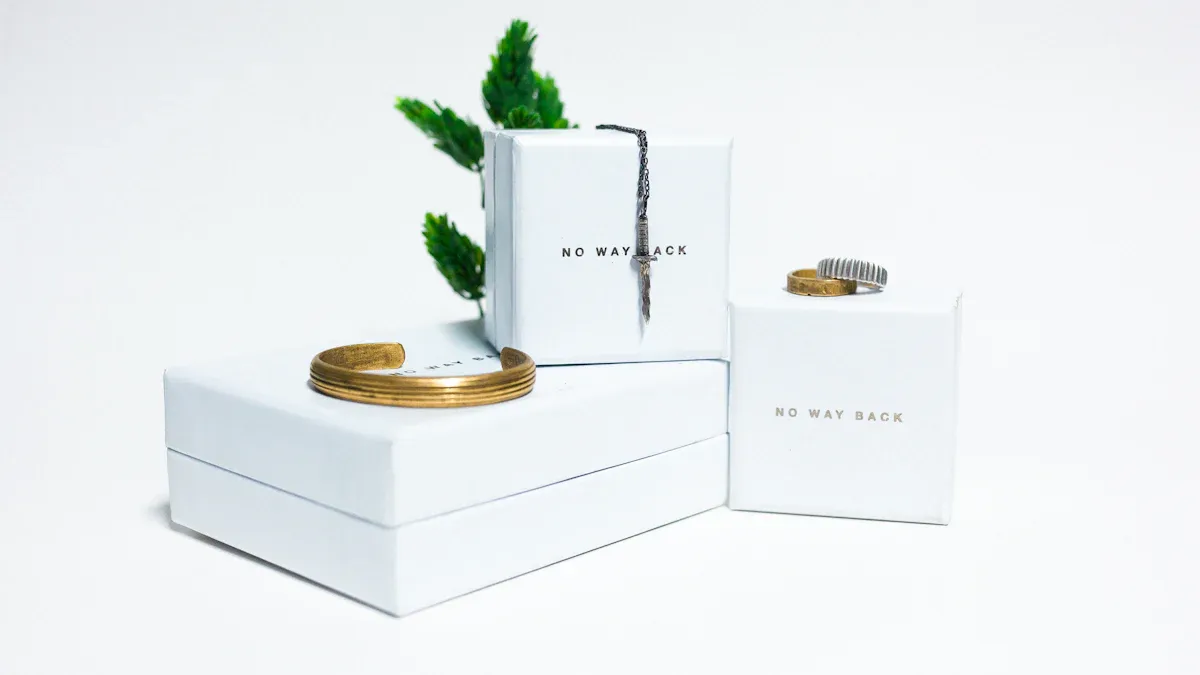
Jewellery brands use packaging as a powerful storytelling tool. They highlight sustainable choices by showcasing eco-friendly materials and design innovations. Many brands select FSC-certified recycled boxes and custom jewellery boxes printed with HydroSoy ink. These packaging solutions demonstrate a commitment to environmental responsibility. Consumers respond positively to clear communication about sustainability.
- 73% of consumers are willing to pay more for sustainable products.
- Brands that communicate their sustainability efforts see up to a 20% increase in customer loyalty.
- Satinski introduced recycled, non-toxic packaging and boosted sales by 30% within six months.
“Sustainable packaging is not just a trend; it’s a necessity for brands that want to connect with today’s conscious consumers.” – Emily Chen, Marketing Director, Satinski
Jewellery brands also provide educational materials that emphasize the importance of sustainable choices. Packaging inserts explain eco-friendly attributes and encourage responsible disposal or recycling.
Certifications and Eco-Labels
Certifications and eco-labels play a crucial role in building consumer trust. Brands display recognized certifications on their packaging to validate their sustainability claims. The following table outlines key certifications and their impact:
| Certification Name | Description | Impact on Consumer Trust |
|---|---|---|
| EcoEnclose Certification | Validates recyclable packaging claims | Enhances consumer confidence in eco-friendly choices |
| Fair Trade Certified | Ensures fair labor practices | Builds trust through ethical sourcing |
Jewellery brands educate consumers about these certifications. They use packaging inserts and labels to highlight eco-friendly credentials. This transparency strengthens brand reputation and fosters trust among buyers.
Customer Engagement and Education on Sustainability
Encouraging Reuse and Recycling
Brands engage customers by promoting reuse and recycling of jewellery packaging. They utilize recycled or upcycled decorative elements to minimize virgin material use. Many brands implement fully recyclable, compostable, or biodegradable materials. Minimalist designs reduce material usage while maintaining elegance. Reusable packaging encourages customers to repurpose boxes and pouches, reducing waste.
- Eco-friendly materials include natural fiber bags and reusable pouches.
- Creative packaging designs feature interactive elements and multifunctional uses.
Jewellery brands emphasize these practices through packaging inserts and educational content. They encourage responsible disposal and recycling, supporting a circular economy.
Sharing Impact Metrics
Brands share impact metrics to educate customers about their sustainability achievements. QR codes on packaging link to stories about eco-friendly materials and sustainable choices. Customers learn how their purchase supports environmental goals. Brands provide data on reduced carbon footprints, recycled content, and waste diversion. This transparency engages buyers and motivates them to participate in sustainability initiatives.
Tip: Sharing impact metrics and sustainability stories creates a deeper connection between jewellery brands and eco-conscious consumers.
Jewellery brands continue to innovate in packaging design and communication. They build loyalty and trust by highlighting eco-friendly practices and educating customers about sustainable choices.
Actionable Steps for Brands and Consumers to Implement Eco-Friendly Jewelry Packaging
How Jewelry Brands Can Adopt Sustainable Packaging
Sourcing Responsible Suppliers
Jewellery brands seeking to lead in sustainable jewelry must prioritize responsible sourcing. They select suppliers who demonstrate environmental awareness and provide materials like FSC-certified wood or recycled cardboard. Brands often request documentation to verify the origin of materials. Choosing suppliers who use natural dyes and non-toxic inks further supports eco-friendly goals. Many brands also explore innovative options, such as bamboo pulp inserts, which reduce waste and appeal to eco-conscious consumers.
Tip: Brands that partner with suppliers committed to sustainable practices build trust with both customers and stakeholders.
Auditing and Reducing Packaging Waste
Brands regularly audit their packaging processes to identify waste and inefficiencies. They implement eco-friendly design elements, such as recyclable or upcycled materials, and optimize packaging size and weight to minimize emissions. Many companies establish closed-loop systems with suppliers, ensuring packaging remains recyclable, reusable, or compostable. These steps support the circular economy and help brands maintain their reputation in the sustainable jewelry market.
A typical action plan for brands includes:
- Review current packaging materials and processes.
- Replace non-recyclable components with eco-friendly alternatives.
- Educate staff and consumers about proper disposal and reuse.
- Track progress and adjust strategies to maximize waste reduction.
How Consumers Can Choose and Support Eco-Friendly Jewelry Packaging
What to Look for When Buying Jewelry
Consumers play a vital role in promoting sustainable jewelry. When shopping for jewellery, they should consider several factors:
- The type of materials used in packaging
- Environmental impact and durability
- Luxury appeal and overall presentation
- Cost and value alignment with the product
High-value jewellery may come in premium bamboo boxes, while everyday items often use recycled cardboard. Aligning packaging quality with product value ensures environmental standards remain high.
“Clear and honest communication plays a critical role in building trust with eco-conscious consumers. Sharing details about material sourcing, recycling processes, and environmental impact resonates deeply with buyers.”
Look for certifications like FSC on packaging, which indicate responsible sourcing. Brands that highlight these credentials show genuine commitment to sustainable practices.
How to Reuse or Recycle Packaging
Consumers can extend the life of jewellery packaging by reusing boxes and pouches for storage or gifting. Many eco-friendly packages are designed for multiple uses. When disposal becomes necessary, consumers should follow local recycling guidelines. Compostable materials, such as seed-embedded paper, can be planted to support environmental regeneration.
Using eco-friendly jewelry packaging reduces environmental impact and supports brands dedicated to sustainable jewelry. By making informed choices, consumers help drive industry-wide change toward more responsible and sustainable practices.
Future Trends in Eco-Friendly Jewelry Packaging and Sustainability
Emerging Sustainable Materials and Technologies
Algae-Based Packaging
Algae-based packaging is gaining traction as a next-generation solution for jewellery brands seeking to advance sustainability. Seaweed-derived materials offer a biodegradable alternative that surpasses many traditional plastics in environmental performance. This innovative approach reduces reliance on fossil fuels and supports the shift toward a circular economy. Algae-based packaging decomposes quickly, leaving minimal environmental impact. Jewellery brands that adopt this material can enhance their eco-friendly reputation and appeal to luxury consumers who value both aesthetics and environmental responsibility.
Smart Packaging Solutions
Smart packaging technologies are transforming the jewellery industry. Digital product passports now provide detailed information about production locations, supplier certifications, and materials used. These tools increase transparency and allow consumers to verify the origins of their luxury jewellery. Real-time tracking features build trust and support informed purchasing decisions. Brands that implement smart packaging demonstrate a commitment to ethical sourcing and sustainability. This approach not only strengthens consumer relationships but also drives responsible practices throughout the supply chain.
Tip: Smart packaging solutions help luxury jewellery brands stand out by combining innovation with sustainability.
Jewellery packaging continues to evolve with the introduction of new materials. Brands now use recycled paper, corrugated cardboard, biodegradable plastics, organic fabrics, mycelium, and seaweed. These options support both eco-friendly goals and luxury presentation, ensuring that packaging aligns with modern sustainability standards.
Evolving Consumer Expectations for Eco-Friendly Jewelry Packaging
Transparency and Traceability
Modern consumers expect transparency and traceability in every aspect of luxury jewellery packaging. Digital product passports and real-time tracking technologies have become essential. These tools provide buyers with access to information about ethical sourcing and material origins. A recent trend shows that 67% of buyers under 40 will abandon a purchase if they cannot verify where materials come from. Luxury jewellery purchases with verified ethical sourcing have increased by 78% since 2023. Consumers now spend significant time researching a brand’s ethical credentials before making a decision.
| Feature | Benefit |
|---|---|
| Digital Product Passports | Offer details on production, certifications, and materials |
| Real-Time Tracking | Build trust and enable informed decisions |
| Ethical Sourcing | Foster better consumer relationships and responsible practices |
Transparency in packaging not only builds trust but also reinforces a brand’s commitment to sustainability.
Circular Economy Initiatives
Circular economy principles are shaping the future of jewellery packaging. Brands now design packaging to be reused, recycled, or composted, reducing waste and supporting long-term sustainability. Consumers increasingly prioritize brands that demonstrate environmental consciousness and social value. Nearly 65% of global consumers prefer products with sustainable packaging, even at a higher price point. Companies invest in certifications like FSC and adopt sustainable sourcing practices to meet these expectations. The shift toward biodegradable plastics and circular economy models reflects growing demand for responsible luxury.
- Jewellery brands that embrace circular economy initiatives lead the way in sustainability.
- Eco-friendly packaging solutions now serve as a key differentiator in the luxury market.
- The future of jewellery packaging will depend on continuous innovation and a strong commitment to environmental responsibility.
Eco-friendly jewelry packaging plays a vital role in advancing sustainability within the jewellery industry. Brands and consumers can make informed choices by focusing on biodegradable options, reusable containers, recycled materials, and minimalist designs. Sustainable jewellery packaging reduces waste, supports circular economy principles, and enhances brand loyalty among environmentally conscious buyers. Today’s market expects luxury jewellery to reflect eco-friendly values. The journey toward sustainable jewellery packaging continues as more brands adopt innovative solutions. Prioritizing eco-friendly jewellery packaging ensures a positive impact on both the environment and the future of jewellery.
Choosing eco-friendly jewellery packaging demonstrates leadership and commitment to a greener industry.
FAQ
What defines eco-friendly jewelry packaging?
Eco-friendly jewelry packaging uses materials and processes that minimize environmental impact. Brands select recycled, biodegradable, or reusable options. They avoid harmful chemicals and prioritize responsible sourcing. This approach supports sustainability and appeals to environmentally conscious consumers.
How can brands verify the sustainability of their packaging?
Brands request certifications such as FSC, Fair Trade, or EcoEnclose. These labels confirm responsible sourcing and ethical practices. Suppliers provide documentation to support these claims. Brands also audit supply chains to ensure compliance with sustainability standards.
Are eco-friendly packaging options more expensive?
Eco-friendly packaging may cost more initially. However, brands often see long-term savings through waste reduction and improved customer loyalty. Small businesses can choose affordable materials like kraft paper or recycled cardboard.
Can eco-friendly packaging still look luxurious?
Yes. Many brands design elegant packaging using sustainable materials. Options include custom-printed recycled boxes, organic cotton pouches, and bamboo containers. Creative design and quality finishing maintain a premium appearance.
How should consumers dispose of eco-friendly jewelry packaging?
Consumers should follow local recycling guidelines for paper and cardboard. They can compost biodegradable materials like seed-embedded paper. Many fabric pouches and wooden boxes work well for reuse or gifting.
What are the most innovative materials in sustainable jewelry packaging?
Recent innovations include mushroom mycelium, algae-based plastics, and seed-embedded paper. These materials offer biodegradability, durability, and unique consumer experiences. Brands continue to explore new options for improved sustainability.
Why does sustainable packaging matter for jewelry brands?
Sustainable packaging reduces environmental harm and builds brand trust. Consumers prefer brands that demonstrate responsibility. Companies that invest in eco-friendly solutions often see increased loyalty and positive brand reputation.