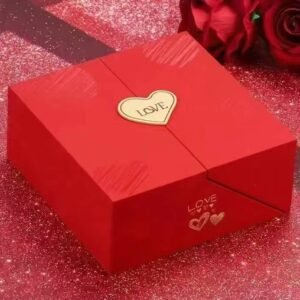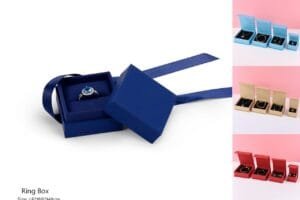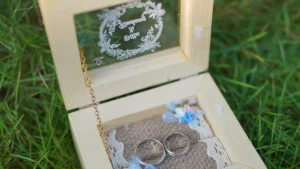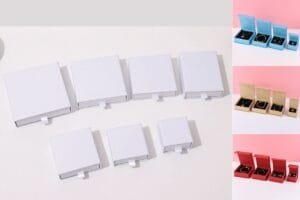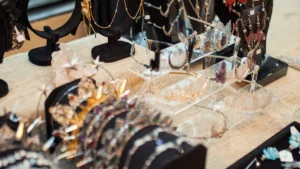
Brands seek to elevate their image with unique jewelry packaging as the market for custom jewelry boxes continues to expand. The jewelry box packaging market will reach USD 319.13 billion by 2035, fueled by premium demand and innovative solutions. Companies often ask how to make jewelry boxes that reflect their values and attract discerning clients. They explore every aspect, from collaborating with a jewelry packaging manufacturer to choosing the right Jewelry Display, Jewelry Pouch, and custom jewelry box structure. Learning how to make jewelry boxes ensures each piece stands out and protects its contents.
Defining Your Brand and Signature Custom Jewelry Box Goals
Identifying Brand Identity for Jewelry Box Design
Core Values and Visual Aesthetics
A successful jewelry box design begins with a clear understanding of brand identity. Brands must define their core values and visual aesthetics before starting the customization process. The choice of materials and finishes communicates the brand’s story and sets the tone for customer expectations. The following table illustrates how different brand types select materials to reinforce their identity:
| Brand Type | Material Choices |
|---|---|
| Heritage Brand | Textured art papers, rich leatherettes, solid wood bases, classic foil stamping |
| Modern Minimalist | Rigid board with matte or soft-touch laminate, subtle debossed logo, clean typography |
| Eco-Conscious Innovator | 100% recycled paperboard, FSC-certified papers, soy-based inks, bagasse pulp |
Brands that value tradition often choose luxurious materials and classic branding techniques. Modern minimalist brands prefer clean lines and understated customization. Eco-conscious innovators select sustainable materials and prioritize environmental messaging.
Target Audience and Market Positioning
Understanding the target audience shapes every aspect of jewelry box design. Brands must identify the preferences and expectations of their customers to create a signature custom jewelry box that resonates. High-end buyers demand luxury and attention to detail. Eco-conscious consumers seek sustainable solutions. Artistic shoppers look for creative designs that express individuality.
Tip: Brands should analyze market positioning to ensure their packaging aligns with customer values and industry trends.
Millennials, for example, prioritize sustainability and respond positively to authentic storytelling. They support brands that demonstrate social and environmental responsibility. Nostalgic design elements and emotional connections also appeal to this demographic.
Setting Objectives for Personalized Jewelry Packaging
Purpose and Functionality of Boxes
Brands must set clear objectives for personalized jewelry packaging. The purpose of the box extends beyond protection; it serves as a branding tool and enhances the customer experience. Customization allows brands to tailor the structure and features to specific product needs. Compartments, inserts, and closures should reflect the brand’s commitment to quality and functionality.
Desired Customer Experience and Brand Impact
Successful jewelry brands define objectives that elevate the perceived value of their products. The following steps outline how brands approach packaging goals:
- Define the brand’s packaging goals and audience. Brands identify target groups, such as bridal shoppers or eco-conscious consumers, and tailor packaging to resonate with them.
- Incorporate customization features that reinforce branding. Every detail, from logo placement to material choice, must reflect the brand’s identity.
- Recognize the impact of personalized jewelry packaging on sales and perception. Customized packaging creates a memorable first impression and increases willingness to pay.
• Personalized designs cater to customer needs and preferences, allowing for emotional expression through gifts.
• The design of the packaging affects how consumers view the product and can elevate a brand to a premium market status.
A signature custom jewelry box delivers a cohesive branding message and enhances the unboxing experience. Brands that invest in thoughtful customization and strategic branding position themselves for long-term success.
Material and Structure Choices for Custom Jewelry Box Success
Material selection and structural design play a pivotal role in creating a custom jewelry box that embodies brand values and delivers a premium customer experience. Brands must evaluate both the visual and functional aspects of their packaging to ensure each box stands out in a competitive market.
Selecting Materials for Jewelry Box Design
Luxury Materials: Wood, Leather, Velvet
Premium materials elevate the perceived value of a luxury jewelry box. Wood, leather, and velvet remain top choices for brands seeking to convey sophistication and exclusivity. Wood varieties such as walnut, cherry, and oak offer exceptional durability and a timeless aesthetic. Many brands choose FSC-certified wood to minimize environmental impact while maintaining a high-end feel. Genuine leather provides unmatched longevity and a tactile experience, though responsible brands prefer LWG-certified leather to reduce the environmental footprint of tanning. Velvet and suede linings add a plush interior, enhancing the unboxing moment for fine jewelry and engagement rings.
The following table summarizes the characteristics and environmental considerations of popular luxury materials:
| Material | Durability | Environmental Impact | Typical Use Cases |
|---|---|---|---|
| Wood (e.g., Walnut, Cherry, Oak) | Very durable | Varies (FSC-certified options best) | Fine jewelry, heirloom pieces, luxury collectors |
| Velvet/Suede | Moderate | Typically synthetic; some recycled options emerging | Fine jewelry, engagement rings, interior linings |
| Leather (Genuine) | Very durable | Environmental impact of tanning; LWG-certified preferred | Luxury watches, high-end collections, travel cases |
Brands that invest in premium materials create a lasting impression and reinforce their commitment to quality.
Eco-Friendly and Sustainable Options
Sustainable options have become essential for brands that prioritize environmental responsibility. Materials such as cork, bamboo, organic cotton, hemp, and recycled fabrics offer high durability and a reduced ecological footprint. Cork and bamboo stand out for their renewability and biodegradability, making them ideal for eco-luxury and nature-inspired designs. Organic cotton and linen provide biodegradable solutions for pouches and linings, while hemp and burlap suit artisanal and craft-focused jewelry. Biodegradable plastics like PLA present alternatives to conventional plastics, appealing to eco-conscious consumers.
| Material | Durability | Environmental Impact | Typical Use Cases |
|---|---|---|---|
| Cork | Durable | High (sustainable, biodegradable) | Eco-conscious brands, unique designs |
| Bamboo | Durable | High (fast-growing, renewable) | Eco-luxury, modern designs |
| Organic Cotton/Linen | Moderate | High (organic, biodegradable) | Nature-inspired, pouches |
| Hemp/Burlap | Good | High (sustainable, biodegradable) | Craft/artisanal, eco-friendly focus |
| Recycled/Upcycled Fabrics | Varies | High (reduces waste) | Artisanal, limited editions |
| Biodegradable Plastics (PLA) | Moderate | High (compostable industrially) | Eco-conscious alternatives |
Brands that adopt sustainable options not only reduce their environmental impact but also appeal to a growing segment of conscious consumers.
Cost-Effective Alternatives for Boxes
Not every brand requires premium rigid boxes or luxury materials. Cost-effective alternatives such as PET, PVC, PP, white cardboard, coated paper, and specialty paper provide versatility and affordability without sacrificing design potential. PET offers high transparency and excellent printability, making it suitable for high-end jewelry boxes at a lower cost. PVC and PP deliver durability and heat resistance, ideal for daily wear jewelry. White cardboard and coated paper provide structural support and smooth surfaces for vibrant branding. Specialty papers introduce unique textures, enhancing the visual appeal of custom jewelry box designs.
| Material Type | Characteristics | Common Uses |
|---|---|---|
| PET | High transparency, good printability | High-end jewelry boxes |
| PVC | Durable, versatile | Various jewelry box designs |
| PP | Lightweight, heat resistant | Daily wear jewelry boxes |
| White Cardboard | High stiffness, good support | Durable jewelry boxes |
| Coated Paper | Smooth surface, good printability | High-end designs |
| Specialty Paper | Unique textures, visual appeal | High-end custom jewelry boxes |
Material selection should align with brand goals, target audience, and budget constraints to achieve the desired balance between quality and cost.
Choosing Box Structures for Function and Style
Structural design determines both the functionality and the visual impact of a custom jewelry box. Brands must select box styles that protect jewelry, enhance presentation, and reinforce brand identity.
Hinged and Drawer-Style Boxes
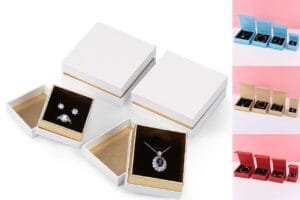
Hinged lid boxes provide a secure and classic display, often used for rings and small items. This structure offers a ceremonial opening experience, adding a sense of occasion to each unboxing. Drawer-style boxes excel at presenting necklaces and bracelets, creating a sense of discovery as customers reveal their purchase. These designs enhance the unboxing experience and elevate the perceived value of the jewelry.
| Box Style | Functionality Description | Style Impact Description |
|---|---|---|
| Hinged Lid Boxes | Secure, classic display for rings and small items | Ceremonial opening experience |
| Drawer Boxes | Elegant reveal for necklaces and bracelets | Sense of discovery, enhanced unboxing |
Brands that choose these structures demonstrate attention to detail and a commitment to premium presentation.
Magnetic Closures and Custom Shapes
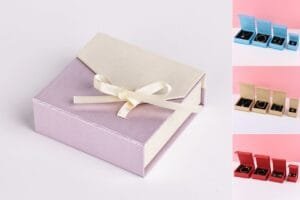
Magnetic closure boxes have gained popularity for their clean, minimalist appearance and secure snap. This structure conveys a high-end feel and suits modern luxury jewelry box designs. Ribbon closure boxes add elegance and charm, making them ideal for gifts and special occasions. Shoulder boxes accommodate larger jewelry pieces or sets, providing robust protection and enhancing perceived value. Round and custom-shaped boxes break conventional design norms, attracting attention and differentiating brands in the marketplace.
- Magnetic closure jewelry boxes
- Shoulder neck jewelry boxes
- Book style jewelry boxes
- Round jewelry boxes
Unique shapes and closures allow brands to express creativity and reinforce their signature style.
Sizing and Custom Dimensions
Proper sizing and custom dimensions ensure that each box fits its contents perfectly, preventing damage and enhancing presentation. Brands must consider the dimensions of their jewelry pieces and the desired customer experience when designing boxes. Custom sizing supports a cohesive brand image and maximizes the impact of premium materials and structural choices.
Tip: Brands should collaborate with manufacturers early in the design process to confirm sizing, structure, and material selection for optimal results.
Material and structure choices define the success of a custom jewelry box project. Brands that prioritize premium materials, sustainable options, and thoughtful design create packaging that protects, impresses, and endures.
Design Elements to Elevate Your Signature Custom Jewelry Box
Color, Finish, and Branding Integration
Brand Colors and Visual Consistency
Color selection shapes the emotional response to jewelry packaging. Brands use color to create an immediate connection with their audience and reinforce their identity. The following table highlights how different colors influence perception in packaging design:
| Color | Meaning/Implication |
|---|---|
| Green | Growth, security, and happiness; ideal for eco-friendly brands. |
| Gold | Affluence, success, and prestige; popular for high-end packaging. |
| Purple | Royalty, luxury, and creativity; suitable for high-end and innovative products. |
| Black | Elegance, power, and wisdom; often used in premium designs. |
| White | Purity, simplicity, and elegance; great for classic styles. |
| Pink | Romance, tenderness, and femininity; targets younger audiences. |
Brands that prioritize visual consistency in jewelry packaging build trust and recognition. Deep blue conveys trust and sophistication, while vibrant red signals passion. Studies show that 85% of shoppers choose products based on color, making it a critical factor in personalized jewelry packaging.
Matte, Glossy, and Specialty Finishes
Finish selection enhances the tactile and visual appeal of custom jewelry boxes. Matte finishes offer understated elegance and reduce glare, ideal for minimalist or modern packaging options. Glossy finishes create a sense of opulent shine, drawing attention to the box and its contents. Specialty finishes, such as soft-touch coatings or pearlescent sheens, add a unique sensory experience. These choices help brands achieve signature packaging that stands out in the jewelry packaging market.
Decorative Techniques for Personalized Jewelry Packaging
Embossing, Debossing, and Foil Stamping
Decorative techniques transform personalized jewelry packaging into a memorable experience. Embossing and debossing create raised or recessed designs, adding texture and elegance. Foil stamping introduces metallic accents, often used for logos or borders, to convey luxury packaging. These methods elevate the perceived value of custom jewelry boxes and reinforce brand identity.
UV Printing and Spot Coating
UV printing enables vibrant, full-color artwork on jewelry packaging, supporting creative and custom-tailored packaging solutions. Spot coating highlights specific areas with a glossy or matte effect, drawing attention to logos or signature elements. These techniques allow brands to experiment with innovative packaging options and enhance the overall design.
Custom Artwork and Logo Placement on Boxes
Signature Branding Elements
Custom artwork and strategic logo placement play a vital role in jewelry packaging. Brands communicate their values and aesthetics through well-designed logos and graphics. Placing the logo at the center of the lid, occupying 25–35% of the surface, maximizes visibility. Vertical logos on the lid side or subtle debossing on the interior base add sophistication without overwhelming the design.
Tip: Brands should use print templates to ensure artwork stays within the safe zone and remains clear on smaller surfaces.
Messaging and Personalization Options
Personalized jewelry packaging allows brands to include messages, names, or dates, creating a unique connection with customers. Simple, bold designs with legible fonts ensure clarity and elegance. High-quality packaging with thoughtful personalization increases perceived value and encourages customer loyalty. Research shows that 73% of consumers link luxury packaging with superior quality, and nearly half of millennials are willing to pay more for attractive packaging.
Custom jewelry boxes that integrate color, finish, decorative techniques, and branding elements deliver an opulent unboxing experience. These design strategies help brands achieve elegance, reinforce their identity, and stand out in the competitive jewelry packaging market.
Functional Features for Protection and Presentation in Jewelry Box Design
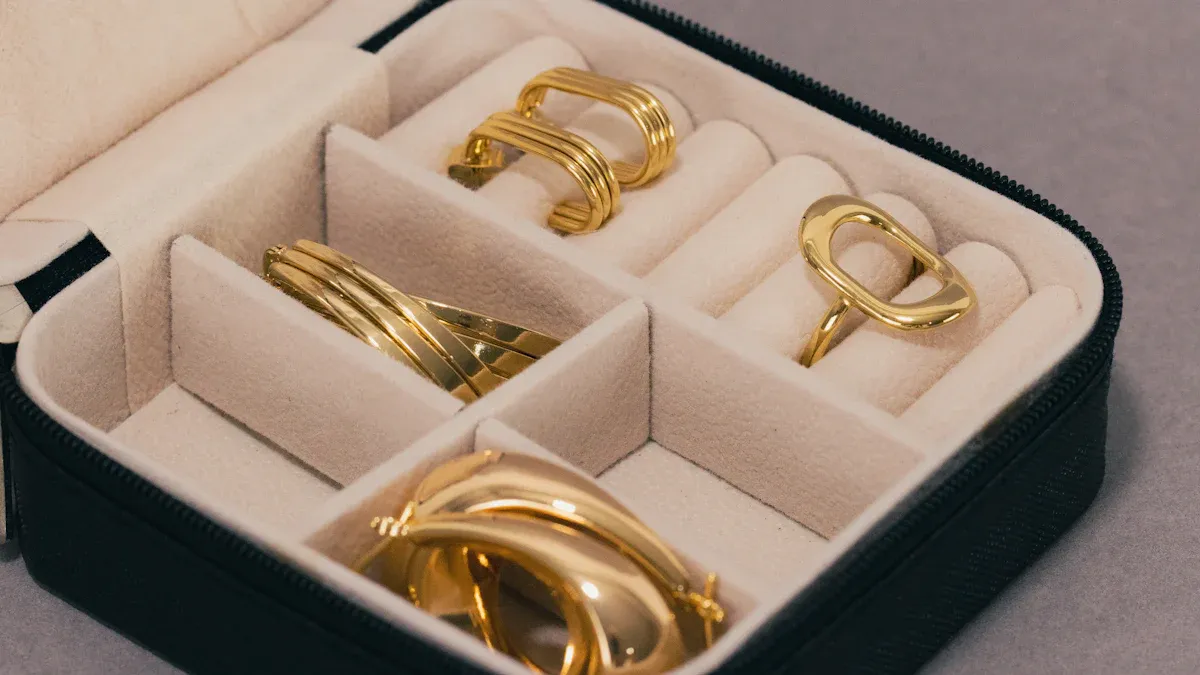
Interior Design and Inserts for Custom Jewelry Box
Foam, Velvet, and Fabric Linings
Interior linings play a critical role in both protection and presentation. Brands often select velvet for its elegant look and ability to cushion delicate jewelry, while faux leather offers a stylish appearance with excellent protection at a more accessible price point. Wood interiors provide natural elegance and top-tier durability, making them ideal for heirloom pieces. The table below compares popular lining materials for custom jewelry boxes:
| Material | Durability | Protection | Appearance | Cost |
|---|---|---|---|---|
| Velvet | Moderate | Cushions delicate jewelry, prevents scratches | High-end, elegant look | Mid-range |
| Faux Leather | Moderate | Soft interior, excellent protection | Stylish, professional | Affordable |
| Wood | High | Excellent against dust, humidity, damage | Natural elegance, unique | Premium |
| Cardboard | Moderate | Basic protection for lightweight items | Customizable, versatile | Affordable |
| Metal | High | Superior moisture and impact resistance | Sleek, modern | Varies |
These choices help brands create personalized jewelry packaging that balances luxury and practicality.
Compartments and Organization Solutions
Effective organization ensures jewelry remains secure during shipping and display. Brands use padded inserts with elastic bands or hooks to prevent movement and damage. The following table outlines common insert types and their benefits:
| Type of Insert | Description |
|---|---|
| Padded insert with two elastic bands | Secures jewelry in place during transit |
| Padded insert with two hooks | Prevents movement during shipping |
| Insert with two hooks and pull tab | Adds security for display and easy removal |
Well-designed compartments and inserts not only protect jewelry but also enhance the overall presentation, supporting a luxurious unboxing experience.
Closures and Security Features for Boxes
Magnetic Closures, Ribbon Ties, and Clasps
Closure mechanisms impact both security and user experience. Magnetic closures provide a strong hold, preventing accidental opening during shipping and offering intuitive interaction. Ribbon ties add elegance, while box clasps deliver both decorative appeal and reliability. Box clasps use a tab-and-box system with a safety mechanism, clicking into place for secure fastening. Some designs include additional side security for enhanced stability.
- Decorative and secure: Elegant locking mechanisms combine beauty with reliability.
- Versatile use: Suitable for necklaces, bracelets, and other jewelry pieces.
- Multiple options: Available in various materials and finishes to match different styles.
- Durable and elegant: High-quality clasps ensure long-lasting wear and a sophisticated finish.
The table below highlights how closure features contribute to security and user experience:
| Feature | Contribution to Security and User Experience |
|---|---|
| Tamper-resistant design | No visible access points for unauthorized opening |
| Strong magnetic hold | Prevents accidental opening during shipping |
| Weather resistance | Protects against moisture and dust |
| No mechanical failure | Magnetic closures offer reliability over mechanical parts |
| Intuitive interaction | Satisfying opening experience enhances perceived value |
Brands that prioritize secure closures in their personalized jewelry packaging protect their products and elevate the unboxing process.
Enhancing the Unboxing Experience with Personalized Jewelry Packaging
Durability and Protection Considerations
Durable packaging materials and secure inserts ensure jewelry arrives in perfect condition. High-quality boxes protect against dust, humidity, and physical damage, while thoughtful compartment design prevents scratches and tangling. Brands that use weather-resistant and tamper-proof features demonstrate a commitment to customer satisfaction.
Creating a Memorable First Impression
A memorable unboxing experience increases perceived value and fosters emotional connections with the brand. Brands can appeal to multiple senses by using colors that align with their identity, soft textures, and even subtle scents. Layered packaging builds anticipation, while personalized notes or small gifts create surprise and delight. Displaying the logo prominently and maintaining cohesive design reinforce brand identity.
A memorable unboxing experience helps brands increase loyalty and sales, influencing customers’ return to your jewelry brand through emotional engagement.
Research shows that 40% of consumers share a memorable unboxing on social media, providing organic exposure. High-quality personalized jewelry packaging encourages repeat purchases and sets brands apart in a competitive market.
Prototyping Your Custom Jewelry Box: From Concept to Sample
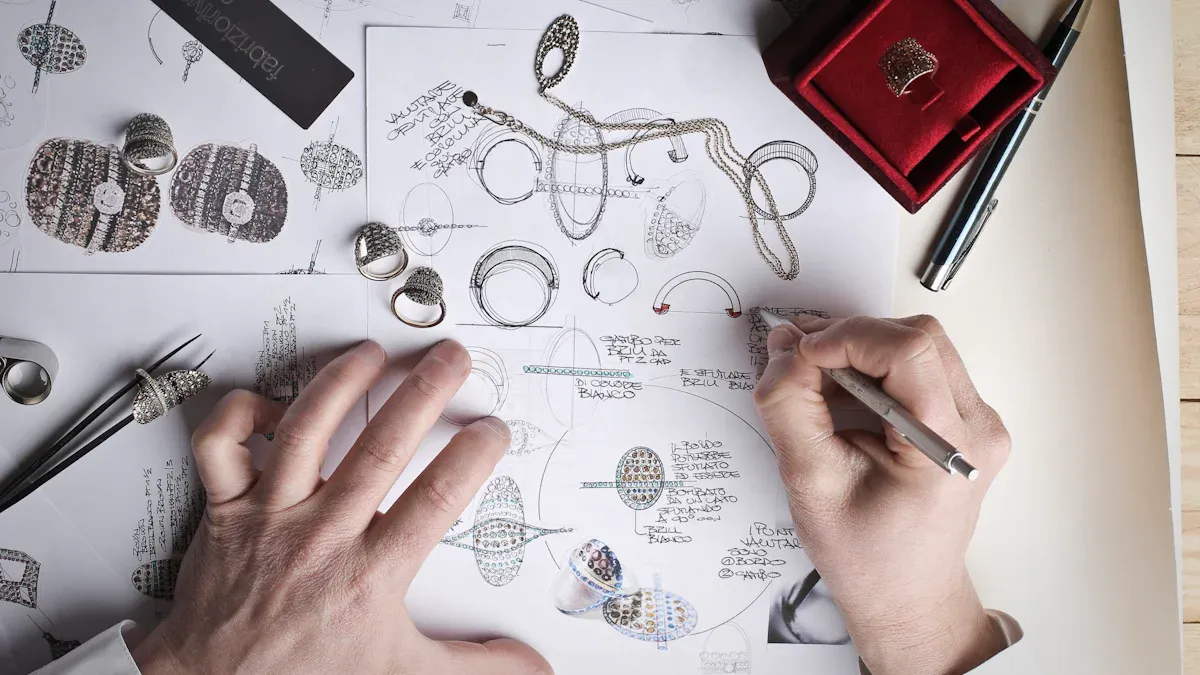
Prototyping bridges the gap between creative vision and tangible product. Brands rely on this phase to validate their custom jewelry box concepts and ensure the final packaging meets both functional and aesthetic standards. The process involves iterative design, collaboration with manufacturers, and careful evaluation of samples.
Developing Initial Jewelry Box Design Concepts
Sketches, Digital Mockups, and 3D Modeling
Designers start by translating ideas into visual representations. Sketches provide a quick way to explore shapes, structures, and branding elements. Digital mockups allow for precise adjustments and visualization of color schemes, finishes, and logo placement. 3D modeling brings depth and realism, enabling brands to assess proportions and fit.
Common tools and software used for jewelry box design prototyping include:
- CAD software for technical drawings and accurate measurements.
- 3D printing technologies for rapid prototyping and physical samples.
- Traditional hand drawing and drafting for initial concept exploration.
- Blender, a free tool, for rendering and modeling.
- UrgentCAD, a mid-range solution for packaging design.
- RhinoGold, a popular plugin for Rhino, offering advanced modeling capabilities.
RhinoGold continues to be a popular option for jewelry professionals. Designed as a Rhino plugin, it provides precise modelling skills ideal for producing delicate and complex components.
Brands use these tools to refine their custom jewelry box design, ensuring every detail aligns with their vision and product requirements.
Collaborating with Manufacturers for Prototyping
Communicating Specifications and Requirements
Effective collaboration with manufacturers begins with clear communication. Brands must provide detailed specifications, including dimensions, materials, finishes, and branding elements. This clarity helps manufacturers understand the design intent and produce accurate prototypes.
Best practices for collaborating with manufacturers during jewelry box prototyping include:
- Establishing a budget that considers material quality and design sophistication.
- Choosing suppliers that align with brand values and offer eco-friendly materials.
- Creating a prototype to test design functionality and material quality before mass production.
- Conducting quality checks on every batch to ensure standards are met.
- Selecting a manufacturer experienced in customized jewelry packaging to enhance collaboration and product quality.
These steps ensure the custom jewelry box prototype reflects the brand’s expectations and supports a seamless transition to production.
Requesting Material and Finish Samples
Manufacturers typically provide material and finish samples to help brands evaluate options and resolve design uncertainties. Physical samples allow for hands-on testing, ensuring suitability for specific jewelry pieces and desired presentation.
| Material Type | Description |
|---|---|
| High-End Paper Boxes | Mainstream choice using specialty art paper and environmentally friendly materials. |
| Plastic/Velvet Boxes | Classic option, ideal for wedding rings, providing a soft touch through flocking. |
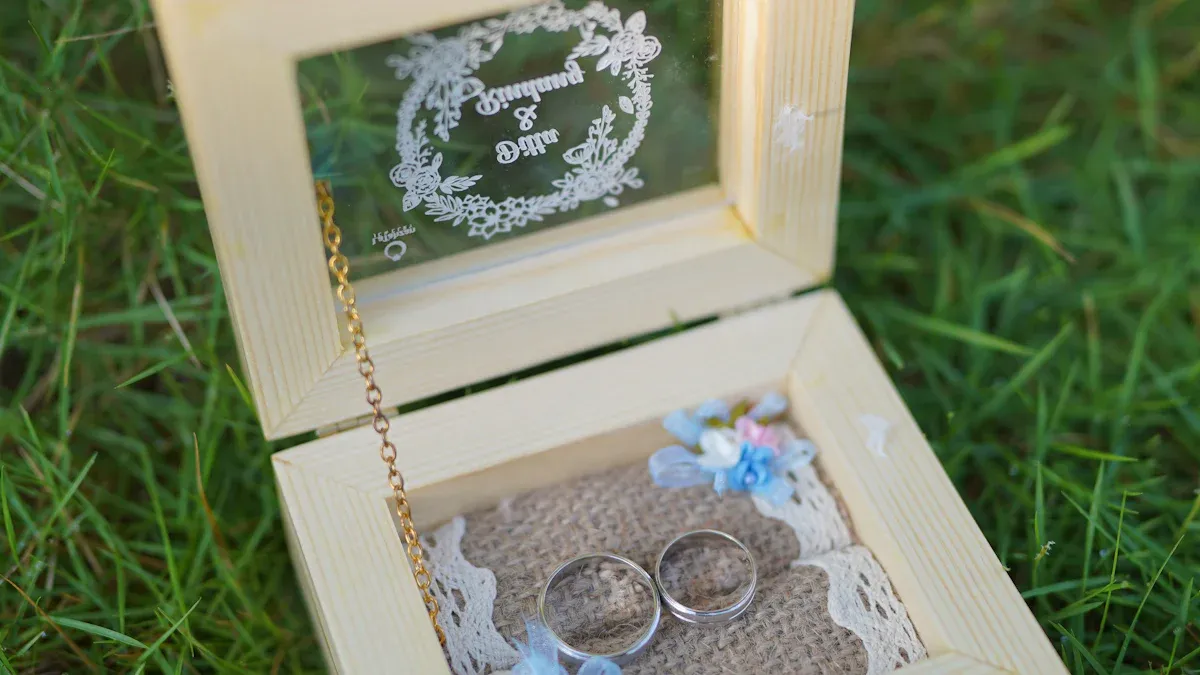
| Wooden Lacquered Boxes | Preferred for collectibles, featuring a high-gloss finish but requiring higher MOQ and costs. |
| Microfiber/Leather Boxes | Popular for their delicate feel and modern appearance, appealing to accessible luxury brands. |
Brands assess samples for properties such as impact resistance and weight-bearing capacity. Physical samples help in evaluating design doubts and complex projects. They allow for materials testing, ensuring suitability for specific product needs.
Reviewing and Refining Signature Custom Jewelry Box Prototypes
Evaluating Physical Samples and Functionality
Brands review prototypes by examining physical samples and testing functionality. They check for fit, durability, and overall presentation. The evaluation process includes inspecting closures, inserts, and branding elements to confirm that the design protects and enhances the jewelry.
- Brands test the box for impact resistance and weight-bearing capacity.
- They assess the tactile feel and visual appeal of materials and finishes.
- Functionality checks ensure compartments and closures operate smoothly.
This thorough review helps brands identify areas for improvement and ensures the custom jewelry box meets quality standards.
Gathering Feedback and Making Adjustments
Customer evaluation and feedback on every aspect of the design are crucial to ensure the final product protects and enhances the jewelry. Brands gather input from stakeholders, including designers, marketing teams, and end users. They use this feedback to refine the prototype, making adjustments to materials, structure, and branding elements.
- Brands incorporate suggestions to improve usability and aesthetics.
- They address concerns related to durability and protection.
- Adjustments may involve resizing compartments, changing materials, or enhancing branding placement.
Continuous refinement leads to a signature custom jewelry box that delivers both protection and a memorable unboxing experience. Brands that invest in iterative design and collaborative prototyping achieve packaging that stands out and supports their market positioning.
Quality Assurance and Production for Custom Jewelry Boxes
Quality Control in Jewelry Box Design and Manufacturing
Material and Construction Inspection
Manufacturers implement strict inspection protocols during jewelry box production. They check materials for durability and appearance, ensuring each box meets the brand’s standards. Dimensional inspection guarantees that boxes fit within ±0.5mm of the design specifications. This prevents issues during transport and storage. Printing quality inspection combines visual checks and equipment testing. Teams verify clarity, color accuracy, and overprinting precision. Structural strength testing simulates real-world conditions. Boxes must withstand pressure and impact without damage. Surface flatness and cleanliness checks maintain product appearance. Environmental protection testing ensures compliance with safety standards. The cleaning process removes contaminants after assembly.
| Quality Control Measure | Description |
|---|---|
| Dimensional Inspection | Ensures dimensions are within ±0.5mm of design specifications. |
| Printing Quality Inspection | Checks clarity, color accuracy, and overprinting precision. |
| Structural Strength Testing | Tests boxes under pressure and impact. |
| Surface Flatness and Cleanliness Check | Inspects for defects and cleanliness. |
| Environmental Protection Testing | Verifies compliance with safety standards. |
| Cleaning Process | Removes contaminants post-assembly. |
Consistency in Branding and Personalization
Consistency in branding and personalization remains essential throughout jewelry box production. Manufacturers tailor structural design to brand specifications. Material sourcing uses velvet, PU leather, and other options for personalization. Surface finishing techniques, such as hot stamping and embossing, reinforce branding consistency. Color matching ensures alignment with brand identity. Quality control involves raw material inspection and final product audits. Digital design approval precedes physical sample creation. Proofing takes three to five days for standard custom boxes. Teams test product functionality and feel. Mass production starts only after prototype approval. They conduct 100% visual inspections of glue lines and corners. Compliance with ISO 9001 certification guarantees reliable processes.
Scaling Production of Signature Custom Jewelry Boxes
Small Batch vs. Large Scale Production
Jewelry box production scales to meet brand needs. Small batch production suits limited editions and boutique brands. Large scale production supports established brands and high-volume orders. Minimum order quantities (MOQs) and unit prices vary by supplier.
| Supplier | MOQ Range | Unit Price Range |
|---|---|---|
| Yiwu Muen Crafts Co., Ltd | 5–200 pcs | $0.07–$0.65 |
| Shenzhen Pan-China Industry Co., Ltd. | 100–500 pcs | $0.10–$1.65 |
| Shenzhen Yingii Industry Co., Ltd. | 500 pcs | $0.07–$1.50 |
| Shenzhen Qiyi Electronic Commerce Co., Ltd. | 10–500 pcs | $0.58–$3.50 |
Brands face challenges in jewelry box production. Sustainability and environmental impact complicate packaging processes. Cost efficiency remains difficult, especially for smaller brands seeking high-quality packaging. Brand differentiation and consumer appeal drive custom packaging design. Supply chain disruptions can cause production delays and quality issues.
Managing Lead Times and Costs
Lead times and costs depend on batch size and supplier. Small batch production offers flexibility but may increase unit costs. Large scale production reduces unit prices but requires higher MOQs. Brands must balance speed, cost, and quality during jewelry box production. They monitor supplier performance and adjust orders to meet demand.
Ensuring Reliability and Supplier Partnerships for Boxes
Building Strong Manufacturer Relationships
Strong partnerships with manufacturers support reliable jewelry box production. Brands communicate design requirements clearly. They select suppliers with proven track records and certifications. Collaboration ensures consistent quality and timely delivery.
Ongoing Quality Monitoring
Continuous quality monitoring maintains standards throughout jewelry box production. Brands audit processes, inspect finished products, and review supplier performance. They address issues promptly to protect their reputation and ensure customer satisfaction.
Trends and Sustainability in Personalized Jewelry Packaging
Current Trends in Custom Jewelry Box Design
Minimalist, Modern, and Vintage Styles
Design trends in personalized jewelry packaging continue to evolve. Minimalist styles dominate the market, featuring clean lines and understated elegance. Brands select simple shapes and neutral colors to create a refined look. Modern designs incorporate advanced structural elements that enhance the unboxing experience. These boxes often use innovative closures and sleek finishes. Vintage styles remain popular among collectors and luxury brands. Designers use textured materials and classic motifs to evoke nostalgia and sophistication.
- Minimalist boxes emphasize simplicity and clarity.
- Modern designs focus on structural innovation and user experience.
- Vintage styles highlight tradition and timeless appeal.
Designers recognize that rigid boxes provide superior durability and protection. The physical attributes of these boxes convey a premium feel to consumers. Enhanced unboxing experiences result from sophisticated structural designs that move beyond basic packaging.
Sustainable and Eco-Friendly Boxes
Recycled, Biodegradable, and Reusable Materials
Sustainability shapes the future of personalized jewelry packaging. Brands choose recycled materials to reduce environmental impact. Designers use biodegradable options such as bamboo, cork, and organic cotton. Reusable boxes offer value by extending the life of packaging beyond the initial purchase. These choices reflect a commitment to responsible design and appeal to eco-conscious consumers.
| Material Type | Sustainability Benefit | Common Application |
|---|---|---|
| Recycled Paper | Reduces waste | Outer box structure |
| Biodegradable PLA | Compostable | Inserts and linings |
| Bamboo | Renewable resource | Decorative elements |
| Organic Cotton | Biodegradable | Pouches and wraps |
Choosing sustainable materials enhances luxury and can define a brand’s identity. Designers integrate eco-friendly solutions into personalized jewelry packaging to meet modern consumer expectations.
Innovative Features for Signature Custom Jewelry Boxes
Smart Packaging and Interactive Elements
Designers introduce smart packaging to connect physical products with the digital realm. QR codes, NFC chips, and augmented reality features allow customers to access product information or exclusive content. Interactive elements create memorable experiences and foster brand loyalty. Advanced structural designs improve shipping efficiency by reducing empty space in boxes. These innovations address both practical and aesthetic needs.
Smart packaging reflects the shift toward technology-driven personalized jewelry packaging. Brands use interactive features to engage customers and differentiate their products.
Designers continue to push boundaries by combining sustainability, innovation, and style. Personalized jewelry packaging now delivers protection, luxury, and a unique brand experience.
Designers follow a clear process to create custom jewelry boxes that reflect brand identity and ensure product protection. They define objectives, select materials, and refine prototypes. Brands achieve signature packaging by integrating color, structure, and innovative features.
Professionals recommend testing prototypes and gathering feedback before production.
Launching a personalized jewelry packaging project requires attention to detail and collaboration with reliable manufacturers. Brands that apply these strategies elevate their market presence and deliver memorable customer experiences.
FAQ
What is the typical lead time for custom jewelry box production?
Most manufacturers deliver custom jewelry boxes within 2–6 weeks after prototype approval. Lead time depends on order size, material availability, and complexity of design.
How can a brand ensure color consistency across all boxes?
Brands should provide Pantone color codes and request pre-production samples. Manufacturers use these references to match colors accurately during mass production.
Which materials offer the best protection for fine jewelry?
Wood, velvet, and high-density foam provide superior protection. These materials cushion delicate pieces and shield them from dust, moisture, and impact.
Can eco-friendly materials match the luxury feel of traditional options?
Yes. Many sustainable materials, such as bamboo, recycled paper, and organic cotton, now offer premium textures and finishes. Brands can achieve both elegance and environmental responsibility.
What is the minimum order quantity (MOQ) for custom jewelry boxes?
MOQs vary by supplier. Some accept as few as 5–10 pieces, while others require 500 or more. Brands should confirm requirements before starting production.
How do brands test the durability of jewelry box prototypes?
Brands perform drop tests, humidity exposure, and repeated opening/closing cycles. These tests ensure the box withstands shipping and daily use.
Is it possible to add personalized messages or names to each box?
Most manufacturers offer personalization options. Brands can add names, dates, or custom messages using printing, engraving, or foil stamping techniques.