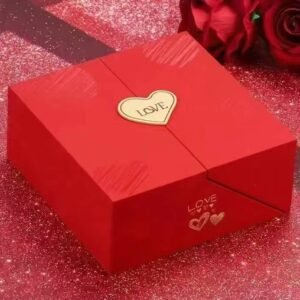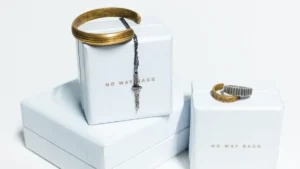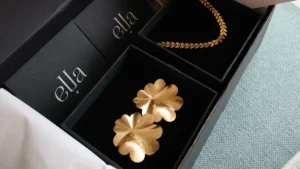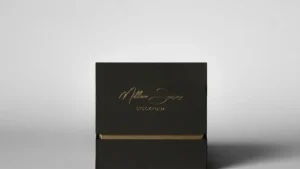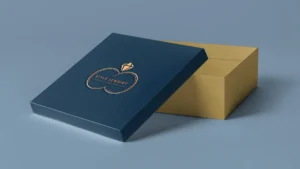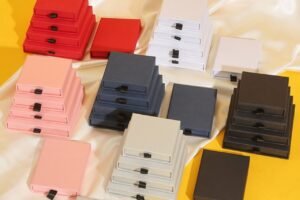
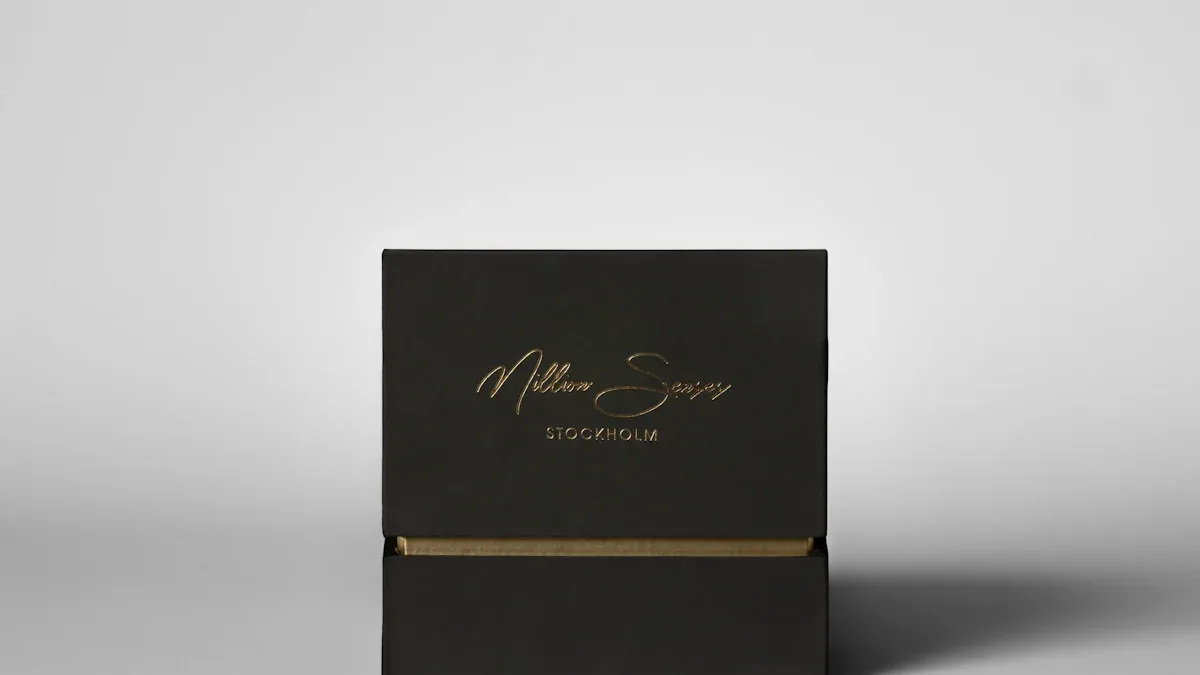
Selecting the best jewelry packaging plays a pivotal role in safeguarding jewelry while reinforcing brand identity and elevating presentation. Premium packaging, such as custom jewelry boxes or a well-crafted Jewelry Pouch, signals quality and aligns with the values of luxury jewelry packaging. Leading brands achieve distinction by investing in unique packaging that creates emotional connections and memorable experiences for customers. High-quality packaging, sourced from a reputable jewelry packaging manufacturer, transforms each Jewelry Display into an extension of brand identity. This strategic approach to packaging ensures that every detail, from the feel of the materials to the visual appeal, supports the brand’s commitment to luxury and quality.
Why Jewelry Packaging Matters
First Impressions and Unboxing Experience
Creating Memorable Moments
Jewelry packaging shapes the first tangible interaction between a customer and a brand. The unboxing process can transform a simple purchase into a memorable event. Many luxury buyers feel compelled to share their experiences online, which amplifies brand visibility and attracts new customers. The emotional impact of unboxing, driven by dopamine release, creates lasting memories and strengthens the connection between the customer and the jewelry.
| Evidence Description | Source |
|---|---|
| Jewelry packaging serves as the first tangible interaction with the brand, defining the customer’s first impression. | Luxury Jewelry Packaging Strategy |
| Unboxing experiences generate significant engagement, with 61% of luxury buyers motivated to share their experiences online. | Creative Ideas for Jewelry Packaging |
| The unboxing process triggers dopamine release, enhancing the emotional connection and making the experience memorable. | Luxury Jewelry Packaging Strategy |
| 73% of consumers believe luxury packaging enhances perceived product quality, demonstrating the Halo Effect’s influence. | Luxury Jewelry Packaging Strategy |
Influencing Customer Perception
Packaging influences how customers perceive both the jewelry and the brand. High-quality presentation signals attention to detail and commitment to excellence. Many consumers associate luxury jewelry packaging with superior product quality, which elevates brand identity and fosters trust.
Product Protection and Security
Preventing Damage in Transit and Storage
Jewelry packaging plays a critical role in protecting items during shipping and storage. Protective materials such as bubble wrap and foam inserts absorb impacts and prevent physical damage. These features secure jewelry boxes, minimize movement, and shield contents from environmental changes like temperature and humidity. Proper packaging ensures that jewelry arrives in pristine condition, preserving both value and presentation.
Security Features for High-Value Items
High-value jewelry requires additional security measures to deter theft and ensure safe delivery. Common security features include:
- Packing under surveillance to document the process
- Double boxing to add layers of protection
- Avoiding labels that reveal the contents
- Using clear tape to detect tampering
- Hiding tracking numbers for privacy
- Requiring adult signatures upon delivery
- Securing all items inside the box to prevent movement
- Utilizing rigid boxes made from durable materials for enhanced safety
- Custom designs tailored for specific branding and functionality needs
Branding and Storytelling
Communicating Brand Values
Jewelry packaging serves as the first point of contact between the consumer and the product. It reflects the brand’s identity and values, telling the story behind the jewelry and its craftsmanship. Packaging can highlight a brand’s heritage and commitment to quality, while eco-friendly options reinforce values such as sustainability. This approach strengthens the emotional bond with customers and supports long-term loyalty.
Differentiating from Competitors
Distinctive packaging helps a brand stand out in a crowded market. Unique designs, thoughtful materials, and consistent branding elements set a brand apart and reinforce its identity. Effective jewelry packaging not only protects the product but also communicates luxury, quality, and attention to detail, making a lasting impression on customers.
Customer Loyalty and Repeat Business
Enhancing Gift-Giving Experiences
Jewelry often marks significant moments in life. Packaging plays a vital role in elevating these occasions. When a customer presents jewelry as a gift, the packaging becomes part of the story. A thoughtfully designed box or pouch signals care and attention. It transforms a simple transaction into a cherished memory.
Gift-ready packaging adds value for both the giver and the recipient. Many brands include features such as elegant ribbons, personalized notes, or branded seals. These details create anticipation and excitement before the jewelry even appears. Customers remember brands that help them celebrate milestones. They return for future purchases because the packaging enhances customer experience and makes each moment special.
A memorable unboxing experience also communicates the brand’s commitment to quality. Customers feel valued when they receive jewelry in packaging that reflects the brand’s history and vision. This emotional connection encourages repeat business. People often choose the same brand for future gifts because they trust the presentation will impress.
Tip: Brands can offer customizable packaging options for special occasions. This approach allows customers to add a personal touch, further strengthening loyalty.
Encouraging Social Sharing
In today’s digital world, customers love to share their experiences online. Jewelry packaging that stands out often appears in social media posts and stories. Unique materials, creative designs, and branded elements catch the eye and invite sharing.
- Unboxing videos and photos generate excitement among followers.
- Customers become brand ambassadors when they showcase their jewelry packaging.
- Social sharing increases brand visibility and attracts new buyers.
A well-designed package does more than protect jewelry. It tells a story about the brand’s values, such as environmental stewardship or luxury. This narrative builds a lasting emotional association. Customers who feel connected to a brand are more likely to recommend it to friends and family.
Packaging serves as a reference to both the brand’s heritage and its future direction. When customers share their unboxing moments, they help shape the brand’s reputation. This organic promotion leads to greater loyalty and more repeat business.
Note: Brands should encourage customers to share their experiences by including hashtags or prompts inside the packaging. This simple step can amplify word-of-mouth marketing and foster a loyal community.
Types of Best Jewelry Packaging
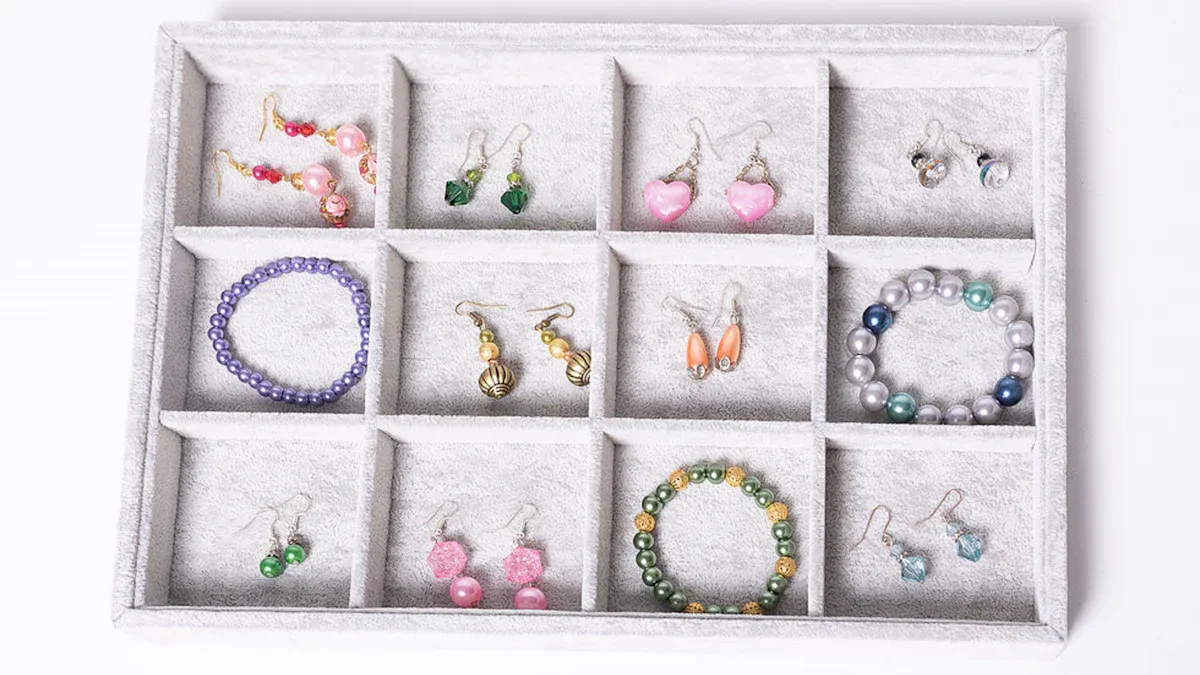
Selecting the right jewelry packaging options can elevate a brand’s image and protect valuable pieces. The following categories highlight the most effective solutions for different jewelry types and business needs.
Jewelry Boxes
Jewelry boxes remain the gold standard for luxury and protection. Brands often choose high-quality boxes to create a lasting impression and safeguard delicate items.
Rigid Boxes
Rigid boxes offer superior durability and structure. These boxes use premium materials such as velvet, felt, or art paper, which provide both protection and a luxurious feel. Many luxury brands prefer rigid boxes for their ability to shield jewelry from impact and pressure. Techniques like foil stamping and soft-touch finishes enhance the unboxing experience, making each custom jewelry box memorable.
Foldable Boxes
Foldable boxes provide flexibility and cost-effectiveness. They ship flat, saving storage space and reducing shipping costs. When assembled, these boxes still offer a sturdy presentation, making them a practical choice for brands seeking custom packaging without sacrificing quality.
Drawer Boxes
Drawer boxes combine elegance with functionality. The sliding mechanism adds a unique touch, while the inner compartment keeps jewelry secure. Drawer boxes work well for multi-piece sets or as part of unique jewelry packaging ideas that emphasize both style and convenience.
Tip: Drawer-style rigid boxes can serve as reusable keepsake containers, extending the brand’s presence in customers’ daily lives.
| Type of Packaging | Description |
|---|---|
| Specialized Jewelry Boxes | Tailored designs for rings, necklaces, earrings, etc., enhancing storage and branding needs. |
| Luxury Materials | Use of velvet, felt, and high-quality papers to add elegance and protect jewelry. |
Pouches and Bags
Pouches and bags offer lightweight and versatile jewelry packaging ideas. While they may not provide the same level of protection as boxes, they excel in portability and presentation.
Velvet Pouches
Velvet pouches add a touch of sophistication. Their soft texture protects jewelry from scratches, making them ideal for rings or earrings. Velvet pouches often accompany high-value pieces as part of custom jewelry packaging.
Cotton or Linen Pouches
Cotton and linen pouches appeal to eco-conscious customers. These materials are gentle on jewelry and align with sustainable brand values. They work well for everyday pieces and can be reused, supporting circular economy principles.
Paper Bags
Paper bags provide a simple yet effective solution for gifting. They are lightweight and customizable, making them suitable for events or retail settings. However, they offer minimal impact shielding compared to a jewelry box.
| Protection Category | Jewelry Gift Bags | Jewelry Boxes |
|---|---|---|
| Impact Shielding | Minimal | Excellent |
| Tangle Prevention | Low | Very High |
| Pressure Resistance | Zero | High |
Jewelry boxes deliver superior protection and enhance the perceived value of the jewelry, while pouches and bags serve as convenient, temporary solutions.
Eco-Friendly Jewelry Packaging Options
Sustainability has become a priority for many brands. Eco-friendly jewelry packaging options not only reduce environmental impact but also strengthen brand image.
Recycled Materials
Recycled paper and cardboard reduce waste and promote responsible sourcing. Brands that use recycled materials demonstrate a commitment to sustainability, which resonates with environmentally conscious consumers.
Biodegradable and Compostable Choices
Biodegradable packaging, such as mushroom or seaweed-based materials, decomposes naturally and minimizes long-term waste. These innovative solutions reflect a brand’s dedication to reducing its carbon footprint and supporting a greener future.
- Utilizing recycled materials and biodegradable packaging enhances brand reputation.
- Designing packaging for reuse extends its lifecycle and encourages sustainable practices.
Note: Brands can incentivize customers to reuse packaging by offering discounts or loyalty rewards, further promoting eco-friendly habits.
Specialty and Custom Jewelry Packaging
Specialty and custom packaging solutions allow brands to create a unique identity and elevate the customer experience. These options often combine innovative design with practical features, making each jewelry piece feel exclusive.
Magnetic Closures
Magnetic closures add a modern touch to jewelry boxes. They provide a secure seal while maintaining a sleek appearance. Customers appreciate the effortless opening and closing mechanism. Brands often use magnetic closures to reinforce a sense of luxury and sophistication. This feature also helps protect delicate jewelry during transit and storage.
Multi-Piece Sets
Multi-piece sets require packaging that organizes and displays several items together. Custom inserts and compartments keep each piece secure and prevent tangling or scratching. Brands can use coordinated designs and materials to create a cohesive look. This approach enhances the perceived value of the set and makes gifting more memorable.
Innovative Packaging Solutions
Brands seeking distinction often turn to innovative packaging solutions. Hand-stamped boxes, jewelry cards, and drawer-style rigid boxes offer creative ways to present jewelry. These options allow for custom printing, which transforms plain packaging into a powerful branding tool. Adding logos and brand colors helps customers remember the brand and creates a lasting impression.
| Aspect | Description |
|---|---|
| Brand Recognition | Displaying your logo and maintaining a cohesive design makes your jewelry instantly recognizable. |
| Memorable Experience | Consistent packaging reinforces brand identity and leaves customers with something memorable. |
| Distinction from Competitors | Creative packaging distinguishes your product from the competition, making it stand out. |
A cohesive design that reflects brand values creates a seamless experience from product encounter to purchase. Custom packaging fosters a meaningful connection with customers, enhancing brand loyalty.
Tip: Creative packaging reflects the brand and leaves a lasting impression on customers. It distinguishes products from competitors, enhancing uniqueness.
Pros and Cons for Different Jewelry Pieces
Choosing the right packaging depends on the type of jewelry. Each piece has unique requirements for protection, presentation, and practicality.
Rings
Rings often come in small boxes with plush interiors. Velvet and suede linings prevent scratches and add a luxurious look. These boxes are easy to store and present, but may not suit larger or multi-piece sets.
Necklaces and Bracelets
Necklaces and bracelets need packaging that prevents tangling. Long, narrow boxes with soft inserts work best. Satin and felt linings offer a high-end feel, though satin provides less cushioning. Drawer-style boxes can add an interactive unboxing experience.
Earrings
Earrings benefit from boxes or cards with secure slots. These options keep pairs together and prevent loss. Fabric-lined boxes add a romantic touch, while specialty paper offers versatility in color and printing.
Watches and Larger Items
Watches and larger jewelry pieces require sturdy boxes with reinforced corners. Materials like wood or leatherette provide durability and a premium feel. However, these options can increase costs and weight.
| Material | Pros | Cons |
|---|---|---|
| Wood | Extremely durable, classic appeal | More expensive and heavier |
| Plastic | Inexpensive, lightweight | Feels cheap, may devalue jewelry |
| Specialty Paper | Versatile, many color and printing options | May lack durability |
| Leatherette | Sophisticated, easy to clean, premium feel | Less luxurious than real leather |
| Real Leather | Ultimate luxury, soft and textured | Higher cost and maintenance |
| Fabric | Soft, romantic feel, great for boutique items | Can be less durable |
| Kraft Paper | Eco-conscious, minimalist | May not provide the same protection |
Note: Full design creativity in packaging provides a fun and interactive unboxing experience, but high production costs and complex layouts may limit practicality.
Materials and Design Considerations for Jewelry Packaging
Material Choices
Cardboard and Paperboard
Cardboard and paperboard remain popular jewelry packaging materials due to their lightweight nature and affordability. These options allow brands to customize shapes, colors, and finishes, making them ideal for short-term use and promotional campaigns. Cardboard boxes provide decent protection for jewelry during shipping and display, while also supporting creative branding through printing and embossing.
Plastic and Acrylic
Plastic and acrylic offer durability and a modern appearance. These materials protect jewelry from moisture and impact, making them suitable for both everyday and luxury collections. Acrylic boxes often feature clear lids, allowing customers to view the jewelry without opening the packaging. Plastic options are easy to clean and maintain, but may not convey the same premium feel as other materials.
Fabric and Leatherette
Fabric and leatherette elevate the unboxing experience with their soft textures and elegant finishes. Velvet pouches cushion delicate jewelry and add a sense of luxury, while faux leather (PU) provides durability and style at a more accessible price point than genuine leather. These materials suit boutique brands seeking to create a memorable impression and reinforce quality.
Sustainable Alternatives
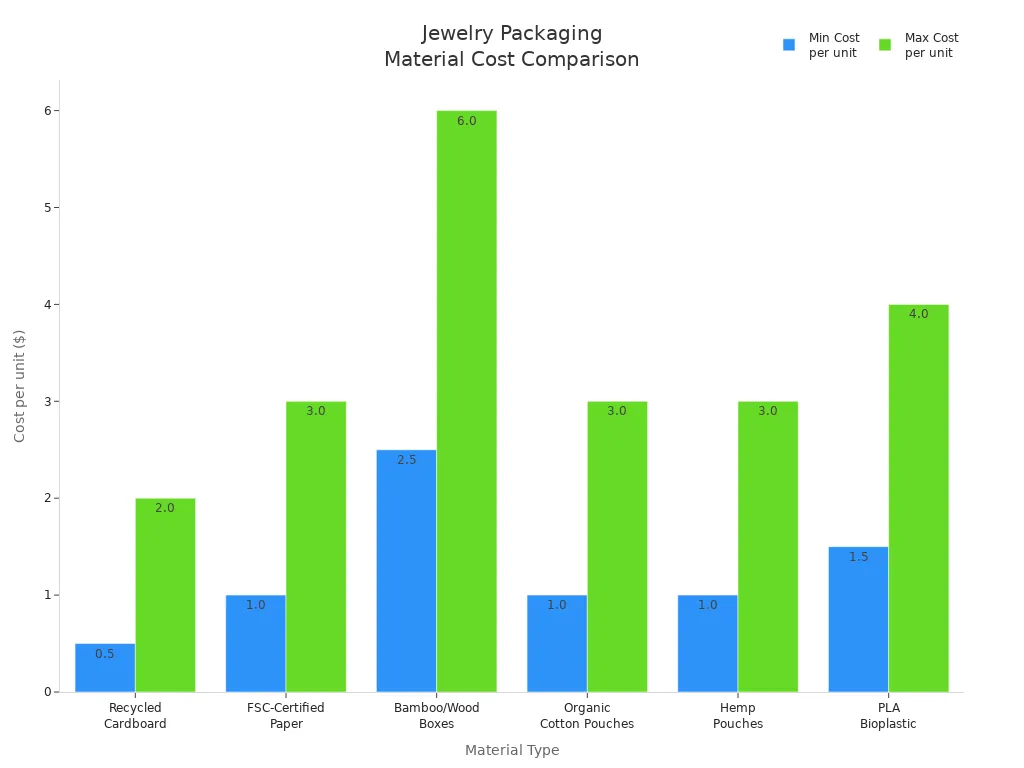
Sustainable alternatives have gained traction as brands prioritize eco-friendly practices. Recycled cardboard, FSC-certified paper, bamboo, organic cotton, hemp, and PLA bioplastic offer reliable protection and align with environmental values. These options balance durability and cost, supporting both sustainability and practicality.
| Material | Advantages |
|---|---|
| Wood | Durable, elegant appearance, excellent protection, but typically more expensive. |
| Cardboard/Paperboard | Lightweight, customizable, affordable, decent protection for short-term use. |
| Velvet | Luxurious look, cushions jewelry, mid-range cost, but less durable for daily use. |
| Metal | Highly durable, modern appearance, top-tier protection, varying costs based on material. |
| Faux Leather (PU) | Durable, stylish, easy to maintain, excellent protection, more affordable than genuine leather. |
Design Elements for Branding
Color and Texture
Color and texture play a crucial role in attracting attention and shaping consumer perception. Brands often select colors that reflect their identity and evoke specific emotions. Textured finishes, such as soft-touch coatings or embossed patterns, enhance the tactile experience and reinforce the premium nature of the jewelry.
Size and Fit
Proper sizing ensures that packaging fits the jewelry securely, preventing movement and potential damage. Custom inserts and compartments help organize pieces, especially for sets or delicate items. Well-fitted packaging not only protects the jewelry but also elevates the overall presentation.
Interior Linings and Inserts
Interior linings, such as velvet or satin, add a layer of protection and sophistication. Inserts keep jewelry in place and prevent tangling or scratching. These design elements contribute to a memorable unboxing experience and support consistent branding.
| Design Element | Description |
|---|---|
| Materials | Use of luxurious materials like velvet and coated art papers enhances the unboxing experience. |
| Color and Visual Appeal | Selection of colors plays a significant role in attracting consumer attention and brand perception. |
| Functional Design | Packaging must protect jewelry while being easy to handle, balancing aesthetics with durability. |
| Branding Elements | Consistent logo placement and brand colors aid in quick brand identification across products. |
| Storytelling Elements | Incorporating storytelling enhances emotional connection with customers. |
Balancing Luxury Jewelry Packaging, Sustainability, and Practicality
Premium Finishes
Premium finishes, such as foil stamping, embossing, and magnetic closures, elevate the perceived value of jewelry packaging. These details signal quality and attention to detail, helping brands stand out in a competitive market.
Minimalist and Eco-Conscious Designs
Eco-friendly packaging has become increasingly important. Brands now use recyclable, biodegradable, or reusable materials to demonstrate their commitment to sustainability. Minimalist designs reduce waste and focus on essential elements, creating a modern and responsible image.
- Velvet pouches offer both luxury and reusability, supporting sustainable practices.
- Testing packaging for functionality ensures protection during shipping and enhances the customer experience.
Cost-Effectiveness
Cost-effective solutions do not have to compromise on quality. Brands can select affordable materials, such as recycled cardboard or faux leather, while still delivering a premium look and feel. Bulk ordering and efficient design help manage costs and maintain high standards.
Tip: Brands should evaluate both the aesthetic and functional aspects of jewelry packaging materials to achieve the right balance between luxury, sustainability, and practicality.
Branding and Customization Tips for Jewelry Packaging
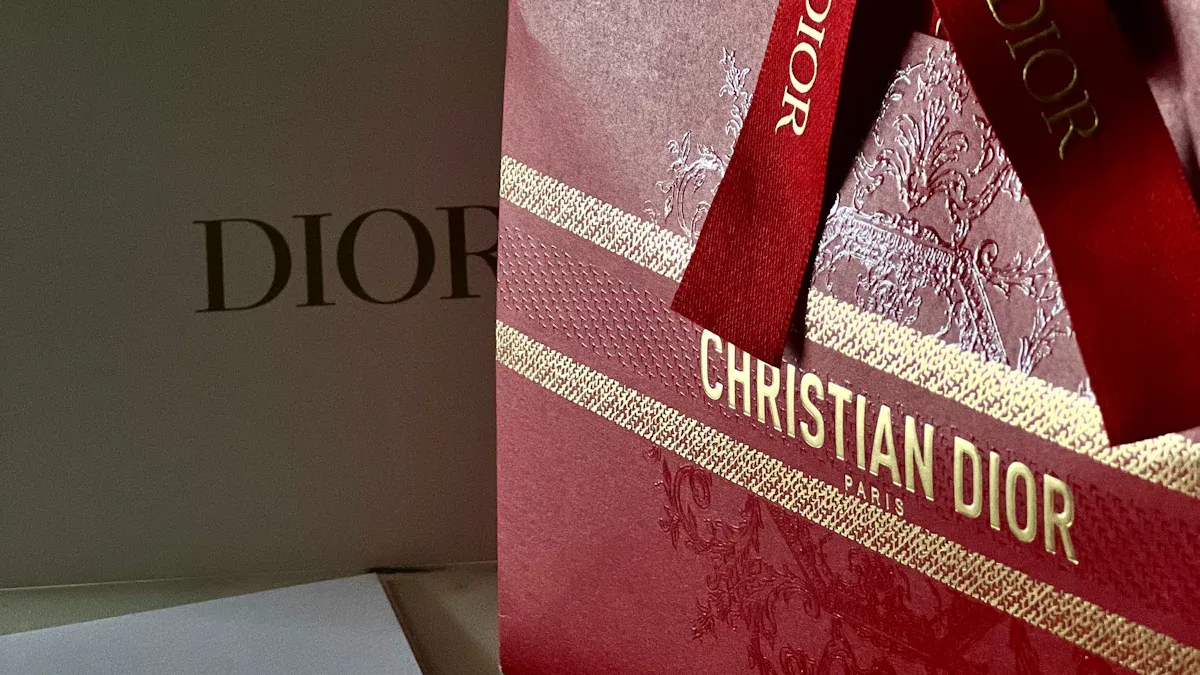
Logo Placement and Printing Techniques
A well-placed logo strengthens brand identity and ensures immediate recognition. Brands often position their logos where customers notice them first, such as the center or top of the packaging. The choice of placement depends on the message the brand wants to convey and the overall presentation.
Embossing and Debossing
Embossing and debossing create tactile impressions that elevate the look and feel of jewelry packaging. These techniques add depth and sophistication, making the logo stand out without overwhelming the design. Embossed logos often signal luxury packaging and reinforce a sense of exclusivity.
Foil Stamping
Foil stamping uses metallic foils to highlight logos or design elements. This method adds a reflective, premium finish that catches the eye. Brands use foil stamping to communicate quality and enhance the visual appeal of luxury jewelry packaging. The choice of foil color can align with the brand’s palette, further supporting consistent branding.
Screen Printing
Screen printing offers versatility for applying logos and graphics to various materials. This technique produces vibrant, long-lasting colors and works well for both minimalist and bold designs. Brands select screen printing when they want a clear, recognizable logo that aligns with their identity.
Tip: The material selected for packaging influences the effectiveness of each printing technique. Premium materials enhance the perceived value and support a luxury positioning.
Color Schemes and Brand Consistency
Color plays a critical role in branding and customer perception. Studies show that 85% of shoppers choose products based on color. Brands use color to communicate personality and values, creating emotional connections with consumers. The right color scheme informs recipients about the experience they can expect, enhancing brand recognition and presentation.
Matching Brand Palette
Consistency in color reinforces brand identity. Brands select hues that match their established palette, ensuring every piece of packaging feels cohesive. This approach builds trust and makes the brand instantly recognizable.
Seasonal and Limited Edition Colors
Introducing seasonal or limited edition colors keeps packaging fresh and exciting. Brands use these variations to celebrate holidays or special events, creating a sense of exclusivity and encouraging repeat purchases.
Special Finishes and Details for Luxury Jewelry Packaging
Luxury jewelry packaging often features special finishes and thoughtful details. High-quality materials such as kraft papers, art papers, and premium fabrics set the foundation for an elevated unboxing experience. Finishes like foil hot stamping, spot UV, and soft-touch laminations add sophistication and tactile appeal.
Ribbons, Seals, and Tags
Ribbons, wax seals, and custom tags provide a finishing touch that enhances the sense of occasion. These elements transform simple packaging into a memorable keepsake and reinforce the brand’s commitment to quality.
Personalized Messages and Inserts
Personalized messages and custom inserts create a deeper connection with customers. Brands include thank-you notes or care instructions to show appreciation and attention to detail. Customization at this level turns each purchase into a unique experience, fostering loyalty and positive word-of-mouth.
Note: Velvet interiors and creative outer boxes further elevate the unboxing moment, making luxury jewelry packaging truly unforgettable.
Working with Jewelry Packaging Suppliers
Collaborating with reliable jewelry packaging suppliers can elevate a brand’s presentation and ensure consistent quality. Brands that understand supplier processes gain more control over customization, cost, and lead times. Effective communication with suppliers helps avoid misunderstandings and ensures that packaging aligns with brand values and product needs.
Custom Orders and Minimums
Most suppliers set minimum order quantities (MOQs) for custom packaging. These minimums help suppliers manage production costs and maintain quality standards. Brands should clarify MOQs early in the process to avoid unexpected expenses or delays. Suppliers often offer tiered pricing, so larger orders can reduce the per-unit cost.
Key considerations for custom orders include:
- Type of Box: Different jewelry pieces require specific box styles. For example, rings, necklaces, and earrings each benefit from tailored box sizes and shapes. Custom box sizes enhance presentation and protect delicate items.
- Brand Design: Packaging serves as the first impression for customers. A well-designed box with brand colors, logos, and unique finishes can attract attention and encourage social media sharing.
- Custom Inserts: Inserts secure jewelry during transit and display. Custom inserts can reflect the brand’s style while providing essential protection.
| Customization Aspect | Importance for Brands | Supplier Consideration |
|---|---|---|
| Box Type | Matches jewelry type and enhances value | Requires clear specifications |
| Design | Reinforces brand identity | Needs high-quality artwork |
| Inserts | Protects and displays jewelry | Must fit product dimensions |
Tip: Brands should request detailed quotes and confirm all customization options before placing an order. This step prevents miscommunication and ensures the final product meets expectations.
Sampling and Prototyping
Sampling and prototyping play a crucial role in the packaging development process. Suppliers usually provide samples or prototypes before full-scale production. These samples allow brands to evaluate materials, construction, and design accuracy.
The sampling process typically involves:
- Reviewing material quality and color accuracy
- Testing the fit and function of custom inserts
- Assessing print quality for logos and brand elements
Brands should provide feedback on samples to address any issues before mass production. Adjustments at this stage save time and money by preventing costly errors later.
Note: Sampling also helps brands test the unboxing experience from a customer’s perspective. This step ensures that packaging not only protects the jewelry but also creates a memorable moment.
A strong partnership with a packaging supplier supports innovation and quality. Brands that invest time in sampling and clear communication achieve packaging that reflects their vision and meets customer expectations.
Practical Tips for Choosing the Best Jewelry Packaging
Assessing Your Product Range
Matching Packaging to Jewelry Types
Jewelry brands must evaluate their product range to select the most suitable packaging solutions. They should focus on three essential aspects: protection, presentation, and brand consistency. Collaborating with specialized contract packaging partners can help achieve these goals. Skilled workers and professional materials ensure that delicate and high-value items receive the care they require. This approach not only safeguards jewelry but also enhances the customer experience.
The best way to pack jewelry involves matching packaging features to the specific type of jewelry. The following table outlines key factors to consider:
| Factor | Description |
|---|---|
| Size | Choose a box that fits the jewelry piece; for rings and earrings, a 40X40 mm box is ideal. |
| Design | Use boxes with built-in hooks or compartments for delicate items to prevent tangling. |
| Material | Opt for materials like walnut or ebony to prevent oxidation; consider sustainable options as well. |
Selecting the right jewelry packaging options for each jewelry type ensures both protection and a premium presentation. For example, a jewelry box with padded inserts works well for rings, while boxes with compartments suit necklaces and bracelets.
Considering Product Size and Weight
Product size and weight play a significant role in packaging selection. Custom sizes enhance protection and presentation for unique or delicate items, ensuring a tailored fit. Standard sizes offer cost-effectiveness and versatility, making them suitable for mass-produced pieces. However, they may not provide optimal protection for special shapes or fragile jewelry.
- Custom dimensions can lower shipping and storage costs by reducing excess weight and air.
- Tailored packaging maximizes logistics efficiency, allowing more units to fit into a single carton and reducing shipping fees.
- Customized packaging can improve brand image and customer experience by offering a personalized touch, while standard packaging focuses on efficiency.
Brands that consider these factors can optimize both protection and cost, ensuring that each jewelry piece arrives safely and impresses the recipient.
Understanding Your Target Customer
Demographics and Preferences
Understanding the target customer is essential for creating jewelry packaging that converts. Brands should analyze demographic factors such as age, income, education, and geographic location. Psychographic factors, including values, lifestyle preferences, and purchasing behaviors, also provide valuable insights. Segmenting the audience into groups based on geographic, demographic, psychographic, and behavioral characteristics allows brands to tailor packaging to meet specific needs.
For example, younger customers may prefer modern, minimalist designs, while older buyers might value traditional motifs and premium materials. High-income segments often expect luxury finishes and exclusive packaging, while eco-conscious consumers look for sustainable jewelry packaging ideas.
Gifting vs. Personal Use
Trends in gifting and personal use influence packaging choices. The table below highlights key trends and their impact:
| Key Trends | Description |
|---|---|
| Logo Branding | Custom packaging with logos and initials adds a personal touch. |
| Handwritten Notes | Including personalized notes enhances the emotional connection with customers. |
| Color and Pattern | Tailoring packaging to match brand identity reinforces recognition and appeal. |
| Artisan Details | Handcrafted elements in packaging highlight craftsmanship and authenticity. |
| Heritage Motifs | Incorporating traditional patterns connects with cultural roots and enhances storytelling. |
| Transparency | Sharing information about ethical practices builds trust with consumers. |
| Limited-Edition Packaging | Seasonal or collaboration-based designs create exclusivity and appeal to gifting trends. |
Jewelry packaging for gifts often includes special finishes, personalized messages, or limited-edition designs. These features elevate the unboxing experience and make the moment memorable. For personal use, customers may prioritize practicality and reusability, favoring sturdy boxes or pouches that protect jewelry during storage.
Budgeting and Cost Management for Jewelry Packaging
Balancing Quality and Price
Effective budgeting ensures that brands deliver quality packaging without overspending. A study by Ipsos found that 71% of consumers believe packaging design can influence their purchasing decisions. This highlights the importance of investing in packaging that stands out and supports sales growth.
A general guideline suggests allocating 1-3% of the product’s retail price for packaging, with luxury items potentially going up to 5%. This approach allows brands to start with modest investments and scale up as the business grows. Prioritizing quality in packaging can enhance brand reputation and customer satisfaction.
Bulk Ordering and Storage
Bulk ordering and efficient storage strategies can significantly reduce costs and streamline logistics. The table below summarizes the impact of bulk purchasing and storage on jewelry packaging:
| Evidence Source | Key Points |
|---|---|
| Jewelry Distribution Packaging | Packaging is a strategic logistics unit, requiring standardized dimensions and zero-defect consistency at scale. |
| Cost Control and Optimization | Bulk purchasing reduces unit costs and improves supply chain efficiency through long-term supplier partnerships. |
| Reducing Jewelry Packaging Costs | Negotiating bulk discounts significantly lowers per-unit costs. |
Brands that order packaging in bulk benefit from lower unit costs and improved supply chain efficiency. Standardized box dimensions simplify storage and distribution, ensuring consistency and reducing the risk of errors. Long-term partnerships with suppliers can lead to better pricing and reliable quality.
Tip: Brands should regularly review inventory levels and adjust order quantities to avoid overstocking or running out of packaging during peak seasons.
Selecting the best jewelry packaging requires a strategic approach. Brands must assess their product range, understand their customers, and manage costs effectively. By focusing on these practical tips, they can create packaging that protects jewelry, delights customers, and supports long-term business success.
Staying Current with Jewelry Packaging Trends
Sustainability Trends
Sustainability has become a defining factor in the best jewelry packaging. Brands now prioritize eco-friendly materials and responsible sourcing to meet consumer expectations and regulatory demands. The industry has shifted toward innovative solutions that reduce environmental impact and promote circularity.
- Many brands use bamboo fiber, recycled paper, and plant-based inks to create packaging that minimizes waste.
- Natural fiber packaging, such as linen and cotton bags, has gained popularity for its reusability and recyclability.
- Leading companies like Pandora and Richpack have adopted sustainable practices, incorporating recycled materials and unique designs that reflect environmental stewardship.
These trends not only appeal to eco-conscious consumers but also position brands as leaders in responsible business practices. The best jewelry packaging now often serves as a statement of a brand’s commitment to sustainability, enhancing both reputation and customer loyalty.
Luxury and Minimalism
Luxury jewelry packaging continues to evolve, blending opulence with simplicity. Minimalist design principles have reshaped how brands present their jewelry, focusing on elegance and clarity. The following table highlights key design elements shaping this trend:
| Design Element | Description |
|---|---|
| Minimalist Aesthetic | Clean lines, neutral tones, and subtle branding convey sophistication and quality. |
| Sustainable Materials | Recycled and biodegradable materials align with conscious consumerism and minimalism. |
| Tactile Finishes | Textured papers and soft-touch coatings enhance the unboxing experience and add a luxury feel. |
| Organic Product Shapes | Fluid shapes and natural textures create warmth and authenticity in packaging. |
| Timelessness | Classic typography and simple compositions provide a refined, enduring aesthetic. |
| Bold Typography and High-Contrast Graphics | Strategic use of bold elements makes impactful statements while maintaining minimalism. |
| Smart Packaging | Technology integration enhances functionality and supports minimalist designs. |
| Wrap-Around Designs | Visuals extend across surfaces, creating a cohesive brand experience. |
Brands that embrace these elements create packaging that feels both modern and timeless. The use of sustainable materials and tactile finishes elevates the perceived value of jewelry, while minimalist aesthetics ensure the focus remains on the product itself. This approach appeals to discerning customers who seek both luxury and authenticity.
Emerging Packaging Innovations
Jewelry brands have adopted a range of innovations to enhance the customer experience and differentiate themselves in a competitive market. The table below outlines some of the most impactful developments:
| Innovation Type | Description |
|---|---|
| Luxury Packaging | Premium materials and sophisticated designs increase perceived value. |
| Digital Printing and Customization | Unique, high-quality packaging enhances the customer experience. |
| Minimalist Design | Simplicity conveys luxury and highlights core product values. |
| Sustainable Packaging | Eco-friendly materials attract environmentally conscious consumers. |
| Interactive Packaging | Unique unboxing experiences engage customers and encourage social sharing. |
| Multifunctional Packaging | Practical designs integrate into daily life and enhance jewelry display. |
| Storytelling Packaging | Narratives about design, materials, and craftsmanship create deeper connections. |
Smart packaging solutions, such as QR codes and NFC tags, allow customers to access product stories, authentication details, or care instructions with a simple scan. Interactive unboxing experiences, including layered reveals or personalized messages, foster emotional engagement and drive social media sharing. Multifunctional packaging, designed for reuse or display, extends the life of the packaging and integrates it into customers’ routines.
Brands that stay current with these trends position themselves at the forefront of the industry. They deliver memorable experiences, reinforce brand values, and ensure their jewelry packaging remains relevant in a rapidly changing market.
Selecting the best jewelry packaging protects each piece and strengthens a brand’s reputation. Companies that align packaging with their values, whether they focus on sustainability, luxury, or practicality, create a positive impression. Careful evaluation of available options helps a brand invest in solutions that support long-term growth. The right packaging elevates the jewelry and leaves a lasting impact on customers.
FAQ
What materials work best for luxury jewelry packaging?
Luxury jewelry packaging often uses velvet, leatherette, or high-quality paperboard. These materials provide a premium feel and protect delicate items. Brands select materials that align with their image and customer expectations.
How can a brand make jewelry packaging more sustainable?
Brands can choose recycled paper, biodegradable plastics, or reusable fabric pouches. They may also use soy-based inks and minimize excess packaging. Sustainable choices help reduce environmental impact and appeal to eco-conscious customers.
Does custom packaging increase jewelry sales?
Custom packaging enhances brand recognition and creates memorable unboxing experiences. Customers often share unique packaging on social media, which increases visibility. Many brands see higher repeat purchases when they invest in custom packaging.
What features protect jewelry during shipping?
Protective features include foam inserts, padded linings, and rigid box construction. Secure closures, such as magnetic clasps, prevent accidental opening. Brands often test packaging to ensure jewelry arrives undamaged.
How can brands control jewelry packaging costs?
Brands can order in bulk, select cost-effective materials, and standardize box sizes. Long-term supplier relationships may lead to discounts. Efficient storage and inventory management also help reduce expenses.
What jewelry packaging trends should brands watch?
Current trends include minimalist designs, eco-friendly materials, and interactive unboxing experiences. Smart packaging, such as QR codes for authentication, is gaining popularity. Brands that follow trends stay competitive and attract modern consumers.
Can jewelry packaging be reused by customers?
Many brands design packaging for reuse. Customers often repurpose sturdy boxes or fabric pouches for storage or gifting. Reusable packaging extends brand presence and supports sustainability goals.