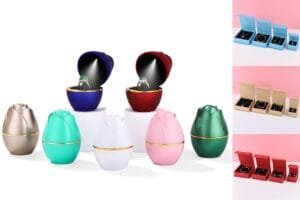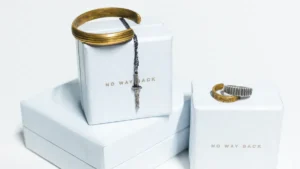
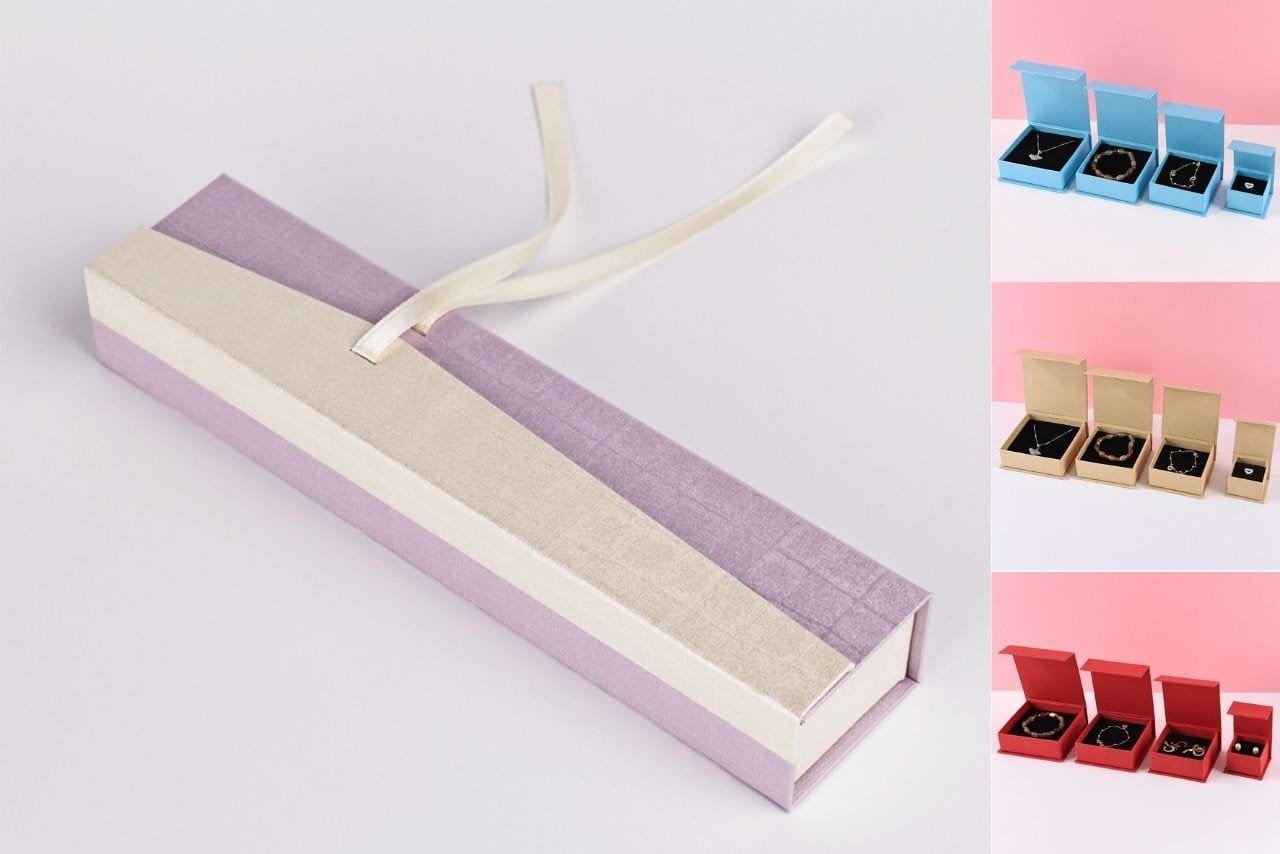
The sterling silver jewelry box serves as a dual-function asset, providing an intrinsically valuable storage environment while acting as a hedge against currency fluctuation through its 92.5% silver purity. Unlike plated alternatives, a solid sterling silver enclosure is characterized by its high thermal conductivity and antimicrobial properties, which create a sterile micro-environment ideal for preserving high-carat gold and natural pearls. For a professional Jewelry Box manufacturer, the production of sterling units involves rigorous hallmark certification and the application of passivating layers to mitigate the metal’s natural affinity for sulfur. In the global jewelry packaging investment market, these boxes are prized for their resale liquidity and their capacity to be restored to “mint” condition regardless of age, making them a cornerstone of generational wealth preservation.
Investment Analysis Framework
Bullion vs. Numismatic Value: Calculating Intrinsic Worth
When evaluating a Jewelry Box for investment, collectors distinguish between melt value and numismatic (artistic) value. Sterling silver contains 925 parts of pure silver per 1000, with the remaining 7.5% usually being copper to provide structural rigidity. This metal composition ensures that even if the box is damaged, it retains a baseline value determined by the global London Bullion Market Association (LBMA) spot price.
However, the real investment upside often lies in the provenance and maker’s mark. Units produced at a prestigious Jewelry Box Factory with a history of master silversmithing often command premiums of 300% to 500% over their silver weight. This “premium over spot” is driven by the scarcity of hand-chased details and the historical significance of the design.
Hallmark Standards: Global Certification and Purity Verification
In the B2B sector, authenticity is verified through hallmarking. A legitimate sterling silver box must feature three primary marks: the Fineness Mark (925), the Assay Office Mark (location of testing), and the Date Letter. For an international Jewelry Box manufacturer, compliance with these standards is non-negotiable for export to North American and European markets.
Technical Insight: X-ray Fluorescence (XRF) analyzers are now used in modern factories to verify the homogeneity of the alloy. This ensures that the silver purity is consistent throughout the entire thickness of the box wall, rather than just on the surface, which is a common failure point in “silver-filled” or low-quality boutique items.
| Criteria | Solid Sterling Silver | Silver-Plated Brass | Investment Rating |
|---|---|---|---|
| Intrinsic Liquidity | Immediate (Spot Price) | Near Zero | Ultra-High |
| Restoration Potential | Unlimited (Full Polish) | Limited (Plating wears off) | High |
| Chemical Interaction | Passive / Protective | Variable (Base metal risk) | Premium |
Protective Chemistry: Managing Tarnish in Investment-Grade Storage
The primary challenge for silver storage is atmospheric sulfidation. Silver reacts with hydrogen sulfide to form silver sulfide (tarnish). While many collectors appreciate the “patina” of aged silver, investment-grade boxes are often treated with rhodium plating or electrophoretic coatings to maintain a mirror finish without constant abrasion.
Internally, these boxes must be lined with sulfur-free velvet or LusterLoc? fabrics. This creates a filtered environment where the silver box itself acts as a sacrificial anode for the jewelry stored inside¡ªabsorbing the corrosive elements before they can reach your emeralds, pearls, or watches.
20-Year Asset Value Retention (%)
*Data based on historical resale value of high-end containers in auction markets.
Collection Management & Investment FAQ
Q1: How does the weight of a sterling box affect its investment value?
A: The “gram weight” provides the liquidity floor. However, for investment pieces, the thickness of the silver sheet (gauge) is equally important. A thicker gauge prevents denting and allows for deeper, more detailed engraving, which increases numismatic value.
Q2: Is tarnished silver worth less in an antique jewelry box?
A: Not necessarily. In the antique market, original patina is often preferred as it proves age and authenticity. Over-polishing can actually devalue a piece by removing the “highs and lows” of the original hand-carved design.
Q3: Why should I buy from an established Jewelry Box Factory instead of a boutique artisan?
A: A factory provides certified metallurgical consistency and industrial-grade quality control. This is vital for B2B procurement where the 92.5% purity must be guaranteed across every unit for tax and resale purposes.
Q4: Can sterling silver jewelry boxes protect against fire?
A: While silver has a high melting point (961.8¡ãC), it is an excellent heat conductor. In a fire, the metal will quickly heat up and potentially incinerate the internal fabric lining and jewelry. Sterling boxes should be kept in a fire-rated safe for absolute protection.
Technical References & Industry Data:
- Sterling Silver Metallurgy and LBMA Standards – The New York Times Science
- Market Liquidity of Precious Metal Artifacts – Business Insider Retail Insights
- Hallmarking and Assay Standards for Global Trade – Home Depot Professional Guide
- Chemical Integrity of Silver in High-End Packaging – WOLF 1834 Engineering Blog