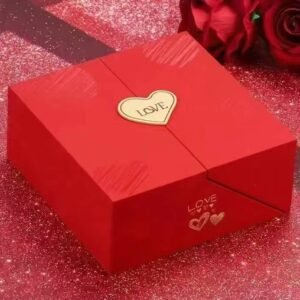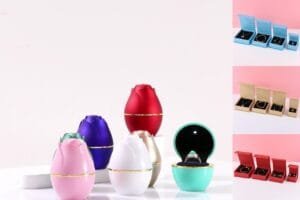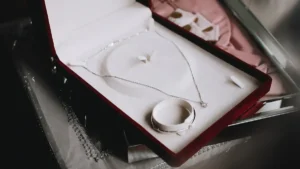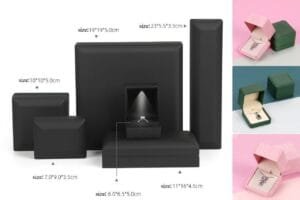
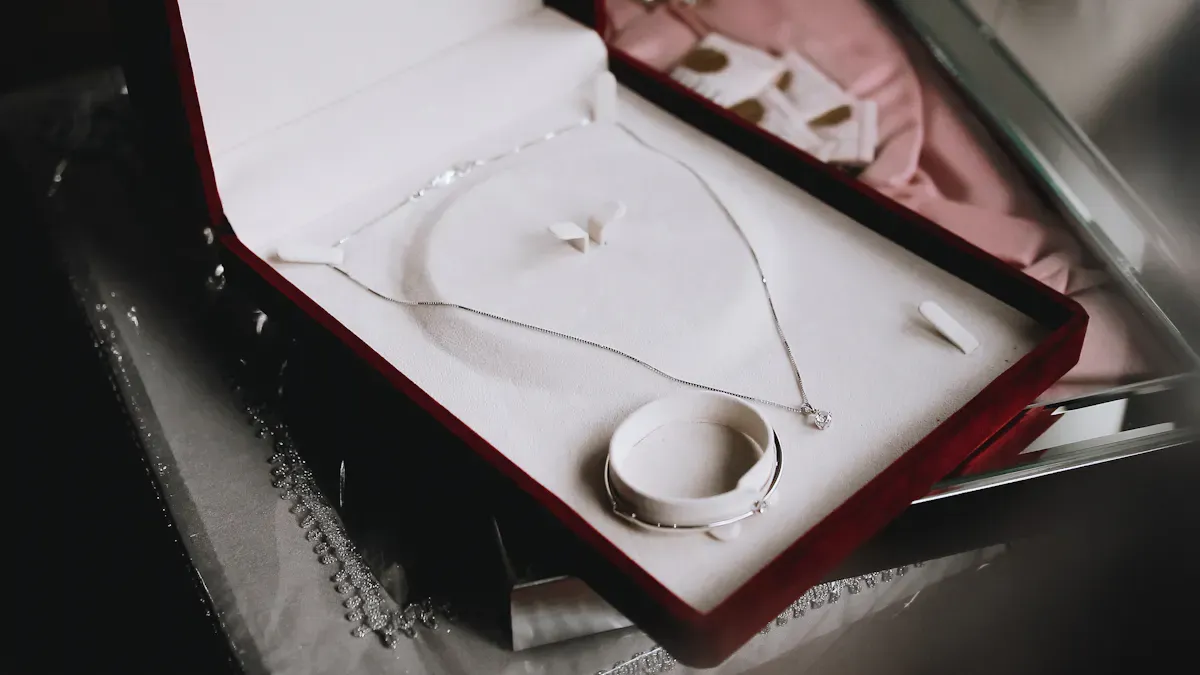
The best interior lining for high-end jewelry boxes often features soft, luxurious fabrics like velvet, suede, silk, or satin. These materials protect jewelry by absorbing moisture and blocking air, which helps prevent tarnish and scratches. Soft linings cushion delicate pieces, reducing the risk of physical damage. A jewelry packaging manufacturer might recommend anti-tarnish linings for custom jewelry boxes, ensuring each Jewelry Display remains pristine. Selecting the right lining allows brands to create a cohesive luxury experience that extends from Jewelry Pouch to complete jewelry packaging. Choose the Right Interior Lining to reflect both protection and personal style.
Choose the Right Interior Lining: Popular Materials
Velvet
Touch and Feel
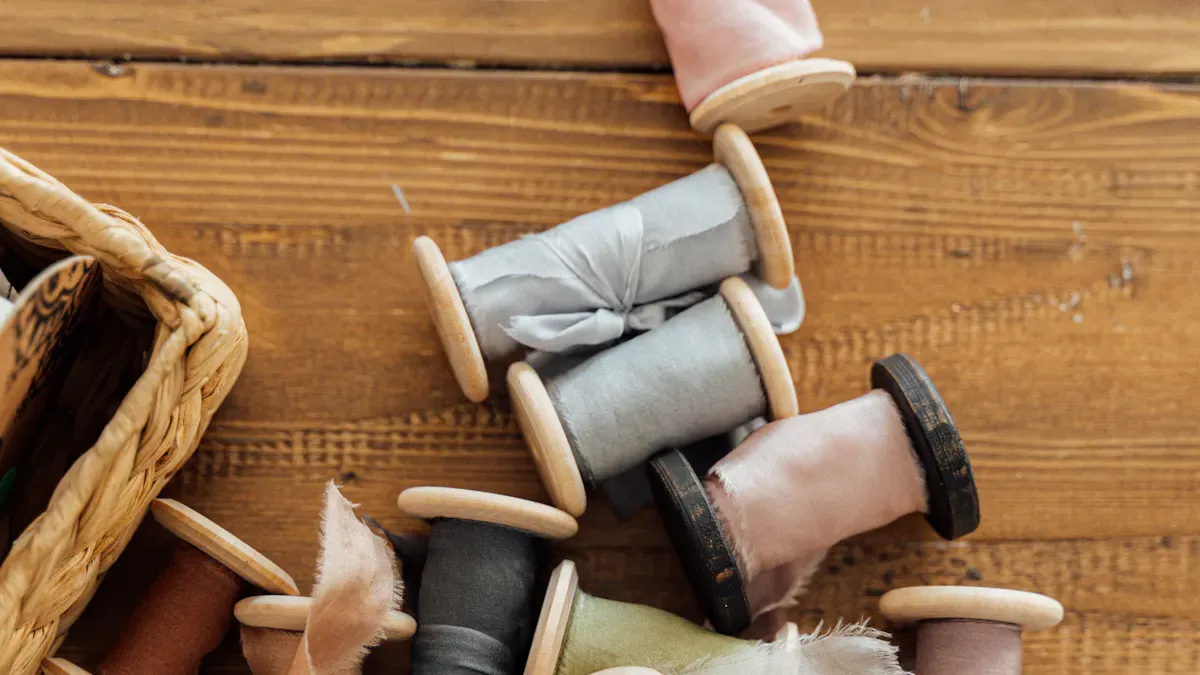
Velvet offers a plush, soft pile that feels gentle against precious metals and gemstones. The surface cushions jewelry, reducing the risk of scratches. Many luxury brands select velvet for its tactile comfort and classic elegance.
Durability
Velvet maintains its texture with proper care. However, exposure to moisture can cause mildew or damage the fibers. Regular cleaning preserves its appearance, but velvet requires careful handling to avoid crushing the pile.
Appearance
Velvet creates a traditional and luxurious look. Its rich colors and subtle sheen enhance the presentation of fine jewelry. Photogenic qualities make velvet ideal for marketing and display purposes.
Suitability for Jewelry Types
Velvet suits rings, earrings, and delicate necklaces. It protects against scratches and oxidation, making it a preferred choice for high-value items. Cufflinks and watches may require specific slots or inserts, as velvet alone does not provide structural support.
| Advantages | Disadvantages |
|---|---|
| Enhances perceived product value | Higher cost than standard packaging |
| Protects against scratches and oxidation | Potential environmental impact if non-recyclable |
| Supports professional branding through customization | Requires careful handling—exposure to moisture can cause mildew |
| Photogenic for marketing purposes | Not all styles suit every jewelry type (e.g., cufflinks need specific slots) |
Suede
Touch and Feel
Suede delivers a refined, velvety texture with a modern appeal. The surface feels smooth and sophisticated, offering a clean look for contemporary jewelry boxes.
Durability
Genuine leather consistently outperforms suede in terms of structural endurance. Its tight fiber matrix resists fraying, stretching, and breaking under tension. Suede, while beautiful, is more vulnerable due to its loose fibers that catch dirt easily and are prone to matting or crushing. Water is particularly damaging to suede, as even light spills can leave permanent stains.
Suede requires gentle care to maintain its appearance. The material can show signs of wear over time, especially in high-contact areas.
Appearance
Suede provides a modern alternative to velvet. Its matte finish and subtle texture create a sophisticated look. Faux suede offers similar aesthetics with improved durability and easier maintenance.
Suitability for Jewelry Types
Suede works well for rings, pendants, and lightweight pieces. It offers a clean backdrop for jewelry, but may not provide enough protection for heavy or sharp-edged items. Choose the Right Interior Lining when seeking a balance between style and function.
Silk
Touch and Feel
Silk feels exceptionally smooth and cool to the touch. The fabric glides over jewelry surfaces, minimizing friction and preventing scratches.
Durability
Silk is delicate and requires careful handling. The fibers can snag or tear if exposed to sharp objects. Silk does not cushion jewelry as much as velvet or suede, but it preserves its luster with proper care.
Appearance
Silk delivers a shiny, elegant finish. The material reflects light, enhancing the brilliance of gemstones and precious metals. Silk linings elevate the visual appeal of high-end jewelry boxes.
Suitability for Jewelry Types
Silk suits delicate items such as pearls, fine chains, and lightweight earrings. The smooth surface protects fragile pieces, but heavier jewelry may need additional support. Choose the Right Interior Lining for items that demand a luxurious presentation and minimal abrasion.
Felt
Touch and Feel
Felt provides a soft, dense surface that feels gentle when touched. The texture is smooth but less plush than velvet or suede. Many jewelry box manufacturers select felt for its non-abrasive qualities, which help prevent scratches on delicate pieces.
Durability
Felt resists wear and tear in daily use. The fibers do not fray easily, and the material maintains its shape over time. However, felt can attract dust and lint, which may require regular cleaning. High-quality felt withstands repeated handling without losing its protective properties.
Appearance
Felt offers a matte finish with a uniform color. The appearance is understated and classic, making it suitable for both traditional and modern jewelry boxes. Felt comes in a wide range of colors, allowing brands to match their packaging to specific themes or brand palettes.
Suitability for Jewelry Types
Felt works well for storing rings, earrings, and brooches. The material cushions jewelry and prevents minor scratches. However, it may not provide enough padding for heavy or large items. Choose the Right Interior Lining when seeking a balance between affordability and protection for everyday jewelry collections.
Satin
Touch and Feel
Satin feels exceptionally smooth and cool to the touch. The surface glides easily against jewelry, minimizing friction and reducing the risk of scratches. Satin’s texture appeals to those who appreciate a refined, elegant feel.
Durability
Satin offers moderate durability. The fabric resists minor wear but can snag if exposed to sharp edges or rough handling. Regular care helps maintain its sheen and prevents damage. Satin is more cost-effective than silk, making it a popular choice for luxury jewelry boxes that require both elegance and value.
Appearance
Satin delivers a lustrous, elegant appearance that enhances the visual appeal of jewelry. The fabric reflects light, creating a sophisticated presentation. Many brands choose satin for its ability to elevate the perceived value of their packaging. The following table summarizes the main pros and cons of satin as an interior lining:
| Material | Pros | Cons |
|---|---|---|
| Satin | Very smooth, elegant appearance, cost-effective compared to silk | Can be delicate and may snag if not handled carefully |
Suitability for Jewelry Types
Satin suits fine necklaces, bracelets, and earrings. The smooth surface protects delicate metals and gemstones. However, satin may not provide enough cushioning for heavy or bulky items. Brands often select satin linings for collections that prioritize visual impact and refined presentation.
Microfiber
Touch and Feel
Microfiber features a dense, ultra-soft texture that feels gentle on the skin. The surface creates a low-friction environment, which helps prevent scratches and keeps jewelry in place. Many users appreciate the modern, clean feel of microfiber linings.
Durability
Microfiber stands out for its exceptional durability. The material resists crushing and does not shed fibers or lint onto jewelry. It absorbs oils and moisture, which helps prevent oxidation and tarnish. Microfiber also resists creasing during shipping, making it ideal for e-commerce packaging.
Appearance
Microfiber offers a sleek, contemporary look. The fabric maintains its color and texture over time, even with frequent use. Brands can choose from a variety of colors to match their visual identity. Microfiber linings often appear in high-end packaging that values both aesthetics and function.
Suitability for Jewelry Types
Microfiber protects polished surfaces better than many traditional fabrics. It works well for storing rings, watches, and fine chains. The material absorbs moisture and neutralizes sulfur gases, which enhances long-term preservation of precious metals. Microfiber linings suit collections that require anti-tarnish properties and reliable protection. When brands want to Choose the Right Interior Lining for both luxury and practicality, microfiber offers a compelling solution.
- Microfiber protects polished surfaces better due to its dense, low-friction environment, reducing movement of jewelry.
- It absorbs oils and moisture, preventing oxidation.
- Unlike velvet, microfiber does not crush easily and does not shed fibers or lint onto jewelry.
- Microfiber is more cost-effective for e-commerce as it resists creasing during shipping.
- It is preferred for anti-tarnish treatments, with linings that neutralize sulfur gases, enhancing long-term preservation of precious metals.
Foam
Touch and Feel
Foam linings offer a unique tactile experience. The surface feels soft, yielding, and slightly springy. High-density foam provides a gentle cushion that adapts to the shape of each jewelry piece. This adaptability ensures that rings, earrings, and pendants rest securely without shifting. Many users appreciate the way foam absorbs impact, creating a sense of safety when handling valuable items. The texture does not snag or scratch metals or gemstones, making it suitable for both fine and costume jewelry.
Durability
Foam demonstrates a wide range of durability depending on its quality and density. High-quality foam resists compression and maintains its shape over time. Poor-quality foams, however, can degrade quickly, losing their protective properties. Custom-molded foam inserts offer maximum protection and longevity, but they often require a higher investment. Repeated use, especially with die-cut or pluckable foam, may cause surface wear or loss of integrity. Some premium foams include anti-tarnish treatments, which help preserve the condition of precious metals.
Tip: Choose high-density foam for long-term use and better protection. Avoid low-grade foam that may crumble or lose shape with frequent handling.
Appearance
Foam linings present a clean, modern look. The material can be cut and shaped to fit any compartment, allowing for precise organization. Custom-molded foam inserts create a seamless, professional appearance that enhances the visual presentation of jewelry. Standard pre-cut inserts offer a more basic look but remain functional and neat. Foam comes in various colors, though black and gray remain the most popular choices for high-end boxes. Magnetic foam inserts add a sophisticated touch by securing items in place, especially during transit.
| Type of Foam Insert | Pros | Cons |
|---|---|---|
| Pre-Cut Standard Inserts | Affordable, easy to install, widely available | Limited flexibility for unique pieces |
| Customizable Die-Cut Foam | Adaptable, precise fitting for irregular items | Less polished look, surface may degrade with repeated use |
| Fully Custom-Molded Inserts | Maximum protection, cohesive aesthetics | Expensive, longer production times |
| Magnetic Foam Inserts | Secure positioning, prevents shifting | Heavier, not suitable for all box types |
| Overall Advantages | Prevents scratches, improves organization, enhances display | Poor-quality foam degrades quickly, incorrect sizing reduces protection |
Suitability for Jewelry Types
Foam linings excel in protecting a wide variety of jewelry. High-density foam compartments secure rings, earrings, and brooches, preventing movement and friction that can cause microscopic abrasions. Custom-cut foam adapts to irregularly shaped pieces, such as statement necklaces or large pendants. Magnetic foam inserts work well for watches and cufflinks, holding them firmly in place during shipping or display. However, foam may not suit collections that require frequent reconfiguration, as custom-molded inserts lack flexibility for growing assortments.
- Foam inserts provide functional protection with precision.
- High-density foam allows for custom-cut compartments, securing each piece firmly.
- Reduces movement and friction, minimizing the risk of scratches and tarnish.
- Some premium foams include anti-tarnish additives, offering enhanced preservation for silver and gold.
Foam linings serve brands and collectors who prioritize organization, safety, and a modern aesthetic. When selecting the right interior lining, foam stands out for its versatility and protective qualities.
Choose the Right Interior Lining: Comparing Materials
Protection and Safety
Scratch Resistance
Scratch resistance remains a top priority when selecting an interior lining for high-end jewelry boxes. Velvet and microfiber both offer a plush surface that cushions jewelry, reducing the risk of abrasions on delicate metals and gemstones. Foam linings adapt to the shape of each piece, holding items securely in place and minimizing movement that can cause scratches. Silk and satin, while smooth, may not provide as much padding but still help prevent friction-related damage. Suede and felt also deliver gentle protection, though they may show wear over time in high-contact areas.
Moisture Control
Moisture management plays a critical role in preserving jewelry. Velvet and silk linings limit air exposure, which helps reduce tarnishing by creating a stable environment. Many luxury jewelry boxes now feature anti-tarnish linings that actively absorb moisture and harmful elements. This approach prevents oxidation and keeps precious metals looking their best. Some boxes include humidity control features, such as silica gel packs, to further regulate moisture levels and protect jewelry from tarnish. Microfiber stands out for its ability to absorb oils and moisture, making it a practical choice for long-term preservation.
Tip: For collections stored in humid climates, select linings with built-in moisture control or add silica gel packs for extra protection.
Anti-Tarnish Properties
Anti-tarnish linings have become increasingly popular in luxury jewelry packaging. These materials contain additives that neutralize sulfur gases and absorb excess moisture, both of which contribute to tarnishing. Microfiber and some premium foams often include anti-tarnish treatments, offering enhanced preservation for silver and gold. Silk and velvet, by limiting air exposure, also help slow the oxidation process. For brands and collectors who prioritize the longevity of their jewelry, anti-tarnish linings provide peace of mind and maintain the brilliance of each piece.
Presentation and Aesthetics
Color Options
Color selection influences the perceived value and emotional impact of a jewelry box. Velvet linings amplify jewel tones and create an indulgent feel. Satin and silk introduce shine and elegance, while faux suede and microfiber offer a clean, contemporary backdrop. Felt and cotton provide colorful, breathable, or economical options. The following table summarizes how different materials and textures affect the emotional response of customers:
| Material/Texture | Emotional Impact |
|---|---|
| Velvet linings | Indulgent feel, amplifies jewel tones |
| Satin or silk | Introduces shine, elegance, and fluidity |
| Faux suede and microfiber | Provides a clean, contemporary backdrop |
| Felt and cotton | Offers colorful, breathable, or economical options |
| Matte paperboard | Creates compelling shifts in reflectivity |
| Lacquered shell | Enhances visual appeal with shiny interiors |
Texture and Visual Appeal
Texture plays a significant role in the overall presentation of high-end jewelry boxes. Consumer surveys reveal that luxury buyers prefer handcrafted wooden boxes with rich finishes like mahogany or walnut, complemented by plush velvet interiors. High-quality fabrics such as silk-look satin, deep-pile velvet, and textured microfiber consistently rank as favorites for interior linings. For ultra-luxury ring boxes, silk remains the top choice, while microsuede appeals to those seeking stain resistance. Anti-tarnish cotton provides a budget-friendly option without sacrificing visual appeal.
- Luxury buyers favor:
- Plush velvet interiors for a classic, indulgent look
- Silk-look satin and deep-pile velvet for elegance
- Textured microfiber for a modern, clean appearance
Maintenance and Longevity
Cleaning Ease
Ease of maintenance can influence the long-term appearance of a jewelry box. Microfiber and faux suede require minimal upkeep and resist stains, making them ideal for frequent use. Most microfiber linings only need a simple wipe-down to maintain their appearance. Velvet and silk, while luxurious, demand more careful cleaning to avoid crushing fibers or snagging threads. Foam and felt may attract dust but can be cleaned with gentle brushing or vacuuming.
Wear Over Time
Durability ensures that a jewelry box remains attractive and functional for years. Microfiber and faux suede offer impressive lifespans, often lasting 20 to 30 years with proper care. These materials resist moisture, rot, and wear, maintaining their protective qualities over time. The table below highlights key features of low-maintenance, long-lasting linings:
| Feature | Description |
|---|---|
| Maintenance Level | Low maintenance; requires minimal upkeep compared to traditional materials. |
| Lifespan | Impressive lifespan of 20 to 30 years. |
| Resistance to Issues | Highly resistant to moisture, rot, and wear. |
| Upkeep Requirements | Simple wipe-down is usually sufficient to maintain appearance. |
Velvet, silk, and felt may show signs of wear in high-contact areas, especially if exposed to moisture or rough handling. Brands should consider the intended use and frequency of access when selecting a lining material.
Choose the Right Interior Lining by balancing protection, aesthetics, and maintenance needs. Each material offers unique benefits, so understanding these differences helps brands and collectors make informed decisions.
Choose the Right Interior Lining: Matching to Jewelry Types
Fine Jewelry
Diamonds and Gemstones
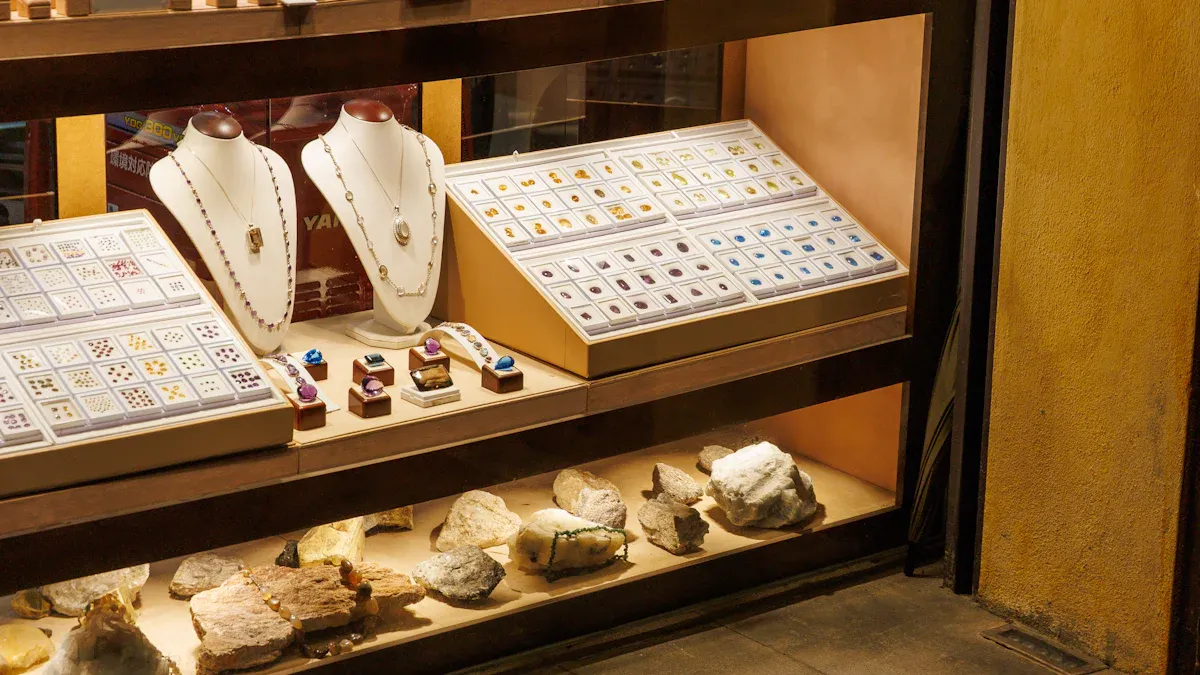
Diamonds and gemstones require the highest level of protection and presentation. Soft, plush linings such as traditional velvet and silk offer a gentle surface that cushions delicate stones and prevents scratches. These materials also enhance the brilliance of gemstones by providing a rich visual contrast. Many luxury jewelry boxes combine a solid wood exterior with a soft velvet or silk interior to ensure both structural protection and aesthetic appeal.
| Material Type | Benefits |
|---|---|
| Traditional Velvet | Soft, plush feel that cushions delicate items and prevents scratching. |
| Silk Lining | Shiny surface, soft touch, and non-tarnish, ideal for luxury goods. |
| Anti-Tarnish Fabric | Protects against oxidation and tarnishing of fine jewelry. |
Tip: For heirloom pieces or investment jewelry, select linings with anti-tarnish properties to preserve long-term value.
Gold and Platinum
Gold and platinum pieces benefit from linings that prevent both scratches and tarnish. Rich, dark-toned velvet or microfiber interiors create a striking contrast, highlighting the luster of precious metals. Anti-tarnish fabrics add an extra layer of protection by absorbing moisture and blocking exposure to air. This combination maintains the brilliance and integrity of gold and platinum jewelry.
| Jewelry Type | Lining Choice | Purpose of Lining |
|---|---|---|
| Precious metals | Rich, dark-toned boxes with soft interiors | Enhance contrast and elegance |
Costume Jewelry
Metals and Alloys
Costume jewelry, often made from mixed metals and alloys, does not require the same level of protection as fine jewelry. Lightweight linings such as felt or faux suede provide adequate cushioning and prevent minor scratches. Colorful interiors can highlight the trendiness of fashion jewelry, making the unboxing experience more engaging.
| Jewelry Type | Lining Choice | Purpose of Lining |
|---|---|---|
| Fashion or costume | Colorful, lightweight packaging | Highlight trendiness without overcomplicating presentation |
Decorative Pieces
Decorative costume pieces, including brooches and statement necklaces, benefit from foam or microfiber inserts. These materials can be custom-cut to fit irregular shapes, ensuring each piece remains secure and visible. Microfiber also absorbs oils and moisture, which helps preserve the finish of decorative items.
Note: For collections with frequent style changes, choose linings that allow easy reconfiguration, such as pluckable foam or modular microfiber inserts.
Watches and Accessories
Watch Compartments
Watches require specialized compartments with soft, supportive linings. Velvet and leatherette both provide a luxurious feel and protect delicate watch faces and bands from scratches. Foam inserts add structure and prevent shifting during storage or transport. Anti-tarnish linings help preserve the quality of metal components, especially in men’s watches.
| Material | Characteristics | Use Case |
|---|---|---|
| Velvet | Soft, luxurious feel; protects delicate metals and gemstones | Ideal for high-end jewelry storage |
| Leatherette | Upscale appearance at a lower cost; customizable for branding | Practical for branded collections |
| Foam | Protects jewelry from scratching and shifting | Suitable for various jewelry types |
| Anti-tarnish | Absorbs moisture; blocks exposure to air and pollutants | Preserves quality of men’s jewelry |
Cufflinks and Small Items
Cufflinks, tie bars, and other small accessories need secure, organized compartments. Foam or microfiber linings with custom slots keep items separated and prevent loss or damage. These materials also make it easy to access and display each accessory, supporting both daily use and special occasions.
When brands or collectors want to Choose the Right Interior Lining, they should match the material to the specific needs of each jewelry type. This approach ensures optimal protection, presentation, and longevity for every piece in the collection.
Choose the Right Interior Lining: Aligning with Brand or Personal Style
Luxury Brands
Signature Colors
Luxury brands often rely on signature colors to create instant recognition and reinforce their identity. A jewelry box lined with a brand’s iconic hue, such as deep royal blue or rich burgundy, signals exclusivity and attention to detail. These colors not only enhance the visual appeal but also evoke emotions tied to the brand’s heritage. Many high-end brands select custom-dyed velvet or satin to match their established palette. This approach ensures consistency across all packaging elements, from jewelry pouches to display trays.
Tip: Brands can request fabric swatches in their signature colors to ensure a perfect match before finalizing production.
Custom Embossing
Custom embossing elevates the perceived value of a jewelry box. Brands often emboss their logo, monogram, or emblem onto the interior lining. This subtle detail creates a tactile experience and reinforces authenticity. Embossed linings work well with materials like suede, microfiber, and leatherette, which hold impressions cleanly. For limited-edition collections, brands may combine embossing with metallic foil stamping to add a touch of glamour.
| Embossing Material | Effectiveness | Common Use Cases |
|---|---|---|
| Suede | High | Luxury branding |
| Microfiber | High | Modern collections |
| Leatherette | Moderate | Upscale, cost-effective |
Eco-Conscious Choices
Sustainable Materials
Eco-conscious brands increasingly seek sustainable materials for jewelry box linings. Options like organic cotton, recycled felt, and plant-based microfiber reduce environmental impact. These materials offer softness and protection while supporting green initiatives. Brands that prioritize sustainability often highlight these choices in their marketing, appealing to environmentally aware consumers.
Ethical Sourcing
Ethical sourcing ensures that all materials come from responsible suppliers. Brands verify that fabrics are produced under fair labor conditions and without harmful chemicals. Certifications such as GOTS (Global Organic Textile Standard) or OEKO-TEX® provide assurance of ethical practices. By choosing ethically sourced linings, brands demonstrate a commitment to social responsibility and transparency.
- Sustainable linings support eco-friendly branding.
- Ethical sourcing builds consumer trust and loyalty.
Modern and Minimalist Styles
Clean Lines
Modern and minimalist brands favor clean lines and uncluttered designs. Interior linings in these styles often feature smooth, seamless finishes without excessive embellishment. Microfiber and high-quality felt provide a sleek look that complements geometric or monochrome exteriors. This approach appeals to consumers who value simplicity and sophistication.
Neutral Palettes
Neutral palettes, such as shades of gray, beige, or soft white, create a timeless and versatile backdrop for jewelry. These colors allow the jewelry itself to stand out, making them ideal for brands that focus on understated elegance. Neutral linings also adapt easily to seasonal trends or evolving collections.
When brands or individuals choose the right interior lining, they should consider how color, texture, and material reflect their unique identity. This alignment enhances the unboxing experience and strengthens the connection between the jewelry and its presentation.
Choose the Right Interior Lining: Factors to Consider
Budget and Cost
Material Pricing
Selecting an interior lining often begins with a clear understanding of material pricing. Premium linings such as silk, velvet, and high-grade microfiber command higher prices due to their luxurious feel and protective qualities. Budget options like felt or basic foam offer adequate protection but lack the same level of refinement. The following table illustrates the average price range for jewelry boxes based on the quality of their interior lining:
| Type | Price Range |
|---|---|
| Premium Jewelry Box | $80–$200 |
| Budget Jewelry Box | $10–$30 |
This price difference reflects not only the cost of materials but also the craftsmanship and brand positioning. High-end brands often invest in premium linings to reinforce their luxury image.
Value for Money
Value for money goes beyond the initial price tag. Premium linings provide long-term benefits such as enhanced protection, improved presentation, and increased customer satisfaction. Brands that choose higher-quality materials often see a positive impact on perceived value and repeat business. Budget-conscious buyers may prioritize affordability, but they should weigh the trade-offs in durability and brand perception.
Tip: Investing in a premium lining can elevate the entire jewelry experience and justify a higher retail price.
Customization Options
Personalization
Personalization transforms a standard jewelry box into a memorable keepsake. Many manufacturers offer options such as monogramming, custom colors, or unique compartment layouts. These features allow brands and individuals to tailor the interior lining to specific needs or preferences. Personalized linings create a sense of exclusivity and can enhance the emotional connection between the customer and the product.
Branding Elements
Branding elements play a crucial role in luxury packaging. Embossed logos, signature colors, and custom patterns help reinforce brand identity. Materials like suede and microfiber hold embossed details well, while velvet and satin showcase vibrant colors. Consistent branding across all packaging elements strengthens recognition and loyalty.
- Customization options can include:
- Embossed or printed logos
- Signature color palettes
- Unique compartment designs
Availability and Sourcing
Supplier Reliability
Reliable suppliers ensure consistent quality and timely delivery. Brands should partner with manufacturers who maintain high standards for material sourcing and production. Delays or inconsistencies in supply can disrupt launch schedules and affect customer satisfaction. Establishing strong relationships with trusted suppliers reduces the risk of shortages or quality issues.
Lead Times
Lead times vary depending on the availability and complexity of interior lining materials. Some materials, such as rigid paperboard and foam inserts, influence both design and assembly speed. Suede linings, while visually appealing, may slow production if not readily available. The table below outlines how different materials impact production timelines:
| Material Type | Impact on Production Timelines |
|---|---|
| Rigid Paperboard | Provides strength and stability, affecting design complexity and production speed. |
| Foam Inserts | Influences the organization and protection of jewelry, impacting assembly time. |
| Suede Linings | Affects the overall presentation quality, which can slow down production if not readily available. |
Brands should factor in both material availability and production timelines when planning new collections or custom orders. Early coordination with suppliers helps avoid delays and ensures a smooth manufacturing process.
Note: Choosing materials with reliable supply chains can help brands meet deadlines and maintain consistent quality.
Choose the Right Interior Lining: Actionable Steps
Assess Your Jewelry Collection
Inventory and Needs
A thorough assessment of the jewelry collection forms the foundation for selecting the ideal interior lining. Individuals or brands should start by creating a detailed inventory. This process involves listing each piece, noting its material, size, and frequency of use. Fine jewelry, such as diamond rings or gold necklaces, often requires plush, anti-tarnish linings. Costume jewelry or decorative pieces may need less protection but benefit from colorful or modular inserts.
A simple table can help organize this information:
| Jewelry Type | Material | Frequency of Use | Special Requirements |
|---|---|---|---|
| Diamond Ring | Gold/Diamond | Daily | Anti-tarnish, soft lining |
| Statement Necklace | Alloy/Beads | Occasionally | Custom foam insert |
| Watch | Stainless Steel | Weekly | Cushioned compartment |
This inventory allows decision-makers to match each jewelry type with the most suitable lining, ensuring both protection and presentation.
Define Your Brand or Style
Visual Identity
Brand identity or personal style should guide the choice of interior lining. Luxury brands often select signature colors or textures that reinforce their image. For example, a brand known for elegance might choose deep blue velvet, while a modern minimalist may prefer neutral microfiber. Consistency in color, texture, and finish across all packaging elements strengthens recognition and creates a cohesive unboxing experience.
A professional approach involves reviewing brand guidelines or mood boards. This step ensures that the chosen lining aligns with the overall aesthetic and appeals to the target audience. Visual identity not only influences material selection but also impacts customer perception and loyalty.
Evaluate Material Samples
Sample Testing
Evaluating material samples is a critical step before finalizing any decision. Physical samples allow for direct comparison of texture, color, and durability. Dr. Lena Torres notes that fabric choice plays a vital role in preventing corrosion, especially since unbuffered dyes can harm jewelry over time. Marcus Chen points out that true protection depends on specific properties, such as zero fiber transfer and pH neutrality. These qualities can only be confirmed through hands-on testing.
When testing samples, consider the following checklist:
- Inspect for fiber shedding or lint transfer.
- Test for colorfastness and dye stability.
- Assess the softness and cushioning effect.
- Check for pH neutrality to avoid chemical reactions.
- Evaluate how the material interacts with different jewelry types.
Tip: Always request multiple samples from suppliers and test them with actual jewelry pieces. This practice helps identify the best match for both protection and aesthetics.
By following these actionable steps, brands and individuals can confidently choose an interior lining that meets their unique needs and elevates the jewelry presentation.
Consult with Manufacturers
Expert Advice
Selecting the right interior lining for high-end jewelry boxes requires more than just aesthetic preference. Manufacturers possess specialized knowledge about materials, construction techniques, and industry standards. They can guide brands and individuals through the complexities of material selection, ensuring that each choice aligns with both functional needs and brand identity.
“Most jewelers don’t realize that 60% of customer complaints about ‘damaged jewelry’ trace back to interior lining failure—not external impact. A 2023 JCK Lab audit found that boxes using low-density synthetic velvet shed microscopic fibers that embed into prong settings, accelerating metal fatigue.”
— Dr. Lena Torres, Materials Scientist, Gemological Institute of America (GIA)
This insight highlights the importance of expert consultation. Manufacturers understand how different linings interact with various jewelry types. They can identify risks that may not be obvious to designers or retailers. For example, they know which fabrics shed fibers, which materials offer true anti-tarnish protection, and which linings maintain their structure over time.
Manufacturers also help brands avoid costly mistakes. They can recommend materials that match the intended use and expected handling frequency. Their advice often includes guidance on sourcing, lead times, and customization options. This support streamlines the production process and ensures consistent quality.
Key benefits of consulting with manufacturers include:
- Durability: Manufacturers recommend materials that extend the life of the jewelry box and protect valuable pieces.
- Brand Alignment: They help select linings that reinforce the brand’s image and enhance customer perception.
- Customer Satisfaction: Proper material selection reduces the risk of jewelry damage, leading to fewer complaints and higher customer loyalty.
Manufacturers often provide material samples for hands-on evaluation. They can arrange tests for fiber shedding, colorfastness, and pH neutrality. These practical steps allow brands to make informed decisions based on real-world performance, not just appearance.
Brands that collaborate with experienced manufacturers gain access to the latest innovations in textile technology. They can explore sustainable options, advanced anti-tarnish treatments, and custom embossing techniques. This partnership ensures that every jewelry box delivers both protection and a memorable unboxing experience.
Tip: Early engagement with manufacturers can prevent delays and ensure that the final product meets both aesthetic and functional requirements.
By seeking expert advice, brands and collectors can confidently choose interior linings that safeguard their jewelry and elevate their brand reputation.
Selecting the right interior lining for high-end jewelry boxes involves careful attention to both protection and presentation. Experts recommend non-abrasive, tarnish-resistant materials and full padding for maximum safety:
| Key Feature | Description |
|---|---|
| Material Quality | Non-abrasive, tarnish-resistant fabrics like velvet or microfiber excel. |
| Soft Protective Linings | Plush linings prevent scratches and cushion delicate items. |
| Anti-Tarnish Options | Special linings slow oxidation of metals such as silver. |
| Color Variety | Classic and custom hues suit any personal or brand style. |
Luxury boxes balance function and beauty by using high-quality fabrics and offering customization. Brands should evaluate material samples and consult with experts. Prioritizing both practical needs and visual appeal ensures jewelry remains safe and beautifully presented.
FAQ
What is the best material for jewelry box linings?
Velvet and microfiber offer superior protection and visual appeal. Velvet cushions delicate items, while microfiber resists moisture and tarnish. Brands often select these materials for luxury collections.
How does interior lining prevent jewelry damage?
Soft linings absorb impact and reduce friction. They shield metals and gemstones from scratches and oxidation. Anti-tarnish treatments further protect silver and gold.
Can eco-friendly linings match luxury standards?
Sustainable materials like organic cotton and recycled felt provide softness and durability. Ethical sourcing ensures quality. Many luxury brands now use eco-friendly linings without sacrificing elegance.
How often should jewelry box linings be cleaned?
Microfiber and faux suede require minimal maintenance. A gentle wipe keeps them clean. Velvet and silk need careful brushing or vacuuming. Regular cleaning preserves appearance and prevents fiber buildup.
Are custom linings worth the investment?
Custom linings enhance brand identity and customer experience. Embossed logos, signature colors, and tailored compartments add value. Brands see increased loyalty and perceived product quality.
Which lining works best for watches and cufflinks?
Foam and velvet provide secure compartments for watches and cufflinks. Foam adapts to shape, preventing movement. Velvet adds a luxurious touch and protects metal surfaces.
Do anti-tarnish linings really work?
Anti-tarnish linings contain additives that neutralize sulfur gases and absorb moisture. They slow oxidation, preserving the shine of silver and gold. Many experts recommend these linings for heirloom pieces.
How can brands ensure lining quality?
Brands request material samples and conduct tests for fiber shedding, colorfastness, and pH neutrality. Manufacturers provide expert guidance and support. Quality assurance guarantees consistent performance.