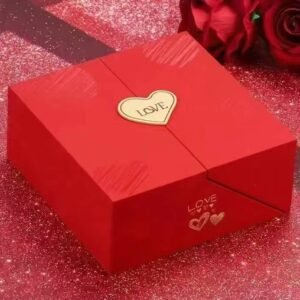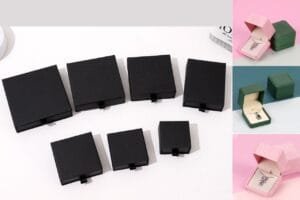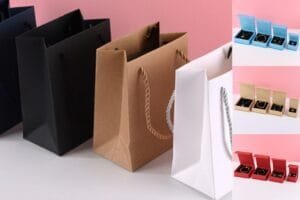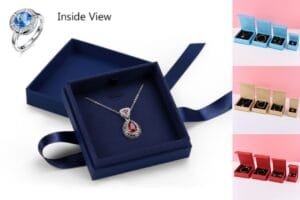
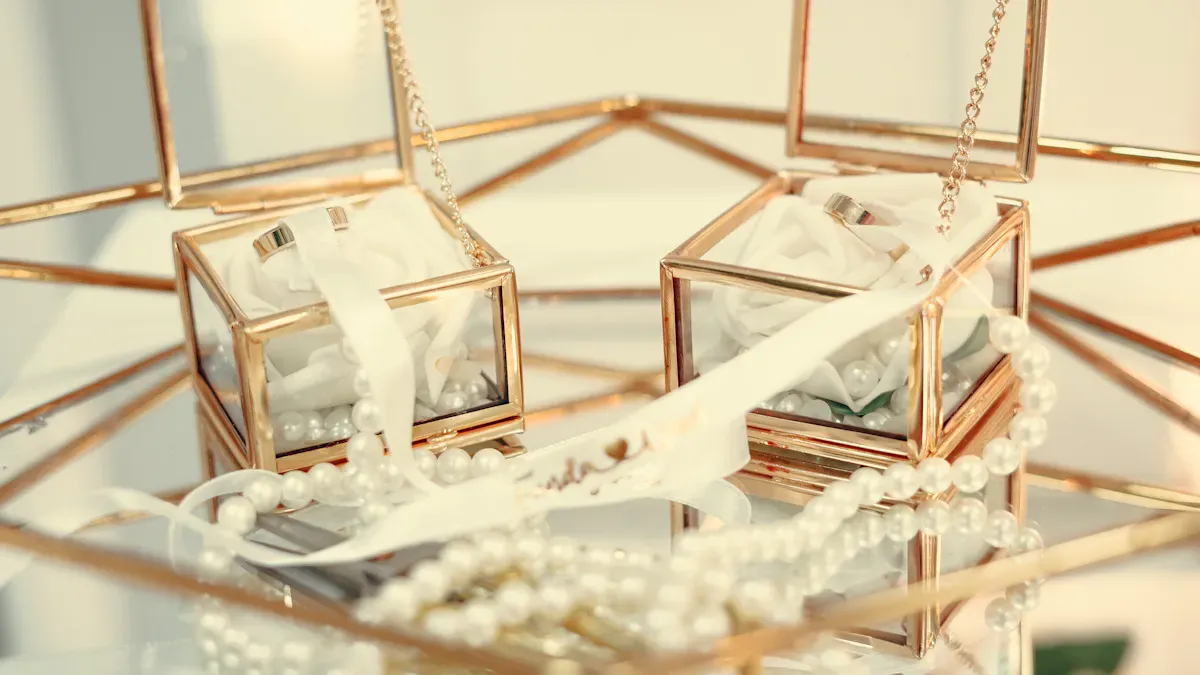
Selecting the right jewelry box safeguards treasured pieces from scratches and tarnish. Many jewelry owners experience damage during storage, with nearly 70% of issues occurring before wear. Careful attention to jewelry packaging, such as custom jewelry boxes or a Jewelry Pouch, helps preserve value and beauty. A reliable jewelry packaging manufacturer offers solutions that prioritize durability and organization. Jewelry Display options and thoughtful packaging features ensure each item stays protected. To choose the perfect jewelry box, match compartments and lining to every piece.
Assessing Your Jewelry Collection for the Perfect Jewelry Box
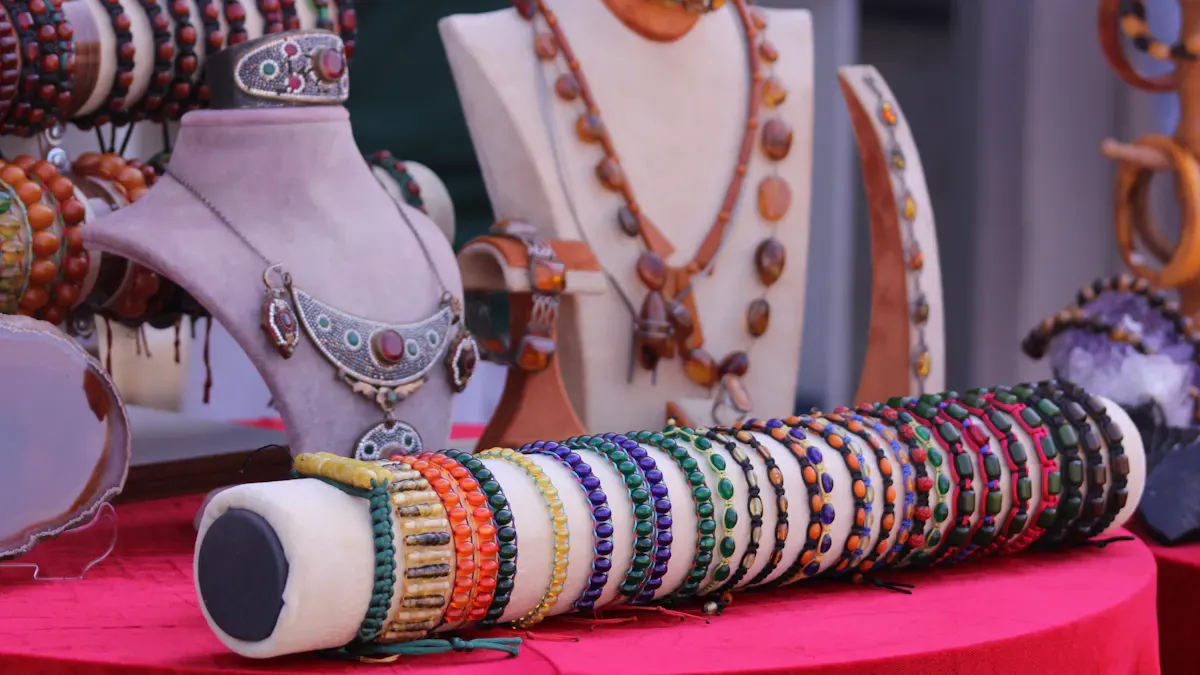
Identifying Jewelry Types
Rings
Rings require dedicated slots or ring rolls to prevent scratching and tangling. A jewelry box with padded rows keeps each ring visible and secure. This design also helps users quickly select their favorite piece.
Necklaces
Necklaces often tangle if not stored properly. Jewelry boxes with hooks or hanging sections keep chains separated. This feature reduces frustration and protects delicate links from damage.
Earrings
Earrings come in pairs and need special attention. Sections or cards within the jewelry box keep pairs together. This organization prevents the common issue of missing earrings and makes matching easy.
Bracelets
Bracelets can be bulky or delicate. Compartments designed for bracelets keep them from getting buried under other items. Easy access ensures that bracelets remain visible and ready to wear.
Watches
Watches benefit from cushioned holders. These holders maintain the shape of the band and protect the watch face. A jewelry box with dedicated watch cushions offers both protection and display.
Brooches and Cufflinks
Brooches and cufflinks often have unique shapes. Small, divided sections within the jewelry box keep these items organized. This approach prevents scratching and makes each piece easy to find.
Evaluating Collection Size for Jewelry Boxes
Small Collections
A compact jewelry box suits those with a few essential pieces. It offers enough compartments for daily wear items and keeps everything organized without taking up much space.
Medium Collections
Medium collections require more compartments and dividers. Jewelry boxes with multiple layers or trays provide flexibility. This design accommodates growth and helps prevent clutter.
Large Collections
Large collections present unique challenges. Collectors often face tangled necklaces, missing earring pairs, and buried bracelets or watches. The table below summarizes these common issues:
| Storage Challenge | Description |
|---|---|
| Tangling of necklaces | Necklaces often get tangled together, causing frustration. |
| Missing pairs of earrings | Single earrings can be found without their matching pairs. |
| Bracelets and watches buried | These items can be hidden under clothes, making them hard to access. |
| Special pieces forgotten | Unique or special jewelry can be overlooked and forgotten. |
To address these challenges, collectors should establish a defined home for each type of jewelry, consider custom jewelry boxes for expanding collections, and use thoughtful storage solutions to prevent clutter.
Understanding Storage Needs for Jewelry and Jewellery
Everyday vs. Occasional Pieces
Daily jewelry needs to be accessible and visible. The table below highlights the different storage needs for daily and occasional pieces:
| Jewelry Type | Storage Needs | Description |
|---|---|---|
| Daily Jewelry | Accessibility and visibility | Daily pieces benefit from being easily accessible and visible for quick selection. |
| Occasional Jewelry | Protective and organized | Occasional pieces may require more protective storage to keep them safe and organized. |
Sentimental or High-Value Items
High-value pieces and sentimental jewelry require extra care. Owners should use climate-controlled units to maintain stable temperature and humidity. Security features such as lockable boxes, gated access, and coded entry add protection. Insurance coverage ensures peace of mind. For antique or delicate items, professional storage may be necessary. Wrapping jewelry in soft cloth or acid-free tissue prevents scratching, while anti-tarnish solutions help preserve metal finishes. Separate compartments within the jewelry box keep pieces from rubbing against each other, maintaining their condition for years.
Matching Jewelry Box Features to Jewelry Types
Compartments and Dividers in Jewelry Boxes
A well-designed jewelry box uses specialized compartments and dividers to keep every piece safe and organized. These storage features prevent tangling, scratching, and loss, ensuring each item remains in pristine condition.
Ring Rolls and Slots
Ring rolls and slots provide a secure home for rings. The padded rows hold each ring upright, making selection easy and preventing contact between stones and metals. Many sophisticated box designs include these features, crafted with care for both functionality and style. By keeping rings separated, the box stops harder gemstones from damaging softer ones.
Necklace Hooks and Holders
Necklace hooks and holders address the common problem of tangled chains. Six hooks on the underside of the lid, paired with an elastic pouch, keep necklaces suspended and separated. Drawer dividers create micro-compartments, ensuring that no two necklaces touch. This organization reduces frustration and protects delicate links.
Earring Cards and Sections
Earring cards and small, fabric-lined sections keep pairs together and visible. These storage features make it easy to find matching earrings and prevent loss. The thoughtful compartmentalization in many jewelry boxes supports diverse jewelry types, blending functionality with elegant display.
Bracelet Compartments
Large square compartments accommodate bracelets of all sizes. These sections prevent bracelets from getting buried under other items and allow for quick access. Keeping bracelets in their own space also stops them from scratching softer pieces.
Watch Cushions
Watch cushions maintain the shape of watch bands and protect faces from scratches. Dedicated holders provide superior protection and easy accessibility. The appropriate size and scalability of these compartments support both single watches and growing collections.
Brooch and Cufflink Sections
Brooches and cufflinks often feature unique shapes. Small, divided sections keep these items organized and easy to find. By separating each piece, the jewelry box prevents scratching and preserves the original finish.
Tip: Keeping pieces separate in divided trays or individual pouches stops harder materials from wrecking softer ones.
Anti-Tarnish and Protective Features in Jewelry Boxes
Protective features play a crucial role in preserving the longevity and beauty of jewelry. Anti-tarnish linings and soft interior materials create a safe environment for valuable pieces.
Anti-Tarnish Lining
Anti-tarnish linings help maintain the shine of silver and gold jewelry. These linings create a micro-environment that neutralizes gases responsible for tarnishing. As a result, owners spend less time cleaning and more time enjoying their collection. Jewelry boxes with anti-tarnish features ensure that pieces remain in heirloom-quality condition for years.
Soft Interior Materials
Soft interior materials, such as velvet or suede, cushion each item and prevent scratches. These materials add an extra layer of protection, especially for delicate or high-value pieces. By preserving the original finish and structural integrity, soft linings support the longevity of every item.
Note: Anti-tarnish and soft linings work together to protect jewelry from environmental factors and physical damage.
Customizable and Modular Jewelry Box Options
Customizable and modular options offer flexibility for growing collections. These features allow owners to tailor storage to their unique needs.
Adjustable Dividers
Adjustable dividers let users change the layout of their jewelry box as their collection evolves. This flexibility supports both small and large collections, ensuring that every piece has a dedicated space. Customizable options provide tailored storage solutions that meet individual preferences.
Removable Trays
Removable trays enhance organization by providing clear compartments for easy access. Modular designs allow users to add or remove trays as needed, supporting scalability. These storage features blend functionality with design, keeping jewelry safe and organized in any setting.
A modular jewelry box adapts to changing needs, making it an ideal choice for collectors who value both organization and style.
A jewelry box with the right storage features, anti-tarnish protection, and customizable options ensures that every piece of jewelry receives the care it deserves. Whether selecting a sophisticated box for home use or customized jewelry boxes for a growing collection, thoughtful packaging and design make all the difference in jewelry packaging and storage.
Material and Lining Choices for Jewelry Boxes
Choosing the right material and lining for a jewelry box ensures both protection and longevity for valuable jewelry. The exterior and interior components play distinct roles in safeguarding items from environmental and physical harm.
Exterior Materials for Jewelry Boxes
Wood
Wood stands out as a classic choice for jewelry boxes. Manufacturers often select hardwoods for their durability and aesthetic appeal. Wood provides a sturdy material that resists warping and offers a timeless look. Many collectors appreciate the natural grain and rich finish, which complements both modern and traditional décor.
Leather
Leather brings a touch of luxury to jewelry packaging. It resists moisture and adds a sophisticated texture. Leather jewelry boxes often feature reinforced corners and secure closures, making them ideal for both display and storage. The right material enhances the tactile experience and elevates the overall presentation.
Fabric
Fabric-covered jewelry boxes offer a softer exterior. Designers use linen, cotton, or silk to create a gentle touch. Fabric options suit those who prefer lightweight packaging and decorative patterns. These boxes often include padded compartments, increasing protection for delicate jewelry.
Acrylic and Faux Leather
Acrylic and faux leather provide modern alternatives. Acrylic delivers a sleek, transparent look, allowing users to view contents easily. Faux leather mimics the appearance of genuine leather while offering affordability and resistance to wear. Both materials support contemporary styles and practical storage solutions.
Interior Linings for Jewelry and Jewellery
Velvet
Velvet linings cushion jewelry against scratches and abrasions. The soft and smooth texture of velvet protects items from physical damage and enhances security. Velvet serves as a protective buffer, especially for soft gems and high-polish metals. Many jewelry boxes feature velvet compartments to preserve the original finish of each piece.
Suede
Suede linings offer a gentle surface for jewelry. The fine nap of suede prevents friction and reduces the risk of scuffs. Suede works well for high-value items, providing a subtle elegance and reliable protection.
Anti-Tarnish Fabric
Anti-tarnish linings absorb and neutralize harmful gases that cause precious metals to tarnish. This feature significantly extends the lifespan of jewelry by preventing discoloration. Jewelry packaging with anti-tarnish fabric ensures that silver and gold remain bright and beautiful.
Note: Linings such as velvet, suede, and anti-tarnish fabric create a safe environment for jewelry, preserving both appearance and value.
Durability and Protection in Jewelry Boxes
Sturdy Construction
A jewelry box with sturdy construction withstands daily use and protects contents from impact. Manufacturers reinforce corners and use quality materials to ensure longevity. Sturdy material choices prevent warping and maintain structural integrity.
Secure Closures
Secure closures keep jewelry safe during storage and transport. Locks, clasps, and magnetic seals prevent accidental openings. These features add an extra layer of protection, especially for high-value or sentimental items.
| Material | Durability | Protection | Style |
|---|---|---|---|
| Wood | High | Excellent | Classic |
| Leather | Medium | Good | Luxurious |
| Fabric | Medium | Moderate | Decorative |
| Acrylic | Medium | Moderate | Modern |
| Faux Leather | Medium | Good | Contemporary |
Selecting the right material and lining ensures jewelry boxes provide optimal protection, organization, and style. Owners should consider both exterior and interior features to match their jewelry packaging needs.
Portability and Travel Jewelry Box Considerations
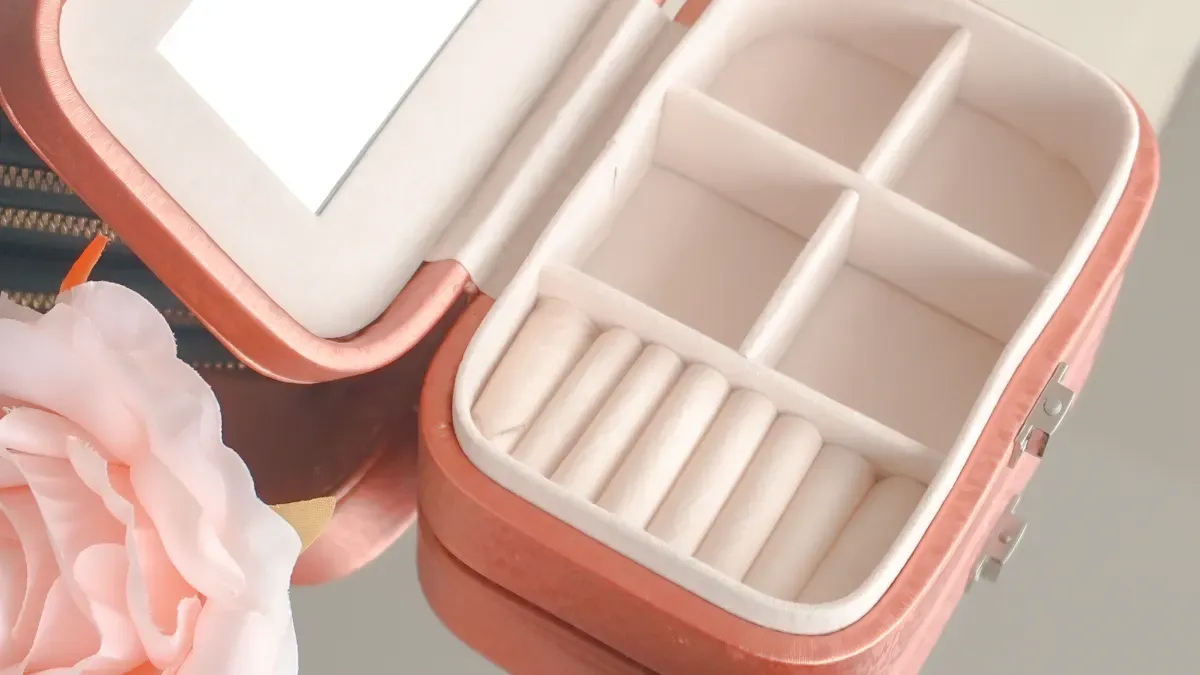
Travel Jewelry Boxes for Jewelry and Jewellery
Compact Designs
Travel jewelry boxes must offer convenience and protection for those on the move. Compact leather cases provide a lightweight solution that fits easily inside a carry-on or purse. These cases often feature padded interiors, which cushion jewelry and prevent scratches or dents during transit. Travelers benefit from separate compartments for rings, earrings, necklaces, and bracelets, ensuring each piece remains organized and tangle-free. Many compact designs also include a small mirror or accessory pouch, adding extra functionality for quick touch-ups or storing loose items.
Secure Closures
A secure closure is essential for any travel jewelry box. Zippers, magnetic snaps, or buckles keep jewelry safe inside the case, reducing the risk of loss or accidental opening. Durable materials such as PU leather, velvet, or microfiber offer protection against moisture and impact. These features ensure that jewelry stays protected throughout the journey, whether for a weekend getaway or a longer trip.
Home Storage vs. On-the-Go Jewelry Boxes
Stationary Boxes
Stationary jewelry boxes serve as elegant organizers for home use. They often focus on aesthetic appeal and display, with less emphasis on portability. These boxes may feature general compartments that suit a variety of jewelry types but may not prevent tangling as effectively as travel options. Stationary boxes typically complement home décor and provide a permanent storage solution for larger collections.
Portable Cases
Portable cases prioritize durability and protection. They use reinforced materials, sturdy zippers, and secure compartments to safeguard jewelry during movement. The lightweight and practical design makes them ideal for frequent travelers. Portable cases often include individual sections for each piece, ensuring smart organization and easy access. The table below highlights the main differences between travel jewelry boxes and home storage options:
| Feature | Travel Jewelry Boxes | Home Storage Options |
|---|---|---|
| Durability | Built to endure movement; tough exterior materials | Designed for static use; less emphasis on durability |
| Protection | Reinforced materials, sturdy zippers, and clasps | Focus on aesthetic appeal, less on protective features |
| Organization | Individual sections for each piece, smart layout | General compartments, may not prevent tangling |
| Design | Lightweight, multi-functional, practical for travel | Elegant, often designed for display in home decor |
Tip: For those who travel frequently, choosing a jewelry box with secure compartments and a durable exterior ensures peace of mind and keeps jewelry in pristine condition.
Multi-Use and Stackable Jewelry Box Options
Stackable Trays
Stackable trays offer a flexible solution for expanding jewelry collections. Users can add new trays vertically, maximizing space without cluttering drawers or surfaces. These trays come in various layouts, allowing for both vertical and horizontal expansion. Stackable trays adapt to different drawer sizes and jewelry types, making them a practical choice for growing collections.
Modular Travel Sets
Modular travel sets provide long-term value and adaptability. These organiser sets feature modular interiors that can be rearranged to fit different types of jewelry. Users can add new components as their collection grows, ensuring seamless integration with existing trays. Customizable compartments and travel-friendly options enhance organization and make these sets suitable for both home and travel use. Multi-use jewelry boxes with modular designs support evolving storage needs and offer a smart investment for jewelry enthusiasts.
Note: Stackable trays and modular travel sets help users maintain order as their jewelry collection expands, providing both convenience and efficient packaging.
Aesthetics, Space, and Budget for Jewelry Boxes
Style and Design Preferences in Jewelry Boxes
Modern
Modern jewelry boxes often feature clean lines, geometric shapes, and innovative materials. Art Deco influences bring a sleek and sophisticated look, appealing to younger audiences who value contemporary aesthetics. These designs frequently use acrylic or glass, offering visibility and a minimalist feel that complements modern interiors.
Classic
Classic styles draw inspiration from historical periods and traditional craftsmanship. Victorian jewelry boxes, for example, showcase ornate details and romantic motifs. Many women in their 30s and 40s gravitate toward these timeless designs, seeking pieces that reflect elegance and complement their personal style. Solid wood construction and rich finishes enhance the sense of luxury and heritage.
Minimalist
Minimalist jewelry boxes focus on function and simplicity. Mid-century modern influences emphasize uncluttered forms and practical compartments. This style suits those who prefer understated elegance and efficient organization. Minimalist designs often use neutral colors and subtle textures, making them versatile for any décor.
Decorative
Decorative jewelry boxes celebrate opulence and artistic flair. Rococo-inspired boxes feature lavish details, while Asian motifs introduce cultural symbolism and refined beauty. Collectors and those who appreciate unique jewelry packaging often choose these statement pieces. Decorative boxes can serve as both storage and display, enhancing the aesthetics of any space.
Tip: Style preferences often shift with age. Teenagers may prefer simple or trendy designs, while older adults often select classic or lighter pieces that suit their lifestyle.
Space Considerations for Jewelry and Jewellery Storage
Vanity or Dresser Placement
Selecting the right jewelry box starts with measuring the intended space. A box placed on a vanity or dresser should fit comfortably without crowding other items. Compact designs work well for smaller surfaces, while larger boxes with multiple compartments suit expansive vanities. Proper placement ensures easy access to jewelry and enhances daily routines.
Drawer or Closet Storage
Drawer or closet storage requires careful planning. Modular systems and stackable trays maximize vertical space and keep jewelry organized. Protective trays prevent tangling and make each piece visible. A well-organized setup not only protects jewelry but also streamlines morning routines by keeping everything accessible.
- Measure the width, depth, and height of the chosen location.
- Choose a jewelry box that fits these dimensions for optimal aesthetics and function.
Budget-Friendly Jewelry Box Choices
Affordable Options
Affordable jewelry boxes offer basic organization and protection. Materials like MDF, cardboard, or faux leather keep costs low. These boxes often use simple felt linings and basic hardware. They suit those starting a collection or seeking a practical solution for everyday jewelry packaging.
Investment Pieces
Investment pieces deliver superior craftsmanship and luxury. Solid hardwood, genuine leather, and premium anti-tarnish linings provide lasting value. High-end jewelry boxes feature dovetail joints, flawless finishes, and secure locks. These boxes protect jewelry for a lifetime and can become cherished heirlooms.
| Feature | Inexpensive Box ($20 – $50) | Mid-Range Box ($50 – $150) | Luxury Box ($150+) |
|---|---|---|---|
| Exterior Material | MDF, cardboard, plastic, faux leather | Wood veneers, quality faux leather, glass | Solid hardwood, genuine leather |
| Lining | Basic felt or thin velvet | Velvet or microsuede, some anti-tarnish | Premium anti-tarnish treated fabric |
| Hardware | Plated metal, basic clasps | Sturdier metal, sometimes with locks | Solid brass or stainless steel, secure locks |
| Craftsmanship | Glued or stapled joints | Cleaner lines, better construction | Dovetail joints, hand-finished details |
| Protection Level | Minimal | Good | Excellent |
| Lifespan | 1-3 years | 5-10 years | Lifetime; potential heirloom |
Note: Investing in a luxury jewelry box ensures maximum protection, superior aesthetics, and long-term value for treasured jewelry.
Quick Checklist to Choose the Perfect Jewelry Box
A well-chosen jewelry box protects valuable pieces, keeps collections organized, and enhances daily routines. This quick checklist helps anyone select the ideal organiser for their needs.
Jewelry Type and Quantity
- Assess the types of jewelry in the collection. Rings, necklaces, earrings, bracelets, and watches each require specific storage solutions.
- Count the number of each type. A small collection may only need a compact box, while a larger assortment benefits from multiple compartments and trays.
- For mixed collections, look for boxes with adjustable or removable dividers. These features accommodate changing needs as the collection grows.
- Consider if the collection includes delicate or high-value items. Lockable boxes and soft linings offer extra protection.
- For frequent travelers, compact travel cases with zippered closures and padded interiors keep jewelry safe on the go.
Tip: Matching the box’s compartments to the quantity and type of jewelry prevents tangling, scratching, and loss.
Essential Features for Jewelry Boxes
- Choose a box with compartments designed for each jewelry type. Hooks and soft pockets prevent necklaces from tangling, while padded rolls maintain the shape of bracelets and watches.
- Prioritize material quality. Wood and metal provide durability, but require occasional maintenance. Fabric and acrylic offer lighter, stylish alternatives.
- Ensure the box fits the available space and collection size. Overcrowding can damage jewelry and reduce accessibility.
- Security features, such as locks, protect valuable pieces from theft or loss.
- Additional features like mirrors and dedicated sections for larger accessories enhance usability.
- Select a design and color that complements the room’s decor and personal style.
A jewelry box that balances function and aesthetics becomes a lasting part of any jewelry packaging solution.
Material and Lining Selection
Selecting the right materials for both the exterior and interior impacts the longevity and value of the jewelry box. The table below summarizes common lining materials and their advantages:
| Lining Material | Advantages | Disadvantages |
|---|---|---|
| Silk | Natural luster, soft texture, reduces oxidation risk. | Absorbs dust, requires regular cleaning, higher cost. |
| Velvet | Soft touch, protective buffer, customizable colors. | Can show indentations, attracts dust via static electricity. |
| Microfiber Leather | Waterproof, stain-resistant, easy to clean, durable. | Poor air flow, may need desiccant, some low-end types emit odors. |
| Vegetable-Tanned Leather | Matches exterior, strengthens brand tone, durable. | Needs regular maintenance, higher upkeep cost. |
| Eco-Friendly Materials | Sustainable, appeals to eco-conscious users. | Durability and market awareness still developing. |
- Soft linings like velvet or silk prevent scratches and tarnishing, especially for inlaid or precious pieces.
- For silver jewelry, anti-tarnish linings extend shine and reduce cleaning needs.
- Exterior materials such as wood or leather offer durability, while fabric and acrylic provide lighter, decorative options.
- Choose the right jewellery box by balancing material quality, maintenance needs, and personal preferences.
Note: The right combination of materials and linings ensures jewelry remains protected and the packaging stays attractive for years.
Portability Needs for Jewelry and Jewellery
Travelers and home-based collectors have different requirements for storing jewelry and jewellery. Those who travel frequently need secure and organized storage solutions that prevent tangling and damage during transit. A travel jewelry portfolio provides designated spots for rings, earrings, and necklaces, keeping each piece protected and easy to find.
For optimal protection, travelers should look for the following features:
- Protective shell that shields jewelry from crushing forces during travel.
- Anti-tarnish lining to preserve the brilliance of metals.
- Intelligent compartments that organize jewelry elegantly and prevent tangles or scratches.
In contrast, individuals who store jewelry at home often prioritize elegant storage that keeps their collection visible and organized. They may select a jewelry box that complements their décor and offers easy access to favorite pieces. Home storage solutions focus less on portability and more on display and organization.
Tip: Frequent travelers benefit from compact, durable cases, while home collectors may prefer larger, decorative boxes that enhance their living space.
Style and Space Considerations
Selecting the right style of jewelry box plays a crucial role in both function and presentation. The style should align with the type of jewelry being stored and reflect the owner’s personal taste. Materials and design choices also help convey brand values and create a consistent image, especially for those who value aesthetics in their jewelry packaging.
Different styles, such as one-piece boxes or soft bags, offer versatility and can enhance the overall experience. Some may choose minimalist designs for a modern look, while others prefer ornate boxes that serve as decorative accents. Space considerations matter as well. Owners should measure the intended location, whether a vanity, dresser, or drawer, to ensure the box fits comfortably without overcrowding the area.
- Choose a style that matches the jewelry collection and personal preferences.
- Consider the available space to avoid clutter and maintain easy access.
Note: The right combination of style and space ensures that jewelry remains organized and the packaging complements the room’s design.
Budget Planning
Smart budget planning helps buyers invest in a high-quality jewelry box without overspending. Creating a jewelry capsule allows individuals to focus on essential pieces that elevate their style. Prioritizing timeless designs ensures the box remains relevant for years. Identifying daily outfits can guide the selection of complementary jewelry and suitable storage.
Savvy shoppers explore vintage and antique shops for unique finds and wait for strategic sales during major holidays to secure discounts. These strategies help maximize value while maintaining quality.
- Build a jewelry capsule to streamline choices and reduce unnecessary spending.
- Focus on timeless pieces that offer long-term versatility.
- Shop smart by seeking out vintage options and holiday sales.
Tip: Careful budget planning enables buyers to enjoy both style and function in their jewelry packaging without compromising on quality.
To choose the perfect jewelry box, individuals should match features to their collection and prioritize protection, organization, and style. They can select boxes with secure latches, padded inserts, and proper internal hooks to prevent damage and tangling. When they choose the perfect jewelry box, they should consider material, lining, portability, aesthetics, and budget for the best fit. Grouping similar jewelry, maintaining ideal humidity, and using eco-friendly packaging support long-term care. The quick checklist helps anyone choose the perfect jewelry box for earrings, bracelets, rings, and necklaces, making jewelry packaging decisions simple and effective.
FAQ
What features should someone look for in a jewelry box?
They should look for compartments that fit their collection, soft linings, and secure closures. These features help protect each piece and keep everything organized.
How does a jewelry box prevent tarnishing?
Manufacturers use anti-tarnish linings to absorb moisture and neutralize gases. This feature helps maintain the shine and quality of jewelry over time.
Can a jewelry box store all types of jewelry?
A well-designed box offers sections for rings, necklaces, earrings, and bracelets. It keeps each item separated and prevents tangling or scratching.
What is the difference between travel and home jewelry storage?
Travel cases use compact designs and secure closures for protection during movement. Home storage focuses on display and organization, often using larger boxes.
How does jewelry packaging affect the condition of jewelry?
Proper packaging shields jewelry from dust, moisture, and impact. It also prevents pieces from rubbing together, which reduces the risk of scratches.
Are stackable trays a good option for growing collections?
Stackable trays allow users to expand storage as their collection grows. They help maximize space and keep jewelry organized.
Why is material choice important in jewelry packaging?
Material choice affects durability, appearance, and protection. High-quality materials extend the life of both the jewelry and the packaging.
Tip: Regular cleaning and careful placement in the jewelry box help maintain each piece’s beauty.