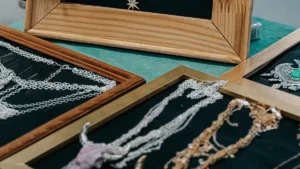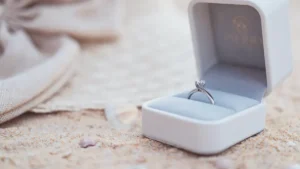
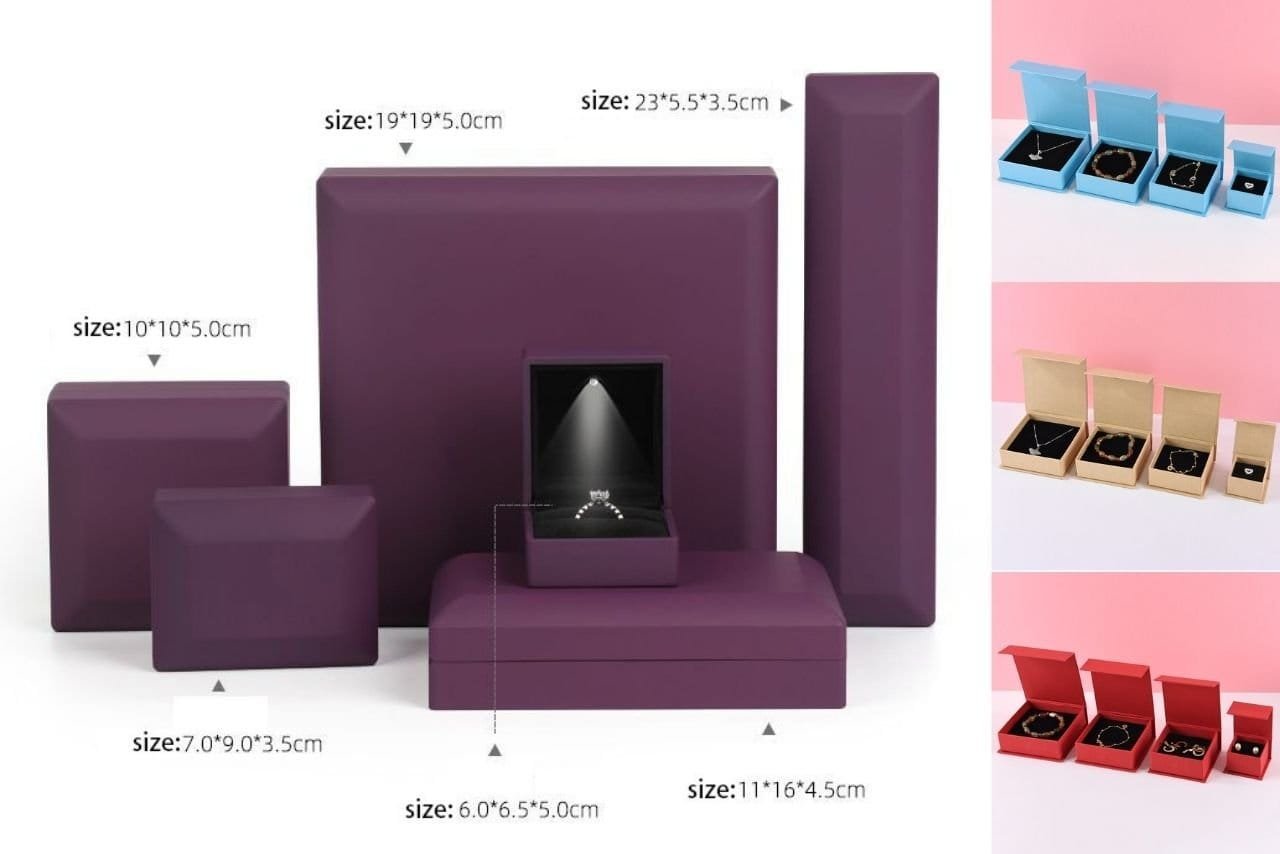
Vegan and sustainable leather jewelry boxes represent a high-performance alternative to traditional bovine hides, utilizing bio-based polymers and recycled synthetics to reduce environmental impact without compromising structural protection. Unlike first-generation PVC plastics, modern sustainable leathers are primarily composed of water-based Polyurethane (PU), recycled microfiber, or plant-derived materials like pineapple (Pi?atex) and apple skin. For a professional Jewelry Box manufacturer, the transition to vegan substrates is driven by a demand for solvent-free production and higher resistance to UV-induced cracking. In the global jewelry packaging sector, these materials offer a consistent surface tension that is ideal for high-precision foil stamping and logo embossing, while providing an chemically inert interior that prevents the premature tarnishing of high-purity gold and silver ornaments.
Sustainable Material Analysis
Material Tiers: From Recycled Microfiber to Plant-Based Hides
The commercial value of a sustainable Jewelry Box is dictated by its substrate composition. High-end vegan options avoid PVC (Polyvinyl Chloride) due to its chlorine content and inability to biodegrade. Instead, a leading Jewelry Box Factory will utilize RPET (Recycled Polyethylene Terephthalate) linings and bio-synthetic surfaces.
Plant-based alternatives, such as Cactus Leather (Desserto), are particularly favored in the luxury market because they offer a tactile experience nearly identical to Nappa leather while requiring significantly less water during growth. These materials are naturally breathable and antimicrobial, reducing the risk of mold accumulation in humid retail environments.
Structural Stability: Tension and Tear Resistance
Technical durability in vegan jewelry packaging is measured by its tensile strength. Unlike animal skin, which has an irregular grain structure, engineered vegan leather provides uniform thickness across the entire roll. This allows for superior edge-wrapping (hemming), ensuring that corners do not peel or fray under repetitive use.
[Image showing the layered structure of vegan leather with a recycled textile backing]In industrial stress tests, premium water-based PU leathers demonstrate high abrasion resistance (Martindale cycles), often exceeding 50,000 rubs. This ensures that the aesthetic of the box remains pristine even after heavy handling in a B2B showroom or during international travel.
| Feature | Plant-Based Leather | Genuine Leather | Environmental Impact |
|---|---|---|---|
| Carbon Footprint | Low (-60% vs. bovine) | High | Significant CO2 reduction |
| Chemical Usage | Solvent-free / Water-based | High (Chrome tanning) | Eliminates heavy metal runoff |
| Water Resistance | High (Hydrophobic) | Low (Requires sealing) | Protects inner wood frame |
Eco-Manufacturing: DMF-Free and Water-Based Processing
The “green” credentials of a jewelry box are often found in the processing chemicals. Sustainable manufacturers prioritize DMF-free (Dimethylformamide) production. Dimethylformamide is a solvent used in traditional PU manufacturing that is hazardous to workers and the environment. By opting for water-based dispersion technology, the resulting material is free from harmful VOCs (Volatile Organic Compounds), which is critical for protecting the chemical integrity of delicate pearls and silver.
Product Life Cycle: Sustainability Index
*Score based on biodegradability, recycled content, and energy-efficient manufacturing.
Sustainable Sourcing & Durability FAQ
Q1: Is vegan leather more durable than real leather for jewelry boxes?
A: In terms of stain and water resistance, premium vegan leather often outperforms genuine hide. However, it does not develop a “patina” and may eventually delaminate if subjected to extreme heat. For a travel-centric Jewelry Box, vegan leather is often the more practical choice due to its hydrophobicity.
Q2: What should I look for to ensure a box is truly sustainable?
A: Check for GRS (Global Recycled Standard) or OEKO-TEX certifications. These verify that the material is free from hazardous chemicals and that any synthetic fibers were sourced from post-consumer waste like plastic bottles.
Q3: Does “vegan” mean it will biodegrade?
A: Not necessarily. While plant-based leathers (like mushroom or pineapple) have biodegradable components, the binders are often synthetic. For maximum eco-benefit, look for circular design where components can be separated for recycling.
Q4: Can a Jewelry Box manufacturer customize vegan boxes with foil logos?
A: Yes. Because vegan leather has a perfectly uniform surface, it is actually easier to stamp than real leather. It provides a higher yield in manufacturing with fewer defects, making it cost-effective for large B2B corporate gifting orders.
Q5: How do I clean a sustainable leather box?
A: Most vegan leathers only require a wipe with a damp cloth and mild soap. Avoid heavy oils or waxes used for genuine leather, as they cannot penetrate the synthetic surface and will leave a sticky residue.
Q6: Why is the price of vegan boxes sometimes higher than leather?
A: This is due to the R&D and scaling costs of innovative materials like Pi?atex or Mycelium. As these sustainable materials become more mainstream in Jewelry Box Factory production, prices are expected to stabilize.
Q7: Does vegan leather smell like plastic?
A: Cheap PVC will have a chemical odor, but high-end water-based PU and plant-based leathers are virtually odorless or have a neutral, earthy scent, enhancing the luxury “unboxing” experience.
Article References & Industry Data:
- Environmental Impact of Tanning vs. Synthetic Alternatives – The New York Times Science
- Mechanical Performance of Water-Based PU in Packaging – Business Insider Retail Insights
- Sustainability Standards and GRS Certifications – Home Depot Professional Guide
- The Evolution of Eco-Friendly Luxury Storage – WOLF 1834 Technical Blog