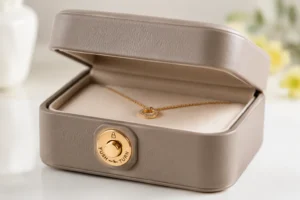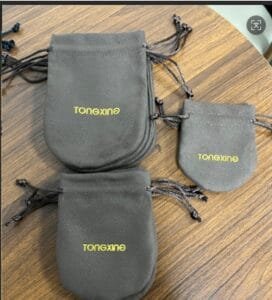
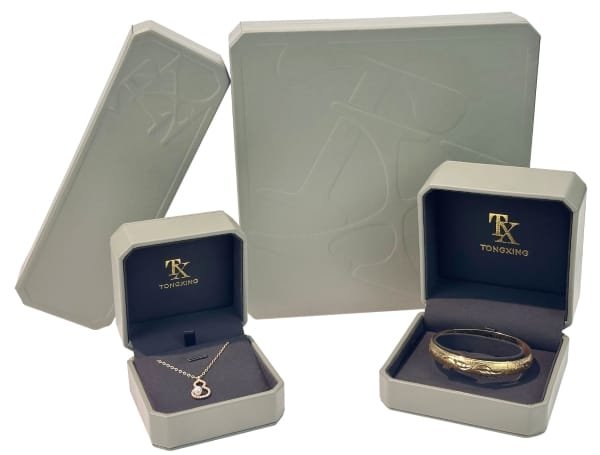
The most important factor when buying a gold jewelry box is gold purity, measured in karats, with proper hallmark certification. The gold quality of the box is as important as the jewelry inside, because both provide lasting value and protection. A good gold jewelry box balances authenticity, craftsmanship, size, lining, security, and budget, whether used for storage, gift-giving, or display. Quality-focused brands like Tongxing Packaging set a standard for finish and protection that buyers can trust.
النقاط الرئيسية
14K gold jewelry boxes provide the best durability and value for everyday use.
A clear karat stamp or certificate shows the box is made of real gold.
Strong hinges and a tight clasp help the box last for many years.
Soft cotton or velvet lining keeps jewelry safe from scratches and harm.
Gold Jewelry Box Quality and Hallmarks
Gold purity decides both the value and the real performance of a gold jewelry box. Buyers should learn about karat ratings before they compare prices or designs.
Karat Options Explained
The karat mark shows a shopper how much pure gold is in an alloy. Pure gold is soft, so makers mix it with other metals to make it stronger. This mix creates different karat levels, and each level acts differently in daily use.
A 24K gold jewelry box has 99.9% pure gold. That near-total purity sounds great, but 24K gold is the softest choice. It dents and scratches easily, so it is a poor pick for a box that opens and closes a lot. An 18K box holds 75% gold and 25% alloy. This blend gives a good middle ground between richness and strength. A 14K box has 58.3% gold and 41.7% alloy, which makes it the most durable of the three for a box you use.
Hardness testing backs up this pattern. The Vickers hardness scale measures how well a metal resists scratching:
Gold Karat | Vickers Hardness (HV) |
|---|---|
24K | 25–30 |
18K | 125–165 |
14K | 140–200 |
A 14K box stands up to wear far better than a 24K one. Shoppers who plan to handle the box every day should pick 14K or 18K for lasting performance.
Verifying Stamps and Certifications
A real gold box has a hallmark, stamp, or certificate that states its karat. Buyers should look for a small mark inside the lid, on the base, or along the rim. Common stamps include “24K,” “18K,” “14K,” or a number like “750” for 18K gold. A certificate from a trusted assay office adds another layer of trust.
Plated and gold-tone boxes are a real risk. These items have a thin gold coating over a base metal. They may look just like solid gold at first glance, but they wear through fast and hold little resale value. A stamp that reads “gold plated,” “GP,” “gold filled,” or “HGE” signals a non-solid product. Shoppers should ask the seller directly about the construction if no hallmark shows up.
Storage conditions also affect gold. Exposure to air, moisture, and sunlight can tarnish gold jewelry over time. A proper storage box limits that exposure and keeps pieces safe between wears. Tongxing Packaging Co., Ltd. uses high-quality materials and offers customizable logos, which helps brands reinforce their identity while giving customers a reliable home for their jewelry. You can explore their jewelry box collection at Tongxing Packaging jewelry boxes.
Craftsmanship and Durability
Craftsmanship decides how long a Gold Jewelry Box will last. Before buying, check a few key areas. A well-made box keeps valuable pieces safe for many years.
Checking Hinges and Clasps
Hinges join the lid to the base. A good hinge moves smoothly without sticking or grinding. During inspection, open and close the box a few times. The lid must line up with the base at every angle. A loose hinge lets the lid droop over time. A tight hinge makes opening hard and puts stress on the metal. A little oil helps hinges run smoothly, but a box that needs fixing on day one is a sign of poor quality.
Clasps keep the box shut when closed. A good clasp snaps shut with a clean sound. It should not catch on skin or fabric. Magnetic clasps give smooth action and a strong hold. Traditional mechanical clasps need to line up right to work. Buyers should test the clasp several times. A weak clasp pops open while you handle it. A stiff clasp damages the lid each time you use it. The clasp should feel solid and work the same way every time.
Tongxing Packaging makes magnet flip-top boxes with sponge liners. These boxes open easily and close tightly. The magnet holds the lid in place without much force. The sponge liner protects jewelry from movement and impact.
Spotting Weak Construction
Weak construction shows up in small details. Buyers should look at the box under bright light from different angles. Tiny scuffs, uneven edges, or rough spots mean poor finish work. Quality boxes have smooth surfaces and even gaps between parts. A rough edge snags fabric or scratches jewelry.
A clearance test stops jewelry damage. Buyers should put a piece inside and close the lid slowly. The lid should not press on the contents. Any pressure bends delicate chains or scratches polished surfaces. A well-built box lets jewelry rest freely. This simple test shows a common flaw in cheap boxes.
Tongxing Packaging makes elegant drawer boxes with hot stamping. The stamping creates a clean finish that does not wear off. The drawer slides out fully and holds weight well. These details set a sturdy box apart from a fragile one.
Choosing the Right Gold Jewelry Box Size
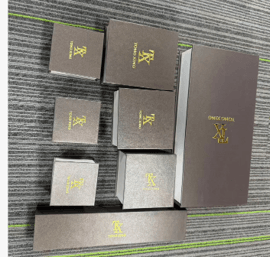
Size decides whether a box protects a collection or wastes space. Buyers should measure their collection before they shop.
Matching Box to Collection
A smart shopper counts every piece first. They count ring slots, bracelet drawers, and necklace hooks. Then they picture where each item will rest. A box with too few slots forces pieces to stack. Stacking scratches gold and tangles chains. A box with too many empty slots takes up dresser space and adds cost.
The right box grows with a collection. Buyers should leave a little room for future pieces. They should also check the depth. A deep drawer holds chunky bangles. A shallow tray suits delicate chains. Matching the box to the collection prevents damage and keeps everything visible.
Compartments and Lining
Separate compartments keep pieces apart. A ring slot stops two bands from rubbing together. A divided tray keeps earrings from scratching a pendant. This organization saves time each morning and protects fragile items.
Lining material matters just as much. Soft cotton lining prevents scratches on gold and diamonds. Velvet offers a plush feel and holds pieces in place. Cotton suits daily use because it breathes well. Velvet suits display because it looks rich. Both materials cushion jewelry during handling.
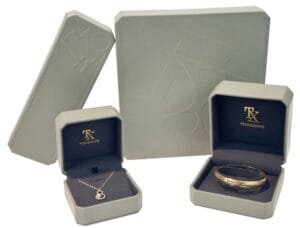
Tongxing Packaging offers velvet, paper, and biodegradable options. Their pastel mint green and fine blue boxes with foam ribbons and bows add charm. These choices give buyers a Gold Jewelry Box that fits both storage needs and personal style.
Security Features That Matter
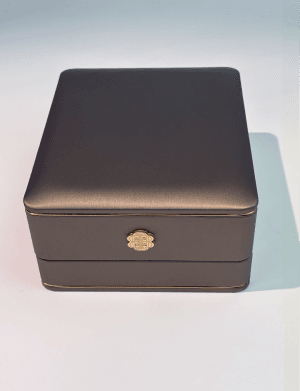
A jewelry box keeps more than just metal safe. It protects special items and valuable things. Good security helps stop theft and prevents losing items during daily use.
Lock and Closure Strength
A strong lock keeps the box shut when you need it. Buyers should pick a lock that works smoothly without sticking. The lock should click into place and not wobble. A weak lock pops open if you bump the box. A stiff lock can harm the lid over time. Buyers should test the lock a few times to see if it works well. A lock that catches or grinds will break sooner with regular use.
The hinge strength also matters a lot. The hinge connects the lid to the bottom. A strong hinge keeps the lid straight at every angle. A weak hinge lets the lid droop after a few months. Buyers should open and close the box several times while looking at it. The lid should line up perfectly each time. Any misalignment shows poor build quality that will only get worse.
Traditional key locks offer solid security. The buyer should check that the key turns easily. Combination locks remove the risk of losing a key. Magnetic locks give smooth action and a neat exterior. Each type works well if made with good materials. The choice depends on how the owner plans to use the box and how often they open it.
Hidden Security Design
A lock that is hidden in the design keeps thieves from spotting it. Some Gold Jewelry Box models put the lock on the side so it looks like a regular mirror. This disguise makes the box seem like an ordinary decoration. A casual person never thinks to check for a hidden lock. Thieves look for easy targets, not furniture that fits in with the room.
Buyers should check the box from every angle before they buy. A well-made hidden lock sits flush with the surface. It has no visible seam or gap. The release is out of sight but easy for the owner to reach. This balance between hiding and access makes the design work well for daily use.
Tongxing Packaging offers slide-out drawer boxes with a modern security approach. The drawer glides out smoothly but stays firmly shut when closed. Their LED light boxes combine display with protection. The lighting adds visibility while the sturdy build keeps items safe. These options give buyers security without losing style.
Balancing Budget and Long-Term Value
Smart buyers weigh what they pay against what they get. A gold box costs more when the karat is higher, the craftsmanship is finer, and the lining is richer. Current market prices show this gap clearly:
Karat | Purity (%) | Price per Gram (USD) |
|---|---|---|
24K | 100.00 | $141.79 |
22K | 91.67 | $129.98 |
18K | 75.00 | $106.34 |
14K | 58.33 | $82.71 |
12K | 50.00 | $70.90 |
10K | 41.67 | $59.08 |
A 14K box costs far less per gram than an 18K one, yet it holds up better to daily handling. Buyers should pay for durability and honest materials, not for a thin gold coating that wears away. Gold-tone boxes often carry solid-gold prices, and that is a poor deal.
Price-to-Value Trade-Offs
The scrap value of any gold item follows a simple rule:
Scrap Gold Value = Weight × Gold Purity × Current Gold Price per Gram
This formula explains why two boxes of the same weight can differ so much in worth. An 18K box holds 75% pure gold, while a 14K box holds 58.3%. The 18K piece carries more intrinsic value at the same weight. Buyers who plan to resell should favor higher karats. Buyers who want a sturdy daily box can save money with 14K and lose little in real protection.
Sustainable and Vintage Options
Eco-minded shoppers can buy used or vintage gold boxes. These pieces already exist, so they add no new demand for mining. Many vintage boxes feature solid construction that outlasts modern budget models.
Tongxing Packaging supports value-focused buyers with fast quotes, expert guidance, quick sampling, and reliable lead times. The company also offers biodegradable jewelry boxes with transparent PE film and FSC-proved cardboard boxes. These options let a buyer protect a Gold Jewelry Box collection without harming the planet.
A smart purchase comes down to six factors: gold purity and hallmarks, craftsmanship, size and compartments, lining material, security features, and budget. Before buying, check these points:
Does the box carry a clear karat stamp or certificate?
Do hinges and clasps move smoothly?
Does each piece have its own slot or drawer?
Does the lining feel soft and scratch-free?
Does the lock hold tight?
Does the price match the karat and build quality?
A well-chosen Gold Jewelry Box protects jewelry and the money spent on it. Compare quality-focused brands like Tongxing Packaging before deciding.
الأسئلة الشائعة
Which gold karat works best for a jewelry box?
A 14K box offers the best durability for daily handling. It contains 58.3% gold and rates 140–200 on the Vickers hardness scale. A 24K box is softer and scratches easily. An 18K box balances richness and strength for occasional use.
How can a shopper confirm a box is real gold?
Look for a hallmark or stamp inside the lid, on the base, or along the rim. Common marks include “18K,” “14K,” or “750.” A certificate from a trusted assay office adds trust. Avoid stamps that read “GP,” “HGE,” or “gold plated.”
What lining material protects gold jewelry best?
Soft cotton lining prevents scratches on gold and diamonds. Velvet offers a plush feel and holds pieces in place. Cotton suits daily use because it breathes well. Velvet suits display because it looks rich. Both materials cushion a Gold Jewelry Box during handling.
Does a higher price always mean better quality?
No. A 14K box costs less per gram than an 18K one, yet it holds up better to daily wear. Buyers should pay for honest materials and solid construction, not for a thin gold coating that wears away quickly.