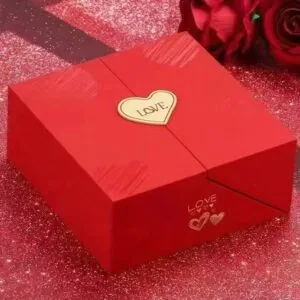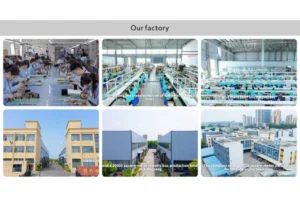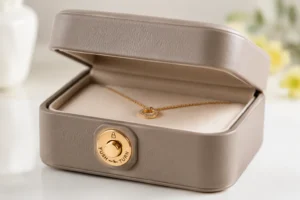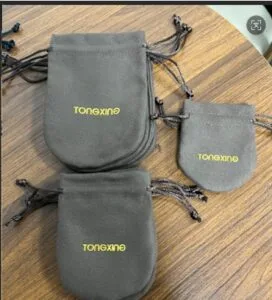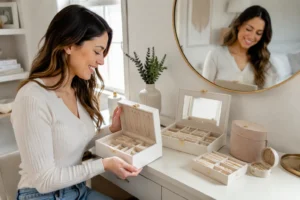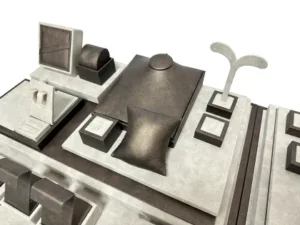
A jewelry brand’s reputation often depends on the box it uses for shipping. Bad packaging can break products, upset customers, and ruin trust built over years. Choosing a Jewelry Organizer Manufacturer affects much more than just the price per item. It changes how customers see the brand, how safely items arrive, and how special the unboxing feels.
This guide is a helpful tool for B2B buyers going through the review process. It helps readers avoid expensive errors and find a partner that can support long-term growth. By knowing what is most important in a manufacturing partnership, brands can make choices that keep their products and reputation safe.
النقاط الرئيسية
Decide on product details, target prices, and order amounts before contacting suppliers to avoid costly mistakes.
Check a maker’s focus and test quality at key steps, like how well the lid fits and how strong the glue is.
Understand how deep the customization goes and what tooling costs are; always ask for physical samples and a signed approval sheet.
Work with manufacturers that handle everything from start to finish. This builds strong, lasting partnerships. You get steady quality and faster delivery times.
Avoid cheap quotes that hide flaws; work with a strategic partner to protect your brand and growth.
Assess Your Product and Business Needs First
Before contacting any supplier, a brand must build a complete product brief. This document serves as the foundation for every conversation with potential partners. The brief should specify the organizer type, whether that means travel rolls, countertop displays, or drawer inserts. It must also state material preferences such as velvet, leatherette, acrylic, or wood. Exact dimensions matter too, since even small measurement errors can create costly production delays.
The brief should also include target pricing based on a realistic landed cost model. Landed cost includes manufacturing, packaging, shipping, and customs duties. Many buyers make the mistake of comparing only factory quotes without accounting for these additional expenses. A velvet pouch might cost $1.50–$6.00 per unit at the factory, while a leather-wrapped rigid box runs $8.00–$25.00 or more. Those numbers shift significantly once freight and duties enter the equation. The final product price must align with the brand’s retail margin targets. Fine jewelry businesses typically operate with profit margins between 25% and 75%, while a healthy gross margin for e-commerce sits around 40% to 60%. Knowing these figures helps a buyer determine what manufacturing costs remain feasible.
Define Product Specs and Target Pricing
A detailed specification sheet prevents misunderstandings later. The sheet should list every component, from the outer material to the interior insert. It should also note finishing details like logo placement, edge stitching, or embossing. Brands should request material samples before committing to a full production run. Touching the velvet or testing the weight of an acrylic display reveals quality differences that photos cannot show.
Calculate Order Volumes and Growth Plans
Forecasting realistic order quantities requires honest assessment of current sales data and marketing projections. A brand selling 500 units monthly might start with an initial order of 1,000 to 2,000 pieces. Annual volume projections help manufacturers offer better pricing structures. Most suppliers reduce per-unit costs as order quantities rise, so understanding the relationship between volume and pricing becomes essential.
Finding a Jewelry Organizer Manufacturer who accepts small test orders matters greatly for new or growing brands. A test order of 100 to 300 pieces allows a brand to evaluate quality without committing to large inventory. The right partner will accommodate these smaller runs while demonstrating capacity to scale production as the business expands. This flexibility protects cash flow during early stages and builds confidence for larger commitments later.
Vet a Jewelry Organizer Manufacturer’s Capabilities
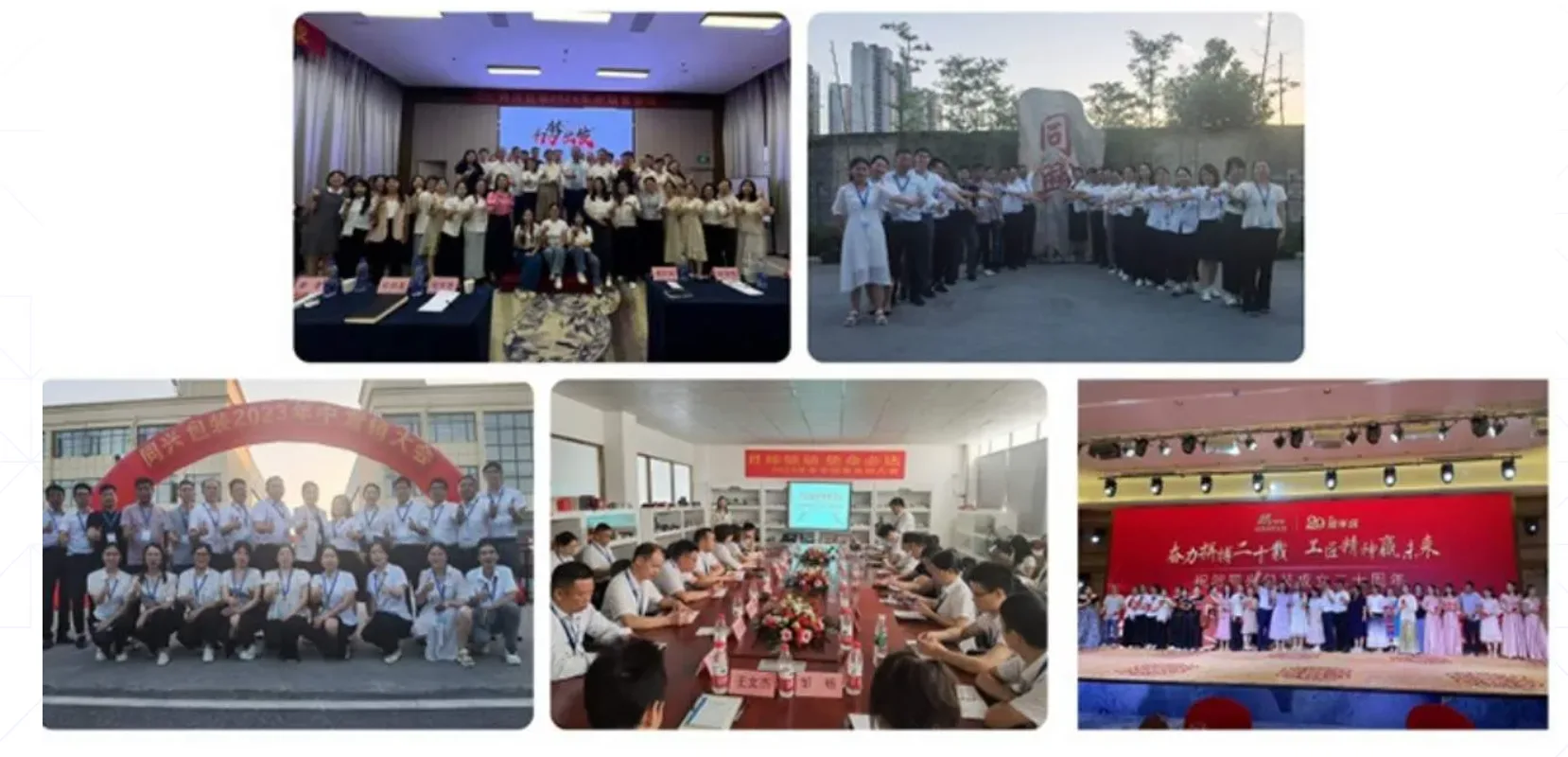
Not every manufacturer brings the same skills to the table. Some focus on rigid boxes with precise corners and lining. Others excel at soft pouches and travel rolls that require sewing and flexible assembly. A brand must confirm a manufacturer’s area of strength before committing. This step prevents mismatches that waste time and money.
Verify Material Sourcing and Specialization
A true specialist knows their materials inside out. Buyers should ask directly: “Do you primarily work with rigid boxes or soft goods?” The answer reveals the manufacturer’s core machinery and workforce. A rigid box specialist may struggle with velvet pouches that need stitching and lining. A soft goods specialist may lack the precise die-cutting equipment that rigid organizers require.
Supply chain transparency matters just as much. Ask where the manufacturer sources raw materials. Do they have long-term contracts with velvet mills or leather tanneries? Stable supply chains mean consistent quality and fewer delays. A manufacturer who imports wood from one country and fabric from another may face longer lead times and unpredictable costs.
Request a physical material library or sample kit. Touching the material reveals texture, weight, and flexibility. Bending a sample shows stiffness. Rubbing a swatch checks for pilling or color transfer. A manufacturer who refuses to send samples may hide low-quality materials. A reputable partner sends a kit promptly with clear labeling. This hands-on test gives buyers confidence before placing an order.
Scrutinize Quality Control and Certifications
Quality control ensures every organizer meets the brand’s standards. Buyers must inspect specific checkpoints during production:
Lid fit: The lid closes smoothly without gaps or tight spots.
Drawer movement: Drawers slide evenly without sticking or wobbling.
Glue strength: Joints hold firm under normal use. No peeling or separation.
Edge finishing: Cut edges feel smooth, not rough or sharp.
Logo placement: Logos align correctly and stay centered every time.
Surface scratches: No visible marks on exterior or interior surfaces.
Color consistency: Color matches the approved sample across all units.
Insert fit: Inserts hold jewelry securely without forcing or shifting.
These checkpoints prevent defects that harm brand reputation. A manufacturer must show a documented quality control process. Ask for their inspection checklist. Good manufacturers share it willingly.
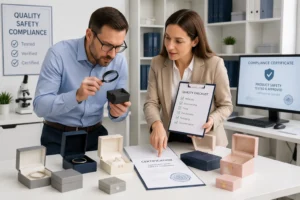
Certifications validate the manufacturer’s claims. Quality management certifications show the factory follows consistent practices. Compliance with international safety standards ensures materials meet regulatory requirements. These certifications matter for brands selling in regulated markets.
Do not rely solely on a manufacturer’s promises. Request copies of their certifications. Verify them against official registries when possible.
A Jewelry Organizer Manufacturer with relevant certifications signals commitment to safety and consistency. This reduces risk for the brand and builds trust.
By thoroughly vetting capabilities, a brand avoids partners who cannot deliver. The next step involves testing samples and understanding customization processes.
Navigate Sampling and Customization Processes

Customization works at different levels. Some brands just need a printed logo on a normal organizer. Others want completely new shapes with special sections and closures. Knowing this difference helps avoid budget surprises later.
Understand Customization Depth and Tooling Costs
Simple logo printing requires little setup. A manufacturer adds a brand mark to a current organizer design. This uses standard tools and needs only small extra investment. Lead times stay short. Costs stay easy to predict.
Structural customization changes everything. A brand may ask for a drawer insert with exact sizes for rings, necklaces, and bracelets. This needs custom molds or die-cuts. These tools shape materials to match the brand’s specs. Making these tools adds Non-Recurring Engineering (NRE) costs. NRE covers design work, tool building, and testing before production starts.
Buyers should ask for a clear breakdown of these costs. This breakdown must list tooling fees separate from per-unit prices. It should also say if the brand owns the tools after production. Some makers keep ownership, which ties the brand to them. Others give tool ownership to the client, so they can switch partners later.
Lead time for new tooling varies a lot. Simple die-cuts may take a few weeks. Complex molds for acrylic displays could need months. A good Jewelry Organizer Manufacturer gives real timelines during the quote stage. They also explain how tooling costs drop per unit when order sizes grow. A mold spread over a larger quantity reduces the per-unit cost.
Master the Pre-Production Sample Approval
Sampling follows a clear timeline from first design to final okay. The process usually goes through several steps:
Design and quoting: 3–5 business days
Sampling (making a prototype): 1–2 weeks
Sample lead time for simple designs: 7–10 days
Sample lead time for complex designs: 10–15 days
Final okay happens after checking and accepting the sample, which starts full production
A photo of a sample is never enough for approval. Photos hide material feel, weight, and flaws. They cannot show if a hinge feels strong or a clasp closes smoothly. Buyers must ask for a real golden sample. This sample shows the exact standard for full production. Every later unit should match its quality and look.
Testing with real jewelry matters a lot. Put actual pieces inside the organizer. Check that rings fit snugly in their slots. Make sure necklaces lie flat without tangling. Test earrings for a secure spot. This hands-on check finds problems that looking alone misses.
Material acidity is a hidden risk. Some foams and fabrics contain acids that ruin silver and gold over time. A simple test is to put a polished silver piece in the organizer for a few days. Any color change means a problem. The maker should provide material specs that show safe, non-reactive parts.
Durability testing also needs physical handling. Open and close the organizer many times. Pull drawers in and out. Press on glued joints. These actions copy real customer use and show weak build.
A detailed Sample Approval Sheet stops costly mistakes. This sheet records every detail: size, materials, colors, logo placement, and finishing notes. Both sides sign it before production starts. The sheet becomes the reference for quality checks during making. It stops spec drift, where tiny unapproved changes build up over runs.
Buyers should take photos of the golden sample from many angles. These images help the written approval sheet. They give visual guides for factory inspectors and quality control teams. Together, the physical sample, approval sheet, and photos create a full standard that protects the brand’s interests throughout mass production.
Build a Long-Term Partnership with Your Jewelry Organizer Manufacturer
Assess Production Capacity and Lead Times
A manufacturer’s current capacity shows if they can handle a brand’s order size. Buyers should ask about monthly output and how many active clients compete for production slots. A factory running at full capacity may push new orders to the back of the line. Peak seasons, especially before major holidays, strain every packaging supplier. A reliable partner explains their surge strategy clearly. They might add shifts, open secondary lines, or reserve capacity for long-term clients.
A clear production timeline, often called turnaround time or TAT, protects both sides. This schedule must include every stage: material procurement, production, quality assurance, and final packing. A typical rigid box order might need several weeks from approval to shipment. Soft goods like pouches often move faster. Buyers should request a written timeline before signing any agreement.
Communication policies matter just as much as speed. Ask how the manufacturer reports progress. Do they send weekly updates with photos? Do they flag delays early or wait until the last moment? A partner who communicates problems honestly allows the brand to adjust marketing plans or notify retailers in advance. Silence during production creates risk. A good Jewelry Organizer Manufacturer treats delays as shared problems, not surprises.
Evaluate the Benefits of an Integrated Supply Partner
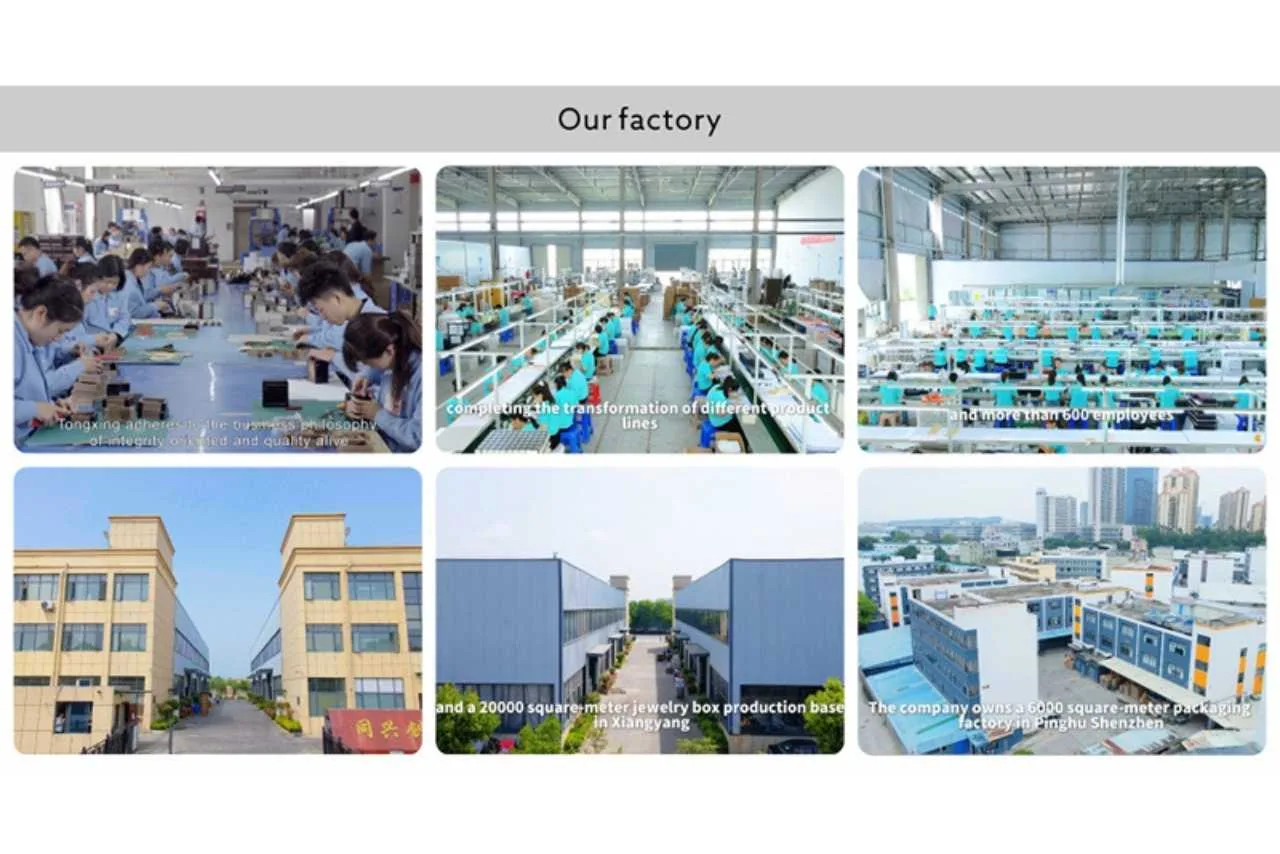
An integrated supply partner controls every step from material cutting to final assembly. Brands avoid the chaos of coordinating separate suppliers for boxes, inserts, and shipping cartons. A single partner manages external shipping cartons alongside the organizers, ensuring the outer packaging protects the inner product during transit. This creates a cohesive brand experience from warehouse to customer doorstep. Brands save time by working with one team instead of juggling multiple vendors.
Customization capabilities extend from simple logo printing to complete structural design, with in-house engineers helping refine concepts before production begins. This partnership model reduces miscommunication and shortens overall lead times. For brands seeking steady growth, an integrated Jewelry Organizer Manufacturer becomes a strategic ally rather than just another supplier.
A successful buyer’s journey begins with a thorough internal assessment. It progresses through careful manufacturer vetting and ends with a trusted long-term partnership. A cheap quote often hides expensive problems later. Material failures, production delays, and quality defects cost far more than a higher upfront price would have. Brands must view a Jewelry Organizer Manufacturer as a strategic partner, not just a vendor or supplier. This mindset builds long-term success through shared goals and consistent quality standards.
Apply these vetting criteria to every new project. Begin conversations with potential partners armed with a detailed brief, clear specifications, and the right questions. A well-prepared buyer attracts better proposals and stronger commitments. The right partner protects a brand’s products, reputation, and growth for years to come.
الأسئلة الشائعة
What is the typical minimum order quantity for custom jewelry organizers?
Most manufacturers set minimum order quantities based on design complexity. Standard designs often have lower MOQs than custom structural changes. Brands should ask upfront about MOQ flexibility. Many suppliers accept smaller trial orders at higher per-unit prices. This approach lets brands test quality before committing to larger volumes.
How much does custom tooling cost for jewelry organizers?
Tooling costs vary widely based on complexity. Simple die-cuts are less expensive than complex molds. Manufacturers spread these Non-Recurring Engineering costs across the order quantity. A lower per-unit cost results from larger order sizes.
What certifications should a jewelry organizer manufacturer hold?
Quality management and safety certifications confirm consistent production and material safety. Buyers should request copies of relevant certificates and verify them against official registries. These credentials protect brands selling in regulated markets.
How long does production take after sample approval?
Production timelines vary by product type and order quantity. Buyers should request written schedules before signing agreements. Peak seasons may extend timelines, so planning ahead matters.
What are the benefits of working with an integrated jewelry packaging manufacturer?
An integrated partner controls every step from design to delivery, including custom boxes, displays, bags, and inserts. This streamlines communication, ensures consistent quality, and reduces lead times. Brands save time by working with one team instead of coordinating multiple suppliers.