The evolution of ring slots marks a significant transformation in jewelry. Modern wedding rings often showcase advanced slot designs, which differ greatly from traditional forms. These changes influence wedding ceremonies, as couples seek unique symbols for their commitments. A jewelry packaging manufacturer now includes custom jewelry boxes, Jewelry Display, and Jewelry Pouch options to enhance presentation. The evolution impacts both the aesthetic and functional aspects of wedding jewelry. Jewelry packaging elevates the experience, making every wedding moment memorable and meaningful.
Traditional Ring Slots in Jewelry
Defining Features of Early Ring Slots
Classic Shapes and Structures
Early ring slots in jewelry displayed simple yet elegant shapes. Artisans favored circles, ovals, and geometric motifs. These shapes reflected both aesthetic preferences and practical needs. The circular shape became the most iconic, especially in wedding jewelry, symbolizing eternity and unity. Craftsmen often used symmetrical motifs to enhance the visual harmony of each piece. The evolution of ring slots began with these foundational shapes, setting the stage for future innovation.
Common Materials Used in Traditional Jewelry
Traditional ring slots relied on materials that balanced beauty and durability. Gold, silver, and platinum dominated the selection for wedding rings. Artisans also incorporated base metals and semi-precious gems, especially during the Arts and Crafts movement. This period saw jewelers like Charles Robert Ashbee prioritize creative expression over material value. They often chose materials with little intrinsic worth, allowing for unique motifs and shapes. The use of natural gems, such as sapphires and rubies, added color and meaning to wedding motifs.
Design Philosophies in Traditional Jewelry
Emphasis on Craftsmanship
Craftsmanship stood at the heart of traditional jewelry design. The Arts and Crafts movement, active from 1860 to 1920, championed individual artistry and meticulous handwork. Jewelers rejected mass production, focusing instead on handmade quality. They believed that each wedding ring should reflect the maker’s skill and the wearer’s story. Art jewelers experimented with alternative materials, such as aluminum and acrylics, challenging the idea that only precious gems and metals could create meaningful motifs.
Note: The Guild and School of Handicraft, led by Charles Robert Ashbee, produced early arts and crafts jewelry that highlighted the importance of craftsmanship and creative motifs.
Symbolism and Cultural Influences in Wedding Rings
Wedding rings carry deep symbolism across cultures. In ancient Egypt, the circular shape represented eternal love and loyalty. Japanese couples often choose minimalist platinum bands, reflecting purity and humility. In China, traditional betrothal jewelry remains significant, blending old motifs with modern shapes. Latin American traditions involve moving the engagement ring from the right to the left hand, marking a lifelong commitment. Western countries typically wear wedding rings on the left hand, following Roman customs. Eastern European and Asian cultures sometimes prefer the right hand, symbolizing solemn vows. In India, toe rings serve as a marital symbol, while urban couples may exchange diamond rings. These diverse practices show how motifs and shapes in wedding jewelry adapt to local beliefs.
Functionality and Limitations of Traditional Designs
Durability and Wearability
Traditional ring slots offered durability but faced limitations. Gold and platinum provided strength, yet intricate motifs sometimes made rings prone to wear. Artisans balanced aesthetics with comfort, ensuring that wedding rings could withstand daily use. The choice of gems also affected durability, as softer stones required protective settings.
Stone Setting Techniques in Early Jewelry
Early stone setting techniques shaped the look and function of wedding rings. Jewelers used bezel, prong, and channel settings to secure gems. Each method influenced the final appearance and wearability of the ring. Motifs often dictated the arrangement of gems, with symmetrical shapes enhancing the overall design. While traditional techniques prioritized security, they sometimes limited the complexity of motifs and the variety of shapes that could be achieved.
Transition Periods in the Evolution of Ring Slots
Technological Advancements in Jewelry Making
Introduction of New Tools and Methods
Jewelers began to adopt new tools during the late 19th century. They used rolling mills, lathes, and improved soldering techniques. These innovations allowed for more precise work on wedding and engagement rings. Jewelers could now create intricate patterns and consistent ring slots. The introduction of electric-powered tools increased production speed. This period marked a shift from purely hand-crafted wedding jewelry to pieces that combined artistry with technology.
Early Mechanization in Ring Slot Production
Mechanization changed the way jewelers produced wedding and engagement rings. Factories started to use stamping and casting machines. These machines made it possible to replicate popular wedding ring designs quickly. Jewelers could offer a wider range of engagement ring styles. Mechanization also improved the durability of ring slots. Couples found more affordable options for both wedding and engagement jewelry.
Cultural and Social Shifts Impacting Wedding Jewelry
Changing Fashion Trends in Engagement and Wedding Rings
The 19th and 20th centuries brought dramatic changes to wedding and engagement jewelry. Social and cultural movements influenced design trends. The table below highlights key influences:
| Influence | Description |
|---|---|
| Romanticism | Began influencing jewelry trends in 1839, leading to a demand for extravagant designs. |
| Queen Victoria | Set trends through personal choices and gifting traditions, popularizing the corbeille wedding tradition. |
| Women’s Roles | As women gained social standing, jewelry became bolder and more colorful, reflecting their changing roles. |
| 20th Century Diamonds | Marketing campaigns established diamonds as essential for engagements, changing the perception of wedding rings. |
These shifts led to new expectations for wedding and engagement rings. Diamonds became the standard for engagement jewelry. Women expressed individuality through bold wedding ring choices.
Influence of Art Movements on Ring Slot Design
Art movements shaped the evolution of ring slots in wedding and engagement jewelry. Art Nouveau introduced flowing lines and nature-inspired motifs. Art Deco brought geometric shapes and symmetry to wedding and engagement rings. Modernism encouraged minimalism and experimentation. Each movement left a mark on wedding and engagement ring design, pushing jewelers to innovate.
Aesthetic Evolution in Jewelry
Experimentation with Form and Function
Jewelers experimented with new forms for wedding and engagement rings. They moved beyond traditional circles and ovals. Designers played with asymmetry, negative space, and mixed materials. Engagement rings featured unique settings and unexpected combinations. This experimentation reflected the changing tastes of wedding couples.
Blending Old and New Styles in Wedding Jewelry
The evolution of ring slots included a blend of historical and modern elements. Jewelry historians note several trends:
- Georgian and Victorian elements appear in contemporary engagement rings.
- Art Deco styles have resurged in modern wedding jewelry.
- The 2020s emphasize individuality, merging historical aesthetics with personal expression.
- Modern designs use rose cut diamonds and high-karat gold from the Georgian era.
- Nature-inspired halos and cannetille-inspired filigree attract modern couples.
- Ethical sourcing practices honor historical aesthetics and reflect current values.
This blending of styles shows how the evolution of ring slots connects the past with the present. Wedding and engagement jewelry continues to adapt, reflecting both tradition and innovation.
Modern Jewelry and Ring Slot Designs
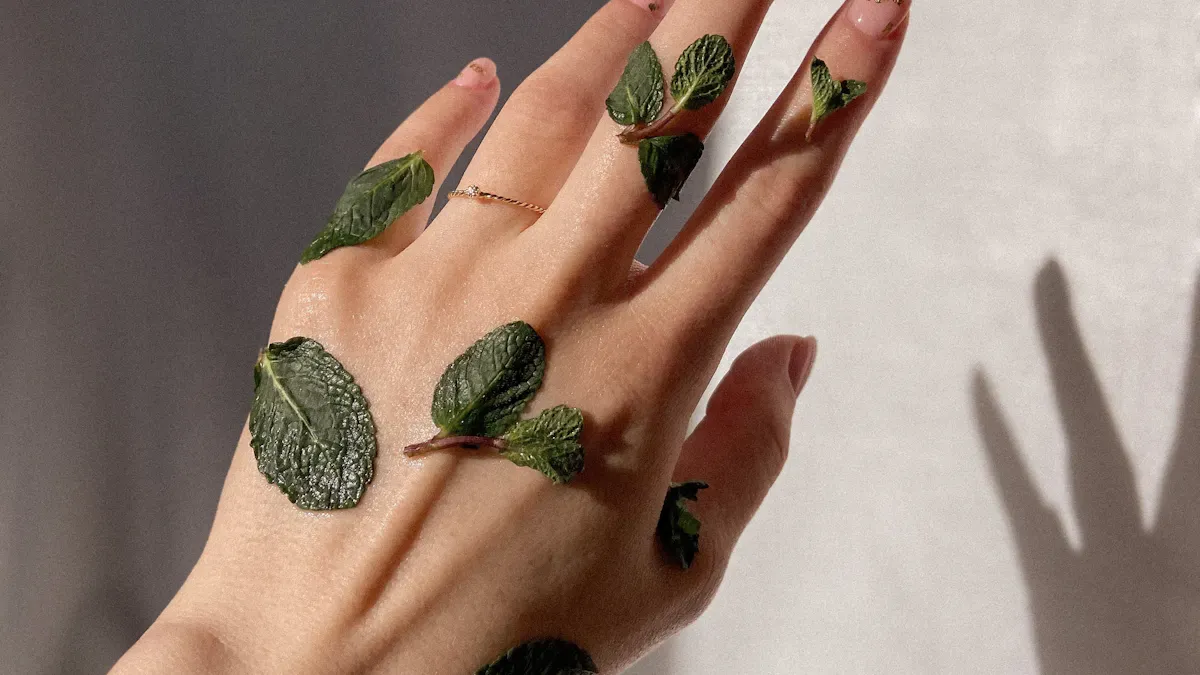
Contemporary Trends in Modern Jewelry
Minimalist and Bold Styles in Wedding Rings
Modern jewelry showcases a dynamic range of wedding ring styles. Minimalist wedding rings feature clean lines and subtle elegance. Many couples select bold wedding rings with oversized stones or sculptural forms. Designers often experiment with u-shaped designs, which create visual interest and enhance comfort. The evolution of ring slots has made these modern styles possible, allowing for both understated and statement pieces.
Recent jewelry market reports highlight several prominent trends:
| Trend Type | Description |
|---|---|
| Pinky Rings | Resurgence driven by historical significance and celebrity endorsement, focusing on personalization. |
| Gender Inclusivity | Transitioning from male-dominated to versatile fashion staple for all genders. |
| Customization | Strong demand for customizable and high-quality options. |
| Women’s Rings | Emphasis on personalization, unique designs, and digital retail experiences. |
| Fashion-forward | Growing demand for organic and geometric shapes, mixed metals, and stackable designs. |
| Classic Categories | Engagement and wedding rings maintain consistent interest. |
Customization and Personalization in Modern Jewelry
Modern couples seek custom shaped wedding rings that reflect their identities. Jewelers offer personalised rings with engraved messages, birthstones, or unique motifs. Digital platforms enable customers to visualize and adjust their wedding ring designs before production. Custom wedding rings now serve as powerful symbols of individuality and commitment.
Innovative Materials in Modern Ring Slots
Alternative Metals and Alloys in Jewelry
Modern wedding rings often feature alternative metals such as titanium, tungsten, and palladium. These materials provide strength, lightweight comfort, and hypoallergenic properties. Jewelers also experiment with new alloys to achieve unique colors and finishes. U-shaped designs benefit from these innovations, as alternative metals allow for intricate forms and enhanced durability.
Use of Non-Traditional Elements in Wedding Rings
Designers incorporate non-traditional elements like wood, ceramic, and carbon fiber into modern wedding rings. These materials add texture and visual contrast. Couples choose custom shaped wedding rings that blend precious metals with unconventional components. This approach expands the possibilities for modern jewelry, making each wedding ring truly unique.
Advanced Manufacturing Techniques in Modern Jewelry
3D Printing and CAD for Ring Slots
3D printing has transformed the production of modern wedding rings. Designers create intricate wax models for casting, enabling rapid prototyping and flexible design changes. CAD technology allows for complete visualization of ring slots from multiple angles. Jewelers can quickly adjust designs to meet customer specifications and produce small batches of unique pieces.
- 3D printing enables the creation of complex wedding ring designs with high precision.
- Rapid prototyping accelerates the design process and supports quality assurance.
- CAD modeling supports the production of personalized and custom wedding rings.
Precision Stone Setting in Modern Wedding Jewelry
Modern techniques ensure precise stone setting in wedding rings. Jewelers use advanced tools to secure stones in u-shaped designs, enhancing both beauty and durability. Precision stone setting reduces the risk of stone loss and improves the longevity of modern wedding jewelry. This advancement supports the growing demand for custom and personalised rings.
Comparative Analysis: Traditional vs. Modern Ring Slots in Jewelry
Functionality Differences in Wedding and Modern Jewelry
Comfort and Fit in Ring Slot Designs
Traditional wedding bands often featured classic shapes that prioritized symbolism over ergonomics. Jewelers crafted these bands with a focus on durability and timeless appeal. Many early designs used a straight profile, which sometimes caused discomfort during daily wear. Modern wedding bands, however, place comfort at the forefront. Designers now create curved profiles that follow the natural contour of the finger. This approach reduces pressure points and enhances wearability. The evolution of ring slots has introduced u-shaped and v-shaped bands, which provide a tailored fit for engagement rings with unique settings. Shaped wedding bands, including curved and contoured options, allow for seamless stacking and improved comfort. Couples can now select a wedding band style that matches both their aesthetic preferences and lifestyle needs.
Security of Stones in Traditional vs. Modern Jewelry
Stone security remains a critical aspect of wedding ring design. Traditional bands relied on bezel and prong settings, which offered reliable protection but limited the variety of wedding band shapes. Jewelers often set stones in straight lines, restricting creativity in style and form. Modern wedding bands benefit from advanced stone-setting techniques. Precision tools enable secure placement of gems in curved, u-shaped, and v-shaped bands. These innovations allow for intricate arrangements without compromising durability. Shaped wedding bands now feature complex settings that keep stones safe, even in unconventional designs. Couples can choose a wedding ring shape that balances visual appeal with long-term security.
Aesthetic Contrasts in Jewelry Evolution
Visual Appeal of Traditional and Modern Wedding Rings
Traditional wedding rings emphasized symmetry and classic motifs. Jewelers favored simple bands with minimal embellishment, reflecting cultural values and craftsmanship. The visual appeal of these rings lay in their understated elegance and symbolic meaning. Modern wedding rings, in contrast, showcase a diverse range of styles. Designers experiment with bold forms, mixed materials, and innovative finishes. Curved, u-shaped, and v-shaped bands have become popular for their sculptural qualities. These styles allow couples to express individuality through their wedding jewelry. The evolution of ring slots has expanded the possibilities for wedding band shapes, making each piece a unique statement.
Versatility in Design Across Eras
Versatility defines the modern approach to wedding band design. Traditional bands offered limited options, with most couples selecting a standard wedding ring shape. Modern jewelers embrace customization, offering shaped wedding bands that adapt to various engagement ring styles. Curved and contoured bands fit around solitaires, halos, and three-stone settings. U-shaped and v-shaped bands accommodate unique center stones and creative arrangements. This flexibility enables couples to mix and match styles, creating personalized wedding sets. The blending of old and new elements ensures that wedding band shapes remain relevant across generations.
User Experience in Traditional and Modern Jewelry
Maintenance and Longevity of Ring Slots
Maintenance requirements differ between traditional and modern wedding bands. Classic bands, crafted from gold or platinum, required regular polishing to maintain their luster. Simple designs made cleaning and repairs straightforward. Modern wedding bands, especially those with curved or shaped profiles, may need specialized care. Intricate settings and alternative materials demand attention to detail during maintenance. However, advancements in manufacturing have improved the longevity of modern bands. Precision engineering ensures that u-shaped and v-shaped bands retain their structure over time. Couples can enjoy wedding jewelry that remains beautiful and functional for years.
Accessibility and Affordability in Modern Jewelry
Modern wedding bands offer greater accessibility and affordability compared to traditional options. Technological advancements have streamlined production, reducing costs and expanding style choices. Couples can select from a wide range of wedding band shapes, including curved, u-shaped, and v-shaped designs. Shaped wedding bands cater to diverse budgets and preferences. Online platforms provide access to custom wedding band style options, making it easier for individuals to find the perfect fit. The democratization of jewelry design ensures that everyone can participate in the tradition of exchanging meaningful wedding bands.
Factors Driving the Evolution of Ring Slots in Jewelry
Technological Progress in Modern Jewelry
Impact of Digital Design on Ring Slots
Digital design tools have revolutionized the creation of wedding band slots. Designers now use advanced software to visualize and optimize every detail of a wedding band before production. The integration of split-ring resonator slots, originally developed for antenna structures, has inspired new approaches in wedding band engineering. These innovations allow for enhanced performance, durability, and aesthetics in modern wedding bands. The use of narrow slots cut from conducting sheets, a method borrowed from antenna design, has also influenced the evolution of wedding band slots, enabling more intricate and functional designs.
New Manufacturing Capabilities in Wedding Jewelry
Modern manufacturing capabilities have transformed the production of wedding bands. Jewelers now employ 3D printing, laser cutting, and precision casting to create complex wedding band shapes. These technologies support rapid prototyping and customization, allowing couples to design unique wedding bands that reflect their personal style. The rise of online retail channels and e-commerce platforms has made it easier for consumers to access a wide variety of wedding band options, including unisex and gender-fluid designs.
Fashion and Consumer Preferences in Jewelry Evolution
Demand for Unique Pieces in Modern Jewelry
Consumer preferences have shifted toward unique and expressive wedding bands. Many individuals now seek personalized wedding bands with interchangeable components and modular features. The trend of mixing metals and layering wedding bands has gained popularity, moving away from uniform styles. Couples invest in foundational wedding bands that offer versatility and adaptability. Designers have responded by creating wedding bands with bezel settings, which provide a modern aesthetic and practical benefits. This shift reflects a desire for wedding bands that balance beauty, function, and individuality.
Influence of Celebrity and Pop Culture on Wedding Rings
Celebrity influence and pop culture trends play a significant role in shaping wedding band preferences. High-profile weddings often set new standards for wedding band styles, inspiring couples to choose bold or nostalgic designs. Vintage and Y2K-inspired wedding bands have seen a resurgence, driven by media coverage and celebrity endorsements. The demand for customizable and meaningful wedding bands continues to grow as couples look for ways to express their identities.
Sustainability and Ethics in Modern Jewelry
Eco-Friendly Materials in Ring Slot Design
Sustainability has become a core consideration in the selection of materials for wedding band slots. Luxury brands prioritize eco-friendly materials that align with both brand values and consumer expectations. High-end customers demand environmentally responsible packaging and production methods for their wedding bands. Sustainable packaging must maintain a refined appearance, ensuring that wedding bands remain both elegant and ethical.
Ethical Sourcing and Production in Wedding Jewelry
Ethical sourcing practices have gained importance in the wedding band market. Consumers increasingly choose wedding bands made from ethically mined or lab-grown materials. These alternatives offer a responsible approach to wedding band production, minimizing environmental impact and supporting transparency in the supply chain. Modern couples favor lab-grown diamonds and gemstones for their wedding bands, reflecting a commitment to sustainability and ethical values.
Note: The evolution of wedding band slots reflects a combination of technological innovation, changing consumer preferences, and a growing emphasis on sustainability and ethics.
The evolution of the wedding band reflects a journey shaped by tradition and innovation. Designers have transformed the wedding band, adapting classic motifs to modern needs. Today, technology, culture, and consumer demand drive the future of the wedding band. The table below highlights these ongoing influences:
| Influence | Impact on Wedding Band Design |
|---|---|
| Technological Advancements | Silicone molding and infusion technologies enhance wedding band resilience. |
| Cultural Trends | Youth prefer affordable, durable wedding bands for daily and special wedding occasions. |
| Consumer Demand | Online retail expands access to diverse wedding band styles and custom wedding band options. |
The wedding band will continue to evolve, blending heritage with new possibilities for every wedding.
FAQ
What defines a modern wedding band compared to a traditional one?
A modern wedding band often features innovative materials, unique shapes, and advanced manufacturing techniques. Designers focus on comfort, customization, and durability. Traditional bands usually highlight classic motifs and precious metals, reflecting cultural symbolism and timeless elegance.
How do shaped bands improve the fit with engagement rings?
Shaped bands, such as curved or u-shaped designs, align closely with engagement rings. This approach creates a seamless look and prevents gaps. Many couples prefer shaped bands for both comfort and visual harmony in their wedding sets.
Are alternative materials durable for everyday wear in a band?
Many alternative materials, including titanium and ceramic, offer excellent durability for a band. These materials resist scratches and corrosion. Jewelers recommend them for individuals seeking lightweight, hypoallergenic, and long-lasting bands.
Can a band be customized for personal style?
Jewelers provide extensive customization options for a band. Customers can select engravings, unique settings, or mixed materials. Digital design tools allow individuals to visualize and adjust their band before production, ensuring a personalized result.
What maintenance does a modern band require?
A modern band may need periodic cleaning and inspection. Intricate settings or alternative materials sometimes require special care. Jewelers advise regular checks to maintain the band’s appearance and ensure stone security.
How does sustainability influence band design today?
Sustainability shapes many aspects of band design. Jewelers use recycled metals, lab-grown stones, and eco-friendly packaging. Ethical sourcing practices ensure that each band aligns with environmental and social values.
Why do couples choose stackable bands?
Stackable bands allow couples to mix styles, metals, and gemstones. This trend offers versatility and personalization. Individuals can celebrate milestones by adding a new band, creating a unique and evolving jewelry collection.
What trends are shaping the future of the wedding band?
Current trends include gender-inclusive designs, advanced manufacturing, and bold aesthetics. Technology enables rapid prototyping and customization. Consumers seek bands that reflect individuality, ethical values, and modern lifestyles.